

How to Build an Online Store in 2025: Step-by-Step Beginner Guide
Published by: YAAM Web Solutions Team | Reading Time: 18 minutes
Starting your ecommerce journey has never been more accessible. If you’ve been dreaming about launching your own digital storefront, 2025 is the perfect time to turn that vision into reality. This comprehensive guide will walk you through everything you need to know about how to start an online store, from choosing the right platform to your first sale. When you build an online store in 2025, you’re opening doors to unlimited business potential.
Table of Contents
Why Build an Online Store in 2025?
The ecommerce landscape continues to flourish, with global online sales expected to surpass $6.5 trillion this year. Whether you’re a small business owner looking to expand your reach or an entrepreneur starting from scratch, learning how to build an online store opens doors to unlimited growth potential.
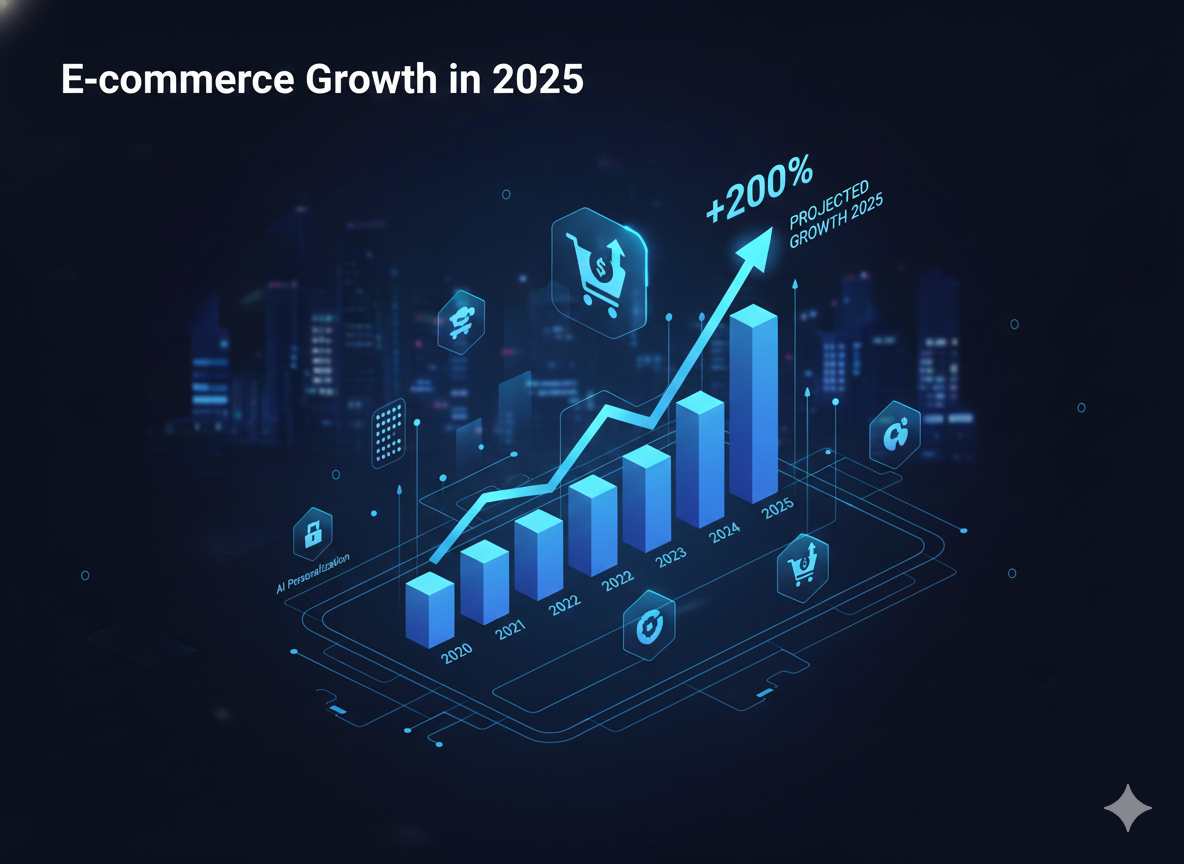
Consumer shopping habits have fundamentally shifted. Today’s buyers expect seamless mobile experiences, fast checkout processes, and personalized shopping journeys. The good news? Modern ecommerce platforms make it easier than ever to meet these expectations without needing extensive technical knowledge when you build an online store in 2025.
The opportunity to build an online store in 2025 has never been more promising. With advanced tools, simplified platforms, and growing consumer trust in online shopping, now is the ideal time to launch your ecommerce business.
Planning Your Online Store
Before diving into the technical aspects of how to make an e-commerce website, solid planning sets the foundation for long-term success. Every successful entrepreneur who has managed to build an online store in 2025 started with a clear roadmap.
Define Your Niche and Target Audience
Start by identifying what makes your store unique. Are you solving a specific problem? Targeting a particular demographic? Understanding your niche helps you make informed decisions throughout the entire process of building your online store.
Research your competitors thoroughly. Look at their product offerings, pricing strategies, and customer reviews. This competitive analysis will reveal gaps in the market and opportunities for differentiation. When you build an online store in 2025, competitive intelligence is crucial.
Create a Business Plan
Your business plan doesn’t need to be overly complex, but it should cover:
- Product sourcing strategy: Will you manufacture, dropship, or resell?
- Budget allocation: How much can you invest upfront to build an online store in 2025?
- Revenue projections: What are your realistic sales goals?
- Marketing approach: How will you attract your first customers?
Choose Your Products Wisely
When deciding what to sell, consider factors like profit margins, shipping costs, and market demand. According to Shopify’s ecommerce research, successful store owners spend considerable time validating their product ideas before launching. This research phase is essential when you build an online store in 2025.
Choosing the Right Ecommerce Platform
Selecting the best ecommerce platforms 2025 has to offer is one of your most critical decisions. The right platform can streamline operations, while the wrong choice creates unnecessary obstacles when you build an online store in 2025.

Shopify vs WooCommerce 2025: Which is Better?
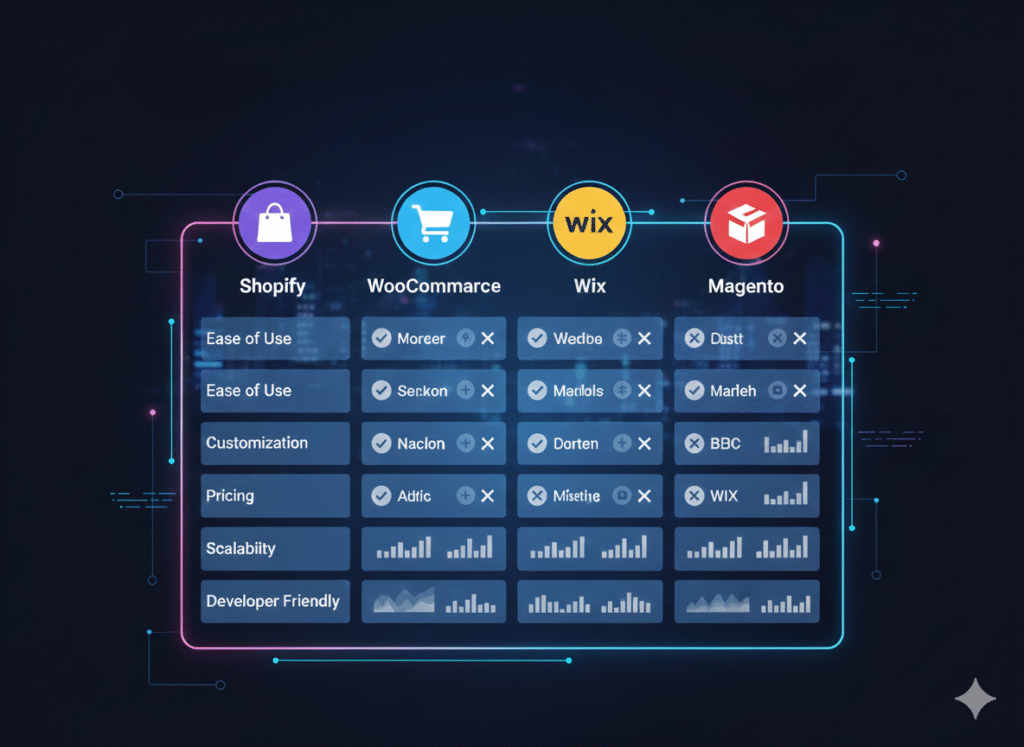
The Shopify vs WooCommerce 2025 debate remains one of the hottest topics among new store owners who want to build an online store in 2025.
Shopify offers an all-in-one hosted solution perfect for beginners. You get reliable hosting, security certificates, and seamless payment integration out of the box. The monthly subscription model (starting around $29) provides predictability, though transaction fees and app costs can add up.
WooCommerce runs on WordPress and gives you complete control over your store. It’s technically free (though you’ll pay for hosting, security, and extensions), making it appealing for budget-conscious entrepreneurs looking to build an online store in 2025.
For most beginners learning how to build an online store in 2025, Shopify provides the smoothest path to launch. WooCommerce makes sense if you already have WordPress experience or want maximum customization flexibility.
Other Popular Platforms to Consider
- BigCommerce: Excellent for scaling businesses with robust built-in features
- Wix eCommerce: User-friendly drag-and-drop interface ideal for small stores
- Squarespace: Beautiful templates perfect for visually-driven brands
- Magento (Adobe Commerce): Enterprise-level solution for large operations
The right choice depends on your technical skills, budget, and growth ambitions. Many successful entrepreneurs recommend starting with user-friendly options and migrating to more robust platforms as you grow your business.
Essential Features Every Online Store Needs
Understanding essential features for an online store helps you build a competitive, trustworthy shopping destination when you build an online store in 2025.
Must-Have Features for Success
Mobile-Responsive Design: Over 70% of ecommerce traffic now comes from mobile devices. Your mobile-friendly ecommerce design must look great and function perfectly on smartphones and tablets when you build an online store in 2025.
Fast Loading Speed: Studies show that every second of delay can reduce conversions by 7%. Optimize images, use content delivery networks, and choose quality hosting to keep your site lightning-fast.
Secure Payment Gateway Setup: Customers need to trust your checkout process. Implementing SSL certificates and working with reputable payment processors like Stripe, PayPal, or Square builds confidence and protects sensitive data.
Search Functionality: As your product catalog grows, customers need easy ways to find what they’re looking for. Implement robust search with filters for categories, price ranges, and product attributes.
Customer Reviews: Social proof dramatically influences purchasing decisions. Enable customer reviews and showcase them prominently on product pages.
Clear Navigation: Intuitive menus and logical category structures help visitors find products quickly without frustration.
Step-by-Step Guide: How to Create an Online Store
Let’s walk through the practical steps of ecommerce website development 2025 style, using a comprehensive online store setup guide approach. Following this roadmap will help you successfully build an online store in 2025.
Step 1: Register Your Domain Name
Your domain name is your digital address. Choose something memorable, relevant to your brand, and easy to spell. Most platforms offer domain registration during signup, or you can purchase separately through registrars like Namecheap or GoDaddy. This is the first official step when you build an online store in 2025.
Step 2: Select Your Hosting (If Needed)
For platforms like Shopify or Wix, hosting is included. If you choose WooCommerce or self-hosted solutions, you’ll need to select reliable hosting. Learning how to choose hosting for an online store involves considering:
- Uptime guarantees: Look for 99.9% or higher
- Customer support: 24/7 availability is crucial
- Scalability: Can your hosting grow with your business?
- Speed: Server location and technology affect load times
Popular hosting options for WooCommerce include SiteGround, Bluehost, and WP Engine. Quality hosting is non-negotiable when you build an online store in 2025.
Step 3: Install and Configure Your Platform
Follow your chosen platform’s setup wizard. Most modern platforms guide you through:
- Basic store information
- Currency and timezone settings
- Tax configuration
- Shipping zones
Take time to configure these correctly from the start. Changes later can be complicated, especially with tax and shipping settings when you build an online store in 2025.
Step 4: Choose and Customize Your Theme
Your visual design creates first impressions. Browse your platform’s theme marketplace for designs that match your brand aesthetic. Look for themes that highlight:
- Clean, modern layouts reflecting ecommerce design trends 2025
- Mobile responsiveness
- Fast loading times
- Good reviews from other users
Customize colors, fonts, and layouts to match your brand identity. Most platforms offer visual editors, so you won’t need coding knowledge for basic customizations.
Step 5: Add Your Products
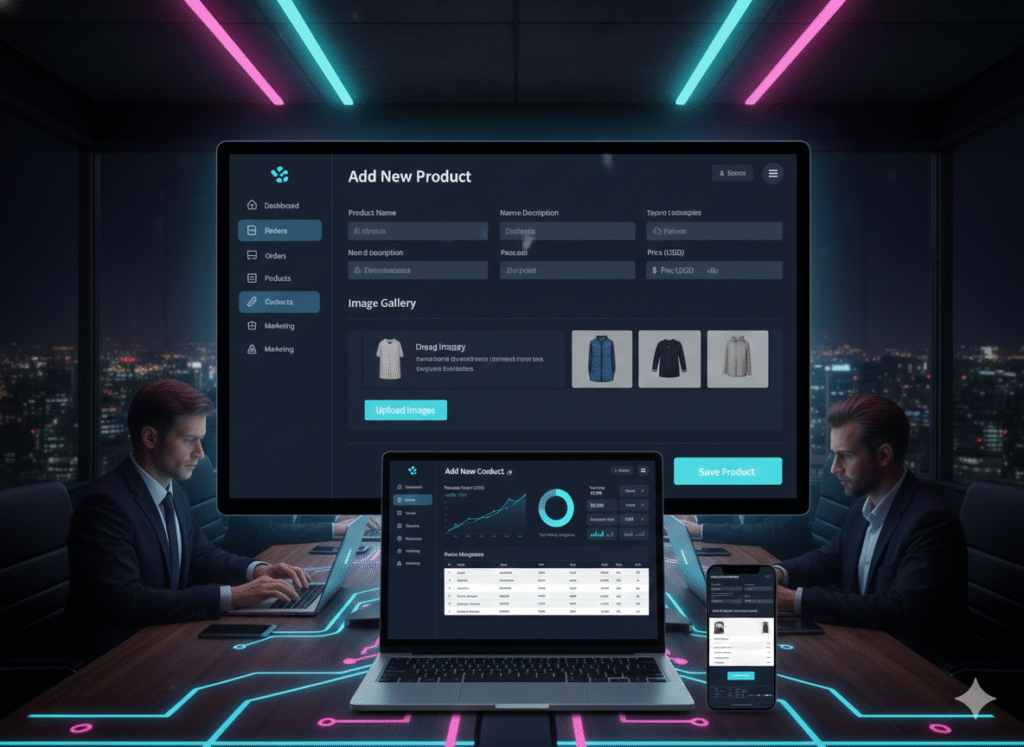
Now comes the exciting part—learning how to add products to an online store effectively when you build an online store in 2025.
For each product, you’ll need:
High-Quality Images: Use professional photos showing multiple angles. Include lifestyle images demonstrating the product in use.
Compelling Product Descriptions: Don’t just list features. Explain benefits and help customers envision owning your product. Use product page optimization tips like incorporating relevant keywords naturally while keeping the copy engaging.
Accurate Pricing: Consider your costs, competitor pricing, and perceived value. Don’t forget to account for payment processing fees.
Inventory Management: Track stock levels to avoid overselling. Most platforms automate this process.
SKU and Barcode Information: Organizing products with unique identifiers simplifies inventory management as you scale.
Step 6: Set Up Payment Processing
Your secure payment gateway setup determines how you’ll collect money when you build an online store in 2025. Most platforms integrate with multiple payment processors.
Consider offering various payment options:
- Credit and debit cards
- PayPal or similar digital wallets
- Buy now, pay later services (Afterpay, Klarna)
- Apple Pay and Google Pay for mobile convenience
Each processor charges fees (typically 2.5-3% per transaction), so compare rates carefully.
Step 7: Configure Shipping Options
Your shipping and delivery setup guide should balance customer expectations with profitability.
Options include:
- Flat rate shipping: Simple but may not reflect actual costs
- Real-time carrier rates: Accurate but can surprise customers with high costs
- Free shipping thresholds: Encourages larger orders
- Local pickup: Great for nearby customers
Clearly communicate shipping times and costs. Unexpected fees at checkout are the top reason for cart abandonment when customers shop at online stores.
Step 8: Add Legal Pages
Protect your business with essential legal pages:
- Privacy Policy: Explains how you handle customer data
- Terms of Service: Outlines the rules for using your store
- Return/Refund Policy: Sets expectations for returns
- Shipping Policy: Details delivery timelines and costs
Many platforms provide templates, or you can use generators like Termly or consult with a legal professional.
Step 9: Implement Trust Signals
Build credibility with ecommerce customer trust signals when you build an online store in 2025:
- Security badges (SSL, payment processor logos)
- Money-back guarantees
- Contact information prominently displayed
- About Us page sharing your story
- Professional product photography
- Clear policies and FAQs
Step 10: Test Everything Before Launch
Before announcing your store to the world, thoroughly test:
- Complete a test purchase using different devices
- Verify all links work correctly
- Check mobile responsiveness on multiple devices
- Ensure emails (order confirmations, shipping notifications) send properly
- Test your search functionality
This testing phase is crucial when you build an online store in 2025 to ensure a flawless customer experience.
Design and User Experience Considerations
Modern ecommerce design trends 2025 emphasize simplicity, speed, and personalization when you build an online store in 2025.
Current Design Trends
Minimalist Layouts: Clean designs with plenty of white space help products shine without overwhelming visitors.
Bold Typography: Eye-catching fonts create hierarchy and guide attention to important elements.
Micro-Interactions: Subtle animations when hovering over products or adding items to cart enhance engagement without slowing down the experience.
Personalization: Using AI to recommend products based on browsing history increases conversion rates significantly.
Creating Intuitive Navigation
Your menu structure should be logical and limited. Too many options create decision paralysis. Most successful stores use:
- Clear main categories (4-7 is ideal)
- Mega menus for larger catalogs
- Breadcrumb navigation showing where users are
- Persistent cart icon showing item count
Optimizing Product Pages
Your product pages do the heavy lifting in converting visitors to customers. Apply these product page optimization tips when you build an online store in 2025:
- Lead with your strongest product image
- Include zoom functionality
- Write scannable descriptions using bullet points
- Display pricing prominently
- Create urgency with limited stock notifications
- Include size guides or comparison charts when relevant
- Add related product recommendations
Setting Up Payment and Shipping
Getting payment and shipping right is crucial for operational success when you build an online store in 2025.
Payment Gateway Best Practices
Your secure payment gateway setup should prioritize security and convenience. Implementing PCI compliance protects customer payment data and your business reputation when you build an online store in 2025.
Display recognized payment logos prominently to reassure customers. Consider your target market—some regions prefer specific payment methods.
Shipping Strategy Development
The cost to build an online store includes ongoing shipping expenses. Develop a strategy that works for both you and your customers:
Calculate Your True Shipping Costs: Factor in packaging materials, carrier fees, and handling time.
Offer Multiple Speed Options: Some customers prioritize speed and will pay extra, while others prefer saving money.
Set Clear Expectations: Communicate processing times and delivery windows clearly. Under-promise and over-deliver when possible.
International Shipping Considerations: If selling globally, research customs requirements, duty costs, and restricted items for your target countries.
Optimizing Your Store for Search Engines
Understanding ecommerce SEO best practices helps customers discover your store organically when you build an online store in 2025.
On-Page SEO Fundamentals
Start with keyword research. Identify terms your potential customers search for and incorporate them naturally throughout your site. According to Google’s official guidelines, quality content that serves user intent ranks best.
Focus on:
Product Page Optimization: Include keywords in product titles, descriptions, and image alt text without stuffing.
Category Descriptions: Write unique descriptions for each category page rather than just listing products.
Meta Titles and Descriptions: Craft compelling meta information that includes keywords and encourages clicks from search results.
URL Structure: Use clean, keyword-rich URLs like “yourstore.com/organic-cotton-t-shirts” rather than “yourstore.com/product?id=12345”
Technical SEO for Ecommerce
Site Speed: Compress images, minimize code, and use caching to keep your site fast when you build an online store in 2025.
Mobile Optimization: Google prioritizes mobile-friendly sites in search rankings.
Structured Data: Implement product schema markup to help search engines understand your content and potentially display rich snippets.
XML Sitemap: Submit your sitemap to Google Search Console to help search engines discover all your pages.
Content Marketing for Ecommerce
Beyond product pages, create valuable content that attracts organic traffic:
- Write blog posts addressing customer questions
- Create buying guides for your product categories
- Develop how-to videos demonstrating product use
- Share customer success stories
Professional web development and digital marketing services can help implement advanced SEO strategies tailored to your specific business needs, ensuring your store ranks competitively from launch when you build an online store in 2025.
Marketing Your New Online Store
Building your store is just the beginning. Online store marketing strategies determine whether your investment generates returns when you build an online store in 2025.

Launch Marketing Tactics
Build Pre-Launch Buzz: Create anticipation by collecting email addresses weeks before launch. Offer early-bird discounts or exclusive access to subscribers.
Leverage Social Media: Choose platforms where your target audience spends time. Instagram and TikTok excel for visual products, while LinkedIn might suit B2B offerings.
Email Marketing: According to HubSpot’s marketing research, email consistently delivers one of the highest ROIs in digital marketing. Build your list from day one and nurture relationships with valuable content, not just promotions.
Influencer Partnerships: Collaborate with micro-influencers in your niche. They often deliver better engagement than massive accounts at a fraction of the cost when you build an online store in 2025.
Paid Advertising Strategies
Google Ads: Target high-intent customers searching for products like yours. Start with Google Shopping campaigns showcasing your products directly in search results.
Facebook and Instagram Ads: Use precise demographic targeting and retargeting pixels to show ads to people who’ve visited your store but haven’t purchased.
Pinterest Ads: Particularly effective for fashion, home decor, crafts, and other visual products.
Start with modest budgets while testing different audiences and creative approaches. Track everything to identify what’s working.
Organic Growth Tactics
SEO: As discussed earlier, optimizing for search engines provides free, ongoing traffic when you build an online store in 2025.
Content Marketing: Consistent valuable content builds authority and attracts organic traffic over time.
Social Media Organic Growth: Share authentic content, engage with followers, and participate in relevant communities.
Referral Programs: Incentivize customers to refer friends with discounts or rewards for both parties.
Customer Retention
Acquiring new customers costs significantly more than retaining existing ones:
- Send abandoned cart emails reminding shoppers to complete purchases
- Create loyalty programs rewarding repeat purchases
- Request reviews and testimonials from satisfied customers
- Send personalized product recommendations based on purchase history
At YAAM Web Solutions, we understand that successful ecommerce website guide 2025 strategies require both technical excellence and marketing savvy. Our team specializes in creating online stores that not only look great but also convert visitors into loyal customers through strategic design and optimization when you build an online store in 2025.
Measuring Success and Scaling
Once your store is live, tracking the right metrics informs growth decisions when you build an online store in 2025.
Key Performance Indicators (KPIs)
Conversion Rate: The percentage of visitors who make purchases. Industry average hovers around 2-3%, but this varies by niche.
Average Order Value (AOV): Track how much customers typically spend. Implement upselling and cross-selling strategies to increase this metric.
Customer Acquisition Cost (CAC): How much you spend to acquire each customer through marketing efforts.
Customer Lifetime Value (CLV): The total revenue you expect from a customer over their entire relationship with your brand.
Cart Abandonment Rate: Most stores see 60-80% cart abandonment. Reducing this even slightly can significantly boost revenue.
Tools for Tracking Performance
- Google Analytics: Free tool providing comprehensive traffic and behavior data
- Platform Analytics: Shopify, WooCommerce, and other platforms include built-in analytics
- Heat Mapping Tools: Services like Hotjar show how visitors interact with your site
- A/B Testing Platforms: Test different versions of pages to optimize conversion rates
Scaling Your Business
As your store grows, consider:
Expanding Your Product Line: Add complementary products based on customer feedback and sales data.
Automating Processes: Invest in tools for inventory management, email marketing, and customer service to handle increased volume without proportionally increasing workload.
Improving Customer Service: Consider live chat, comprehensive FAQs, and responsive support to enhance customer experience when you build an online store in 2025.
Exploring New Sales Channels: Consider selling on Amazon, eBay, or social media marketplaces to reach new audiences.
Optimizing Based on Data: Regularly review your analytics to identify bottlenecks in the customer journey and opportunities for improvement.
Understanding the Investment: Cost to Build an Online Store
Budget planning is crucial when you’re learning how to build an online store. Here’s a realistic breakdown of the cost to build an online store in 2025:
Initial Setup Costs
- Domain name: $10-20 per year
- Platform subscription: $29-299 per month depending on features needed
- Theme/Template: $0-300 (one-time or subscription)
- Logo and branding: $50-5,000 depending on whether you DIY or hire professionals
- Product photography: $0-5,000 (DIY vs professional)
- Legal setup: $100-1,000 for business registration, licenses
Ongoing Monthly Costs
- Platform fees: $29-299+
- Hosting (if self-hosted): $10-100
- Payment processing: 2.5-3% per transaction
- Apps and plugins: $0-300
- Marketing: $100-10,000+ (highly variable)
Professional Services
While it’s possible to create an online store step by step on your own, many entrepreneurs find that working with experienced developers accelerates launch and ensures professional results. Professional ecommerce website development 2025 services typically range from $2,000 for basic stores to $50,000+ for complex, custom solutions.
The advantage? You avoid costly mistakes, benefit from industry expertise, and launch with a polished store optimized for conversions from day one when you build an online store in 2025.
Conclusion
Learning how to build an online store in 2025 is more accessible than ever, but success still requires careful planning, quality execution, and persistent marketing efforts. This comprehensive guide has walked you through every essential step—from choosing the best ecommerce platforms 2025 offers to implementing effective marketing strategies.
Remember that building a successful online business is a marathon, not a sprint. Start with a solid foundation, continuously test and optimize based on data, and remain flexible as you learn what resonates with your specific audience.
Whether you’re handling everything yourself or partnering with experienced professionals like the team at YAAM Web Solutions, the key is taking that first step. The ecommerce opportunity continues expanding, and there’s never been a better time to claim your piece of it.
When you build an online store in 2025, you’re not just creating a website—you’re establishing a digital business that can generate revenue 24/7, reach customers globally, and scale beyond what traditional brick-and-mortar stores could achieve. The journey to build an online store in 2025 starts with a single decision: today is the day to begin.
Ready to turn your ecommerce vision into reality? Contact YAAM Web Solutions today to discuss how we can help you build an online store in 2025 that stands out from the competition and drives consistent revenue growth. Our expertise in helping entrepreneurs build an online store in 2025 ensures your success from launch through scaling.
Frequently Asked Questions
How long does it take to build an online store in 2025?
Using modern platforms like Shopify or WooCommerce, you can launch a basic online store in as little as a day or two. However, creating a professional, fully optimized store with quality product photography, compelling descriptions, and proper SEO typically takes 2-6 weeks when you build an online store in 2025. Custom-built stores with advanced features may require 2-3 months. The timeline depends on your product catalog size, technical requirements, and whether you’re doing everything yourself or working with professionals who know how to build an online store efficiently.
What is the best platform to build an online store in 2025?
The “best” platform depends on your specific needs. Shopify leads for ease of use and is ideal for beginners wanting to build an online store in 2025 quickly. WooCommerce offers maximum flexibility for those comfortable with WordPress. BigCommerce excels for scaling businesses, while Wix suits small stores prioritizing design simplicity. For most beginners learning how to start an online store and build an online store in 2025, Shopify provides the best balance of features, support, and scalability.
How much does it cost to build an online store in 2025?
The cost to build an online store varies significantly based on your approach. A DIY basic store using Shopify or WooCommerce costs $500-2,000 initially (domain, theme, basic apps) plus $50-300 monthly for platform fees and hosting. Mid-range professional development typically costs $3,000-15,000, while custom enterprise solutions can exceed $50,000. Marketing costs are additional and highly variable based on your strategy. The investment in how to make an e-commerce website and build an online store in 2025 depends largely on your feature requirements and customization needs.
Do I need technical skills to create an online store and build an online store in 2025?
No extensive technical skills are required to create an online store step by step using modern platforms when you build an online store in 2025. Services like Shopify, Wix, and Squarespace offer intuitive drag-and-drop interfaces that anyone can learn. Basic computer literacy and willingness to learn are sufficient for following an online store setup guide. However, some technical knowledge helps with advanced customizations, SEO optimization, and troubleshooting. Many entrepreneurs successfully launch stores without coding skills, while others partner with developers for more complex requirements.
What are the most important features for an online store when you build an online store in 2025?
Essential features for an online store include mobile-responsive design (critical as most traffic is mobile), secure payment processing, fast loading speeds, intuitive navigation, quality product imagery, customer reviews, clear shipping information, and SSL certification for security. Additional valuable features include abandoned cart recovery, email marketing integration, inventory management, and SEO optimization tools. Your mobile-friendly ecommerce design should prioritize these elements to ensure customer satisfaction and conversion optimization when you build an online store in 2025.
How do I drive traffic to my new online store?
Driving traffic requires a multi-channel approach combining SEO (optimizing your store and creating content to rank in search engines), social media marketing (building communities on platforms where your audience engages), email marketing (building and nurturing a subscriber list), paid advertising (Google Ads, Facebook/Instagram ads), content marketing (blogs, videos, guides that attract organic traffic), and partnerships or influencer collaborations. Online store marketing strategies work best when you start with 2-3 channels you can execute consistently rather than spreading yourself too thin across every option when you build an online store in 2025.
What payment methods should I offer in my online store?
At minimum, accept major credit cards (Visa, Mastercard, American Express) through a secure payment gateway setup. Additionally, consider PayPal (widely trusted), digital wallets like Apple Pay and Google Pay (convenient for mobile users), and buy-now-pay-later options like Afterpay or Klarna (increasingly popular, especially for higher-priced items). The specific mix should reflect your target market’s preferences—research what your competitors offer and what your customers expect in the ecommerce website development 2025 landscape when you build an online store in 2025.
How can I make my online store stand out from competitors?
Differentiate your store through exceptional product photography and descriptions, faster shipping options than competitors, outstanding customer service and responsive communication, unique product selection or exclusives, compelling brand storytelling that resonates emotionally, competitive pricing or added value, social proof through customer reviews and testimonials, and user experience optimization that makes shopping effortless. When you build an online store in 2025, focus on solving specific customer pain points better than alternatives rather than trying to compete on every dimension.
What are the biggest mistakes to avoid when building an online store?
Common mistakes include choosing the wrong platform for your needs, poor quality product images, complicated checkout processes, inadequate product descriptions, slow loading speeds, lack of mobile optimization, unclear shipping policies, insufficient payment options, ignoring SEO from the start, and launching without thoroughly testing. Following a comprehensive ecommerce website guide 2025 helps you avoid these pitfalls and create a store that converts from day one when you build an online store in 2025.
How important is SEO for an online store?
SEO is critically important for long-term success when you build an online store in 2025. Ecommerce SEO best practices help your store appear in search results when potential customers look for products you sell, providing free, ongoing traffic. Unlike paid advertising that stops when you stop paying, good SEO continues delivering results. Start implementing SEO from day one when you build an online store in 2025—it’s much harder to fix SEO issues later than to build correctly from the beginning.
About YAAM Web Solutions
YAAM Web Solutions is a leading web design and development agency specializing in creating high-performance ecommerce websites that convert visitors into loyal customers. Based in Jammu and Kashmir, our team serves businesses globally with custom web solutions, SEO optimization, and comprehensive digital marketing services. We understand that how to make an e-commerce website goes far beyond technical implementation—it requires strategic thinking, user-centered design, and ongoing optimization.
Whether you’re just learning how to start an online store or looking to scale an existing business, we’re here to help you succeed in the competitive ecommerce landscape. Our expertise in helping entrepreneurs build an online store in 2025 ensures your success from launch through scaling. We’ve helped hundreds of businesses build an online store in 2025 that exceeds their revenue goals.
Visit YAAM Web Solutions to explore our portfolio and discover how we’ve helped businesses like yours build an online store in 2025 that exceeds their business goals. Contact us today to discuss your project and get a free consultation on your ecommerce journey. Let us show you how to build an online store in 2025 the right way.
Published by YAAM Web Solutions Team – Your trusted partner to build an online store in 2025.




I don’t think the title of your article matches the content lol. Just kidding, mainly because I had some doubts after reading the article.
The atmosphere of this terpene fuse – gmo cookies strain effects is at bottom clean and ingenuous, not too strong but motionless noticeable in the overcome way. It blends smoothly and adds a much better flavor study without overpowering everything else. Even a slight amount makes a contradistinction, which says a a mountain about the quality. The packaging was shielded, shipping was rakish, and the sound circumstance felt reliable. Unquestionably solid outcome and a certain I’d cheerfully disposal again.
The CBD aggregation – hybrid gummies offers a variety of formats that please exceptional preferences, and each one feels intimately executed. The unguent appears unsoiled and compatible, the packaging materials discern durable, and the layout is lucid besides elegant. The products are easy to store and fraternize with, thanks to secure lids and compact sizing. Total, the label delivers a polished and carefully crafted experience without unrequired extras.
I don’t think the title of your article matches the content lol. Just kidding, mainly because I had some doubts after reading the article.
Your article helped me a lot, is there any more related content? Thanks!
Your article helped me a lot, is there any more related content? Thanks!
Thanks for sharing. I read many of your blog posts, cool, your blog is very good.
Your point of view caught my eye and was very interesting. Thanks. I have a question for you.
Can you be more specific about the content of your article? After reading it, I still have some doubts. Hope you can help me.
Thanks for sharing. I read many of your blog posts, cool, your blog is very good.
I was searching for information about gate.oi and came across your article. It was very helpful and gave me some great ideas. Thank you.
Thanks for sharing. I read many of your blog posts, cool, your blog is very good. https://accounts.binance.bh/register/person?ref=IHJUI7TF
Your article helped me a lot, is there any more related content? Thanks!
I don’t think the title of your article matches the content lol. Just kidding, mainly because I had some doubts after reading the article. https://www.binance.bh/register?ref=IXBIAFVY
Thank you for your sharing. I am worried that I lack creative ideas. It is your article that makes me full of hope. Thank you. But, I have a question, can you help me? https://accounts.binance.info/es-MX/register?ref=A00OPRX4
Can you be more specific about the content of your article? After reading it, I still have some doubts. Hope you can help me. https://www.binance.com/register?ref=IHJUI7TF