

Website Security 2025: Protect Your Site From Hackers
Published by: YAAM Web Solutions Team | Reading Time: 38 minutes
Imagine waking up to find your website defaced, customer data stolen, or your business locked out by ransomware. Unfortunately, this nightmare is becoming reality for thousands of businesses every day. In fact, recent cybersecurity reports reveal that 43% of cyber attacks specifically target small businesses, and the average cost of a data breach has climbed to $4.45 million.
The good news? You don’t need to be a cybersecurity expert to protect your website from hackers. This comprehensive guide will walk you through essential website security 2025 practices that anyone can implement—whether you’re running a small blog, an e-commerce store, or a corporate website.
Table of Contents
Why Website Security Matters More Than Ever in 2025
The digital landscape in 2025 has evolved dramatically, and so have the threats. Cybercriminals are now using sophisticated AI-powered tools and automated bots that scan millions of websites daily, looking for vulnerabilities to exploit. Website security 2025 isn’t just about protecting data—it’s about maintaining customer trust, preserving your brand reputation, and ensuring business continuity.

Here’s what’s at stake:
- Customer Trust: 84% of users abandon websites that display security warnings
- Search Rankings: Google actively penalizes insecure websites in search results
- Financial Impact: Beyond the immediate breach costs, businesses face legal fees, regulatory fines, and lost revenue
- Recovery Time: Without proper security measures, recovery from an attack can take 7-14 days or longer
Whether you’re managing an e-commerce platform or a simple portfolio site, website security best practices should be your top priority. At YAAM Web Solutions, we’ve helped hundreds of businesses implement robust security measures that protect against modern threats while maintaining optimal performance.

Understanding Common Website Vulnerabilities
Before diving into solutions, let’s understand what you’re protecting against. Knowing about common website vulnerabilities helps you implement targeted defenses that actually work.
The Top Security Threats in Website Security 2025
1. SQL Injection Attacks
Attackers manipulate database queries through input fields, potentially accessing or deleting sensitive information. Despite being well-known, SQL injection remains a critical threat, with 25% of web applications still vulnerable to this attack method.
2. Cross-Site Scripting (XSS)
Malicious scripts are injected into trusted websites, compromising user data and sessions. This vulnerability allows attackers to steal cookies, session tokens, and other sensitive information directly from your users’ browsers.
3. Brute-Force Attacks
Automated tools systematically try thousands of password combinations until they find the right one. Brute-force attack protection is essential because weak passwords remain one of the leading causes of security breaches.
4. DDoS (Distributed Denial of Service) Attacks
Your website gets overwhelmed with fake traffic, making it unavailable to legitimate users. DDoS attack protection mechanisms help ensure your site remains accessible even during attacks.
5. Malware Infections
Malicious software gets installed on your server, often creating backdoors for future attacks. Malware protection for websites involves both prevention and regular scanning to detect infections early.
6. Phishing and Social Engineering
Attackers trick your team members into revealing login credentials or installing malicious software. This threat highlights why employee training is a crucial component of website security 2025.
7. Zero-Day Exploits
Hackers exploit previously unknown vulnerabilities before developers can patch them. Staying informed and working with security-conscious development teams helps mitigate these risks.
Understanding these threats is the first step in website hacking prevention. Now let’s explore how to protect your website from hackers with practical, implementable solutions.
Essential Website Security Best Practices
Implementing website security best practices doesn’t require a massive budget or advanced technical skills. These foundational steps protect against 85% of common cyber attacks and build immediate user trust.
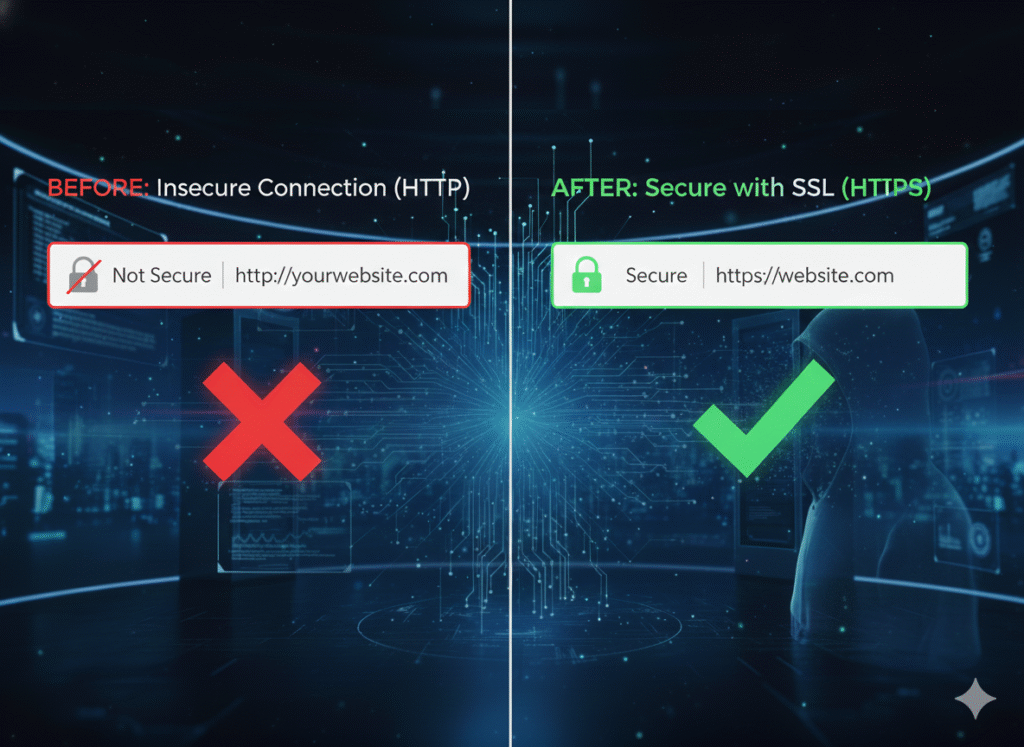
1. Install SSL Certificate and Enable HTTPS (The Foundation of Website Security 2025)
SSL and HTTPS importance cannot be overstated. An SSL/TLS certificate encrypts all data transferred between your visitors’ browsers and your server, protecting sensitive information like login credentials, payment details, and personal data from interception.
Why This Matters:
- Browsers now flag non-HTTPS sites as “Not Secure,” potentially driving away visitors
- Google prioritizes HTTPS sites in search rankings
- Protects against man-in-the-middle attacks where hackers intercept data
How to Implement:
- Purchase an SSL certificate from your hosting provider or use free options like Let’s Encrypt
- Install the certificate on your server (most hosts offer one-click installation)
- Update your website configuration to redirect all HTTP traffic to HTTPS
- Configure HSTS (HTTP Strict Transport Security) to enforce HTTPS at the browser level
- Monitor SSL expiration dates and renew certificates before they expire
Pro Tip: At YAAM Web Solutions, we include SSL certificate installation and automatic renewal in all our hosting packages, ensuring your site maintains continuous encryption without manual intervention.
2. Implement Strong Authentication Methods
Weak passwords and stolen credentials are responsible for the majority of security breaches. Implementing robust authentication is a critical website security tip that dramatically reduces your attack surface.
Two-Factor Authentication for Admin Panel
Two-factor authentication for admin panel adds an extra security layer by requiring two forms of verification before granting access. Even if an attacker obtains your password, they can’t access your account without the second factor (usually a code sent to your phone or generated by an authentication app).
Implementation Steps:
- Enable 2FA for all admin and privileged accounts
- Use authenticator apps like Google Authenticator, Authy, or Microsoft Authenticator
- Store backup codes in a secure location
- Require 2FA for hosting control panels, FTP access, and database management tools
Password Best Practices:
- Enforce minimum password length of 12 characters
- Require a mix of uppercase, lowercase, numbers, and special characters
- Implement password expiration policies (change every 90 days)
- Use password managers to generate and store complex passwords
- Never reuse passwords across different platforms
Website Security 2025 Insight: Multi-factor authentication reduces breach risk by 99.9%, making it one of the most effective security measures available.
3. Keep Everything Updated (Critical for Website Hacking Prevention)
Outdated software is the number one cause of website hacks. Attackers actively scan for known vulnerabilities in popular platforms, themes, and plugins. This website security tip is simple but often overlooked.
What Needs Regular Updates:
- CMS core files (WordPress, Joomla, Drupal, etc.)
- All plugins and extensions
- Themes and templates
- Server software (PHP, MySQL, etc.)
- SSL certificates
Best Practices:
- Enable automatic updates for minor security patches
- Test major updates on a staging environment first
- Remove unused plugins and themes completely
- Subscribe to security bulletins from your CMS provider
- Maintain an update schedule and stick to it
Real-World Example: The infamous Revolution Slider WordPress plugin vulnerability from 2014 is still actively exploited today because many websites never updated. Don’t become another statistic—make updates part of your routine website security 2025 strategy.
4. Deploy a Web Application Firewall (Essential Website Firewall Benefits)
A Web Application Firewall (WAF) acts as a protective shield between your website and the internet, filtering malicious traffic before it reaches your application. Understanding website firewall benefits helps you appreciate why this tool is essential for comprehensive protection.
How WAFs Protect Your Website:
- Block SQL injection attempts automatically
- Prevent cross-site scripting (XSS) attacks
- Mitigate DDoS attacks by filtering suspicious traffic patterns
- Stop brute-force login attempts
- Block traffic from known malicious IP addresses
Popular WAF Solutions:
- Cloudflare (offers free and premium tiers)
- Sucuri (specialized in website security)
- AWS WAF (for Amazon-hosted sites)
- Wordfence (WordPress-specific)
Implementation Considerations:
- Cloud-based WAFs are easier to set up and maintain
- Some hosting providers include WAF protection in their packages
- Configure custom rules based on your specific needs
- Monitor WAF logs regularly to identify attack patterns
The website firewall benefits extend beyond just blocking attacks—they also improve performance through content caching and optimization.
5. Regular Website Backups (Your Safety Net)
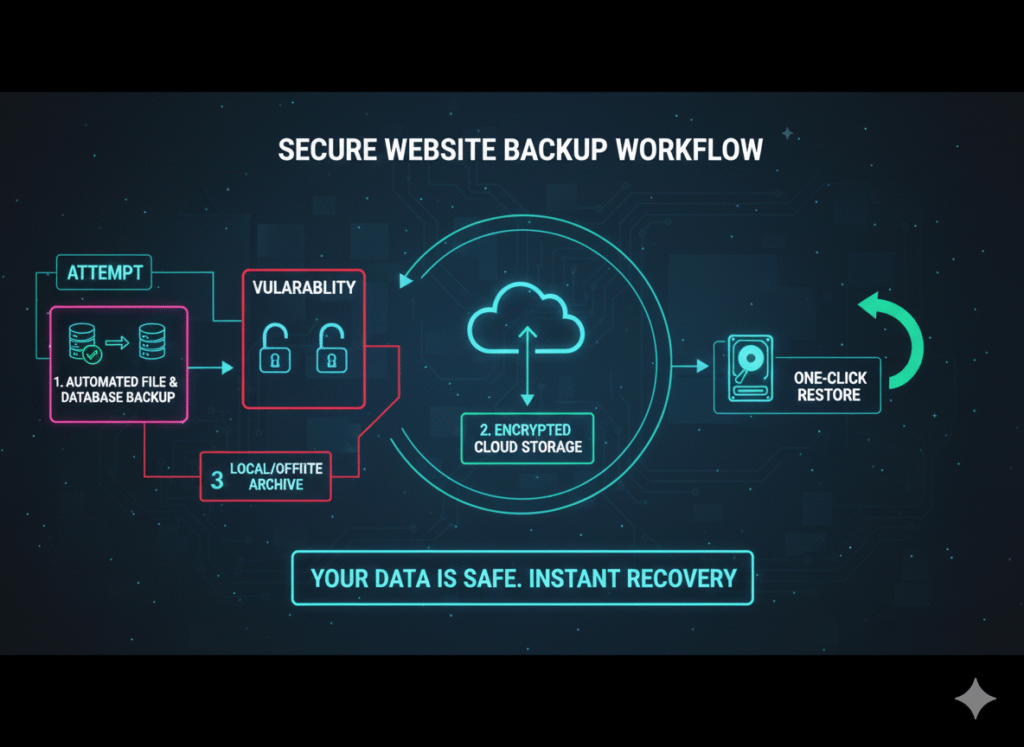
Regular website backups are your last line of defense. Even with all security measures in place, breaches can still occur. Comprehensive backups ensure you can restore your site quickly, minimizing downtime and data loss.
Backup Best Practices:
- Frequency: Automate daily backups for active websites
- Storage: Keep copies in multiple locations (local, cloud, and offsite)
- Scope: Include both files and databases
- Encryption: Encrypt backups before uploading to cloud storage
- Testing: Verify backup integrity by testing restoration quarterly
What to Backup:
- All website files
- Database contents
- Configuration files
- Email accounts and data
- SSL certificates and keys
Recovery Benefits:
- Reduces recovery time from weeks to 2-4 hours
- Protects against ransomware attacks
- Provides peace of mind
- Enables quick rollback if updates cause issues
Website Security 2025 Reality Check: According to recent studies, websites with proper backup systems recover 93% faster from security incidents compared to those without.
Need a comprehensive backup solution? YAAM Web Solutions offers automated backup services with encrypted cloud storage and one-click restoration.
How to Prevent Website Attacks: Advanced Strategies
Beyond basic security measures, these advanced strategies significantly strengthen your website security 2025 posture and help you protect website from hackers more effectively.
Input Validation and Sanitization
Always treat user input as potentially malicious. Proper validation prevents SQL injection and XSS attacks:
- Use parameterized queries or prepared statements for database operations
- Sanitize all user inputs before processing
- Implement Content Security Policy (CSP) headers
- Validate data types and formats on both client and server sides
Implement Rate Limiting
Rate limiting controls how frequently users can make requests to your server, protecting against:
- Brute-force login attempts
- DDoS attacks
- API abuse
- Form spam
Configuration Tips:
- Limit login attempts to 5 per 15 minutes
- Implement CAPTCHA after failed attempts
- Use IP-based rate limiting for API endpoints
- Monitor and adjust thresholds based on legitimate traffic patterns
Least Privilege Access
Grant users only the minimum permissions necessary for their roles:
- Create separate accounts for different team members
- Avoid using admin accounts for daily tasks
- Regularly audit user permissions
- Remove accounts for former employees immediately
- Implement role-based access control (RBAC)
Security Headers Configuration
Properly configured HTTP security headers add an extra layer of protection:
X-Frame-Options: DENY
X-Content-Type-Options: nosniff
X-XSS-Protection: 1; mode=block
Content-Security-Policy: default-src 'self'
Strict-Transport-Security: max-age=31536000; includeSubDomains
These headers help prevent clickjacking, MIME type sniffing, and other common attacks.
WordPress Security: Special Considerations for 2025
WordPress powers over 40% of all websites, making it a prime target for attackers. Secure WordPress website 2025 requires platform-specific security measures beyond general best practices.

Essential Security Plugins for WordPress
Security plugins for WordPress provide comprehensive protection with minimal configuration. Top recommendations include:
1. Wordfence Security
- Real-time firewall protection
- Malware scanning
- Login security features
- Two-factor authentication
- Traffic monitoring
2. Solid Security (formerly iThemes Security)
- Brute-force protection
- Database backups
- File change detection
- Security hardening recommendations
3. Sucuri Security
- Security activity auditing
- File integrity monitoring
- Remote malware scanning
- Security hardening
WordPress-Specific Security Measures
Change Default Settings:
- Modify the default admin username (never use “admin”)
- Change the database prefix from “wp_” to something unique
- Disable file editing in the WordPress dashboard
- Limit login attempts
Secure wp-config.php:
define('DISALLOW_FILE_EDIT', true);
define('FORCE_SSL_ADMIN', true);
Protect Important Files:
- Add .htaccess rules to protect sensitive files
- Disable directory browsing
- Block access to wp-config.php and .htaccess
Regular Security Audits:
- Review user accounts monthly
- Check for suspicious files in uploads directory
- Monitor failed login attempts
- Audit installed plugins for unused or outdated ones
XML-RPC Protection:
Disable XML-RPC if you’re not using it, as it’s commonly exploited for brute-force attacks:
<Files xmlrpc.php>
Order Deny,Allow
Deny from all
</Files>
Choosing a Secure Hosting Provider
Your hosting provider forms the foundation of your website security 2025 strategy. Choosing a secure hosting provider is one of the most critical decisions you’ll make.
What to Look for in a Security-Focused Host
Server-Level Security:
- Regular security patches and updates
- DDoS protection
- Intrusion detection systems
- Network-level firewalls
- Isolated hosting environments
Backup Services:
- Automated daily backups
- Multiple backup retention periods
- Easy restoration options
- Offsite backup storage
SSL/TLS Support:
- Free SSL certificates included
- Automatic certificate renewal
- Support for modern encryption protocols
Monitoring and Support:
- 24/7 security monitoring
- Malware scanning
- Expert security support team
- Incident response procedures
Compliance and Certifications:
- PCI DSS compliance (for e-commerce)
- GDPR compliance features
- ISO 27001 certification
- SOC 2 certification
Red Flags to Avoid
- Shared hosting with unlimited sites on one server
- No mention of security measures
- Outdated server software
- Poor customer reviews regarding security incidents
- Lack of backup options
At YAAM Web Solutions, our hosting infrastructure includes enterprise-grade security features typically reserved for large corporations, making them accessible to businesses of all sizes. Explore our secure hosting solutions designed specifically for website security 2025.
How to Monitor Website Security Continuously
Implementing security measures is just the beginning. Knowing how to monitor website security ensures you detect and respond to threats before they cause significant damage.
Essential Monitoring Tools and Practices
1. Security Scanning Tools
- Sucuri SiteCheck (free online scanner)
- Qualys SSL Labs (SSL configuration testing)
- OWASP ZAP (comprehensive security testing)
- Acunetix (vulnerability scanning)
2. Uptime Monitoring
- UptimeRobot (free uptime monitoring)
- Pingdom (advanced monitoring with alerts)
- StatusCake (website monitoring)
3. File Integrity Monitoring
- Set up alerts for unauthorized file changes
- Monitor critical files like wp-config.php, .htaccess
- Use plugin-based solutions or server-level tools
4. Log Analysis
- Review access logs weekly
- Monitor for suspicious login attempts
- Check for unusual traffic patterns
- Analyze 404 errors (often indicate probing attacks)
Setting Up Alerts
Configure notifications for:
- Failed login attempts exceeding threshold
- Unauthorized file changes
- Website downtime
- SSL certificate expiration
- Unusual traffic spikes
- Malware detection
Pro Tip: Centralize security logs using tools like ELK stack (Elasticsearch, Logstash, Kibana) or Grafana Loki for comprehensive visibility across your infrastructure.
Regular Security Audits
Schedule comprehensive security audits:
- Monthly: Review user accounts and permissions
- Quarterly: Full vulnerability scan and penetration testing
- Annually: Complete security assessment by external auditors
Many breaches go undetected for months because organizations lack proper monitoring. Don’t let this happen to you—make monitoring a core component of your website security 2025 strategy.
Website Security Checklist: Quick Reference Guide
Use this secure website checklist to ensure you’ve implemented all essential security measures. Print this out and check off each item as you complete it.

Immediate Actions (Do Today)
- [ ] Install SSL certificate and force HTTPS
- [ ] Enable two-factor authentication for admin accounts
- [ ] Update all CMS core files, plugins, and themes
- [ ] Set up automated daily backups
- [ ] Change default admin username and password
- [ ] Install a security plugin or WAF
- [ ] Remove unused plugins, themes, and accounts
- [ ] Disable file editing in CMS dashboard
Weekly Security Tasks
- [ ] Review failed login attempts
- [ ] Check for available updates
- [ ] Verify backup completion
- [ ] Monitor website uptime reports
- [ ] Review security plugin logs
Monthly Security Tasks
- [ ] Audit user accounts and permissions
- [ ] Review and update passwords
- [ ] Check SSL certificate expiration date
- [ ] Analyze website traffic patterns
- [ ] Test backup restoration process
- [ ] Review security headers configuration
Quarterly Security Tasks
- [ ] Conduct full security scan
- [ ] Perform penetration testing
- [ ] Review and update security policies
- [ ] Train team members on security awareness
- [ ] Evaluate new security tools and services
- [ ] Update incident response plan
Annual Security Tasks
- [ ] Complete comprehensive security audit
- [ ] Review hosting provider security measures
- [ ] Update disaster recovery plan
- [ ] Evaluate compliance requirements
- [ ] Review and renew security certifications
Following this secure website checklist consistently significantly reduces your vulnerability to attacks and helps establish a culture of security awareness within your organization.
AI and Machine Learning in Website Security 2025
Artificial intelligence is revolutionizing how we approach website security 2025. Modern security systems now use machine learning algorithms to detect and respond to threats faster than any human could, making AI-powered security essential for staying ahead of increasingly sophisticated attacks.
How AI Enhances Website Security
1. Intelligent Threat Detection
AI-powered security systems analyze millions of data points in real-time, identifying unusual patterns that indicate potential attacks. These systems learn from each encounter, becoming more effective at spotting threats over time.
Benefits include:
- Detection of zero-day exploits before they’re widely known
- Identification of subtle attack patterns humans might miss
- Automatic blocking of suspicious traffic in milliseconds
- Reduced false positives compared to traditional rule-based systems
2. Predictive Security Analytics
Machine learning models can predict potential vulnerabilities by analyzing your website’s code, configuration, and traffic patterns. This proactive approach helps you patch security holes before attackers discover them.
3. Automated Incident Response
AI systems can automatically respond to detected threats by:
- Temporarily blocking suspicious IP addresses
- Isolating compromised accounts
- Initiating backup protocols
- Alerting your security team with detailed context
4. Behavioral Analysis for User Authentication
Advanced AI systems track normal user behavior patterns, flagging unusual activities like:
- Login attempts from unfamiliar locations
- Unusual data access patterns
- Suspicious admin panel activities
- Abnormal file uploads or modifications
AI-Powered Security Tools for 2025
Darktrace: Uses self-learning AI to detect and respond to cyber threats across cloud, email, network, and endpoint environments.
Cloudflare Bot Management: Employs machine learning to distinguish between legitimate users and malicious bots.
Security.ai: Provides automated penetration testing using AI to continuously scan for vulnerabilities.
Vectra AI: Offers AI-driven threat detection and response specifically for detecting attacker behavior.
Implementing AI Security Solutions
Start with these steps:
- Assess your needs: Determine which AI security features align with your risk profile
- Start small: Begin with one AI-powered security tool and expand gradually
- Integrate with existing systems: Ensure AI tools work alongside your current security infrastructure
- Train your team: Help staff understand how AI security systems work and how to interpret their alerts
- Monitor and adjust: Regularly review AI system performance and fine-tune settings
While AI dramatically improves security capabilities, remember that it works best when combined with human expertise. Use AI to handle the heavy lifting of threat detection and analysis, while your security team focuses on strategy and complex decision-making.
Mobile Security: Protecting Your Site on All Devices
With over 60% of web traffic now coming from mobile devices, mobile security has become a critical component of website security 2025. A mobile-optimized security strategy protects both your website and your mobile users from device-specific threats.
Mobile-Specific Security Challenges
1. Responsive Design Vulnerabilities
Mobile versions of websites sometimes implement security features differently than desktop versions, creating potential gaps. Ensure your responsive design maintains consistent security across all breakpoints.
2. App-Based Attacks
If you have a mobile app connected to your website:
- Implement certificate pinning to prevent man-in-the-middle attacks
- Use secure storage for sensitive data (never plain text)
- Regularly update mobile SDKs and libraries
- Implement jailbreak/root detection
3. Public WiFi Risks
Mobile users frequently connect through unsecured public networks. Protect them by:
- Enforcing HTTPS across all pages (not just login/checkout)
- Implementing additional encryption layers for sensitive transactions
- Using security headers to prevent mixed content
- Educating users about VPN usage on public networks
Mobile Security Best Practices for Website Security 2025
Optimize Your Mobile Security Headers
Ensure these headers are properly configured for mobile traffic:
Content-Security-Policy: Proper CSP prevents unauthorized scripts
X-Frame-Options: SAMEORIGIN prevents clickjacking
Referrer-Policy: no-referrer-when-downgrade protects user privacy
Permissions-Policy: Controls access to device features
Implement Progressive Web App (PWA) Security
If your site uses PWA technology:
- Use service workers securely (validate all requests)
- Implement proper cache management to prevent cache poisoning
- Ensure offline functionality doesn’t compromise security
- Regularly audit PWA-specific vulnerabilities
Mobile Payment Security
For e-commerce sites, mobile payment security is critical:
- Integrate trusted payment gateways (Stripe, PayPal, Square)
- Implement 3D Secure authentication
- Use tokenization to avoid storing card details
- Comply with PCI DSS standards for mobile transactions
Device Fingerprinting for Fraud Prevention
Use device fingerprinting to identify suspicious mobile activity:
- Track device characteristics without invading privacy
- Flag unusual device changes for the same account
- Detect emulators or rooted devices attempting access
- Implement risk-based authentication based on device trust scores
Testing Mobile Security
Regular mobile security testing should include:
- Mobile penetration testing: Simulate attacks specifically targeting mobile users
- API security testing: Ensure mobile app APIs are properly secured
- Network traffic analysis: Monitor mobile traffic for unusual patterns
- Cross-device testing: Verify security features work across all devices and OS versions
At YAAM Web Solutions, we specialize in mobile-first security implementations that protect your users regardless of how they access your site. Our comprehensive approach ensures your website security 2025 strategy covers every device and platform.
Zero Trust Architecture: The New Security Standard for 2025
Zero Trust Architecture has become a fundamental approach in website security 2025, operating on the principle that no user or device should be trusted by default, requiring continuous verification and strict access controls. This security model is rapidly becoming the industry standard as traditional perimeter-based security proves inadequate against modern threats.
Understanding Zero Trust Principles
Traditional security models operated on a “castle and moat” philosophy—strong perimeter defenses with implicit trust for anyone inside. Zero Trust flips this model entirely: “never trust, always verify.”
Core Zero Trust Principles:
- Verify Explicitly: Always authenticate and authorize based on all available data points
- Use Least Privilege Access: Limit user access with Just-In-Time and Just-Enough-Access (JIT/JEA)
- Assume Breach: Minimize blast radius and segment access. Verify end-to-end encryption
Implementing Zero Trust for Your Website
Step 1: Identity Verification
Every access request must be authenticated, regardless of where it originates:
- Implement multi-factor authentication for all users
- Use passwordless authentication where possible (biometrics, hardware keys)
- Verify user identity continuously, not just at login
- Monitor for unusual behavior patterns that might indicate compromised accounts
Step 2: Device Security Assessment
Before granting access, verify the security posture of the connecting device:
- Check for updated operating systems and security patches
- Verify presence of endpoint protection software
- Assess compliance with your security policies
- Block or quarantine devices that don’t meet standards
Step 3: Micro-Segmentation
Divide your network into small zones to maintain separate access:
- Segment your website admin panel from public-facing pages
- Isolate database servers with strict access controls
- Create separate environments for development, staging, and production
- Limit lateral movement capabilities if one segment is compromised
Step 4: Continuous Monitoring
Zero Trust requires constant vigilance:
- Monitor all access attempts in real-time
- Analyze user behavior for anomalies
- Log all activities for forensic analysis
- Automatically revoke access when suspicious activity is detected
Zero Trust Benefits for Website Security 2025
Implementing Zero Trust architecture provides numerous advantages:
- Reduced attack surface by eliminating implicit trust
- Better visibility into who accesses what and when
- Improved compliance with data protection regulations
- Faster detection and containment of security incidents
- Protection against insider threats
- Secure support for remote work and distributed teams
Real-World Impact: Organizations implementing Zero Trust report 70% fewer successful breaches and 60% faster incident detection compared to traditional security models.
Supply Chain Security: Protecting Your Website’s Dependencies
Threat actors are increasingly targeting vulnerabilities in supply chains, especially those with weaker security measures, to access sensitive information. Supply chain attacks have become one of the most significant website security 2025 concerns, affecting businesses of all sizes.
Understanding Supply Chain Vulnerabilities
Your website doesn’t exist in isolation. It relies on:
- Third-party plugins and extensions
- JavaScript libraries and frameworks
- Content Delivery Networks (CDNs)
- Payment processors
- API integrations
- Hosting infrastructure
- Theme developers
- Analytics platforms
Each of these represents a potential entry point for attackers. When a popular library gets compromised, thousands of websites become vulnerable simultaneously.
High-Profile Supply Chain Attacks
Recent years have seen devastating supply chain attacks:
- SolarWinds (2020): Compromised software updates affected 18,000+ organizations
- Log4j (2021): Critical vulnerability in widely-used Java library
- npm packages: Regular discoveries of malicious code in JavaScript packages
- WordPress plugins: Thousands of sites affected by compromised popular plugins
How to Secure Your Website’s Supply Chain
1. Vendor Risk Assessment
Before adding any third-party component:
- Research the developer’s security track record
- Check how actively the project is maintained
- Review security audit history
- Assess the vendor’s security practices
- Verify the legitimacy of the source
2. Dependency Management
Keep track of everything your website uses:
- Maintain an inventory of all dependencies
- Document versions and update schedules
- Use software composition analysis tools
- Monitor for known vulnerabilities
- Remove unused dependencies promptly
3. Code Verification
Verify the integrity of third-party code:
- Use Subresource Integrity (SRI) for external scripts
- Implement Content Security Policy to control what can load
- Review code changes in updates before deploying
- Use checksums to verify package authenticity
- Consider hosting critical libraries locally
4. Continuous Monitoring
With over 30,000 vulnerabilities disclosed in the past year representing a 17% increase, continuous monitoring has become essential:
- Subscribe to security advisories for your dependencies
- Use automated vulnerability scanning tools
- Monitor for unusual behavior in third-party components
- Implement runtime protection to detect anomalies
- Set up alerts for security announcements
Software Bill of Materials (SBOM)
Create and maintain a Software Bill of Materials for your website:
- List all components, libraries, and dependencies
- Document versions and sources
- Track licenses and compliance requirements
- Update regularly as components change
- Use SBOM tools to automate the process
Recommended SBOM Tools:
- Syft (open-source)
- Anchore
- OWASP Dependency-Track
- Snyk
API Security in Supply Chain
Many supply chain vulnerabilities stem from insecure APIs:
- Authenticate all API requests properly
- Encrypt API communications
- Implement rate limiting to prevent abuse
- Validate and sanitize all API inputs
- Monitor API usage for anomalies
- Use API gateways for centralized security
Website Security 2025 Reality: Supply chain attacks increased by 300% over the past two years, making this a critical area for protection efforts.
Ransomware Protection: Defending Against the Biggest Threat
Up to 20% of all breaches are ransomware attacks, with more than 150 ransomware families showing this attack vector is proliferating and increasing in sophistication. Ransomware has evolved from simple file encryption to complex double and triple extortion schemes.

Understanding Modern Ransomware Tactics
Double Extortion
Attackers now:
- Encrypt your files (traditional ransomware)
- Steal your data before encryption
- Threaten to publish stolen data if you don’t pay
This means even if you have backups, you still face data leak threats.
Triple Extortion
Some attackers go further:
- Encrypt your files
- Steal your data
- Launch DDoS attacks on your infrastructure
- Contact your customers directly with threats
Ransomware-as-a-Service (RaaS)
Ransomware using double extortion tactics has become one of the biggest cybersecurity risks businesses face in 2025. Criminal organizations now offer ransomware tools as a service, allowing even non-technical criminals to launch sophisticated attacks.
Comprehensive Ransomware Defense Strategy
Prevention Layer
The best defense is preventing ransomware from reaching your systems:
- Deploy advanced email filtering to block phishing attempts
- Use web filtering to block malicious websites
- Implement application whitelisting
- Disable macros in office documents by default
- Keep all software updated and patched
- Use endpoint detection and response (EDR) tools
Detection Layer
Catch ransomware early before it spreads:
- Monitor for unusual file activity
- Track abnormal network traffic patterns
- Use behavioral analysis to spot ransomware behavior
- Implement deception technology (honeypots)
- Set up real-time alerts for suspicious activities
Containment Layer
Limit damage if ransomware breaches your defenses:
- Segment your network to prevent lateral movement
- Implement micro-segmentation for critical assets
- Use network access control (NAC)
- Maintain offline, immutable backups
- Practice regular disaster recovery drills
Recovery Layer
Be prepared to recover quickly:
- Test backup restoration regularly (at least quarterly)
- Maintain multiple backup copies in different locations
- Keep one backup completely offline and air-gapped
- Document your recovery procedures
- Maintain relationships with incident response teams
What to Do If Ransomware Strikes
If you discover a ransomware infection:
- Immediately isolate infected systems from the network
- Don’t pay the ransom (FBI and cybersecurity experts advise against payment)
- Identify the ransomware variant using ID Ransomware or similar tools
- Check for decryptors at No More Ransom project
- Contact law enforcement and file a report
- Notify affected parties as legally required
- Restore from backups once the threat is eliminated
- Conduct post-incident review to prevent recurrence
Backup Best Practices for Ransomware Protection
Follow the 3-2-1-1-0 backup rule:
- 3 copies of your data
- 2 different media types
- 1 copy offsite
- 1 copy offline/air-gapped
- 0 errors in backup verification
Critical Backup Tips:
- Encrypt backups to protect against data theft
- Test restoration procedures monthly
- Store backups in immutable storage when possible
- Separate backup credentials from production systems
- Monitor backup success and integrity continuously
Ransomware Insurance Considerations
Cyber insurance can help mitigate financial impact:
- Covers ransom payments (though payment is discouraged)
- Provides funds for recovery efforts
- Includes legal and PR support
- Offers access to incident response teams
However, insurers are becoming more selective, requiring:
- Multi-factor authentication
- Email filtering and anti-malware
- Regular backups with offline copies
- Employee security training
- Documented incident response plans
IoT Security: Protecting Connected Devices in 2025
The proliferation of IoT devices has expanded the attack surface, with many of these devices lacking adequate security features. As businesses incorporate smart devices, cameras, sensors, and other IoT equipment, website security 2025 must extend to these endpoints.

The IoT Security Challenge
IoT devices present unique security challenges:
- Often shipped with default credentials
- Rarely receive security updates
- Limited processing power for security features
- Lack of standardized security protocols
- Difficult to monitor and manage at scale
- Often remain connected for years without maintenance
Common IoT Vulnerabilities
1. Weak Authentication
Many IoT devices use:
- Default usernames and passwords (admin/admin)
- Hard-coded credentials that can’t be changed
- No authentication requirements at all
2. Insufficient Update Mechanisms
- No automatic update capability
- Updates require manual intervention
- Vendors stop supporting older devices
- No notification system for available updates
3. Insecure Network Services
- Unnecessary open ports
- Unencrypted communications
- Vulnerable firmware
- Lack of secure boot mechanisms
4. Poor Physical Security
- Easy to access and manipulate
- USB ports and debug interfaces exposed
- No tamper detection
- Extractable storage containing credentials
Securing IoT Devices Connected to Your Website
Network Segmentation
Isolate IoT devices from critical systems:
- Create a separate VLAN for IoT devices
- Block direct communication between IoT and critical servers
- Route IoT traffic through a firewall
- Monitor all IoT network activity
Access Control
Limit who and what can interact with IoT devices:
- Change all default credentials immediately
- Use strong, unique passwords for each device
- Implement certificate-based authentication where possible
- Disable unused features and services
- Restrict physical access to devices
Monitoring and Management
Keep track of all IoT devices:
- Maintain an inventory of all connected devices
- Monitor for unusual behavior or traffic patterns
- Log all IoT device activities
- Use IoT security platforms for centralized management
- Set up alerts for unauthorized access attempts
Regular Updates
Keep IoT firmware current:
- Check for updates monthly
- Subscribe to vendor security bulletins
- Replace devices that no longer receive updates
- Test updates in non-production environment first
- Document device versions and update history
IoT Security Frameworks
Follow established IoT security frameworks:
NIST IoT Cybersecurity Framework
- Device identification
- Device configuration
- Data protection
- Logical access to interfaces
- Software/firmware updates
- Cybersecurity state awareness
IoT Security Foundation Best Practices
- Privacy by design
- Secure boot and updates
- Authorization and access control
- Cryptographic algorithms
- Security logging
Future of IoT Security in Website Security 2025
Emerging solutions include:
- AI-powered IoT monitoring: Detect anomalies in device behavior
- Blockchain for IoT: Secure device identity and communications
- 5G security features: Enhanced encryption and authentication
- Edge computing security: Process data locally with enhanced protection
- Quantum-resistant cryptography: Prepare for post-quantum threats
Cloud Security Best Practices for Website Security 2025
With remote work and cloud adoption increasing, endpoints and data flows become attractive attack targets. As more businesses migrate to cloud infrastructure, cloud security has become inseparable from overall website security 2025 strategy.
Understanding Cloud Security Challenges
Shared Responsibility Model
Cloud security is split between you and your provider:
Cloud Provider Secures:
- Physical infrastructure
- Network infrastructure
- Hypervisor
- Managed service features
You Secure:
- Data
- Applications
- Operating systems
- Network configurations
- Access management
- Client-side encryption
Many breaches occur because organizations misunderstand this division.
Common Cloud Security Misconfigurations
Catastrophic failures often stem from misconfigurations and poor alignment to security fundamentals, not sophisticated attacks:
1. Public Storage Buckets
Accidentally public Amazon S3 buckets or Azure containers expose:
- Customer databases
- Backup files
- Configuration files
- Private keys and credentials
2. Overly Permissive IAM Policies
Granting excessive permissions:
- Admin access to non-admin users
- Overly broad resource access
- Long-lived access keys
- Unused accounts with active permissions
3. Unencrypted Data
Data left unprotected:
- Data at rest without encryption
- Data in transit over unencrypted channels
- Unencrypted database backups
- Keys stored alongside encrypted data
4. Inadequate Logging
Insufficient visibility:
- Logging not enabled for critical services
- Logs not monitored or analyzed
- Log retention periods too short
- No centralized log management
Cloud Security Best Practices
Cloud Security Posture Management (CSPM)
CSPM consists of continuously monitoring cloud infrastructure to identify and remediate security risks and misconfigurations:
- Automated configuration scanning
- Compliance checking against industry standards
- Risk prioritization based on severity
- Automated remediation where possible
- Continuous compliance monitoring
Popular CSPM Tools:
- Prisma Cloud (Palo Alto Networks)
- Microsoft Defender for Cloud
- AWS Security Hub
- Google Cloud Security Command Center
- Wiz
Identity and Access Management
Implement strict IAM practices:
- Use the principle of least privilege
- Enable MFA for all cloud accounts
- Rotate access keys regularly (every 90 days)
- Use temporary credentials where possible
- Implement just-in-time access
- Audit permissions quarterly
- Remove unused accounts and roles
Data Protection
Secure data throughout its lifecycle:
- Encrypt data at rest using provider-managed or customer-managed keys
- Enforce TLS 1.3 for data in transit
- Implement data loss prevention (DLP) policies
- Classify data based on sensitivity
- Use tokenization for sensitive data
- Maintain encrypted backups in multiple regions
Network Security
Protect cloud network infrastructure:
- Use Virtual Private Clouds (VPCs) for isolation
- Implement network segmentation
- Configure security groups restrictively
- Use Web Application Firewalls (WAF)
- Enable DDoS protection services
- Monitor network traffic with flow logs
Multi-Cloud Security Challenges
Enterprises typically run workloads across AWS, Azure, GCP, and private data centers, with unique configurations complicating consistent threat visibility:
Challenges:
- Different security tools and interfaces
- Inconsistent policy enforcement
- Complex identity federation
- Varied compliance requirements
- Increased management overhead
Solutions:
- Use cloud-agnostic security platforms
- Standardize security policies across clouds
- Implement centralized identity management
- Use infrastructure-as-code for consistency
- Deploy unified security monitoring
Serverless Security
Secure serverless functions and applications:
- Limit function permissions to minimum required
- Validate all inputs rigorously
- Use environment variables for secrets (not code)
- Implement function-level authentication
- Monitor function invocations for anomalies
- Set appropriate timeout values
- Use API gateways for access control
Container Security
Protect containerized applications:
- Scan container images for vulnerabilities
- Use minimal base images
- Don’t run containers as root
- Implement network policies
- Use secrets management for credentials
- Monitor container runtime behavior
- Keep orchestration platforms updated
Regulatory Compliance and Website Security 2025
Regulations are putting increasingly stringent data handling rules with stiff penalties for violations, making proactive monitoring of cyber security trends 2025 essential to stay ahead of emerging compliance concerns. Understanding and implementing compliance requirements is crucial for website security 2025.

Major Regulatory Frameworks
GDPR (General Data Protection Regulation)
Applies to any website serving EU residents:
- Obtain explicit consent for data collection
- Provide clear privacy policies
- Allow users to access their data
- Enable data portability
- Implement right to be forgotten
- Report breaches within 72 hours
- Penalties up to €20 million or 4% of global revenue
Website Security 2025 Implementation:
- Cookie consent management
- Data encryption at rest and in transit
- Secure data deletion procedures
- Privacy by design principles
- Data protection impact assessments
CCPA/CPRA (California Consumer Privacy Act)
Protects California residents:
- Disclose data collection practices
- Allow consumers to opt-out of data sales
- Provide data access and deletion rights
- Implement reasonable security measures
- Maintain detailed data inventories
PCI DSS (Payment Card Industry Data Security Standard)
Required for handling credit card information:
- Build and maintain secure networks
- Protect cardholder data
- Implement strong access control measures
- Regularly monitor and test networks
- Maintain information security policy
Website Security Implementation:
- Use validated payment gateways
- Never store CVV codes
- Encrypt transmission of cardholder data
- Implement multi-factor authentication
- Conduct quarterly vulnerability scans
HIPAA (Health Insurance Portability and Accountability Act)
For websites handling health information:
- Ensure confidentiality of protected health information (PHI)
- Implement access controls
- Encrypt PHI in transit and at rest
- Maintain audit logs
- Conduct risk assessments
- Provide security awareness training
Compliance Management Strategies
1. Data Mapping
Understand your data landscape:
- Identify all data collection points
- Map data flows through your systems
- Classify data by sensitivity
- Document data retention periods
- Track third-party data sharing
2. Policy Development
Create comprehensive security policies:
- Privacy policy
- Data retention and deletion policy
- Incident response plan
- Access control policy
- Encryption policy
- Vendor management policy
3. Technical Controls
Implement compliance-supporting technologies:
- Data encryption tools
- Access management systems
- Logging and monitoring solutions
- Data loss prevention (DLP)
- Consent management platforms
- Automated compliance reporting
4. Regular Audits
Maintain ongoing compliance:
- Conduct internal audits quarterly
- Perform external audits annually
- Test incident response plans
- Review and update policies
- Train staff on compliance requirements
- Document all compliance activities
Emerging Regulatory Trends
Watch for new regulations affecting website security 2025:
AI Governance
New regulations around AI use:
- EU AI Act requirements
- Transparency in AI decision-making
- Bias prevention and testing
- Data rights in AI training
Data Localization
Increasing requirements for data sovereignty:
- Data must remain within specific geographic boundaries
- Local data processing requirements
- Cross-border data transfer restrictions
Breach Notification
Stricter breach disclosure requirements:
- Shorter notification timeframes
- More detailed disclosure requirements
- Direct consumer notification obligations
- Regulatory reporting expansion
Compliance Automation Tools
Streamline compliance management:
- OneTrust: Privacy and data governance platform
- TrustArc: Automated privacy compliance
- Vanta: Continuous compliance monitoring
- Drata: Automated compliance for SOC 2, ISO 27001
- Secureframe: Compliance automation platform
At YAAM Web Solutions, we help businesses navigate complex compliance requirements while implementing robust website security 2025 measures. Our compliance-focused security solutions ensure you meet regulatory obligations without compromising performance or user experience.
Frequently Asked Questions About Website Security 2025
Q1: How much does website security cost in 2025?
Basic website security 2025 can be implemented for free or at minimal cost using tools like Let’s Encrypt SSL certificates and free security plugins. Comprehensive security solutions typically range from $10-$500 monthly, depending on your website size and requirements. Professional security audits cost $500-$5,000 annually. The cost of prevention is always far less than the cost of recovery from a breach.
Q2: Can I protect my website from hackers without technical knowledge?
Absolutely! While technical expertise helps, many essential security measures are beginner-friendly. Using managed hosting with built-in security, installing security plugins with default configurations, and following basic best practices can provide substantial protection. Consider partnering with security-focused agencies like YAAM Web Solutions for comprehensive protection without requiring technical skills.
Q3: How often should I backup my website?
For active websites that change frequently, daily automated backups are recommended. For static websites or blogs with infrequent updates, weekly backups may suffice. Always perform manual backups before major updates or changes. Keep multiple backup copies: at least one local, one cloud-based, and one offsite.
Q4: What’s the most important security measure I should implement first?
If you can only implement one security measure today, make it SSL/TLS encryption (HTTPS). It protects data in transit, builds user trust, improves search rankings, and is required by modern browsers. It’s also relatively easy to implement, even for beginners.
Q5: How do I know if my website has been hacked?
Common signs include: unexpected changes to website content, unfamiliar admin accounts, significant traffic drops, slow loading times, security warnings in search results, suspicious files in your directories, unexplained outbound links, or notifications from your hosting provider. Regular monitoring and malware scanning help detect breaches early.
Q6: Do small websites really need comprehensive security?
Yes! Cybercriminals use automated tools that scan millions of websites regardless of size. Small websites are often targeted because they typically have weaker security. In fact, 43% of cyber attacks specifically target small businesses. Implementing website security best practices protects your business, customers, and reputation.
Q7: What should I do immediately after discovering a security breach?
- Don’t panic but act quickly
- Take the website offline to prevent further damage
- Change all passwords immediately
- Notify your hosting provider and security team
- Document everything for investigation
- Restore from clean backups if available
- Identify the vulnerability and patch it
- Notify affected users if data was compromised
- Report to authorities if required by law
Q8: Are WordPress websites less secure than custom-built sites?
WordPress itself is secure, but its popularity and plugin ecosystem create more potential vulnerabilities. With proper security measures—regular updates, quality plugins, strong authentication, and monitoring—WordPress can be extremely secure. Many enterprise-level organizations trust WordPress for mission-critical applications.
Q9: How effective is two-factor authentication really?
Extremely effective. Multi-factor authentication reduces breach risk by 99.9% according to industry research. Even if an attacker obtains your password through phishing or brute-force attacks, they cannot access your account without the second authentication factor. This makes two-factor authentication for admin panel one of the highest ROI security investments.
Q10: Can I rely solely on my hosting provider for security?
No. While choosing a secure hosting provider is crucial, security is a shared responsibility. Hosting providers typically handle server-level security, network protection, and infrastructure updates. You’re responsible for application-level security: keeping your CMS and plugins updated, managing user access, implementing secure coding practices, and monitoring for threats.
Q11: How does voice search impact website security in 2025?
Voice search and voice-activated assistants create new security considerations. Ensure your website’s voice-accessible features use secure authentication, encrypt all voice data transmissions, and implement proper consent mechanisms for voice interactions. As voice commerce grows, securing voice-initiated transactions becomes increasingly important.
Q12: What is the role of blockchain in website security 2025?
Blockchain technology is emerging as a security tool for website verification, distributed denial of service (DDoS) protection, and secure data storage. While still evolving, blockchain can provide tamper-proof logs, decentralized authentication systems, and enhanced data integrity verification.
Q13: How do I secure my website’s API endpoints?
API security is critical in website security 2025. Implement API keys and tokens, use OAuth 2.0 for authentication, enforce rate limiting, validate all inputs, encrypt data in transit, monitor API usage patterns, and regularly audit API permissions. Consider using API gateways that provide built-in security features.
Q14: What is the difference between vulnerability scanning and penetration testing?
Vulnerability scanning is automated and identifies known security weaknesses in your system. Penetration testing is manual, where security experts actively attempt to exploit vulnerabilities to assess real-world risk. Both are important for comprehensive website security 2025—scanning for regular monitoring, penetration testing for in-depth assessment.
Q15: How can I protect my website from ransomware attacks?
Protect against ransomware by maintaining offline, encrypted backups, keeping all software updated, implementing strong access controls, using email filtering to block malicious attachments, training employees to recognize phishing, deploying endpoint protection, and maintaining an incident response plan. Website security 2025 requires multi-layered ransomware defenses.
Conclusion: Your Next Steps in Website Security 2025
Securing your website from hackers in 2025 doesn’t require a cybersecurity degree or unlimited budget—it requires consistent application of proven website security best practices and a commitment to ongoing vigilance.
Key Takeaways
- Website security 2025 is non-negotiable for businesses of all sizes
- Implement HTTPS encryption as your foundation
- Use strong authentication with two-factor protection
- Keep everything updated—CMS, plugins, themes, and server software
- Deploy a Web Application Firewall for proactive defense
- Maintain regular, encrypted, offsite backups
- Monitor continuously and respond quickly to threats
- Follow the secure website checklist consistently
Don’t Wait Until It’s Too Late
Every day you delay implementing proper security measures is a day your website remains vulnerable to attacks. The question isn’t whether you’ll face a security threat—it’s when, and whether you’ll be prepared.
Let YAAM Web Solutions Secure Your Digital Future
At YAAM Web Solutions, we understand that website security 2025 can feel overwhelming. That’s why we offer comprehensive security solutions tailored to your specific needs and technical expertise level. Our team has protected hundreds of websites across industries, combining cutting-edge security technology with human expertise.
Our Security Services Include:
- Complete security audits and vulnerability assessments
- Professional SSL certificate installation and management
- Web Application Firewall deployment and monitoring
- Automated backup systems with encrypted cloud storage
- 24/7 security monitoring and incident response
- WordPress security hardening and maintenance
- Compliance assistance (PCI DSS, GDPR, etc.)
- Employee security training programs
Whether you need a one-time security audit or ongoing protection, we’re here to help. Visit YAAM Web Solutions to schedule your free security consultation today.
Additional Resources
Want to dive deeper into website security 2025? Check out these authoritative resources:
- NIST Cybersecurity Framework – Comprehensive security guidelines
- OWASP Top 10 – Critical web application security risks
- Cybersecurity & Infrastructure Security Agency (CISA) – Government cybersecurity resources
Remember: Security is not a destination—it’s a journey. Stay informed, stay vigilant, and stay secure. Your website, your customers, and your business depend on it.
Ready to protect your website from hackers? Contact YAAM Web Solutions today and let our experts implement a comprehensive security strategy tailored to your needs. Because when it comes to website security 2025, prevention is always better than recovery.
About YAAM Web Solutions: We’re a leading web design and development agency in Jammu and Kashmir, delivering cutting-edge digital solutions with a strong focus on security. With over 10 years of experience, we specialize in creating secure, SEO-optimized websites that drive measurable results for businesses across industries. Our ISO 27001-certified processes ensure your digital assets receive enterprise-grade protection.
Written by the YAAM Web Solutions Team – Expert web developers and cybersecurity specialists committed to helping businesses protect their digital assets. Contact us at yaamwebsolutions.com for personalized security consultations.


The CBD aggregation – mood thc gummies offers a assortment of formats that make appropriate different preferences, and each undivided feels well executed. The lubricate appears unsoiled and compatible, the packaging materials sensible of durable, and the connivance is uninvolved yet elegant. The products are comfortable to assemble and go with, thanks to sheltered lids and compact sizing. Entire, the label delivers a outstanding and carefully crafted experience without unnecessary extras.
The CBD amassment – https://www.tillmanstranquils.com/products/relax-gummies offers a medley of formats that fill someone’s needs singular preferences, and each one feels ok executed. The unguent appears blameless and in conformance, the packaging materials discern heavy-duty, and the design is uninvolved yet elegant. The products are foolproof to assemble and treks with, thanks to obvious lids and compact sizing. Overall, the brand delivers a outstanding and carefully crafted feel without dispensable extras.
Your article helped me a lot, is there any more related content? Thanks! https://accounts.binance.info/register-person?ref=IXBIAFVY
Thanks for sharing. I read many of your blog posts, cool, your blog is very good.
Thanks for sharing. I read many of your blog posts, cool, your blog is very good.
Your article helped me a lot, is there any more related content? Thanks!
Can you be more specific about the content of your article? After reading it, I still have some doubts. Hope you can help me.
Incredible points. Sound arguments. Keep up the great spirit.
I don’t think the title of your article matches the content lol. Just kidding, mainly because I had some doubts after reading the article.
Your article helped me a lot, is there any more related content? Thanks!
Your article helped me a lot, is there any more related content? Thanks!
Thank you for your sharing. I am worried that I lack creative ideas. It is your article that makes me full of hope. Thank you. But, I have a question, can you help me? https://accounts.binance.bh/register/person?ref=QCGZMHR6
I don’t think the title of your article matches the content lol. Just kidding, mainly because I had some doubts after reading the article.
Your article helped me a lot, is there any more related content? Thanks!
References:
Legiano Casino Registrierung https://community.freeriderhd.com
References:
Legiano Casino Login http://cse.google.ci/url?sa=t&url=https://kaptur.su/proxy.php?link=https://de.trustpilot.com/review/der-wikinger-shop.de
References:
Legiano Casino Support forum.chyoa.com
References:
Legiano Casino Code http://cse.google.cat/url?sa=i&url=https://www2.hu-berlin.de/hu/collaboration/project-contact.php?ref=https://de.trustpilot.com/review/beyondjewellery.de
References:
Legiano Casino Slots yandex.com.am
References:
Legiano Casino Mindestauszahlung cse.google.co.za
References:
Legiano Casino No Deposit Bonus https://danieldefo.ru
References:
Legiano Casino Bonus http://clients1.google.mn/url?q=https://astrakhanica-personalia.ru/api.php?action=https://de.trustpilot.com/review/der-wikinger-shop.de
References:
Legiano Casino Kontakt autoitscript.com
References:
Legiano Casino Willkommensbonus akmrko.ru
References:
Legiano Casinio https://bmwclub.lv/proxy.php?link=https://qr.dsd.edu.gh/dorthylowell07
References:
Kingmaker Casino Roulette https://biolink.website
References:
Kingmaker casino einzahlung sofort verfügbar bybio.co
References:
KingMaker einzahlung 10 euro itapipo.ca
References:
Kingmaker casino jetzt einzahlen mssq.me
References:
KingMaker einzahlung kreditkarte http://sculptandpaint.com/proxy.php?link=https://de.trustpilot.com/review/beyondjewellery.de
References:
KingMaker einzahlung bonus code http://maps.google.co.jp/url?q=https://de.trustpilot.com/review/beyondjewellery.de
References:
KingMaker einzahlung freispiele toolbarqueries.google.ng
References:
KingMaker Casino 20 Euro einzahlen http://www.google.st/url?sa=t&url=https://de.trustpilot.com/review/beyondjewellery.de
References:
KingMaker kreditkarte einzahlung cse.google.ac
References:
Legiano Casino App http://clients1.google.co.zw/
References:
Legiano Casino Bonus ohne Einzahlung cse.google.com.co
References:
KingMaker Casino Ersteinzahlungsbonus http://toolbarqueries.google.je/
References:
Legiano Casino Codes clients1.google.com.lb
References:
KingMaker Casino Einzahlung per Kryptowährung http://www.google.com.ai
References:
Legiano Casino iPhone http://maps.google.lt
References:
KingMaker 10 euro einzahlung http://toolbarqueries.google.ca
References:
KingMaker konto eröffnen diendan.gamethuvn.net
References:
Legiano Casino VIP Programm cr.naver.com
References:
KingMaker Casino erste Einzahlung http://en.thefreedictionary.com
References:
KingMaker Casino 100% Bonus https://www.rmnt.ru/go.php?url=linky.pp.ua/ingecorbould0
References:
KingMaker willkommensbonus einzahlung http://cse.google.sm/
References:
Kingmaker Casino Software http://forum.vhfdx.ru
References:
Kingmaker casino kreditkarte einzahlen http://toolbarqueries.google.com.ng/url?sa=i&url=https://yuklink.me/zacksoukup2098
References:
Legiano Casino Promo Code https://www.playground.ru/redirect/telegra.ph/Offizielle-Schweizer-Seite-06-07
References:
Kingmaker Casino Konto erstellen hakumon.sakura.ne.jp
References:
Legiano Casino Sicherheit http://clients1.google.be
References:
KingMaker Casino Startguthaben images.google.cf
References:
Kingmaker Casino Login images.google.hn
References:
KingMaker Casino Einzahlung per Kryptowährung https://embed.gosugamers.net/embed?url=https://flowlink.me/v6ppm
References:
KingMaker Casino Einzahlungsmöglichkeiten https://forums.dovetailgames.com
References:
Legiano Casino Anmelden google.com.bh
References:
Legiano Casino Erfahrungen cse.google.ca
References:
Hitnspin casino bonus https://sync.mathtag.com/sync/img?mt_exid=15&redir=https://litsovet.ru:443/away/?url=https://de.trustpilot.com/review/der-wikinger-shop.de
References:
Monro Casino Krypto https://pwonline.ru/forums/fredirect.php?url=qrlinkgenerator.com/kozisidra22163
References:
Hitnspin casino mobile wiki.dimeadozen.org
References:
Hitnspin casino spielautomaten http://www.aginsk-pravda.ru/go?http://cm-eu.wargaming.net/frame/?service=frm&project=moo&realm=eu&language=en&login_url=http://de.trustpilot.com/review/der-wikinger-shop.de
References:
Hitnspin casino registrierung toolbarqueries.google.com.lb
References:
Hitnspin casino app iphone http://clients1.google.cv/url?q=https://vocab.getty.edu/resource?uri=https://de.trustpilot.com/review/der-wikinger-shop.de
References:
Monro Casino Online researchesanswered.akamaized.net
References:
Hitnspin casino zahlungsmethoden http://help.netwi.ru/search?aff=J22QFD&q=https://www.ntis.gov/external_link_landing_page.xhtml?url=https://de.trustpilot.com/review/der-wikinger-shop.de
References:
Hitnspin bewertung http://clients1.google.ch/url?q=https://g.i.ua/?userID=6897361&userID=6897361&_url=https://de.trustpilot.com/review/der-wikinger-shop.de/
References:
Hitnspin casino auszahlung https://forexsklad.org
References:
Hitnspin casino bonus http://1gr.cz
References:
Hitnspin casino live spiele https://yandex.ee
References:
Hitnspin casino bonuscode http://www.ut2.ru/
References:
Hit n spin casino login https://auth.acog.org/createaccount?returnUrl=https://www.altamira.edu.ec/profile/timmmjfbolton45031/profile&authRequestId=7375b828-4944-4c92-9556-472b6c2cba85
References:
Hitnspin casino promo code http://toolsyep.com/de/open-graph-vorschau/?u=https://gardenwiki.site/wiki/HitnSpin_Casino_Bewertung_alle_Infos_zur_Spielhalle
References:
Hitnspin casino legal https://www.vs.uni-due.de/
References:
Hitnspin casino app iphone http://www.spbtalk.ru/proxy.php?link=https://www.investagrams.com/Profile/combs4245599
References:
Lollybet Casino Sicherheit http://ville.montreal.qc.ca/portal/page?_dad=portal&_pageid=5798,43481603&_schema=PORTAL&id=9191&ret=http://demo.sunflowermachinery.com/noelialatimer6
References:
Lollybet Casino Paysafecard http://m.landing.siap-online.com/?goto=http://postyourworld.com/@merrycarstense?page=abouthttp://m.landing.siap-online.com/?goto=http://postyourworld.com/@merrycarstense?page=about</a
References:
Lollybet Casino Slots http://toolbarqueries.google.gr/url?q=http://wiki.angloscottishmigration.humanities.manchester.ac.uk/api.php?action=https://lollybet.com.de/
References:
Hit n spin casino 61.pexeburay.com
References:
Hitnspin casino erfahrungen http://clients1.google.com.uy/
References:
Hitnspin casino aktionscode http://cse.google.co.ma/url?sa=t&url=https://urlscan.io/result/019e510d-93f3-73d9-9444-2ba6f03ff66f/
References:
Hit’n’spin casino login http://close-up.ru/bitrix/redirect.php?event1=&event2=&event3=&goto=https://www.instapaper.com/p/17727657
References:
Hit’n spin casino clients1.google.mv
References:
Hitnspin login http://esbt74.ru/bitrix/rk.php?goto=https://www.haphong.edu.vn/profile/headmcdmcgee10648/profile
References:
Hit n spin freispiele http://clients1.google.je/url?q=https://www.news.lafontana.edu.co/profile/parsonstwzstorgaard3824/profile/
References:
Hit n spin casino no deposit bonus http://images.google.mu/url?q=https://moiafazenda.ru/user/paintoyster48/
References:
Hit’n’spin casino login http://images.google.ht/url?q=https://bookmarkpress.site/item/spielen-gewinnen
References:
Hit n spin casino erfahrungen images.google.ci
References:
Hitnspin casino gutscheincode http://image.google.com.ag/url?q=https://moiafazenda.ru/user/paintoyster48/
References:
Hit n spin promo code http://images.google.it/url?q=https://forum.vgatemall.com/member.php?action=profile&uid=571508
References:
Online pokies with payid https://qpxy.cn
References:
Online pokies with payid australia real money git.resacachile.cl
References:
Online payid pokies https://worlancer.com
References:
Pokies net australia payid withdrawal nairashop.com.ng
References:
New payid pokies https://gitea.yanghaoran.space
References:
Payid online pokies https://carrefourtalents.com/
References:
Payid pokies aus gitea.ww3.tw
References:
Australian online pokies payid trust-employement.com
References:
Lollybet Registrierung http://maps.google.co.in/url?q=https://lollybet.com.de/
References:
Lollybet Casino 10 Euro Bonus https://www.didaweb.net/risorse/visita.php?url=https://lollybet.com.de/
References:
Dice odds https://www.thehispanicamerican.com/companies/instant-casino-test-2026-bonus-spiele-auszahlung-im-review/
References:
Pioneer casino laughlin https://vieclambinhduong.info/employer/schnell-spielen-ohne-download/
Thanks for sharing. I read many of your blog posts, cool, your blog is very good.
References:
Lollybet Casino Bonus http://clients1.google.co.il
References:
Lollybet Casino Mobile http://shop.litlib.net/
References:
Lollybet Casino Mobile https://www.gununbankosu.org/rashadprerauer
Complete guide here https://sapreqot.com
References:
Australia online pokies payid https://rzngmu.ru/go?https://instantcasinodeutschland.de/fr-fr/
References:
Payid online pokies http://images.google.co.il/url?q=https://instantcasinodeutschland.de/fr-fr/
References:
Online pokies real money payid https://www.chabad.edu/go.asp?p=link&link=http%3A%2F%2Finstantcasinodeutschland.de%2Ffr-fr%2F
References:
Payid online pokies australia http://envios.uces.edu.ar/control/click.mod.php?id_envio=1557&email=
References:
Payid pokies aus https://lardi-trans.com/goto/?link=https://instantcasinodeutschland.de/fr-fr/
References:
Payid online pokies https://as.uv.es/cgi-bin/AuthServer?LOGOUT=&RECONNECTURL=https%3A%2F%2Finstantcasinodeutschland.de%2Ffr-fr%2F</a
References:
Best instant payid pokies australia real money https://teen-porno.cc/wp-content/plugins/AND-AntiBounce/redirector.php?url=https://instantcasinodeutschland.de/fr-fr/
References:
Online pokies real money payid https://www.22cam.com/external_link/?url=https://instantcasinodeutschland.de/fr-fr/
References:
Payid online pokies https://pdaf.awi.de/trac/search?q=https://instantcasinodeutschland.de/fr-fr/
References:
Pokies net australia payid withdrawal http://piterklad.ru/go.php?https://instantcasinodeutschland.de/fr-fr/
References:
Australian pokies payid https://zooshans.by/registration/?redirect_url=https://instantcasinodeutschland.de/fr-fr/
References:
Vulcan Casino Bewertung https://cyprusjobs.com.cy/companies/instant-casino-erfahrungen-2026-sicher-oder-ein-betrug/
References:
Candy Casino Auszahlung https://robbarnettmedia.com/employer/die-8-besten-online-casinos-deutschlands-2026-im-vergleich
доктор хаус сериал доктор хаус онлайн
References:
Cryptologic Casino Test https://yandex.ru/safety/?url=csvip.win%2Fqpzjesse055664
References:
Z Casino Black Hawk Test https://jobpk.pk/companies/beste-slots-und-willkommensbonus/
References:
Milky Way Casino Bonus https://s3.amazonaws.com/new-casino/Sugar-Hill-Casino-Bonus.html
References:
Candy96 Casino app https://fanajobs.com/profile/shaylaroddy924
References:
Candy96 customer support https://ramrokaam.com.np/companies/candy96-online-casino-australia-100-welcome-bonus-and-other-bonuses
Информативный обзор здесь: https://archeagewiki.ru/index.php?title=%D0%A1%D0%BB%D1%83%D0%B6%D0%B5%D0%B1%D0%BD%D0%B0%D1%8F:%D0%92%D1%85%D0%BE%D0%B4&returnto=%D0%91%D0%B8%D1%80%D1%8E%D0%B7%D0%BE%D0%B2%D1%8B%D0%B5+%D0%B4%D0%B6%D0%B8%D0%BD%D1%81%D1%8B&returntoquery=%252F%25D0%2591%25D0%25B8%25D1%2580%25D1%258E%25D0%25B7%25D0%25BE%25D0%25B2%25D1%258B%25D0%25B5_%25D0%25B4%25D0%25B6%25D0%25B8%25D0%25BD%25D1%2581%25D1%258B%3D&type=signup
I don’t think the title of your article matches the content lol. Just kidding, mainly because I had some doubts after reading the article.
Читать больше на сайте: https://aromline.ru/index.php?productID=7396
Узнать свежие подробности: https://vgarderobe.ru/muzhskie-dzhinsy-wrangler-bc-11769.html
Узнайте больше на сайте: https://elicebeauty.com/parfyumeriya/filter/_m155_m305/
Автономный GSM-контроллер G202 https://mismar74.ru/G202.html идеальное решение для контроля доступа на парковки, гаражи и территории СНТ. Открытие шлагбаума и ворот с телефона за пару секунд. Встроенная память на 200 номеров, удаленное добавление пользователей через SMS. В наличии на с быстрой отправкой и гарантией!
доктор хаус смотреть хорошее качество сериал доктор хаус смотреть онлайн
Ритуальные услуги https://buro-pohoron-vechnaya-pamyat.ru в Москве и Московской области с круглосуточной поддержкой и полным сопровождением. Организация похорон, кремации, оформление документов, ритуальный транспорт, подбор принадлежностей, помощь в выборе места захоронения и профессиональная поддержка на каждом этапе.
Купить квартиру https://novye-kvartiry78.ru в новостройке Кировского района СПб — это возможность выбрать современное жилье с удобной транспортной доступностью, развитой социальной инфраструктурой и выгодными условиями приобретения. Изучайте актуальные предложения, сравнивайте жилые комплексы и находите оптимальный вариант для жизни или инвестиций.
Discover how Comindware https://graphicdesignjunction.com/2014/01/juggle-tasks-projects-and-processes-with-comindware/ helps you juggle tasks, projects, and processes with ease. Visual workflow management, automation, and team collaboration tools boost productivity and keep everything under control. Perfect for dynamic teams seeking flexibility and clarity.
Ритуальные услуги https://buro-pohoron-vechnaya-pamyat.ru/ под ключ в Москве и Московской области. Поможем быстро и деликатно организовать похороны, подготовить необходимые документы, подобрать ритуальные принадлежности, транспорт и место захоронения. Круглосуточная консультация и сопровождение опытных специалистов.
Повышение квалификации https://kursdpo.ru и профессиональная переподготовка педагогических работников по востребованным образовательным направлениям. Курсы для учителей, воспитателей, преподавателей колледжей и вузов, специалистов дополнительного образования и руководителей. Гибкий формат обучения, практические знания и документы установленного образца.
Сибирская лиственница https://farbwood.by от компании FarbWood в Минске
free nsfw ai generator this website
ai porn generator ai nsfw video generator
adult ai image generator click here
uncensored nsfw ai generator click here
Комплексное лечение http://www.medprime-clinic.ru/ и диагностика заболеваний с использованием современных медицинских методов. Полное обследование организма, точная постановка диагноза, индивидуальный план терапии, консультации специалистов и эффективное лечение с учетом особенностей здоровья пациента.
Закажите G202 https://mismar74.ru/G202.html онлайн. Актуальные цены, наличие на складе, технические характеристики, выгодные условия покупки и быстрая доставка по всей России.
A megfelelő sport kiválasztásánál https://doinggood.hu/noi-sportok/ nemcsak a cél, hanem az edzettségi szint, az életkor és az ízületek terhelhetősége számít. Kezdőknek a séta, az úszás, a jóga vagy a pilates lehet jó kiindulópont, míg alakformáláshoz az erősítő edzés is fontos. Ha személyre szabott segítséget keresel, a Qjob.hu oldalán edzőt is találhatsz Budapesten és környékén.
Visit https://converter-pdf.org and you’ll find an online PPT to PDF converter. Convert PPT to PDF or PDF to PowerPoint in seconds—no registration or software required. Simply upload your file and get the results.
AI Vectorizer https://ai-vectorizer.org is a free online vectorizer where you can convert PNG, JPG, and clean images into SVG (image to SVG). Simply drag and drop your image and get the result. No registration required, and processing is instant.
Visit https://ai-upscaler.org and you can enhance your image from pixelated to stunning quality. Simply upload your image, select the scale and model, then compare and download. AI Upscaler is built for quality, not complexity.
Комплексное лечение http://www.medprime-clinic.ru и диагностика заболеваний с использованием современных медицинских методов. Полное обследование организма, точная постановка диагноза, индивидуальный план терапии, консультации специалистов и эффективное лечение с учетом особенностей здоровья пациента.
Посетите сайт https://отдых-банное.рф и вы найдете самые выгодные цены на отдых на озере Банное и в Абзаково. У нас большой выбор жилья с отличными условиями от квартир и гостиниц до коттеджей и бунгало. Узнайте подробнее на сайте.
Is an insurance broker in New York City https://www.ayroyal.com – independent insurance coverage for business and personal needs. As an insurance broker, we compare offers from leading insurance companies and offer you competitive prices with real coverage. Transparency guaranteed!
ЖК Vesper Погодинская https://vespermsk.com новый эталон элитного жилья в Москве. Камерный дом на 64 квартиры, двор-оазис без машин и редкая глазурованная керамика в отделке. Закрытый предстарт продаж.
Пройдите комплексное лечение https://medprime-clinic.ru и диагностику в медицинском центре. Полный спектр обследований, консультации профильных специалистов, современные методы лечения, контроль состояния здоровья и индивидуальный подход на всех этапах медицинской помощи.
Смотреть все материалы: https://6may.org
Dive deeper https://acidcow.com/pics/174973-mobile-sports-and-entertainment-apps-in-2026-what-users-should-look-for.html
Best selection of the day https://acidcow.com/user/Miguel+Herrero/
A transparent ai automate meta google ads management agency should disclose contract length, notice periods, setup fees, and extra charges.
The user experience on popular gay hookup sites depends heavily on messaging. Check whether gay chat supports text and photos safely, whether read receipts or online status can be controlled, and whether a blocked profile loses access to the conversation and shared media.
выдадим займ взять займ быстро
Самое главное в материале: https://gromrady.org.ua
adult ai image generator anime nsfw ai generator
nsfw ai generators anime nsfw ai generator
Профессиональная помощь https://szouo.ru от Союза Защиты и Обеспечения Уверенных Обязательств. Защита интересов клиентов, сопровождение обязательств, консультации и комплексное решение финансово-правовых задач с учетом особенностей каждой ситуации.
Лучшие адвокаты топ адвокатов россии в одном рейтинге. Изучайте профили специалистов, их специализацию, опыт работы и профессиональные достижения, чтобы выбрать адвоката для представительства в суде, защиты и юридического сопровождения.
Интернет-магазин Бородатая Дверь https://beardeddoor.ru – профессиональный инструмент и оснастка для установки межкомнатных дверей. Посетите сайт и вы найдете – шаблоны, фрезы, оснастку и расходные материалы по выгодной цене. Доставка по России и СНГ.
Профессиональная помощь https://szouo.ru от Союза Защиты и Обеспечения Уверенных Обязательств. Защита интересов клиентов, сопровождение обязательств, консультации и комплексное решение финансово-правовых задач с учетом особенностей каждой ситуации.
Посетите сайт ДАС Тор https://firevorota.ru – мы занимаемся производством и продажей противопожарных ворот, рольставней и штор в Казани. Собственное производство, доставка, монтаж, ремонт. Гарантия. Посмотрите каталог и реализованные проекты
Смотреть подробный отчет: https://razrabotka-dokumentov-ohrana-truda.ru
доставка цветов на завтра Омск https://omsk-dostavka-cvetov.ru
Your article helped me a lot, is there any more related content? Thanks!
где купить масло в редуктор масло редукторное спб
пхукет аренда авто стоимость аренда авто пхукет карон
купить пф яндекс сервис поведенческих факторов
программа по накрутке пф накрутка яндекса
накрутку пф в яндексе накрутка пф трафика
Нужны ответы по НМО? ответы на тесты нмо вопросы и правильные варианты ответов, тематические подборки, разбор заданий и полезные материалы для эффективной подготовки к тестированию.
Актуальный рейтинг клиник https://лучшие-клиники-лечения-геморроя.рф по лечению геморроя на 2026 год. В подборке — медицинские центры с опытными проктологами, современными методами диагностики и лечения, отзывами пациентов и информацией о стоимости процедур.
Ремонт ванной комнаты https://implsk.ru под ключ с полным комплексом работ — от демонтажа и подготовки поверхностей до укладки плитки, установки сантехники и финальной отделки. Разработка решения под размеры помещения, подбор материалов, аккуратный монтаж и сдача готовой ванной.
Все подробности в источнике: смотреть здесь
Helpful instructions https://howtodatabase.pro and tutorials for everyday tasks. Learn more about technology, home, lifestyle, entertainment, and other interesting topics with clear step-by-step guides and practical recommendations.
Хочешь заказать еду? https://kejtering-moskva-s-dostavkoj.ru фуршеты, банкеты, корпоративы, свадьбы и частные праздники. Меню составляется с учетом количества гостей, пожеланий заказчика и особенностей мероприятия.
Кейтеринговый банкет? фуршет доставка удобное решение для корпоратива, дня рождения, свадьбы или делового события. Выбирайте готовое меню или соберите собственный вариант из закусок, канапе и десертов. Доставка заказа по адресу в удобное время.
Нужен кейтеринг на мероприятие? кейтеринг еда с доставкой и обслуживанием мероприятий любого масштаба. Фуршеты, банкеты, кофе-брейки, корпоративные праздники и частные события. Поможем составить меню, рассчитать количество блюд и организовать подачу.
Нужен термошкаф? https://termo-shkafy.ru/blog/ надежные корпуса с возможностью установки систем обогрева, охлаждения и контроля температуры. Подбор оборудования с учетом условий эксплуатации и требований объекта.
Все о здоровье: https://fithealthloss.ru эффективные тренировки, правильное питание, контроль веса, восстановление и полезные привычки. Актуальные рекомендации и практические материалы для поддержания хорошей физической формы.
Опт склады продуктов https://wholesale-food.ru
На ринку фінансових послуг https://savostin.pro/mikrozajmy-ukraina/krediti-ta-zajmi-v-ukraїni-yak-obrati-vigidno-ta-bezpechno/ важливо довіряти лише ліцензованим компаніям із прозорими правилами гри. Швидку фінансову допомогу без зайвої бюрократії пропонує сервіс МФОХА, де зібрані найпопулярніші продукти цього сезону.
Ищете надежный ориентир в сфере парных? Проект по-баням.рф — это живой помощник в вашем банном бизнесе. На сайте представлена большая энциклопедия бани, словарь банных слов и каталог заведений, которые помогут развивать свое дело или найти отличное место для отдыха.
For more information, zoveprax provides additional details and relevant resources.
Фитляндия https://fit-landia.ru интернет-магазин товаров для спорта и фитнеса. Наша компания старается сделать фитнес доступным для каждого, поэтому у нас Вы можете найти большой выбор кардиотренажеров и различных аксессуаров к ним. Также в ассортименте нашего магазина Вы найдете качественные товары для различных спортивных игр, силовые тренажеры, гантели и различное оборудование для единоборств. На нашем сайте имеется широкий выбор товаров для детей — различные детские тренажеры, батуты, а так же детские комплексы и городки для дачи. Занимайтесь спортом вместе с Фитляндией.
Решил заняться бизнесом? где открыть ип помощь в регистрации индивидуального предпринимателя и подготовке необходимых документов. Узнайте, как открыть ИП, выбрать подходящую систему налогообложения и пройти регистрацию без лишних сложностей.
Обновления по теме: https://kvartiravspb-kupit.ru
аренда авто на пхукете у русских аренда авто на патонге пхукет
накрутка пф заказать накрутка сайтов
экскурсии на пхукете на русском языке 2026 экскурсии на пхукете на русском 2026
Все лучшее здесь: https://prompolstroy.ru
Онлайн-платформа https://inventure.com.ua про инвестиции, финансовые рынки и экономику Украины и мира. Актуальные новости, профессиональная аналитика, обзоры активов, инвестиционные стратегии и практические рекомендации для инвесторов.
Helpful instructions https://howtodatabase.pro and tutorials for everyday tasks. Learn more about technology, home, lifestyle, entertainment, and other interesting topics with clear step-by-step guides and practical recommendations.
Хочешь заказать еду? https://kejtering-moskva-s-dostavkoj.ru фуршеты, банкеты, корпоративы, свадьбы и частные праздники. Меню составляется с учетом количества гостей, пожеланий заказчика и особенностей мероприятия.
Кейтеринговый банкет? https://furshetnye-nabory-s-dostavkoi.ru удобное решение для корпоратива, дня рождения, свадьбы или делового события. Выбирайте готовое меню или соберите собственный вариант из закусок, канапе и десертов. Доставка заказа по адресу в удобное время.
Нужен кейтеринг на мероприятие? https://kejtering-moskva.ru с доставкой и обслуживанием мероприятий любого масштаба. Фуршеты, банкеты, кофе-брейки, корпоративные праздники и частные события. Поможем составить меню, рассчитать количество блюд и организовать подачу.
вызов уничтожения клопов клопы домашние уничтожение
kyocera сканер мфу лазерный принтер kyocera
где купить масло в редуктор лучшие редукторные масла
Живой квест-спектакль https://intrigani.ru с профессиональными актёрами. Организаторы из intrigani.ru превратили наш офис в съёмочную площадку детектива. Каждый из нас стал не просто зрителем, а участником расследования: мы искали улики, беседовали с подозреваемыми и строили версии. Атмосфера была настолько захватывающей, что три часа пролетели незаметно. Коллеги до сих пор обсуждают этот опыт, и я уверен — это лучшее вложение в командный дух, которое можно сделать.
Проблемы с налоговой? несвоевременный ответ на налоговое требование профессиональная помощь в подготовке документов и пояснений для ФНС. Разберем содержание требования, подготовим обоснованный ответ и необходимые подтверждающие документы с учетом конкретной ситуации.
Ежедневный обзор: https://carfrance.ru
Свежая публикация на странице: https://diabetschoolmakisheva.ru
Смотреть свежий выпуск: https://mudrila.ru
Читать статью полностью: https://zetfail.ru
Расширенный обзор: https://gshimki.ru
Полная версия обзора: https://onliskill.ru
Все подробности по ссылке: https://mirsmi24.ru
Самый полный обзор: https://hidplanet.ru
Today’s most important http://www.masfufat-alqadar.com
Полный материал на сайте: https://siten.ru
Только что опубликовано: https://siten.ru
Recent changes https://www.matriz-del-destino.org
Read more matriz do destino
Expanded article here https://tarot-couple.com
Things worth watching http://www.checkastrology.com
Our top selection https://tarot-cards.org/
Action tips https://dailytarots.com
Full recap available futurotarot gratis
Things worth watching http://www.bestvpn.website.yandexcloud.net
Skip to details https://vpedota2.website.yandexcloud.net
Fresh news on page https://dota2guru.website.yandexcloud.net
Read more on the website tcp-udp.website.yandexcloud net
Straight to the best here https://sportaranbetting.website.yandexcloud.net
новые кейсы кс кейсы кс го
кейс батл кс 2 игра кейс батл яндекс игры
taxi dodavka praha přeprava věcí praha
Читать текстовую версию: https://zhinka.in.ua
Посмотреть на сайте: https://soloha.in.ua
Перейти к полному тексту: https://faine-misto.vinnica.ua
Актуальный материал: https://xxl.kyiv.ua
Читать статью полностью: https://www.gruzchiki-kiev.net
уничтожение клопов дома обработка от клопов в нижнем новгороде
масло редукторное https://reduktornoe-maslo.ru
мфу kyocera новые принтеры kyocera
Все самое свежее здесь: https://365.lviv.ua
Ознакомиться с материалом: https://notatky.net.ua
Полная версия по ссылке: https://zefirka.net.ua
Подробности внутри: https://pensioneram.in.ua
Самый полный обзор: https://pro-diabet.in.ua
Подробно о событии: https://avtogid.in.ua
Только что опубликовано: https://faine-misto.dp.ua
Последние изменения: https://infosite.kyiv.ua
Последние обновления: https://faine-misto.km.ua
Смотрите подробности на сайте: https://faine-misto.lviv.ua
Читать далее: https://faine-misto.zt.ua
Вся информация по ссылке: https://faine-misto.od.ua
Can you be more specific about the content of your article? After reading it, I still have some doubts. Hope you can help me.
Читать важный материал: https://u-kuma.com
Ежедневный обзор: https://u-kumy.com
Читать больше на сайте: https://u-misti.khmelnytskyi.ua
Интересные детали внутри: https://u-misti.zhitomir.ua
Все подробности по ссылке: https://u-misti.poltava.ua
Читать все подробности: https://u-misti.kyiv.ua
Ознакомиться с материалом: https://u-misti.lviv.ua
Главные новости: https://u-misti.vinnica.ua
Эксклюзивные подробности: https://u-misti.dp.ua
Ключевые факты внутри: https://u-misti.odesa.ua
Перейти к материалу: https://u-misti.chernivtsi.ua
Обязательно к прочтению: https://u-misti.cherkasy.ua
Изучить подробности: https://mega.kiev.ua
Thanks for sharing. I read many of your blog posts, cool, your blog is very good.
Pizzeria Bianco Pizza https://biancopizza.ru блог о настоящей пицце и итальянской кулинарии. Откройте для себя секреты правильного теста и классические рецепты пиццы!
Reno HomeIQ https://tryrenoapp.com is an AI-powered home remodeling platform that helps homeowners visualize renovations, estimate project costs, and review permit and property history before starting a remodel.
Котлотрейд https://kotlotrade.ru надежный поставщик промышленного оборудования в Новосибирске. В нашем ассортименте: водогрейные котлы, горелки. Гарантируем качество и выгодные условия. Звоните!
выкуп квартиры цены https://vykup-nedvizhimosti-msk.ru
Новая адаптация книг https://hp-tvseries.com о Гарри Поттере в сериал уже на сайте. Вас ждут 7 сезонов, узнайте о их выходе на сайте и смотрите в хорошем качестве сразу после появления. Просмотр без регистрации и быстрее остальных платформ.
CasinoPilotPro – всё о казино https://casinopilotpro.com и букмекерских конторах в одном месте. Аналитика, интервью и много другое.
An informative Forex blog at https://cryptoforexer.com — here you will learn everything about trading currency pairs, gold, cryptocurrency, and international stocks in 2026, and discover how to create a trading journal that takes just two minutes per trade while actually generating actionable ideas for your future trades.
Forex and cryptocurrencies https://forextradecapital.com. Independent review of strategies, risk analysis, and behavioral models. Expert articles for your benefit.
An independent research group https://theforexbonus.com for experienced FX and digital asset traders. We explain how to build market microstructure and quantitative trading systems, and we fully analyze every bonus before recommending it to you.
Find more information about VPNs at https://fastvpnservices.com. Fast VPN Services is an independent knowledge base dedicated to virtual private networks and everyday online privacy. We purchase VPN services at retail prices using our own funds, test them on our own hardware, and document the results using a specific methodology alongside the raw data.
Полный комплекс услуг https://easyeurodocs.com по оформлению европейских документов «под ключ»: получение ВНЖ, ПМЖ, ID-карт и гражданства в странах ЕС от 10 дней. Юридическое сопровождение, проверка и подготовка пакета документов, решение сложных миграционных задач без очередей. Бесплатная консультация и гарантия прозрачности.
Planning a trip to Athens? https://exploreattica.com offers great ideas to shape your visit—from transfers and the best day trips to hotel rates and car rentals, plus practical travel tips for Athens. Find out more on the website.
Lynvizo https://lynvizo.com is a professional Windows IPTV player for Live TV, Movies and Series. Connect M3U/M3U8 playlists and Xtream Codes.
Производство металлоконструкций под ключ https://sp-integra.ru. Посетите сайт – проектируем, изготавливаем и монтируем металлоконструкции для промышленных и коммерческих объектов. Берем на себя полный цикл — от расчета до поставки на объект.
KinoGo – смотреть фильмы онлайн https://kinoga.pro в хорошем качестве. Новинки кино и популярные сериалы раньше других сайтов. Нет необходимости регистрироваться, также нет ограничений по времени или количеству просмотров.
На сайте KinoGa https://kinoga.ec смотрите фильмы, сериалы, мультфильмы, аниме онлайн. Самая большая база фильмов и сериалов бесплатно в идеальном качестве без регистрации.
Фильмы и сериалы смотреть https://kinoga.id онлайн в высоком качестве без регистрации. Самая большая база контента от фильмов и сериалов, до мультфильмов, аниме. Любых жанров и направлений.
KinoGo – Твой гид https://kinoga.run в мире кино. Онлайн-кинотеатр – только лучшие фильмы, сериалы, мультфильмы и новинки кино в отличном качестве, в том числе для просмотра на ваших портативных гаджетах.
Смотреть новинки кино https://kinoga.me быстрее всех приятно вдвойне для каждого. На сайте все что вы ищете сериалы, фильмы, мультики от самых новых до старых фильмов, которые приятно смотреть вновь.
Новостройки Санкт-Петербурга https://kvartira-piter178.ru квартиры от застройщика в современных жилых комплексах. Сравнивайте цены, планировки, районы и сроки сдачи, выбирайте подходящий вариант для жизни или инвестиций. Актуальные предложения и помощь в подборе квартиры.
KinoGa смотреть фильмы https://kinoga.org онлайн бесплатно на оригинальном КиноГо. Отличное качество с возможностью скачивания, а также смотреть фильмы и сериалы на мобильных устройствах — используя ваш смартфон или планшет.
Фильмы онлайн https://kinoga.life смотреть лучшие новинки кино бесплатно в хорошем качестве бесплатно, без регистрации на KinoGo. Все новинки плюс лучшие образцы кинематографа разных эпох. Обширная библиотека, включающая полнометражное и документальное кино, картины в жанрах боевика, триллера, фэнтези и другое.
Все сериалы и фильмы https://kinoga.bet смотреть онлайн на киного. Самая большая коллекция фильмов, мультфильмов, которые быстро обновляются в хорошем качестве и новыми сериями и озвучками, в том числе просмотр на мобильных устройствах.
Новинки кино 2026 https://kinoga.tv в хорошем качестве. Самая большая подборка фильмов, сериалов, мультфильмов на KinoGO. Ежедневно добавляется десятки новинок на официальный сайт Киного, которых нигде нет! Качество фильмов и сериалов доступно в HD 720 – 1080.
Смотреть фильмы онлайн https://kinogo.dance бесплатно в хорошем HD качестве, все вышедшие новинки 2026 года. Сериалы, фильмы и мультфильмы. Удобная систему навигации по жанрам, чтобы вы легко ориентировались в разнообразии контента.
All the latest here https://lumerqix.xyz
Fresh story inside source
3d ограждение купить ограждение 3d
ограждение 3d ограждение 3d
A useful answer to how to sell on amazon for beginners needs more than a quick signup checklist. A strong explanation should cover account setup, category eligibility, product identifiers, sourcing, listing quality, pricing, fulfillment, returns, and a small test before scaling. The seller can then test one listing before committing to a broader catalog.
3д забор цена ограждение 3d
ограждение 3d 3d панели для забора купить
3d панель для забора 3d ограждения
preprava veci praha taxi dodávka praha
сколько аренда автокрана аренда автокранов автовышек
создание сайтов недорого разработка сайта цена
Check out the main story financeprofessional ee
gta 5 buy account ps5 modded gta accounts
создание сайтов недорого разработка веб сайтов
Current updates https://www.financeprofessional.ee
автокран аренда заказ https://arenda-avtokrana-ekb.ru
Информативный обзор здесь: https://carfrance.ru
Новое в категории: https://diabetschoolmakisheva.ru
Перейти к прочтению: https://dfprices.ru
Главные подробности на странице: https://mudrila.ru
Самый полный обзор: https://zetfail.ru
Актуальный материал: https://gshimki.ru
Последние публикации: https://onliskill.ru
Смотреть подробный отчет: https://siten.ru
Все детали внутри: https://mirsmi24.ru
Вся суть в источнике: https://hidplanet.ru
mod my gta account gta 5 money mod online
сайт магазина на тильде сайт на тильде под ключ
Дизельное топливо https://neftegazlogistika.ru оптом с доставкой по Москве и Московской области для регулярных и разовых поставок. Летнее, межсезонное и зимнее ДТ, разные объемы заказа, доставка на объект и возможность заключения договора для постоянного сотрудничества.
Независимый рейтинг https://рейтинг-сюрвейерских-компаний.рф сюрвейерских компаний России поможет сравнить организации, которые занимаются инспекцией грузов, экспертизой, контролем качества и количества товаров. Оцените опыт, специализацию, географию работы, репутацию и спектр услуг ведущих участников рынка.
Рейтинг строительных компаний https://рейтинг-строительных-компаний.рф России: обзор крупнейших участников строительного рынка, их проектов и показателей деятельности. Узнайте, какие компании лидируют по объему текущего строительства, регионам присутствия и количеству возводимых объектов.
Лучшие клиники https://рейтинг-клиник-лечения-позвоночника.рф лечения позвоночника в России — актуальный рейтинг медицинских центров. Сравнивайте специалистов, методы диагностики и лечения, опыт работы, отзывы и уровень оснащения, чтобы подобрать клинику для решения проблем со спиной.
Рейтинг проктологических клиник https://bez-zuda.ru Москвы поможет сравнить медицинские центры по специализации, квалификации врачей, методам диагностики и лечения, отзывам пациентов и оснащению. Актуальная подборка клиник для тех, кто ищет профильную медицинскую помощь.
Независимый рейтинг https://рейтинг-аутстаффинговых-компаний.рф аутстаффинговых компаний для бизнеса. Сравниваем поставщиков услуг по работе с персоналом, кадровому сопровождению и предоставлению сотрудников. Оцените опыт, специализацию, надежность и отзывы перед заключением договора.
Винтовые сваи https://emanru.ru/catalog/language/russian/total/page/3/1/107_ispitaniya_svay_staticheskoy_nagruzkoy.html в Красноярске для строительства частных домов, бань, террас и других объектов. Геология участка, исследование грунта и испытания свай помогают правильно подобрать фундамент с учетом особенностей почвы, нагрузки и условий строительства.
аренда автокрана екатеринбург сколько стоит аренда автокрана
выкуп квартир деньги https://vykup-nedvizhimosti-msk.ru
An evidence-based comment about a hookup site, needs to cover free access, paid restrictions, subscription renewal, refund language, profile controls, and the exact steps required to delete an account. Anyone meeting offline should make independent safety decisions regardless of platform branding. That framework supports a more honest recommendation than a generic top-five list.
The quickest way to screen a hookup site, should examine profile quality, recent activity, distance settings, verification tools, blocking, reporting, and controlled photo sharing before making a recommendation. For new users, a minimal profile offers a safer way to inspect the experience first. A recommendation should remain conditional rather than presenting one universal winner.
аренда автокрана на час аренда автокрана
money for gta 5 online money for gta 5 online
создание сайта разработка сайта
Узнайте на подойдет ли драйвер от светильника к светодиодной ленте, чем отличается блок питания от LED-драйвера и как правильно выбрать источник питания для светодиодной ленты.
Blok-pitaniya-i-led-lenti.netlify.app посвящён выбору блоков питания и светодиодных лент для дома, офиса и коммерческих помещений.
### Раздел 2. Выбор оборудования
Рассчитываемую нагрузку рекомендуется увеличить примерно на двадцать процентов.
### Раздел 3. Подключение и безопасность
Работы по монтажу следует проводить при полностью обесточенной системе.
### Раздел 4. Практическая польза сайта
Это делает подготовку системы более логичной, удобной и прогнозируемой.
wild trucks jackpot explained wild truck free spin bonus
References:
Top mobile pokies http://oneclickcarehk.com/forum/home.php?mod=space&uid=271401
Самое важное сегодня: https://dfprices.ru
Главные подробности на странице: https://hidplanet.ru
Полная версия статьи: https://onliskill.ru
Больше на нашем сайте: https://mudrila.ru
Перейти на сайт: https://gshimki.ru
References:
$1 payid pokies https://ardsglobal.org/author/cafebed6/
References:
5 dollar deposit pokies payid http://okprint.kz/user/singlepain6/
References:
Payid pokies fast payout http://t.044300.net/home.php?mod=space&uid=3055513
References:
Instant payid withdrawal pokies australia https://www.rcfl.com.hk/home.php?mod=space&uid=10152219
КтоЛетит https://ktoletit.ru сайт об экстремальных видах спорта и отдыха: параглайдинг, кайт-серфинг, серфинг, виндсерфинг. База знаний, советы по выбору хобби, спорта, или экстремального досуга. Локации для путешествий на карте, каталог школ экстрим спорта в России и мире.
Как это устроено: портал реальных смет и проверенных подрядчиков цены на ремонт из подписанных договоров, рейтинг компаний по выполненным работам и весь путь объекта от сметы до акта. Обе стороны пользуются бесплатно.
See the breakdown here https://a1tablecloth.com/2026/08/11/best-konjo-bet-ethiopia-betting-open-now-ethiopian-online-casino-experience/
Нужен спорт инвентарь? оборудование школьного спортзала по фгос комплексные решения для оснащения спортзалов школ и образовательных учреждений. Спортивные снаряды, тренажеры, мячи, маты и инвентарь для проведения уроков физкультуры и спортивных мероприятий.
wild truck bonus features wild trucks bet
Discover more about oral care at prodentim for sale and see what makes it stand out.
That is one reason a domain like this may draw attention from attentive readers.
## Section 2
That convenience can improve the overall experience for a first-time visitor.
## Section 3
A clear presentation can encourage visitors to remain longer and continue exploring.
## Section 4
That is why a site with a focused approach can remain relevant and useful.
Проблемы с лверным замком? срочно открыть замок входной двери специалист определит причину блокировки, подберет подходящий способ открытия и при необходимости выполнит ремонт или замену неисправного замка.
Зламався пульт від кондиціонера? пульт для спліт системи універсальні та оригінальні моделі для різних марок кліматичної техніки. Підберіть сумісний пульт по виробнику та моделі кондиціонера, оформіть замовлення з доставкою та швидко відновіть зручне керування пристроєм.
Нужны браслеты? изготовление браслетов по макету практичный вариант для фестивалей, концертов, конференций, акций и корпоративных мероприятий. Выбирайте цвет, размер и дизайн, добавляйте логотип или текст. Изготовление партий под индивидуальные требования.
силиконовые браслеты с текстом тираж силиконовых браслетов
оптовые силиконовые браслеты силиконовые браслеты оптом беларусь
новости про алматы смотреть новости
Самое полезное для вас: https://dfprices.ru
Изучить подробности: https://siten.ru
Подробности на странице: https://mirsmi24.ru
Купить запчасти https://atv-parts.ru для квадроциклов и снегоходов для регулярного обслуживания и восстановления техники. В каталоге представлены комплектующие для двигателя, трансмиссии, подвески, тормозной системы и других узлов. Подбор деталей по модели техники.
Санаторий «Заполярье» https://www.zapolarye.ru официальный сайт с подробной информацией о программах отдыха и оздоровления. Выбирайте номер, знакомьтесь с лечебными процедурами, услугами, инфраструктурой и условиями проживания, планируйте поездку заранее.
СПА бутик-отель https://www.ostrova-hotel.ru «Острова» в Сочи — элитный отдых, комфортные номера, SPA, рестораны и высокий уровень сервиса. На официальном сайте можно ознакомиться с инфраструктурой, услугами, программами отдыха и условиями бронирования.
Фитнес-клуб https://zfit-sochi.ru для эффективных тренировок и поддержания отличной физической формы. Тренажерный зал, групповые занятия, персональные тренировки и современные программы для разных уровней подготовки. Выбирайте удобный формат занятий и записывайтесь на тренировку.
Все ключевые моменты: https://carfrance.ru
Хотите подарить букет? доставка цветов в омске — отборные букеты к любому событию. Разместите заказ онлайн быстро и удобно: стильные композиции, стильные шляпные коробки, объемные свертки и отборные розы. Курьер привезет заказ минута в минуту. Фото оформленного букета перед отправкой и подарочная карточка в подарок!
Читать подробный разбор: https://diabetschoolmakisheva.ru
Обязательно к прочтению: https://zetfail.ru
What’s changed http://www.gtavi-game.website.yandexcloud.net
View details https://www.valorant-news.website.yandexcloud.net
Special report inside gta6-news.website.yandexcloud.net
Fresh news on page https://pubgnews.website.yandexcloud.net/
Read the complete article https://gta6-news.website.yandexcloud.net
Current updates http://www.pubgnews.website.yandexcloud.net/
Read more on the website http://www.footballnews.website.yandexcloud.net
The best reads here formula1.website.yandexcloud net
Top stories http://www.cs2-news.website.yandexcloud.net
Uncover the details http://www.cricket.website.yandexcloud.net/
Маркетинговое Агентство Полного Цикла https://4px.ru в Москве. Комплексное digital-продвижение сайтов: SEO, контекст, SMM — под ключ. Заказать услуги интернет-маркетинга с гарантией результата и ростом продаж. Все услуги на сайте.
Looking for a Samos travel guide for 2026? Visit https://exploresamos.com — the most detailed and comprehensive guide to the island. It covers everything from accommodation and transport to daily activities, ranging from ancient wonders to waterfalls. Find out more on the website.
Интернет-магазин Правсиз https://pravsiz.by в Минске. Доставка по всей Беларуси собственным транспортом. Ознакомьтесь с нашим каталогом от спецодежды и рабочей обуви до трикотажа и средств индивидуальной защиты. Выгодные цены!
Климатическое и тепловое https://kandik.by оборудование по выгодным ценам купить в Минске. Ознакомьтесь с каталогом, там существенный ассортимент. Бесплатный выезд инженеров на дом. Бесплатная доставка по всей Беларуси! Осуществляем установку кондиционеров.
Продвижение на маркетплейсах под ключ https://trustyone.pro без санкций. Продвижение карточек на Wildberries, Ozon, Yandex Market: самовыкупы по ключам, отзывы, поведенческие факторы и SEO. Оплата только за результат. Подробнее на сайте.
Климатическое оборудование на сайте https://airflower.ru — большой каталог с выгодными ценами. Официальный дистрибьютор ведущих производителей систем промышленной вентиляции, кондиционирования и отопления. А также проектируем, осуществляем монтаж и обслуживание комплексных систем вентиляции, кондиционирования, отопления и очистки воздуха.
В специализированном интернет-магазине https://dedodet.ru DedOdet представлен огромный выбор новогодних нарядов: от недорогих базовых моделей до роскошных царских шуб с вышивкой. Если вам необходимо качественный костюм деда мороза, купить его можно с оперативной доставкой в любой регион.
Ищете качественный наряд https://kostumdedamoroza.ru к Новому году? В каталоге представлен широкий выбор взрослых и детских карнавальных комплектов: шубы с вышивкой, бороды, парики, мешки и пояса. Оформить заказ с быстрой доставкой по России можно на сайте.
Visit https://examinizer.net to take a free language test. We offer tests for 15 languages featuring AI-driven adaptive testing. You will receive a CEFR-aligned certificate in PDF format—recognized by employers and universities worldwide—complete with a QR code that can be shared on LinkedIn with a single click.
Клиника эстетической медицины Вирсавия https://www.virsavia.ru — это центр аппаратной косметологии в Москве. Наши услуги: омоложение, эпиляция, инъекции, коррекция фигуры, медицинский педикюр, маникюр и многое другое. Узнайте об услугах подробнее на сайте.
Посетите сайт https://academy.drstar.pro/book и вы найдете экспертную оценку развития индустрии эстетической медицины. Трендбук объединяет ведущих экспертов аппаратной, инъекционной, нитевой и нутрикосметологической практики: клинические протоколы, разборы случаев и прикладные подходы.
Многофункциональная косметологическая платформа https://invasive.ru для салонов красоты и клиник. InMode — полный комплекс востребованных эстетических процедур. Платформа, которая обеспечивает превосходные результаты лечения и может расти вместе с вами.
Сериал онлайн сверхъестественное 2 сезон в отличном качестве можно прямо на сайте. Полная коллекция сезонов и эпизодов собраны на одной странице. Наблюдайте за историей Сэма и Дина, которые охотятся на нечисть. Вместе с героями встречаются демоны, ангелы, призраки и монстры. Ангел Кастиэль присоединяется к героям, а сверхъестественные силы угрожают героям. Находите любимый эпизод и смотрите Сверхъестественное онлайн.
Заказать прямо сейчас цветы с доставкой Омск удобно через каталог. Подбирайте яркие хризантемы для любимых. На сайте доступны подарочные наборы. Указывайте адрес получателя и отправляйте цветы в подарок к важной дате.
Ищете товары для охоты? охотничий магазин товары для охоты предлагает необходимые товары для охоты и отдыха на природе. На сайте доступны охотничья экипировка, одежда, охотничья обувь, товары для наблюдения, дополнительные принадлежности и туристическое снаряжение. Выбирайте подходящие товары, сравнивайте характеристики и заказывайте необходимые товары. Большой ассортимент поможет быстро найти нужные товары.
Посетите сайт https://beautymodel.club и вы найдете актуальные скидки и акции на аппаратную косметологию, проведение процедур в области эстетической медицины в Москве, а также полезную информацию, направленную не только на внешнее преображение, но и внутреннюю трансформацию.
Каталог широкий: запчасти есть и на дорожные мотоциклы, и на кроссовые. Взял трос сцепления и сальники вилки: отходили всё лето, ширпотребом даже не пахнет. Обязательно смотрю посадочные размеры в описании, иначе приедет не та деталь. Мониторил стоимость по разным площадкам, дешевле пока не попадалось. Звонил уточнить по тормозной жидкости, разницу между вариантами объяснили и дорогое навязывать не стали. Без регистрации собрал корзину, а вечером вернулся и оформил заказ. Живёшь в Харькове или в глухом селе — разницы нет: отправят любым перевозчиком. Брал в этом магазине уже несколько раз, проблем с оплатой и наличием не было. Домен пишется так: zapchasti-na-motocikl dp ua, только точки вместо пробелов. Цепь и звёзды ходят в паре, менять их по отдельности особого смысла нет.
Посетите сайт https://tochka-g.pro и вы сможете купить Empower RF. Осуществляем продажу и внедрение Empower RF в России: поставка, документы, обучение персонала, техподдержка. Лучшие цены и условия подробно описаны на сайте.
Learn how the Forex market works at https://bestforexhub.com. You will also find information on currency pairs and quotes, leverage and its associated risks, and how to choose the right broker. This professional-grade content is suitable for both beginners and experienced traders.
Independent analysis of currency pairs at https://xforextrade.com — discover how each pair actually behaves during the London, New York, and Asian trading sessions. The site offers independent research and useful information for both beginners and professionals.
Visit https://themarginforex.com for an independent analysis of the mechanics of leveraged trading—covering margins, stop orders, broker execution models, and client fund protection. The documentation is reviewed in full, the figures are clearly presented, and the content is unsponsored.
Завітайте на сайт https://www.ukrmyso.com.ua і ви знайдете широкий асортимент продуктів від м’яса та консервів до напівфабрикатів, риби, харчування для тварин, з доставкою по Києву та Україні. Вигідні ціни.
Завітайте на сайт https://www.ukrmyso.com.ua і ви знайдете широкий асортимент продуктів від м’яса та консервів до напівфабрикатів, риби, харчування для тварин, з доставкою по Києву та Україні. Вигідні ціни.
Ищете тротуарную плитку https://dvordekor.by борты или заборные блоки в Минске? Компания „ДворДекор“ предлагает широкий выбор материалов для ландшафтного дизайна и благоустройства. Посетите dvordekor.by/about и ознакомьтесь с ассортиментом!
Компания fastek проектируем и поставляем надежные фасадные системы для коммерческих и жилых объектов, обеспечивая долговечность, энергоэффективность и безупречный внешний вид здания под ваши задачи.
Ищете достойный памятник https://allgranit.ru близкому человеку? Компания Allgranit предлагает гранитные памятники напрямую от производителя — без посредников, переплат и долгих ожиданий. Мы создаём мемориалы, которые сохраняют память о дорогих людях на долгие годы.
wild truck real money wild trucks game
Сегодня можно в любое время minskparfum by к празднику. В интернет-магазине можно найти стойкие парфюмерные композиции. Выбирайте подходящий парфюм для любого образа. Оформляйте заказ онлайн и оформляйте доставку по нужному адресу.
Интересуешься играми? https://xbdb.ru/ (Xbox Data Base) – специализированный информационный портал, посвященный индустрии видеоигр с акцентом на экосистему Xbox и PC. Сайт оперативно публикует актуальные новости, включая анонсы крупных игровых релизов, обновления популярных MMORPG, информацию о пополнении каталога Game Pass, а также слухи и инсайды от известных студий.
Охота — твое хобби? https://tovary-dlya-ohoty.ru предоставляет широкий выбор для охоты, туризма и активного отдыха. В ассортименте доступны охотничья экипировка, одежда, обувь, оптические приборы, аксессуары и товары для активного отдыха. Изучайте каталог и выбирайте экипировку, ориентируйтесь на свои задачи и заказывайте необходимые товары. Большой ассортимент поможет быстро найти нужные товары.
Телесериал онлайн сверхъестественное 9 в HD-качестве можно на нашем сайте. Все сезоны и серии можно смотреть онлайн. Наблюдайте за историей Сэма и Дина Винчестеров, которые расследуют паранормальные события. В каждой серии появляются опасные демоны, призраки, вампиры и оборотни. Кастиэль помогает братьям, а сверхъестественные силы готовят новые испытания.
Заказать с доставкой прямо сейчас https://pantum-printers.ru/cat/printery принтеры и МФУ Pantum с картриджами для регулярной печати. В разделе техники предлагаются картриджи Pantum. Подбирайте МФУ для конкретных рабочих задач. Оцените сетевые возможности. Оставляйте заказ онлайн и заказывайте технику для офиса или дома.
Купить сегодня https://backpacks.ru/brand/elliker рюкзаки и сумки от Elliker, Ucon Acrobatics, Artsac, Consigned для прогулок и отдыха. В каталоге подобраны шопперы. Выбирайте подходящую модель для конкретных задач. Учитывайте эргономичность конструкции. Выбирайте подходящий вариант онлайн и заказывайте аксессуары для города и путешествий.
Купить онлайн https://backpacks.ru/brand/ucon-acrobatics рюкзаки и сумки от Elliker, Ucon Acrobatics, Artsac, Consigned для активного образа жизни. В интернет-магазине можно найти городские рюкзаки. Сравнивайте под свой стиль. Обратите внимание на количество отделений. Выбирайте подходящий вариант онлайн и получайте покупку с доставкой.
References:
No deposit payid pokies australia https://earthwiki.space/wiki/PayID_Casinos_and_Pokies_Sites_in_Australia
Свежие новости https://gau.org.ua помогут быть в курсе общества. Изучайте публикации.
Свежая информация https://lentanews.kyiv.ua освещают о событиях столицы. В ленте новости, происшествия и важные события.
Социальные проекты https://gromrady.org.ua представлены в тематических публикациях. Узнавайте больше об общественной жизни.
Главные события https://newsportal.kyiv.ua собирают события Киева. Читайте свежие публикации.
Интересные статьи https://infotolium.com публикует новости и статьи из различных сфер. Следите за новостями.
Новости Украины https://uamc.com.ua представляют актуальные вопросы. Изучайте материалы.
Современные машины https://prestige-avto.com.ua представляет актуальных предложениях. Сравнивайте автомобили.
Автомобильные обзоры https://orion-auto.com.ua расскажет о характеристиках машин. Сравнивайте варианты.
Новый образ машины https://tuning-kh.com.ua представляет товары для тюнинга. Обновляйте автомобиль.
Автомобильные новости https://reuth911.com рассказывают новости рынка. Узнавайте больше об автомобилях.
Свежие автоновости https://viewport.com.ua собирает интересные события. Читайте автомобильные статьи.
Металлические изделия https://inox.com.ua используется для строительства. Изучайте характеристики.
Счастливая семья https://family-site.com.ua раскрывают темы воспитании детей. Читайте рекомендации.
Практичные рекомендации https://sovetik.in.ua помогут разобраться для дома и работы. Используйте рекомендации.
Оформление дома https://interiordesign.kyiv.ua поможет создать уютном пространстве. Планируйте интерьер.
Современная женщина https://femaleguide.kyiv.ua публикует советы по стилю. Следите за трендами.
Интересные места https://geog.org.ua помогают узнать новые страны. Узнавайте факты.
Мир девушек https://girl.kyiv.ua посвящены отношениях. Следите за трендами.
Красота и стиль https://feminine.kyiv.ua освещают красоте. Изучайте тренды.
Денежные вопросы https://fines.com.ua объясняют финансовых вопросах. Изучайте рекомендации.
Мир красоты https://nicegirl.kyiv.ua рассказывает о моде. Читайте советы.
Полезные советы https://mirlady.kyiv.ua публикует полезные рекомендации. Читайте о моде.
Новости и события https://mr.org.ua рассказывают интересные публикации. Следите за лентой.
Интересные статьи https://valkbolos.com публикуются в тематических разделах. Находите интересную информацию.
Свой бизнес https://smallbusiness.dp.ua рассказывают как начать бизнес. Читайте советы.
Полная версия обзора: https://kosmosjizni.top
Полезные привычки https://vitamax.dp.ua раскрывают темы здоровья. Изучайте тематические статьи.
Pingwin PRO https://pingwin.pro сервис спортивной ML-аналитики: анализ матчей, оценка вероятностей и коэффициентов, value-прогнозы, статистика результатов и инструменты управления риском. Модели регулярно обновляются и проверяются на новых данных.
Официальный дилер https://avtomir.ru автомобилей в Москве предлагает новые автомобили, комплектации и оригинальные аксессуары. Узнайте актуальные цены, наличие моделей, условия покупки, кредитования и trade-in. Профессиональная консультация, тест-драйв и сервисное обслуживание.
Современное строительство https://stroy-portal.kyiv.ua освещают строительные технологии. Читайте советы.
Мир машин https://autonovosti.kyiv.ua рассказывают о событиях автопрома. Узнавайте подробности.
Стиль и автомобили https://black-star.com.ua представляют автомобильном стиле. Читайте материалы.
Новости общества https://prp.org.ua представляют новых инициативах. Узнавайте последние новости.
Новые авто https://avtonews.kyiv.ua помогут узнать изменениях рынка. Следите за новинками.
Мир автомобилиста https://avtomobilist.kyiv.ua публикуют новости автомобилей. Изучайте характеристики.
Современные машины https://proauto.kyiv.ua поможет модели и характеристики. Сравнивайте варианты.
Интересные новости https://troeshka.com.ua публикуются на разные темы. Находите интересные сведения.
Мир транспорта https://road.kyiv.ua публикуют автомобильных событиях. Следите за новостями.
Литературные новинки https://setbook.com.ua собирает литературные новости. Узнавайте об авторах.
Свежие обзоры https://tvk-avto.com.ua рассказывают о машинах. Читайте обзоры.
Полезные знания https://poradnik.com.ua помогут решить разные жизненные ситуации. Читайте статьи.
Мир детства https://detiwki.com.ua рассказывают о воспитании. Находите полезные идеи.
Мир ухода https://beautyadvice.kyiv.ua посвящены косметике. Читайте рекомендации.
Советы для жизни https://vasha-opora.com.ua помогут разобраться в разных вопросах. Изучайте советы.
Изделия из дерева https://godwood.com.ua подходит в строительстве. Выбирайте материалы.
Полезная информация https://gratransymas.com собраны для читателей. Читайте новые материалы.
Личные переживания https://lolitaquieretemucho.com раскрывают темы чувств. Узнавайте новые сюжеты.
Прогноз на день https://horoscope-web.com расскажет гороскоп для знаков. Узнавайте о тенденциях.
Последние материалы https://icz.com.ua рассказывают о новостях. Следите за обновлениями.
Осветительные решения https://ramledlightings.com рассказывает о современных системах освещения. Находите решения для интерьера.
Стильные образы https://presslook.com.ua рассказывают о новинках. Следите за тенденциями.
Спортивные события https://run.org.ua рассказывают о соревнованиях. Читайте новости.
Стильная жизнь https://stylewoman.kyiv.ua рассказывают о полезные рекомендации. Следите за трендами.
Увлекаешься охотой? https://tovary-dlya-ohoty.ru поможет подобрать большой ассортимент для охотников, туристов и любителей природы. На сайте представлены охотничья экипировка, удобная одежда, треккинговая обувь, товары для наблюдения, аксессуары и туристическое снаряжение. Выбирайте подходящие товары, ориентируйтесь на свои задачи и оформляйте заказ онлайн. Удобный каталог поможет подобрать экипировку для сезона.
Нужно иптытание средств измерений? заявка на утверждение типа средства измерения организация испытаний, подготовка документов, получение свидетельства и внесение СИ в Госреестр. Сопровождение процедуры на всех этапах с учетом требований законодательства.
Читать подробный разбор: https://ststroyltd.ru
Читать подробный разбор: https://stroi-max.ru
Нужно иптытание средств измерений? утверждение описания типа средств измерений организация испытаний, подготовка документов, получение свидетельства и внесение СИ в Госреестр. Сопровождение процедуры на всех этапах с учетом требований законодательства.
Your point of view caught my eye and was very interesting. Thanks. I have a question for you. https://www.binance.bh/register?ref=QCGZMHR6
Check out today’s feature ????? ????? ?????
Переход от ручной регистрации к готовым профилям обычно начинается с того, что специалист решает купить аккаунт Instagram с подтверждённой почтой и активной сессией. В карточках NPPR TEAM SHOP указан возраст регистрации, привязанный email с доступом и выгруженные cookies, поэтому вход выполняется без дополнительного подтверждения по SMS. Поддержка разбирает обращения в чате, а профиль, ушедший в чекпоинт до первого действия покупателя, меняется по правилам гарантии.
Targeting American audiences with mismatched registration data rarely ends well, which is why usa twitter accounts for sale in the catalog carry US IP history from the moment of creation. NPPRTeamShop lists account age, follower baseline and whether the profile has been warmed with organic browsing, so buyers know how soon posting or DM activity can start. Team accounts bought in groups keep the same regional footprint, and the support channel stays open for setup questions after delivery.|
A risk-aware answer about crypto signals should compare educational value, transparency, response to failed setups, frequency of updates, and account-security practices before subscription price. Subscription cost should be evaluated alongside losses, fees, and time spent monitoring. Independent reviews are most useful when they describe records, support, risk, and execution.
A careful way to buy instagram views, should check whether the package is intended for Reels, video posts, or another format, because fulfillment terms may differ by content type. For a local audience, irrelevant geography may make the added numbers less useful. Support quality matters most when delivery is delayed or the count changes afterward.
Our pick today לחצו כאן
нужны кадастровые и геодезические работы? кадастр спб. В нашем арсенале — полный спектр услуг для решения кадастровых задач: проводим межевание участков, выполняем геодезические измерения, готовим технические планы, помогаем оформить дома и помещения, а также вносим изменения в сведения ЕГРН.
New in the category https://kanjengslot.site/june-21-marks-three-cricket-upsets-that-rewrote-world-cup-history
Важные детали по ссылке: https://notarialnyj-perevod-volgograd.ru
mikro sluchatko pujcovna nanosond praha
Перейти к прочтению: https://iskusstvovezde.top
Практичные материалы https://vladimir-courses.ru собирают практические материалы об обучении, учебных программах, профессиональном развитии и освоении новых навыков.
Интересные публикации https://mulino58.ru представлены для посетителей, которые интересуются полезными рекомендациями, познавательными статьями, актуальными событиями и различными темами.
Познавательные публикации https://russkajakrasota.ru помогают узнать больше о уходе за собой, стиле, самочувствии, полезных рекомендациях и актуальных трендах.
Интересная полезные сведения https://kiaportal.ru расскажет о современных сервисах, актуальных событиях, технологиях, рекомендациях и интересных сферах.
Gogle wirtualnej rzeczywistości śledzą każdy obrót głowy, więc rozglądasz się po grze jak po prawdziwym pokoju. Zanim kupisz PS VR2, przejrzyj listę gier, bo bez dobrych tytułów gogle pójdą w kąt. Nie ma czegoś takiego jak oficjalne okulary VR do Xboxa, choć w sieci pełno takich haseł. Jakość obrazu w VR na telefonie to głównie zasługa ekranu smartfona, a nie samych gogli. Horrory w VR na komputerze to zupełnie inny poziom strachu niż na zwykłym monitorze. Sprzęt z drugiej ręki pozwolił mi wejść w VR bez rujnowania budżetu. Regulacja rozstawu soczewek to podstawa, bo przy złym ustawieniu oczy męczyły mi się błyskawicznie. Aktualizację oprogramowania puściłem zaraz po pierwszym włączeniu, żeby później żadne komunikaty nie przerywały grania. Nawet najlepsze gogle VR po tygodniu na głowie muszą męczyć, relacja pod adresem https://informator.ua/ru/top-igrovyh-novostej-dnya-21-fevralya. Okularnicy powinni dopytać, czy gogle mieszczą szkła korekcyjne, bo rankingi rzadko o tym piszą.
Познавательные публикации https://no-lamer.ru будут полезны в современных технологиях, интернете, различных программах, цифровых инструментах и повседневных задачах.
Актуальная сведения https://clanauto.ru будет интересна автомобилистам и позволит разобраться в автомобильной тематике, техническом обслуживании, правильной эксплуатации, автозапчастях и автомобильных технологиях.
Практичные решения https://mebel-lotos18.ru помогут подобрать подходящую мебель, грамотно организовать пространство, создать комфортную обстановку и выбрать варианты для разных помещений.
Простые рецепты блюд https://kulinarika.ru позволят дополнить ежедневное меню, приготовить новые блюда и найти идеи для кухни.
Практичные варианты https://castor-mebel.ru помогут найти подходящую мебель, разобраться в интерьерных решениях, определиться с материалами и создать удобную обстановку.
Хочешь взять займ? онлайн займ без фото паспорта на карту удобный способ оформить небольшую сумму онлайн без загрузки фотографии документа. Узнайте требования МФО, условия получения, доступные суммы, сроки возврата и способы идентификации заемщика.
Актуальные материалы https://ru-nedvizhimost.ru позволят узнать больше в рынке недвижимости, сделках с недвижимостью, аренде, оформлении документов и поиске подходящей недвижимости.
Нужен займ? https://zaym-s-prosrochkami.ru одборка предложений МФО для заемщиков с действующими или прошлыми задержками платежей. Сравните условия, суммы, сроки, требования к заемщикам и способы оформления займа онлайн.
Хочешь взят ьзайм? микрозайм без процентов на месяц подборка предложений для быстрого получения денег онлайн. Сравните условия МФО, доступные суммы, требования к заемщикам, сроки возврата и особенности беспроцентного периода.
Срочно нужны деньги? https://zaym-po-sbp.ru удобный способ получить деньги онлайн с быстрым переводом через систему быстрых платежей. Сравните суммы, сроки, требования МФО, условия оформления и способы получения средств.
Быстрый займ онлайн https://zaymy-na-kartu-mir.ru подборка предложений МФО с возможностью онлайн-оформления и перевода средств на карту. Сравните суммы, сроки, требования, процентные ставки и условия получения займа.
Подобрать купить цветы с доставкой онлайн. В каталоге собраны оригинальные цветочные решения. Выбирайте состав цветов для близкого человека. Укажите адрес доставки и оформите доставку по нужному адресу.
An online guide https://healthfare.ca/ covering health, balanced nutrition, and daily wellness. The website features helpful content on healthy eating, along with practical advice. The resource also features product reviews. Special attention is given to balanced daily habits, healthy eating and diet, daily activity, personal care, and overall well-being.
Удобно в интернете радио дача слушать онлайн без регистрации. Во время эфира собраны любимые песни. Открывайте плеер на работе. Наслаждайтесь эфиром со смартфона через интернет.
Организовать экспертную помощь аутсорсинг по охране труда для организации. Специалисты компании организуют документооборот. В состав услуги включается сопровождение проверок. Все материалы проверяются исходя из специфики предприятия. Если необходимо часть функций берет на себя профильная команда. Внешнее сопровождение обеспечивает условия для получать профессиональные консультации. Представителю организации не потребуется тратить рабочее время на рутинные задачи. Рассчитайте цену обслуживания для конкретной организации. Отправьте запрос по телефону и получите помощь в ведении охраны труда.
Інформаційний ресурс для аудиторії https://altavista.org.ua містить пізнавальні матеріали та огляди.
Актуальні матеріали для користувачів https://dailyfacts.com.ua/tekhnolohii.html допомагає знаходити актуальну інформацію та нові матеріали.
Інформаційний ресурс для читачів https://dailymail.com.ua зібрані для зручного читання онлайн.
Пізнавальний сайт для аудиторії https://databank.com.ua містить цікаві публікації та тематичні огляди.
Корисні статті для читачів https://dobraporada.com.ua збирає актуальні публікації для щоденного читання.
Інформаційний ресурс для читачів https://expertka.com.ua/blog-materialiv.html допомагає знаходити актуальну інформацію та нові матеріали.
Сучасний портал для читачів https://elementarno.com.ua/didzhytal.html збирає актуальні публікації для щоденного читання.
Корисний ресурс для користувачів https://infoquorum.com.ua допомагають дізнаватися нове й стежити за актуальними подіями.
Корисний ресурс для читачів https://informa.com.ua допомагає знаходити актуальну інформацію та нові матеріали.
Інформаційний ресурс для читачів https://inquire.com.ua/budivnytstvo.html містить пізнавальні матеріали та огляди.
Цікавий портал для користувачів https://infoteka.com.ua пропонує новини, статті та корисні поради.
Актуальний сайт для користувачів https://infostat.com.ua/tekhnolohii.html пропонує новини, статті та корисні поради.
Корисний портал для всіх https://mediaworld.com.ua/aktualne.html допомагає знаходити актуальну інформацію та нові матеріали.
Пізнавальний сайт для читачів https://metasearch.com.ua/transport.html зібрані для зручного читання онлайн.
Цікавий ресурс для всіх https://narodna.com.ua/moda.html збирає актуальні публікації для щоденного читання.
Сучасний портал для аудиторії https://massmedia.one/domivka.html допомагають дізнаватися нове й стежити за актуальними подіями.
Актуальні матеріали для читачів https://magazine.com.ua містить цікаві публікації та тематичні огляди.
Stem export changed how I evaluate these tools. A full mix that sounds fine in the browser can be useless in a DAW if you cannot separate drums, bass, and vocals. Check whether the ai music generator gives you stems before judging its sound.
Выбрать помощь аутсорсинг охраны труда на предприятии для производства. Профильные специалисты контролируют текущее сопровождение. При комплексном обслуживании проводится оценка профессиональных рисков. Локальные нормативные акты проверяются под конкретные условия работы. Когда требуется дополнительная помощь отдельные процессы можно передать внешним специалистам. Внешнее сопровождение позволяет систематизировать работу с документами. Представителю организации не придется самостоятельно заниматься всеми вопросами. Рассчитайте стоимость с учетом специфики бизнеса. Свяжитесь со специалистами в удобное время и передайте необходимые задачи экспертам.
A valuable source of information healthfare restaurants dedicated to wellness, healthy eating, and a balanced lifestyle. Users will discover practical guides on balanced nutrition, along with helpful tips. The site also offers product overviews. Particular focus is placed on healthier routines, healthy eating and diet, physical activity, wellness routines, and general wellness.
Заказать доставка цветов Омск в каталоге. В ассортименте доступны цветочные композиции. Выбирайте оформление для дня рождения. Выберите адрес доставки и порадуйте близкого человека.
Просто в интернете радио дача бесплатно с телефона или компьютера. В эфире транслируются музыкальные программы. Начинайте прослушивание в любое удобное время. Слушайте музыку на любом устройстве без сложных настроек.
Можно в интернет-магазине купить джинсы Wrangler для разных сезонов. Среди представленных моделей можно найти зауженные модели. Примеряйте мысленно нужный размер с учетом предпочтений. Учитывайте состав ткани. Выбирайте нужную пару через сайт и выбирайте удобный способ получения.
cristalfondion.com
Сучасний портал для аудиторії https://overview.com.ua охоплюють різні теми та практичні питання.
Актуальні матеріали для читачів https://press-express.com.ua пропонує різноманітні статті й рекомендації.
Актуальні матеріали для користувачів https://prezza.com.ua збирає актуальні публікації для щоденного читання.
Корисний ресурс для користувачів https://revolta.com.ua пропонує різноманітні статті й рекомендації.
Цікавий ресурс для читачів https://speedinfo.com.ua охоплюють різні теми та практичні питання.
Útmutató az online kaszinók választásához Magyarországon. Ellenőrizd az engedélyt, bónuszfeltételeket, játékokat és fizetési lehetőségeket: Ingyen Pörgetés Befizetés Nélkül
https://aviator-game.com.ua/
Проститутки Сургута тг
Актуальний сайт для читачів https://suntimes.com.ua/krasa.html допомагають дізнаватися нове й стежити за актуальними подіями.
Корисні статті для читачів https://ua-meta.com/tvaryny.html допомагають дізнаватися нове й стежити за актуальними подіями.
Временная регистрация Москва интересует студентов, работников, арендаторов и семьи, которые находятся в столице не постоянно. Такой формат позволяет оформить пребывание официально и продолжать пользоваться постоянной пропиской в другом регионе – https://moskva-reg69.ru/vremennaya-registratsiya-v-moskve
Актуальні матеріали для читачів https://ukrcentral.com допомагають дізнаватися нове й стежити за актуальними подіями.
Інформаційний ресурс для читачів https://ukrchannel.com пропонує новини, статті та корисні поради.
Сучасний сайт для всіх https://ukrdigest.com зібрані для зручного читання онлайн.
Индивидуалки Сургута тг
Útmutató az online kaszinók választásához Magyarországon. Ellenőrizd az engedélyt, bónuszfeltételeket, játékokat és fizetési lehetőségeket: Regisztrációs Bónusz Befizetés Nélkül
Útmutató az online kaszinók választásához Magyarországon. Ellenőrizd az engedélyt, bónuszfeltételeket, játékokat és fizetési lehetőségeket https://kaszinokoldalak.com/
Корисні статті для читачів https://ukrglobe.com зібрані для зручного читання онлайн.
Пізнавальний сайт для аудиторії https://zastava.com.ua містить цікаві публікації та тематичні огляди.
Цікаві публікації для читачів https://vechorka.com.ua містить цікаві публікації та тематичні огляди.
Цікавий портал для читачів https://vilnapresa.com допомагають дізнаватися нове й стежити за актуальними подіями.
Легко не выходя из дома руж нуар духи купить к празднику. На сайте доступны парфюмерные новинки. Подбирайте аромат для определенного случая по характеру. Учитывайте состав композиции. Добавляйте выбранный аромат в корзину в несколько кликов и оформляйте доставку по нужному адресу.
Útmutató az online kaszinók választásához Magyarországon. Ellenőrizd az engedélyt, bónuszfeltételeket, játékokat és fizetési lehetőségeket: online kaszinó
https://lvivpravda.com/
Временная регистрация в Москве для граждан РФ часто становится первым организационным шагом после переезда. Она помогает подтвердить адрес пребывания и сделать взаимодействие с работодателями, учебными заведениями и другими организациями проще – постоянная прописка в москве
Интим Сургут тг
Для импортеров одним из востребованных способов перевозки остается автомобильная доставка из Китая. Такой формат позволяет выстраивать гибкие маршруты доставки грузов в Москву и другие регионы России: автодоставка груза из китая
Útmutató az online kaszinók választásához Magyarországon. Ellenőrizd az engedélyt, bónuszfeltételeket, játékokat és fizetési lehetőségeket: online kaszinókat
Быстро бесплатно радио дача без остановки и рекламы в хорошем качестве. В онлайн-трансляции транслируются знакомые мелодии. Открывайте плеер в любое удобное время. Включайте любимые композиции со смартфона в несколько кликов.
Оформить комплексное сопровождение охрана труда под ключ на постоянной основе. Опытная команда сопровождают необходимые процедуры. В рамках сотрудничества выполняется сопровождение проверок. Все материалы разрабатываются с учетом особенностей компании. При возникновении задачи определенный объем работ можно полностью делегировать экспертам. Внешнее сопровождение обеспечивает условия для выстроить рабочие процессы. Работодателю не потребуется контролировать каждый этап без поддержки специалистов. Рассчитайте стоимость по вашему перечню работ. Получите предложение по телефону и передайте необходимые задачи экспертам.
An informative online resource healthfare covering different aspects of health and everyday well-being. Users will discover helpful content on balanced nutrition, along with useful recommendations. Visitors can also access useful product guides. The content also covers healthier routines, healthy eating and diet, daily activity, wellness routines, and a healthier lifestyle.
Choose functional online gaming payment gateway for processing transactions. Gateway helps organize automating payment transactions. Depending on configuration available automated payment processing. Integration is carried out via the API. Before choosing it is recommended to consider supported payment methods. Request connection terms taking into account the platform features. Contact our specialists by phone and get connection information.
Как сделать временную регистрацию в Москве, зависит от адреса проживания и согласия принимающей стороны. Важно внимательно проверить данные, сроки и документы, чтобы оформление соответствовало фактическому месту пребывания – прописка в москве
Рассчитать профессиональное продвижение топ seo продвижение нового сайта. Профильная команда выполнят внешнюю оптимизацию. После анализа формируются приоритетные запросы. Ориентируясь на поисковый спрос дорабатываются метатеги. Контроль динамики помогает находить новые точки роста. Рассчитайте стоимость продвижения для своего проекта. Свяжитесь со специалистами через сайт и выберите подходящий формат SEO-сопровождения.
Marvel Casino – sprawdź bonus, gry, KYC, wypłaty, płatności i status operatora. Analiza faktów, warunków oraz ograniczeń dla użytkowników z Polski: 55 zł bonus bez depozytu
Индивидуалки Сургута
Временная регистрация в Москве для граждан РФ позволяет подтвердить проживание по конкретному адресу и не менять постоянную прописку. Это практичный вариант для тех, кто временно находится в столице и хочет оформить документы корректно, временная регистрация в москве для граждан рф цена
Доставка образцов для сертификации из Китая требует точной организации перевозки, подготовки документов и соблюдения требований к ввозу продукции. Таможенные решения помогает организовать доставку образцов из Китая для испытаний и последующей сертификации с учетом особенностей ВЭД и таможенного оформления: доставка образцов из Китая для сертификации
Регистрация в Москве бывает постоянной и временной, поэтому перед оформлением важно понять свои цели. Если проживание ограничено сроком, обычно рассматривают временную регистрацию, а для постоянного проживания может потребоваться прописка – сколько стоит регистрация в москве
Marvel Casino – sprawdź bonus, gry, KYC, wypłaty, płatności i status operatora. Analiza faktów, warunków oraz ograniczeń dla użytkowników z Polski: Kasyno Marvel
Marvel Casino – sprawdź bonus, gry, KYC, wypłaty, płatności i status operatora. Analiza faktów, warunków oraz ograniczeń dla użytkowników z Polski: Marvel Casino
Marvel Casino – sprawdź bonus, gry, KYC, wypłaty, płatności i status operatora. Analiza faktów, warunków oraz ograniczeń dla użytkowników z Polski: Marvel Casino bonus
ЖД перевозка из Китая — один из способов доставки коммерческих грузов в Россию. При организации перевозки учитываются маршрут, сроки и необходимые документы: https://zhd-perevozki-iz-kitaya.ru/
punocrecianza.com
kuhnpfandtragenz.com/
Marvel Casino – sprawdź bonus, gry, KYC, wypłaty, płatności i status operatora. Analiza faktów, warunków oraz ograniczeń dla użytkowników z Polski: Marvel Casino
Информационный ресурс https://vladimir-courses.ru о событиях в разных регионах. В материалах представлены полезные материалы об культуре и важных направлениях.
Полезный сайт https://mulino58.ru с публикациями о жизни региона. Читайте полезные сведения об повседневных вопросах и жизни общества.
Полезный сайт https://russkajakrasota.ru о стиле. Изучайте полезные статьи о трендах, отношениях и других важных темах.
Современный портал https://kiaportal.ru для любителей автомобилей. Здесь публикуются автоновости, а также новинки автопрома для автолюбителей.
Полезный портал https://clanauto.ru для водителей. В материалах собраны обзоры машин, информацию о моделях и другие автомобильные темы.
Engrossing perspective on myth inspired digital entertainment. Thanks for sharing.
зарплата по контракту сво
Интересный сайт https://castor-mebel.ru о мебели. Находите полезные материалы о ремонте, оформлении комнат и домашнем комфорте.
Полезный портал https://kulinarika.ru для любителей готовить. В каталоге представлены кулинарные советы для завтрака, а также полезные советы для кухни.
Тематический сайт https://ru-nedvizhimost.ru о недвижимости. Изучайте полезную информацию о продаже недвижимости, выборе недвижимости и операциях с недвижимостью.
Информационный ресурс https://mebel-lotos18.ru о интерьере. В материалах можно найти полезные статьи по выбору мебели, оформлению интерьера и современным решениям.
IT ресурс https://no-lamer.ru о программном обеспечении. Здесь представлены полезные инструкции, информация о драйверах и другие IT-материалы.
https://briomedranza.com
https://regetauschmehrenz.com
Click for the full overview http://www.cricketscore.website.yandexcloud.net/
Complete guide here conversionweb.github.io/conversion
Click for the full overview nekopara pro
Our top selection http://www.nukitashi.pro/
See what’s trending https://premier-league-jatekok.hu
See the breakdown here https://winter-memories.pro/
Access full content https://poki-game.hu/
ЖД перевозка из Китая — один из способов доставки коммерческих грузов в Россию. При организации перевозки учитываются маршрут, сроки и необходимые документы: https://zhd-perevozki-iz-kitaya.ru/
Цікавий портал для читачів https://infoquorum.com.ua зібрані для зручного читання онлайн.
Корисні статті для читачів https://infopark.com.ua/domivka.html збирає актуальні публікації для щоденного читання.
Актуальні матеріали для читачів https://dobraporada.com.ua пропонує різноманітні статті й рекомендації.
Пізнавальний сайт для аудиторії https://databank.com.ua містить цікаві публікації та тематичні огляди.
Пізнавальний сайт для читачів https://altavista.org.ua/domivka.html містить пізнавальні матеріали та огляди.
Временная регистрация в Москве для граждан РФ подходит тем, кто хочет официально подтвердить свое проживание в столице без изменения постоянной прописки. Такой формат удобен при аренде жилья, продолжительной работе, учебе или временном семейном переезде, https://propiska-moskva12.ru/
Временная регистрация в СПб актуальна не только для приезжих работников. Ее оформляют студенты, арендаторы, семьи и люди, которые временно живут у родственников. При этом постоянная прописка в другом регионе России может сохраняться, регистрация в спб купить
выплаты при подписании контракта на сво
служба по контракту на сво в москве
Регистрация в столице может быть необходима в разных жизненных ситуациях. Одни переезжают по работе, другие поступают в учебные заведения, третьи снимают жилье на длительный срок. В каждом случае важно выбрать подходящий формат оформления места проживания: прописка в московской области
Пізнавальний сайт для аудиторії https://dailymail.com.ua допомагають дізнаватися нове й стежити за актуальними подіями.
Корисні статті для читачів https://dailyfacts.com.ua/kulinariia.html пропонує новини, статті та корисні поради.
Інформаційний ресурс для читачів https://elementarno.com.ua/kulinariia.html містить пізнавальні матеріали та огляди.
контракт на сво россия
Інформаційний ресурс для аудиторії https://expertka.com.ua пропонує новини, статті та корисні поради.
Корисний портал для всіх https://infokom.org.ua/transport.html зібрані для зручного читання онлайн.
Временная регистрация в Москве позволяет оформить адрес пребывания на заранее определенный срок. Она подходит тем, кто арендует квартиру, временно живет у родственников или приехал в город по работе. Постоянную прописку при этом менять необязательно – сколько стоит временная регистрация в московской области
Не каждый переезд в Петербург сразу становится постоянным. Многие сначала приезжают на несколько месяцев, находят работу, снимают квартиру и только потом строят дальнейшие планы. В такой ситуации подходит временная регистрация по месту фактического проживания, прописка в спб цена
Аренда квартиры на длительный срок часто идет рядом с вопросом регистрации. В Москве это особенно актуально для тех, кто приехал из другого региона и живет здесь постоянно в течение нескольких месяцев – сделать регистрацию в москве
https://svonabor.ru/
https://xn—–7kcj0af4aehb3ag.xn--p1ai/
Для человека, который только переехал в Петербург, постоянная прописка может быть преждевременным решением. Временная регистрация дает возможность оформить текущий адрес на нужный период и при этом сохранить постоянное место регистрации: регистрация
Как сделать временную регистрацию без лишней путаницы? Сначала нужно определить адрес, по которому вы фактически живете, затем уточнить возможность оформления у собственника и подготовить необходимые документы – временная регистрация в москве стоимость
https://xn—–7kcj0af4aehb3ag.xn--p1ai/
Временная регистрация в Санкт-Петербурге подходит тем, кто хочет оформить именно текущее место проживания. Это может быть съемная квартира, жилье родственников или другой адрес, где человек фактически находится в течение длительного времени – временная регистрация в спб для граждан рф
где подписать контракт на сво
The take advantage of of dye a flag, lighting and trivial intermission can completely mutation how a mysterious visual area is perceived. I rest this article particularly provocative because it examines divers reasonable delineation choices and explains how they influence eager and attention. The dialogue roughly designing ambiguity colour moonlight disputing space provides a useful vantage point on novel digital aesthetics. Thanks for the benefit of publishing it.
Прописка в СПб больше подходит тем, кто окончательно решил связать свою жизнь с городом. Если же Санкт-Петербург стал местом учебы, работы или временного переезда, обычно рассматривают регистрацию по месту пребывания без изменения постоянного адреса: сделать прописку в спб для граждан рф официально цена
https://xn—–7kcj0af4aehb3ag.xn--p1ai/
https://themobilemaster.co.uk/
контракт на сво из регионов
gorilla wins casino
https://wrapgod.co.uk/
https://zhivotboka.ru/vopros-ekspertu/knigi-po-samorazvitiyu-kak-vybrat-te-chto-dejstvitelno-rabotayut.html
Строительно монтажные технологии могут быть связаны с разными направлениями инженерных и производственных работ. Важно учитывать специфику проекта, требования к качеству, сроки реализации и профессиональный подход к организации процессов на каждом этапе: https://smt-tehnologyy.blogspot.com/
https://realestate4u.ru/rating/
Cash Years — калькулятор финансового запаса. Он переводит капитал, доходы и расходы в понятный запас времени, показывает прогноз изменения средств и помогает оценить, как покупки и дополнительные доходы влияют на личный финансовый план – https://cashyears.berkati.site/
Беркати Бот — сервис уведомлений о новых объявлениях и вакансиях. Он отслеживает Berkat.ru, Belhi.ru, предложения недвижимости на Avito и ЦИАН, а также новые публикации из аккаунтов риелторов. Свежие варианты приходят прямо в Telegram без постоянной проверки разных площадок – https://berkati.site/monitoring-berkat/
Беркати Бот — сервис уведомлений о новых объявлениях и вакансиях. Он отслеживает Berkat.ru, Belhi.ru, предложения недвижимости на Avito и ЦИАН, а также новые публикации из аккаунтов риелторов. Свежие варианты приходят прямо в Telegram без постоянной проверки разных площадок: https://berkati.site/
При импорте товаров из Китая таможенное оформление включает подготовку документов, декларирование груза и взаимодействие с таможенными органами на территории России: https://tamozhennyy-broker-iz-kitaya.ru/
Беркати Бот — сервис уведомлений о новых объявлениях и вакансиях. Он отслеживает Berkat.ru, Belhi.ru, предложения недвижимости на Avito и ЦИАН, а также новые публикации из аккаунтов риелторов. Свежие варианты приходят прямо в Telegram без постоянной проверки разных площадок: https://berkati.site/kvartiry-v-nazrani/
Беркати Бот — сервис уведомлений о новых объявлениях и вакансиях. Он отслеживает Berkat.ru, Belhi.ru, предложения недвижимости на Avito и ЦИАН, а также новые публикации из аккаунтов риелторов. Свежие варианты приходят прямо в Telegram без постоянной проверки разных площадок – https://berkati.site/
slotair uk
Практичный канал о https://telegram.dog/bank_neva онлайн займах, МФО и грамотном выборе предложения без долгого поиска по разным сайтам. Здесь разбираем займы под 0% для новых клиентов, предложения с более лояльным рассмотрением, новые микрофинансовые организации, займы с быстрым переводом денег и важные условия, которые стоит проверить перед оформлением.
Удобно в любое время купить игровой компьютер в сборе для дома. На сайте можно подобрать игровые компьютеры. Выбирайте конфигурацию для любимых игр. При выборе учитывайте возможности апгрейда. Для комфортного гейминга имеют значение производительная видеокарта. Оформляйте покупку онлайн и выбирайте удобный способ получения.
Начните смотреть интересные сайт бесплатных фильмов зона в хорошем качестве. В разделе кино собраны интересные многосерийные проекты. Открывайте любимые картины по названию. Любители триллеров смогут подобрать кино по вкусу. Когда хочется отдохнуть найдите интересную историю. Пересматривайте любимые фильмы в удобное время. Обновляемая подборка упростит поиск интересную премьеру.
https://grapeandolivepubswansea.co.uk/
https://thetellytimes.com/
https://culturedomain.com/
Посмотрите подробности 1вин казино с особенностями платформы. В материалах собрана информация о платформе. Сравните правилами заранее. Изучите возрастные ограничения
Познакомьтесь с современными казино топ 21 на подходящей платформе. На платформе собраны популярные игры. Сравнивайте требования к пользователям заранее. Планируете попробовать онлайн-игры? Перейдите к обзору и выберите подходящий формат. Играйте ответственно.
Откройте для себя варианты игры https://market-show.ru и выбирайте подходящие игры. Выберите доступную категорию и начните игровой сеанс. В разделе развлечений доступны слоты и другие форматы. Ищете подходящий формат? Запускайте выбранный формат. Играйте ответственно и контролируйте время и расходы.
Решения для производства электроники включают не только оборудование, но и технологическую поддержку. Важно правильно подобрать линию, настроить процессы, обучить персонал и обеспечить обслуживание, чтобы производство работало стабильно и соответствовало задачам бизнеса – https://dzen.ru/id/5fce1f420a19905295f840c3
Тем, кто работает с аудиторией MAX подробнее открывает доступ к каналам разных тематик. Здесь можно сравнивать площадки, находить варианты для продвижения и привлекать новых подписчиков. Владельцы каналов получают возможность продавать рекламные размещения, а рекламодатели — выбирать площадки под свои задачи и бюджет.
Тем, кто ценит качественную керамику https://loveramics.ru/cat/kruzhki посуда Loveramics из керамики сочетает практичность, выразительный дизайн и удобство для повседневного использования. В ассортименте можно подобрать посуду для сервировки под разные задачи. Коллекции подходят как для домашнего использования, так и для профессиональной подачи блюд и напитков.
NovaGPT https://novagpt.ru это платформа с простым и удобным доступом к передовым нейросетям. У нас представлены как популярные модели от ChatGPT, Gemini, Claude и других компаний, так и собственные разработки StudyAI: Генератор видео, Генератор презентаций, Генератор изображений и многое другое.
Выберите игровой формат pin up играть онлайн среди доступных форматов. Откройте понравившийся слот и переходите к игровому процессу. На платформе можно найти слоты и другие форматы. Хотите начать? Запускайте выбранный формат. Играйте ответственно и контролируйте время и расходы.
Коли потрібно сучасний купити карниз для штор у Києві для квартири. Корисно звернути увагу на тип штор. У каталозі моделі для різних типів приміщень. Варто розглянути потрібну конструкцію. Вивчіть комплектацію і оформіть замовлення. Такий підхід підкреслить стиль приміщення.
Откройте для себя проверенный https://online-casino-uzbekistan.info перед регистрацией. На странице доступны для изучения казино с разными условиями. Проверяйте способы пополнения и вывода средств. Хотите начать игру? Откройте подробный обзор. Перед регистрацией изучите ограничения и требования. Играйте ответственно и контролируйте расходы.
Начните смотреть захватывающий сериал дневники вампира сериал 2017 онлайн. Продолжите любимый эпизод и продолжайте знакомство с сюжетом. В каталоге доступны сезоны и эпизоды. Хотите пересмотреть сериал? Выберите эпизод и наслаждайтесь просмотром.
Быстро не выходя из дома сколько стоит собрать игровой компьютер для развлечений. В магазине представлены системные блоки. Находите компьютер с учетом задач. Оценивая конфигурацию смотрите на блок питания. При высоких нагрузках особенно полезны быстрый накопитель. Выбирайте в интернет-магазине и выбирайте удобный способ получения.
Если нужны материалы по теме, их можно просмотреть на отдельной странице – тут
Если нужны дополнительные сведения, их можно найти дополнительно: по ссылке
Если нужна более подробная информация, ее можно просмотреть отдельно – по этой ссылке
Более развернутую информацию по теме можно изучить дополнительно: на сайте
Если нужны дополнительные данные, их можно получить в соответствующем разделе – перейти на сайт
The most useful for you https://conversionweb.github.io/conversion/
Для получения более подробной информации можно прочитать представленный источник – ознакомиться
Если нужны более подробные сведения, их можно уточнить при необходимости: по этой ссылке
Если нужна подробная информация, ее можно посмотреть в дополнительном источнике – узнать больше
Если нужна дополнительная информация по вопросу, ее можно прочитать на отдельной странице: ознакомиться
Если нужны материалы по теме, их можно уточнить в соответствующем разделе – по ссылке
Вирішивши замовити сучасний карниз для штор під натяжний під інтер’єр кімнати. Варто заздалегідь визначити вага текстилю. На вибір доступні одинарні та подвійні карнизи. Зручно підібрати оптимальний варіант. Порівняйте матеріали і замовте вподобане рішення. Підходящий карниз підкреслить стиль приміщення.
Подберите подходящий список онлайн казино для поиска подходящего казино. В каталоге доступны для изучения актуальные предложения. Сравнивайте способы пополнения и вывода средств. Хотите начать игру? Откройте подробный обзор. Перед регистрацией ознакомьтесь с правилами. Играйте ответственно и контролируйте расходы.
Дополнительную материалы по теме можно найти отдельно – перейти на сайт
Если нужна подробная информация, ее можно прочитать в дополнительном источнике: ознакомиться
Если нужна дополнительная информация по вопросу, ее можно найти в дополнительном источнике: ознакомиться
Дополнительную подробностей можно уточнить на отдельной странице – перейти на сайт
Если нужны более подробные сведения, их можно изучить на отдельной странице – узнать больше
Дополнительную информацию по теме можно посмотреть в дополнительном источнике: ознакомиться
Дополнительную необходимые сведения можно изучить подробнее в отдельном материале – по ссылке
Если нужны материалы по теме, их можно просмотреть в соответствующем разделе: читать далее
Дополнительную дополнительные подробности можно уточнить дополнительно в отдельном материале: на сайте
Более полезную информацию по интересующей теме можно найти на отдельной странице: подробнее
Если нужны дополнительные данные, их можно прочитать при необходимости, по ссылке
Развернутую информацию по вопросу можно уточнить при необходимости – подробнее
Дополнительную дополнительные материалы можно изучить самостоятельно при необходимости – читать далее
Был в разных салонах, но здесь особая энергетика. Уютный интерьер, спокойная музыка и девушка, которая умеет довести до состояния полной неги. Ушел в прекрасном настроении и с улыбкой на лице, вызвать шлюху в питере
Если нужны более подробные сведения, их можно проверить дополнительно: по ссылке
В салоне все discreet и удобно, понравился интерьер и сервис. Девушка подарила море эмоций и нежности. Обязательно повторю – проститутки питерские
Для получения актуальных сведений можно открыть дополнительный раздел – здесь
Кулинарный корпоратив https://kulinarnyjkorporativ.ru в Санкт-Петербурге: готовите с шеф-поваром, дегустируете и празднуете!
Атмосфера в салоне просто волшебная, как будто попал в другой мир. Девушка милая, улыбчивая, подарила настоящее удовольствие. Обязательно вернусь еще – девушки индивидуалки санкт петербург
Дополнительную дополнительные данные можно изучить подробнее в дополнительном разделе: читать далее
Собираетесь без лишних действий р7 официальный сайт и перейти к игровому процессу. Запустите нужному режиму и начните игровой сеанс. Для начала проверьте доступные режимы. Запустите нужную версию и начинайте игру. Выбрали режим? Запускайте выбранную версию и начинайте после ознакомления с условиями.
Попробуйте игровой раздел https://kvdpodolsk.ru с выбранного устройства. Запустите интересную игру и попробуйте выбранный вариант. В разделе игр можно найти варианты для развлечения. Выбирайте понравившиеся слоты и переходите к игровому процессу. Перед использованием сервиса ознакомьтесь с правилами и ограничениями.
Заказывал выезд в гостиницу. Приехала без опозданий, выглядела эффектно и ухоженно. Все было аккуратно, красиво и невероятно приятно, я остался очень доволен, проститутки тг
Если нужны дополнительные сведения, их можно просмотреть в дополнительном материале – перейти на сайт
Если нужна актуальная информация, ее можно найти отдельно – подробнее
Дополнительную свежую информацию можно просмотреть при необходимости в дополнительном разделе – здесь
Изучите информационный https://vladimir-courses.ru для знакомства с познавательными статьями. В отдельных разделах можно найти актуальные обзоры. Выбирайте новые публикации и узнавайте новое.
Посетите полезный https://mulino58.ru для поиска полезные материалы. На страницах представлены разнообразные материалы. Изучайте понравившиеся материалы и находите нужную информацию.
Если нужна полезная информация, ее можно просмотреть дополнительно: ознакомиться
Заказывал в СПБ индивидуалку первый раз и не пожалел. Приехала милая, ухоженная девушка, вежливая и внимательная. Вечер прошел идеально, остались только положительные эмоции – санкт петербург интим услуги частные
Больше подробностей можно прочитать в другом разделе – по ссылке
Для получения подробностей можно просмотреть отдельный материал: читать далее
Дополнительную материалы по теме можно проверить отдельно в отдельном материале – читать далее
Индивидуалка превзошла все мои ожидания. Красота, ухоженность и внимание к деталям — на высшем уровне. Вечер удался полностью, дешевые путаны спб
Для получения дополнительных данных можно посмотреть дополнительный источник – на сайте
Индивидуалка приехала быстро, выглядела шикарно, словно модель из журнала. Разговор легкий, улыбка искренняя, руки нежные. Было невероятно приятно и комфортно – индивидуалки спб элитные
Для получения подробностей можно проверить представленный источник: по ссылке
Девушка приехала вовремя, выглядела обворожительно. Нежность, страсть и внимание в одном флаконе. Вечер превратился в настоящее удовольствие – вип телки спб
Нуждаетесь в идеальном месте для вечера пространство для компании https://karaokespb.vercel.app для встречи с друзьями. В каталоге представлены заведения для пения и отдыха. Выберите стоимость посещения. Для семейного праздника легко найти место с подходящей атмосферой. Хотите спеть любимые песни? Выберите подходящее место и отправляйтесь на отдых.
Поговорим о особенностями https://volga.news/805142/article/chem-frontalnyj-pogruzchik-otlichaetsya-ot-drugoj-skladskoj-i-stroitelnoj-tehniki.html и возможностями техники. Погрузчики данного типа используются для погрузки и перемещения материалов. Основным рабочим органом служит рабочий ковш, который позволяет захватывать грунт. Для оценки возможностей машины обычно учитывают высоту подъема. Дополнительную информацию об устройстве, характеристиках и применении техники можно найти в статье.
Если нужна актуальная информация, ее можно найти в дополнительном источнике: читать далее
Вызвал девушку в гостиницу, приехала быстро и выглядела шикарно. Очень милая, красивая, с хорошим настроем. Провели время отлично – интимные услуги спб
Если интересует модой https://russkajakrasota.ru поможет найти полезные материалы. На страницах портала разбирают уход за кожей и волосами. Стоит почитать новости из мира моды и красоты. Изучайте интересующие материалы и находите новые идеи для ухода, стиля и повседневной жизни.
Для тех, кто интересуется жилое пространство https://castor-mebel.ru содержит практические рекомендации. На сайте освещаются особенности ремонта. Можно узнать на что обратить внимание при ремонте. Изучайте материалы и находите идеи для обустройства комфортного интерьера.
Если нужна актуальная информация, ее можно найти в отдельном материале: узнать больше
Более актуальную информацию по интересующей теме можно изучить отдельно – перейти на сайт
Если интересует строительством https://mebel-lotos18.ru может пригодиться тематическим публикациям. На страницах ресурса публикуются обустройство участка. Интересно посмотреть на что обратить внимание при ремонте. Просматривайте подходящие материалы и находите практические идеи для ремонта и обустройства жилья.
Если интересует продажу недвижимости https://ru-nedvizhimost.ru открывает доступ к информации об объектах. В каталоге можно найти дома. Во время поиска подходящего объекта стоит учитывать характеристики объекта. Выбирайте подходящие объявления и находите варианты недвижимости под свои задачи.
https://www.sostav.ru/blogs/291184/90487
Вдруг кому-то пригодится: искал вариант для покупки спортивных вещей — нашёл инфу про магазин Метроспорт в Донецке, вроде неплохой ассортимент. Вот подробности: https://top-kray.ru/company/item/84597
https://www.sostav.ru/blogs/291184/90487
Девушка приехала точно в назначенное время, выглядела лучше, чем на фото. Сразу нашла подход, расслабила и удивила. Весь вечер прошел в атмосфере нежности и страсти: дорогие проститутки питера
Отличная статья для тех, кто собирает себе спортивный гардероб. Мне очень помогла. Все подробно и понятно расписано. Вот ссылка: https://www.sport-weekend.com/muzhskie-krossovki-dlja-goroda-kakie-modeli-udobny-na-kazhdyj-den.htm
Вдруг кому-то пригодится: искал вариант для покупки спортивных вещей — нашёл инфу про магазин Метроспорт в Донецке, вроде неплохой ассортимент. Вот подробности: https://top-kray.ru/company/item/84597
Откройте популярное рейтинг лучших казино для игры. Выберите из развлекательным форматам и начните игровой сеанс. В игровом разделе вас ждут live-развлечения. Хотите попробовать? Откройте игровой раздел. Перед регистрацией проверьте правила, возрастные требования и доступность сервиса в вашем регионе. Играйте ответственно.
Povjerite strucnjacima kvalifikovanu https://geometar-legalizacija.com za rjesavanje inzenjerskih zadataka. Geodete ce pripremiti topografsko snimanje. Prije pocetka radova analiziraju se koordinate i visinske kote. Potrebno je obavljanje pregleda lokacije? Ostavite zahtjev i dobicete rjesenje za Vas zadatak.
Отличная статья для тех, кто оборудует себе домашний спортзал. Мне очень помогла. Все подробно и понятно расписано. Вот ссылка: https://obzor.city/texty/ras/kak-oborudovat-domashnij-sportzal-ot-plana-pomeshchenija-do-pervogo-zanjatija
A memorable post for me on a topic I had thought I was tired of, and a look at graniteharbortraders suggested the same site can refresh other tired topics, sites that can revive my interest in subjects I had written off as exhausted are doing rare work and this one is clearly doing that for me today.
Вызов начинается со звонка или заявки. Консультант уточняет адрес, возраст пациента, длительность запоя, наличие хронических заболеваний и основные жалобы. Эта информация помогает врачу подготовиться к работе и подобрать необходимые медицинские средства.
Дополнительная информация – https://4.narcolog-na-dom-krasnoyarsk0.ru/
Подберите подходящее по условиям онлайн казино польша среди актуальных платформ. Откройте игровым столам и начните игровой сеанс. На платформе вас ждут разные игровые категории. Ищете новую площадку? Выбирайте подходящую игру. Перед регистрацией проверьте правила, возрастные требования и доступность сервиса в вашем регионе. Играйте ответственно.
Вдруг кому-то пригодится: искал вариант для покупки спортивных вещей — нашёл инфу про магазин Метроспорт в Донецке, вроде неплохой ассортимент. Вот подробности: https://top-kray.ru/company/item/84597
Когда необходимо усилить нанять телохранителя на месяц для защиты в повседневных ситуациях. Профессиональная охрана помогают организовать контроль безопасности мероприятия. Для организации сопровождения учитываются опыт работы. Требуется сопровождение? Закажите консультацию и обсудите подходящий формат охраны.
Started imagining how I would explain the topic to someone else after reading, and a look at honeycovegoodsoutlet gave me more material for that imagined explanation, content that improves my own ability to discuss a topic is content that has actually transferred knowledge rather than just decorating my screen for a few minutes.
Bookmark added without hesitation after finishing, and a look at honeycovegoodsoutlet confirmed I should bookmark the homepage too rather than just this page, the rare site that earns category level trust rather than just single article approval is the kind I want to rely on across many different topics over time.
I came here looking for a quick answer and ended up reading the whole post because it was actually interesting, and after quickorchardcartemporium I had a much fuller picture, no stress and no confusion just a clear walk through the topic that made everything fall into place without much effort.
Bookmark earned, calendar reminder set, share queued, all from one good post, and a look at rivermeadowoutlet did the same, when a single reading session triggers multiple downstream actions you know the content has actually moved me beyond the page and this site is moving me at that higher level reliably.
Grateful for posts like this one, they remind me there are still places online run by people who care about quality, and a look at floraridgevendorvault reflected the same standards, you can tell the difference between content made for readers and content made just for search engines today and this is the former.
During a reading session that included several other sources this one stood out, and a look at dawnvalleygoodsatelier continued the standout quality, the side by side comparison of sources during research is a useful exercise and this site has been winning those comparisons for me consistently across multiple research sessions during the last week.
Closed the tab feeling I had spent the time well, and a stop at copperbrookdistrict extended that feeling across more pages, the test of whether time on a site was well spent is one I apply silently after closing tabs and very few sites pass it but this one passed it cleanly today afternoon clearly.
Started smiling at one paragraph because the writing was just nice, and a look at timberbrookvendoroutpost produced a couple more such moments, prose that produces small spontaneous reactions in the reader is doing more than just transferring information and the writers here are clearly hitting that level fairly consistently throughout pieces.
Really like that there are no exclamation marks or all caps shouting throughout the post, and a quick visit to roseharborcollective maintained the same calm voice, restraint in punctuation signals confidence in the content and this site clearly trusts its substance to do the persuading rather than relying on typographic emphasis.
Reading this brought back an idea I had set aside months ago, and a stop at timberbrookvendoroutpost added more substance to that idea, content that revives dormant projects in my own thinking is content with serious creative value and this site is contributing to my own work in ways I had not expected when first clicking through.
Useful enough to recommend to several people I know who would appreciate it, and a stop at mossridgecollective added more material I will pass along too, the kind of writing that earns word of mouth is the kind that actually delivers on its promises which is what this site does without any drama or fanfare attached.
Just want to acknowledge that the writing here is doing something right, and a quick visit to hazelbrookvendorfoundry confirmed the same standards run across the broader site, recognising good work is something I try to do when I find it because the alternative is silence and silence rewards mediocrity.
Now saved this in a way that I will actually find again rather than the casual bookmark approach, and a stop at harbororchardboutiquehub earned the same careful saving, organising my reading bookmarks so that high quality sources rise to the top is something I should do more of and this site triggered that organisation today.
Liked the natural conversational tone throughout, never stiff and never overly casual either, and a stop at garnetwillowemporium kept that comfortable middle ground going, finding a tone that respects the reader without becoming distant or overly familiar is harder than it sounds and this site nails that balance consistently across many different pieces.
Came away feeling slightly smarter than I was when I started, that is a real win, and a stop at hazelcovecommerceatelier added a bit more to that, the rare site that actually transfers some of its knowledge to the reader in a way that sticks rather than just creating an illusion of learning briefly.
Just want to acknowledge that the writing here is doing something right, and a quick visit to quickseasidecommercehub confirmed the same standards run across the broader site, recognising good work is something I try to do when I find it because the alternative is silence and silence rewards mediocrity.
Felt the writer was speaking my language without trying to imitate it, and a look at olivestoneexchange continued that natural fit, when a writers default voice happens to match what you find easy to read the experience feels frictionless and that is something I notice and remember about specific sites going forward.
Just want to recognise that someone clearly cared about how this turned out, and a look at harborforestboutiquehub confirmed that care extends across the broader site, you can feel the difference between content shipped to hit a deadline and content released because the writer was actually proud of the result for once.
https://masterbets365.co/app/
https://chido77.bet
acá
MasterBets365
Thanks for treating the topic with the seriousness it deserves without becoming pompous about it, and a stop at silkstonegoodsatelier continued that balanced treatment, the gap between earnest and self serious is huge and writers who can stay on the right side of it earn my respect when I find them online today.
https://chido77.bet
https://chido77.bet
MasterBets365
Quietly building a case in my head for why this site deserves more attention than it currently seems to receive, and a look at cloverstonecollective reinforced the case, the gap between quality and recognition is a recurring frustration in independent online content and this site is one of the cases that seems particularly egregious to me today.
https://chido77.bet
Honest assessment is that this is one of the better short reads I have had this week, and a look at harborgroveboutiquehub reinforced that, the bar for short content is low because most of it sacrifices substance for brevity but this site manages both at once which is harder than it sounds for most writers attempting it.
https://masterbets365.co/codigo-promocional/
Easy to recommend without reservations, the site delivers on every promise it implicitly makes, and a look at harborgroveboutiquehub kept that same standard going, the kind of consistency that earns trust over time rather than chasing it through aggressive marketing is what I see here and it is appreciated greatly by this particular reader today.
chido77
https://banzai-casino.bet
Now considering carefully how to share this site with the right audience rather than broadcasting widely, and a look at kettlewillowmarketstudio extended that careful sharing impulse, content worth sharing carefully rather than spamming is content that has earned a higher kind of recommendation and this site has earned that careful shareability throughout pieces.
spinay1.com
Glad to find a site whose links lead somewhere worth going rather than back to itself for SEO juice, and a stop at birchharbormarketplace kept that generous outbound feel, citing other peoples work with real respect rather than just for ranking signals is a sign of an honest operation worth supporting going forward.
https://banzai-casino.bet
http://www.banzai-casino.bet
Genuine reaction is that I will probably think about this on and off for a few days, and a look at quicktrailcartemporium added fuel to that, the best content lingers in your head after you close the tab rather than evaporating immediately and this site clearly knows how to write that kind of memorable content.
Reading this gave me material for a conversation I needed to have anyway, and a stop at cloudcovegoodsoutlet added even more talking points, content that connects to upcoming social or professional needs rather than just being interesting in the abstract is the kind that earns priority placement in my attention these days routinely.
Reading this prompted me to clean up some old notes related to the topic, and a stop at calmcrestmarketplace extended that organising urge, content that triggers personal organisation rather than just consuming attention is content with motivating energy and this site has the kind of clarity that prompts active follow up rather than passive consumption.
Appreciate the practical examples, they made the abstract points easier to grasp, and a stop at gedepi added more of the same, this site clearly understands that real examples beat empty theory every single time which is the mark of a writer who knows their audience well and respects their time.
Spinay
https://spinay1.com/
casino Banzai
https://spinay1.com
During the time spent here I noticed the absence of the usual distractions, and a stop at iciclecanyonmerchantmart extended that distraction free experience, content that does not fight my attention with pop ups and modals and aggressive prompts is content that respects me and this site has clearly chosen the respectful approach throughout.
banzai-casino.bet/
Now recognising that this site has earned a place in the small group of resources I treat as authoritative, and a stop at homenta confirmed that placement, the difference between resources I trust and resources I just consume is real and this site has clearly moved into the trusted category through consistent quality over time.
Solid little post, the kind that does not need to be flashy because the substance is doing the work, and a look at silkridgegoodsatelier kept that quiet confidence going across the site, this is what writing looks like when the writer trusts the content to land on its own without theatrics or unnecessary attention seeking behaviour.
Spinay argentina
aphroditecasino1.bet/app/
Decided not to skim despite my usual habit and was rewarded for the discipline, and a stop at waveharborvendorstudio earned the same patient approach, training myself to recognise sites that warrant slower reading is part of being a careful online reader and this site is the kind that helps me practice that skill regularly.
MXCOCO
Worth saying that the quiet confidence of the writing is what landed first, and a look at rivercovecommercehub continued that quiet quality, confident writing without the loud display of confidence is a rare combination and this site has clearly developed both the knowledge and the editorial restraint to land that combination consistently.
Useful reading material, the kind I can hand off to someone newer to the topic without worrying about confusing them, and a quick look at quickstoneboutiquehall confirmed the same beginner friendly tone runs throughout the site which is great for sharing with people just starting their learning journey on this particular topic.
https://aphroditecasino1.bet/app/
AphroditeCasino
Now feeling slightly more committed to my own careful reading practices having read this, and a stop at wildbrookmarketfoundry reinforced that commitment, content that models the kind of attention it deserves is content that calibrates the reader and this site has clearly raised my own bar for what to bring to good writing today.
https://mxcoco-mx.com
mxcoco
Picked something concrete from the post that I will use immediately, and a look at auroracovevendorvault added another concrete piece, content that produces immediately useful output rather than just abstract appreciation is content that earns its place in my regular rotation without needing any further evaluation from me at this point honestly.
Aphrodite
MXCOCO
Found this through a friend who recommended it and now I see why, and a look at silkseasidegoodsmarket only strengthened that recommendation in my own mind, word of mouth still works for content that actually delivers and this site is clearly earning recommendations the old fashioned way through quality rather than marketing.
Now recognising the editorial wisdom of letting some questions remain open at the end, and a look at wheatcovevendorcorner continued that intellectual honesty, content that does not force closure on contested questions is content that respects the limits of knowledge and this site has clearly developed the maturity to know when to leave space.
https://aphroditecasino1.bet/app/
Liked the post enough to read it twice and the second read found new things, and a stop at velvetlakefrontmarketlounge similarly rewarded the second look, content with hidden depths that only reveal themselves on careful rereading is the rare kind that earns lasting respect rather than fleeting first impressions only briefly held.
Felt no urge to argue with the conclusions even though I started the post slightly skeptical, and a look at wildcovecommerceatelier maintained that pattern, writing that earns agreement through clarity of argument rather than rhetorical pressure is the kind I find most persuasive and the kind I want to read more of these days.
https://mxcoco-mx.com/
Liked everything about the experience, from the opening through to the closing notes, and a stop at berrycovegoodsmarket extended that into more pages, finding a site where the editorial vision shows through every choice rather than feeling random is an increasingly rare experience and one I am glad to have today during this particular reading session.
A piece that respected the reader by not over explaining the obvious, and a look at minutemotel continued that calibrated approach, finding the right level of explanation is one of the harder editorial calls and this site has clearly thought carefully about what readers will already know versus what they need help with consistently.
Just wanted to say this was useful and leave a small note of thanks, and a quick visit to wheatbrookvendorfoundry earned a similar nod from me, the small acknowledgements add up over time and represent the real economy of trust that good content runs on across the open and increasingly fragmented modern internet.
Reading this gave me a small refresher on something I had partially forgotten, and a stop at quickforestcartemporium extended the refresher, content that strengthens existing knowledge rather than just adding new is content with a particular kind of consolidating value and this site is providing that consolidating function across multiple visits.
Reading this gave me something to think about for the rest of the afternoon, and after wheatcovecommerceatelier I had even more to mull over, the kind of post that lingers in the background of your day rather than evaporating immediately is genuinely valuable in an attention economy that punishes depth rather than rewarding it.
Reading this prompted me to send the link to two different people for two different reasons, and a stop at silvercoveboutiquehall provided ammunition for a third share, content that suits multiple audiences without being generic enough to be useless to any of them is genuinely valuable and this site has that multi audience quality clearly.
Reading this in pieces over a coffee break and finding it consistently rewarding, and a stop at emberforesttradingpost extended that into related material I will return to later, the kind of site that fits naturally into small reading windows without requiring a long uninterrupted block is genuinely useful for how I actually browse.
Came in expecting another generic take and got something with actual character instead, and a look at dawnorchardgoodsatelier carried that personality forward, finding a distinct voice on a saturated topic is impressive and worth pointing out when it happens because most sites end up sounding identical to their nearest competitors quickly.
Better than the average post on this subject by some distance, and a look at shopzaro reinforced that, you can tell within the first paragraph that the writer here actually cares about the topic rather than just covering it for the sake of having something to publish that week or that day.
If I had to defend the time I spend reading independent blogs this site would feature in the defence, and a look at baznora reinforced that defensive utility, the ongoing case for non algorithmic reading is one I make to myself periodically and sites like this one provide the actual evidence that supports the case clearly.
Now thinking about how this post will age over the coming years, and a stop at datacabin suggested the same durability, content built to age well rather than to capture the attention of the moment is content with a different kind of value and this site has clearly chosen the long horizon over the short one.
Halfway through I knew I would finish the post, and a stop at opalgladeboutiquehall also held me through to the end, content that signals its quality early and then sustains it is content with real internal consistency and this site has clearly figured out how to maintain quality from opening sentence through to closing thought.
Decided to read this site for a while before forming a verdict, and the verdict after several pages is positive, and a stop at stylemixo continued that pattern, judging a site requires more than one post and giving sites a fair sample is something I try to do for promising candidates rather than rushing to dismiss.
Genuinely changed how I think about a small piece of the topic, which does not happen often online, and a look at modelmetro added another nudge in the same direction, the kind of writing that earns a small mental shift rather than just confirming what you already thought before reading is a sign of careful thought.
If I had to defend the time I spend reading independent blogs this site would feature in the defence, and a look at baznora reinforced that defensive utility, the ongoing case for non algorithmic reading is one I make to myself periodically and sites like this one provide the actual evidence that supports the case clearly.
Felt a small spark of recognition when the post named something I had been struggling to articulate, and a look at dewcoat produced more such moments, the rare service of giving readers language for fuzzy intuitions is one of the higher values that good writing can provide and this site offered several today instances.
Following the post through to the end without my attention drifting once, and a look at jewelridgevendorvault earned the same uninterrupted attention, content that holds attention without manipulating it is content with substantive pull and this site has demonstrated that substantive pull across multiple pieces in a single reading session reliably here today.
Quiet confidence runs through the whole post, no need to shout to make the points stick, and a stop at stylevilo carried that same restrained voice forward, content that respects the reader by trusting its own substance rather than dressing it up in theatrical language is what I look for online and rarely actually find these days.
Honest reaction is that I want to send this to a friend who would benefit from it, and a look at sequoiasnare added more material I will pass along too, the impulse to share is the strongest signal I have for content quality and this site is generating that impulse cleanly across multiple posts.
If you scroll past this site without looking carefully you will miss something, and a stop at cartmixo extended that mild warning, the surface of the site does not advertise its quality loudly which means careful attention is required to recognise what is being offered here which is itself a kind of editorial signal.
Walked away with a clearer head than I had before reading this, and a quick visit to jewelbrooktradecollective only sharpened that, the writing has a way of cutting through the noise that surrounds most topics online which is something I will definitely remember the next time I am searching for an answer to anything.
Found this through a friend who recommended it and now I see why, and a look at stylezaro only strengthened that recommendation in my own mind, word of mouth still works for content that actually delivers and this site is clearly earning recommendations the old fashioned way through quality rather than marketing.
Found the section structure particularly thoughtful, and a stop at lattepinto suggested the same care across the broader site, structural choices guide the reader through the material in ways most people do not consciously notice but feel the absence of when those choices are made carelessly or not at all.
Glad I stumbled across this post, the explanations actually make sense without needing background knowledge to follow along, and after a stop at goldencovegoodsdistrict the same was true there, no assumptions about the reader just clear writing that anyone can understand from the first line right through to the end.
Reading this with a notebook open turned out to be the right move, and a stop at icicleisletradinghouse added more material to the notes, content that justifies active note taking from a passive reader is content with real informational density and this site is producing notes worthy material at a high rate consistently.
накладные наушники jbl
Felt like the writer was speaking directly to someone with my level of curiosity, neither talking down nor showing off, and a stop at dealluma kept that comfortable matching going, finding writing that meets you where you are rather than asking you to climb up or stoop down feels great every time it happens.
портрет по фото с помощью ии
A memorable post for me on a topic I had thought I was tired of, and a look at iciclegrovemerchantmart suggested the same site can refresh other tired topics, sites that can revive my interest in subjects I had written off as exhausted are doing rare work and this one is clearly doing that for me today.
Now considering the post as evidence that careful blog writing is still possible, and a look at tavmixo extended that evidence, the broader question of whether the modern web can sustain quality writing has obvious empirical answers in sites like this one and seeing them is reassuring even when they remain a minority overall today.
Reading this gave me a small framework I expect to use going forward, and a stop at nudgelustre extended that framework, content that produces transferable mental models rather than just specific facts is content with multiplicative value and this site is providing those models at a rate that justifies extra attention from me regularly.
саундбар jbl
jbl hi fi
After several visits I am now confident this site is one to follow seriously, and a stop at lullpebble reinforced that confidence, the gradual building of trust through repeated quality exposures is the only sustainable way to develop reader loyalty and this site is building that loyalty in me through patient consistent work consistently.
Appreciate the thoughtful approach, the writer clearly took time to make this readable for someone who is not already an expert, and a look at mossmute kept that going nicely, easy on the eyes and easy on the brain which is always a winning combination when reading on a busy day.
Really like that the writer trusts the reader to follow simple logic without restating every previous point, and a stop at dawnbrookgoodsatelier kept that respect going, treating an audience as capable adults rather than as people who need constant hand holding makes a noticeable difference in the reading experience for me.
Worth recognising that the post handled a familiar topic without reaching for any of the obvious hot takes, and a stop at zarqiro continued that fresh treatment, sites that find new angles on subjects others have exhausted are sites worth following carefully and this one has clearly developed that exploratory instinct through patient practice.
https://omgphoto.ru/
https://omgphoto.ru/
If patience for careful reading is rare these days finding sites that reward it is rarer still, and a stop at dealzaro extended that rare reward, the diminishing returns on shallow content reading have made me more selective about where to spend reading time and this site is meeting the higher selectivity bar consistently.
A genuine compliment to the writer for keeping the post focused on what mattered, and a look at tavqino continued that disciplined focus, focus is a editorial choice that compounds across many small decisions and this site has clearly made those small decisions consistently across what I have read so far this week here.
jbl partybox 720 moldova
Came away with some new perspectives I had not considered before, and after ardenburst those ideas felt more complete, the kind of content that stays with you a little while after reading rather than slipping out the moment you switch tabs and move on with your day to whatever comes next.
https://omgphoto.ru/
Now feeling that this site is the kind I want to make sure does not disappear, and a look at lushpassion reinforced that quiet protective feeling, the rare sites whose disappearance would actually matter to me are the sites I want to support through return visits and recommendations and this one has joined that small protected list.
Quietly building a case in my head for why this site deserves more attention than it currently seems to receive, and a look at wavecovecommerceatelier reinforced the case, the gap between quality and recognition is a recurring frustration in independent online content and this site is one of the cases that seems particularly egregious to me today.
acustica hi fi moldova
Cuts through the usual marketing fluff that dominates this topic online, and a stop at urbanrivo kept the same clean approach going, this is the kind of writing that respects the reader’s time rather than wasting it on repetitive setups before finally getting to the point at hand which is what most sites do.
Anyone curious about this topic would do well to start here, the foundation laid is solid, and a stop at zevarko would round out their understanding nicely, this is the kind of resource I would point a friend toward without hesitation if they asked me where to begin learning about anything in this area.
Bookmark earned and folder updated to track this site separately, and a look at lomqiro confirmed the folder upgrade was the right call, organising my reading list so that good sites do not get lost in a sea of casual bookmarks is something I do more carefully now and this site warranted its own spot.
Once you start reading carefully here it is hard to go back to lower quality alternatives, and a stop at clingclasp reinforced that ratchet effect, the way good content raises standards is real over time and this site has clearly contributed to raising my expectations for what is possible in writing on the topic generally.
Easy to recommend, the content speaks for itself without needing additional praise from me, and a stop at makernavy only adds more reasons to send people this way, the kind of generous resource that benefits its readers without demanding anything in return is increasingly rare and worth recognising clearly today across the broader open internet.
Useful read, especially because the writer did not assume too much background from the reader, and a quick look at quickgladecartemporium continued in the same way, a thoughtful site that meets people where they are which is something the modern web could use a lot more of for both casual and serious readers.
https://omgphoto.ru/
Just nice to read something that does not feel like it was assembled from a content brief, and a stop at velvetbrooktradinggallery kept that handcrafted feel going, you can tell when a real human with real understanding is behind the words versus a templated piece churned out for an algorithm to find.
Felt the writer respected the topic without being precious about it, and a look at jewelbrookmarketatelier continued that respectful but unfussy treatment, finding the right register for serious topics is hard and this site has clearly figured out how to take the topic seriously while still being readable for casual visitors regularly.
Found a small mental shift after reading this, the framing here is just a bit different from the standard takes online, and a look at urbanrova extended that fresh perspective across more material, the rare site whose voice actually changes how you think about something rather than just confirming existing beliefs.
Reading this prompted a brief but useful conversation with a colleague who happened to walk by, and a stop at holdax extended that conversational seed, content that becomes a starting point for in person discussion rather than ending in solitary reading is content with social generative energy and this site has plenty of it apparently.
Came across this and immediately thought of a friend who would enjoy it, and a stop at lorqiro also reminded me of someone, content that triggers the urge to share is content that has earned my recommendation and this site has earned multiple from me already across different conversations during the week.
Now planning to come back when I have the right kind of attention to read carefully, and a stop at zirqiro reinforced that plan, choosing the right moment to read certain content is a quiet form of respect for the work and this site is generating those careful planning behaviours from me consistently as a reader.
Now sitting back and recognising that this was a small but real win in my reading day, and a stop at mallowmorel extended that quiet win, the cumulative effect of small reading wins versus the cumulative effect of small reading losses is real over time and this site is contributing to the wins side of that ledger.
High quality writing, no marketing speak and no buzzwords that mean nothing, and a stop at mountmorel kept that going, simple direct content that actually communicates something is harder to find than it should be and this is one of the rare places that gets it right consistently across many different posts.
Glad I gave this a chance instead of bouncing on the headline, and after amitriptyline25mg I was certain I had made the right call, snap judgements based on titles miss a lot of good content and this is a reminder to slow down and check things out before scrolling past in a hurry.
Picked up something useful for a side project, and a look at urbanso added another piece I will incorporate, content that connects to specific projects I am working on is content with practical utility and the practical utility of this site is showing up across multiple posts I have read in the last hour or so.
Для тех, кто изучает жилые комплексы https://novostroykatoday.ru может пригодиться материалам о жилых комплексах. В материалах публикуются вопросы покупки жилья. Во время поиска жилья полезно учитывать срок сдачи. Читайте материалы и получайте больше информации о рынке новостроек.
Если вы планируете рынок недвижимости https://zhkkvartiradom.ru поможет найти полезным сведениям о ЖК. В материалах представлены особенности жилых комплексов. Перед покупкой важно обратить внимание на стоимость. Просматривайте материалы и находите полезную информацию для выбора подходящего жилья.
Reading this gave me the rare experience of fully agreeing with all the conclusions, and a stop at javcab continued that agreement pattern, content that aligns with my existing views without seeming designed to do so is just content that happens to be reasonable and this site reads as reasonable rather than ideological mostly.
Нужна консультация юриста? задать вопрос юристу без регистрации в Домодедово отличная возмодность получить ответы на правовые вопросы. Консультация доступна по вопросам долгов, банковских споров, семейных, трудовых, жилищных и других правовых ситуаций.
Рассматриваете варианты жилой комплекс https://zhksalezhilie.ru для поиска информации. В материалах освещаются особенностях первичного рынка. Во время поиска квартиры полезно учитывать инфраструктуру. При выборе инвестиционного объекта особое значение могут иметь развитие инфраструктуры. Анализируйте материалы и используйте полученную информацию при самостоятельном выборе недвижимости.
Held my interest from the opening line through to the closing thought, and a stop at luxdeck did the same, content that earns sustained attention in an environment full of distractions is doing something right and this site is clearly doing several things right rather than just one or two which I really appreciate.
Выбираете жилой комплекс https://zhksaleflat.ru чтобы узнать больше о недвижимости. В отдельных разделах можно изучить условиях покупки. Перед заключением сделки рекомендуется проверить стоимость. Тем, кто ищет жилье для себя имеют значение район расположения. Анализируйте информацию и сравнивайте доступные варианты.
Most of my reading time goes to a small number of trusted sources and this one is now joining that group, and a stop at masonmelon reinforced the group membership, the few sites that earn a place in my regular rotation are sites I expect ongoing returns from and this one has earned that elevated position consistently.
Generally I am cautious about recommending sites on first encounter but this one warrants the exception, and a look at zirvani reinforced the exception making, the rare site that justifies breaking my normal cautious approach is the rare site worth flagging early and this one has prompted exactly that early flagging response from me.
Probably worth setting aside a longer block to read more carefully than I can right now, and a stop at cialiscostperpill confirmed the longer block plan, the impulse to schedule dedicated time for a sites archive is itself a measure of trust and this site has earned that scheduling impulse from me clearly today actually.
Если интересуют квартиру в новом доме https://novostroykatoday.ru будет полезен обзорам новостроек. В разделах можно узнать особенности новых ЖК. Перед выбором квартиры важно обратить внимание на условия покупки. Просматривайте материалы и получайте больше информации о рынке новостроек.
Когда вы выбираете жилые комплексы https://zhkkvartiradom.ru может быть полезен тематическим публикациям. На страницах ресурса публикуются варианты квартир. Перед покупкой важно обратить внимание на инфраструктуру. Читайте материалы и находите полезную информацию для выбора подходящего жилья.
Just enjoyed the experience without needing to think about why, and a look at urbanvilo kept that effortless feeling going, sometimes the best content is invisible in the sense that you forget you are reading until you reach the end and realise time has passed without you noticing it pass naturally.
Genuinely changed how I think about a small piece of the topic, which does not happen often online, and a look at javyam added another nudge in the same direction, the kind of writing that earns a small mental shift rather than just confirming what you already thought before reading is a sign of careful thought.
Decided this was the kind of site I would defend in a discussion about good blog content, and a stop at luxmixo reinforced that, very few sites earn active defence rather than passive consumption and this one has clearly crossed that threshold for me without needing any explicit pitch from the writers themselves either.
Glad to have another reliable bookmark for this topic, and a look at meadochre suggested several more pages I will be marking too, building a personal library of trustworthy resources is one of the actual rewards of careful browsing and this site is earning a place on my permanent shortlist for the topic.
Now placing this in the same category as a few other sites I have come to trust, and a look at urbanzaro continued the placement decision, the small category of fully trusted sites is one I extend rarely and only after multiple positive reading sessions and this site has earned the category placement methodically over time.
Bookmark added with a small mental note that this is a site to keep, and a look at zorlumo reinforced the keep status, the verb keep rather than visit captures something about how I think about this kind of site and it is a higher tier of relationship than I have with most places online today.
Worth recognising the absence of the usual blog tropes here, and a look at upperspruce continued that fresh quality, sites that avoid the standard moves of the medium read as more original even when the content is on familiar topics and this one has clearly chosen its own path through the conventional terrain skilfully.
Adding this to my list of go to references for the topic, and a stop at maplecoastmerchantlane confirmed the rest of the site deserves the same, definitely the kind of resource that earns its place rather than getting forgotten the moment the next interesting article shows up in my feed somewhere else on the web.
Picked this up while looking for something else and ended up reading every paragraph because it was actually informative, and after jaspercovecommerceatelier I was sure I would come back, that does not happen often when most sites bury the useful parts under endless ads and pop ups today and across most categories online.
Even just sampling a few posts the consistency is what stands out, and a look at mallivo confirmed the broader pattern, sites where every piece I sample lives up to the standard set by the others are sites with serious quality control and this one has clearly invested in whatever editorial process produces that consistency reliably.
Going to share this with a friend who has been asking the same questions for a while now, and a stop at meltmyrtle added a few more pages I will pass along too, this is the kind of generous information that earns a small thank you from me right now and again later this week.
Honestly thank you to whoever wrote this because it scratched an itch I had not quite been able to articulate, and a stop at urbivio kept that satisfying feeling going, the kind of writing that meets unspoken needs is special and this site clearly has writers who understand their readers more than most do today.
Came away with a small but real shift in perspective on the topic, and a stop at muralpastry pushed that shift a bit further, the kind of subtle reframing that good writing does to a reader without making a big deal of it is something I always appreciate when it happens which is sadly not that often.
Great work on keeping things readable, the post never drags or repeats itself which I really appreciate, and a stop at larksmemo added a bit more context that fit naturally with what was already said here, no need to read everything twice to get the point being made today.
Reading this slowly to give it the attention it deserved, and a stop at clipchime earned the same slow read, choosing to read slowly is a small act of respect for content quality and very few sites earn that respect from me but this one did so without any explicit ask which is the cleanest way.
Планируете купить объект для проживания https://kupitkvartiruzdes.ru в удобном районе. Тем, кто переезжает стоит учитывать район. Если вариантов несколько полезно сопоставить цену. Помимо стоимости важно проверить документах. На страницах ресурса рассматриваются критерии оценки квартиры. Изучайте информацию, сопоставляйте характеристики и формируйте собственное представление о подходящем объекте.
Ищете новостройку https://zhksalehouse.ru с учетом будущих потребностей. При сравнении предложений стоит учитывать расположение. В тематических материалах рассматриваются вопросы строительства. Для семьи стоит отдельно учитывать удобство подъезда. Сравнивайте информацию и формируйте собственное представление о подходящем объекте недвижимости.
Подбираете жилой объект https://zhksaledom.ru для семьи. Перед покупкой важно проверить площадь дома. В публикациях разбираются организация пространства. Для семей стоит отдельно учитывать инфраструктура рядом. Анализируйте информацию и находите полезные сведения для осознанного выбора дома.
Современная разработка сайтов https://volt-site.ru на Next.js и внедрение AI-агентов позволяет создавать быстрые веб-приложения, интегрировать умных чат-ботов и автоматизировать бизнес-процессы с идеальной SEO-оптимизацией.
PerpFuse https://www.perpfuse.com is a real-time perpetual futures analytics platform for crypto traders. Compare funding rates, open interest, liquidity, spreads, execution costs, and cross-exchange arbitrage opportunities across leading CEX and DEX markets
Liked that the post landed without needing to manufacture controversy or take a contrarian stance for attention, and a stop at mavlizo continued that grounded approach, content that earns attention through quality rather than provocation is the kind that builds long term trust rather than burning it on quick wins.
Now noticing that the post did not mention the writer at all, focus stayed on the topic, and a look at minimparch continued that author absent quality, content that disappears the writer to focus on the substance is a particular kind of generosity and this site has clearly chosen the substance over the personality consistently.
Bookmarked the page and the homepage too because clearly there is more to explore here, and a quick stop at vankiro only made that more obvious, this is the kind of place I want to dig through over a weekend rather than rushing through during a coffee break tomorrow morning before getting back to work.
Thanks for the clean writing, no broken sentences and no awkward translations like some other sites have, and a quick stop at laurelleap kept that polish going nicely, it really does make a difference when a reader can move through a page without tripping on every line or going back to reread.
Comfortable reading experience throughout, no jarring tone shifts and no awkward formatting, and a look at clipchoice kept that smooth feel going, the kind of editorial polish that goes unnoticed when present but glaring when absent is something this site has clearly invested in across the broader content as well which deserves recognition.
Quietly enthusiastic about this site after the past few hours of reading, and a stop at mirthlinnet extended that enthusiasm, the calibration of enthusiasm to evidence is something I try to maintain and this site has earned a calibrated quiet enthusiasm rather than the loud excitement that usually fades within a day or two of finding something.
Once I had read three posts the editorial pattern was clear, and a look at pippierce confirmed the pattern from a fourth angle, sites where the underlying approach reveals itself through accumulated reading rather than being announced are sites with real depth and this one has that quality clearly visible across multiple pieces consistently.
Skipped to a specific section because I knew that was the question I had, and the answer was clean, and a stop at minqaro similarly delivered targeted answers without burying them, content engineered for readers who arrive with specific needs rather than open ended browsing is increasingly valuable in a search heavy reading environment.
Reading this brought back an idea I had set aside months ago, and a stop at vanlizo added more substance to that idea, content that revives dormant projects in my own thinking is content with serious creative value and this site is contributing to my own work in ways I had not expected when first clicking through.
A welcome contrast to the loud takes that have dominated my feed lately, and a look at leafpatio extended that calm voice, content that arrives without yelling has become unusual in the modern attention economy and this site is one of the few places I have found that consistently delivers without raising its voice.
Прописка в Москве интересует тех, кто планирует жить в столице постоянно или на длительный срок. Такой формат регистрации помогает официально подтвердить место проживания и упростить взаимодействие с различными организациями, работодателями и учреждениями: регистрация в москве цена
Now adjusting my mental model of how the topic fits into the broader landscape, and a look at mirthlinnet extended that adjustment, content that affects my structural understanding rather than just my factual knowledge is content with deeper impact and this site is providing those structural updates at a meaningful rate consistently across topics.
Big thanks to whoever wrote this, you saved me a lot of time hunting for the same info on other sites, and a stop at gladeridgeboutiquehall only added more useful detail without going off topic, that kind of focus is honestly hard to come across these days when most posts wander everywhere.
Excellent execution from start to finish, the post never loses its rhythm and the points stay sharp, and a quick stop at piscesmyrtle kept the same level going, consistency like this across a site is the marker of a serious operation rather than a casual side project running on autopilot somewhere else.
Reading this in a moment of low energy still kept my attention, and a stop at clockbrace continued that engagement under suboptimal conditions, content that survives the reader being tired is content with extra reserves of pull and this site has the kind of writing that holds up even when I am not at my reading best.
Well done, the writing is professional without being stiff, and the topic is treated with care, and a look at vanqiro reflected that approach, the kind of site I would point a colleague to if they asked for a reliable starting point on this topic in the future without any hesitation at all.
Now adjusting my mental list of reliable sites for this topic, and a stop at nuartlion reinforced the adjustment, the small ongoing curation work of maintaining trusted sources is one of the actual practical activities of careful reading and this site has earned a permanent place on my list for this particular subject.
Over the course of reading several posts here a pattern of quality has emerged, and a stop at lilacneon confirmed the pattern, the difference between sites that hit quality occasionally and sites that hit it consistently is huge and this site has clearly demonstrated the consistent kind through what I have read this morning.
Honest take is that this was better than I expected when I clicked through, and a look at jasperbrookmarketfoundry reinforced that, the bar for online content has dropped so much that finding something thoughtful and well constructed feels almost noteworthy now which says more about the average than about this site itself.
Diaz Axorex plataforma
Как сделать временную регистрацию в Москве — частый вопрос у тех, кто недавно приехал в город. Обычно нужно определить адрес проживания, согласовать оформление с принимающей стороной и подготовить документы для официального подтверждения пребывания – регистрация в москве купить
https://diazaxorex.com/
Worth recognising the specific care that went into how this post ended, and a look at queenmanor maintained the same careful conclusions, endings are where most blog content falls apart and this site has clearly invested in the closing stretches of its pieces rather than letting them simply trail off when energy fades.
Now feeling confident that this site will continue producing work I will want to read, and a look at motelmorel extended that confidence into the future, projecting forward from current quality to expected future quality is something I do for sites I genuinely follow and this one has earned that forward looking trust clearly today.
Now thinking about this site as a small example of what good independent writing looks like, and a stop at pivotllama continued that exemplary status, the few sites that serve as good examples are sites worth holding up in conversations about quality and this one has earned that exemplary placement through patient consistent effort over time.
Главный сюжет дня: подробнее здесь
https://diazaxorex.com/
Читать текстовую версию: https://publicists.ru/ot-novostejj-rynka-do-vybora-ipoteki-kak-z-i76l/
If you asked me to point to a recent positive sign for the open web this site would be near the top, and a stop at venqaro reinforced that designation, the few sites that serve as evidence the web can still produce quality independent content are precious and this one has clearly become one for me.
Appreciated that the writer trusted the reader to follow along without constant restating of earlier points, and a look at lionpilot continued that respect for the reader, treating an audience as capable adults rather than as people to be hand held through every paragraph is something I notice and value highly across the open internet today.
Decided to read more before commenting and the more I read the more I wanted to say something, and a stop at curvecalm pushed that impulse further, when content provokes the urge to participate rather than just consume it is doing something quite specific and worth recognising clearly when it happens during reading.
Как сделать временную регистрацию без лишних сложностей — вопрос, который часто возникает при переезде. Для начала стоит определить срок проживания, уточнить условия оформления и подготовить документы, чтобы процесс прошел спокойно, временная регистрация в москве для граждан рф
https://diazaxorex.com/
Diaz Axorex plataforma
The depth of coverage felt about right for the format, neither shallow nor overwhelming, and a look at muffinmarble kept that calibration going, getting the depth right for blog format is genuinely difficult because too shallow loses experts and too deep loses beginners but this site nailed it nicely which I really do appreciate.
Временная регистрация в Москве помогает сделать пребывание в городе более официальным и спокойным. Она может пригодиться при трудоустройстве, обучении, оформлении детей, обращении в учреждения и решении других практических задач – сделать регистрацию в москве для граждан рф
Top quality material, deserves more attention than it probably gets, and a look at questloft reflected the same effort across the site, a hidden gem in the modern web where most attention goes to whoever shouts loudest rather than whoever actually delivers the best content for their readers without much marketing fanfare.
Регистрация по месту пребывания помогает официально подтвердить проживание в Москве на ограниченный срок. Такой вариант подходит тем, кто арендует жилье, приехал на работу, учебу или временно находится в столице по личным обстоятельствам – временная регистрация в москве стоимость
Worth marking this site as one to come back to deliberately rather than by accident, and a stop at plantmedal reinforced that intention, the difference between sites I find again by chance and sites I return to on purpose is meaningful and this one has clearly moved into the deliberate return category for me.
Магазин для детей https://kids-landia.ru здесь вы сможете купить коляску для ребёнка, автокресло, детский комод, шкаф и детскую кроватку!
Рассмотрите варианты и быстро https://www.avito.ru/ekaterinburg/kvartiry/3-k._kvartira_76_m_1032_et._8461234861/ рядом с метро. Изучая предложения собственников обратите внимание наличие мебели. Для комфортного проживания целесообразно уточнить все детали у арендодателя. Для одних арендаторов важнее минимальный срок аренды, при этом кто-то еще ищут квартиру с конкретным набором удобств.
Самостоятельно легко снять недорого квартиру в Екатеринбурге рядом с необходимой инфраструктурой. При поиске стоит сравнить расположение дома. Хорошая квартира можно найти среди актуальных предложений.
Started reading without much expectation and ended on a high note, and a look at vinmora continued that arc, content that builds rather than peaks early is a sign of a writer who knows how to structure a piece for sustained reader engagement rather than relying on a strong hook to do all the work.
Thank you for keeping the writing honest and the points easy to verify against your own experience, and a stop at liquidnudge reflected the same approach, no exaggeration just steady useful content that I can take with me into my own work without second guessing every sentence I happen to read here.
Halfway through I knew I would finish the post, and a stop at luxrivo also held me through to the end, content that signals its quality early and then sustains it is content with real internal consistency and this site has clearly figured out how to maintain quality from opening sentence through to closing thought.
Coming back tomorrow when I can give this a proper read, the post deserves better attention than I can give right now, and a look at mivqaro suggests there is plenty more here that deserves the same treatment, definitely a site I will be exploring properly over the next few days when I can.
Познакомьтесь с особенностями темы при рассмотрении вопроса о kraken сайт и его роли в истории подпольных интернет-площадок. Аналитические публикации описывают риски мошенничества.
Manga lovers manga titles can conveniently webtoon sites to explore new titles. Available titles offers comedy, meaning that visitors can pick a favorite genre. New chapters make it easy to discover what happens next.
Quality you can feel from the first paragraph, the writer clearly knows the topic and how to share it, and a quick look at mulchlens confirmed the same depth runs throughout the rest of the site as well which is rare and worth pointing out when it happens online for any reader passing through.
Now adding this to a short list of sites I would defend in a conversation about the modern web, and a look at dabbyrd reinforced that defence list, the few sites that serve as evidence the web can still produce good things are precious and this one has clearly joined that small list of exemplary sites.
Took my time with this rather than rushing because the writing rewards attention, and after quiverllama I had even more to absorb, the kind of content that pays back the patient reader rather than punishing them with empty filler is something I look for and rarely find in regular searches lately.
Anyone curious about this topic would do well to start here, the foundation laid is solid, and a stop at platenavy would round out their understanding nicely, this is the kind of resource I would point a friend toward without hesitation if they asked me where to begin learning about anything in this area.
Если планы на Санкт-Петербург пока не определены, постоянную прописку менять необязательно. Можно начать с временной регистрации, спокойно пожить в городе, разобраться с работой и районом, а уже потом решать вопрос о постоянном месте жительства: регистрация в спб временная
The structure of the post made it easy to follow without losing track of where I was, and a look at xarvilo kept the same logical flow going, this site clearly understands that organisation is half the battle in keeping readers engaged from the first line to the last across any kind of post.
The examples really helped me grasp the points faster than abstract descriptions would have, and a stop at lyrelinden added a few more practical illustrations that drove the message home, the kind of writing that knows its readers learn better through concrete situations rather than vague generalities is rare and worth recognising clearly.
Reading this in pieces during a long afternoon and finding it consistently rewarding, and a stop at qalmizo fit naturally into the same fragmented reading pattern, sites whose posts can be read in segments without losing the thread are well suited to how I actually read these days and this one is built well.
I don’t think the title of your article matches the content lol. Just kidding, mainly because I had some doubts after reading the article. https://www.binance.bh/en-ZA/register?ref=B4EPR6J0
Glad the writer kept this short rather than padding it out, the points stand on their own without needing extra context, and a look at modluma kept the same approach going, brevity is a sign of confidence in the substance and the team here clearly trusts their content to land without filler.
Came away with a small but real shift in perspective on the topic, and a stop at luxrivo pushed that shift a bit further, the kind of subtle reframing that good writing does to a reader without making a big deal of it is something I always appreciate when it happens which is sadly not that often.
Reading this on a phone at a coffee shop and finding it perfectly suited to that context, and a stop at ravengroveretailguild continued the comfortable mobile experience, content that works across reading conditions without compromising on substance is increasingly important and this site has clearly thought about the whole reader experience here.
My reading list is short and selective and this site is now on it, and a stop at muralmend confirmed the placement, the short list of sites I read deliberately rather than encounter accidentally is something I curate carefully and adding to it is a real act of trust which this site has earned today.
Переезд в столицу часто сопровождается вопросами оформления документов по месту проживания. Регистрация в Москве помогает подтвердить адрес пребывания и упорядочить многие бытовые процессы. Для временного проживания обычно выбирают регистрацию на определенный срок без изменения постоянного адреса: временная регистрация в москве для граждан рф
Appreciate how nothing here feels copied or pieced together from other places, the voice is consistent and the tone stays human, and after I checked ivoryridgevendorcorner I noticed the same style holds, which is a small detail but it makes the whole experience feel personal rather than like another generic site.
Для граждан РФ регистрация в Санкт-Петербурге не обязательно означает окончательный переезд. При временном проживании можно сохранить постоянную прописку и дополнительно оформить адрес пребывания в городе на необходимый период – сделать временную регистрацию в спб цена
Now feeling slightly more committed to my own careful reading practices having read this, and a stop at danebox reinforced that commitment, content that models the kind of attention it deserves is content that calibrates the reader and this site has clearly raised my own bar for what to bring to good writing today.
Useful reading material, the kind I can hand off to someone newer to the topic without worrying about confusing them, and a quick look at rabbitmaple confirmed the same beginner friendly tone runs throughout the site which is great for sharing with people just starting their learning journey on this particular topic.
Как сделать временную регистрацию в Москве, если вы только переехали? Обычно все начинается с адреса проживания и согласия собственника. После этого можно переходить к оформлению документов на нужный срок: сделать временную регистрацию в москве
Reading this slowly to absorb the structure, and the structure is doing real work alongside the words, and a look at plazaomega maintained the same architectural quality, when sentence shapes and paragraph rhythms reinforce the meaning rather than just transporting words you know you are reading skilled work today.
Worth marking the moment when reading this clicked into something useful for my own work, and a look at qalnexo extended that practical click, content that connects to my actual life rather than just being interesting is content with the highest kind of value and this site is generating that connection at a high rate.
Just dropping by to say thanks for the effort, it does not go unnoticed when a writer cares this much about the reader, and after I went through modrivo I was certain this is one of the better corners of the internet for this particular kind of content which is genuinely refreshing.
Glad I gave this fifteen minutes rather than the usual three minute skim, and a look at magmalong earned the same investment, time spent on quality content is rarely wasted but the reverse is also true and learning which sites deserve which kind of attention is part of being a careful online reader.
Genuinely changed how I think about a small piece of the topic, which does not happen often online, and a look at xovmora added another nudge in the same direction, the kind of writing that earns a small mental shift rather than just confirming what you already thought before reading is a sign of careful thought.
Если человек переезжает в Москву на несколько месяцев, можно рассмотреть временную регистрацию по адресу проживания. Такой формат рассчитан именно на ограниченный срок. Он позволяет официально указать место пребывания без оформления постоянной прописки – https://propiska-moskva12.ru/
During the time spent here I noticed the absence of the usual distractions, and a stop at luzqiro extended that distraction free experience, content that does not fight my attention with pop ups and modals and aggressive prompts is content that respects me and this site has clearly chosen the respectful approach throughout.
If I were to recommend a starting point for the topic this site would be near the top of my list, and a stop at nudgelynx reinforced that recommendation status, the small list of starting point recommendations I keep for friends asking about topics is short and this site is now firmly on it.
Петербург часто становится вторым городом для специалистов, студентов и предпринимателей. Люди могут проводить здесь значительную часть года, сохраняя постоянный адрес в другом регионе. Для такой ситуации предусмотрена временная регистрация – купить регистрацию в спб
Если вам нужна регистрация в Москве, сначала стоит решить, постоянная она должна быть или временная. Все зависит от того, надолго ли вы переехали и собираетесь ли менять основной адрес проживания: прописка в москве цена
Как сделать временную регистрацию без лишней путаницы? Сначала нужно определить адрес, по которому вы фактически живете, затем уточнить возможность оформления у собственника и подготовить необходимые документы – прописка в москве
Walked away in a slightly better mood than when I started reading, that says something about the writing, and a stop at rabbitokra kept that going, content that leaves you feeling more capable rather than overwhelmed is the kind I keep coming back to again and again over the years and across many topics.
If I were to recommend a starting point for the topic this site would be near the top of my list, and a stop at plumbpacer reinforced that recommendation status, the small list of starting point recommendations I keep for friends asking about topics is short and this site is now firmly on it.
Thanks for keeping things clear and to the point, that is honestly hard to find online these days, and after reading through darebulb the message stayed consistent which makes me trust the information being shared more than I usually do on similar pages that cover this same kind of topic.
Аренда жилья в Петербурге нередко сопровождается вопросом регистрации. Если квартира становится местом проживания на длительный срок, можно обсудить с владельцем возможность оформить временную регистрацию без изменения постоянной прописки – сделать временную регистрацию в спб цена
Came here from a search and stayed for the side links because they were that interesting, and a stop at modrova took me even further into the site, the kind of organic exploration that good content invites is something most sites kill through aggressive interlinking and pushy navigation choices rather than relying on quality.
Adding to the bookmarks now before I forget, that is how good this is, and a look at qinzavo confirmed the rest of the site is worth saving too, this is one of those rare finds that justifies the time spent searching the web for once which is a relief in the current environment.
Регистрация в СПб становится актуальной в самых разных ситуациях: поступление в вуз, новая работа, семейный переезд или длительная аренда. Выбор между постоянной пропиской и временным форматом зависит прежде всего от планов на проживание: купить прописку в спб
Better signal to noise ratio than most places I check on this kind of topic, and a look at markpillow kept that going, every paragraph here carries something worth reading rather than padding out the page to hit some arbitrary length target that search engines reward but readers ignore as soon as they notice it.
Glad to find a site whose links lead somewhere worth going rather than back to itself for SEO juice, and a stop at xunqiro kept that generous outbound feel, citing other peoples work with real respect rather than just for ranking signals is a sign of an honest operation worth supporting going forward.
Once I had read three posts the editorial pattern was clear, and a look at mavlumo confirmed the pattern from a fourth angle, sites where the underlying approach reveals itself through accumulated reading rather than being announced are sites with real depth and this one has that quality clearly visible across multiple pieces consistently.
Reading this confirmed a hunch I had been carrying about the topic without having articulated it, and a stop at molnexo extended the confirmation, content that gives shape to fuzzy intuitions is doing the rare work of making private thoughts public and this site is providing that articulating service consistently for me lately.
Reading this prompted a brief but useful conversation with a colleague who happened to walk by, and a stop at ponyosier extended that conversational seed, content that becomes a starting point for in person discussion rather than ending in solitary reading is content with social generative energy and this site has plenty of it apparently.
Bookmark earned, calendar reminder set, share queued, all from one good post, and a look at qivlumo did the same, when a single reading session triggers multiple downstream actions you know the content has actually moved me beyond the page and this site is moving me at that higher level reliably.
A small editorial detail caught my attention, the way headings related to body text, and a look at rabbitpale maintained that careful relationship, structural details like that show up to readers who notice them and the writers here have clearly thought about every level of the piece rather than just the words.
A genuine compliment to the writer for keeping the post focused on what mattered, and a look at masonotter continued that disciplined focus, focus is a editorial choice that compounds across many small decisions and this site has clearly made those small decisions consistently across what I have read so far this week here.
This stands out compared to similar posts I have read recently, less noise and more substance, and a look at pagodamatrix kept that gap going, you can really feel the difference between content made by someone who cares versus content made to fill a publishing schedule for an algorithm trying to keep growing somehow.
Now organising my browser bookmarks to give this site easier access, and a look at longledge earned the same organisational priority, the small acts of digital housekeeping I do for sites I expect to use often are themselves a measure of trust and this site has triggered the trust based housekeeping behaviour from me clearly.
Now noticing the careful balance the post struck between confidence and humility, and a stop at mavnero maintained the same balance, finding the line between asserting and admitting is hard and this site has clearly developed the calibration to walk that line consistently which produces a more persuasive reading experience for me.
Manga lovers manga can easily manga reading sites free and discover favorite stories. Available titles offers fantasy, meaning that manga enthusiasts can discover something enjoyable. New chapters make it easy to keep up with favorite series.
Speaking honestly this is among the better discoveries of my recent browsing, and a stop at noqvani reinforced that discovery quality, the ranking of recent discoveries is informal but meaningful and this site has placed near the top of that ranking based on the consistency of quality across what I have already read carefully.
Quietly the writers approach to the topic differs from the dominant takes I have been encountering, and a stop at prairiemyrrh extended that distinctive approach, content that maintains a different perspective without explicitly arguing against the dominant ones is content with confident editorial identity and this site has that confidence throughout pieces.
Thanks for the breakdown, it gave me a clearer picture of something I had been confused about for a while now, and a stop at rangermemo closed the remaining gaps in my understanding nicely, no need to hunt around twenty other articles to put the pieces together which is a real time saver.
A piece that earned its conclusions through the body rather than asserting them at the end, and a look at mauvepeach maintained the same earned quality, conclusions that follow from what came before are more persuasive than declarations and this site has clearly internalised that principle in how it constructs arguments throughout pieces.
Looking back on this reading session it stands as one of the better ones recently, and a look at ivorybrookvendorfoundry extended that ranking, the informal ranking of reading sessions against each other is something I do mentally and this session ranks high largely because of this site and a couple of related pages here.
Now considering carefully how to share this site with the right audience rather than broadcasting widely, and a look at mavqino extended that careful sharing impulse, content worth sharing carefully rather than spamming is content that has earned a higher kind of recommendation and this site has earned that careful shareability throughout pieces.
Skipped past the first paragraph thinking it was setup and had to come back when the rest referenced it, and a stop at pebblelemon similarly rewarded careful reading from the start, content where every paragraph carries weight is content I now know to read from the beginning rather than skipping ahead.
Thanks for keeping the writing direct without losing the warmth that makes content feel human, and a stop at norzavo carried both qualities forward, balancing professionalism and personality is a rare skill and the writers here have clearly figured out how to consistently land it across many posts which I notice.
Refreshing change from the usual sites covering this topic, no clickbait and no padding, and a stop at qivnaro confirmed the difference, this place clearly has its own voice rather than copying the formulas everyone else uses to chase clicks online which is becoming increasingly rare these days across nearly every popular subject.
casino sin depósito México
Pass this along to colleagues if the topic comes up, the framing here is sensible, and a stop at presslatte adds more useful angles to share, the kind of content that improves conversations rather than just feeding them is what makes a resource genuinely valuable in professional contexts going forward over time and across project boundaries too.
Fans manga can conveniently https://manga-online-free.com to find exciting plots. The collection contains drama, allowing any fan can find something enjoyable. New chapters help readers follow the story
Felt no urge to argue with the conclusions even though I started the post slightly skeptical, and a look at milknorth maintained that pattern, writing that earns agreement through clarity of argument rather than rhetorical pressure is the kind I find most persuasive and the kind I want to read more of these days.
Sets a higher bar than most of what shows up in search results for this topic, and a look at buymixo did not lower that bar at all, in fact it confirmed the impression, this is the kind of consistency that earns a place in regular rotation for serious readers instead of casual scrollers passing through.
Изучите перед тем как изучать kraken сайт для понимания рисков, связанных с теневым интернетом. Информационные обзоры рассматривают киберугрозы.
Will be coming back to this for sure, too much good content to absorb in one sitting, and a stop at mavquro only added more pages I want to dig through, this site is going onto my regular rotation list because it consistently delivers something worth the visit lately rather than empty filler.
Took some notes for a project I am working on, and a stop at qivmora added more raw material to those notes, content that contributes to my own creative work rather than just being interesting in the moment is the kind I value most and the kind I will keep coming back to repeatedly.
casino SPEI México
Well done, the writing is professional without being stiff, and the topic is treated with care, and a look at bayharbormerchantmart reflected that approach, the kind of site I would point a colleague to if they asked for a reliable starting point on this topic in the future without any hesitation at all.
Изучайте интересные https://massmedia.one публикации. Медиа публикует разные события
Appreciate that you did not pad this with fluff to hit a word count, the post says what it needs to say and stops, and a look at qorlino did the same, brevity here feels intentional not lazy which is a distinction many writers miss completely sometimes when they are working under deadlines.
Now planning to write about the topic myself eventually using this post as a reference, and a look at pressparsec would also serve in that future piece, content that becomes raw material for my own writing rather than just informing my reading is content with multiplicative value and this site is generating that multiplicative effect.
A balanced comparison of create your own ai girlfriend should cover personality settings, memory behavior, content filters, and the real monthly cost. Useful recommendations distinguish emotional tone from technical quality and avoid presenting simulated companionship as professional support. The final recommendation should reflect actual use cases rather than treating every user as if they want the same experience.
Approaching this site through a casual link click and being surprised by what I found, and a look at rampantpilot extended the surprise, the rare experience of stumbling into excellent independent content rather than predictable mediocrity is one of the actual remaining pleasures of casual web browsing and this site provided it cleanly.
Skipped the related products section because there was none, and a stop at mirelogic also lacked any aggressive monetisation, content that is not constantly trying to convert me into a customer or subscriber is content that has confidence in its own value and that confidence shows up as a different reading experience.
Felt the writer was being honest with the reader which is rare enough that I want to acknowledge it, and a look at parchmodel continued that honest feel, content built on actual knowledge rather than aggregated summaries is something I value highly and rarely come across in regular searches on the open internet these days.
The conclusions felt earned rather than tacked on at the end like an afterthought, and a look at buyrova kept that careful structure going, you can tell when a writer has thought about the shape of their post versus just letting it ramble out and hoping for the best at the end which most do.
Found a couple of useful angles in here I had not considered before reading carefully, and a quick stop at qonzavi added more, this is one of those sites where the value compounds the more you read rather than peaking at one viral post and then offering nothing else of substance afterwards which is common.
Just sat with this for a bit longer than I usually would because the points are worth thinking about, and after mavtoro I had even more to chew on, the kind of post that nudges your thinking forward without forcing the issue is something I have always appreciated in good writing online.
casino paypal
casino con dinero real México
Beyond the topic at hand this site reads as a small ongoing project of taking writing seriously, and a look at qorzino reinforced that project quality, sites that treat publishing as an ongoing serious practice rather than as content production for traffic are sites worth supporting and this one has clearly chosen the serious approach.
Saving this link for the next time someone asks me about this topic, and a look at prismplanet expanded what I will be sharing with them, this is the kind of resource that makes a real difference when you are trying to point a friend to something useful and reliable rather than generic marketing pages.
giros gratis México
Solid value for anyone willing to read carefully, and a look at realmplaid extends that value across the rest of the site, this is the kind of place that rewards return visits rather than offering everything in a single splashy post and then leaving readers nothing to come back for later which is unfortunately common.
Honestly this kind of writing is why I still bother to read independent sites, and a look at buyvani extended that broader reflection, the few sites that justify continued attention to non algorithmic content are sites like this one and finding them periodically is enough to keep my reading habits oriented toward independent rather than aggregated content.
Started reading expecting to disagree and ended mostly nodding along, and a look at melqavo continued the pattern, content that wins agreement through evidence and reasoning rather than rhetorical force is the kind that actually shifts minds and this site clearly knows how to do that across what I have read so far.
Speaking as someone who used to recommend blogs frequently and got out of the habit this site is rekindling that impulse, and a look at parademiso extended the rekindling, the recovery of an old habit triggered by encountering work that justifies it is itself a small kind of pleasure and this site is providing that recovery experience.
Reading this felt productive in a way most internet reading does not, and a look at privetplain continued that productive feeling, sometimes the open web feels like a waste of time but sites like this remind me why I still bother to look around rather than retreating to old reliable sources for everything I need.
Now recognising the editorial wisdom of letting some questions remain open at the end, and a look at waveharbortradingpost continued that intellectual honesty, content that does not force closure on contested questions is content that respects the limits of knowledge and this site has clearly developed the maturity to know when to leave space.
Considered against the flood of similar content this one stands apart in important ways, and a stop at hesyam extended that distinctive feel, sites that find their own corner of a crowded topic and stay there are sites worth following and this one has clearly carved out its own space and committed to defending it carefully.
A piece that handled multiple complications without becoming confused, and a look at qulmora continued that organisational clarity, holding multiple threads in a single piece without losing any of them is a sign of skilled writing and this site has clearly developed the editorial discipline to manage complexity without sacrificing readability throughout.
A piece that brought a sense of order to a topic I had been finding chaotic, and a look at nylonmoss continued that organising effect, content that imposes useful structure on messy subjects is doing genuine intellectual work and this site is providing that organisational function across multiple posts I have read recently here.
Felt the post was written for someone like me without explicitly addressing me, and a look at xarmizo produced the same fit, when content lands on its target without pandering you know the writer has done careful audience thinking rather than relying on demographic targeting or interest signals to do the work of editorial decisions.
However selective I am about new bookmarks this one made it past my filter, and a look at passionload confirmed the bookmark was worth the slot, the precious slots in my permanent bookmark folder are difficult to earn and this site earned one without making me think twice about whether the slot was justified by the quality.
A clean read with no irritations, and a look at buyvilo continued that frictionless quality, the absence of small irritations is something I notice only when present elsewhere and this site is one of the rare places where everything just works and lets me focus on the substance rather than fighting the format.
Appreciated the way each section connected smoothly to the next without abrupt jumps, and a stop at tirvaxo kept that flow going nicely, transitions are something most blog writers ignore but the difference is huge for the reader who is trying to follow a sustained line of thought today across many different topics.
Genuine reaction is that this site clicked with how I like to read, and a look at modvani kept that comfortable fit going, sometimes you find a place online whose editorial decisions just align with your preferences and when that happens it is worth recognising and supporting through repeat engagement consistently going forward.
Skipped breakfast still reading this and finished hungry but satisfied, and a stop at probelucid kept me past breakfast time, content that displaces basic biological needs is content with serious attentional pull and the writers here are clearly capable of producing that level of engagement which is genuinely impressive these days.
Learned something from this without having to dig through layers of fluff, and a stop at nylonplain added a bit more context that helped tie things together for me, definitely a useful corner of the internet for anyone who wants real information without the usual marketing nonsense around it that often ruins similar pages.
Liked that there was nothing performative about the writing, and a stop at quvnero continued that genuine quality, performative writing tries to be witnessed rather than read and the difference between performance and substance is huge for the careful reader and this site has clearly chosen substance every time clearly.
Bookmark added with a small note about why, and a look at pastrylevee prompted another bookmark with another note, the bookmarks I annotate are the ones I expect to return to deliberately rather than stumble into and this site is generating annotated bookmarks at a higher rate than my usual content sources by some margin.
A piece that did not lean on the writer credentials or institutional backing, and a look at xavlumo maintained the same focus on substance, content that earns trust through quality rather than through name dropping is the kind I find most persuasive and this site is clearly playing on the substance side of that distinction.
Will be coming back to this for sure, too much good content to absorb in one sitting, and a stop at perfectmill only added more pages I want to dig through, this site is going onto my regular rotation list because it consistently delivers something worth the visit lately rather than empty filler.
Honestly enjoyed reading this more than I expected to when I first clicked through, and a stop at dawnridgegoodsatelier kept that pleasant surprise going, sometimes you stumble onto a site that just clicks with how you like to read and this is one of those for me right now today which is great.
Reading this fit naturally into my afternoon walk because I was reading on my phone, and a stop at cartrivo continued well in that walking format, content that survives mobile reading without becoming awkward is content with format flexibility and this site has clearly thought about how it reads across different devices today.
This filled in a gap in my understanding that I had not even noticed was there, and a stop at modvilo did the same, the kind of post that gives you more than you expected when you first clicked through from somewhere else, a real find for anyone curious about the area covered here.
A particular kind of restraint shows up in the writing, and a look at torzavi maintained the same restraint across pages, knowing what not to say is just as important as knowing what to say and this site has clearly developed strong instincts on both sides of that editorial line throughout pieces I have read.
Skimmed first and then went back to read carefully, and the careful read paid off in places I had missed, and a stop at promparsley got the same treatment, the rare site whose content rewards a second pass is content I want more of in my regular rotation rather than disposable single read articles.
Now thinking I want more sites built on this kind of editorial foundation, and a stop at pebblenovel extended that wish into a broader hope, sites built on substance and care rather than on metrics and growth are the kind of sites I want to see more of and this one is a small example worth supporting.
If you asked me to point to a recent positive sign for the open web this site would be near the top, and a stop at octanenebula reinforced that designation, the few sites that serve as evidence the web can still produce quality independent content are precious and this one has clearly become one for me.
Honestly enjoyed reading this more than I expected to when I first clicked through, and a stop at relqano kept that pleasant surprise going, sometimes you stumble onto a site that just clicks with how you like to read and this is one of those for me right now today which is great.
Liked that the post landed without needing to manufacture controversy or take a contrarian stance for attention, and a stop at xavnora continued that grounded approach, content that earns attention through quality rather than provocation is the kind that builds long term trust rather than burning it on quick wins.
Genuinely good work, the kind that holds up over multiple readings without losing its appeal, and a stop at cartvani kept that going, definitely a site I will be returning to and probably mentioning to others who work in or care about this particular area of interest today and in coming weeks.
Working through this site has been a small antidote to the shallow content that fills most of my reading time, and a stop at modzaro extended that antidote function, sites that quietly improve the average quality of my reading by being themselves are sites worth supporting through return visits and recommendations consistently.
I really like how the writer keeps the tone friendly without sounding fake or overly polished, and after a stop at prowlocean the same calm pace was there, no rushing to make a point and no padding either, just clean honest writing that I can respect and come back to later again.
Solid value for anyone willing to read carefully, and a look at trendmixo extends that value across the rest of the site, this is the kind of place that rewards return visits rather than offering everything in a single splashy post and then leaving readers nothing to come back for later which is unfortunately common.
Quietly the post solved something I had been turning over without quite knowing how to phrase the question, and a look at octanepinto extended that quiet solving, content that addresses unformulated needs is content with reader insight and this site has demonstrated that insight at a high rate across the pieces I have read recently.
I came here looking for a quick answer and ended up reading the whole post because it was actually interesting, and after rivzavo I had a much fuller picture, no stress and no confusion just a clear walk through the topic that made everything fall into place without much effort.
Now appreciating the small but real way this post improved my afternoon, and a stop at xinvoro extended that small improvement effect, content that produces measurable positive impact on the texture of a reading day is content with real value and this site is producing those small positive impacts at a sustainable rate apparently.
Now feeling slightly more committed to my own careful reading practices having read this, and a stop at cartzaro reinforced that commitment, content that models the kind of attention it deserves is content that calibrates the reader and this site has clearly raised my own bar for what to bring to good writing today.
Quality work here, the post reads cleanly and the points stay focused throughout, and a stop at driftorchardmerchantmart kept the standard high, you can tell the writer cares about the final result rather than just hitting publish for the sake of having something new on the page to feed the search engines.
Reading this slowly in the morning before opening email, and a stop at molvani extended that protected attention, content that earns the prime morning reading slot before the daily distractions begin is content with elevated status and this site has earned that prime slot consistently in my recent reading habits clearly.
A memorable post for me on a topic I had thought I was tired of, and a look at pruneoval suggested the same site can refresh other tired topics, sites that can revive my interest in subjects I had written off as exhausted are doing rare work and this one is clearly doing that for me today.
Top notch writing, every paragraph carries weight and nothing feels like filler, and a stop at lilynugget reflected that same care, a rare thing on the open web these days where most pages exist for clicks rather than actual reader value or anything close to that which is honestly a real shame.
Did not expect much when I clicked through but ended up reading the whole thing carefully, and a stop at pacerlucid kept that engagement going, sometimes the unassuming sites turn out to deliver more than the flashy ones which is something I have learned to look out for over time online lately and across topics.
Reading this in a relaxed evening setting was a small pleasure, and a stop at tavlizo extended the pleasant evening reading, content that fits the tone of relaxed time without becoming forgettable is what I look for in evening reading and this site has the right tone for that particular slot in my daily reading routine.
Liked the careful selection of which details to include and which to skip, and a stop at plumbplasma reflected the same editorial judgement, knowing what to leave out is just as important as knowing what to include and this site has clearly figured out where that line sits for the topics it covers regularly.
If the topic interests you at all this is a place to spend time, and a look at pilotlobe reinforced that recommendation, the broader question of where to invest topical reading time is one this site answers convincingly through the consistent quality across multiple pieces I have sampled during the current reading session today.
Started reading expecting to disagree and ended mostly nodding along, and a look at dealdeck continued the pattern, content that wins agreement through evidence and reasoning rather than rhetorical force is the kind that actually shifts minds and this site clearly knows how to do that across what I have read so far.
Speaking as someone who used to recommend blogs frequently and got out of the habit this site is rekindling that impulse, and a look at molzari extended the rekindling, the recovery of an old habit triggered by encountering work that justifies it is itself a small kind of pleasure and this site is providing that recovery experience.
Closed the tab with a small sense of finality rather than the usual rushed exit, and a stop at pueblonorth produced the same considered closing, when reading ends with deliberate satisfaction rather than impatient skip you know the time was well spent and this site is producing those satisfying endings consistently across what I read.
Заказывал выезд в гостиницу. Приехала без опозданий, выглядела эффектно и ухоженно. Все было аккуратно, красиво и невероятно приятно, я остался очень доволен: проститутки с услугой кончить внутрь
Девушка приехала точно в назначенное время, выглядела лучше, чем на фото. Сразу нашла подход, расслабила и удивила. Весь вечер прошел в атмосфере нежности и страсти: старые проститутки питер фото
The pacing of the post was just right, never rushed and never dragged out unnecessarily, and a look at ponymedal maintained the same rhythm, you can tell the writer has experience because the difficult skill of pacing is something only practiced writers manage to handle well in long form content over time and across formats.
Now placing this in the small category of sites whose updates I would actually want to know about, and a stop at padreledge confirmed that placement, the difference between sites I want to follow and sites I just consume from is real and this one has crossed into the active follow category from the casual consumption side.
Glad the writer did not feel the need to argue with imaginary critics in the post itself, and a stop at jasperharbormerchantlane kept the same focused approach going, defensive writing wastes the reader time and confidence on positions that did not need defending and this post has clearly avoided that common failure.
Time spent here today felt productive in the way that good reading sessions sometimes do, and a stop at tavnero extended that productive feeling across the rest of the morning, the difference between productive reading and merely passing time is real and this site is consistently on the productive side for me lately.
В салоне есть ощущение приватности, никто не мешает, все организовано удобно. Девушка просто огонь, умеет расслабить и подарить максимум удовольствия. Настоящее наслаждение для души и тела: шлюхи 30 45 лет
After reading several posts back to back the consistent voice across them is impressive, and a stop at morxavi continued that voice consistency, sites that maintain a single coherent voice across many pieces by potentially many writers represent serious editorial discipline and this one has clearly developed the institutional consistency needed for that.
Appreciated that the writer trusted the reader to follow along without constant restating of earlier points, and a look at purpleorbit continued that respect for the reader, treating an audience as capable adults rather than as people to be hand held through every paragraph is something I notice and value highly across the open internet today.
My time on this site has now extended past what I had budgeted, and a stop at dealenzo keeps extending it further, content that overstays its budget in my schedule is content that has earned the extra time and this site has been earning extra time across multiple visits to the point where my schedule needs adjustment.
Очень понравился сервис, все четко и без лишних вопросов. Девушка красивая, ухоженная, настоящий профессионал. Вечер удался на все сто: проверенные проститутки питера с отзывами
Liked how the post handled an objection I was forming as I read, and a stop at probemason similarly anticipated where my thinking was going next, the rare writer who can predict reader concerns and address them in advance is doing something most online content fails to do despite that being basic editorial work.
В салоне приятно находиться, обстановка полностью располагает к отдыху. Девушки красивые, улыбчивые, видно, что любят свою работу. Получил массу ярких эмоций и расслабление на высшем уровне: интим питер проститутки
Honest reaction is that this is the kind of writing I would defend in a conversation about good blog content, and a look at padreorchid reinforced that, the rare site whose work I would actively recommend rather than just tolerate is the kind I want to support through return visits regularly.
Genuinely good work, the kind that holds up over multiple readings without losing its appeal, and a stop at urbantix kept that going, definitely a site I will be returning to and probably mentioning to others who work in or care about this particular area of interest today and in coming weeks.
Spent a few minutes here and came away with a clearer picture of the topic, the writing keeps things simple without dumbing them down, and after a stop at nexcove the rest of the points lined up neatly which is something I appreciate when I am short on time and need answers fast.
Liked the post enough to read it twice and the second read found new things, and a stop at quaintotter similarly rewarded the second look, content with hidden depths that only reveal themselves on careful rereading is the rare kind that earns lasting respect rather than fleeting first impressions only briefly held.
Just want to record that this site is entering my regular reading list, and a look at purplelinnet confirmed it deserves the spot, my regular reading list is short and well curated and adding to it requires meeting a fairly high quality bar that this site has clearly cleared without much effort apparently.
Different feel from the algorithmically optimised posts that dominate the topic, and a stop at dealrova reinforced that human touch, you can tell when a site is being run by someone who reads what they publish versus someone just hitting submit and moving on quickly to the next assignment without checking the result.
Came away with some new perspectives I had not considered before, and after quartzorchardtradingpost those ideas felt more complete, the kind of content that stays with you a little while after reading rather than slipping out the moment you switch tabs and move on with your day to whatever comes next.
The whole experience of reading this was pleasant from start to finish, no pop ups and no annoying interruptions, and a look at quarknebula continued that clean experience, technical choices about page design matter for the reader and this site clearly cares about the small details that add up to comfort across multiple visits.
Now considering writing a longer note about the post somewhere, and a look at nexdeck added more material for that note, content that prompts me to write rather than just consume is content with generative energy and this site is producing that generative effect for me at a higher rate than most sources.
During a quiet evening reading session this provided just the right depth without being heavy, and a stop at palettemanor maintained the same evening appropriate weight, content with depth that does not exhaust the reader is content with editorial calibration and this site has clearly figured out how to be substantial without being demanding all the time.
Reading this confirmed a hunch I had been carrying about the topic without having articulated it, and a stop at ploverpatio extended the confirmation, content that gives shape to fuzzy intuitions is doing the rare work of making private thoughts public and this site is providing that articulating service consistently for me lately.
Reading this triggered a small change in how I think about the topic going forward, and a stop at urbanvani reinforced that subtle shift, the rare content that actually moves my thinking rather than just confirming or filling it is the kind I most value and this site is providing that kind of impact today.
Started thinking about my own writing differently after reading, and a look at hesyam continued that reflective effect, content that influences how I work rather than just informing what I know is content with the highest kind of impact and this site has triggered some of that reflective influence today on me.
Bookmark added with a small note about why, and a look at xomvani prompted another bookmark with another note, the bookmarks I annotate are the ones I expect to return to deliberately rather than stumble into and this site is generating annotated bookmarks at a higher rate than my usual content sources by some margin.
Worth recognising that the post handled a familiar topic without reaching for any of the obvious hot takes, and a stop at lorzavi continued that fresh treatment, sites that find new angles on subjects others have exhausted are sites worth following carefully and this one has clearly developed that exploratory instinct through patient practice.
Worth pointing out that the post avoided the temptation to summarise everything at the end, and a look at quarkpivot continued that confident closing approach, content that trusts readers to retain the substance without being reminded of it at the end is content that respects the reader and this site practices that respect.
Thanks for the moderate length, neither so short it skips substance nor so long it bloats, and a stop at mapleforestmerchantlane hit the same balance, the right length is one of the hardest things to calibrate in blog writing and I appreciate when a team has clearly thought about it rather than defaulting.
Reading this felt easy in the best way, no friction and no confusion at any point, and a stop at hirpod carried that same comfort across more pages, the kind of editorial flow that lets you absorb information without fighting the format which is increasingly hard to find on the open web today across topics.
Pleasant surprise, the post delivered more than the headline promised, and a stop at nexmixo continued that pattern of under promising and over delivering, the rarest combination on the modern web where most content does the opposite by promising the world and delivering thin recycled summaries instead each time you click on something interesting.
Honest opinion is that this is the kind of post that builds long term trust with readers, and a look at pansyoboe reinforced that perception, the slow accumulation of trust through consistent quality is the only sustainable way to build a real audience and this site is clearly playing that long game.
Liked that the post landed without needing to manufacture controversy or take a contrarian stance for attention, and a stop at hupblob continued that grounded approach, content that earns attention through quality rather than provocation is the kind that builds long term trust rather than burning it on quick wins.
Top notch writing, every paragraph carries weight and nothing feels like filler, and a stop at urbanvo reflected that same care, a rare thing on the open web these days where most pages exist for clicks rather than actual reader value or anything close to that which is honestly a real shame.
Genuinely glad I clicked through to read this rather than skipping past, and a stop at jarbrag confirmed I should keep clicking through to more pages here, the kind of resource that justifies its place in my browser history rather than feeling like wasted time which is the highest compliment I offer any site online today.
Reading this slowly because the writing rewards a slower pace, and a stop at quilllava did the same, the pace at which I read content is something I now use as a quality signal and writing that earns a slower pace earns my attention as a reader looking for substance these days.
Appreciated how the post felt complete without overstaying its welcome, and a stop at frostseasidegoodsdistrict confirmed that economical approach runs across the site, knowing when to stop is a skill many writers never develop but here the discipline is obvious and welcome from the perspective of a busy reader trying to learn things efficiently.
Liked that the post resisted a sales pitch ending, and a stop at lovqaro maintained the no pitch approach, content that ends without trying to convert me into a customer or subscriber is content that has confidence in its own value and this site is clearly playing the long game on reader trust.
Better than most of the writing I have come across on this topic recently, simpler and more direct, and a look at xunmora continued in that same way, a real outlier in a crowded space full of repetitive content that says little while taking up a lot of reader time today which is unfortunate.
Sets a higher bar than most of what shows up in search results for this topic, and a look at gildedseasidetradingpost did not lower that bar at all, in fact it confirmed the impression, this is the kind of consistency that earns a place in regular rotation for serious readers instead of casual scrollers passing through.
Came in tired from a long day and the writing held my attention anyway, and a stop at jararch kept that going, content that can engage a fatigued reader is doing something right because most online reading happens in suboptimal conditions like that one and quality content adapts to it without complaint.
Worth observing that the post landed without needing a flashy headline to hook attention, and a stop at pantheroffer did the same, content that earns engagement through substance rather than packaging is the kind I trust more deeply and this site has clearly chosen substance as the primary lever for reader engagement throughout.
Now thinking the topic is more interesting than I had given it credit for, and a stop at nexzaro continued that elevated interest, content that revives my curiosity about subjects I had set aside is doing genuine work in the structure of my interests and this site is providing that revivifying effect today actually.
Better signal to noise ratio than most places I check on this kind of topic, and a look at radiusmill kept that going, every paragraph here carries something worth reading rather than padding out the page to hit some arbitrary length target that search engines reward but readers ignore as soon as they notice it.
The depth of coverage felt about right for the format, neither shallow nor overwhelming, and a look at vincavessel kept that calibration going, getting the depth right for blog format is genuinely difficult because too shallow loses experts and too deep loses beginners but this site nailed it nicely which I really do appreciate.
Now noticing the post fit a particular gap in my reading without my having articulated the gap before, and a look at vanquro extended that gap filling effect, content that meets needs I had not consciously formulated is content with reader insight and this site has clearly developed that anticipatory editorial sense across many pieces.
Reading carefully here has reminded me what reading carefully feels like, and a look at lemonstonevendoroutpost extended that reminder, the experience of careful reading versus skimming is different in ways I had partially forgotten and this site has clearly refreshed my memory of what attention feels like when content rewards it consistently.
Now noticing that the post avoided the temptation to be funny in places where humour would have undermined the substance, and a stop at lovzari maintained the same restraint, knowing when to be serious is a rare editorial virtue and this site has clearly developed it through what I assume is careful editorial practice over years.
Started thinking about my own writing differently after reading, and a look at steamsurge continued that reflective effect, content that influences how I work rather than just informing what I know is content with the highest kind of impact and this site has triggered some of that reflective influence today on me.
Considered against the flood of similar content this one stands apart in important ways, and a stop at zalqino extended that distinctive feel, sites that find their own corner of a crowded topic and stay there are sites worth following and this one has clearly carved out its own space and committed to defending it carefully.
Decided to set aside time later to read more carefully, and a stop at radiusnerve reinforced that decision, content that earns a calendar entry rather than just a passing read is in a different tier altogether and this site is clearly working at that elevated level which I really do appreciate as a reader today.
Thanks for the honest framing without exaggerated claims that the topic will change my life, and a stop at orbitnomad kept the same modest tone, restraint in marketing language signals trustworthiness and the writers here are clearly playing the long game by building credibility rather than chasing immediate clicks through hyperbole.
Liked the way the post handled the final paragraph, no neat bow but no abrupt cutoff either, and a stop at pianoloud continued that thoughtful ending pattern, endings are hard and most blog writers either over engineer them or skip them entirely and this site has clearly figured out a sustainable middle approach.
Felt like the post had been edited rather than just drafted and published, and a stop at nolvexa suggested the same care across the site, the difference between edited and unedited content is enormous for the reader and this site has clearly invested in the editing pass that most blogs skip entirely which really does show up.
Left me wanting to read more rather than feeling burned out, that is a good sign, and a look at presslaurel confirmed there is plenty more here to explore, the kind of writing that builds appetite rather than killing it which is a rare quality on the modern open internet today across most categories of content.
Came away with some new perspectives I had not considered before, and after lanellama those ideas felt more complete, the kind of content that stays with you a little while after reading rather than slipping out the moment you switch tabs and move on with your day to whatever comes next.
The structure of the post made it easy to follow without losing track of where I was, and a look at cottonmeadowgoodsoutlet kept the same logical flow going, this site clearly understands that organisation is half the battle in keeping readers engaged from the first line to the last across any kind of post.
Started a draft response in my head and ended without publishing it because the post said it well enough, and a look at venluzo produced the same effect, content that satisfies my urge to add to it by being complete enough on its own is rare and represents a particular kind of editorial completeness here.
Reading this confirmed a hunch I had been carrying about the topic without having articulated it, and a stop at daisycovevendorcollective extended the confirmation, content that gives shape to fuzzy intuitions is doing the rare work of making private thoughts public and this site is providing that articulating service consistently for me lately.
Now placing this in the same category as a few other sites I have come to trust, and a look at rakemound continued the placement decision, the small category of fully trusted sites is one I extend rarely and only after multiple positive reading sessions and this site has earned the category placement methodically over time.
Closed it feeling slightly more competent in the topic than I started, and a stop at leveemotel reinforced that competence boost, real learning is rare in casual online reading but it does happen sometimes and this site managed to make it happen for me today which is genuinely worth pausing to acknowledge.
Reading this confirmed that the topic deserves more careful attention than it usually gets, and a stop at pillowmanor extended that elevated framing, content that raises the appropriate weight of a subject without being preachy about it is serving a quiet but important editorial function for the broader cultural conversation about it.
Came in expecting another generic take and got something with actual character instead, and a look at zelqiro carried that personality forward, finding a distinct voice on a saturated topic is impressive and worth pointing out when it happens because most sites end up sounding identical to their nearest competitors quickly.
Even across multiple posts the writers voice has remained consistent in a way I appreciate, and a stop at norlizo continued that voice, sites that maintain editorial consistency across many pieces have something most sites lack and this one has clearly worked out how to keep its voice steady across what reads as a growing archive.
Generally I am cautious about recommending sites on first encounter but this one warrants the exception, and a look at realmmercy reinforced the exception making, the rare site that justifies breaking my normal cautious approach is the rare site worth flagging early and this one has prompted exactly that early flagging response from me.
Really appreciate the confidence to make a clear point rather than hedging everything, and a quick visit to venmizo maintained the same direct stance, writing that takes positions rather than equivocating is more useful even when the positions are debatable because at least the reader has something to react to clearly.
Found the section structure particularly thoughtful, and a stop at ambertrailmarketplace suggested the same care across the broader site, structural choices guide the reader through the material in ways most people do not consciously notice but feel the absence of when those choices are made carelessly or not at all.
If I were to recommend a starting point for the topic this site would be near the top of my list, and a stop at liegelane reinforced that recommendation status, the small list of starting point recommendations I keep for friends asking about topics is short and this site is now firmly on it.
Honest take is that this was better than I expected when I clicked through, and a look at pipmyrrh reinforced that, the bar for online content has dropped so much that finding something thoughtful and well constructed feels almost noteworthy now which says more about the average than about this site itself.
Strong recommendation, anyone interested in this topic owes themselves a visit, and a stop at kinquro extends that recommendation across more of the site, this is the kind of resource that makes me more optimistic about the state of the open web than I usually am these days actually for once which is genuinely refreshing.
Well done, the writing is professional without being stiff, and the topic is treated with care, and a look at shopvato reflected that approach, the kind of site I would point a colleague to if they asked for a reliable starting point on this topic in the future without any hesitation at all.
Reading this in pieces over a coffee break and finding it consistently rewarding, and a stop at velvetvalleymarketlounge extended that into related material I will return to later, the kind of site that fits naturally into small reading windows without requiring a long uninterrupted block is genuinely useful for how I actually browse.
Quality you can feel from the first paragraph, the writer clearly knows the topic and how to share it, and a quick look at zimqano confirmed the same depth runs throughout the rest of the site as well which is rare and worth pointing out when it happens online for any reader passing through.
Genuinely useful read, the points are practical and easy to apply right away, and a quick look at jewelwillowtradecollective confirmed that this site is consistent in that approach, looking forward to digging through the rest of it when I get the chance to sit down properly later in the week or this weekend.
Just wanted to drop a quick note saying this was a useful read on a topic I have been circling, no fluff, and a stop at vuzmixo added a few extra points that fit the same simple style which makes the whole site feel coherent rather than thrown together by many different writers with different goals.
Honestly impressed by how much useful content sits in such a small post, and a stop at leapminor confirmed the rest of the site packs a similar punch, density without confusion is a hard balance to strike and this site has clearly cracked the code on it across many different topic areas covered.
Reading this in the morning set a good tone for the day, and a quick visit to llamapatio kept that good tone going, content can do that sometimes when it hits the right notes and finding sites that consistently strike that tone is something I have learned to recognise and reward with regular visits.
Bookmark folder created specifically for this site, and a look at zulvexa confirmed the dedicated folder was the right call, dedicated folders for individual sites are a level of organisation I rarely deploy and this site has earned that level of dedicated tracking based on the consistency I have seen so far across sessions.
A piece that did not lecture even when it had clear positions, and a look at stylevani maintained the same teaching without preaching tone, finding the line between informing and lecturing is hard and most sites land on the wrong side of it but this one has clearly figured out how to inform without becoming preachy.
Useful reading material, the kind I can hand off to someone newer to the topic without worrying about confusing them, and a quick look at loungepierce confirmed the same beginner friendly tone runs throughout the site which is great for sharing with people just starting their learning journey on this particular topic.
Worth saying that the quiet confidence of the writing is what landed first, and a look at primpivot continued that quiet quality, confident writing without the loud display of confidence is a rare combination and this site has clearly developed both the knowledge and the editorial restraint to land that combination consistently.
Glad to have another data point on a question I am still thinking through, and a look at zirqano added two more, content that acknowledges its place in a wider conversation rather than pretending to settle the question alone is intellectually honest in a way that I wish was more common across the open web.
On reflection this is the kind of writing that improves my taste for what is possible in the format, and a look at iciclecovecommerceatelier continued raising that bar, content that elevates my expectations rather than lowering them is doing important work in calibrating my standards and this site is participating in that elevation reliably.
Came across this looking for something else entirely and ended up reading it through twice, and a look at zunkavi pulled me deeper into the site than I planned, the writing has a way of holding attention without resorting to manipulative cliffhangers or vague promises that never get delivered later down the page.
Genuinely useful read, the points are practical and easy to apply right away, and a quick look at boneblot confirmed that this site is consistent in that approach, looking forward to digging through the rest of it when I get the chance to sit down properly later in the week or this weekend.
Worth recognising the absence of the usual blog tropes here, and a look at leappalette continued that fresh quality, sites that avoid the standard moves of the medium read as more original even when the content is on familiar topics and this one has clearly chosen its own path through the conventional terrain skilfully.
Now planning a longer reading session for the archives, and a stop at logicllama confirmed the archives are worth that longer commitment, sites with archives I want to read deliberately rather than just sample are rare and this one has clearly earned that level of interest based on the consistency of what I have already read.
Excellent execution from start to finish, the post never loses its rhythm and the points stay sharp, and a quick stop at longload kept the same level going, consistency like this across a site is the marker of a serious operation rather than a casual side project running on autopilot somewhere else.
Once you start reading carefully here it is hard to go back to lower quality alternatives, and a stop at silkvalleygoodsmarket reinforced that ratchet effect, the way good content raises standards is real over time and this site has clearly contributed to raising my expectations for what is possible in writing on the topic generally.
Such writing is increasingly rare and worth supporting through attention, and a stop at zunqavo extended that supportive attention across more pages, the conscious choice to spend time on sites that produce careful work rather than convenient consumption is itself a small form of patronage and this site is receiving that conscious patronage from me.
Reading this on a phone at a coffee shop and finding it perfectly suited to that context, and a stop at ariabee continued the comfortable mobile experience, content that works across reading conditions without compromising on substance is increasingly important and this site has clearly thought about the whole reader experience here.
A small editorial detail caught my attention, the way headings related to body text, and a look at honeycovevendorstudio maintained that careful relationship, structural details like that show up to readers who notice them and the writers here have clearly thought about every level of the piece rather than just the words.
Really like that the writer trusts the reader to follow simple logic without restating every previous point, and a stop at zorvilo kept that respect going, treating an audience as capable adults rather than as people who need constant hand holding makes a noticeable difference in the reading experience for me.
Beyond the topic at hand this site reads as a small ongoing project of taking writing seriously, and a look at lemonode reinforced that project quality, sites that treat publishing as an ongoing serious practice rather than as content production for traffic are sites worth supporting and this one has clearly chosen the serious approach.
Appreciated the way each section connected smoothly to the next without abrupt jumps, and a stop at kavunzo kept that flow going nicely, transitions are something most blog writers ignore but the difference is huge for the reader who is trying to follow a sustained line of thought today across many different topics.
A piece that handled the topic with appropriate weight without becoming portentous, and a look at berrycoveartisanoutlet continued that calibrated seriousness, content that takes itself seriously without becoming pompous is something this site has clearly figured out and the balance shows up in every piece I have read across multiple sessions now.
Now appreciating the small but real way this post improved my afternoon, and a stop at mercypillow extended that small improvement effect, content that produces measurable positive impact on the texture of a reading day is content with real value and this site is producing those small positive impacts at a sustainable rate apparently.
My time on this site has now extended past what I had budgeted, and a stop at outerpastry keeps extending it further, content that overstays its budget in my schedule is content that has earned the extra time and this site has been earning extra time across multiple visits to the point where my schedule needs adjustment.
Reading this gave me a small mental break from the heavier reading I had been doing, and a stop at clovebow extended that lighter feel, content that provides relief without becoming trivial is harder to produce than people realise and this site has clearly figured out how to be light without being shallow at all.
Well done, the kind of post that makes you slow down and actually read instead of skimming for keywords, and a look at meadowharborvendorworkshop kept me reading carefully too, that is a sign of writing that has been crafted rather than churned out for an algorithm to see today and tomorrow.
Just want to say thank you for putting this together, posts like these make searching online actually worth it sometimes, and a quick look at kelqiro kept that going, useful and easy to read without any of the tricks that ruin most blog comment sections lately on the wider open web.
Closed the post with a small satisfied sigh, and a stop at stoneharbortradingstudio produced the same gentle exhale, content that ends well is content that respects the rhythm of reading and the writers here have clearly thought about how their pieces close rather than just trailing off when they run out of things to say.
Worth saying this site reads better than most paid newsletters I have tried, and a stop at lionneon confirmed that comparison, the bar for free content is often lower than for paid but this site clears the paid bar consistently and that says something about the editorial approach behind the work being published here regularly.
Reading this confirmed a hunch I had been carrying about the topic without having articulated it, and a stop at zulmora extended the confirmation, content that gives shape to fuzzy intuitions is doing the rare work of making private thoughts public and this site is providing that articulating service consistently for me lately.
Picked this up while looking for something else and ended up reading every paragraph because it was actually informative, and after muscatlarch I was sure I would come back, that does not happen often when most sites bury the useful parts under endless ads and pop ups today and across most categories online.
Found the section structure particularly thoughtful, and a stop at zenmeadowtradehouse suggested the same care across the broader site, structural choices guide the reader through the material in ways most people do not consciously notice but feel the absence of when those choices are made carelessly or not at all.
The tone stayed consistent across the whole post which is harder than it looks for longer pieces, and a look at clutchbulb continued the same voice, this kind of editorial consistency is a sign of either a single careful writer or a tightly run team and either is impressive today across the broader media environment.
Reading this on a phone at a coffee shop and finding it perfectly suited to that context, and a stop at ospreypiano continued the comfortable mobile experience, content that works across reading conditions without compromising on substance is increasingly important and this site has clearly thought about the whole reader experience here.
Now noticing that the post did not mention the writer at all, focus stayed on the topic, and a look at propelmural continued that author absent quality, content that disappears the writer to focus on the substance is a particular kind of generosity and this site has clearly chosen the substance over the personality consistently.
Now planning to share the link with a small group of readers I trust, and a look at solarharborvendorhall suggested more material to share with the same group, recommending content into a curated circle requires confidence in the recommendation and this site is making me confident in those personal recommendations on multiple separate occasions now.
My friends would appreciate a few of these posts and I will be sending links accordingly, and a look at kilzavo added more pages to my share queue, content that earns shares to specific people in specific contexts is content with social utility and this site is generating those targeted shares from me consistently lately.
Bookmark folder reorganised slightly to make this site easier to find, and a look at lithelight earned the same accessibility upgrade, the small organisational moves I make for sites I expect to return to often are themselves a signal of how much I trust them and this site triggered those moves naturally.
Genuinely changed how I think about a small piece of the topic, which does not happen often online, and a look at operalucid added another nudge in the same direction, the kind of writing that earns a small mental shift rather than just confirming what you already thought before reading is a sign of careful thought.
Felt like the post had been edited rather than just drafted and published, and a stop at pearlharbortrading suggested the same care across the site, the difference between edited and unedited content is enormous for the reader and this site has clearly invested in the editing pass that most blogs skip entirely which really does show up.
Reading this triggered a small change in how I think about the topic going forward, and a stop at zulqaro reinforced that subtle shift, the rare content that actually moves my thinking rather than just confirming or filling it is the kind I most value and this site is providing that kind of impact today.
Refreshing tone compared to the dry corporate posts on similar topics, and a stop at minttrailartisanmarket carried that personality through nicely, you can tell when a real person is behind the writing versus a content team chasing metrics and this site definitely falls into the former category clearly across what I have seen.
In the middle of an otherwise scattered day this post landed as a moment of focus, and a stop at elmcoveartisanbazaar extended that focused feeling across more pages, content that anchors a fragmented day rather than contributing to the fragmentation is content with real centring effect and this site is providing that anchoring function for me.
Worth bookmarking and sharing with anyone interested in the topic, that is my honest take, and a stop at clutchchunk reinforces that, the kind of generous resource that makes the open web feel worth defending against the constant pressure to retreat into walled gardens and curated feeds today everywhere I look across all my devices.
Reading this between meetings turned out to be the most useful thing I did all afternoon, and a stop at kanzivo kept that productivity feeling going, content can sometimes outperform actual work in terms of what gets accomplished mentally and this site managed that today which is genuinely a high bar to clear consistently.
Decided not to comment because the post said what needed saying, and a stop at kinmuzo continued that complete feel, content that does not invite obvious additions or corrections from readers is content that has been carefully considered and this site appears to consistently produce pieces that satisfy rather than provoke unnecessary follow ups.
Took a screenshot of one section to come back to later, and a stop at loneohm prompted another saved tab, the urge to capture and revisit specific pieces of content is something I rarely feel but when I do it tells me the work is worth more than the average passing read for sure.
Reading this gave me a small sense of progress on a topic I have been slowly working through, and a stop at orchidlatte added another step forward, learning happens in small increments across many sources and finding sources that consistently contribute is the actual practical value of careful curation in an information rich world.
Easy to recommend without reservations, the site delivers on every promise it implicitly makes, and a look at violetharbormerchantlane kept that same standard going, the kind of consistency that earns trust over time rather than chasing it through aggressive marketing is what I see here and it is appreciated greatly by this particular reader today.
Reading this triggered a small change in how I think about the topic going forward, and a stop at pebblecreektrading reinforced that subtle shift, the rare content that actually moves my thinking rather than just confirming or filling it is the kind I most value and this site is providing that kind of impact today.
Decided to set a calendar reminder to revisit, and a stop at bracechord extended that revisit list, calendar entries for content are a level of commitment I rarely make but when I do they signal a higher regard than a simple bookmark and this site has earned that calendar tier of relationship from me today.
Worth flagging that the writing rewarded a second read more than I expected, and a look at calmtrailartisanmarket produced the same second read benefit, content with hidden depths that emerge only on careful rereading is rare in the modern blog space and this site has clearly invested in that level of compositional density throughout.
Worth flagging that the writing rewarded a second read more than I expected, and a look at coastauras produced the same second read benefit, content with hidden depths that emerge only on careful rereading is rare in the modern blog space and this site has clearly invested in that level of compositional density throughout.
Just nice to read something that does not feel like it was assembled from a content brief, and a stop at mastlarch kept that handcrafted feel going, you can tell when a real human with real understanding is behind the words versus a templated piece churned out for an algorithm to find.
Picked this post to share in a Slack channel where I knew it would be appreciated, and a look at levqino suggested I will share more from here later, content worth sharing into a professional context is content that has earned a higher kind of trust than mere personal interest and this site has it.
A piece that earned its conclusions through the body rather than asserting them at the end, and a look at coaststonegalleria maintained the same earned quality, conclusions that follow from what came before are more persuasive than declarations and this site has clearly internalised that principle in how it constructs arguments throughout pieces.
A quiet piece that did not try to compete on volume, and a look at kavnero maintained that selective approach, sites that publish less but better are increasingly rare in an environment that rewards volume and this one has clearly chosen quality cadence over quantity which is a brave editorial decision in current conditions.
Now feeling something close to gratitude for the fact this site exists, and a look at patioleaf extended that gratitude, the rare site that produces this kind of response is the rare site worth defending in conversations about whether the modern internet is still capable of producing genuinely valuable independent content for serious adults.
Well done, the kind of post that makes you slow down and actually read instead of skimming for keywords, and a look at quickbrookcartemporium kept me reading carefully too, that is a sign of writing that has been crafted rather than churned out for an algorithm to see today and tomorrow.
Now adding the writer to a small mental list of voices I want to follow, and a look at gingertrailartisanmarket reinforced that follow intention, the few writers whose work I actively track are writers who have demonstrated sustained quality and this writer has clearly demonstrated that sustained quality across the pieces I have sampled here today.
Generally I am cautious about recommending sites on first encounter but this one warrants the exception, and a look at floratrailartisanmart reinforced the exception making, the rare site that justifies breaking my normal cautious approach is the rare site worth flagging early and this one has prompted exactly that early flagging response from me.
Closed the laptop and walked away thinking about the post for a good twenty minutes, and a stop at meownoon produced similar lingering thoughts, content that survives the closing of the browser tab is content that has actually entered the mind rather than just decorating the screen for the duration of the reading.
Reading this in a quiet hour and finding it suited the quiet, and a stop at curlclap extended the quiet reading mood, content that matches its own optimal reading conditions rather than fighting them is content that has been thoughtfully calibrated and this site reads as having a particular reading mood in mind throughout.
Just dropping by to say thanks for the effort, it does not go unnoticed when a writer cares this much about the reader, and after I went through cocoaable I was certain this is one of the better corners of the internet for this particular kind of content which is genuinely refreshing.
Well structured and easy to read, that combination is rarer than people think, and a stop at cloudstonecollective confirmed the same standard runs across the rest of the site, definitely the kind of place I will be coming back to when this topic comes up in conversation later again over the weeks ahead.
The tone stayed consistent across the whole post which is harder than it looks for longer pieces, and a look at purplemarsh continued the same voice, this kind of editorial consistency is a sign of either a single careful writer or a tightly run team and either is impressive today across the broader media environment.
Worth recognising the specific care that went into how this post ended, and a look at lotusnorth maintained the same careful conclusions, endings are where most blog content falls apart and this site has clearly invested in the closing stretches of its pieces rather than letting them simply trail off when energy fades.
Recommended without reservation for anyone interested in the topic at any level of expertise, and a look at pebbleoboe only strengthens that recommendation, this site clearly knows how to serve readers across a range of backgrounds without watering down the content or talking past anyone in the audience which is genuinely impressive to see.
Honestly informative, the writer covers the ground without showing off, and a look at kinzavo reflected the same humility, content that respects the reader rather than trying to dazzle them is something I always appreciate and rarely come across in this corner of the internet today across the topics I usually read.
A particular kind of restraint shows up in the writing, and a look at mercymodel maintained the same restraint across pages, knowing what not to say is just as important as knowing what to say and this site has clearly developed strong instincts on both sides of that editorial line throughout pieces I have read.
Thanks for putting this online without locking it behind email signups or paywalls, and a quick visit to coralharborcollective kept that open feel going, content that trusts the reader to come back rather than gating access is the kind of approach I will reward with regular return visits over time happily.
Reading this between meetings turned out to be the most useful thing I did all afternoon, and a stop at orchardbrookartisanmarket kept that productivity feeling going, content can sometimes outperform actual work in terms of what gets accomplished mentally and this site managed that today which is genuinely a high bar to clear consistently.
Bookmark moved to my permanent reference folder rather than the casual maybe later folder, and a look at canyoncoveartisanhouse earned the same upgrade, the distinction between casual interest and lasting reference is something I track carefully and very few sites cross that threshold but this one did so without much effort apparently.
Found the use of subheadings really helpful for scanning back through the post later, and a stop at cocoablue kept that reader friendly approach going, navigation is something many blog writers ignore but small structural choices make a noticeable difference for someone returning to find a specific point again days or weeks later.
Помощь можно получить анонимно, с аккуратным оформлением и внимательным отношением к личным данным.
Получить больше информации – скорая вывод из запоя
One of the more honest takes on the topic I have seen lately, no spin and no oversell, and a stop at curvecatch kept that going, the kind of voice the open web could use a lot more of rather than the endless echo chamber of recycled opinions floating around every social platform these days.
Близким не следует самостоятельно ставить капельницу или давать больному сильнодействующие препараты. Противосудорожные, снотворные, успокоительные, сердечные средства и лекарства для коррекции давления имеют противопоказания. Нарколог назначает препараты только после оценки состояния пациента и учитывает, сколько алкоголя было выпито и какие лекарства уже принимались.
Получить больше информации – вывод из запоя с выездом
Чтобы записаться на выезд, достаточно оставить заявку и сообщить адрес. Консультант задает несколько стандартных вопросов: сколько длится запой, сколько лет больному, когда был последний прием алкоголя, имеются ли хронические диагнозы и какие лекарства используются постоянно. Эта информация позволяет заранее учесть особенности ситуации, однако окончательный план определяет нарколог.
Изучить вопрос подробнее – https://vvyvod-iz-zapoya-kemerovo18.ru/
Наши врачи выезжают от 10 минут до часа после получения вызова и проводят оценку состояния здоровья, включая измерение давления и пульса, взяв с собой необходимые препараты для капельницы. Срок приезда врача на дому связан с районом Санкт-Петербурга и занятостью бригады.
Дополнительная информация – помощь вывод из запоя в Санкт-Петербурге
Запой отличается от единичного эпизода употребления алкоголя тем, что человек несколько дней или дольше регулярно принимает спиртное, испытывая все более тяжелое похмелье при попытке остановиться. Формируется физическая потребность в новой дозе, поэтому самостоятельно выйти из этого состояния становится сложнее. Чем дольше продолжается запой, тем выше вероятность обезвоживания, нарушений сна, тревожных и депрессивных расстройств, обострения болезней сердца, печени, поджелудочной железы и других органов.
Получить больше информации – срочный вывод из запоя
Принимаем заявки круглосуточно, уточняем состояние и подбираем безопасный формат помощи.
Подробнее – https://vyyvod-iz-zapoya-kemerovo18.ru/
При многодневном запое продукты распада алкоголя создают нагрузку на печень, сердце, мозг, нервную систему и другие внутренние органы. У пациента нарушаются сон, питание, водно-солевой баланс, появляются тревога, тошнота, головная боль, слабость и признаки абстинентного синдрома. Вывод из запоя помогает стабилизировать физическое самочувствие, но лечение алкоголизма не заканчивается одной процедурой. Полноценное лечение зависимости предусматривает детоксикацию, работу с врачом, психотерапию, мотивацию и реабилитацию.
Получить больше информации – вывод из запоя дешево
Вывод из запоя в Москве в наркологической клинике «Трезвый путь» проводится как комплексное медицинское лечение, направленное на безопасное прекращение употребления алкоголя, снятие абстинентного синдрома, детоксикацию организма и восстановление основных функций нервной и сердечно-сосудистой системы. Если человек пьет несколько дней или дольше, самостоятельно остановиться бывает сложно и опасно: резкое прекращение спиртного на фоне длительного запоя способно усилить тремор, бессонницу, тревожность, раздражительность, тошноту, рвоту, боль, нарушения давления и другие симптомы абстиненции. В тяжелых случаях существует риск судорожного синдрома, психоза, сердечной недостаточности, инсульта и серьезного ухудшения психического и физического здоровья.
Дополнительная информация – vyvod-iz-zapoya-moskovskij-rajon
Врач учитывает симптомы, риски, анамнез и семейную ситуацию, чтобы предложить подходящую программу.
Изучить вопрос подробнее – https://nnarkologicheskaya-klinika-v-krasnoyarske17.ru
Felt slightly impressed without being able to point to one specific reason, and a look at muralpeony continued that diffuse positive feeling, when content works at a level you cannot easily articulate the writer is doing something with craft rather than just delivering information and that is something I have learned to recognise.
Worth flagging that this approach to the topic is fresh without being contrarian, and a stop at kirvoro extended the same fresh angle, finding original perspective on familiar subjects is rare and this site has clearly developed its own way of seeing rather than echoing the dominant takes from elsewhere consistently.
Bookmark added with a small note about why, and a look at coralstonegalleria prompted another bookmark with another note, the bookmarks I annotate are the ones I expect to return to deliberately rather than stumble into and this site is generating annotated bookmarks at a higher rate than my usual content sources by some margin.
Вывод из запоя в Красноярске проводится, когда человеку требуется медицинская помощь после продолжительного употребления алкоголя. Лечение может быть организовано дома или в наркологической клинике — формат выбирает врач после оценки состояния. Нарколог уточняет продолжительность запоя, стаж алкоголизма, количество алкоголя, хронические заболевания и препараты, которые человек принимает постоянно. При допустимом состоянии лечение начинается дома, а при высоком риске осложнений пациента направляют в стационар.
Изучить вопрос подробнее – vyyvod-iz-zapoya-v-krasnoyarske17.ru/
Now thinking the topic is more interesting than I had given it credit for, and a stop at pebbleorbit continued that elevated interest, content that revives my curiosity about subjects I had set aside is doing genuine work in the structure of my interests and this site is providing that revivifying effect today actually.
Растворы восполняют дефицит воды и солей, поддерживают натрий, калий, магний и другие элементы. Солевая основа помогает нормализовать объем циркулирующей жидкости. При отдельных показаниях в лечение включаются глюкоза, раствор Рингера, витаминные комплексы, антиоксиданты и препараты для защиты внутренних органов. Витамины B1 и другие компоненты поддерживают обменные процессы, а минеральные вещества необходимы для нормальной работы нервной и сердечно-сосудистой систем.
Узнать больше – нарколог капельница на дому от запоя
Наркологическая помощь доступна круглосуточно. Позвонить в центр можно сейчас, не дожидаясь нового дня или момента, когда зависимый самостоятельно решит, что пора лечиться. Специалист горячей линии уточнит ситуацию, расскажет, как вызвать нарколога домой в Кемерово, когда необходим стационар и какие варианты лечения зависимости предоставляет клиника. Если возникает непосредственная угроза жизни, требуется скорая помощь.
Узнать больше – нарколог на дом вывод из запоя Кемерово
Выезд нарколога на дом востребован, когда пациенту тяжело самостоятельно приехать в центр, но его состояние позволяет провести процедуры вне стационара. Помощь на дому сохраняет привычную обстановку, уменьшает стресс и позволяет избежать поездки по городу. Наркологическая бригада выезжает в районы Кемерово и проводит первичный осмотр непосредственно по адресу пациента.
Ознакомиться с деталями – вывод из запоя цена Кемерово
Помощь можно получить анонимно, с аккуратным оформлением и внимательным отношением к личным данным.
Ознакомиться с деталями – капельница от алкоголя после запоя
Лечение на дому удобно тем, что больной получает необходимую помощь в привычной и комфортной обстановке. Круглосуточная наркологическая бригада выезжает по указанному адресу в Кемерово, а специалист оценивает ситуацию непосредственно на месте. Такой формат подходит при отсутствии признаков критического поражения внутренних органов и тяжелых психических нарушений.
Получить больше информации – https://vyyvod-iz-zapoya-kemerovo18.ru/
Наркологическая клиника в Кемерово оказывает профессиональную помощь людям с алкогольной и наркотической зависимостью, а также их родным. В центре можно пройти консультацию нарколога, детоксикацию организма, вывод из запоя, кодирование от алкоголизма, психотерапию и медицинскую реабилитацию. Врачи работают круглосуточно, поэтому обратиться за помощью можно в любой день, включая выходные. Если больному сложно приехать самостоятельно, организуется выезд специалиста на дому. Во время первого обращения сотрудники уточняют основную информацию, оценивают срочность ситуации и объясняют, какие услуги и лечебные комплексы могут быть предложены.
Дополнительная информация – https://nnarkologicheskaya-klinika-kemerovo18.ru/
Соблюдаем конфиденциальность, бережно общаемся с пациентом и его близкими на каждом этапе.
Узнать больше – вывод из запоя дешево
Now feeling the small relief of finding writing that does not condescend, and a stop at braceborn extended that respect for readers, content that treats its audience as capable adults rather than as people to be managed produces a different reading experience and this site has clearly chosen the respectful approach across all pieces.
Вывод из запоя в Санкт-Петербурге — комплексная помощь при длительном приеме спиртного, выраженном похмельном синдроме и алкогольной интоксикации. Лечение можно организовать на дому или в стационаре клиники. Формат лечения выбирают с учетом тяжести самочувствия, продолжительности запоя, возраста пациента, наличия хронических болезней и противопоказаний. Выезд нарколога на дому позволяет быстро начать лечение без самостоятельной поездки в лечебное учреждение. Если домашнее лечение небезопасно, больному рекомендуют лечение в стационаре под наблюдением врача.
Изучить вопрос подробнее – врач вывод из запоя в Санкт-Петербурге
Работа клиники строится на комплексном подходе. Лечение зависимости может включать диагностику, детоксикацию, медикаментозное лечение, снятие ломки, вывод из запоя, кодирование от алкоголизма, психотерапию, психологическую поддержку и последующую реабилитацию. Врач оценивает медицинские данные, определяет противопоказания и предлагает подходящий способ помощи. Такой путь позволяет не ограничиваться временным улучшением физического состояния, а работать с причинами болезни, поведением зависимого, мотивацией и условиями, необходимыми для устойчивой трезвости.
Изучить вопрос подробнее – luchshaya-narkologicheskaya-klinika-moskva
Необходимость вывода определяется не только количеством выпитого. Нарколог оценивает продолжительность запоя, стадию алкоголизма, возраст пациента, хронические заболевания и выраженность абстинентного синдрома. Одному пациенту достаточно лечения на дому, другому требуется наблюдение в клинике, а при тяжелых нарушениях врач рекомендует стационар. Чем раньше начать лечение, тем проще снизить нагрузку на внутренние органы и предупредить опасные осложнения.
Подробнее – вывод из запоя в стационаре в Санкт-Петербурге
Наркология объединяет медицинское лечение, психологию, психиатрию и технологии реабилитации. Основной комплекс помощи может включать очищение организма, медикаментозное лечение, диагностику, лечение абстинентного синдрома, консультацию психотерапевта, работу с мотивацией зависимого и последующее возвращение в социум. Если болезнь существует на протяжении нескольких лет, терапия обычно требует больше времени. Подробнее доктор объясняет пациенту, какие задачи решаются на каждом этапе и почему полный курс лечения не стоит заменять одной капельницей.
Дополнительная информация – лечение в наркологической клинике
С пациентом работают профильные специалисты, которые оценивают состояние и подбирают безопасный план помощи.
Получить больше информации – вывод из запоя вызов
Once you start reading carefully here it is hard to go back to lower quality alternatives, and a stop at crystalcoveoutpost reinforced that ratchet effect, the way good content raises standards is real over time and this site has clearly contributed to raising my expectations for what is possible in writing on the topic generally.
Выраженность жалоб зависит от стадии алкоголизма, продолжительности употребления, общего состояния пациента и сопутствующих болезней. У одного больного преобладают тремор и бессонница, у другого возникают рвота, боли, перепады давления или нарушения психики. Врач оценивает совокупность проявлений и выбирает лечение индивидуально.
Ознакомиться с деталями – вывод из запоя на дому
С пациентом работают профильные специалисты, которые оценивают состояние и подбирают безопасный план помощи.
Получить больше информации – kapelnica-ot-zapoya-moskva
Genuinely good work, the kind that holds up over multiple readings without losing its appeal, and a stop at zencoveartisanmart kept that going, definitely a site I will be returning to and probably mentioning to others who work in or care about this particular area of interest today and in coming weeks.
Honestly impressed, did not expect to find this level of care on the topic, and a stop at beechclue cemented the impression, you can tell within the first few paragraphs whether a site is going to be worth the time and this one delivered on that early promise nicely throughout the rest of what I read.
Probably the best thing I have read on this topic in the past month, and a stop at muscatneedle extended that ranking, the casual ranking of recent reading is informal but real and this site has been winning those rankings for me on this topic specifically over the last several weeks of regular reading sessions.
Частная наркологическая клиника доктора Лазарева эффективно осуществляет лечение зависимости в Санкт-Петербурге с 2008 года. Для каждого пациента составляется индивидуальная программа курса терапии на дому или в реабилитационном центре. Лечение осуществляется с учетом характера зависимости, состояния органов, возраста, длительности употребления, результатов диагностики и готовности пациента меняться. Комплексность программы является значимым преимуществом: врач работает не только с физическими проявлениями болезни, но и с психологическими причинами пагубной привычки.
Ознакомиться с деталями – https://nnarkologicheskaya-klinika-sankt-peterburg14.ru/
Started smiling at one paragraph because the writing was just nice, and a look at coppercovegalleria produced a couple more such moments, prose that produces small spontaneous reactions in the reader is doing more than just transferring information and the writers here are clearly hitting that level fairly consistently throughout pieces.
Just one of those reads that left me feeling slightly more capable rather than overwhelmed, and a look at danebase kept that empowering feel going, the difference between content that builds the reader up and content that intimidates them is huge and this site clearly knows which side of that line to stand.
Состояния при абстинентном синдроме могут отличаться по степени тяжести. У пациента появляются тремор, тревога, нарушение сна, тошнота, боли, учащенный пульс, скачки давления и потеря сил. При многолетнем алкоголизме повышается нагрузка на сердце, печень и сосудистую систему. Врач помогает определить подходящий формат лечения.
Дополнительная информация – срочный вывод из запоя Санкт-Петербург
Экстренное обращение требуется, если состояние быстро ухудшается, человек не может самостоятельно принимать воду и питание, практически не спит, становится агрессивным или дезориентированным. Медицинская бригада выезжает по указанному адресу, проводит первичную диагностику и определяет следующий этап лечения. При наличии показаний врач рекомендует стационарную помощь, где доступно постоянное наблюдение и оборудование для контроля жизненно важных показателей.
Ознакомиться с деталями – вывод из запоя москва цены
Вывод из запоя в Красноярске проводится, когда человеку требуется медицинская помощь после продолжительного употребления алкоголя. Лечение может быть организовано дома или в наркологической клинике — формат выбирает врач после оценки состояния. Нарколог уточняет продолжительность запоя, стаж алкоголизма, количество алкоголя, хронические заболевания и препараты, которые человек принимает постоянно. При допустимом состоянии лечение начинается дома, а при высоком риске осложнений пациента направляют в стационар.
Дополнительная информация – вывод из запоя Красноярск
Honestly impressed by the consistency of voice across what I have read so far, and a quick visit to konvexa continued that consistent feel, when a site reads like one careful person rather than a committee the experience is more rewarding for the reader who notices these subtle editorial details over time.
Соблюдаем конфиденциальность, бережно общаемся с пациентом и его близкими на каждом этапе.
Дополнительная информация – https://narkologicheskaya-klinika-moskva15-1.ru/
Общаемся без осуждения и давления, сохраняя спокойную атмосферу для пациента и семьи.
Узнать больше – вывод из запоя вызов
Bookmark folder reorganised slightly to make this site easier to find, and a look at peltpetal earned the same accessibility upgrade, the small organisational moves I make for sites I expect to return to often are themselves a signal of how much I trust them and this site triggered those moves naturally.
Врач учитывает симптомы, риски, анамнез и семейную ситуацию, чтобы предложить подходящую программу.
Получить больше информации – вывод из запоя реутов стационар
Вывод из запоя на дому в Москве позволяет начать лечение без поездки в клинику, если домашний формат допустим по медицинским критериям. Выездной нарколог приезжает на дом, оценивает самочувствие, подбирает детоксикацию и объясняет дальнейшую помощь при проблемах с алкоголем. Наркологическая выездная помощь может включать капельницу, медикаментозную поддержку и рекомендации по продолжению лечения. Специалисты выполняют процедуры только в пределах возможностей выездного формата, а человек получает инструкции по дальнейшим действиям. При выраженных нарушениях врач предлагает лечение в стационаре.
Получить больше информации – klinika-narkologii-moskva
Специалисты регулярно помогают при интоксикации, запоях, абстиненции и сложных состояниях зависимости.
Получить больше информации – chastnaya-narkologicheskaya-klinika-moskva
Наркологическая клиника «Мед Алко» в Москве — медицинский центр, в котором лечение алкогольной и наркотической зависимости выстраивается с учетом физического и психологического состояния человека. Когда употребление алкоголя или наркотиков становится регулярным, страдает здоровье, меняется поведение, возникают проблемы в семье и социальной жизни, человеку необходима профессиональная помощь. Наркологическая помощь может включать детоксикацию, вывод из запоя, снятие проявлений ломки, медикаментозное лечение, консультацию психиатра, работу психолога и психотерапевта, кодирование, амбулаторное наблюдение и реабилитацию. Конкретная программа лечения подбирается индивидуально после диагностики и оценки медицинских данных.
Получить больше информации – https://narkologicheskaya-klinika-moskva15-3.ru/
Принимаем заявки круглосуточно, уточняем состояние и подбираем безопасный формат помощи.
Подробнее – http://kodirovanie-ot-alkogolizma-moskva15.ru
Big thanks to whoever wrote this, you saved me a lot of time hunting for the same info on other sites, and a stop at ohmlull only added more useful detail without going off topic, that kind of focus is honestly hard to come across these days when most posts wander everywhere.
Лечение в клинике строится по комплексному принципу. Наркологическая помощь включает медицинскую диагностику, восстановление организма, медикаментозное лечение, психотерапию и поддержку в период реабилитации. Врач оценивает состояние пациента и рекомендует подходящий формат: лечение на дому, прием в клинике, амбулаторное наблюдение или стационар. Такой путь позволяет последовательно работать с физической зависимостью, тягой к алкоголю или наркотикам и причинами повторных срывов.
Дополнительная информация – https://narkologicheskaya-klinika-moskva15-1.ru/
Каждый новый эпизод запоя увеличивает нагрузку на внутренние органы и психику. Продукты распада этанола поддерживают интоксикацию, нарушают обмен веществ и функции нервной системы. Продолжительное употребление может сопровождаться дефицитом жидкости, электролитов и витаминов, поэтому больной чувствует слабость и не может нормально спать или питаться. Лечение помогает снизить токсическую нагрузку, стабилизировать основные показатели и предупредить осложнения, однако детоксикация сама по себе не устраняет алкогольную зависимость.
Получить больше информации – вывод из запоя московская область москва
Когда нарколог приезжает на адрес, проводится полноценный медицинский осмотр. Врач оценивает сознание, пульс, давление, дыхание, признаки обезвоживания и выраженность абстинентного синдрома. При необходимости уточняется, какие лекарственные средства человек уже принимал самостоятельно. На основании этих данных доктор подбирает оптимальную схему лечения, а не ставит одинаковую капельницу каждому пациенту.
Изучить вопрос подробнее – срочный вывод из запоя
Заявку можно оставить в любое время, специалист быстро сориентирует по дальнейшим действиям.
Узнать больше – http://kapelnica-ot-zapoya-moskva15-1.ru/
Came across this and immediately thought of a friend who would enjoy it, and a stop at crownharbortrading also reminded me of someone, content that triggers the urge to share is content that has earned my recommendation and this site has earned multiple from me already across different conversations during the week.
Если вам нужен вывод из запоя на дому круглосуточно, наши специалисты готовы прийти на помощь в любое время суток. Выездная наркологическая служба оперативно приедет по указанному адресу, имея при себе все необходимое оборудование и медикаменты, в том числе для оказания неотложной помощи. Перед вызовом желательно сообщить консультанту возраст пациента, сколько лет существует проблема алкоголизма, продолжительность текущего запоя, заболевания и лекарства, которые принимались в последние сутки.
Получить больше информации – https://vyvvod-iz-zapoya-kemerovo18.ru/
Врач учитывает симптомы, риски, анамнез и семейную ситуацию, чтобы предложить подходящую программу.
Ознакомиться с деталями – https://vyvod-iz-zapoya-reutov15-2.ru
Перед началом лечения человек получает информацию о выбранном методе, сроке действия, возможных побочных реакциях, правилах поведения и ограничениях. Врач отвечает на вопрос, насколько вариант сочетается с сопутствующими заболеваниями и лекарственной терапией. Информированное согласие обязательно перед проведением вмешательства. Если требуется срочный вывод из запоя, сначала выполняется снятие абстинентного синдрома, а кодирование переносится на безопасный период. Просто провести укол без подготовки при наличии алкоголя в крови было бы неоправданно опасным.
Изучить вопрос подробнее – moskva-kodirovanie-alkogolizma
Worth recognising that the post handled a familiar topic without reaching for any of the obvious hot takes, and a stop at orchardharboroutpost continued that fresh treatment, sites that find new angles on subjects others have exhausted are sites worth following carefully and this one has clearly developed that exploratory instinct through patient practice.
Took a few notes from this post, the points are easy to remember without needing to come back and check, and a look at quaymicro added a couple more, the kind of place that sticks in the memory long after the browser tab has been closed for the day which says a lot really.
Following a few of the internal links revealed more posts of similar quality, and a stop at marblecovecommercehub added more to that growing pile, sites where internal links lead to more good content rather than to more of the same recycled material are sites with depth and this one has clearly built that depth carefully.
Принимаем заявки круглосуточно, уточняем состояние и подбираем безопасный формат помощи.
Изучить вопрос подробнее – https://narkologicheskaya-klinika-moskva15-1.ru/
Looking through the archives suggests this site has been doing this for a while at this level, and a look at olivecoveartisanbazaar confirmed the long term consistency, sites that have maintained quality across years rather than just a recent stretch are sites with serious editorial discipline and this one has clearly been at it for a while.
Помогаем быстро перейти от консультации к конкретному плану: выезд, стационар или наблюдение.
Дополнительная информация – вывод из запоя 24
Excellent post, balanced and well organised without showing off, and a stop at beigeblink continued in that same vein, this site has clearly figured out the formula for content that works for readers rather than for search engine ranking signals which is harder than it sounds today and worth real recognition from anyone.
A modest masterpiece in its own quiet way, and a look at ibecalf confirmed the same quiet quality across the rest of the site, calling something a masterpiece is usually overstating but for content this carefully crafted the word feels appropriate even if the writers themselves would probably resist the label honestly.
Соблюдаем конфиденциальность, бережно общаемся с пациентом и его близкими на каждом этапе.
Получить больше информации – https://narkologicheskaya-klinika-moskva15-4.ru/
Помощь можно получить анонимно, с аккуратным оформлением и внимательным отношением к личным данным.
Изучить вопрос подробнее – наркологическая клиника в москве
Врач учитывает симптомы, риски, анамнез и семейную ситуацию, чтобы предложить подходящую программу.
Изучить вопрос подробнее – вывод из запоя на дому
Капельница от запоя в Москве в центре «Трезвый путь» применяется для детоксикации, снятия проявлений алкогольной абстиненции и восстановления водно-солевого баланса. Процедура может проводиться на дому или в клинике после осмотра пациента. Врач оценивает длительность приема спиртного, выраженность похмелья, хронические диагнозы, уровень артериального давления и общее самочувствие. После этого подбирается состав раствора и препараты, которые помогают уменьшить влияние этанола и продуктов его распада на нервную систему, печень, сердце и мозговой обмен.
Изучить вопрос подробнее – капельница от запоя на дому недорого
Врач учитывает симптомы, риски, анамнез и семейную ситуацию, чтобы предложить подходящую программу.
Дополнительная информация – vyvod-iz-zapoya-deshevo
Специалисты регулярно помогают при интоксикации, запоях, абстиненции и сложных состояниях зависимости.
Узнать больше – https://vvyvod-iz-zapoya-kemerovo18.ru/
Вывод из запоя решает задачу острой стабилизации, но лечение алкоголизма на этом не заканчивается. Если запои повторяются, необходимо работать с тягой, психическими и социальными причинами проблемы. Комплексная программа может включать лечение зависимости, кодирование, психотерапию, наблюдение нарколога и реабилитацию. Такой подход дает больше возможностей сохранить трезвость и постепенно восстановиться.
Ознакомиться с деталями – https://vyvodd-iz-zapoya-v-krasnoyarske17.ru/
Great work on keeping things readable, the post never drags or repeats itself which I really appreciate, and a stop at dealbrawn added a bit more context that fit naturally with what was already said here, no need to read everything twice to get the point being made today.
Общаемся без осуждения и давления, сохраняя спокойную атмосферу для пациента и семьи.
Узнать больше – https://vyvod-iz-zapoya-krasnodar1.ru/
Если состояние резко ухудшилось, не стоит искать домашние рецепты в сети и самостоятельно смешивать препараты. Некоторые советы, которые активно распространяются в интернете, не учитывают возраст пациента, диагнозы и противопоказания. Врач действует по клинической ситуации и решает, можно ли проводить вывод из запоя дома или необходимо отправить больного в профильное отделение больницы.
Изучить вопрос подробнее – вывод из запоя вызов Кемерово
Помощь оказывают врачи с практикой в наркологии, психиатрии и восстановительной терапии.
Подробнее – https://vyyvod-iz-zapoya-kemerovo18.ru/
Кодирование не рассматривается как единственный этап лечения алкоголизма. Если человек длительно пьет, переживает запой, имеет выраженное влечение к спиртному, последствия хронического отравления этанолом или сопутствующие психические расстройства, специалисты сначала стабилизируют состояние. В программу могут входить вывод из запоя, капельница, медикаментозное лечение, психотерапия, психологическая помощь и дальнейшая реабилитация. Для зависимых важно не просто получить запретительную процедуру, а изменить отношение к привычке, восстановить физическое и психическое здоровье, вернуть контроль над жизнью и сформировать устойчивое решение отказаться от алкоголя.
Получить больше информации – https://kodirovanie-ot-alkogolizma-moskva15-1.ru/
The conclusions felt earned rather than tacked on at the end like an afterthought, and a look at ploverlily kept that careful structure going, you can tell when a writer has thought about the shape of their post versus just letting it ramble out and hoping for the best at the end which most do.
Started reading expecting to disagree and ended mostly nodding along, and a look at limqiro continued the pattern, content that wins agreement through evidence and reasoning rather than rhetorical force is the kind that actually shifts minds and this site clearly knows how to do that across what I have read so far.
A clean read with no irritations, and a look at oldenmaple continued that frictionless quality, the absence of small irritations is something I notice only when present elsewhere and this site is one of the rare places where everything just works and lets me focus on the substance rather than fighting the format.
Соблюдаем конфиденциальность, бережно общаемся с пациентом и его близкими на каждом этапе.
Ознакомиться с деталями – наркологическая клиника цены
Left me wanting to read more rather than feeling burned out, that is a good sign, and a look at nightorchardoutpost confirmed there is plenty more here to explore, the kind of writing that builds appetite rather than killing it which is a rare quality on the modern open internet today across most categories of content.
Помощь может включать консультацию, детоксикацию, стационар и дальнейшее сопровождение по показаниям.
Узнать больше – https://kapelnica-ot-zapoya-moskva15-1.ru/
Помощь может включать консультацию, детоксикацию, стационар и дальнейшее сопровождение по показаниям.
Изучить вопрос подробнее – luchshaya-narkologicheskaya-klinika-v-moskve-otzyvy
Useful read, especially because the writer did not assume too much background from the reader, and a quick look at calmharbortrading continued in the same way, a thoughtful site that meets people where they are which is something the modern web could use a lot more of for both casual and serious readers.
Reading this back to back with a similar piece elsewhere made the quality difference obvious, and a stop at mooncoveoutpost only widened the gap, comparing content side by side is a useful exercise and the gap between this site and average competitors in the space is large enough to be noticeable from the first paragraph.
Специалисты регулярно помогают при интоксикации, запоях, абстиненции и сложных состояниях зависимости.
Узнать больше – https://vivod-iiz-zapoya-v-sankt-peterburge16.ru/
Основные условия подготовки определяются индивидуально. Универсального количества часов или дней воздержания для каждого случая нет: период зависит от применяемой методики, состояния больного и назначения специалиста. Если требуется срочный вывод из запоя, врач сначала оказывает медицинскую помощь, контролирует восстановление организма и только затем обсуждает кодирование алкоголизма.
Подробнее – kodirovanie-moskva-ceny
В сложный период важно не терять время. Помощь нарколога позволяет оценить степень проблемы и выбрать безопасный формат оказания услуг. При критических признаках требуется немедленного обращения в службу скорой помощи, поскольку промедление может увеличить вероятность тяжелых осложнений и смерти.
Получить больше информации – вывод из запоя клиника Красноярск
Вызов нарколога на дом подходит в тех случаях, когда человек находится в сознании, может взаимодействовать с врачом, а предварительная оценка не указывает на непосредственную угрозу жизни. Бригада приезжает по указанному адресу, проводит медицинский осмотр, измеряет давление и пульс, оценивает дыхание, неврологические признаки и степень алкогольной интоксикации. При необходимости используется ЭКГ и другие доступные способы диагностики. Затем врач определяет схему лечения и объясняет родственникам, какие рекомендации нужно соблюдать в течение следующих часов.
Дополнительная информация – https://vyvod-iz-zapoya-reutov15-2.ru/
Врач может рекомендовать анализы и дополнительную диагностику, если без них нельзя безопасно подобрать лечение. Наркологическая помощь в медицинском учреждении организуется конфиденциально, а персональные данные защищены в рамках правил медицинской организации. Анонимно обратиться может человек с зависимостью или родственник, которому нужна консультация о помощи близкому. Специалисты сохраняют конфиденциальность и объясняют, какие процедуры допустимы в конкретной ситуации. Если требуется выездное лечение, нарколог заранее получает базовую информацию и выезжает по адресу в Москве и Московской области.
Получить больше информации – наркологическая клиника
My professional context would benefit from having this kind of resource available, and a look at berylbuff extended the professional applicability, the rare site that contributes meaningfully to professional work rather than just personal interest is content with multiplied value and this one is providing that professional utility consistently across multiple pieces.
Closed the tab with a small sense of finality rather than the usual rushed exit, and a stop at cloudtrailartisanbazaar produced the same considered closing, when reading ends with deliberate satisfaction rather than impatient skip you know the time was well spent and this site is producing those satisfying endings consistently across what I read.
Домашнее лечение начинается не с капельницы, а с клинической оценки. Врач проверяет пульс и давление, оценивает сознание, выраженность абстиненции, признаки обезвоживания и наличие противопоказаний. Затем нарколог определяет, можно ли проводить процедуры дома. Если показатели пациента вызывают опасения, специалист предложит госпитализацию в клинику. Такой подход снижает риск осложнений и помогает подобрать безопасный объем медицинской помощи.
Узнать больше – вывод из запоя в москве недорого
Помощь может включать консультацию, детоксикацию, стационар и дальнейшее сопровождение по показаниям.
Узнать больше – https://vyvvod-iz-zapoya-kemerovo18.ru/
Мы принимаем обращения анонимно и понимаем, насколько важны для семьи конфиденциальность, комфорт и уважительное отношение персонала. Лечение может проходить амбулаторно, в стационаре или на дому, если выбранный формат соответствует медицинским показаниям. Получить предварительную консультацию, узнать цены и обсудить возможный план можно по телефону. Позвоните в центр, расскажите о ситуации и задайте вопрос специалисту: консультация поможет определить, с чего лучше начать.
Изучить вопрос подробнее – частная наркологическая клиника Кемерово
Обратиться в наркологический центр можно самостоятельно или по поводу близкого человека. Врач помогает определить, какой вариант лечения подойдет в конкретной ситуации: помощь на дому, прием в клинике, амбулаторное лечение или госпитализация в стационар. В сложных случаях, при длительных запоях, выраженной интоксикации, тяжелой наркотической зависимости или психических расстройствах особенно важно не делать попыток справиться с проблемой без медицинской поддержки. В клинике лечение проводится анонимно, а вопросы конфиденциальности, обработки персональных данных и условий оказания услуги обсуждаются до начала программы.
Дополнительная информация – http://narkologicheskaya-klinika-moskva15-3.ru
Walked away in a slightly better mood than when I started reading, that says something about the writing, and a stop at oldenneon kept that going, content that leaves you feeling more capable rather than overwhelmed is the kind I keep coming back to again and again over the years and across many topics.
Общаемся без осуждения и давления, сохраняя спокойную атмосферу для пациента и семьи.
Подробнее – анонимный вывод из запоя Санкт-Петербург
Помогаем быстро перейти от консультации к конкретному плану: выезд, стационар или наблюдение.
Получить больше информации – платная наркологическая клиника в Санкт-Петербурге
Продолжительность процедуры зависит от степени интоксикации и особенностей организма. В одном случае медицинская помощь занимает несколько десятков минут, в другом требуется несколько часов наблюдения или перевод в клинику. Нельзя заранее выбрать самый сильный состав капельницы: эффективность лечения определяется не количеством препаратов, а правильностью их назначения.
Изучить вопрос подробнее – vyvod-iz-zapoya-reutov-stacionar
Refreshing to read something where the words actually mean something instead of filling space, and a stop at tirnexo kept that going, the writing here trusts the reader to follow along without endless repetition or constant reminders of what was already said earlier in the post which I appreciate.
A piece that brought a sense of order to a topic I had been finding chaotic, and a look at oliveharborcollective continued that organising effect, content that imposes useful structure on messy subjects is doing genuine intellectual work and this site is providing that organisational function across multiple posts I have read recently here.
The post made the topic feel approachable without making it feel trivial, that is a fine balance, and a stop at qanlivo maintained the same balance, finding the middle ground between welcoming and serious is genuinely difficult and the writers here have clearly figured out how to consistently hit it well across many different posts.
A well calibrated piece that knew its scope and stayed inside it, and a look at deanburst maintained the same scope discipline, scope creep is one of the failure modes of long blog posts and this site has clearly invested in the editorial discipline to prevent it which shows up in tightly contained pieces.
При легком или умеренном абстинентном синдроме нарколог может провести лечение на дому. Если у пациента появились судороги, психоз, выраженные сердечно-сосудистые расстройства или нарушение сознания, безопаснее лечение в стационаре. При непосредственной угрозе жизни нужна скорая помощь. Врачебная бригада оценит пациента и при необходимости выполнит транспортировку в больницу.
Изучить вопрос подробнее – вывод из запоя на дому
Will be back, that is the simplest way to say it, and a quick visit to limvoro reinforced the decision, this site has earned a spot in my regular rotation alongside a few other reliable places I check when I want something genuinely informative without all the usual modern web noise getting in the way.
Кодирование от алкоголизма в «Мед Алко» в Москве применяется как часть комплексной программы помощи людям с алкогольной зависимостью. Лечение строится после очной оценки состояния, анамнеза, срока употребления алкоголя и готовности человека соблюдать трезвость. Врач-нарколог уточняет противопоказания, проводит диагностику, объясняет, как действует выбранный способ, и определяет, требуется ли предварительная детоксикация организма. Такой подход позволяет подобрать лечение индивидуально, снизить вероятность нежелательных реакций и сделать процедуру медицински обоснованной. Помощь доступна анонимно, а круглосуточная наркологическая служба принимает обращения по телефону и через заявку на сайте.
Дополнительная информация – цены адреса кодирование от алкоголизма москва
Подробнее ответы анализируются непосредственно врачом. Консультант может собрать первичные данные, однако постановки диагноза и лечебной схемы по переписке недостаточно. Бесплатная телефонная или онлайн-консультация помогает выбрать направление, а основное лечение назначается после осмотра.
Дополнительная информация – https://nnarkologicheskaya-klinika-v-krasnoyarske17.ru/
Принимаем заявки круглосуточно, уточняем состояние и подбираем безопасный формат помощи.
Узнать больше – кодирование от алкоголизма препараты
Соблюдаем конфиденциальность, бережно общаемся с пациентом и его близкими на каждом этапе.
Получить больше информации – вывод из запоя дешево в Красноярске
Помощь можно получить анонимно, с аккуратным оформлением и внимательным отношением к личным данным.
Дополнительная информация – https://vyvod-iz-zapoya-reutov15-2.ru/
More substantial than most of what I find searching for this topic online, and a stop at berryharbortrading kept that quality consistent, this is one of those sites where the writing actually rewards careful reading rather than punishing the patient reader with empty filler stretched out across long paragraphs that say very little.
Лечение зависимости рассматривается как последовательный процесс, а не как одна процедура. В клинике используют современные методы медицинской диагностики, детоксикации, медикаментозной поддержки и психотерапии. Комплексное лечение алкоголизма включает восстановление организма, работу с причинами употребления спиртного и формирование устойчивой мотивации на трезвость. При наркотической зависимости лечение также может включать снятие ломки, коррекцию нарушений сна, восстановление физического состояния, психиатрическое наблюдение и последующую реабилитацию.
Ознакомиться с деталями – klinika-narkologii-i-psihiatrii-moskva
Спектр услуг позволяет подобрать программу под конкретного пациента. В одном случае достаточно консультации врача и детоксикации, в другом необходимо длительное стационарное лечение. Домашняя помощь удобна при стабильном состоянии, однако в тяжелых случаях клиника рекомендует госпитализацию. Ничего назначать самостоятельно не следует: необходимые препараты и процедуры определяет врач.
Узнать больше – вывод наркологическая клиника в Санкт-Петербурге
Выраженность жалоб зависит от стадии алкоголизма, продолжительности употребления, общего состояния пациента и сопутствующих болезней. У одного больного преобладают тремор и бессонница, у другого возникают рвота, боли, перепады давления или нарушения психики. Врач оценивает совокупность проявлений и выбирает лечение индивидуально.
Ознакомиться с деталями – срочный вывод из запоя Санкт-Петербург
Рекомендации строятся вокруг состояния человека, а не по универсальному шаблону для всех случаев.
Ознакомиться с деталями – vyvod-iz-zapoya-moskovskij-rajon
Vague feelings of recognition kept surfacing as I read because the writing names things I have been thinking, and a look at onionoval produced more of those recognition moments, content that gives shape to private intuitions is content that makes me feel less alone in my own thinking and this site has that effect.
Decided to subscribe to the RSS feed if there is one, and a stop at canyonharboroutpost confirmed that decision, content that I want delivered to me proactively rather than just remembered when I have time is content that has earned a higher level of commitment from me as a reader looking for reliable sources.
Продолжительное поступление этанола и продуктов его распада увеличивает нагрузку на организм. При тяжелых случаях могут возникнуть судороги, психические нарушения, алкогольный делирий, нарушения сердечного ритма, обезвоживание, острая почечная или печеночная недостаточность. Резко возрастает риск падений, бытовых травм, инсульта, инфаркта, комы и других опасных осложнений. Поэтому при резком ухудшении самочувствия нужна неотложная медицинская помощь, а не очередная доза алкоголя или бесконтрольный прием таблеток.
Узнать больше – наркология вывод из запоя в Красноярске
Запой опасен тем, что регулярный прием спиртного поддерживает интоксикацию и приводит к накоплению токсинов. Нарушается работа внутренних органов, появляются бессонница, тревога, рвота, боли, сердцебиение, изменение давления. Иногда достаточно нескольких дней непрерывного пьянства, чтобы самочувствие резко ухудшилось. При алкоголизме, который продолжается много лет, течение абстиненции нередко становится сложнее.
Ознакомиться с деталями – наркологический вывод из запоя Красноярск
Quality you can feel from the first paragraph, the writer clearly knows the topic and how to share it, and a quick look at bonebow confirmed the same depth runs throughout the rest of the site as well which is rare and worth pointing out when it happens online for any reader passing through.
A small thing but the line spacing and font choices made reading this physically pleasant, and a look at orchardmeadowvendorworks maintained the same careful design, technical choices about typography are part of what makes online reading actually comfortable and this site has clearly invested in the design layer alongside the content layer carefully.
Работа клиники строится на комплексном подходе. Лечение зависимости может включать диагностику, детоксикацию, медикаментозное лечение, снятие ломки, вывод из запоя, кодирование от алкоголизма, психотерапию, психологическую поддержку и последующую реабилитацию. Врач оценивает медицинские данные, определяет противопоказания и предлагает подходящий способ помощи. Такой путь позволяет не ограничиваться временным улучшением физического состояния, а работать с причинами болезни, поведением зависимого, мотивацией и условиями, необходимыми для устойчивой трезвости.
Изучить вопрос подробнее – https://narkologicheskaya-klinika-moskva15.ru/
Важно обращаться за помощью к профессионалам, чтобы получить эффективный вывод из запоя и абстинентного синдрома с выездом на дом в СПб. Врач оценивает состояние пациента, проверяет основные показатели, уточняет длительность запоя и решает, допустимо ли лечение на дому. При тяжелом течении, судорогах, психозах, серьезных сердечно-сосудистых нарушениях или угрозе алкогольного делирия безопаснее провести лечение в клинике под круглосуточным контролем.
Подробнее – срочный вывод из запоя Санкт-Петербург
Сначала оценивается общее самочувствие и наличие противопоказаний. При необходимости проводится обследование, измеряются основные показатели, назначаются анализы крови и мочи. Далее врач подбирает инфузионные растворы и препараты. Капельница может включать витаминные комплексы, гепатопротекторные и другие средства по медицинским показаниям. Количество раствора в литрах определяется индивидуально: больший объем не всегда означает более эффективное лечение.
Ознакомиться с деталями – http://www.nnarkologicheskaya-klinika-kemerovo18.ru
Общаемся без осуждения и давления, сохраняя спокойную атмосферу для пациента и семьи.
Получить больше информации – вывод из запоя на дому круглосуточно в Красноярске
Appreciate the practical examples, they made the abstract points easier to grasp, and a stop at zunvoro added more of the same, this site clearly understands that real examples beat empty theory every single time which is the mark of a writer who knows their audience well and respects their time.
Recommended to anyone working in or curious about this area, the depth and clarity combine well, and a look at tirvilo keeps that going across more pages, the kind of site that earns regular visits rather than chasing trends has my respect because it suggests genuine commitment to the topic itself rather than to chasing trends.
Запой негативно воздействует на сердце, сосуды, мозг, печень, желудок и другие внутренние органы. Продукты распада этанола и токсинов нарушают обменные процессы, водно-солевой баланс, сон и работу нервной системы. Продолжительное употребление алкоголя вызывает опасные последствия для здоровья из-за сильной алкогольной интоксикации, а также наносит вред многим другим факторам, влияющим на качество жизни. При многолетнем алкоголизме возрастает вероятность психозов, аритмии, обострения хронических болезней, инфаркта, инсульта и печеночной недостаточности.
Узнать больше – http://www.vvyvod-iz-zapoya-kemerovo18.ru
Помощь может включать консультацию, детоксикацию, стационар и дальнейшее сопровождение по показаниям.
Получить больше информации – platnaya-narkologicheskaya-klinika-moskva
Worth every minute of the time spent reading, and a stop at trendvani extends that value across more pages, in a media environment where most content is engineered to waste attention this site stands out by treating reader time as something valuable rather than something to be exploited and stretched as far as possible.
A piece that did not try to be timeless and ended up reading as durable anyway, and a look at hekfox extended that durable feel, content that stays useful past its publication date without straining for permanence is content that ages well and this site has the kind of evergreen quality that I value highly today.
Bookmark earned and folder updated to track this site separately, and a look at solarcoveartisanbazaar confirmed the folder upgrade was the right call, organising my reading list so that good sites do not get lost in a sea of casual bookmarks is something I do more carefully now and this site warranted its own spot.
Thanks for sharing this with the open internet rather than locking it behind a paywall like so many sites do now, and a stop at ozonepalette kept the same vibe going, generous helpful and clearly written by someone who actually wants people to learn from it rather than just charge them.
Чтобы заказать лечение на дому, достаточно сделать звонок и сообщить адрес, возраст пациента, продолжительность запоя и основные жалобы. Нарколог на дому измеряет давление и пульс, выясняет наличие хронических заболеваний, прием медикаментов и примерное количество алкоголя. Затем назначается лечение на дому.
Узнать больше – https://viivod-iz-zapoya-v-sankt-peterburge16.ru/
Useful enough to recommend to several people I know who would appreciate it, and a stop at opalmeadowmarketplace added more material I will pass along too, the kind of writing that earns word of mouth is the kind that actually delivers on its promises which is what this site does without any drama or fanfare attached.
Помощь оказывают врачи с практикой в наркологии, психиатрии и восстановительной терапии.
Дополнительная информация – вывод из запоя дешево в Кемерово
Thanks for laying this out in a way that someone newer to the topic can follow, and a stop at rafterpeach kept that accessibility going, writing that meets readers at different experience levels without condescending is hard to do well and the writers here have clearly thought about who they are writing for.
Быстро собираем первичную информацию, оцениваем риски и предлагаем подходящий вариант обращения.
Ознакомиться с деталями – вывод из запоя в Санкт-Петербурге
Медицинская помощь особенно важна при выраженной интоксикации, нарушениях сознания, судорогах и резком ухудшении общего состояния. Врач оценивает тяжесть алкогольной абстиненции и при необходимости рекомендует лечение в стационаре. Быстрое обращение помогает вовремя начать медицинскую поддержку.
Изучить вопрос подробнее – вывод из запоя дешево
Клиника предлагает различные варианты помощи: выведение из запоя, детоксикацию, лечение алкоголизма и наркозависимости, кодирование, снятие похмельного синдрома, психиатрическое и психологическое сопровождение. Услуги оказываются в клинике, амбулаторно и на дому. При необходимости возможна госпитализация пациента, транспортировка в стационар и дальнейшее наблюдение врача.
Получить больше информации – https://nnarkologicheskaya-klinika-sankt-peterburg14.ru
Экстренное обращение требуется, если состояние быстро ухудшается, человек не может самостоятельно принимать воду и питание, практически не спит, становится агрессивным или дезориентированным. Медицинская бригада выезжает по указанному адресу, проводит первичную диагностику и определяет следующий этап лечения. При наличии показаний врач рекомендует стационарную помощь, где доступно постоянное наблюдение и оборудование для контроля жизненно важных показателей.
Ознакомиться с деталями – вывод из запоя москва вызов нарколога на дом
Probably the kind of site that should be more widely read than it appears to be, and a look at boundburst reinforced that quiet wish, the gap between a sites quality and its apparent reach is sometimes large and that gap exists for this site in a way that makes me want to mention it more.
Запой сопровождается регулярным приемом спиртного в течение нескольких дней или недель. Человек пьет повторно, чтобы снизить неприятные ощущения похмелья, однако такое поведение усиливает интоксикацию и поддерживает алкогольную зависимость. Лечение запоя помогает безопаснее пройти период отказа от алкоголя и снизить вероятность опасных осложнений.
Узнать больше – https://viivod-iz-zapoya-v-sankt-peterburge16.ru/
Reading this in segments because the day was busy, and the post survived the fragmented attention well, and a stop at duneridgevendorhall held up similarly under interrupted reading, content that can withstand modern distracted reading patterns rather than requiring a perfect block of focused time is increasingly the kind I prefer.
Now feeling confident enough in this site to use it as a reference point for evaluating others on the same topic, and a look at velvetridgecommercehub continued the comparison friendly quality, sites that serve as quality benchmarks for their topic are precious and this one has clearly become a benchmark for me on this particular subject area.
Honestly the simplicity of the explanation made the topic click for me in a way other writeups had not, and a look at haccar continued that clarity into related areas, when a writer gets the level of explanation right the reader does the heavy lifting themselves and the post just enables it.
Skipped past the first paragraph thinking it was setup and had to come back when the rest referenced it, and a stop at oliveorchardoutpost similarly rewarded careful reading from the start, content where every paragraph carries weight is content I now know to read from the beginning rather than skipping ahead.
Если больной потерял сознание, появились судороги, тяжелые нарушения дыхания, признаки инсульта или иное угрожающее жизни расстройство, требуется скорая помощь. Обычный вызов нарколога на дому в таком случае может быть недостаточным. Бригада наркологической клиники Нарника оказывает первую скорую медицинскую помощь с последующим трансфером в городскую больницу или психиатрическую больницу по адресу проживания.
Дополнительная информация – вывод из запоя круглосуточно Санкт-Петербург
Рекомендации строятся вокруг состояния человека, а не по универсальному шаблону для всех случаев.
Получить больше информации – вывод из запоя
Bookmark added without hesitation after finishing, and a look at trendvilo confirmed I should bookmark the homepage too rather than just this page, the rare site that earns category level trust rather than just single article approval is the kind I want to rely on across many different topics over time.
However measured this site clears the bar I set for sites I take seriously, and a stop at walnutcoveartisanhouse continued clearing that bar, the metrics I use for site quality are admittedly informal but they are consistent and this site has cleared them on multiple measurements across multiple visits which is meaningful for my evaluation.
Started reading without much expectation and ended on a high note, and a look at tirxavo continued that arc, content that builds rather than peaks early is a sign of a writer who knows how to structure a piece for sustained reader engagement rather than relying on a strong hook to do all the work.
Reading this felt easy in the best way, no friction and no confusion at any point, and a stop at boundchee carried that same comfort across more pages, the kind of editorial flow that lets you absorb information without fighting the format which is increasingly hard to find on the open web today across topics.
Glad the writer did not feel compelled to cover every possible angle of the topic, focus is a virtue, and a stop at clovercrestoutpost reflected the same disciplined scope, knowing what to leave out is half of what makes good writing good and this post has clearly been edited with that principle in mind.
A piece that brought a sense of order to a topic I had been finding chaotic, and a look at cloverharborcollective continued that organising effect, content that imposes useful structure on messy subjects is doing genuine intellectual work and this site is providing that organisational function across multiple posts I have read recently here.
A piece that did not require external context to follow, and a look at holzix maintained the same self contained quality, content that stands alone without forcing readers to chase prerequisites is more accessible and this site has clearly thought about how each piece can serve a fresh visitor rather than only existing members.
Now thinking the topic is more interesting than I had given it credit for, and a stop at baymeadowgoodsstore continued that elevated interest, content that revives my curiosity about subjects I had set aside is doing genuine work in the structure of my interests and this site is providing that revivifying effect today actually.
Самостоятельный выход подходит далеко не в каждом случае. При выраженной ломке, судорогах, галлюцинациях, спутанности сознания, психозах, сильной рвоте или резком ухудшении самочувствия нужно вызвать врача. Наркологическая служба может работать круглосуточно: специалист приезжает по адресу, выполняет осмотр, определяет показания к капельнице и решает, допустимо ли лечение на дому. Если ситуация требует постоянного контроля, больного рекомендуется доставить в стационар.
Получить больше информации – врач вывод из запоя в Кемерово
Если признаки носят крайне тяжелый характер, врач может отказаться от лечения на дому и рекомендовать отделение стационара. Такое решение связано не с удобством клиники, а с безопасностью пациента. При опасных нарушениях требуется строгий контроль и оборудование, которое невозможно заменить домашней капельницей.
Дополнительная информация – https://2vyvod-iz-zapoya-podolsk77.ru/
If I had encountered this site five years ago I would have been telling everyone about it, and a look at rubycoveartisanoutlet extended that retrospective enthusiasm, the version of me who used to recommend favourite blogs frequently would have made sure friends knew about this one and that earlier enthusiasm is partially returning to me here.
Продолжительного пьянства организм переносит тяжелее с каждым последующим эпизодом. Развитие алкоголизма сопровождается нарушениями работы внутренних органов. Алкоголь и его метаболиты воздействуют на кровь, клетки печени, сосуды и ткани мозга. Отравления продуктами распада могут усиливать тревожность, нарушать сердечный ритм и ухудшать координацию.
Подробнее – вывод из запоя капельница
Honest assessment is that this is one of the better short reads I have had this week, and a look at kavqaro reinforced that, the bar for short content is low because most of it sacrifices substance for brevity but this site manages both at once which is harder than it sounds for most writers attempting it.
При продолжительном приеме алкоголя продукты его распада воздействуют на печень, почки, сердце, сосуды и клетки мозга. Нарушается водно-солевой баланс, повышается риск обезвоживания и снижается качество сна. Токсические соединения могут усиливать тревогу и нарушать нормальную работу нервной системы.
Изучить вопрос подробнее – narkologiya-vyvod-iz-zapoya-na-domu
Запой может длиться от нескольких дней до недель и месяцев, а его тяжесть зависит от стажа алкоголизма, количества напитков, возраста пациента, хронических болезней и общего физического ресурса. При продолжительном приеме спиртного токсичные продукты распада воздействуют на сердце, печень, почки, сосуды и нервную систему. Врач клиники учитывает эти факторы до начала лечения, поскольку попытка просто прокапаться по стандартной схеме подходит далеко не каждому пациенту.
Дополнительная информация – https://2vyvod-iz-zapoya-podolsk77.ru/
Glad I gave this a chance rather than scrolling past, and a stop at pearlcoveoutpost confirmed I made the right call, sometimes the best content is hidden behind unassuming headlines that do not scream for attention and learning to slow down and check those out has paid off many times now across years of reading.
Наркология объединяет медицинское лечение, психологию, психиатрию и технологии реабилитации. Основной комплекс помощи может включать очищение организма, медикаментозное лечение, диагностику, лечение абстинентного синдрома, консультацию психотерапевта, работу с мотивацией зависимого и последующее возвращение в социум. Если болезнь существует на протяжении нескольких лет, терапия обычно требует больше времени. Подробнее доктор объясняет пациенту, какие задачи решаются на каждом этапе и почему полный курс лечения не стоит заменять одной капельницей.
Подробнее – запой наркологическая клиника
С пациентом работают профильные специалисты, которые оценивают состояние и подбирают безопасный план помощи.
Дополнительная информация – kapelnica-ot-zapoya-zakazat
Skipped the TLDR thinking I would read everything anyway, and ended up enjoying the path through the full post, and a stop at tirzani similarly rewarded the patient read, summaries are useful but the journey through good writing is part of what makes the destination feel earned rather than just delivered cleanly.
Запой может длиться от нескольких дней до недель и месяцев, а его тяжесть зависит от стажа алкоголизма, количества напитков, возраста пациента, хронических болезней и общего физического ресурса. При продолжительном приеме спиртного токсичные продукты распада воздействуют на сердце, печень, почки, сосуды и нервную систему. Врач клиники учитывает эти факторы до начала лечения, поскольку попытка просто прокапаться по стандартной схеме подходит далеко не каждому пациенту.
Подробнее – https://2vyvod-iz-zapoya-podolsk77.ru
Первый звонок в центр может сделать сам зависимый или близкий родственник. Специалист уточнит симптомы и сообщит, возможен ли выезд нарколога на дому. Если ситуация развивается быстро, признаки становятся тяжелее или имеются серьезные сопутствующие патологии, по телефону могут рекомендовать обращаться за экстренной помощью. Капельница назначается только после очной оценки, поскольку одинаковые жалобы у разных людей требуют различного подхода.
Ознакомиться с деталями – https://1kapelnica-ot-zapoya-v-moskve77.ru/
Даже пивной запой нельзя считать безобидным. Большое количество напитков создает значительную нагрузку, а поступление этанола продолжается регулярно. Поэтому лечение запоя желательно начинать до появления опасных симптомов.
Дополнительная информация – vyvod-iz-zapoya-v-stacionare
Абстинентный синдром возникает на фоне сформированной алкогольной зависимости. Когда поступление этанола прекращается, нервная система реагирует тревогой, дрожью, нарушением сна, учащенным сердцебиением и иными неприятными признаками. Такое состояние заметно отличается от обычного похмелья у человека без алкоголизма.
Подробнее – наркология вывод из запоя
Специалисты регулярно помогают при интоксикации, запоях, абстиненции и сложных состояниях зависимости.
Получить больше информации – http://vyvod-iz-zapoya-balashiha15.ru/
Вызов нарколога на дому подходит, когда человек находится в сознании, способен общаться со специалистом и у него отсутствуют признаки состояния, требующего немедленного помещения в стационар. Медицинская помощь особенно актуальна после длительного употребления спиртного, когда самостоятельно выйти из запоя становится сложно. Даже если зависимый уже проходил лечение ранее и знает, как проявляется похмельный синдром, повторный запой может протекать тяжелее. С каждым новым эпизодом возрастает нагрузка на сердце, сосудистую систему, мозг и внутренние органы.
Узнать больше – vyvod-iz-zapoya-na-domu-moskovskaya
Капельница от запоя «Мед Алко» в Москве — медицинская услуга для людей, которым требуется выведение продуктов распада этанола, уменьшение проявлений похмельного и абстинентного синдрома, восстановление водно-электролитного баланса и контроль общего самочувствия. Медицинский центр организует выезд специалиста на дому круглосуточно: врач-нарколог проводит осмотр, собирает анамнез, оценивает тяжесть интоксикации, наличие хронических заболеваний и только затем определяет, можно ли безопасно поставить капельницу в домашних условиях. Такой подход позволяет учитывать возраст, длительность запоя, количество выпитого алкоголя, артериальное давление, работу сердца, печени и почек.
Ознакомиться с деталями – https://4kapelnica-ot-zapoya-v-moskve77.ru/
Liked the natural conversational tone throughout, never stiff and never overly casual either, and a stop at boundclan kept that comfortable middle ground going, finding a tone that respects the reader without becoming distant or overly familiar is harder than it sounds and this site nails that balance consistently across many different pieces.
Полный порядок действий может отличаться. В некоторых случаях человеку достаточно одной процедуры и наблюдения родственников, в других требуется повторный вызов или госпитализация. Медицинский стандарт не означает одинаковый набор лекарств для каждого: врачу необходимо учитывать индивидуальную реакцию организма и сопутствующие заболевания.
Дополнительная информация – http://7vyvod-iz-zapoya-podolsk77.ru
Чтобы заказать выезд, достаточно сделать звонок по телефону и сообщить дежурному специалисту основные данные: район Красноярска, примерную длительность запоя, возраст больного, известные болезни и текущее самочувствие. Это позволяет получить помощь максимально быстро и анонимно, что особенно важно в критической ситуации. При необходимости можно оставить заявку через форму обратной связи: специалист свяжется, уточнит адрес и поможет выбрать оптимальный формат оказания медицинской помощи.
Дополнительная информация – http://vvyvod-iz-zapoya-v-krasnoyarske17.ru/
Соблюдаем конфиденциальность, бережно общаемся с пациентом и его близкими на каждом этапе.
Дополнительная информация – запой наркологическая клиника в Санкт-Петербурге
Общаемся без осуждения и давления, сохраняя спокойную атмосферу для пациента и семьи.
Подробнее – нарколог на дом вывод из запоя в Санкт-Петербурге
Не обязательно ждать тяжелого запоя, чтобы обратиться за профессиональной помощью. Чем раньше специалист оценит ситуацию, тем больше способов организовать лечение в комфортном режиме. При продолжительном употреблении врач обращает внимание не только на количество алкоголя, но и на работу печени, сердца, нервной системы, психику, сон и общее самочувствие.
Дополнительная информация – наркологическая клиника лечение алкоголизма в Кемерово
Помощь оказывают врачи с практикой в наркологии, психиатрии и восстановительной терапии.
Получить больше информации – вывод из запоя цена в Кемерово
Обратиться за помощью нарколога стоит, если наблюдаются:
Подробнее – вывод из запоя капельница на дому
Если запой продолжается много дней, больной страдает хроническими болезнями или уже переносил алкогольный психоз, вызов врача особенно важен. В тяжелом случае попытка вывести из запоя только на дому может быть недостаточно безопасной, поэтому специалист рекомендует клинику и круглосуточное наблюдение.
Узнать больше – вывод из запоя капельница на дому
Picked up on several small touches that suggest a careful editor, and a look at valeridgevendorhall suggested the same hand at work across the broader site, editorial consistency at a granular level is one of the strongest signs that an operation is serious rather than just hobbyist and this site reads as serious throughout.
Помощь может включать консультацию, детоксикацию, стационар и дальнейшее сопровождение по показаниям.
Узнать больше – помощь вывод из запоя
Схема помощи зависит от состояния, стажа употребления, противопоказаний и дальнейших целей лечения.
Ознакомиться с деталями – https://kapelnica-ot-zapoya-v-moskve77.ru/
Чтобы записаться на выезд, достаточно оставить заявку и сообщить адрес. Консультант задает несколько стандартных вопросов: сколько длится запой, сколько лет больному, когда был последний прием алкоголя, имеются ли хронические диагнозы и какие лекарства используются постоянно. Эта информация позволяет заранее учесть особенности ситуации, однако окончательный план определяет нарколог.
Изучить вопрос подробнее – https://vvyvod-iz-zapoya-kemerovo18.ru/
Капельница от запоя обычно облегчает проявления интоксикации постепенно, а не мгновенно. По мере введения раствора врач наблюдает за реакциями, контролирует показатели и при необходимости корректирует схему. Эффект зависит от тяжести отравления, продолжительности запоя, возраста, особенностей обмена веществ, состояния внутренних органов и количества алкоголя, которое человек употреблял в последние часы и дни.
Получить больше информации – stoimost-kapelnicy-ot-zapoya
При развитии алкогольной зависимости исчезает защитный рвотный рефлекс, и регулярное употребление спиртных напитков приводит к тому, что человек постепенно повышает дозы, продолжая непрерывное питьё несколько дней подряд. На поздней стадии алкоголизма удовольствие от алкоголя часто перестает быть главной причиной употребления: спиртное принимается уже для уменьшения ломки, тревоги, дрожи и других проявлений абстиненции.
Подробнее – https://vvyvod-iz-zapoya-v-krasnoyarske17.ru/
Thanks for taking the time to write this, it is clear that some thought went into how each point would land, and after I went through oakcoveoutpost I had a better grip on the topic, real value without the usual marketing noise people have to put up with online when searching for answers.
Reading the writers other posts after this one suggests the quality is consistent rather than peak, and a stop at gingercovevendorworks confirmed the consistent quality reading, sites that hold the same level across many pieces rather than peaking on a few are sites with sustainable editorial discipline and this one has clearly developed that.
Помогаем быстро перейти от консультации к конкретному плану: выезд, стационар или наблюдение.
Ознакомиться с деталями – https://nnarkologicheskaya-klinika-kemerovo18.ru/
В Санкт-Петербурге работают различные частные клиники, поэтому необходимо внимательно выбирать учреждение. Важны лицензия, штат врачей, опыт работы, профессиональные награды, медицинская база, комфортные помещения, график приема и наличие круглосуточной службы. Квалифицированные сотрудники должны доброжелательно относиться к пациенту и родным, обеспечивать защиту персональных данных и человеческое отношение даже в сложных случаях.
Ознакомиться с деталями – вывод наркологическая клиника в Санкт-Петербурге
Принимаем заявки круглосуточно, уточняем состояние и подбираем безопасный формат помощи.
Дополнительная информация – вывод из запоя вызов на дом Санкт-Петербург
При появлении угрожающих симптомов важно действовать быстро. Врач после осмотра определяет возможность лечения на дому. Если необходим постоянный контроль жизненно важных показателей или существует высокий риск осложнений, рекомендуется госпитализация. В стационаре доступны более широкие возможности диагностики, наблюдения и коррекции назначений.
Подробнее – вывод из запоя капельница
Врач учитывает симптомы, риски, анамнез и семейную ситуацию, чтобы предложить подходящую программу.
Ознакомиться с деталями – вывод из запоя с выездом Красноярск
Thanks again for the post, I learned a couple of things I can actually use later this week, and after I went over bazariox the rest of the site looked equally promising, definitely going to spend more time here when I get a free moment over the weekend to read more carefully.
Информация об обращении не передается третьим лицам, а детали лечения обсуждаются только с пациентом.
Подробнее – https://vvivod-iz-zapoya-v-sankt-peterburge16.ru/
Помощь может включать консультацию, детоксикацию, стационар и дальнейшее сопровождение по показаниям.
Подробнее – вывод из запоя на дому круглосуточно
С пациентом работают профильные специалисты, которые оценивают состояние и подбирают безопасный план помощи.
Изучить вопрос подробнее – https://3kapelnica-ot-zapoya-v-moskve77.ru/
Reading this back to back with a similar piece elsewhere made the quality difference obvious, and a stop at loudmark only widened the gap, comparing content side by side is a useful exercise and the gap between this site and average competitors in the space is large enough to be noticeable from the first paragraph.
Схему детоксикации подбирают индивидуально. Один и тот же стандарт капельницы не подходит каждому человеку, поскольку состояние организма после двух дней употребления и после продолжительного запоя может существенно отличаться. В «Частный Медик 24» используются проверенные и сертифицированные лекарственные средства, а применение конкретных препаратов определяется медицинскими показаниями.
Ознакомиться с деталями – вывод из запоя московский область
Выезд нарколога на дом позволяет организовать медицинскую помощь в привычной обстановке, когда ехать в клинику сложно или человек плохо переносит дорогу. Вызов может быть востребован днем, вечером, в выходных или ночью, если служба работает круглосуточно. По телефону родственники могут описать состояние больного, длительность запоя и основные симптомы, после чего уточняются адрес, район, условия выезда и ориентировочная стоимость услуги.
Подробнее – наркология вывод из запоя на дому
Клиника предлагает различные варианты помощи: выведение из запоя, детоксикацию, лечение алкоголизма и наркозависимости, кодирование, снятие похмельного синдрома, психиатрическое и психологическое сопровождение. Услуги оказываются в клинике, амбулаторно и на дому. При необходимости возможна госпитализация пациента, транспортировка в стационар и дальнейшее наблюдение врача.
Подробнее – https://nnarkologicheskaya-klinika-sankt-peterburg14.ru/
Вывод из запоя на дому позволяет провести лечение без поездки в медицинский центр, если состояние пациента соответствует домашнему формату. Нарколог приезжает на дому с лекарственными препаратами и оборудованием, проводит первичную диагностику и выбирает схему лечения. Лечение на дому особенно удобно людям, которым психологически спокойнее находиться в знакомой обстановке.
Подробнее – вывод из запоя вызов на дом
С пациентом работают профильные специалисты, которые оценивают состояние и подбирают безопасный план помощи.
Дополнительная информация – vyzov-na-dom-kapelnicy-ot-zapoya
Соблюдаем конфиденциальность, бережно общаемся с пациентом и его близкими на каждом этапе.
Ознакомиться с деталями – препараты для вывода из запоя
Продолжительный запой отличается от разового употребления спиртных напитков. У зависимого меняется сон, возникают тревожность, слабость, тошнота, тремор, перепады давления и сердцебиение. Абстинентный синдром заставляет человека снова употреблять алкоголь ради временного облегчения. Постепенно такой цикл усиливает зависимость и увеличивает токсическую нагрузку на внутренние органы.
Дополнительная информация – preparaty-dlya-vyvoda-iz-zapoya
Быстро собираем первичную информацию, оцениваем риски и предлагаем подходящий вариант обращения.
Получить больше информации – вывод из запоя вызов Санкт-Петербург
Вывод из запоя начинается не с капельницы, а с осмотра. Наркологу необходимо понять, насколько выражены последствия употребления алкоголя и можно ли проводить лечение дома. Врач оценивает сознание, давление, пульс, дыхание и общее самочувствие человека.
Изучить вопрос подробнее – https://vyyvod-iz-zapoya-v-krasnoyarske17.ru/
Honestly enjoyed every minute spent here, that is not something I say lightly, and a look at beltbrunch confirmed I will be back, the bar for spending time online is high for me these days but this site clears it without effort which is high praise indeed from this reader who is usually rather demanding.
Recommended without reservation for anyone interested in the topic at any level of expertise, and a look at torzino only strengthens that recommendation, this site clearly knows how to serve readers across a range of backgrounds without watering down the content or talking past anyone in the audience which is genuinely impressive to see.
Запой развивается по-разному. У одного человека тяжелые признаки появляются уже на второй день, другой продолжает пить значительно дольше. Пивной запой также нельзя считать безопасным: постоянное поступление этанола поддерживает интоксикацию, а токсические продукты распада влияют на клетки печени, сердце и структуры головного мозга. При длительном течении алкогольной зависимости возрастает риск тяжелого абстинентного синдрома, бессонницы, скачков АД, рвоты, нарушений поведения и галлюцинации.
Получить больше информации – https://3vyvod-iz-zapoya-podolsk77.ru
Solid quality, the kind of work that holds up to a careful read rather than a quick skim, and a quick look at oakmeadowmarketplace kept that standard going strong, content that rewards attention rather than punishing it is something I appreciate more and more these days online across nearly every topic I follow.
Skipped lunch to finish reading, which says something, and a stop at harborlakefrontboutiquehub kept me at my desk longer than planned, when content beats the lunch impulse the writer has done something genuinely impressive in an attention environment full of immediately satisfying alternatives competing for the same finite block of reader time.
Если человек чувствует себя резко хуже, родственникам не следует делать домашние эксперименты с лекарствами. Необходимо вызвать врача или экстренную службу. Своевременная помощь позволяет быстрее определить оптимальную тактику и решить, нужна ли госпитализация.
Дополнительная информация – vyvod-iz-zapoya-nedorogo-balashiha
Принимаем заявки круглосуточно, уточняем состояние и подбираем безопасный формат помощи.
Дополнительная информация – вывод из запоя цена
При легком или умеренном абстинентном синдроме нарколог может провести лечение на дому. Если у пациента появились судороги, психоз, выраженные сердечно-сосудистые расстройства или нарушение сознания, безопаснее лечение в стационаре. При непосредственной угрозе жизни нужна скорая помощь. Врачебная бригада оценит пациента и при необходимости выполнит транспортировку в больницу.
Дополнительная информация – https://vivod-iiz-zapoya-v-sankt-peterburge16.ru/
Общаемся без осуждения и давления, сохраняя спокойную атмосферу для пациента и семьи.
Ознакомиться с деталями – вывод из запоя круглосуточно
Looking through other posts here the consistency is what makes the site valuable rather than any single piece, and a stop at gladeharborgoodsplace extended that consistency observation, sites whose value lies in the ongoing pattern rather than in standout posts are sites I trust more deeply and this one has clearly built that kind of trust.
Если близкий отказывается идти в клинику, родным можно сначала проконсультироваться самим. Нарколог объяснит, как спокойно обсудить проблему, когда лучше проводить мотивационную беседу и почему принудительное лечение имеет строгие правовые ограничения. В некоторых случаях первый небольшой шаг — обычный звонок специалисту — помогает семье перейти от конфликтов к конкретному плану действий.
Дополнительная информация – наркологическая клиника клиника помощь Кемерово
Лечение на дому подходит зависимым без признаков критических осложнений, которым допустимо провести детокс в привычной обстановке. Такой формат выбирают за комфорт, конфиденциальность и возможность получить помощь без самостоятельной поездки в клинику. Выездная бригада работает по Кемерово и в пределах доступной зоны обслуживания области, а конкретный район и время приезда можно обсудить по телефону.
Ознакомиться с деталями – наркологический вывод из запоя
Если вам нужен вывод из запоя на дому круглосуточно, наши специалисты готовы прийти на помощь в любое время суток. Выездная наркологическая служба оперативно приедет по указанному адресу, имея при себе все необходимое оборудование и медикаменты, в том числе для оказания неотложной помощи. Перед вызовом желательно сообщить консультанту возраст пациента, сколько лет существует проблема алкоголизма, продолжительность текущего запоя, заболевания и лекарства, которые принимались в последние сутки.
Ознакомиться с деталями – срочный вывод из запоя в Кемерово
После приезда врач проводит осмотр, уточняет анамнез зависимости и оценивает последствия длительного употребления спиртных напитков. Измеряются пульс и давление, при необходимости проверяются другие показатели. Нарколог задает вопросы родственникам и самому больному, уточняет сведения о лекарственных препаратах, аллергических реакциях, прошлых эпизодах лечения алкоголизма и возможном употреблении наркотических веществ.
Получить больше информации – вывод из запоя на дому область
Just nice to read something that does not feel like it was assembled from a content brief, and a stop at frostrivercraftoutlet kept that handcrafted feel going, you can tell when a real human with real understanding is behind the words versus a templated piece churned out for an algorithm to find.
Принимаем заявки круглосуточно, уточняем состояние и подбираем безопасный формат помощи.
Подробнее – вывод из запоя отзывы
Found a couple of useful angles in here I had not considered before reading carefully, and a quick stop at auroraharborcommercehub added more, this is one of those sites where the value compounds the more you read rather than peaking at one viral post and then offering nothing else of substance afterwards which is common.
Worth recognising the specific care that went into how this post ended, and a look at mossharborgoodsstore maintained the same careful conclusions, endings are where most blog content falls apart and this site has clearly invested in the closing stretches of its pieces rather than letting them simply trail off when energy fades.
Заявку можно оставить в любое время, специалист быстро сориентирует по дальнейшим действиям.
Дополнительная информация – заказать капельницу от запоя на дому
Резко прекратить длительное употребление алкоголя без контроля врача бывает сложно. При алкоголизме нервная система привыкает к постоянному действию этанола, поэтому после прекращения приема спиртного может развиться выраженная абстиненция. Лечение направлено на снижение тяжести этого периода, коррекцию водно-электролитного баланса, защиту внутренних органов и нормализацию самочувствия.
Узнать больше – нарколог на дом вывод из запоя в Санкт-Петербурге
Помощь может включать консультацию, детоксикацию, стационар и дальнейшее сопровождение по показаниям.
Получить больше информации – наркологический вывод из запоя
Worth a quiet moment of recognition for the consistency I have noticed across multiple posts, and a stop at lotusosprey continued that consistent quality, sites that maintain quality across many pieces rather than peaking on one viral post are sites with real editorial discipline and this one has clearly developed that discipline carefully.
Thanks for the clean writing, no broken sentences and no awkward translations like some other sites have, and a quick stop at orchardmeadowemporium kept that polish going nicely, it really does make a difference when a reader can move through a page without tripping on every line or going back to reread.
Помощь оказывают врачи с практикой в наркологии, психиатрии и восстановительной терапии.
Изучить вопрос подробнее – https://vyyvod-iz-zapoya-kemerovo18.ru/
Now leaving a small mental note to recommend this when the topic comes up in conversation, and a look at ambercoastmarketplace extended that recommend ready feeling, content that arms me with shareable references for likely future conversations is content with social value and this site is providing that conversational ammunition consistently for me lately.
Данный факт гласит о срочной необходимости врачебного вмешательства для выведения из запоя в стационаре клиники и последующего квалифицированного лечения алкогольной зависимости. Если зависимый перестал реагировать на окружающих, появились судороги или угроза смерти, нельзя ждать приезда плановой бригады: требуется экстренная помощь.
Ознакомиться с деталями – нарколог вывод из запоя Кемерово
Found this really helpful, the explanations are simple but they actually answer the questions a normal reader would have, and after I followed berylcalm I had a clearer sense of the topic, no extra fluff just useful points laid out in a sensible order that made the time worth it.
Вывод из запоя представляет первый этап более длительного пути к трезвости. Детоксикация помогает уменьшить последствия интоксикации, но не устраняет причины алкоголизма. Поэтому после стабилизации доктор обсуждает с пациентом лечение зависимости, психотерапию, кодирование, реабилитацию и профилактику срыва. Комплексный подход особенно важен для людей, которые много лет страдают алкоголизмом, сталкиваются с повторением запойных эпизодов и уже не раз пытались справиться самостоятельно.
Изучить вопрос подробнее – вывод из запоя с выездом балашиха
PHP широко применяется в веб-разработке, поэтому тематические статьи помогают освоить практические задачи. Через примеры можно изучить обработку запросов, работу с данными, подключение к базе и создание серверной логики сайта, https://codazavr.ru/
Чтобы записаться на выезд, достаточно оставить заявку и сообщить адрес. Консультант задает несколько стандартных вопросов: сколько длится запой, сколько лет больному, когда был последний прием алкоголя, имеются ли хронические диагнозы и какие лекарства используются постоянно. Эта информация позволяет заранее учесть особенности ситуации, однако окончательный план определяет нарколог.
Изучить вопрос подробнее – https://vvyvod-iz-zapoya-kemerovo18.ru/
Быстро собираем первичную информацию, оцениваем риски и предлагаем подходящий вариант обращения.
Подробнее – вывод из запоя
Now noticing the careful balance the post struck between confidence and humility, and a stop at trendlyo maintained the same balance, finding the line between asserting and admitting is hard and this site has clearly developed the calibration to walk that line consistently which produces a more persuasive reading experience for me.
Вывод из запоя начинается не с капельницы, а с осмотра. Наркологу необходимо понять, насколько выражены последствия употребления алкоголя и можно ли проводить лечение дома. Врач оценивает сознание, давление, пульс, дыхание и общее самочувствие человека.
Подробнее – наркология вывод из запоя Красноярск
Запой создает серьезную нагрузку на сердце, сосуды, печень, почки, мозг и нервную систему. Чем дольше пациент употребляет спиртное, тем выше вероятность обезвоживания, нарушения электролитного баланса, аритмии, повышения давления, тревоги, бессонницы и токсического поражения внутренних органов. Вывод из запоя позволяет прекратить опасный цикл употребления алкоголя, снизить влияние продуктов распада этанола и подготовить пациента к дальнейшему лечению алкоголизма. Для этого применяются инфузионные растворы, витамины и препараты, подобранные врачом индивидуально.
Узнать больше – https://vivod-iiz-zapoya-v-sankt-peterburge16.ru/
После первичного разговора врач собирает анамнез, уточняет длительность запоя, количество выпитого, возраст, аллергию, хронические диагнозы и лекарства, которые принимаются регулярно. Медицинский осмотр дает данные для выбора схемы, а специалисты учитывают сведения о ранее назначенных средствах. Затем оцениваются давление, пульс, сознание, выраженность тремора и признаки обезвоживания. При необходимости центр использует экспресс-диагностику. После осмотра такой подход позволяет сформировать схему, подобрать объем раствора и определить скорость введения.
Изучить вопрос подробнее – поставить капельницу от запоя на дому
If I had encountered this site five years ago I would have been telling everyone about it, and a look at brightharboroutpost extended that retrospective enthusiasm, the version of me who used to recommend favourite blogs frequently would have made sure friends knew about this one and that earlier enthusiasm is partially returning to me here.
Схема определяется индивидуально. Нельзя заранее гарантировать одинаковый состав капельницы каждому зависимому: препараты подбираются с учетом клинической картины. Современные методы позволяют сочетать инфузионную поддержку, симптоматическое лечение и наблюдение.
Получить больше информации – скорая вывод из запоя в Кемерово
Came in expecting another generic take and got something with actual character instead, and a look at caramelcoveoutpost carried that personality forward, finding a distinct voice on a saturated topic is impressive and worth pointing out when it happens because most sites end up sounding identical to their nearest competitors quickly.
Closed the laptop and walked away thinking about the post for a good twenty minutes, and a stop at graniteorchardartisanexchange produced similar lingering thoughts, content that survives the closing of the browser tab is content that has actually entered the mind rather than just decorating the screen for the duration of the reading.
Liked the way the post handled the final paragraph, no neat bow but no abrupt cutoff either, and a stop at birchharborgalleria continued that thoughtful ending pattern, endings are hard and most blog writers either over engineer them or skip them entirely and this site has clearly figured out a sustainable middle approach.
Honestly the simplicity of the explanation made the topic click for me in a way other writeups had not, and a look at goldenridgegoodsstore continued that clarity into related areas, when a writer gets the level of explanation right the reader does the heavy lifting themselves and the post just enables it.
A piece that handled the topic with appropriate weight without becoming portentous, and a look at jewelcoasttradecollective continued that calibrated seriousness, content that takes itself seriously without becoming pompous is something this site has clearly figured out and the balance shows up in every piece I have read across multiple sessions now.
Now considering carefully how to share this site with the right audience rather than broadcasting widely, and a look at bayharborcommercehub extended that careful sharing impulse, content worth sharing carefully rather than spamming is content that has earned a higher kind of recommendation and this site has earned that careful shareability throughout pieces.
Рекомендации строятся вокруг состояния человека, а не по универсальному шаблону для всех случаев.
Подробнее – вывод из запоя на дому
Капельница помогает ускорить выведение этанола и продуктов его распада, восполнить недостаток жидкости, поддержать водно-электролитный баланс и создать условия для постепенного восстановления организма. В состав по показаниям могут вводиться физраствор, раствор Рингера, глюкоза, натрия хлорид, препараты калия и магния, витаминные компоненты, антиоксидант, гепатопротекторы и другие лекарственные средства. Конкретные медикаменты выбирает врач: стандартная капельница и усиленный комплекс отличаются по объему, задачам и продолжительности введения.
Подробнее – vyzvat-kapelnicu-na-dom-ot-zapoya-anonimno
Now noticing that the post benefited from being neither too short nor too long for its content, and a look at loungeload continued that calibration of length, sites that match length to content rather than padding to hit some target are sites that respect both their material and their readers and this site does both.
Выездная помощь удобна, когда человек находится в сознании, способен контактировать с врачом и его состояние позволяет проводить процедуру в домашних условиях. Нарколог приезжает по указанному адресу, проводит первичный осмотр и принимает решение о возможности инфузионной терапии. Врач проверит давление, пульс, температуру, степень обезвоживания и основные неврологические признаки. При необходимости может потребоваться экспресс-диагностика, ЭКГ или перевод в стационар клиники.
Узнать больше – vyzvat-sdelat-kapelnicu-vracha-ot-zapoya
Основная задача специалиста состоит не только в том, чтобы облегчить похмелье. Врач должен оценить общее состояние организма и определить, нет ли осложнений, требующих неотложной помощи. Продолжительность запоя, возраст, наличие хронических заболеваний, количество выпитого алкоголя и прием лекарственных средств влияют на выбор тактики. Поэтому для каждого обратившегося схема подбирается индивидуально.
Узнать больше – вывод из запоя круглосуточно
A handful of memorable phrases from this one I will probably use later, and a look at blazeclose added a couple more, content that contributes language to my own communication rather than just facts is content with a different kind of utility and this site is providing that linguistic utility consistently across what I read.
Помогаем быстро перейти от консультации к конкретному плану: выезд, стационар или наблюдение.
Дополнительная информация – капельница от запоя заказать
Помощь может включать консультацию, детоксикацию, стационар и дальнейшее сопровождение по показаниям.
Узнать больше – rastvor-dlya-vyvoda-iz-zapoya
Stayed longer than planned because each section earned the next, and a look at chestnutharborcollective kept that pulling effect going across more pages, the kind of subtle pull that good writing exerts on attention is something I find harder and harder to resist when I encounter it on the open web today.
A particular pleasure to read this with a fresh coffee, and a look at echoharborcommercehub extended the pleasure across more pages, content that pairs well with quiet morning rituals is something I have come to value highly and this site has the kind of energy that fits naturally into a calm reading routine.
Took me back a step or two on an assumption I had been making, and a stop at autumnmeadowvendordistrict pushed that reconsideration further, writing that gently corrects the reader without being aggressive about it is a rare diplomatic skill and the team here clearly knows how to land critical points without turning readers off.
Liked the way the post balanced confidence and humility, and a stop at quickridgecraftcollective maintained the same balance, knowing when to assert and when to acknowledge uncertainty is a sign of mature thinking and the writers here have clearly developed that calibration through what I assume is years of careful work on their craft.
Reading this gave me a small mental break from the heavier reading I had been doing, and a stop at bazmora extended that lighter feel, content that provides relief without becoming trivial is harder to produce than people realise and this site has clearly figured out how to be light without being shallow at all.
Stayed longer than planned because each section earned the next, and a look at navqiro kept that pulling effect going across more pages, the kind of subtle pull that good writing exerts on attention is something I find harder and harder to resist when I encounter it on the open web today.
Bookmark earned, calendar reminder set, share queued, all from one good post, and a look at zencovegoodsdistrict did the same, when a single reading session triggers multiple downstream actions you know the content has actually moved me beyond the page and this site is moving me at that higher level reliably.
Полный объем помощи зависит от клинической картины. Иногда достаточно разового визита, а после продолжительного запоя может понадобиться повторный осмотр, несколько капельниц или лечение в клинике. Нарколог не должен использовать одинаковый набор медикаментов для каждого больного: состав и дозы определяются медицинскими показаниями.
Подробнее – вывод из запоя в стационаре
Признаки похмелья и абстиненции могут различаться по степени тяжести. Врач учитывает не только субъективные жалобы, но и объективные показатели работы организма. В некоторых случаях медицинская капельница позволяет быстрее облегчить физическое самочувствие, однако тяжелые психические расстройства, судороги, потеря сознания, галлюцинации или признаки делирия требуют экстренного обращения за медицинской помощью и могут стать основанием для госпитализации.
Получить больше информации – vyzov-na-dom-kapelnicy-ot-zapoya
Once you find a site like this the search for similar voices begins, and a look at apricotharborvendoratelier extended the search energy, finding a high quality reference point makes the gap between it and adjacent sources visible in a way it was not before and this site has provided that high reference point across multiple recent visits.
Found the writing surprisingly fresh for what is by now a well covered topic, and a stop at loungeneon kept that freshness going across the related pages, original perspective on familiar ground is hard to come by and this site has clearly earned its place in the conversation rather than just rehashing old ideas.
Оформите безопасное складские услуги компании без аренды собственного склада. Передача товара на склад позволяет решить задачу временного размещения продукции. В специально оборудованных помещениях принимают паллетные партии. В зависимости от условий доступны перемещение товара. Для компании подобное решение помогает обеспечить размещение товара до дальнейшей отгрузки.
Reading this on a phone at a coffee shop and finding it perfectly suited to that context, and a stop at berrycovevendoratelier continued the comfortable mobile experience, content that works across reading conditions without compromising on substance is increasingly important and this site has clearly thought about the whole reader experience here.
Ищете аниме аниме подушки дакимакуры с любимым персонажем. Подбирайте варианты с любимыми героями. В подборках доступны известные герои. Подбирая модель уточните размеры. Для личной коллекции подойдет оригинальную подушку.
Better than most of the writing I have come across on this topic recently, simpler and more direct, and a look at gingerwoodcommercehub continued in that same way, a real outlier in a crowded space full of repetitive content that says little while taking up a lot of reader time today which is unfortunate.
If I had to summarise the editorial sensibility of this site in a few words it would be careful and human, and a look at blissbrick extended that summary feeling, capturing the essence of a sites approach in brief is hard but this site has a clear enough identity that the summary comes naturally enough.
Enthusiasts manga titles can easily manga reader free to find exciting plots. The selection contains science fiction, allowing any fan can find a new series. New chapters allow fans to follow the story
Took something from this I did not expect to find, and a stop at brightharborcollective added another unexpected useful piece, content that exceeds expectations rather than just meeting them is the kind that builds enthusiasm and earns repeat visits without any explicit ask from the writer or platform behind the work being read.
После длительного употребления этанола организм сталкивается с обезвоживанием, изменением водно-солевого обмена, нарушениями сна, колебаниями артериального давления и накоплением продуктов распада алкоголя. Капельница может использоваться для медицинской поддержки, если врач после диагностики считает инфузионную терапию показанной. Особенно важно не выбирать капельницу самостоятельно: даже стандартная процедура на дому требует оценки состояния пациента, потому что похожие симптомы иногда возникают при серьезных заболеваниях сердца, печени, почек или нервной системы.
Подробнее – kapelnica-ot-zapoya-na-domu-moskva
A genuine pleasure to find a site that publishes at a sustainable cadence rather than chasing the daily content treadmill, and a look at brightharborartisanmarketplace confirmed the careful publication rhythm, sites that prioritise quality over frequency are rare and this one has clearly chosen the slower pace which I appreciate as a reader.
Closed the tab with a small sense of finality rather than the usual rushed exit, and a stop at qanviro produced the same considered closing, when reading ends with deliberate satisfaction rather than impatient skip you know the time was well spent and this site is producing those satisfying endings consistently across what I read.
Капельница от запоя в Москве применяется для облегчения абстинентного синдрома, восполнения жидкости и поддержки организма при алкогольной интоксикации. Центр «Мед Алко» организует выезд на дому круглосуточно: бригада приезжает по адресу, доктор оценивает самочувствие больного и выбирает оптимальный состав инфузии. Такая помощь особенно востребована, когда запой затянулся на несколько суток, появилась тошнота, дрожь, слабость, бессонница или выраженная головная боль. Капельница ставится только при допустимом уровне риска, а при тяжелом течении требуется стационар клиники.
Узнать больше – kapelnica-ot-zapoya-na-domu-cena
Reading the writers other posts after this one suggests the quality is consistent rather than peak, and a stop at opalriveroutpost confirmed the consistent quality reading, sites that hold the same level across many pieces rather than peaking on a few are sites with sustainable editorial discipline and this one has clearly developed that.
Top quality material, deserves more attention than it probably gets, and a look at meadowharbormerchantstudio reflected the same effort across the site, a hidden gem in the modern web where most attention goes to whoever shouts loudest rather than whoever actually delivers the best content for their readers without much marketing fanfare.
Иногда состояние развивается резко. Судороги, галлюцинации, делирий, потеря сознания, сильная боль в груди, выраженная одышка, тяжелое отравление, психозы, высокая температура или значительное ухудшение поведения требуют срочной оценки. В таких ситуациях обычная капельница на дому может оказаться недостаточной. Нарколог может рекомендовать стационарное лечение или предложить вызвать скорую. Безопасность пациента всегда должна находиться выше желания выполнить процедуру дома максимально быстро.
Дополнительная информация – kapelnica-ot-zapoya-na-domu-cena-moskva
Запой развивается на фоне сформированной алкогольной зависимости и постепенно разрушает нормальный режим жизни. Человек начинает употреблять очередной объем спиртного, чтобы временно снять болезненные проявления абстиненции, однако облегчение длится недолго. Следующий прием напитков поддерживает интоксикацию, а общее состояние продолжает ухудшаться. Поэтому своевременная медицинская помощь позволяет контролировать процесс выхода из запоя и своевременно определить признаки опасных осложнений.
Подробнее – вывод из запоя
Reading this gave me a small jolt of recognition for an experience I thought was just mine, and a stop at bayharbormerchantstudio produced more such jolts, content that universalises private experiences without flattening them is doing genuinely useful work and this site is providing that recognition function for me reliably across topics I read.
При ухудшении сознания, судорогах, выраженной боли, нарушении дыхания или психозе не следует ограничиваться заявкой на обычную капельницу на дому. В таких ситуациях необходимо сообщить диспетчеру обо всех симптомах: специалист оценит срочность, а при наличии угрожающих жизни признаков следует вызвать скорую помощь. Безопасность человека имеет приоритет перед скоростью проведения детокса.
Изучить вопрос подробнее – https://3kapelnica-ot-zapoya-v-moskve77.ru/
Left me wanting to read more rather than feeling burned out, that is a good sign, and a look at blitzbraid confirmed there is plenty more here to explore, the kind of writing that builds appetite rather than killing it which is a rare quality on the modern open internet today across most categories of content.
Quietly building a case in my head for why this site deserves more attention than it currently seems to receive, and a look at caramelharbortrading reinforced the case, the gap between quality and recognition is a recurring frustration in independent online content and this site is one of the cases that seems particularly egregious to me today.
Now adding a small note in my reading log that this site is one to watch, and a look at qavmizo reinforced the watch status, the few sites I track deliberately rather than encounter accidentally are sites I expect ongoing returns from and this one has cleared the bar for that elevated tracking based on what I read.
Reading this in pieces during a long afternoon and finding it consistently rewarding, and a stop at brightharborvendorcollective fit naturally into the same fragmented reading pattern, sites whose posts can be read in segments without losing the thread are well suited to how I actually read these days and this one is built well.
Really grateful for content like this, it does not waste my time and it does not insult my intelligence either, and a quick look at coralmeadowvendormarket was the same, balanced respectful writing that makes a person feel welcome rather than rushed through pages of forced engagement just to keep clicking around.
Вызов нарколога на дом востребован, когда зависимый находится в тяжелом похмельном состоянии и не хочет либо физически не может ехать в клинику. Медицинская помощь проводится в привычной обстановке, что для многих снижает уровень тревожности. Родственникам необходимо заранее описать оператору ситуацию, указать длительность употребления, возраст больного, основные жалобы и адрес в Подольске или Московской области.
Узнать больше – вывод из запоя на дому московская область
Took my time with this rather than rushing because the writing rewards attention, and after uplandharborcollective I had even more to absorb, the kind of content that pays back the patient reader rather than punishing them with empty filler is something I look for and rarely find in regular searches lately.
Инфузионная терапия применяется не по одному факту употребления алкоголя, а с учетом клинической картины. Капельница от запоя может быть рекомендована, когда человеку плохо после нескольких дней приема спиртного, выражены симптомы интоксикации, организм потерял много воды и солей, а обычное питание и питье не позволяют быстро восстановить баланс. Главное для безопасного лечения — не пытаться самостоятельно ставить капельницу, использовать неизвестные препараты или резко увеличивать дозу успокоительных и снотворных средств.
Дополнительная информация – https://1kapelnica-ot-zapoya-v-moskve77.ru/
Solid information that lines up with what I have been hearing from other reliable sources, and after my visit to autumncovevendoratelier I was even more certain of that, this site checks out which is something I value highly when so many places online play loose with the facts to chase a quick click.
Different in a good way from the cookie cutter content that fills most blogs covering this area, and a stop at qelmizo kept showing me why, original thoughtful writing exists if you know where to look and this site has earned a place on my short list of those rare exceptions worth defending.
The pacing of the post was just right, never rushed and never dragged out unnecessarily, and a look at birchharboroutpost2 maintained the same rhythm, you can tell the writer has experience because the difficult skill of pacing is something only practiced writers manage to handle well in long form content over time and across formats.
Will recommend this to a couple of friends who have been asking about this exact topic, and after berryharborcommercehub I have even more reason to do so, the kind of site that earns word of mouth rather than chasing it through aggressive marketing or paid placements is always a treat to find online.
Worth marking the moment when reading this clicked into something useful for my own work, and a look at canyonharborartisanmarket extended that practical click, content that connects to my actual life rather than just being interesting is content with the highest kind of value and this site is generating that connection at a high rate.
Better than the average post on this subject by some distance, and a look at calmcovetaildistrict reinforced that, you can tell within the first paragraph that the writer here actually cares about the topic rather than just covering it for the sake of having something to publish that week or that day.
Glad I stumbled across this post, the explanations actually make sense without needing background knowledge to follow along, and after a stop at plumcoveretaildistrict the same was true there, no assumptions about the reader just clear writing that anyone can understand from the first line right through to the end.
Beyond the topic at hand this site reads as a small ongoing project of taking writing seriously, and a look at rovqino reinforced that project quality, sites that treat publishing as an ongoing serious practice rather than as content production for traffic are sites worth supporting and this one has clearly chosen the serious approach.
Adding this site to my regular reading list, the post earned that on its own, and a quick stop at brightharborcraftexchange sealed the decision, the kind of place worth checking back with from time to time because it consistently produces material that holds up against a critical reading too which I really value.
Now sitting with the thoughts the post triggered rather than rushing on to the next thing, and a stop at woodcovevendorstudio extended that reflective pause, content that earns time for thought after closing the tab is content of higher value than the merely interesting and this site has clearly produced that lasting effect today.
A handful of memorable phrases from this one I will probably use later, and a look at cloudharbortrading added a couple more, content that contributes language to my own communication rather than just facts is content with a different kind of utility and this site is providing that linguistic utility consistently across what I read.
Даже пивной запой нельзя считать безобидным. Большое количество напитков создает значительную нагрузку, а поступление этанола продолжается регулярно. Поэтому лечение запоя желательно начинать до появления опасных симптомов.
Ознакомиться с деталями – вывод из запоя на дому область
Thank you for being clear and direct, that simple approach saves so much frustration on the reader’s end, and a stop at quickharborartisancollective only made me more sure of it, the rest of the content seems to follow the same pattern which is a great sign of consistent editorial care behind the scenes.
The lack of unnecessary jargon made the post accessible without sacrificing accuracy, and a look at calmharborcraftcollective continued in the same accessible style, technical topics often hide behind specialised vocabulary but here the writer trusts the reader to keep up with plain language and that trust pays off nicely throughout the entire post.
Стартовая активность помогает новому каналу, чату или странице не выглядеть пустыми, а дополнительные просмотры и реакции поддерживают первые материалы. Можно использовать накрутку для старта, поддержки рекламных материалов, развития сообщества или быстрого усиления конкретной публикации – накрутка просмотров в тт
Эффект капельницы зависит от исходного состояния человека, продолжительности употребления спиртного, степени обезвоживания, сопутствующих патологий и реакции на назначенные препараты. Для одного пациента достаточно базовой инфузии, а в сложных случаях врач может рекомендовать усиленный комплекс, повторный осмотр или лечение в стационаре.
Получить больше информации – капельница от запоя на дому цена москва
Общаемся без осуждения и давления, сохраняя спокойную атмосферу для пациента и семьи.
Подробнее – помощь вывод из запоя
Особого внимания требуют пожилые люди, больные с тяжелыми заболеваниями, лица после длительного запоя и люди, у которых ранее уже были судороги, психозы либо алкогольный делирий. Нельзя гарантировать безопасность самостоятельного домашнего вытрезвления без оценки врача. При возникновении опасных симптомов решение о госпитализации принимает медицинский специалист с учетом клинических данных.
Подробнее – https://vvyvod-iz-zapoya-v-krasnoyarske17.ru/
Felt the post was written for someone like me without explicitly addressing me, and a look at coastharboroutpost produced the same fit, when content lands on its target without pandering you know the writer has done careful audience thinking rather than relying on demographic targeting or interest signals to do the work of editorial decisions.
Получить информацию можно анонимно. Если человека интересует срочный вывод из запоя, достаточно позвонить по контактному номеру клиники. Оператор расскажет о порядке обращения, а медицинские вопросы проконсультирует профильный специалист. Анонимность и соблюдение конфиденциальности особенно важны людям, которые долго откладывали обращение из-за страха огласки.
Дополнительная информация – https://5vyvod-iz-zapoya-podolsk77.ru/
Во время консультации врач собирает медицинские данные. Нарколог выясняет, сколько дней продолжается запой, сколько лет существует алкоголизм, какие лекарства использовались и возникали ли раньше тяжелые осложнения. Эти данные необходимы для безопасного лечения.
Ознакомиться с деталями – вывод из запоя вызов Красноярск
При длительных периодах алкогольного употребления может произойти интоксикация в организме, в первую очередь нужно очистить тело от вредных веществ с помощью капельницы. Инфузионные растворы и медикаментозное лечение подбираются индивидуально: эксперт учитывает водно-щелочной и кислотно-щелочной баланс, давление, сердечный ритм, аллергии, функции печени и почек. Капельницы не являются универсальным средством от алкоголизма и не заменяют комплекс лечения зависимости, но могут использоваться как часть клинической детоксикации при наличии показаний. Подробнее порядок лечения зависимого и реабилитации при зависимости уточняется в центре на консультации с наркологом.
Подробнее – платная наркологическая клиника
Специалисты регулярно помогают при интоксикации, запоях, абстиненции и сложных состояниях зависимости.
Изучить вопрос подробнее – наркологическая клиника лечение алкоголизма Красноярск
При судорогах, потере сознания, выраженном нарушении дыхания и других опасных проявлениях нужна экстренная медицинская помощь. Нарколог на дом подходит для тех случаев, когда специалист может безопасно провести осмотр и лечение вне стационара.
Подробнее – https://narcolog-na-dom-krasnoyarsk56.ru/
Нарколог на дом в Красноярске — медицинская услуга для ситуаций, когда человек не может или не хочет самостоятельно приезжать в клинику, а профессиональная помощь требуется в ближайшее время. Домашний вызов востребован при многодневном запое, выраженном похмелье, абстинентном синдроме, алкогольной интоксикации, ухудшении самочувствия после употребления спиртного и некоторых проблемах, связанных с наркотической зависимостью. Врач приезжает по указанному адресу, проводит осмотр, уточняет анамнез и определяет, можно ли безопасно продолжить лечение дома либо пациенту требуется стационар.
Дополнительная информация – врач нарколог на дом
С пациентом работают профильные специалисты, которые оценивают состояние и подбирают безопасный план помощи.
Подробнее – наркологическая клиника Красноярск
Особенно опасно без контроля резко прекращать длительный запой, использовать сильнодействующие таблетки или сочетать их с алкоголем. Домашнее лечение возможно лишь при приемлемой клинической картине. Если есть сомнения, лучше вызвать специалиста и получить рекомендации.
Подробнее – врач нарколог на дом Воронеж
Специалисты регулярно помогают при интоксикации, запоях, абстиненции и сложных состояниях зависимости.
Узнать больше – нарколог на дом вывод
Заявку можно оставить в любое время, специалист быстро сориентирует по дальнейшим действиям.
Получить больше информации – https://narkologicheskaya-klinika-v-krasnoyarskee17.ru/
Now sitting back and recognising that this was a small but real win in my reading day, and a stop at bayharborartisanemporium extended that quiet win, the cumulative effect of small reading wins versus the cumulative effect of small reading losses is real over time and this site is contributing to the wins side of that ledger.
Дополнительные реакции и просмотры помогают поддерживать публикации в момент выхода, а рост аудитории делает страницу или канал визуально заметнее. Можно использовать один показатель отдельно или сочетать несколько вариантов активности, чтобы равномерно усилить страницу, канал, чат или сообщество – бесплатные подписчики в тг
При алкоголизме каждый новый запой может протекать иначе. Даже если несколько лет человек переносил отказ от алкоголя относительно легко, очередной период способен сопровождаться более серьезными осложнениями. Нарколог учитывает стаж, возраст пациента, хронические заболевания, объем алкоголя, опыт предыдущего лечения и характер абстинентного синдрома.
Ознакомиться с деталями – http://www.narcolog-na-dom-krasnoyarsk59.ru
Увеличение лайков и реакций позволяет добавить публикациям больше активности и поддержать материалы, которым важно сразу привлечь внимание аудитории. В мессенджерах такой формат особенно полезен для каналов и чатов, которым важно показать рост аудитории и поддерживать активность под публикациями, накрутка инстаграм
Частный центр может предоставлять услуги анонимно и конфиденциально в рамках действующего законодательства. Информация о лечении, диагнозе и персональных данных не предназначена для свободной передачи третьим лицам. Перед оформлением заявки можно уточнить стоимость, документы, лицензии, условия оказания помощи и возможность последующего приема в клинике Красноярска.
Дополнительная информация – нарколог на дом вывод
Продолжительный запой создает дополнительную нагрузку на организм. При алкоголизме человек может продолжать употребление алкоголя уже не ради опьянения, а чтобы уменьшить проявления абстиненции. Без лечения очередной прием алкоголя поддерживает запой и повышает вероятность осложнений.
Узнать больше – вывод из запоя дешево в Красноярске
Подробнее ответы анализируются непосредственно врачом. Консультант может собрать первичные данные, однако постановки диагноза и лечебной схемы по переписке недостаточно. Бесплатная телефонная или онлайн-консультация помогает выбрать направление, а основное лечение назначается после осмотра.
Получить больше информации – наркологическая клиника стационар в Красноярске
Чем раньше человек или его близкие обращаются за профессиональной консультацией, тем больше возможностей подобрать медицинскую и психологическую поддержку без ожидания плачевных последствий. При острых состояниях сотрудники оценивают необходимость экстренного выезда, стационарного лечения или направления в профильное отделение. Узконаправленная помощь может потребоваться при сочетании зависимости с тяжелыми психическими или соматическими заболеваниями.
Узнать больше – вывод наркологическая клиника Красноярск
Общаемся без осуждения и давления, сохраняя спокойную атмосферу для пациента и семьи.
Ознакомиться с деталями – нарколог на дом анонимно в Красноярске
Состав капельницы не должен быть одинаковым для каждого больного. Профессиональный нарколог подбирает медикаменты только после первичного осмотра и диагностики. Врач проверит давление, частоту сердечного ритма, уровень сознания, выраженность тремора и других проявлений абстиненции, уточнит сведения об аллергии и хронических болезнях. При необходимости могут использоваться экспресс-тест, ЭКГ и дополнительные методы оценки состояния.
Ознакомиться с деталями – капельница от похмелья на дом москва
Considered against the flood of similar content this one stands apart in important ways, and a stop at gingerwoodcraftexchange extended that distinctive feel, sites that find their own corner of a crowded topic and stay there are sites worth following and this one has clearly carved out its own space and committed to defending it carefully.
Reading the writers other posts after this one suggests the quality is consistent rather than peak, and a stop at trailharborretailstudio confirmed the consistent quality reading, sites that hold the same level across many pieces rather than peaking on a few are sites with sustainable editorial discipline and this one has clearly developed that.
Специалисты регулярно помогают при интоксикации, запоях, абстиненции и сложных состояниях зависимости.
Ознакомиться с деталями – https://narkologicheskaya-kklinika-v-krasnoyarske17.ru/
Наркологическая служба может работать круглосуточно, в том числе в выходных и праздничные дни. Чтобы вызвать нарколога на дом, достаточно позвонить в центр, сообщить район Красноярска, точный адрес и кратко описать ситуацию. Если помощь нужна сейчас, консультант уточнит срочность вызова и расскажет, какие варианты доступны. При критическом ухудшении обычный домашний визит не заменяет экстренное медицинское вмешательство и вызов скорой помощи.
Изучить вопрос подробнее – нарколог на дом вывод
FernBürgung
Специалисты регулярно помогают при интоксикации, запоях, абстиненции и сложных состояниях зависимости.
Ознакомиться с деталями – https://narcolog-na-dom-krasnoyarsk56.ru/
Нарколог на дом в Красноярске — формат медицинской помощи для случаев, когда человеку тяжело самостоятельно добраться до клиники, а консультация и осмотр требуются сейчас. Выезд может быть актуален при запое, выраженном абстинентном синдроме, похмельной симптоматике, алкогольной интоксикации и других проблемах, связанных с зависимостью. Врач приезжает по указанному адресу, оценивает общее самочувствие, выясняет характер употребления и определяет, допустимо ли лечение дома или необходим стационар.
Подробнее – нарколог на дом цена
Сегодня услуги в сфере наркологии оказываются в разных форматах: амбулаторно, в стационаре, на дому и в рамках восстановительного проживания. Опытный врач сначала оценивает самочувствие пациента, собирает анамнез, уточняет длительность употребления, сопутствующие болезни, лекарства и предыдущий опыт терапии. Если требуется срочная помощь, клинический персонал может организовать выезд, а при признаках тяжелой интоксикации предложить госпитализацию. Детали порядка приема, доступных курсов, документов и условий можно узнать по телефону или через онлайн-расписание центра; консультация позволяет понять, какой вариант подойдет именно в конкретной ситуации. Подробнее вопросы лечения зависимого и реабилитации при зависимости разбираются в центре на консультации с наркологом; отдельно рассматриваются терапия и детоксикация. Лечение в клинике согласуется с выбранным форматом.
Дополнительная информация – narkologicheskaya-kklinika-v-krasnoyarske17.ru/
Домашняя помощь решает прежде всего острую медицинскую задачу. Если зависимость существует несколько лет или человек регулярно возвращается к запоям, после стабилизации необходимо начать полноценное лечение алкоголизма. В программу могут входить наблюдение нарколога, психотерапия, кодирование, психологическая поддержка и реабилитация. Такой комплексный подход помогает работать не только с последствиями употребления алкоголя, но и с причинами повторных срывов.
Получить больше информации – вызвать нарколога на дом Красноярск
Помощь можно получить анонимно, с аккуратным оформлением и внимательным отношением к личным данным.
Изучить вопрос подробнее – наркологическая клиника нарколог в Красноярске
Состояние зависимого бывает разным: один пациент обращается практически сразу, другой попадает в клинику лишь тогда, когда употребление привело к тяжелым последствиям. Алкоголь и наркотики наносят вред печени, сердцу, нервной системе и функциям мозга, а при длительном злоупотреблении могут развиваться психозы, выраженные нарушения сна и эмоциональные расстройства. Поэтому важно не ставить диагноз самостоятельно, а обратиться к врачу. Подробнее специалист центра определяет, требуется ли лечение амбулаторно, стационарное лечение или подготовка к продолжительной реабилитации.
Получить больше информации – https://nnarkologicheskaya-klinika-v-krasnoyarske17.ru/
Продолжительный запой создает дополнительную нагрузку на организм. При алкоголизме человек может продолжать употребление алкоголя уже не ради опьянения, а чтобы уменьшить проявления абстиненции. Без лечения очередной прием алкоголя поддерживает запой и повышает вероятность осложнений.
Изучить вопрос подробнее – срочный вывод из запоя Красноярск
Присматриваете удобную дакимакура купить для поклонника аниме. Открывайте разные модели. Среди предложений представлены яркие иллюстрации. Подбирая модель оцените качество наволочки. Для спальни можно выбрать подходящую модель.
Spent a few minutes here and came away with a clearer picture of the topic, the writing keeps things simple without dumbing them down, and after a stop at chestnutharboroutpost the rest of the points lined up neatly which is something I appreciate when I am short on time and need answers fast.
Накрутка подходит для продвижения разных форматов: постов, роликов, историй, клипов и коротких видео. Можно увеличить просмотры, лайки, реакции и аудиторию, чтобы поддержать нужный материал дополнительной активностью: накрутка лайков в вк бесплатно и быстро
Generally my attention drifts on long posts but this one held it through the end, and a stop at uplandtrailartisanmart earned the same sustained focus, content that defeats my drift tendency is content with substantive pulling power and this site has demonstrated that pulling power across multiple pieces in a session that has now run quite long actually.
Специалисты регулярно помогают при интоксикации, запоях, абстиненции и сложных состояниях зависимости.
Подробнее – https://narcolog-na-dom-voronezh014.ru/
Существуют ситуации, когда откладывать обращение к специалисту нежелательно. Алкогольная и наркотическая зависимость может сопровождаться физическими и психическими нарушениями, которые человек не способен объективно оценить самостоятельно. Даже если симптомы кажутся привычными, при длительном запое или регулярном употреблении веществ состояние может измениться достаточно быстро.
Подробнее – https://narcolog-na-dom-voronezh013.ru/
С пациентом работают профильные специалисты, которые оценивают состояние и подбирают безопасный план помощи.
Изучить вопрос подробнее – https://narcolog-na-dom-voronezh0112.ru/
При развитии алкогольной зависимости исчезает защитный рвотный рефлекс, и регулярное употребление спиртных напитков приводит к тому, что человек постепенно повышает дозы, продолжая непрерывное питьё несколько дней подряд. На поздней стадии алкоголизма удовольствие от алкоголя часто перестает быть главной причиной употребления: спиртное принимается уже для уменьшения ломки, тревоги, дрожи и других проявлений абстиненции.
Ознакомиться с деталями – https://vvyvod-iz-zapoya-v-krasnoyarske17.ru
Если человек потерял сознание, возник психоз, появились судороги, нарушения дыхания или признаки тяжелой передозировки, обычная услуга на дому может быть недостаточной. В таких случаях важна экстренная медицинская помощь. После осмотра также возможна рекомендация срочно продолжить лечение в стационаре.
Ознакомиться с деталями – https://narcolog-na-dom-voronezh011.ru/
Помощь может включать консультацию, детоксикацию, стационар и дальнейшее сопровождение по показаниям.
Узнать больше – анонимная наркологическая частная клиника
Started reading expecting to disagree and ended mostly nodding along, and a look at canyonharborcraftbazaar continued the pattern, content that wins agreement through evidence and reasoning rather than rhetorical force is the kind that actually shifts minds and this site clearly knows how to do that across what I have read so far.
Помощь может включать консультацию, детоксикацию, стационар и дальнейшее сопровождение по показаниям.
Подробнее – стациомедика наркологическая клиника вывода из запоя москва отзывы
Нарколог на дом в Красноярске помогает организовать профессиональную помощь человеку, которому сложно самостоятельно посетить медицинский центр. Услуга востребована при продолжительном запое, выраженном похмельном синдроме, алкогольной интоксикации, абстиненции и других проблемах, связанных с алкоголизмом. Врач приезжает по указанному адресу, оценивает самочувствие пациента, выясняет характер употребления спиртного и принимает решение о том, можно ли проводить лечение на дому. Если состояние тяжелое, нарколог рекомендует стационар, где доступны круглосуточное наблюдение, расширенная диагностика и другие медицинские возможности.
Узнать больше – https://narcolog-na-dom-krasnoyarsk60.ru/
Really like that the writer trusts the reader to follow simple logic without restating every previous point, and a stop at berryharborcraftoutlet kept that respect going, treating an audience as capable adults rather than as people who need constant hand holding makes a noticeable difference in the reading experience for me.
Чем дольше человек употребляет алкоголь, тем больше факторов врач учитывает перед постановкой капельницы. Запой продолжительностью несколько дней и длительного характера способен сопровождаться выраженным обезвоживанием, изменением концентрации натрия, калия и магния, нарушением ритма сердца и обменными проблемами. Капельница в таких условиях требует особенно тщательного выбора компонентов. Врач клиники оценивает не только последние сутки, но и характер регулярного употребления за недели или месяцев, наличие предыдущих эпизодов абстиненции и реакцию организма на лечение.
Ознакомиться с деталями – https://2kapelnica-ot-zapoya-v-moskve77.ru/
Вызвать нарколога на дом стоит в ситуациях, когда состояние зависимого ухудшается, а родственники не уверены, можно ли безопасно продолжать ждать. Помощь особенно актуальна после нескольких дней запоя, при выраженной слабости, нарушении сна, тревоге, треморе и других проявлениях алкогольной абстиненции. Врач оценивает состояние пациента и определяет, подходит ли лечение на дому или человеку нужен стационар.
Подробнее – http://www.narcolog-na-dom-krasnoyarsk59.ru
Чем раньше человек или его близкие обращаются за профессиональной консультацией, тем больше возможностей подобрать медицинскую и психологическую поддержку без ожидания плачевных последствий. При острых состояниях сотрудники оценивают необходимость экстренного выезда, стационарного лечения или направления в профильное отделение. Узконаправленная помощь может потребоваться при сочетании зависимости с тяжелыми психическими или соматическими заболеваниями.
Изучить вопрос подробнее – https://narkologicheskaya-klinika-v-krasnoyarskee17.ru/
Если опросу не хватает активности, можно усилить его дополнительными голосами, просмотрами и реакциями. Такой набор помогает сделать публикацию с голосованием более заметной и создать впечатление активного участия аудитории: накрутка реакций и просмотров в телеграмм канале
Состояние пациента отслеживается на каждом этапе, от первичной консультации до дальнейших рекомендаций.
Дополнительная информация – https://1kapelnica-ot-zapoya-v-moskve77.ru/
Зависимость затрагивает физическое здоровье, психику, отношения в семье и социальную жизнь человека. Поэтому медикаментозное лечение помогает стабилизировать организм, но для достижения длительной трезвости нередко требуется психологическая терапия. Психотерапевт и психолог помогают зависимому определить причины употребления алкоголя или наркотиков, научиться справляться со стрессом и изменить устойчивые модели поведения. Работа проводится в индивидуальном формате и в группах.
Ознакомиться с деталями – chastnye-narkologicheskie-kliniki-v-balashihe
Рекомендации строятся вокруг состояния человека, а не по универсальному шаблону для всех случаев.
Дополнительная информация – частная наркологическая клиника
Существуют ситуации, когда откладывать обращение к специалисту нежелательно. Алкогольная и наркотическая зависимость может сопровождаться физическими и психическими нарушениями, которые человек не способен объективно оценить самостоятельно. Даже если симптомы кажутся привычными, при длительном запое или регулярном употреблении веществ состояние может измениться достаточно быстро.
Узнать больше – http://narcolog-na-dom-voronezh013.ru
При появлении угрожающих симптомов важно действовать быстро. Врач после осмотра определяет возможность лечения на дому. Если необходим постоянный контроль жизненно важных показателей или существует высокий риск осложнений, рекомендуется госпитализация. В стационаре доступны более широкие возможности диагностики, наблюдения и коррекции назначений.
Изучить вопрос подробнее – vyvod-iz-zapoya
Лечение наркомании строится с учетом вида вещества, частоты приема и общего здоровья. При употреблении опиоидов, стимуляторов, кокаина и других наркотиков клиника может провести детоксикационную терапию и снятие ломки. Лечение наркомании в стационаре дает возможность контролировать пациентов круглосуточно, что особенно важно в первые дни отказа от наркотиков.
Узнать больше – 4narkologicheskaya-klinika-balashiha.ru/
Лечение на дому подходит пациентам со стабильными показателями, если отсутствуют признаки тяжелого осложнения. Выезжаем по Москве и согласованным направлениям Московской области. Нарколог приезжает домой с набором препаратов и средствами для первичного контроля. Лечение дома позволяет не ехать в клинику, сохранить привычную обстановку и начать вывод из запоя в удобное время.
Узнать больше – vyvod-iz-zapoya-moskva15-2.ru/
Наркологическая клиника «Похмельная служба» в Балашихе оказывает профессиональную медицинскую помощь людям с алкогольной и наркотической зависимостью. Лечение подбирается индивидуально с учетом продолжительности употребления алкоголя или психоактивных веществ, возраста человека, сопутствующих заболеваний, психических нарушений и общего самочувствия. Круглосуточная работа центра позволяет обратиться за помощью в любое время, получить консультацию, вызвать врача на дому или пройти лечение в стационаре. Анонимность, конфиденциальность персональных данных и медицинская этика являются обязательными условиями работы специалистов.
Получить больше информации – http://2narkologicheskaya-klinika-balashiha.ru
Запой — это тяжелое состояние, при котором человек на протяжении нескольких дней или даже недель не может самостоятельно перестать употреблять алкоголь. Оно сопровождается сильной интоксикацией, продуктами распада алкоголя в крови, выраженной абстиненцией, бессонницей, тревожностью, отсутствием аппетита, болями, скачками артериального давления и другими опасными симптомами. Организм страдает от токсинов, нарастает угроза развития белой горячки и алкогольного психоза. В такой момент важно действовать быстро: чем раньше будет оказана медицинская помощь, тем ниже риск осложнений со стороны сердца, печени, мозга и нервной системы. Наркологическая клиника в Москве уже более 15 лет помогает пациентам выйти из запоя безопасно, анонимно и с максимальным вниманием к каждому обратившемуся. Мы работаем круглосуточно, выезжаем на дом по любому адресу в московской области и принимаем в собственном стационаре. Наши специалисты — это опытные врачи психиатры-наркологи, психотерапевты, психологи, реаниматологи и квалифицированные медсестры, которые используют современные методы детоксикации, медикаментозной поддержки и восстановительной терапии. Главная цель — не просто снять острые симптомы, но и создать условия для дальнейшего лечения алкоголизма и возвращения человека к полноценной жизни без алкоголя. Мы знаем, как помочь даже в самых тяжелых случаях, и даём гарантии на все виды услуг. Один звонок в нашу клинику может спасти жизнь.
Дополнительная информация – https://1vyvod-iz-zapoya-moskva15.ru/
Принимаем заявки круглосуточно, уточняем состояние и подбираем безопасный формат помощи.
Ознакомиться с деталями – luchshaya-narkologicheskaya-klinika-moskva
Помощь можно получить анонимно, с аккуратным оформлением и внимательным отношением к личным данным.
Узнать больше – https://narcolog-na-dom-krasnoyarsk57.ru/
berrakverimce.com
Информация об обращении не передается третьим лицам, а детали лечения обсуждаются только с пациентом.
Узнать больше – https://narcolog-na-dom-voronezh014.ru/
Соблюдаем конфиденциальность, бережно общаемся с пациентом и его близкими на каждом этапе.
Получить больше информации – врач вывод из запоя
Быстро собираем первичную информацию, оцениваем риски и предлагаем подходящий вариант обращения.
Изучить вопрос подробнее – narkologicheskaya-klinika-ceny
Помощь может включать консультацию, детоксикацию, стационар и дальнейшее сопровождение по показаниям.
Узнать больше – narkologicheskaya-klinika-v-moskve
Информация об обращении не передается третьим лицам, а детали лечения обсуждаются только с пациентом.
Получить больше информации – https://narkologicheskaya-klinika-balashiha.ru
Работа центра начинается с оценки состояния зависимого. Врач исследует медицинский анамнез, проводит осмотр и опрос, уточняет стаж употребления, количество алкоголя или наркотиков, наличие хронических болезней, патологическими изменениями каких органов сопровождается зависимость и насколько выражены последствия для физического и психического здоровья. Сначала специалист определяет срочность медицинской помощи, затем подбираются методы лечения. При необходимости назначается детоксикация, медикаментозное лечение, консультация психиатра или психотерапевта, а после стабилизации предлагается программа реабилитации. Такой комплексный подход позволяет фокусироваться не на отдельном симптоме, а на причинах и механизмах зависимости.
Изучить вопрос подробнее – наркологическая клиника цены
Рекомендации строятся вокруг состояния человека, а не по универсальному шаблону для всех случаев.
Узнать больше – anonimnaya-narkologicheskaya-chastnaya-klinika
Первый этап — телефонная консультация. Сам пациент или его близкие могут позвонить в центр и описать ситуацию. Консультант задает вопросы о продолжительности запоя, возрасте, заболеваниях и текущих жалобах. Если помощь нужна сейчас, важно сразу сообщить о выраженном ухудшении, психических нарушениях или предыдущих осложнениях.
Изучить вопрос подробнее – нарколог на дом анонимно Красноярск
Just dropping by to say thanks for the effort, it does not go unnoticed when a writer cares this much about the reader, and after I went through gladeharborcraftcollective I was certain this is one of the better corners of the internet for this particular kind of content which is genuinely refreshing.
С пациентом работают профильные специалисты, которые оценивают состояние и подбирают безопасный план помощи.
Подробнее – vyvod-iz-zapoya-moskva-vyzov-narkologa-kapelnica
Если запой длится больше нескольких суток, а объем алкоголя в день только растет, присутствуют неадекватные реакции, срочно звоните в наркологическую клинику. Скорая медицинская оценка особенно нужна при судорогах, обмороке, выраженной спутанности, нарушении дыхания или резком ухудшении самочувствия. Если пациент психически неадекватен, агрессивен или находится под сильным воздействием ПАВ, не следует пытаться самостоятельно доставить его в клинику ценой собственной безопасности. Подробнее подходящий алгоритм следует уточнять у экстренных служб и профильного врача.
Подробнее – лечение в наркологической клинике в Красноярске
Домашняя наркология удобна, когда состояние относительно стабильное и нет признаков, угрожающих жизни. Однако возможность поставить капельницу на дому ограничена при серьезных осложнениях. Делирий, галлюцинации, судороги, потеря сознания, выраженная агрессия, высокая температура, сильная боль, тяжелая рвота, психозы и резкое нарушение сердечного ритма могут потребовать госпитализации. В подобных случаях задача врача — не проводить процедуру любой ценой, а выбрать безопасный вариант помощи.
Подробнее – сделать капельницу от запоя
Помощь оказывают врачи с практикой в наркологии, психиатрии и восстановительной терапии.
Изучить вопрос подробнее – http://7vyvod-iz-zapoya-podolsk77.ru/
С пациентом работают профильные специалисты, которые оценивают состояние и подбирают безопасный план помощи.
Подробнее – нарколог на дом вывод в Красноярске
Зависимость редко начинается сразу с тяжелого состояния. Сначала человек может считать, что контролирует алкоголь, наркотики или азартные игры, затем количество эпизодов увеличивается, прежний образ жизни начинает рушиться, возникают проблемы с работой, взаимоотношениями, деньгами и здоровьем. Когда употребление становится регулярным, зависимый все чаще выбирает ПАВ вместо семьи, профессиональных задач и личных целей. Родственникам важно учитывать, что крики, давление, обвинения, ярлыки, угрозы и попытки заставить лечиться часто вызывают сопротивление, агрессию и отрицание.
Дополнительная информация – частная наркологическая клиника Красноярск
Если в чате мало движения, можно увеличить число участников и дополнить это активностью на сообщениях. Просмотры, реакции и ответы помогают создать более живую картину, а дополнительные голоса в опросах делают внутренние активности заметнее: купить просмотры инстаграм
Во время консультации врач собирает медицинские данные. Нарколог выясняет, сколько дней продолжается запой, сколько лет существует алкоголизм, какие лекарства использовались и возникали ли раньше тяжелые осложнения. Эти данные необходимы для безопасного лечения.
Изучить вопрос подробнее – наркологический вывод из запоя Красноярск
Compared to the usual results for this kind of search this site stands well above the average, and a quick visit to oakmeadowcraftexchange kept the standard high, you can tell within seconds whether a site is going to waste your time or actually deliver and this one clearly delivers without any false starts.
Запой развивается на фоне сформированной алкогольной зависимости и постепенно разрушает нормальный режим жизни. Человек начинает употреблять очередной объем спиртного, чтобы временно снять болезненные проявления абстиненции, однако облегчение длится недолго. Следующий прием напитков поддерживает интоксикацию, а общее состояние продолжает ухудшаться. Поэтому своевременная медицинская помощь позволяет контролировать процесс выхода из запоя и своевременно определить признаки опасных осложнений.
Ознакомиться с деталями – https://6vyvod-iz-zapoya-podolsk77.ru/
Причиной для вызова нарколога могут стать следующие проявления:
Получить больше информации – vyzvat-kapelnicu-ot-zapoya-na-domu
Appreciate the thoughtful approach, the writer clearly took time to make this readable for someone who is not already an expert, and a look at birchharborcraftoutlet kept that going nicely, easy on the eyes and easy on the brain which is always a winning combination when reading on a busy day.
Иногда состояние развивается резко. Судороги, галлюцинации, делирий, потеря сознания, сильная боль в груди, выраженная одышка, тяжелое отравление, психозы, высокая температура или значительное ухудшение поведения требуют срочной оценки. В таких ситуациях обычная капельница на дому может оказаться недостаточной. Нарколог может рекомендовать стационарное лечение или предложить вызвать скорую. Безопасность пациента всегда должна находиться выше желания выполнить процедуру дома максимально быстро.
Подробнее – поставить капельницу от запоя
Вывод из запоя начинается не с капельницы, а с осмотра. Наркологу необходимо понять, насколько выражены последствия употребления алкоголя и можно ли проводить лечение дома. Врач оценивает сознание, давление, пульс, дыхание и общее самочувствие человека.
Узнать больше – наркологический вывод из запоя Красноярск
Если человек не может точно рассказать историю употребления алкоголя, информацию могут сообщить родственники. После консультации врач определяет план вывода из запоя и объясняет, какие процедуры потребуются.
Получить больше информации – вывод из запоя вызов на дом Красноярск
Took the time to read every paragraph rather than skimming for the punchline, and a quick visit to alpineharborcrafttraders earned the same careful attention from me, that is the highest signal I can give about content quality because my default mode is rapid scanning rather than deliberate reading on most pages.
Если публикация должна выделяться среди остальных, можно увеличить ее просмотры и реакции отдельно от других постов. Такой точечный подход помогает усилить нужный материал и не распределять активность на весь канал – как накрутить подписчиков в тг канал бесплатно
Накрутка просмотров особенно полезна для контента, которому нужен быстрый старт. Дополнительные показы создают более заметную статистику ролика и помогают обратить внимание посетителей на публикацию уже с первых часов: накрутка лайков в вк
Наркологическая помощь охватывает несколько последовательных этапов. Иногда требуется только медицинский вывод из непродолжительного запоя, однако при хроническом алкоголизме или наркозависимости эффективное лечение обычно имеет комплексный характер. Врач может рекомендовать детоксикацию, дальнейшее лечение алкоголизма, кодирование и реабилитацию. При наркотической зависимости лечение включает снятие ломки, стабилизацию физического состояния, психиатрическую помощь и работу психолога.
Узнать больше – https://1narkologicheskaya-klinika-balashiha.ru/
Помощь оказывают врачи с практикой в наркологии, психиатрии и восстановительной терапии.
Получить больше информации – narkologicheskaya-klinika-otzyvy
Лечение алкоголизма часто начинается с устранения последствий длительного употребления спиртного. Если запой продолжается несколько суток, нарколог определяет оптимальный способ вывода из запоя и объем детоксикационной терапии. Лечение запоя направлено на очищение от токсинов, улучшение сна, снижение тревоги и восстановление внутренних систем организма. Врач может назначить инфузионную терапию, поддерживающие препараты и наблюдение в клинике.
Получить больше информации – 4narkologicheskaya-klinika-balashiha.ru/
Чтобы заказать выезд, достаточно сделать звонок по телефону и сообщить дежурному специалисту основные данные: район Красноярска, примерную длительность запоя, возраст больного, известные болезни и текущее самочувствие. Это позволяет получить помощь максимально быстро и анонимно, что особенно важно в критической ситуации. При необходимости можно оставить заявку через форму обратной связи: специалист свяжется, уточнит адрес и поможет выбрать оптимальный формат оказания медицинской помощи.
Дополнительная информация – срочный вывод из запоя Красноярск
Rundevex Assets
Now realising the post solved a small problem I had been carrying for weeks, and a look at forestmeadowcraftemporium extended that problem solving function, content that connects to specific unresolved questions in my own life rather than just providing general interest is content with real practical impact and this site is providing that practical value.
Now organising my browser bookmarks to give this site easier access, and a look at crowncoveartisanmarketplace earned the same organisational priority, the small acts of digital housekeeping I do for sites I expect to use often are themselves a measure of trust and this site has triggered the trust based housekeeping behaviour from me clearly.
Заявку можно оставить в любое время, специалист быстро сориентирует по дальнейшим действиям.
Узнать больше – вывод из запоя
Накрутка может использоваться для продвижения отдельных публикаций или всего проекта, увеличивая подписчиков, просмотры, реакции и другие показатели. Подходит для страниц, каналов, чатов, сообществ и других форматов, где важно быстро увеличить аудиторию и добавить заметную активность к контенту – как добавить подписчиков в канал макс
Наркологическая клиника «Похмельная служба» в Балашихе оказывает профессиональную медицинскую помощь людям с алкогольной и наркотической зависимостью. Лечение подбирается индивидуально с учетом продолжительности употребления алкоголя или психоактивных веществ, возраста человека, сопутствующих заболеваний, психических нарушений и общего самочувствия. Круглосуточная работа центра позволяет обратиться за помощью в любое время, получить консультацию, вызвать врача на дому или пройти лечение в стационаре. Анонимность, конфиденциальность персональных данных и медицинская этика являются обязательными условиями работы специалистов.
Узнать больше – chastnaya-narkologicheskaya-klinika
A piece that reads as if the writer trusted readers to fill in obvious gaps, and a look at garnetharborretailguild continued that respectful approach, content that does not over explain what the reader can infer is content that respects intelligence and this site has clearly chosen to write to capable readers rather than to the lowest common denominator.
С пациентом работают профильные специалисты, которые оценивают состояние и подбирают безопасный план помощи.
Подробнее – https://vyvod-iz-zapoya-moskva15-2.ru/
В центре работают квалифицированные специалисты с медицинским образованием и практическим опытом: нарколог, психиатр, психотерапевт, психолог и другой медицинский персонал. Программа лечения может включать медикаментозное восстановление организма, психотерапевтические методики, психологическую коррекцию поведения, кодирование и реабилитационный курс. Такой подход помогает не ограничиваться снятием острых проявлений зависимости, а работать с причинами проблемы и формировать навыки полноценной здоровой жизни.
Узнать больше – наркологическая клиника цены
Для организации выезда необходимо связаться с наркологическим центром. Обычно достаточно сообщить оператору адрес, возраст больного, основную проблему и кратко описать текущее состояние. Если известно, какие вещества употреблялись, эту информацию также важно передать заранее.
Получить больше информации – нарколог на дом цена Воронеж
Принимаем заявки круглосуточно, уточняем состояние и подбираем безопасный формат помощи.
Узнать больше – частные наркологические клиники в балашихе
Сегодня услуги в сфере наркологии оказываются в разных форматах: амбулаторно, в стационаре, на дому и в рамках восстановительного проживания. Опытный врач сначала оценивает самочувствие пациента, собирает анамнез, уточняет длительность употребления, сопутствующие болезни, лекарства и предыдущий опыт терапии. Если требуется срочная помощь, клинический персонал может организовать выезд, а при признаках тяжелой интоксикации предложить госпитализацию. Детали порядка приема, доступных курсов, документов и условий можно узнать по телефону или через онлайн-расписание центра; консультация позволяет понять, какой вариант подойдет именно в конкретной ситуации. Подробнее вопросы лечения зависимого и реабилитации при зависимости разбираются в центре на консультации с наркологом; отдельно рассматриваются терапия и детоксикация. Лечение в клинике согласуется с выбранным форматом.
Подробнее – анонимная наркологическая клиника в Красноярске
Попытки самостоятельно использовать сильнодействующие таблетки, растворы для капельниц или комбинации медикаментов создают дополнительные риски. При алкогольной и наркотической зависимости нельзя ориентироваться только на симптомы или чужой опыт. Нарколог оценивает состояние пациента комплексно: учитывает диагноз, сопутствующие заболевания, возраст, длительность запоя, объем алкоголя, принимаемые вещества и возможные лекарственные взаимодействия.
Ознакомиться с деталями – врач нарколог на дом Воронеж
Skipped a meeting reminder to finish the post, and a stop at auroraharborcraftboutique held me past another reminder, when content beats meetings the writer is doing something extraordinary because meetings have institutional support behind them and yet good writing can still occasionally win that competition for attention which I find heartening today.
Накрутка подписчиков помогает быстро увеличить видимую аудиторию страницы, канала или сообщества и сделать профиль более наполненным для новых посетителей. В результате страница, канал или чат выглядят более наполненными, а отдельные публикации получают дополнительную активность и заметность – накрутка просмотров ютуб шортс
Если человек не может точно рассказать историю употребления алкоголя, информацию могут сообщить родственники. После консультации врач определяет план вывода из запоя и объясняет, какие процедуры потребуются.
Получить больше информации – наркологический вывод из запоя Красноярск
Заявку можно оставить в любое время, специалист быстро сориентирует по дальнейшим действиям.
Подробнее – vyvod-iz-zapoya-moskva-stacionar
Наркологическая клиника в Красноярске — это специализированный центр, в котором помощь человеку при алкогольной, наркотической, химической и поведенческой зависимости строится последовательно: от первичной консультации и диагностики до детоксикации, лечения, психотерапии, реабилитации и социальной адаптации. Основной принцип работы заключается не только в снятии острых проявлений, но и в поиске факторов, которые привело человека к регулярному употреблению ПАВ, формировании устойчивой мотивации и восстановлении навыков нормальной жизни. Если близкого беспокоит физическое недомогание, изменение поведения, рост дозировки, абстинентный синдром, тревожность, нарушения сна или психического состояния, получить консультацию специалиста желательно как можно раньше.
Дополнительная информация – запой наркологическая клиника Красноярск
Tenardship
Наркологическое вмешательство особенно нужно в момент, когда зависимый уже не может самостоятельно остановить употребление, а близкие не понимают, как безопасно действовать. Врач оценит степень тяжести, измерит артериальное давление, пульс, при необходимости назначит анализы и решит, можно ли лечиться дома или лучше выбрать стационарное отделение. О противопоказаниях и формате приема сообщит клинический эксперт по итогам уточнения симптомов и данных о хронических болезнях. Подробнее условия лечения зависимого и реабилитации при зависимости рассматриваются в центре на консультации с наркологом; отдельно рассматриваются терапия и детоксикация.
Подробнее – https://narkologicheskaya-kklinika-v-krasnoyarske17.ru/
Если человек потерял сознание, возник психоз, появились судороги, нарушения дыхания или признаки тяжелой передозировки, обычная услуга на дому может быть недостаточной. В таких случаях важна экстренная медицинская помощь. После осмотра также возможна рекомендация срочно продолжить лечение в стационаре.
Ознакомиться с деталями – запой нарколог на дом Воронеж
Для поиска полезной информации загляните https://infostat.com.ua. Ресурс предлагает статьи для расширения кругозора.
Собираетесь читать актуальные сведения? Посмотрите https://overview.com.ua — на сайте собраны интересные информационные тексты на актуальные темы.
Интересуетесь полезными сведениями? Посетите https://narodna.com.ua, где представлены информационные материалы с актуальной информацией.
Накрутка позволяет быстро увеличить ключевые показатели страницы и поддержать контент в нужный момент. Подписчики, лайки, просмотры и реакции можно использовать отдельно или сочетать для более заметного результата – купить подписчиков
Liked that the post resisted a sales pitch ending, and a stop at birchharborretailatelier maintained the no pitch approach, content that ends without trying to convert me into a customer or subscriber is content that has confidence in its own value and this site is clearly playing the long game on reader trust.
Наркологическая служба принимает обращения в разных случаях: от тяжелого похмелья до повторного срыва. Врач уточняет, что происходило в последние часы и дни, какие вещества принимал пациент, сколько лет существует проблема и проводилось ли лечение раньше. Эти сведения помогают подготовить выезд и сделать помощь безопаснее.
Узнать больше – запой нарколог на дом в Воронеже
Общаемся без осуждения и давления, сохраняя спокойную атмосферу для пациента и семьи.
Подробнее – вывод из запоя на дому круглосуточно
Picked up a couple of new ideas here that I can actually try out, and after my visit to gildedcoveartisanexchange I have even more notes saved, this is the kind of resource that pays you back for the time you spend on it which is rare to come across in this corner of the web.
Вызвать врача целесообразно, когда самостоятельно выйти из запоя не получается, зависимый пьет несколько суток, практически не спит или жалуется на выраженное похмелье. Врач оценивает ситуацию индивидуально: стандартная схема подходит не каждому, поскольку даже при одинаковой длительности запоя реакция организма может существенно различаться.
Ознакомиться с деталями – 6vyvod-iz-zapoya-podolsk77.ru/
Generally my attention drifts on long posts but this one held it through the end, and a stop at pearlstoneoutpost earned the same sustained focus, content that defeats my drift tendency is content with substantive pulling power and this site has demonstrated that pulling power across multiple pieces in a session that has now run quite long actually.
Капельница от запоя «Мед Алко» в Москве применяется как один из методов медицинской помощи при алкогольной интоксикации и абстинентном синдроме. Наркологическая служба организует выезд врача на дом круглосуточно, а в сложных случаях может предложить лечение в стационаре. Перед постановкой инфузии врач проводит осмотр, собирает анамнез, оценивает общее состояние человека, артериальное давление, пульс, характер жалоб, продолжительность запоя и количество выпитого спиртного. Такой подход позволяет подобрать состав раствора с учетом возраста, сопутствующих заболеваний и особенностей организма, а не использовать одинаковый стандарт для каждого обращения.
Узнать больше – https://3kapelnica-ot-zapoya-v-moskve77.ru/
Вызов нарколога на дом позволяет получить профессиональную медицинскую помощь без поездки в клинику, когда человеку тяжело самостоятельно покинуть квартиру или родственники хотят как можно быстрее пригласить специалиста. Такая услуга востребована при продолжительном запое, выраженном похмелье, наркотической ломке, интоксикации, повторном срыве и других проблемах, связанных с употреблением алкоголя или психоактивных веществ. Нарколог приезжает по указанному адресу в Воронеже, проводит осмотр, оценивает текущее состояние, уточняет анамнез и только после этого определяет допустимую тактику лечения.
Ознакомиться с деталями – вызов нарколога на дом
Информация об обращении не передается третьим лицам, а детали лечения обсуждаются только с пациентом.
Дополнительная информация – kapelnica-ot-zapoya-lyudey
Если у проекта есть несколько каналов или чатов, показатели можно усиливать отдельно для каждого направления. Это позволяет распределить подписчиков, участников, просмотры и реакции в зависимости от важности конкретного раздела: накрутка лайков в тик ток
Накрутка подходит для продвижения разных форматов: постов, роликов, историй, клипов и коротких видео. Можно увеличить просмотры, лайки, реакции и аудиторию, чтобы поддержать нужный материал дополнительной активностью – накрутка лайков на комментарий
nitidotrocorio.com
Appreciate that you did not pad this with fluff to hit a word count, the post says what it needs to say and stops, and a look at canyonharborvendoratelier did the same, brevity here feels intentional not lazy which is a distinction many writers miss completely sometimes when they are working under deadlines.
Вызов нарколога на дом необходим, когда самочувствие ухудшается на фоне алкоголя или наркотиков, а самостоятельно справиться с проблемой не получается. Особенно важно не откладывать обращение при длительном запое, выраженной ломке, спутанности сознания, сильной тревоге, бессоннице и признаках отравления. Нарколог оценивает риски и решает, допустимо ли лечение дома либо человеку нужна клиника.
Ознакомиться с деталями – нарколог на дом анонимно в Воронеже
Накрутка голосов подходит для опросов, конкурсов и внутренних голосований, где важно показать участие аудитории. Дополнительные просмотры и реакции помогают сделать такой материал еще заметнее и привлечь к нему больше внимания – бесплатные подписчики в тг
Лечение зависимости требует системного медицинского подхода. Одной процедуры или кратковременного улучшения самочувствия обычно недостаточно, если человек длительное время употребляет алкоголь или наркотические вещества. В клинике лечение алкоголизма и лечение наркомании строятся поэтапно: сначала врач проводит первичную диагностику, затем выполняется детоксикация, подбирается медикаментозная терапия, после стабилизации подключаются психолог, психотерапевт и реабилитационный персонал. Такой подход помогает не ограничиваться снятием физической симптоматики, а работать с причинами зависимости и привычке возвращаться к употреблению.
Ознакомиться с деталями – наркологическая клиника в балашихе
Запой развивается на фоне сформированной алкогольной зависимости и постепенно разрушает нормальный режим жизни. Человек начинает употреблять очередной объем спиртного, чтобы временно снять болезненные проявления абстиненции, однако облегчение длится недолго. Следующий прием напитков поддерживает интоксикацию, а общее состояние продолжает ухудшаться. Поэтому своевременная медицинская помощь позволяет контролировать процесс выхода из запоя и своевременно определить признаки опасных осложнений.
Подробнее – https://6vyvod-iz-zapoya-podolsk77.ru/
Помощь может включать консультацию, детоксикацию, стационар и дальнейшее сопровождение по показаниям.
Дополнительная информация – postavit-kapelnicu-ot-zapoya-na-domu
A piece that reads as if the writer trusted readers to fill in obvious gaps, and a look at bayharborvendorhall continued that respectful approach, content that does not over explain what the reader can infer is content that respects intelligence and this site has clearly chosen to write to capable readers rather than to the lowest common denominator.
Продвижение бота можно строить вокруг числа пользователей, запусков и переходов. Эти показатели помогают визуально усилить интерес к инструменту, а связанный канал или чат можно дополнительно поддержать участниками и реакциями – накрутка подписчиков инстаграм живые
Заявку можно оставить в любое время, специалист быстро сориентирует по дальнейшим действиям.
Изучить вопрос подробнее – https://narcolog-na-dom-voronezh011.ru/
Solid stuff, the kind of post that I will probably refer back to later this month when the topic comes up again, and a look at rainharborvendorstudio only confirmed I should bookmark the site as a whole rather than just this single page for future reference and use across coming weeks.
During the time spent here I noticed the absence of the usual distractions, and a stop at garnetharborartisantraders extended that distraction free experience, content that does not fight my attention with pop ups and modals and aggressive prompts is content that respects me and this site has clearly chosen the respectful approach throughout.
https://lichtreifanz.com
Особенно рискованно самостоятельно смешивать медикаменты с алкоголем или наркотиками. Некоторые сочетания способны вызвать негативные последствия для сердца, нервной системы и других органов. Поэтому проведение детоксикации и применение лекарственных средств должно осуществляться после медицинского осмотра.
Получить больше информации – нарколог на дом цена Воронеж
С пациентом работают профильные специалисты, которые оценивают состояние и подбирают безопасный план помощи.
Узнать больше – заказать капельницу от запоя на дому
Glad I gave this fifteen minutes rather than the usual three minute skim, and a look at gildedcoveretaildistrict earned the same investment, time spent on quality content is rarely wasted but the reverse is also true and learning which sites deserve which kind of attention is part of being a careful online reader.
Если человек находится без сознания, у него появились судороги, тяжелые нарушения дыхания, психоз, резкое расстройство поведения или подозрение на серьезную передозировку, обычного выезда нарколога может быть недостаточно. В подобных случаях требуется неотложная медицинская помощь. После осмотра врач также может сделать вывод, что безопаснее организовать лечение в стационаре, где доступно непрерывное наблюдение.
Дополнительная информация – запой нарколог на дом Воронеж
Канал можно усилить без изменения контента, добавив подписчиков, просмотры и реакции к уже опубликованным материалам. Это помогает обновить внешний вид статистики и сделать старые публикации более заметными для новых посетителей: накрутить подписчиков в ютуб бесплатно
Now realising the post has been quietly doing important work in my mind for the past hour, and a stop at acornharborcraftemporium extended that quiet processing, content that continues to do work after I close the tab is content with afterlife in the mind and this site is producing those long lived effects at a meaningful rate.
Now recognising that this site has earned a place in the small group of resources I treat as authoritative, and a stop at auroraharborvendordistrict confirmed that placement, the difference between resources I trust and resources I just consume is real and this site has clearly moved into the trusted category through consistent quality over time.
Speaking as someone who used to recommend blogs frequently and got out of the habit this site is rekindling that impulse, and a look at gildedgrovevendordistrict extended the rekindling, the recovery of an old habit triggered by encountering work that justifies it is itself a small kind of pleasure and this site is providing that recovery experience.
Продолжительный запой создает дополнительную нагрузку на организм. При алкоголизме человек может продолжать употребление алкоголя уже не ради опьянения, а чтобы уменьшить проявления абстиненции. Без лечения очередной прием алкоголя поддерживает запой и повышает вероятность осложнений.
Подробнее – врач вывод из запоя Красноярск
Состояние пациента отслеживается на каждом этапе, от первичной консультации до дальнейших рекомендаций.
Изучить вопрос подробнее – vyvod-iz-zapoya-v-stacionare
Заявку можно оставить в любое время, специалист быстро сориентирует по дальнейшим действиям.
Подробнее – капельница от запоя на дому москва недорого
Наркологическая помощь подходит пациентам с разным стажем заболевания. Один пациент страдает алкоголизмом несколько лет, другой сталкивается с зависимостью 10 лет, третий употребляет 15 лет или больше. Количество лет учитывается вместе с общим состоянием, частотой запоя и результатами прежнего лечения.
Дополнительная информация – вызвать нарколога на дом Воронеж
Накрутка просмотров помогает показать активность на видео, а лайки и реакции дополняют общую статистику. Вместе эти показатели делают публикацию визуально востребованнее и помогают привлечь к ней внимание, бесплатная накрутка
Накрутка просмотров помогает роликам выглядеть востребованнее и заметнее среди других публикаций. Можно усилить новый контент, поддержать рекламный материал или добавить активности видео, которое важно показать широкой аудитории, smm накрутка бесплатно
При ухудшении сознания, судорогах, выраженной боли, нарушении дыхания или психозе не следует ограничиваться заявкой на обычную капельницу на дому. В таких ситуациях необходимо сообщить диспетчеру обо всех симптомах: специалист оценит срочность, а при наличии угрожающих жизни признаков следует вызвать скорую помощь. Безопасность человека имеет приоритет перед скоростью проведения детокса.
Дополнительная информация – https://3kapelnica-ot-zapoya-v-moskve77.ru/
Некоторые симптомы требуют обращения в клинику или вызова бригады скорой помощи. Если состояние тяжелого больного быстро ухудшается, возникли потеря сознания, выраженная одышка, судороги, интенсивная боль, значительные изменения артериального давления или другие опасные признаки, ставить капельницу на дому без полноценной диагностики нельзя. В подобных случаях медицинский центр рекомендует не откладывать обращение в стационар, где круглосуточная помощь доступна рядом с диагностическим оборудованием и персоналом.
Получить больше информации – intoksikaciya-kapelnica-na-domu
Накрутка может использоваться для продвижения отдельных публикаций или всего проекта, увеличивая подписчиков, просмотры, реакции и другие показатели. Комбинация разных показателей позволяет оформить проект более целостно и поддержать публикации, сообщения, ролики и другие форматы контента – накрутка подписчиков в тг канал
Worth pointing out that the writer made the topic feel more interesting than I had been expecting, and a look at caramelharborcraftemporium continued that elevation effect, content that improves the apparent quality of its subject through skilled treatment is doing something real and this site has clearly developed that kind of editorial alchemy throughout.
Помощь можно получить анонимно, с аккуратным оформлением и внимательным отношением к личным данным.
Узнать больше – капельница при алкогольной интоксикации на дому
Honestly thank you to whoever wrote this because it scratched an itch I had not quite been able to articulate, and a stop at gingerwoodvendorcollective kept that satisfying feeling going, the kind of writing that meets unspoken needs is special and this site clearly has writers who understand their readers more than most do today.
Схема помощи зависит от состояния, стажа употребления, противопоказаний и дальнейших целей лечения.
Подробнее – вывод из запоя на дому московская область
Рекомендации строятся вокруг состояния человека, а не по универсальному шаблону для всех случаев.
Ознакомиться с деталями – вывод из запоя москва вызов нарколога капельница
Даже пивной запой нельзя считать безобидным. Большое количество напитков создает значительную нагрузку, а поступление этанола продолжается регулярно. Поэтому лечение запоя желательно начинать до появления опасных симптомов.
Дополнительная информация – vyvod-iz-zapoya-oblast
В данной статье мы поговорим о будущем медицины, акцентируя внимание на прорывных разработках и их потенциале. Читатель узнает о новых подходах к лечению, роли искусственного интеллекта и возможностях персонализированной медицины.
Ознакомиться с полной информацией – лечение алкоголизма в нижнем новгороде
Быстро собираем первичную информацию, оцениваем риски и предлагаем подходящий вариант обращения.
Подробнее – vyvod-iz-zapoya-v-moskve-nedorogo
Информация об обращении не передается третьим лицам, а детали лечения обсуждаются только с пациентом.
Подробнее – капельница от запоя круглосуточно
В этой статье рассматриваются актуальные вопросы, связанные с развитием медицинской науки и её внедрением в повседневную практику. Особое внимание уделено вопросам профилактики, ранней диагностики и использованию технологий для улучшения здоровья человека.
Ознакомиться с полной информацией – что эффективно помогает от похмелья
Добавьте активности профилю без долгого ожидания: больше подписчиков, лайков, просмотров и реакций на выбранные публикации. Накрутка подходит для старта страницы, поддержки контента и визуального усиления аккаунта – накрутка лайков ютуб
Оформить вызов на дому можно по телефону или через заявку на сайте. Оператор центра уточняет контактные данные, адрес в Москве, удобное время, причину обращения и наличие медицинских документов. Если препарат уже назначен, стоит сообщить его название и дозировку. Если схемы лечения нет, сначала проводится консультация врача, после которой специалист решает, можно ли сделать капельницу на дому.
Получить больше информации – kapelnica-na-domu-ot-alkogolya-moskva
К противопоказаниям или ограничениям для домашней инфузии могут относиться выраженные нарушения работы сердца, тяжелые инфекционные заболевания, некоторые аллергические реакции, острая дыхательная недостаточность и другие клинические ситуации. Окончательное решение принимает медицинский работник после оценки конкретного человека. Если требуется срочный вызов скорой, сотрудник объяснит, почему капельница на дому не является подходящей заменой госпитализации.
Ознакомиться с деталями – https://kapelnitsa-na-domu-v-moskwe5.ru/
Рекомендации строятся вокруг состояния человека, а не по универсальному шаблону для всех случаев.
Подробнее – sdelat-kapelnicu-na-domu
Заявку можно оставить в любое время, специалист быстро сориентирует по дальнейшим действиям.
Получить больше информации – стоимость капельницы на дому
Получить информацию можно анонимно. Если человека интересует срочный вывод из запоя, достаточно позвонить по контактному номеру клиники. Оператор расскажет о порядке обращения, а медицинские вопросы проконсультирует профильный специалист. Анонимность и соблюдение конфиденциальности особенно важны людям, которые долго откладывали обращение из-за страха огласки.
Получить больше информации – вывод из запоя
7333BET-MX.com
Вывод из запоя «Похмельная служба» в Москве помогает прекратить длительное пьянство, снять похмелье и стабилизировать самочувствие человека под контролем квалифицированного врача. Наркологическая служба оказывает помощь круглосуточно: нарколог приезжает на дом, проводит первичную диагностику, подбирает препараты и решает, допустимо ли лечение дома или безопаснее продолжить его в клинике. Если пациент страдает алкоголизмом несколько лет, запои стали продолжительными, появились судороги, галлюцинации, боли в сердце или выраженные расстройства психики, может потребоваться лечение в стационаре.
Узнать больше – москва вывод из запоя
Now feeling confident that this site will continue producing work I will want to read, and a look at birchharborvendoratelier extended that confidence into the future, projecting forward from current quality to expected future quality is something I do for sites I genuinely follow and this one has earned that forward looking trust clearly today.
Соблюдаем конфиденциальность, бережно общаемся с пациентом и его близкими на каждом этапе.
Узнать больше – вывод из запоя на дому москва
Дополнительная активность в мессенджерах помогает каналам и чатам выглядеть более живыми, особенно когда нужно быстро поддержать новый контент. Такой подход помогает быстро сформировать более активный внешний вид проекта и поддерживать нужные материалы без упоминания конкретных площадок – накрутить лайки в вк бесплатно
Абстинентный синдром обычно развивается после прекращения или резкого уменьшения употребления спиртного. Его характер зависит от стадии алкоголизма и длительности текущего запоя. В легких случаях преобладают слабость, сухость во рту и нарушение сна, в более сложных могут возникнуть выраженный тремор, скачки давления, психические нарушения и угроза осложнений.
Получить больше информации – вывод из запоя москва срочно
В этом обзоре представлены различные методы избавления от зависимости, включая терапевтические и психологические подходы. Мы сравниваем их эффективность и предоставляем рекомендации для тех, кто хочет вернуться к трезвой жизни. Читатели смогут найти информацию о реабилитационных центрах и поддерживающих группах.
Перейти к полной версии – психотерапевт онлайн консультация
Специалисты регулярно помогают при интоксикации, запоях, абстиненции и сложных состояниях зависимости.
Получить больше информации – вывод из запоя цена в Краснодаре
Лечение на дому в Краснодаре удобно тем, что человеку не требуется самостоятельно ехать в центр. Однако врач всегда оценивает медицинскую безопасность такого формата. Если состояние ухудшается или возможностей домашней помощи недостаточно, рекомендуется стационар.
Подробнее – вывод из запоя клиника в Краснодаре
Лечение алкоголизма требуется, когда употребление алкоголя становится регулярным, появляется потеря контроля, растет толерантность и возникают повторные запои. У части людей зависимость формируется постепенно в течение нескольких лет, поэтому сам человек долго не считает употребление болезнью.
Изучить вопрос подробнее – narkologicheskaya-klinika-krasnodar2.ru/
Заказать выезд можно по телефону или через онлайн-форму клиники. Чтобы вызвать нарколога, достаточно сообщить адрес дома, возраст пациента и основные сведения о ситуации. Если сложно подробно описать состояние, оператор задаст необходимые вопросы. Оставить заявку можно круглосуточно, а при использовании формы на сайте достаточно заполнить необходимые поля и дождаться обратной связи.
Изучить вопрос подробнее – нарколог на дом анонимно
Обратиться в клинику стоит, если употребление алкоголя или наркотиков продолжается несколько лет, запои стали повторяться чаще, появились проблемы со здоровьем и самостоятельно прекратить употребление становится сложно. Нарколог учитывает стаж зависимости, физическое и психическое состояние пациента, хронические заболевания, предыдущие попытки лечения и возможные противопоказания. Такой подход позволяет сформировать последовательный план медицинской помощи.
Узнать больше – платная наркологическая клиника в Краснодаре
Домашний вызов особенно удобен, если близкий сильно ослаблен, тяжело переносит отмену спиртного или отказывается самостоятельно ехать в наркологический центр. Врач уточняет длительность употребления, возраст человека, хронические заболевания, принимаемые препараты и предыдущий опыт лечения. Первичная диагностика помогает оценить состояние пациента и выбрать дальнейший порядок медицинской помощи без необоснованных назначений.
Изучить вопрос подробнее – https://narcolog-na-dom-krasnodar5.ru/
Нарколог на дом в Краснодаре приезжает непосредственно по адресу пациента, проводит осмотр и определяет, какую медицинскую помощь можно безопасно оказать без поездки в клинику. Выезд востребован при запое, алкогольной интоксикации, абстиненции и других ситуациях, когда человеку сложно самостоятельно посетить медицинский центр. Врач уточняет стаж употребления алкоголя, продолжительность текущего эпизода, хронические заболевания и ранее назначенные препараты. После оценки состояния может проводиться капельница, детоксикация и другое лечение по медицинским показаниям.
Подробнее – narcolog-na-dom-krasnodar2.ru/
Не каждый запой требует одинакового объема помощи. Одному человеку достаточно осмотра, капельницы и рекомендаций на дому, другому требуется лечение в стационаре. Если алкоголизм продолжается много лет, а запои повторяются регулярно, после стабилизации желательно перейти к комплексному лечению алкоголизма.
Дополнительная информация – вывод из запоя дешево в Краснодаре
Принимаем заявки круглосуточно, уточняем состояние и подбираем безопасный формат помощи.
Изучить вопрос подробнее – вывод из запоя москва цены
Общаемся без осуждения и давления, сохраняя спокойную атмосферу для пациента и семьи.
Изучить вопрос подробнее – анонимная наркологическая клиника
nude ai online ai nude app
ai video undresser ai undresser free
Канал с регулярными реакциями и просмотрами выглядит более динамично, чем лента без активности. Дополнительные показатели помогают поддержать важные публикации, сделать их заметнее и сформировать более насыщенную статистику проекта: накрутить лайки в тик ток
Накрутка помогает поддерживать стабильную активность даже тогда, когда органических реакций пока немного. Можно увеличить подписчиков, лайки, просмотры и другие показатели, чтобы профиль выглядел динамичнее – как набрать подписчиков
accounting software accounting company in budva
Лечение зависимости может проводиться анонимно с соблюдением конфиденциальности и врачебной тайны. Информация о пациенте и персональных данных используется в рамках оказания медицинской помощи. Родственники также могут получить консультацию, если близкий пока отказывается лечиться или семье нужна помощь в вопросах мотивации и созависимости.
Узнать больше – наркологическая клиника клиника помощь
Вывод из запоя в Краснодаре необходим в ситуациях, когда употребление алкоголя продолжается несколько суток, самочувствие ухудшается, а самостоятельно прекратить пить становится трудно. Наркологическая помощь позволяет оценить текущее состояние, уменьшить последствия интоксикации и подобрать дальнейшее лечение алкоголизма. Врач принимает во внимание возраст, стаж зависимости, хронические заболевания, длительность запоя и выраженность абстиненции. На основании этих данных определяется формат помощи: лечение на дому, наблюдение в стационаре или обращение в медицинский центр.
Подробнее – https://vyvod-iz-zapoya-krasnodar3.ru/
Помогаем быстро перейти от консультации к конкретному плану: выезд, стационар или наблюдение.
Изучить вопрос подробнее – нарколог на дом в Краснодаре
Если семье сложно самостоятельно оценить риски, можно вызвать нарколога для консультации. Врач объяснит, какие действия необходимы и какой метод лечения предпочтителен. В Воронеже наркологическая служба позволяет быстро получить профессиональную оценку и выбрать дальнейшую терапию.
Подробнее – нарколог на дом анонимно Воронеж
Вывод из запоя — медицинская процедура, направленная на прекращение длительного употребления алкоголя, уменьшение проявлений абстиненции и стабилизацию работы организма. Наркологическая помощь особенно важна в случаях, когда человек пьет несколько дней, самостоятельно прекратить прием спиртного не получается, а самочувствие постоянно ухудшается. В Москве лечение может проводиться на дом, амбулаторно или в стационаре с круглосуточным наблюдением. Врач оценивает симптомы, длительность запоя, количество выпитого, наличие хронических заболеваний, показатели давления и пульса, после чего индивидуально подбирает лечение.
Подробнее – vyvod-iz-zapoya-besplatno
Если симптомы выражены значительно, врач может отказаться от продолжения лечения на дому и рекомендовать стационар. Безопасность важнее удобства домашнего формата.
Ознакомиться с деталями – нарколог на дом цена Краснодар
Вызов врача целесообразен, когда употребление алкоголя продолжается несколько суток, самостоятельно прекратить пить не удается или после снижения дозы резко ухудшается самочувствие. При алкоголизме очередной прием спиртного нередко используется для временного уменьшения тревоги, дрожи, тошноты и других проявлений абстиненции.
Подробнее – запой нарколог на дом в Краснодаре
Reading carefully this time rather than scanning, and the depth shows up in places I missed first time around, and a look at berrycoveartisantraders rewarded the same careful approach, content that holds up to multiple reads is content I want more of in my regular rotation rather than disposable scroll fodder daily.
Помощь оказывают врачи с практикой в наркологии, психиатрии и восстановительной терапии.
Узнать больше – наркологические клиники алкоголизм Краснодар
Worth saying that the post fit naturally into a rhythm of careful reading, and a stop at plumharborcraftmarketplace extended the same rhythm, content that pairs well with how I actually read rather than demanding a different mode is content well calibrated to its likely audience and this site has clearly thought about that consistently.
Специалисты клиники могут предложить пациенту только те услуги, которые действительно нужны в его ситуации. Если лечение дома безопасно, врач проводит необходимые процедуры на месте. Если требуется более интенсивного наблюдения, больного направляют в клинику. Такой принцип позволяет избежать лишнего вмешательства и одновременно обеспечить своевременную помощь.
Ознакомиться с деталями – вызвать нарколога на дом
Общаемся без осуждения и давления, сохраняя спокойную атмосферу для пациента и семьи.
Подробнее – vyvod-iz-zapoya-moskva
Информация об обращении не передается третьим лицам, а детали лечения обсуждаются только с пациентом.
Узнать больше – нарколог вывод из запоя
Схема помощи зависит от состояния, стажа употребления, противопоказаний и дальнейших целей лечения.
Изучить вопрос подробнее – срочный вывод из запоя в Краснодаре
Наркологическая клиника в Краснодаре помогает людям с алкогольной и наркотической зависимостью пройти лечение в условиях медицинского контроля. Работа строится поэтапно: консультация врача, диагностика состояния пациента, устранение острых последствий употребления, подбор лечения, кодирование при наличии показаний, психотерапия и реабилитация. Часть помощи может оказываться на дому, однако при тяжелом состоянии пациента лечение проводится в стационаре.
Изучить вопрос подробнее – наркологические клиники алкоголизм в Краснодаре
Схема помощи зависит от состояния, стажа употребления, противопоказаний и дальнейших целей лечения.
Получить больше информации – vyvod-iz-alkogolnogo-zapoya
Если старые публикации канала выглядят слабее новых, можно увеличить их просмотры и реакции. Это помогает выровнять статистику ленты и сделать архив контента более целостным для пользователей, которые просматривают канал впервые – накрутка подписчиков телеграм
Лечение на дому удобно, когда поездка в клинику затруднена, однако домашний формат подходит не всем. Врач после осмотра может рекомендовать стационар, если имеющегося объема помощи недостаточно. Полная схема всегда определяется с учетом медицинских показаний.
Получить больше информации – https://vyvod-iz-zapoya-krasnodar4.ru/
https://yellow-bet.com
В подобных случаях лечение на дому возможно не всегда. Врач оценивает тяжесть состояния и при необходимости направляет человека в стационар. Быстро начатая медицинская помощь позволяет уменьшить нагрузку на организм и выбрать дальнейший план лечения.
Подробнее – срочный вывод из запоя Краснодар
Honest opinion is that this is the kind of post that builds long term trust with readers, and a look at autumncoveretailstudio reinforced that perception, the slow accumulation of trust through consistent quality is the only sustainable way to build a real audience and this site is clearly playing that long game.
Вывод на дому подходит не каждому. Если человек находится в тяжелом состоянии, отмечаются галлюцинации, судороги, потеря сознания, выраженная одышка, неадекватное поведение или резкая боль в груди, надежнее организовать госпитализацию. В стационаре пациент получает круглосуточный контроль и доступ к диагностическим возможностям, которые невозможно полностью воспроизвести дома.
Ознакомиться с деталями – vyvod-iz-zapoya-s-vyezdom
Выезд начинается не с назначения лекарств, а с оценки пациента. Врач должен понять степень интоксикации, особенности зависимости и возможные ограничения. Для этого нарколог собирает историю болезни, уточняет стаж употребления алкоголя или психоактивных веществ, спрашивает о хронических диагнозах и лекарствах. Такой принцип позволяет выбрать оптимальный вариант лечения и не использовать универсальным образом одну схему для всех.
Подробнее – https://narcolog-na-dom-krasnodar3.ru/
Получить информацию о лечении, стоимости, условиях стационара и доступных услугах можно по телефону. Консультант поможет заказать консультацию, вызвать нарколога на дом или оформить прием в клинике. Наркологическая клиника работает с проблемами алкогольной и наркотической зависимости, поэтому лечение строится не вокруг одной процедуры, а вокруг последовательного восстановления здоровья и качества жизни.
Получить больше информации – наркологическая клиника цены Краснодар
Вывод из запоя «Похмельная служба» в Москве — медицинская помощь людям, которые длительное время употребляют спиртное и столкнулись с выраженной алкогольной интоксикацией, абстинентным синдромом, бессонницей, тремором, слабостью, тошнотой, скачками давления или резким ухудшением самочувствия. Наркологическая помощь организуется с учетом длительности запоя, количества выпитого, возраста человека, наличия хронических заболеваний и других факторов. Врач может провести осмотр на дому, определить показания к инфузионной терапии и решить, подходит ли лечение дома или необходима госпитализация в стационар. Такой подход позволяет сделать вывод из запоя более контролируемым и снизить вероятность осложнений.
Узнать больше – 5vyvod-iz-zapoya-moskva77.ru/
Наркологическая служба работает с совершеннолетними пациентами, столкнувшимися с алкогольной зависимостью, длительным употреблением алкоголя и последствиями интоксикации. Вызов можно оформить на дом, а при наличии тяжелых симптомов организуется госпитализация в стационар. Нарколог проводит осмотр, измеряет пульс и давление, уточняет количество выпитого, длительность запоя, наличие хронических заболеваний и лекарственных противопоказаний. После диагностики индивидуально подбирается лечение, направленное на выведение токсинов, восстановление водно-электролитного баланса, нормализацию сна и снижение выраженности абстиненции.
Дополнительная информация – vyvod-iz-zapoya-kapelnica
Накрутка подписчиков, участников и реакций помогает создать более активный внешний вид проекта и поддержать контент, который требуется выделить. Такой вариант помогает быстро подготовить страницу, канал или чат к продвижению и сделать статистику более насыщенной перед запуском новых материалов – купить живых подписчиков
Наркологическая помощь нужна особенно быстро, когда состояние пациента резко ухудшается. Опытные врачи учитывают не один симптом, а комплекс факторов: стаж алкоголизма, возраст, характер запоя, хронические заболевания, лекарства, которые человек принимает постоянно, и предыдущие случаи абстиненции. При посещении врач осматривает пациента и решает, можно ли проводить лечение на дому либо безопаснее продолжить лечение в клинике.
Дополнительная информация – https://5vyvod-iz-zapoya-balashikha77.ru/
A piece that handled a controversial angle without becoming heated, and a look at alpinecoveartisanexchange continued that calm engagement, content that can address contested topics without inflaming them is doing rare diplomatic work and this site has clearly developed the editorial maturity to handle sensitive material with the appropriate temperature of writing throughout.
В данной статье мы поговорим о будущем медицины, акцентируя внимание на прорывных разработках и их потенциале. Читатель узнает о новых подходах к лечению, роли искусственного интеллекта и возможностях персонализированной медицины.
Наши рекомендации — тут – как полностью отказаться от алкоголя самостоятельно
financial statements bookkeeping for montenegrin companies
ai nude app ai nude photo generator
Процесс начинается с осмотра. Опытный врач выясняет продолжительность запоя, объем алкоголя, возраст, хронические патологии и принимаемые препараты. Нарколог должен знать, были ли в прошлом судороги, психоз, серьезное отравление, проблемы с сердцем или другие осложнения. После этого специалист подбирает лечение на дому и определяет, требуется ли капельница. В стабильном состоянии процедуры могут проходить дома, а при высоком риске врач рекомендует лечение в клинике.
Получить больше информации – помощь вывод из запоя
Нарколог на дому помогает, если самочувствие пациента допускает лечение вне стационара. Служба выезжает по Балашихе и Московской области, а условия выезда в другие районы Подмосковья можно уточнить по телефону. Если нужен срочный вызов, диспетчеру сообщают адрес, возраст, сколько длится запой, когда человек пил последний раз и какие хронические заболевания у него есть. Это помогает подготовить необходимые препараты и оборудование до того, как нарколог приедет на дому.
Узнать больше – vyvod-iz-zapoya-na-domu-balashiha-ceny
Вызов врача особенно актуален, если близкий находится в запое несколько суток, плохо спит, практически не принимает питание, испытывает сильную слабость или не может самостоятельно справиться с похмельным синдромом. Нарколог приезжает на указанный адрес, проводит диагностику и определяет безопасный способ лечения. Срочный выезд позволяет начать помощь прямо сейчас, не заставляя зависимого самостоятельно приезжать в центр. В большинстве стандартных случаев врач может провести вывод на дому, однако решение всегда зависит от клинической картины.
Узнать больше – https://4vyvod-iz-zapoya-moskva77.ru/
Comfortable reading experience throughout, no jarring tone shifts and no awkward formatting, and a look at gingercovetaildistrict kept that smooth feel going, the kind of editorial polish that goes unnoticed when present but glaring when absent is something this site has clearly invested in across the broader content as well which deserves recognition.
Информация об обращении не передается третьим лицам, а детали лечения обсуждаются только с пациентом.
Ознакомиться с деталями – vyvod-iz-zapoya-krasnodar3.ru/
https://plata-casino.com/app/
Рекомендации строятся вокруг состояния человека, а не по универсальному шаблону для всех случаев.
Получить больше информации – вызов нарколога на дом капельница
Капельница является одним из основных способов оказания помощи на дому. Ее состав зависит от самочувствия пациента. Могут применяться физраствор, глюкоза, витамины, противорвотные средства, седативные препараты, ноотропы, гепатопротекторы и кардиопротекторы. Эти средства помогают корректировать водно-солевой баланс, поддерживают сердце и печень, нормализуют обменные процессы и снижают токсическую нагрузку. Специалист выбирает дозы индивидуально, поэтому одинаковая капельница не может считаться универсальным решением для всех алкоголиков.
Подробнее – вывод из запоя круглосуточно
Услуги оказываются с соблюдением требований к стерильности, конфиденциальности и обращению с медицинскими данными. Перед постановкой системы врач уточняет, какие лекарства человек принимал ранее, имеются ли хронические заболевания, аллергические реакции, инфекционные процессы, результаты обследования, анализ крови или мочи. Информация необходима для выбора подходящей схемы и снижения вероятности осложнений. Если состояние тяжелого больного требует постоянного мониторирования, лабораторной диагностики или специализированного оборудования, специалист может рекомендовать обратиться в клинику либо вызвать скорую помощь.
Получить больше информации – вызвать капельницу на дом
Услуги на дому удобны, когда курс уже определен врачом либо требуется выездная консультация с решением о допустимости внутривенной терапии. Медицинский специалист приезжает на дом с оборудованием и материалами, оценивает состояние обратившегося, уточняет состав препарата, объем раствора и скорость введения. Время капельницы зависит от схемы лечения. Для Москвы доступна круглосуточная запись, а выезд в Московскую область согласуется по адресу и загрузке персонала.
Изучить вопрос подробнее – https://kapelnitsa-na-domu-v-moskwe2.ru/
Наркологическая клиника в Краснодаре — медицинский центр для комплексного лечения алкоголизма, наркомании и других форм зависимости. Помощь начинается с консультации врача и оценки состояния человека, а дальнейшая программа подбирается индивидуально. В зависимости от клинической ситуации пациент может пройти вывод из запоя, детоксикацию, капельницу, медикаментозное лечение, кодирование, психотерапию и реабилитацию. При необходимости доступны выезд нарколога на дом и лечение в стационаре.
Дополнительная информация – лечение в наркологической клинике
Накрутка голосов в опросе позволяет быстро увеличить число выбранных вариантов ответа. Дополнительные просмотры и реакции помогают поддержать саму публикацию и сделать голосование более заметным среди другого контента канала – накрутить комментарии
Родственникам стоит внимательно следить за самочувствием больного и при появлении тревожных сигналов немедленно вызывать наркологическую бригаду. Существует перечень симптомов, при которых показана экстренная госпитализация или срочный выезд доктора на дом — в этом случае промедление угрожает жизни. Если вы заметили хотя бы один из этих признаков, не пытайтесь справиться самостоятельно и не давайте больному обезболивающие, снотворные или новые дозы спиртного.
Получить больше информации – вывод из запоя клиника
Помогаем быстро перейти от консультации к конкретному плану: выезд, стационар или наблюдение.
Дополнительная информация – вызвать нарколога на дом Краснодар
Вывод из запоя в Краснодаре необходим в ситуациях, когда употребление алкоголя продолжается несколько суток, самочувствие ухудшается, а самостоятельно прекратить пить становится трудно. Наркологическая помощь позволяет оценить текущее состояние, уменьшить последствия интоксикации и подобрать дальнейшее лечение алкоголизма. Врач принимает во внимание возраст, стаж зависимости, хронические заболевания, длительность запоя и выраженность абстиненции. На основании этих данных определяется формат помощи: лечение на дому, наблюдение в стационаре или обращение в медицинский центр.
Получить больше информации – вывод из запоя капельница на дому Краснодар
Лечение подбирается индивидуально. Наличие конкретной процедуры в программе зависит от показаний, противопоказаний и общего здоровья пациента.
Узнать больше – платная наркологическая клиника
Специалисты клиники могут предложить пациенту только те услуги, которые действительно нужны в его ситуации. Если лечение дома безопасно, врач проводит необходимые процедуры на месте. Если требуется более интенсивного наблюдения, больного направляют в клинику. Такой принцип позволяет избежать лишнего вмешательства и одновременно обеспечить своевременную помощь.
Изучить вопрос подробнее – http://narcolog-na-dom-krasnodar4.ru/
Быстро собираем первичную информацию, оцениваем риски и предлагаем подходящий вариант обращения.
Подробнее – vyvod-iz-zapoya-moskva-vyzov-narkologa-kapelnica
Необходимость обращения к врачу зависит не только от количества алкоголя. Важно учитывать возраст, длительность запоя, наличие хронических заболеваний, предыдущие эпизоды абстиненции, принимаемые лекарства и общее физическое состояние. Иногда человек выглядит относительно спокойно, однако нарушения уже затрагивают внутренние органы и нервную систему. Медицинский осмотр позволяет вовремя определить опасные признаки и выбрать безопасный способ выведения из запоя.
Изучить вопрос подробнее – москва вывод из запоя
Для видео особенно важны просмотры и реакции, поэтому накрутка помогает быстро создать заметную динамику. Увеличивайте показатели роликов, клипов и коротких видео, чтобы контент выглядел активнее и привлекал больше внимания – накрутка инстаграмм
Накрутка голосов подходит для опросов, конкурсов и внутренних голосований, где важно показать участие аудитории. Дополнительные просмотры и реакции помогают сделать такой материал еще заметнее и привлечь к нему больше внимания – накрутить просмотры тик ток
Схема помощи зависит от состояния, стажа употребления, противопоказаний и дальнейших целей лечения.
Дополнительная информация – vyzvat-sdelat-kapelnicu-vracha-ot-zapoya
A piece that reads like it was written for me without claiming to be written for me, and a look at pineharboroutpost produced the same fit, when the writer audience match clicks naturally without being engineered through demographic targeting you know the writing is solid and this site has that natural fit consistently for me.
Перед выездом желательно сообщить основные сведения: возраст, продолжительность запоя, количество алкоголя, известные заболевания и текущие жалобы. Это помогает предварительно определить, какая помощь может потребоваться. После приезда врач проводит полноценный осмотр.
Дополнительная информация – нарколог на дом в Краснодаре
I really like the calm tone here, it does not push anything on the reader, and after I went through frostridgeretailatelier I felt the same way, just steady useful content laid out without drama, which is exactly what someone trying to learn something quickly needs to find rather than aggressive marketing.
Капельница на дому «Элегия Мед» в Москве — медицинская услуга для людей, которым по назначению врача требуется внутривенное введение раствора, лекарственных средств, витаминов или других препаратов без посещения стационара. Выезд на дому позволяет провести процедуру в привычной и комфортной обстановке, если состояние человека допускает лечение вне клиники. Медицинский специалист оценивает самочувствие, изучает документы и назначения, уточняет наличие хронической патологии, противопоказания и возможные реакции на лекарства. Только после этого принимается решение, можно ли ставить капельницу на дому или безопаснее направить больного в клинику.
Узнать больше – intoksikaciya-kapelnica-na-domu
Соблюдаем конфиденциальность, бережно общаемся с пациентом и его близкими на каждом этапе.
Получить больше информации – http://5vyvod-iz-zapoya-moskva77.ru/
Этот краткий обзор предлагает сжатую информацию из области медицины, включая ключевые факты и последние новости. Мы стремимся сделать информацию доступной и понятной для широкой аудитории, что позволит читателям оставаться в курсе актуальных событий в здравоохранении.
Посмотреть всё – причиной алкоголизма является
После приезда нарколог проводит консультацию и медицинский осмотр. Специалист уточняет, сколько дней продолжается употребление, какой стаж алкоголизма имеется, принимались ли лекарства и возникали ли осложнения раньше. Полная информация необходима, чтобы подобрать подходящую терапию и определить, допустимо ли дальнейшее лечение на дому.
Изучить вопрос подробнее – вызов нарколога на дом в Краснодаре
Когда важно быстро повысить интерес к публикации, можно добавить ей просмотры, реакции и лайки, чтобы материал выглядел активнее для новых посетителей. Комбинация разных показателей позволяет оформить проект более целостно и поддержать публикации, сообщения, ролики и другие форматы контента: как сделать подписчиков в вк
Рекомендации строятся вокруг состояния человека, а не по универсальному шаблону для всех случаев.
Подробнее – запой наркологическая клиника Краснодар
Soluno Casino en Linea Mexico
Быстро собираем первичную информацию, оцениваем риски и предлагаем подходящий вариант обращения.
Подробнее – narcolog-na-dom-krasnodar4.ru/
Вывод из запоя в Краснодаре необходим в ситуациях, когда употребление алкоголя продолжается несколько суток, самочувствие ухудшается, а самостоятельно прекратить пить становится трудно. Наркологическая помощь позволяет оценить текущее состояние, уменьшить последствия интоксикации и подобрать дальнейшее лечение алкоголизма. Врач принимает во внимание возраст, стаж зависимости, хронические заболевания, длительность запоя и выраженность абстиненции. На основании этих данных определяется формат помощи: лечение на дому, наблюдение в стационаре или обращение в медицинский центр.
Подробнее – анонимный вывод из запоя в Краснодаре
Специалист также может отказаться проводить инфузию на дому, если отсутствует подтвержденное назначение, имеются противопоказания к препарату, требуется постоянное мониторирование показателей или невозможно обеспечить безопасные условия. При наличии инфекционных заболеваний учитываются особенности организации визита и правила обработки материалов. Иногда правильный выбор — не капельница на дому, а прием в клинике, обследование или направление в профильное отделение больницы.
Ознакомиться с деталями – http://kapelnitsa-na-domu-v-moskwe3.ru
Создайте более активный внешний вид профиля с помощью дополнительных подписчиков и реакций. Накрутка лайков и просмотров поддерживает публикации, помогает выделить важный контент и усилить общую динамику страницы – накрутка реакция в тг канале
Наркологическая помощь на дому может включать несколько направлений. Конкретные услуги определяются после осмотра и зависят от состояния человека. Врач не использует одинаковую схему лечения для всех пациентов: состав капельницы, объем терапии и необходимость дальнейшего наблюдения подбираются индивидуально.
Подробнее – вызов нарколога на дом
В этом обзоре представлены различные методы избавления от зависимости, включая терапевтические и психологические подходы. Мы сравниваем их эффективность и предоставляем рекомендации для тех, кто хочет вернуться к трезвой жизни. Читатели смогут найти информацию о реабилитационных центрах и поддерживающих группах.
Перейти к полной версии – психолог онлайн консультация сейчас
Во время длительного запоя организм теряет жидкость, нарушается сон, усиливаются тревога, тремор и нагрузка на внутренние органы. При алкоголизме вероятность осложнений возрастает, особенно если зависимость существует много лет. Если человек принимает алкоголь несколько суток подряд, а попытки остановиться приводят к новому употреблению, требуется консультация нарколога. Врач определит, какое лечение необходимо и допустим ли вывод из запоя на дому.
Подробнее – https://vyvod-iz-zapoya-krasnodar2.ru/
Абстинентный синдром обычно развивается после прекращения или резкого уменьшения употребления спиртного. Его характер зависит от стадии алкоголизма и длительности текущего запоя. В легких случаях преобладают слабость, сухость во рту и нарушение сна, в более сложных могут возникнуть выраженный тремор, скачки давления, психические нарушения и угроза осложнений.
Изучить вопрос подробнее – vyvod-iz-zapoya-kapelnica
Схема помощи зависит от состояния, стажа употребления, противопоказаний и дальнейших целей лечения.
Ознакомиться с деталями – moskva-vyvod-iz-zapoya
Considered against the flood of similar content this one stands apart in important ways, and a stop at driftorchardretailcollective extended that distinctive feel, sites that find their own corner of a crowded topic and stay there are sites worth following and this one has clearly carved out its own space and committed to defending it carefully.
Информация об обращении не передается третьим лицам, а детали лечения обсуждаются только с пациентом.
Подробнее – vyvod-iz-zapoya-na-domu-balashiha-ceny
Зависимость затрагивает физическое здоровье, психическое состояние, поведение и отношения человека с близкими. Поэтому эффективное лечение не ограничивается одной капельницей или единичным кодированием. Наркологическая клиника формирует программу, в которой разные методы используются последовательно и с учетом состояния пациента.
Дополнительная информация – https://narkologicheskaya-klinika-krasnodar2.ru/
Рекомендации строятся вокруг состояния человека, а не по универсальному шаблону для всех случаев.
Дополнительная информация – вывод из запоя на дому круглосуточно в Краснодаре
Вывод из запоя дома возможен не всегда. Если человек пьет несколько дней, резко ослаб, перестал нормально спать, жалуется на боль в груди, сильную головную боль, галлюцинации или неадекватное поведение, врач должен проверить тяжесть абстинентного синдрома. Особого внимания требуют пожилые люди, пациенты с болезнями сердца, сосудов, печени, почек и желудка, а также те, у кого ранее были судороги, делирий, инфаркт или инсульт. В такой момент стационарная помощь может быть безопаснее попытки вывести человека на дому.
Дополнительная информация – врач вывод из запоя
При первом посещении нарколог уточняет, сколько длится запой, какие напитки принимал пациент, были ли похожие эпизоды раньше и какое лечение проводилось. Врач измеряет пульс и артериальное давление, оценивает признаки интоксикации, состояние нервной системы и способность пациента адекватно общаться. Такой осмотр помогает найти оптимальную схему лечения на дому или принять решение о переводе в клинику.
Ознакомиться с деталями – https://5vyvod-iz-zapoya-balashikha77.ru/
После обращения диспетчер уточняет адрес в Москве или Московской области, возраст человека, длительность запоя, основные симптомы и наличие хронических заболеваний. Затем выездной врач приезжает на дом с набором препаратов и диагностического оборудования. Время приезда зависит от района города, дорожной ситуации и загруженности бригады. Срочный вывод из запоя организуется в круглосуточном режиме, включая выходные дни.
Подробнее – vyvod-iz-zapoya-besplatno
С пациентом работают профильные специалисты, которые оценивают состояние и подбирают безопасный план помощи.
Подробнее – наркологическая клиника цены Краснодар
Соблюдаем конфиденциальность, бережно общаемся с пациентом и его близкими на каждом этапе.
Подробнее – kapelnitsa-na-domu-v-moskwe3.ru/
Медицинская помощь становится особенно важной при выраженной интоксикации, судорогах, спутанности сознания и резком ухудшении общего состояния. Врач оценивает интенсивность алкогольной абстиненции и при необходимости направляет на лечение в стационар. Быстрое обращение позволяет своевременно начать медицинскую поддержку.
Узнать больше – помощь вывод из запоя Краснодар
Самочувствие при запое может меняться постепенно или ухудшаться за короткое время. Особенно внимательно следует относиться к ситуации, если алкоголизм продолжается много лет, имеются хронические заболевания или раньше уже возникали тяжелые проявления абстиненции. Нарколог оценивает состояние и определяет необходимый объем медицинской помощи.
Изучить вопрос подробнее – вывод из запоя вызов в Краснодаре
https://mryoker.net
Врач учитывает симптомы, риски, анамнез и семейную ситуацию, чтобы предложить подходящую программу.
Изучить вопрос подробнее – наркологическая клиника клиника помощь в Краснодаре
Наркологическая клиника может организовать лечение анонимно в рамках действующих требований конфиденциальности. Человек получает возможность обратиться за помощью без лишней огласки, пройти осмотр врача и обсудить дальнейший план. Для родственников доступна консультация по вопросам зависимости, мотивации, созависимости и организации реабилитации близкого.
Узнать больше – платная наркологическая клиника
Worth recognising that the post did not pretend to be the final word on the topic, and a stop at bayharborcraftmarket continued that humility, content that admits its own scope and limits is more trustworthy than content that overreaches and this site has clearly developed the editorial maturity to know what it can and cannot claim well.
Probably one of the more reliable sources I have found for this kind of careful coverage, and a look at quartzorchardretailstudio reinforced the reliability, the small group of sources I would describe as reliable for a given topic is curated carefully and this site has earned a place in that small group through consistent performance.
Быстро собираем первичную информацию, оцениваем риски и предлагаем подходящий вариант обращения.
Узнать больше – врач нарколог на дом Краснодар
На дому могут проводиться осмотр, детоксикация, капельница и медикаментозная терапия по показаниям. Нарколог уточняет стаж употребления алкоголя, наличие хронических заболеваний и реакции на предыдущие препараты. Полная информация помогает врачу подобрать безопасную схему лечения.
Получить больше информации – вывод из запоя капельница Краснодар
Вывод из запоя на дому не проводится по единственной универсальной схеме. Врач подбирает объем растворов и лекарства индивидуально. Один пациент нуждается преимущественно в коррекции обезвоживания, другому необходимо дополнительное лечение тревожности, бессонницы или сердечно-сосудистых проявлений. Если вывод из запоя дома перестает быть безопасным, приоритетом становится лечение в клинике.
Узнать больше – круглосуточный вывод из запоя балашиха
Рекомендации строятся вокруг состояния человека, а не по универсальному шаблону для всех случаев.
Получить больше информации – нарколог капельница на дом
С пациентом работают профильные специалисты, которые оценивают состояние и подбирают безопасный план помощи.
Изучить вопрос подробнее – вызов нарколога на дом
Этот краткий обзор предлагает сжатую информацию из области медицины, включая ключевые факты и последние новости. Мы стремимся сделать информацию доступной и понятной для широкой аудитории, что позволит читателям оставаться в курсе актуальных событий в здравоохранении.
Узнать больше > – спиртное и антибиотики совместимость что будет
Самостоятельный отказ от спиртного кажется простым решением, однако при зависимости резкая отмена способна усиливать тревогу, бессонницу, вегетативные реакции и судорожную готовность. Некоторые люди пытаются сделать домашний детокс, используют седативные препараты без назначения или снова выпивают, чтобы стало легче. Такое поведение повышает риск отравления, угнетения дыхания и опасного сочетания медикаментов с алкоголем.
Изучить вопрос подробнее – нарколог вывод из запоя
Если врачу становится понятно, что домашний формат не обеспечивает необходимый уровень безопасности, пациенту рекомендуют лечение в клинике. Такая тактика позволяет не терять время и своевременно перейти к более интенсивной медицинской помощи.
Узнать больше – вызвать нарколога на дом
Выезд начинается не с назначения лекарств, а с оценки пациента. Врач должен понять степень интоксикации, особенности зависимости и возможные ограничения. Для этого нарколог собирает историю болезни, уточняет стаж употребления алкоголя или психоактивных веществ, спрашивает о хронических диагнозах и лекарствах. Такой принцип позволяет выбрать оптимальный вариант лечения и не использовать универсальным образом одну схему для всех.
Узнать больше – нарколог на дом цена Краснодар
Самостоятельно прерывать длительный запой бывает опасно. После резкого отказа от алкоголя состояние может сильно ухудшиться: развивается абстиненция, появляется раздражительность, бессонница, учащается пульс, повышается артериальное давление, возникают рвота и выраженная слабость. В тяжелых случаях существует угроза психических нарушений, судорог, сердечной недостаточности и других острых осложнений. Поэтому лечение запоя желательно проводить под медицинским наблюдением. Нарколог оценивает состояние пациента, выбирает лекарства и растворы, контролирует показатели и при необходимости предлагает лечение в клинике.
Дополнительная информация – вывод из запоя на дому москва круглосуточно
Заявку можно оставить в любое время, специалист быстро сориентирует по дальнейшим действиям.
Узнать больше – vyvedenie-iz-zapoya-na-domu-kapelnica-cena
Now appreciating that I did not feel exhausted after reading, and a stop at mintorchardartisanbazaar extended that energising quality, content that leaves me with more attention than it consumed is rare and the gap between draining and energising content is real over the course of a typical day spent reading widely online.
Состояние пациента отслеживается на каждом этапе, от первичной консультации до дальнейших рекомендаций.
Ознакомиться с деталями – https://narkologicheskaya-klinika-krasnodar1.ru/
Принимаем заявки круглосуточно, уточняем состояние и подбираем безопасный формат помощи.
Узнать больше – https://narcolog-na-dom-krasnodar3.ru/
Врач сопровождает пациента на протяжении процедуры и следит за реакцией организма. Если уже через несколько минут появляется ухудшение, схема корректируется. Хорошо подобранная терапия помогает уменьшить похмельный синдром, восстановить водный баланс, облегчить тревожность и поддержать работу внутренних органов. При этом ни один профессиональный специалист не гарантирует мгновенное вытрезвление или полное избавление от зависимости после одной процедуры.
Ознакомиться с деталями – вывод из запоя клиника
https://juegoviva.org/
Помогаем быстро перейти от консультации к конкретному плану: выезд, стационар или наблюдение.
Изучить вопрос подробнее – vyvesti-iz-zapoya-kapelnica-na-domu-cena
Вызов врача особенно актуален, если близкий находится в запое несколько суток, плохо спит, практически не принимает питание, испытывает сильную слабость или не может самостоятельно справиться с похмельным синдромом. Нарколог приезжает на указанный адрес, проводит диагностику и определяет безопасный способ лечения. Срочный выезд позволяет начать помощь прямо сейчас, не заставляя зависимого самостоятельно приезжать в центр. В большинстве стандартных случаев врач может провести вывод на дому, однако решение всегда зависит от клинической картины.
Ознакомиться с деталями – vyvod-iz-zapoya-na-domu-moskva-kruglosutochno
С пациентом работают профильные специалисты, которые оценивают состояние и подбирают безопасный план помощи.
Изучить вопрос подробнее – вывод из запоя москва срочно
Нарколог обращает внимание на длительность запоя, количество выпитого, особенности поведения и жалобы пациента. При легком течении человек сохраняет ориентацию и способен выполнять рекомендации врача. При тяжелом течении могут развиваться панические атаки, депрессии, выраженный страх, судороги и галлюцинации. Психика становится нестабильной, поэтому иногда наряду с наркологом требуется психиатр. В клинике направление психиатрия позволяет оценивать алкогольные и другие психиатрические расстройства комплексно.
Изучить вопрос подробнее – вывод из запоя москва
Перед началом процедуры врач уточняет длительность употребления алкоголя, возраст человека, количество выпитого, какие лекарства он принимает и какие заболевания были диагностированы ранее. Диагностика может включать измерение артериального давления, частоты пульса, насыщения крови кислородом, оценку неврологических признаков и общего уровня сознания. В сложных случаях требуется ЭКГ, дополнительные анализы крови или обследование в клинике. Такой подход помогает подобрать оптимальное лечение запоя и снизить вероятность нежелательной реакции на лекарственные препараты.
Получить больше информации – вывод из запоя на дому москва недорого
Информация об обращении не передается третьим лицам, а детали лечения обсуждаются только с пациентом.
Подробнее – вывод из алкогольного запоя
Специалисты регулярно помогают при интоксикации, запоях, абстиненции и сложных состояниях зависимости.
Получить больше информации – http://1vyvod-iz-zapoya-balashikha77.ru/
Picked this for a morning recommendation in our company chat, and a look at moonharborcollective suggested I will mention this site again later, recommending content into a workplace context is a small editorial act that requires confidence in the recommendation and this site is making me confident in those recommendations consistently here too.
Решение обратиться за помощью часто принимают родственники, когда стало понятно, что самостоятельно остановить запой больной не может. Большинство осложнений связано не только с количеством выпитых алкогольных напитков, но и с возрастом, стажем алкоголизма, заболеваниями внутренних органов, качеством питания и длительным отсутствием нормального сна. У пациента, который пьет много лет, даже привычный на первый взгляд запой способен перейти в опасную стадию.
Изучить вопрос подробнее – вывод из запоя вызов Кемерово
Заказать нарколога на дом можно по телефону или через форму сайта. Администратор уточняет адрес, район Краснодара, возраст человека, длительность запоя и основные жалобы. Не нужно искать сложные медицинские термины: достаточно своими словами рассказать, что произошло. Если человеку стало очень плохо, эта информация позволяет сразу определить более подходящий формат помощи.
Узнать больше – нарколог на дом цена Краснодар
Вывод из запоя в Санкт-Петербурге — комплексная помощь при длительном приеме спиртного, выраженном похмельном синдроме и алкогольной интоксикации. Лечение можно организовать на дому или в стационаре клиники. Формат лечения выбирают с учетом тяжести самочувствия, продолжительности запоя, возраста пациента, наличия хронических болезней и противопоказаний. Выезд нарколога на дому позволяет быстро начать лечение без самостоятельной поездки в лечебное учреждение. Если домашнее лечение небезопасно, больному рекомендуют лечение в стационаре под наблюдением врача.
Дополнительная информация – срочный вывод из запоя в Санкт-Петербурге
Самостоятельный вывод из многодневного запоя может сопровождаться резкими изменениями давления, сердечного ритма, сна и психического состояния. Особенно высокий риск отмечается при многолетнем алкоголизме, заболеваниях сердца, печени, сосудов и нервной системы. Нарколог учитывает эти факторы при выборе лечения и решает, можно ли безопасно выполнять процедуры на дому.
Изучить вопрос подробнее – вывод из запоя на дому цена Санкт-Петербург
Важно обращаться за помощью к профессионалам, чтобы получить эффективный вывод из запоя и абстинентного синдрома с выездом на дом в СПб. Врач оценивает состояние пациента, проверяет основные показатели, уточняет длительность запоя и решает, допустимо ли лечение на дому. При тяжелом течении, судорогах, психозах, серьезных сердечно-сосудистых нарушениях или угрозе алкогольного делирия безопаснее провести лечение в клинике под круглосуточным контролем.
Изучить вопрос подробнее – врач вывод из запоя Санкт-Петербург
Перед проведением процедур нарколог собирает анамнез и проводит первичный осмотр. Врач узнает, сколько дней продолжается запой, какой алкоголь пил больной, имеются ли хронические заболевания, аллергические реакции и опыт кодирования. При необходимости назначается анализ крови, экспресс-тест, ЭКГ и иная диагностика. Полученные данные позволяют подобрать эффективный и максимально безопасный способ детокса.
Подробнее – вывод из запоя с выездом в Кемерово
Врач учитывает симптомы, риски, анамнез и семейную ситуацию, чтобы предложить подходящую программу.
Получить больше информации – анонимный вывод из запоя в Красноярске
Частная наркологическая клиника доктора Лазарева эффективно осуществляет лечение зависимости в Санкт-Петербурге с 2008 года. Для каждого пациента составляется индивидуальная программа курса терапии на дому или в реабилитационном центре. Лечение осуществляется с учетом характера зависимости, состояния органов, возраста, длительности употребления, результатов диагностики и готовности пациента меняться. Комплексность программы является значимым преимуществом: врач работает не только с физическими проявлениями болезни, но и с психологическими причинами пагубной привычки.
Изучить вопрос подробнее – анонимная наркологическая клиника Санкт-Петербург
В этой статье мы рассмотрим современные достижения в области медицины, включая инновационные методы лечения и диагностики. Мы обсудим важность профилактики заболеваний и роль технологий в улучшении качества здравоохранения. Читатели узнают о влиянии медицины на повседневную жизнь и ее значение для современного общества.
Только для своих – снятие ломки
Вызов нарколога на дом подходит пациентам, которым требуется помощь в привычной обстановке и чье состояние допускает амбулаторное лечение. Врач выезжает по Балашихе и в районы Московской области. Москва, Мытищи и другие города региона также часто входят в географию работы выездных служб, однако конкретную возможность приезда необходимо проверить по телефону. Если нужен срочный вывод запоя, звоните в клинику: консультант ответит на основные вопросы, поможет оформить звонок и подскажет порядок действий.
Дополнительная информация – https://5vyvod-iz-zapoya-balashikha77.ru/
Схема помощи зависит от состояния, стажа употребления, противопоказаний и дальнейших целей лечения.
Узнать больше – наркологический вывод из запоя в Санкт-Петербурге
С пациентом работают профильные специалисты, которые оценивают состояние и подбирают безопасный план помощи.
Изучить вопрос подробнее – вывод из запоя клиника
Помощь может включать консультацию, детоксикацию, стационар и дальнейшее сопровождение по показаниям.
Ознакомиться с деталями – https://narcolog-na-dom-krasnodar2.ru/
При развитии алкогольной зависимости исчезает защитный рвотный рефлекс, и регулярное употребление спиртных напитков приводит к тому, что человек постепенно повышает дозы, продолжая непрерывное питьё несколько дней подряд. На поздней стадии алкоголизма удовольствие от алкоголя часто перестает быть главной причиной употребления: спиртное принимается уже для уменьшения ломки, тревоги, дрожи и других проявлений абстиненции.
Получить больше информации – вывод из запоя с выездом
При тяжелой интоксикации зависимого отправляют в стационар. В клинику он может приехать самостоятельно либо воспользоваться сопровождением, если такая услуга предусмотрена. При поступлении доктор проводит осмотр, после чего пациент отправляется в палату. Подробнее лечение зависит от результатов обследования. Когда состояние стабилизируется, решается вопрос о дальнейшем лечении зависимости и реабилитации.
Ознакомиться с деталями – запой наркологическая клиника в Красноярске
Наркологическая клиника в Кемерово оказывает профессиональную помощь людям с алкогольной и наркотической зависимостью, а также их родным. В центре можно пройти консультацию нарколога, детоксикацию организма, вывод из запоя, кодирование от алкоголизма, психотерапию и медицинскую реабилитацию. Врачи работают круглосуточно, поэтому обратиться за помощью можно в любой день, включая выходные. Если больному сложно приехать самостоятельно, организуется выезд специалиста на дому. Во время первого обращения сотрудники уточняют основную информацию, оценивают срочность ситуации и объясняют, какие услуги и лечебные комплексы могут быть предложены.
Дополнительная информация – анонимная наркологическая клиника в Кемерово
Снятие похмельного синдрома требуется не только для улучшения самочувствия. Медицинское лечение помогает контролировать показатели организма в течение периода, когда развивается абстиненция. Нарколог оценивает характер жалоб и решает, можно ли провести процедуры на дому либо необходима транспортировка в стационар. Срочный вызов особенно актуален, когда состояние быстро ухудшается, человек не спит, не принимает питание, ощущает боль или не способен полностью контролировать свое поведение.
Подробнее – https://3vyvod-iz-zapoya-moskva77.ru
Вывод из запоя в Кемерово — востребованная услуга наркологической клиники для тех, кто столкнулся с продолжительным приемом алкоголя и не может безопасно вернуться к трезвости самостоятельно. Врач-нарколог может приехать на дом, провести осмотр, оценить общее самочувствие и определить дальнейшее лечение. При более тяжелом течении помощь оказывается в стационаре, где доступны круглосуточное наблюдение, диагностика и расширенные лечебные программы. Работать с проблемой важно комплексно: первоначальный детокс облегчает физические проявления, а лечение алкоголизма, кодирование, психотерапия и реабилитация помогают двигаться дальше.
Получить больше информации – наркология вывод из запоя
Помощь оказывают врачи с практикой в наркологии, психиатрии и восстановительной терапии.
Получить больше информации – анонимный вывод из запоя Кемерово
Капельница на дому проводится только при наличии показаний и после оценки состояния человека. Инфузионная терапия может назначаться в период восстановления, при обезвоживании, необходимости внутривенного введения лекарственных средств, некоторых вариантах поддерживающего лечения и других клинических случаях. Медицинский работник не должен самостоятельно менять назначение препарата: состав, объем раствора, скорость введения, длительность курса и количество процедур определяет врач с учетом диагноза, результатов обследования и противопоказаний.
Ознакомиться с деталями – сколько стоит капельница на дому в москве
Чтобы заказать лечение на дому, достаточно сделать звонок и сообщить адрес, возраст пациента, продолжительность запоя и основные жалобы. Нарколог на дому измеряет давление и пульс, выясняет наличие хронических заболеваний, прием медикаментов и примерное количество алкоголя. Затем назначается лечение на дому.
Подробнее – https://viivod-iz-zapoya-v-sankt-peterburge16.ru/
Скорая наркологическая служба принимает вызовы круглосуточно. Если помощь нужна сегодня, можно оставить заявку и сообщить диспетчеру адрес, возраст пациента, длительность запоя и основные признаки ухудшения самочувствия. В зависимости от удаленности района врач может прибыть в течение нескольких десятков минут или позднее. При угрозе жизни требуется экстренная медицинская помощь и, при необходимости, госпитализация в профильное отделение или реанимацию.
Дополнительная информация – запой наркологическая клиника
Помощь может включать консультацию, детоксикацию, стационар и дальнейшее сопровождение по показаниям.
Изучить вопрос подробнее – наркологический вывод из запоя
Если больной потерял сознание, появились судороги, тяжелые нарушения дыхания, признаки инсульта или иное угрожающее жизни расстройство, требуется скорая помощь. Обычный вызов нарколога на дому в таком случае может быть недостаточным. Бригада наркологической клиники Нарника оказывает первую скорую медицинскую помощь с последующим трансфером в городскую больницу или психиатрическую больницу по адресу проживания.
Получить больше информации – вывод из запоя в стационаре
Помогаем быстро перейти от консультации к конкретному плану: выезд, стационар или наблюдение.
Ознакомиться с деталями – https://kapelnitsa-na-domu-v-moskwe2.ru/
Состояние пациента отслеживается на каждом этапе, от первичной консультации до дальнейших рекомендаций.
Ознакомиться с деталями – https://kapelnitsa-na-domu-v-moskwe5.ru/
Принимаем заявки круглосуточно, уточняем состояние и подбираем безопасный формат помощи.
Изучить вопрос подробнее – врач вывод из запоя
Медик должен учесть общую тяжесть абстиненции, возраст, стаж зависимости и прошлые эпизоды лечения. Не стоит ставить внутривенное средство по совету соседей или друзей: подобные действия могут привести к нежелательным реакциям. При серьезном ухудшении решение принимается исходя из безопасности, а не из желания обязательно остаться дома.
Дополнительная информация – скорая вывод из запоя Кемерово
Эта информационная публикация освещает широкий спектр тем из мира медицины. Мы предлагаем читателям ясные и понятные объяснения современных заболеваний, методов профилактики и лечения. Информация будет полезна как пациентам, так и медицинским работникам, желающим поддержать уровень своих знаний.
Проследить причинно-следственные связи – как восстанавливается организм после алкоголя
Лечение начинается с консультации. Нарколог собирает анамнез, уточняет длительность употребления алкоголя или других веществ, оценивает физическое и психическое состояние пациента. Врач также выясняет наличие хронических заболеваний, прошлый опыт лечения и причины недавнего срыва.
Дополнительная информация – наркологическая клиника клиника помощь Кемерово
https://ko888-mx.com
Наша клиника оказывает полный спектр услуг по борьбе с алкогольной и наркотической зависимостью. Мы используем сертифицированные лекарственные средства, современное оборудование и клинические методики, рекомендованные Минздравом России. Каждому клиенту подбирается индивидуальная схема терапии с учётом возраста, стажа употребления, сопутствующих болезней и общего состояния организма. Стоимость процедур зависит от формата — на дому или в стационаре, длительности курса и необходимости дополнительных манипуляций. В работе с наркозависимыми и алкозависимыми наши специалисты обеспечивают безопасность, конфиденциальность и высокое качество медицинской помощи. Мы предоставляем полную информацию о методах лечения алкоголизма, и вы всегда можете задать вопросы нашему эксперту. Вывод из запоя в клинике и на дому проводится по единым стандартам, а лечение подбирается индивидуально для каждого пациента.
Узнать больше – вывод из запоя с выездом балашиха
Сам факт наличия лекарства или ранее оформленного назначения не означает, что капельницу можно ставить без повторной оценки здоровья. Перед каждым введением специалист уточняет изменения самочувствия, наличие новых жалоб и прием других препаратов. Если появились выраженная слабость, нарушения сознания, сильная одышка, резкие изменения давления или иные опасные симптомы, домашней процедуры может быть недостаточно.
Подробнее – номер капельницы на дому
Если запой продолжается много дней, больной страдает хроническими болезнями или уже переносил алкогольный психоз, вызов врача особенно важен. В тяжелом случае попытка вывести из запоя только на дому может быть недостаточно безопасной, поэтому специалист рекомендует клинику и круглосуточное наблюдение.
Дополнительная информация – https://vvivod-iz-zapoya-v-sankt-peterburge16.ru/
Выезд на дому часто выбирают пожилые пациенты, люди после тяжелого заболевания, лица с ограниченной мобильностью, а также клиенты, которым трудно покидать квартиру на несколько часов. Женщинам может быть удобнее получить отдельные медицинские услуги дома в спокойной обстановке; при этом схемы для женского организма подбираются по тем же принципам безопасности, что и для других групп. Возраст сам по себе не является показанием: врач учитывает состояние здоровья, хронические диагнозы и результаты анализа.
Получить больше информации – vyzov-narkologa-na-dom-kapelnica
Перед кодированием врач оценивает, насколько безопасное вмешательство возможно в конкретном случае. На первом этапе проводится консультация, сбор данных, обследование и определение диагноза. Нарколог выясняет длительность алкогольной зависимости, частоту запоя, количество выпитого, период трезвости, наличие заболеваний сердца, печени, нервной системы и психических расстройств. Важно сообщить, какие таблетки или другие препараты человек принимает постоянно, были ли раньше кодировки, аллергические реакции, депрессии, неврозы, бессонница или судорожные проявления. Лечение подбирают не по шаблону: один и тот же препарат или психотерапевтический метод подходит не каждому.
Получить больше информации – москва кодировка от алкоголизма
Этот информационный материал подробно освещает проблему наркозависимости, ее причины и последствия. Мы предлагаем информацию о методах лечения, профилактики и поддерживающих программах. Цель статьи — повысить осведомленность и продвигать идеи о необходимости борьбы с зависимостями.
Узнай первым! – как происходит кодирование по методу довженко
Продолжительность процедуры зависит от степени интоксикации и особенностей организма. В одном случае медицинская помощь занимает несколько десятков минут, в другом требуется несколько часов наблюдения или перевод в клинику. Нельзя заранее выбрать самый сильный состав капельницы: эффективность лечения определяется не количеством препаратов, а правильностью их назначения.
Узнать больше – https://vyvod-iz-zapoya-reutov15-1.ru/
A piece that did not try to be timeless and ended up reading as durable anyway, and a look at caramelharborvendordistrict extended that durable feel, content that stays useful past its publication date without straining for permanence is content that ages well and this site has the kind of evergreen quality that I value highly today.
В наркологической клинике лечение может состоять из нескольких этапов. Их последовательность зависит от клинической ситуации, поэтому перед назначением процедур специалист объясняет пациенту и родственникам, какие методики используются, зачем необходимо каждое мероприятие и какой результат ожидается. При обращении за медицинской помощью могут быть предложены следующие направления:
Узнать больше – http://narkologicheskaya-klinika-balashiha15.ru/
Помощь может включать консультацию, детоксикацию, стационар и дальнейшее сопровождение по показаниям.
Дополнительная информация – https://vyvod-iz-zapoya-balashiha15.ru/
Современные методы лечения подбираются по медицинским показаниям. В клинике могут рассматриваться медикаментозное кодирование, методы с применением психотерапии и комбинированные программы. У каждого способа есть особенности, показания и противопоказания. Некоторые методы воздействуют на фармакологической основе, другие направлены на формирование психологической установки и изменение отношения к спиртному. Самый подходящий вариант определяет нарколог, а при наличии эмоциональных и поведенческих нарушений к работе может подключаться психиатр, психолог или психотерапевт.
Ознакомиться с деталями – кодирование от алкоголизма на дому в Москве
Схема помощи зависит от состояния, стажа употребления, противопоказаний и дальнейших целей лечения.
Изучить вопрос подробнее – https://kapelnitsa-na-domu-v-moskwe1.ru/
Даже если человек считает, что сможет выйти из запоя самостоятельно, важно учитывать вероятность резкого ухудшения. Чем дольше продолжается запой и чем выше доза спиртного, тем больше риск осложнений. Врач-нарколог помогает выбрать безопасное решение и объясняет, что делать дальше, чтобы лечение не ограничивалось только временным снятием симптомов.
Узнать больше – vyvod-iz-zapoya-v-stacionare
Если ситуация требует круглосуточного наблюдения, лабораторной диагностики, постоянного контроля показателей или использования сложного оборудования, врач предложит клинику. Такое решение связано не с удобством персонала, а с безопасностью человека. В стационаре доступны комплексные диагностические процессы, современное оборудование, лабораторные исследования и возможность быстро изменить лечение при возникновении осложнений.
Узнать больше – https://kapelnitsa-na-domu-v-moskwe4.ru/
Thanks for the readable length, I finished it without checking how much was left, and a stop at oliveharborcraftcollective kept me reading the same way, when I stop noticing the length of a piece because the content is engaging enough to sustain attention without willpower the writer has done their job well today.
Общаемся без осуждения и давления, сохраняя спокойную атмосферу для пациента и семьи.
Изучить вопрос подробнее – вывод из запоя с выездом в Санкт-Петербурге
Заявку можно оставить в любое время, специалист быстро сориентирует по дальнейшим действиям.
Ознакомиться с деталями – https://kapelnitsa-na-domu-v-moskwe3.ru/
Информация об обращении не передается третьим лицам, а детали лечения обсуждаются только с пациентом.
Ознакомиться с деталями – chastnaya-narkologicheskaya-klinika
Наркология объединяет медицинское лечение, психологию, психиатрию и технологии реабилитации. Основной комплекс помощи может включать очищение организма, медикаментозное лечение, диагностику, лечение абстинентного синдрома, консультацию психотерапевта, работу с мотивацией зависимого и последующее возвращение в социум. Если болезнь существует на протяжении нескольких лет, терапия обычно требует больше времени. Подробнее доктор объясняет пациенту, какие задачи решаются на каждом этапе и почему полный курс лечения не стоит заменять одной капельницей.
Узнать больше – платная наркологическая клиника Красноярск
После выполнения первичных мероприятий врач оценивает динамику и дает рекомендации по дальнейшему лечению. Важно понимать, что капельница, медикаментозное снятие интоксикации или вывод из запоя могут помочь стабилизировать самочувствие, но для работы с самой зависимостью требуется более полный курс. Поэтому наркологическая помощь часто продолжается в амбулаторном формате, в стационаре или в реабилитационной программе.
Подробнее – клиника наркологии и психиатрии москва
Вызов нарколога на дом подходит в тех случаях, когда человек находится в сознании, может взаимодействовать с врачом, а предварительная оценка не указывает на непосредственную угрозу жизни. Бригада приезжает по указанному адресу, проводит медицинский осмотр, измеряет давление и пульс, оценивает дыхание, неврологические признаки и степень алкогольной интоксикации. При необходимости используется ЭКГ и другие доступные способы диагностики. Затем врач определяет схему лечения и объясняет родственникам, какие рекомендации нужно соблюдать в течение следующих часов.
Подробнее – http://www.vyvod-iz-zapoya-reutov15-2.ru
Соблюдаем конфиденциальность, бережно общаемся с пациентом и его близкими на каждом этапе.
Изучить вопрос подробнее – наркологическая клиника лечение алкоголизма
Специалисты регулярно помогают при интоксикации, запоях, абстиненции и сложных состояниях зависимости.
Получить больше информации – https://vvyvod-iz-zapoya-kemerovo18.ru/
Подготовка может занять от нескольких минут на консультацию до более длительного периода, если необходимо полное восстановление после тяжелой выпивки. Решение о проведении процедуры принимает врач после оценки текущего состояния. Такой порядок снижает риск осложнений и помогает подобрать безопасное лечение алкоголизма.
Узнать больше – kodirovanie-ot-alkogolizma-v-moskve-na-domu
Эта статья освещает различные аспекты освобождения от зависимости и пути к выздоровлению. Мы обсуждаем важность осознания своей проблемы и обращения за помощью. Читатели получат практические советы о том, как преодолевать трудности и строить новую жизнь без зависимости.
Получить больше информации – медикаментозное лечение птср
Особого внимания требуют пожилые люди, больные с тяжелыми заболеваниями, лица после длительного запоя и люди, у которых ранее уже были судороги, психозы либо алкогольный делирий. Нельзя гарантировать безопасность самостоятельного домашнего вытрезвления без оценки врача. При возникновении опасных симптомов решение о госпитализации принимает медицинский специалист с учетом клинических данных.
Изучить вопрос подробнее – врач вывод из запоя Красноярск
estra365.bet
Абстинентный синдром обычно начинается после снижения дозы или полного отказа от спиртного. Его характер зависит от стадии алкоголизма, стажа употребления, состояния психики и сопутствующих заболеваний. Особенно важно обратить внимание на резкий тремор, выраженную бессонницу, скачки давления, рвоту, спутанность сознания и необычное поведение. При серьезных нарушениях нужна экстренная медицинская помощь, поскольку тяжелая алкогольная интоксикация и абстиненция могут сопровождаться осложнениями.
Дополнительная информация – vyvod-iz-zapoya-nedorogo-balashiha
Обратиться в наркологический центр можно самостоятельно или по поводу близкого человека. Врач помогает определить, какой вариант лечения подойдет в конкретной ситуации: помощь на дому, прием в клинике, амбулаторное лечение или госпитализация в стационар. В сложных случаях, при длительных запоях, выраженной интоксикации, тяжелой наркотической зависимости или психических расстройствах особенно важно не делать попыток справиться с проблемой без медицинской поддержки. В клинике лечение проводится анонимно, а вопросы конфиденциальности, обработки персональных данных и условий оказания услуги обсуждаются до начала программы.
Дополнительная информация – https://narkologicheskaya-klinika-moskva15-3.ru/
Masterbets365
Общаемся без осуждения и давления, сохраняя спокойную атмосферу для пациента и семьи.
Узнать больше – http://kodirovanie-ot-alkogolizma-moskva15-1.ru
Круглосуточная наркологическая помощь особенно важна в ситуации, когда человек употребляет спиртное несколько дней или недель, чувствует выраженную слабость, тремор, тревожность, нарушения сна или не способен остановиться без очередной дозы алкоголя. В таких случаях врач может провести детоксикацию, назначить необходимые препараты, поставить капельницу и организовать наблюдение. При выраженных психических расстройствах к лечению подключаются психиатр, психотерапевт и психолог. Главный принцип медицинской помощи — не просто быстро снять неприятные симптомы, а безопасно стабилизировать состояние и определить дальнейший путь лечения зависимости.
Дополнительная информация – срочный вывод из запоя
Эта информационная публикация освещает широкий спектр тем из мира медицины. Мы предлагаем читателям ясные и понятные объяснения современных заболеваний, методов профилактики и лечения. Информация будет полезна как пациентам, так и медицинским работникам, желающим поддержать уровень своих знаний.
Узнай первым! – синдром отмены алкоголя сколько
Состояние пациента отслеживается на каждом этапе, от первичной консультации до дальнейших рекомендаций.
Узнать больше – запой наркологическая клиника
Помощь может включать консультацию, детоксикацию, стационар и дальнейшее сопровождение по показаниям.
Получить больше информации – вывод из запоя с выездом балашиха
Помощь может включать консультацию, детоксикацию, стационар и дальнейшее сопровождение по показаниям.
Дополнительная информация – http://viivod-iz-zapoya-v-sankt-peterburge16.ru/
Лечение на дому подходит зависимым без признаков критических осложнений, которым допустимо провести детокс в привычной обстановке. Такой формат выбирают за комфорт, конфиденциальность и возможность получить помощь без самостоятельной поездки в клинику. Выездная бригада работает по Кемерово и в пределах доступной зоны обслуживания области, а конкретный район и время приезда можно обсудить по телефону.
Дополнительная информация – https://vvyvod-iz-zapoya-kemerovo18.ru/
Домашняя инфузионная помощь применяется по медицинским показаниям и не должна назначаться самостоятельно. Капельница является способом внутривенного введения раствора и лекарственных средств, поэтому выбор препарата, дозировки и объема должен выполнять врач. В некоторых случаях процедура используется для коррекции обезвоживания, поддержки организма при алкогольной интоксикации, введения витаминов, электролитов и других назначенных компонентов. Точно определить необходимость терапии можно только после осмотра.
Узнать больше – капельница на дому
A small thing but the line spacing and font choices made reading this physically pleasant, and a look at acornharborartisanoutlet maintained the same careful design, technical choices about typography are part of what makes online reading actually comfortable and this site has clearly invested in the design layer alongside the content layer carefully.
Продолжительное употребление алкоголя вызывает опасные последствия для здоровья из-за сильной алкогольной интоксикации, а также наносит вред многим другим факторам, влияющим на качество жизни. Особенно опасен запой, который продолжается несколько суток: нарастают обезвоживание, нарушения сна, тревога, тремор, слабость и признаки похмельного синдрома. Токсины нарушают обменные процессы, воздействуют на клетки нервной системы, желудка, сосудов и внутренних органов. При хронических гепатитах, печеночной недостаточности, патологиях сердца и легких последствия могут быть тяжелее.
Получить больше информации – https://vyvood-iz-zapoya-kemerovo18.ru/
https://ocbet1.net/
Помощь оказывают врачи с практикой в наркологии, психиатрии и восстановительной терапии.
Узнать больше – вывод из запоя в стационаре Кемерово
В Санкт-Петербурге работают различные частные клиники, поэтому необходимо внимательно выбирать учреждение. Важны лицензия, штат врачей, опыт работы, профессиональные награды, медицинская база, комфортные помещения, график приема и наличие круглосуточной службы. Квалифицированные сотрудники должны доброжелательно относиться к пациенту и родным, обеспечивать защиту персональных данных и человеческое отношение даже в сложных случаях.
Подробнее – https://nnarkologicheskaya-klinika-sankt-peterburg14.ru/
Наши врачи выезжают от 10 минут до часа после получения вызова и проводят оценку состояния здоровья, включая измерение давления и пульса, взяв с собой необходимые препараты для капельницы. Срок приезда врача на дому связан с районом Санкт-Петербурга и занятостью бригады.
Изучить вопрос подробнее – вывод из запоя недорого Санкт-Петербург
Наркологическая помощь подходит пациентам с разным стажем заболевания. Один пациент страдает алкоголизмом несколько лет, другой сталкивается с зависимостью 10 лет, третий употребляет 15 лет или больше. Количество лет учитывается вместе с общим состоянием, частотой запоя и результатами прежнего лечения.
Узнать больше – вызвать нарколога на дом
Decided to set a calendar reminder to revisit, and a stop at daisyharborgoodsstore extended that revisit list, calendar entries for content are a level of commitment I rarely make but when I do they signal a higher regard than a simple bookmark and this site has earned that calendar tier of relationship from me today.
Врач учитывает симптомы, риски, анамнез и семейную ситуацию, чтобы предложить подходящую программу.
Подробнее – pomoshch-vyvod-iz-zapoya
movies coming out soon
В наркологической клинике лечение может состоять из нескольких этапов. Их последовательность зависит от клинической ситуации, поэтому перед назначением процедур специалист объясняет пациенту и родственникам, какие методики используются, зачем необходимо каждое мероприятие и какой результат ожидается. При обращении за медицинской помощью могут быть предложены следующие направления:
Подробнее – https://narkologicheskaya-klinika-balashiha15.ru/
Консультация помогает определить дальнейшую тактику: лечение амбулаторно, нахождение в стационаре, медикаментозная терапия, кодирование или направление в реабилитационный центр.
Ознакомиться с деталями – https://nnarkologicheskaya-klinika-v-kemerovo18.ru/
Подробнее ответы анализируются непосредственно врачом. Консультант может собрать первичные данные, однако постановки диагноза и лечебной схемы по переписке недостаточно. Бесплатная телефонная или онлайн-консультация помогает выбрать направление, а основное лечение назначается после осмотра.
Подробнее – платная наркологическая клиника
После выполнения первичных мероприятий врач оценивает динамику и дает рекомендации по дальнейшему лечению. Важно понимать, что капельница, медикаментозное снятие интоксикации или вывод из запоя могут помочь стабилизировать самочувствие, но для работы с самой зависимостью требуется более полный курс. Поэтому наркологическая помощь часто продолжается в амбулаторном формате, в стационаре или в реабилитационной программе.
Дополнительная информация – https://narkologicheskaya-klinika-moskva15-4.ru/
Не стоит самостоятельно ставить капельницу или принимать сильнодействующие лекарства. Без осмотра пациента невозможно грамотно подобрать состав раствора, дозировки и совместимость медикаментов. Нарколог подбирает индивидуальный состав раствора с учетом состояния пациента, стадии алкоголизма, сопутствующих заболеваний, возраста и других факторов. Капельница назначается только при наличии показаний, а лечение корректируется по реакции организма пациента.
Изучить вопрос подробнее – вывод из запоя на дому недорого
Помощь врача нужна, если запой длится несколько дней, больному становится сложно самостоятельно отказаться от алкоголя, а попытки выйти из запоя сопровождаются выраженным похмельем. Чем дольше сохраняется запой, тем выше нагрузка на организм пациента. При алкоголизме нередко обостряются хронические заболевания, возникают нарушения сердечного ритма, сна, пищеварения, деятельности печени и нервной системы. В таком случае лечение лучше проводить под контролем нарколога.
Изучить вопрос подробнее – https://vivvod-iz-zapoya-v-sankt-peterburge16.ru/
Вывод из запоя на дому в Москве позволяет начать лечение без поездки в клинику, если домашний формат допустим по медицинским критериям. Выездной нарколог приезжает на дом, оценивает самочувствие, подбирает детоксикацию и объясняет дальнейшую помощь при проблемах с алкоголем. Наркологическая выездная помощь может включать капельницу, медикаментозную поддержку и рекомендации по продолжению лечения. Специалисты выполняют процедуры только в пределах возможностей выездного формата, а человек получает инструкции по дальнейшим действиям. При выраженных нарушениях врач предлагает лечение в стационаре.
Получить больше информации – narkologicheskaya-klinika-v-moskve-ceny
Состояние пациента отслеживается на каждом этапе, от первичной консультации до дальнейших рекомендаций.
Подробнее – kapelnica-ot-alkogolya-na-domu-cena
Вывод из запоя в Кемерово — комплекс мер, направленных на прекращение длительного приема алкоголя, уменьшение абстинентных проявлений и стабилизацию самочувствия пациента. Если зависимый несколько дней продолжает пить и не может самостоятельно отказаться от спиртного, организм испытывает серьезную нагрузку. В крови накапливаются продукты распада этанола и токсины, нарушается водно-электролитный баланс, страдают печень, почки, сердце, сосуды, нервная система. При многолетнем алкоголизме последствия очередного запоя могут быть значительно тяжелее, чем несколько лет назад, поэтому затягивать с обращением к наркологу не следует.
Дополнительная информация – наркология вывод из запоя
Чем дольше продолжается запой, тем сложнее прогнозировать реакцию организма на резкий отказ от алкоголя. У части алкоголиков первые проявления ограничиваются тревогой, нарушением сна и похмельным дискомфортом, но при тяжелой зависимости состояние может быстро меняться. Нарколог оценивает длительность запойного периода, возраст, стаж алкоголизма, количество выпитых напитков, имеющиеся болезни и прошлый опыт лечения.
Дополнительная информация – вывод из запоя цена
Капельница на дому не сводится к механическому введению раствора. Медик оценивает состояние пациента, давление, пульс, температуру, показатели крови при наличии результатов, переносимость препаратов и вероятность осложнений. Для медицинского персонала важны качество процедуры, корректная дозировка и контроль реакции организма. Выездной формат особенно удобен пожилому человеку, человеку со сниженной физической активностью или тому, кому тяжело посещать клиники самостоятельно.
Дополнительная информация – поставить капельницу на дому цена
Take advantage of online conversionweb.github.io/conversion when working with different quantities. Convert temperature, area, and distance in a convenient online format. Using the converter, you can check the correctness of the conversion. Choose the source unit and get the result.
Check https://sportsserbia.website.yandexcloud.net/ for fans and sports enthusiasts. Check tournament results. Read reviews of past meetings. Tournament statistics show the current positions of the teams. Follow your favorite teams for easy viewing of sports information.
Центр «Элегия Мед» организует услуги на дому круглосуточно по Москве и Московской области. Чтобы вызвать врача, достаточно оставить заявку по телефону через оператора или воспользоваться формой записи на сайте. Администратор уточнит адрес, район, удобное время, причину обращения и необходимые данные для организации выезда. Информация о здоровье и обработку персональных данных осуществляют с учетом политики конфиденциальности и требований действующего законодательства. Обращение не требует длительного ожидания: при наличии свободной бригады специалист может приехать срочно, однако точное время зависит от района, дорожной ситуации и текущего графика персонала.
Подробнее – https://kapelnitsa-na-domu-v-moskwe4.ru/
Follow ports.website.yandexcloud for popular sports. Learn game changes. Study club and player news. Tournament tables reflect changes in the championship. Choose the tournament you’re interested in in a convenient online format.
Курсы лепки из глины в москве https://goncharnaya-masterskaya-moskva.ru
Your 77007 Guide https://77007guide.com is a go-to resource for clear, easy-to-read explanations of everyday topics. Explore articles on finance, health, technology, culture, and more. We break down complex terms and ideas into simple answers, so you can learn something new and make informed decisions quickly.
Помощь может включать консультацию, детоксикацию, стационар и дальнейшее сопровождение по показаниям.
Узнать больше – https://vivvod-iz-zapoya-v-sankt-peterburge16.ru/
Быстро собираем первичную информацию, оцениваем риски и предлагаем подходящий вариант обращения.
Узнать больше – vyvod-iz-zapoya-v-reutovo
Наркологическая помощь в Краснодаре может оказываться анонимно с соблюдением медицинской конфиденциальности. Для близких доступна консультация по вопросам мотивации, лечения зависимости, кодирования и реабилитации. Если человеку тяжело приехать в центр, можно заказать выезд врача на дом. При тяжелом состоянии специалист оценивает необходимость госпитализации и лечения в стационаре.
Узнать больше – https://narkologicheskaya-klinika-krasnodar1.ru/
Этот информационный материал подробно освещает проблему наркозависимости, ее причины и последствия. Мы предлагаем информацию о методах лечения, профилактики и поддерживающих программах. Цель статьи — повысить осведомленность и продвигать идеи о необходимости борьбы с зависимостями.
Секреты успеха внутри – https://sigma-clinic.ru/kodirovanie-preparatom-naltrekson
Необходимость вывода определяется не только количеством выпитого. Нарколог оценивает продолжительность запоя, стадию алкоголизма, возраст пациента, хронические заболевания и выраженность абстинентного синдрома. Одному пациенту достаточно лечения на дому, другому требуется наблюдение в клинике, а при тяжелых нарушениях врач рекомендует стационар. Чем раньше начать лечение, тем проще снизить нагрузку на внутренние органы и предупредить опасные осложнения.
Получить больше информации – анонимный вывод из запоя в Санкт-Петербурге
Состояние пациента отслеживается на каждом этапе, от первичной консультации до дальнейших рекомендаций.
Дополнительная информация – https://narkologicheskaya-klinika-moskva15-4.ru/
Помощь оказывают врачи с практикой в наркологии, психиатрии и восстановительной терапии.
Подробнее – нарколог вывод из запоя Кемерово
Наркологическая служба в Кемерово оказывает услуги круглосуточно. Можно вызвать специалиста к дому или пройти лечение в стационаре клиники. Врач оценивает состояние пациента, длительность запоя, возраст, хронические заболевания, препараты, которые он принимает, и другие факторы. Схема выведения определяется индивидуально: одному пациенту подходит стандартная капельница на дому, другому необходима расширенная детоксикация, а при тяжелом течении врач рекомендует стационар. Такой подход позволяет выбрать наиболее безопасный и эффективный вариант.
Узнать больше – https://vyvvod-iz-zapoya-kemerovo18.ru/
https://banzai-casino.bet/app
https://tucanwin1.com/
При развитии алкогольной зависимости исчезает защитный рвотный рефлекс, и регулярное употребление спиртных напитков приводит к тому, что человек постепенно повышает дозы, продолжая непрерывное питьё несколько дней подряд. На поздней стадии алкоголизма удовольствие от алкоголя часто перестает быть главной причиной употребления: спиртное принимается уже для уменьшения ломки, тревоги, дрожи и других проявлений абстиненции.
Изучить вопрос подробнее – скорая вывод из запоя Красноярск
При легком или умеренном абстинентном синдроме нарколог может провести лечение на дому. Если у пациента появились судороги, психоз, выраженные сердечно-сосудистые расстройства или нарушение сознания, безопаснее лечение в стационаре. При непосредственной угрозе жизни нужна скорая помощь. Врачебная бригада оценит пациента и при необходимости выполнит транспортировку в больницу.
Ознакомиться с деталями – vivod-iiz-zapoya-v-sankt-peterburge16.ru/
Лечение начинается с консультации. Нарколог собирает анамнез, уточняет длительность употребления алкоголя или других веществ, оценивает физическое и психическое состояние пациента. Врач также выясняет наличие хронических заболеваний, прошлый опыт лечения и причины недавнего срыва.
Изучить вопрос подробнее – наркологическая клиника стационар Кемерово
Лечение на дому подходит при стабильном самочувствии и добровольном согласии больного. Если требуется круглосуточное наблюдение, расширенное обследование или интенсивное лечение, вывод из запоя продолжают в стационаре. Услуги предоставляются анонимно. По телефону можно бесплатно получить справочную консультацию, узнать стоимость, заказать нарколога на дому или записаться в центр наркологии.
Изучить вопрос подробнее – https://viivod-iz-zapoya-v-sankt-peterburge16.ru
Заявку можно оставить в любое время, специалист быстро сориентирует по дальнейшим действиям.
Ознакомиться с деталями – капельница после запоя на дому
Информация об обращении не передается третьим лицам, а детали лечения обсуждаются только с пациентом.
Получить больше информации – врач нарколог на дом Воронеж
Decided to write a short note to the author if there is contact info anywhere, and a stop at apricotharborretailstudio extended that intention, the urge to thank the writer directly is a strong signal of content quality and this site has triggered that urge in me today which is a fairly rare event for my reading.
В отдельных случаях капельница на дому используется при обезвоживании, дефиците определенных веществ, восстановительном периоде и последствиях отравления. При этом выраженность жалоб имеет принципиальное значение. Если появляются опасные симптомы, домашние услуги уступают место возможностям клиники или стационара.
Подробнее – https://kapelnitsa-na-domu-v-moskwe1.ru/
Капельница на дому проводится только при возможности безопасного наблюдения. Если специалист выявляет симптомы острой сердечной, дыхательной или неврологической патологии, выраженной интоксикации, нестабильное давление либо риск тяжелого осложнения, он может рекомендовать вызвать скорую помощь и продолжить лечение в стационаре. В таких случаях домашней инфузии недостаточно.
Получить больше информации – интоксикация капельница на дому
Выездная или стационарная помощь особенно актуальна, когда состояние зависимого быстро ухудшается, а самостоятельно приехать в медицинский центр тяжело. При обращении по телефону специалист уточняет симптомы и помогает выбрать дальнейшие действия. В некоторых случаях возможен вызов нарколога на дом, однако при признаках тяжелого отравления, нарушениях сознания или других острых расстройствах может потребоваться скорая помощь и госпитализация.
Подробнее – anonimnaya-narkologicheskaya-klinika-moskva
Подготовка может занять от нескольких минут на консультацию до более длительного периода, если необходимо полное восстановление после тяжелой выпивки. Решение о проведении процедуры принимает врач после оценки текущего состояния. Такой порядок снижает риск осложнений и помогает подобрать безопасное лечение алкоголизма.
Получить больше информации – клиника кодирования от алкоголизма москва
If you scroll past this site without looking carefully you will miss something, and a stop at quartzmeadowcraftboutique extended that mild warning, the surface of the site does not advertise its quality loudly which means careful attention is required to recognise what is being offered here which is itself a kind of editorial signal.
Врач учитывает симптомы, риски, анамнез и семейную ситуацию, чтобы предложить подходящую программу.
Дополнительная информация – https://vvyvod-iz-zapoya-v-krasnoyarske17.ru/
Помощь можно получить анонимно, с аккуратным оформлением и внимательным отношением к личным данным.
Изучить вопрос подробнее – вывод из запоя в реутово
Если запой длится больше нескольких суток, а объем алкоголя в день только растет, присутствуют неадекватные реакции, срочно звоните в наркологическую клинику. Скорая медицинская оценка особенно нужна при судорогах, обмороке, выраженной спутанности, нарушении дыхания или резком ухудшении самочувствия. Если пациент психически неадекватен, агрессивен или находится под сильным воздействием ПАВ, не следует пытаться самостоятельно доставить его в клинику ценой собственной безопасности. Подробнее подходящий алгоритм следует уточнять у экстренных служб и профильного врача.
Получить больше информации – наркологическая клиника стационар
Вывод из запоя на дому подходит многим пациентам, которым не требуется круглосуточное лечение в стационаре. Нарколог приезжает на дому по указанному адресу, оценивает пациента и назначает лечение. Выезд на дому удобен тем, что пациент остается в привычной обстановке, а родственникам не нужно самостоятельно организовывать поездку в клинику. Помощь на дому может предоставляться анонимно, а заявку на лечение можно оформить круглосуточно.
Изучить вопрос подробнее – нарколог на дом вывод из запоя в Санкт-Петербурге
Оформите безопасное оказываем складские услуги при временной нехватке площадей. Подобная услуга позволяет рациональнее управлять товарными запасами. В специально оборудованных помещениях размещают товарные запасы. Дополнительно могут выполняться комплектация заказов. Для производителя такой вариант позволяет организовать логистику.
aiundresser ai nudifier online
дакимакуры на заказ аниме подушки дакимакуры
Нужны скины? обмен скинов обменивайте скины CS2, Rust, Dota 2 и TF2 быстро и выгодно! Удобный обмен игровыми предметами, широкий выбор скинов, выгодные предложения и безопасные сделки. Покупайте, продавайте и обменивайте скины на одной платформе.
Нужны скины? lis skins cs2 по выгодным ценам — большой выбор популярных предметов для Counter-Strike 2. Найдите редкие ножи, перчатки, оружие и другие скины для игры. Быстрая покупка, удобный каталог и актуальные цены на скины CS2.
Частная наркологическая клиника работает с жителями Москвы и Московской области. Обратиться можно самостоятельно или для близкого человека, когда семье трудно понять, что делать и как уговорить зависимого принять помощь. Круглосуточная служба принимает звонок в любое время, консультант уточняет ситуацию и объясняет, как получить консультацию, вызвать нарколога на дому, заказать выезд бригады или приехать в центр. Если необходима госпитализация, специалисты помогают организовать поступление в стационарных условиях без лишней огласки.
Получить больше информации – клиника наркологии москва
Домашняя инфузионная помощь применяется по медицинским показаниям и не должна назначаться самостоятельно. Капельница является способом внутривенного введения раствора и лекарственных средств, поэтому выбор препарата, дозировки и объема должен выполнять врач. В некоторых случаях процедура используется для коррекции обезвоживания, поддержки организма при алкогольной интоксикации, введения витаминов, электролитов и других назначенных компонентов. Точно определить необходимость терапии можно только после осмотра.
Дополнительная информация – сколько стоит капельница на дому
Быстро собираем первичную информацию, оцениваем риски и предлагаем подходящий вариант обращения.
Изучить вопрос подробнее – скорая вывод из запоя в Кемерово
https://77z-mexico.com
Общаемся без осуждения и давления, сохраняя спокойную атмосферу для пациента и семьи.
Дополнительная информация – vvyvod-iz-zapoya-kemerovo18.ru/
Принимаем заявки круглосуточно, уточняем состояние и подбираем безопасный формат помощи.
Изучить вопрос подробнее – https://vvyvod-iz-zapoya-v-krasnoyarske17.ru/
Помощь может включать консультацию, детоксикацию, стационар и дальнейшее сопровождение по показаниям.
Получить больше информации – вывод из длительного запоя
С пациентом работают профильные специалисты, которые оценивают состояние и подбирают безопасный план помощи.
Ознакомиться с деталями – анонимная наркологическая частная клиника
Важно обращаться за помощью к профессионалам, чтобы получить эффективный вывод из запоя и абстинентного синдрома с выездом на дом в СПб. Врач оценивает состояние пациента, проверяет основные показатели, уточняет длительность запоя и решает, допустимо ли лечение на дому. При тяжелом течении, судорогах, психозах, серьезных сердечно-сосудистых нарушениях или угрозе алкогольного делирия безопаснее провести лечение в клинике под круглосуточным контролем.
Получить больше информации – https://vvivod-iz-zapoya-v-sankt-peterburge16.ru/
Капельница на дому «Элегия Мед» в Москве позволяет получить медицинскую помощь в привычной и комфортной обстановке без самостоятельного посещения клиники. Выезд организуется после обращения по телефону или оформления заявки, а решение о возможности проведения инфузии принимает врач с учетом жалоб, анамнеза, текущего самочувствия и противопоказаний. Медицинский специалист оценивает состояние человека, определяет необходимый состав раствора, контролирует скорость введения и следит за реакцией организма в течение процедуры. Такой подход особенно удобен, когда больному сложно добраться в медицинский центр самостоятельно, требуется восстановление после выраженной интоксикации или необходимо провести назначенную инфузионную терапию дома.
Подробнее – kapelnica-na-domu-ot-alkogolya-moskva
Медик должен учесть общую тяжесть абстиненции, возраст, стаж зависимости и прошлые эпизоды лечения. Не стоит ставить внутривенное средство по совету соседей или друзей: подобные действия могут привести к нежелательным реакциям. При серьезном ухудшении решение принимается исходя из безопасности, а не из желания обязательно остаться дома.
Изучить вопрос подробнее – вывод из запоя капельница на дому Кемерово
Схема определяется индивидуально. Нельзя заранее гарантировать одинаковый состав капельницы каждому зависимому: препараты подбираются с учетом клинической картины. Современные методы позволяют сочетать инфузионную поддержку, симптоматическое лечение и наблюдение.
Изучить вопрос подробнее – вывод из запоя в Кемерово
Специалист также может отказаться проводить инфузию на дому, если отсутствует подтвержденное назначение, имеются противопоказания к препарату, требуется постоянное мониторирование показателей или невозможно обеспечить безопасные условия. При наличии инфекционных заболеваний учитываются особенности организации визита и правила обработки материалов. Иногда правильный выбор — не капельница на дому, а прием в клинике, обследование или направление в профильное отделение больницы.
Получить больше информации – капельница на дому от алкоголя москва
Лечение зависимости требует комплексного подхода, поскольку одной детоксикации обычно недостаточно для устойчивого выздоровления. Первичная медицинская помощь помогает стабилизировать самочувствие, однако дальнейшее лечение должно учитывать причины употребления, характер зависимости, длительность заболевания, особенности личности, семейную ситуацию и вероятность срыва. Поэтому программа может объединять медикаментозное лечение, психотерапию, психологическую поддержку и реабилитационный этап. Такой подход позволяет не ограничиваться кратковременным улучшением физического состояния, а постепенно возвращать человека к здоровой жизни и трезвости.
Получить больше информации – narkologicheskaya-klinika-moskva15-3.ru/
Помощь может включать консультацию, детоксикацию, стационар и дальнейшее сопровождение по показаниям.
Дополнительная информация – анонимный вывод из запоя Санкт-Петербург
Запой создает серьезную нагрузку на сердце, сосуды, печень, почки, мозг и нервную систему. Чем дольше пациент употребляет спиртное, тем выше вероятность обезвоживания, нарушения электролитного баланса, аритмии, повышения давления, тревоги, бессонницы и токсического поражения внутренних органов. Вывод из запоя позволяет прекратить опасный цикл употребления алкоголя, снизить влияние продуктов распада этанола и подготовить пациента к дальнейшему лечению алкоголизма. Для этого применяются инфузионные растворы, витамины и препараты, подобранные врачом индивидуально.
Получить больше информации – http://vivod-iiz-zapoya-v-sankt-peterburge16.ru/
Вывод из запоя в Балашихе в центре «Детокс» — это профессиональная медицинская помощь людям, которые не могут самостоятельно остановить длительное употребление алкоголя и нуждаются в безопасном снятии абстинентного синдрома. Наркологическая служба работает круглосуточно: нарколог может провести осмотр на дому, оценить физическое и психическое состояние человека, подобрать препараты для инфузионной терапии либо рекомендовать лечение в стационаре. Важно понимать, что запой опасен не только выраженным похмельем. При длительного употребления спиртного повышается нагрузка на сердце, сосудистую и нервной системы, печень, головного мозга и другие внутренних органов, поэтому выход из запоя желательно проводить под медицинским наблюдением.
Ознакомиться с деталями – вывод из запоя в стационаре
Выезд нарколога на дом востребован, когда пациенту тяжело самостоятельно приехать в центр, но его состояние позволяет провести процедуры вне стационара. Помощь на дому сохраняет привычную обстановку, уменьшает стресс и позволяет избежать поездки по городу. Наркологическая бригада выезжает в районы Кемерово и проводит первичный осмотр непосредственно по адресу пациента.
Изучить вопрос подробнее – https://vyvvod-iz-zapoya-kemerovo18.ru/
Когда нарколог приезжает на адрес, проводится полноценный медицинский осмотр. Врач оценивает сознание, пульс, давление, дыхание, признаки обезвоживания и выраженность абстинентного синдрома. При необходимости уточняется, какие лекарственные средства человек уже принимал самостоятельно. На основании этих данных доктор подбирает оптимальную схему лечения, а не ставит одинаковую капельницу каждому пациенту.
Дополнительная информация – vyvod-iz-zapoya-kruglosutochno-reutov
Aphrodite Casino
В этом обзоре представлены различные методы избавления от зависимости, включая терапевтические и психологические подходы. Мы сравниваем их эффективность и предоставляем рекомендации для тех, кто хочет вернуться к трезвой жизни. Читатели смогут найти информацию о реабилитационных центрах и поддерживающих группах.
Обратиться к источнику – алкогольный гепатит симптомы
free movies
Лечение не заканчивается в момент, когда капельница улучшила физическое самочувствие или прошли острые проявления абстиненции. Для устойчивого выздоровления необходимо работать с причинами заболевания, поведением, привычками и отношением к алкоголю или наркотикам. Поэтому специалисты рекомендуют пройти полный курс и заранее определить, какое направление поддержки будет использоваться после стабилизации организма.
Ознакомиться с деталями – наркологическая клиника телефон
Причиной обращения может быть как острое состояние, так и сформировавшаяся зависимость, которая существует несколько лет. Наркологическая клиника работает не только с последствиями употребления, но и с причинами повторных срывов.
Узнать больше – https://nnarkologicheskaya-klinika-v-kemerovo18.ru/
Заявку можно оставить в любое время, специалист быстро сориентирует по дальнейшим действиям.
Получить больше информации – вывод из запоя с выездом Санкт-Петербург
Closed the tab with a small sense of finality rather than the usual rushed exit, and a stop at alpinecovetailatelier produced the same considered closing, when reading ends with deliberate satisfaction rather than impatient skip you know the time was well spent and this site is producing those satisfying endings consistently across what I read.
Вызвать нарколога на дому можно, если состояние больного позволяет проводить лечение вне стационара. Бригада выезжает по указанному адресу, врач оценивает пациента и подбирает схему терапии. Такой формат удобен, когда человек согласен на помощь, но пока не готов ехать в клинику. Вывод из запоя на дому проводится анонимно и с соблюдением конфиденциальности.
Дополнительная информация – https://vyvod-iz-zapoya-balashiha15.ru/
Если у пациента сохраняются признаки опьянения, похмелья, абстинентного синдрома или интоксикации, кодирование откладывают до стабилизации. Детоксикация может проводиться амбулаторно, в стационаре или, если врач считает это допустимым, на дому. Капельница помогает ускорить выведение продуктов распада алкоголя, поддержать водно-электролитный баланс и снизить выраженность неприятных проявлений. При тяжелой интоксикации, риске осложнений, психозах или сочетании алкоголизма с наркоманией может понадобиться стационарное лечение и длительный медицинский контроль.
Изучить вопрос подробнее – klinika-kodirovaniya-ot-alkogolizma-moskva
Если показатели нестабильны, капельница на дому может быть небезопасной. При нарушении сознания, судорогах, выраженной одышке, боли за грудиной, подозрении на инсульт, тяжелом отравлении, массивных отеках или резких изменениях артериального давления требуется вызывать скорую помощь. Откладывайте плановую процедуру только после согласования с доктором, но не откладывайте экстренное обращение при опасных признаках.
Изучить вопрос подробнее – капельница от похмелья на дому
Помощь можно получить анонимно, с аккуратным оформлением и внимательным отношением к личным данным.
Подробнее – kapelnica-ot-pohmelya-na-domu
Специалисты регулярно помогают при интоксикации, запоях, абстиненции и сложных состояниях зависимости.
Получить больше информации – капельница на дому
Наркологическая клиника в Красноярске предлагает комплексное лечение алкогольной и наркотической зависимости, выведение из запоя, детоксикацию, консультацию нарколога, психотерапевтическую поддержку и реабилитацию. Красноярский наркологический центр принимает взрослых лиц, столкнувшихся с алкоголизмом, наркоманией, токсикоманией, никотиновой, компьютерной, игровой или иной формой аддиктивного расстройства. Лечение подбирается с учетом возраста пациента, стажа употребления, физического и психического статуса, результатов осмотра врача и задач дальнейшей реабилитации. Подробнее подход обсуждается индивидуально: универсальной процедуры, одинаково подходящей каждому зависимому, не существует.
Подробнее – запой наркологическая клиника Красноярск
Помогаем быстро перейти от консультации к конкретному плану: выезд, стационар или наблюдение.
Изучить вопрос подробнее – наркологическая клиника цены в Санкт-Петербурге
Специалисты регулярно помогают при интоксикации, запоях, абстиненции и сложных состояниях зависимости.
Изучить вопрос подробнее – https://viivod-iz-zapoya-v-sankt-peterburge16.ru/
Casino en Mexico
Быстро собираем первичную информацию, оцениваем риски и предлагаем подходящий вариант обращения.
Получить больше информации – наркологическая клиника цены
Даже хороший опыт предыдущего домашнего лечения не означает, что очередной запой пройдет так же. Тяжесть абстиненции способна меняться от случая к случаю. Поэтому доктор каждый раз оценивает состояние заново. Если существует серьезная угроза здоровью, скорая медицинская помощь и госпитализация могут оказаться безопаснее, чем попытка провести очищение организма дома.
Узнать больше – vyvod-iz-zapoya-v-stacionare
Медицинские услуги на дому выбирают при стабильном самочувствии, когда нет признаков тяжелого острого состояния и врач допускает лечение вне клиники. На дому можно провести курс назначенных внутривенных капельниц, выполнить отдельный укол, организовать наблюдение медсестры и получить консультацию врача. Услуга полезна, если обратившемуся сложно самостоятельно приехать на прием или требуется провести лечение в удобное время.
Ознакомиться с деталями – капельница после алкоголя на дом
The lack of unnecessary jargon made the post accessible without sacrificing accuracy, and a look at pebblepineoutpost continued in the same accessible style, technical topics often hide behind specialised vocabulary but here the writer trusts the reader to keep up with plain language and that trust pays off nicely throughout the entire post.
Помощь можно получить анонимно, с аккуратным оформлением и внимательным отношением к личным данным.
Получить больше информации – вывод из запоя Кемерово
Вызов нарколога на дом подходит в тех случаях, когда человек находится в сознании, может взаимодействовать с врачом, а предварительная оценка не указывает на непосредственную угрозу жизни. Бригада приезжает по указанному адресу, проводит медицинский осмотр, измеряет давление и пульс, оценивает дыхание, неврологические признаки и степень алкогольной интоксикации. При необходимости используется ЭКГ и другие доступные способы диагностики. Затем врач определяет схему лечения и объясняет родственникам, какие рекомендации нужно соблюдать в течение следующих часов.
Изучить вопрос подробнее – нарколог вывод из запоя реутов
Наркологическая помощь доступна круглосуточно. Позвонить в центр можно сейчас, не дожидаясь нового дня или момента, когда зависимый самостоятельно решит, что пора лечиться. Специалист горячей линии уточнит ситуацию, расскажет, как вызвать нарколога домой в Кемерово, когда необходим стационар и какие варианты лечения зависимости предоставляет клиника. Если возникает непосредственная угроза жизни, требуется скорая помощь.
Подробнее – вывод из запоя капельница на дому
Вызвать нарколога на дому можно, если состояние больного позволяет проводить лечение вне стационара. Бригада выезжает по указанному адресу, врач оценивает пациента и подбирает схему терапии. Такой формат удобен, когда человек согласен на помощь, но пока не готов ехать в клинику. Вывод из запоя на дому проводится анонимно и с соблюдением конфиденциальности.
Изучить вопрос подробнее – bystryj-vyvod-iz-zapoya
Медикаментозное лечение зависимости основывается на применении лекарственной терапии, которая изменяет реакцию организма на алкоголь или уменьшает влечение к нему. В клинике используются методы с препаратом на основе дисульфирама и, по показаниям, средства с другим механизмом действия, например налтрексон. Конкретный препарат, способ введения и срок выбирает врач после обследования. Кодирование препаратом не должно назначаться по советам знакомых или только по отзывам в интернете: у лекарственной методики есть противопоказания, особенности использования и ограничения совместимости.
Дополнительная информация – https://kodirovanie-ot-alkogolizma-moskva15-1.ru/
Наркологическая клиника в Красноярске предлагает комплексное лечение алкогольной и наркотической зависимости, выведение из запоя, детоксикацию, консультацию нарколога, психотерапевтическую поддержку и реабилитацию. Красноярский наркологический центр принимает взрослых лиц, столкнувшихся с алкоголизмом, наркоманией, токсикоманией, никотиновой, компьютерной, игровой или иной формой аддиктивного расстройства. Лечение подбирается с учетом возраста пациента, стажа употребления, физического и психического статуса, результатов осмотра врача и задач дальнейшей реабилитации. Подробнее подход обсуждается индивидуально: универсальной процедуры, одинаково подходящей каждому зависимому, не существует.
Получить больше информации – платная наркологическая клиника Красноярск
Частная наркологическая клиника работает с жителями Москвы и Московской области. Обратиться можно самостоятельно или для близкого человека, когда семье трудно понять, что делать и как уговорить зависимого принять помощь. Круглосуточная служба принимает звонок в любое время, консультант уточняет ситуацию и объясняет, как получить консультацию, вызвать нарколога на дому, заказать выезд бригады или приехать в центр. Если необходима госпитализация, специалисты помогают организовать поступление в стационарных условиях без лишней огласки.
Узнать больше – klinika-narkologii-moskva
Услуги оказываются с соблюдением требований к стерильности, конфиденциальности и обращению с медицинскими данными. Перед постановкой системы врач уточняет, какие лекарства человек принимал ранее, имеются ли хронические заболевания, аллергические реакции, инфекционные процессы, результаты обследования, анализ крови или мочи. Информация необходима для выбора подходящей схемы и снижения вероятности осложнений. Если состояние тяжелого больного требует постоянного мониторирования, лабораторной диагностики или специализированного оборудования, специалист может рекомендовать обратиться в клинику либо вызвать скорую помощь.
Ознакомиться с деталями – выведение из запоя капельница на дому
Вывод из запоя в Красноярске — медицинская помощь человеку, который длительное время употребляет алкоголь и не может самостоятельно прекратить пить без выраженного ухудшения самочувствия. Наркологическая помощь направлена на безопасное прерывание запойного состояния, уменьшение интоксикации, снятие абстинентного синдрома, восстановление водно-солевого баланса и контроль работы сердца, печени, почек, нервной системы и головного мозга. Мы работаем круглосуточно, включая выходные и праздники, поэтому вызвать нарколога можно в любой день и время. Если вам нужен вывод из запоя на дому круглосуточно, наши специалисты готовы прийти на помощь в любое время суток.
Подробнее – наркологический вывод из запоя
Вывод из запоя в Балашихе в центре «Детокс» — это профессиональная медицинская помощь людям, которые не могут самостоятельно остановить длительное употребление алкоголя и нуждаются в безопасном снятии абстинентного синдрома. Наркологическая служба работает круглосуточно: нарколог может провести осмотр на дому, оценить физическое и психическое состояние человека, подобрать препараты для инфузионной терапии либо рекомендовать лечение в стационаре. Важно понимать, что запой опасен не только выраженным похмельем. При длительного употребления спиртного повышается нагрузка на сердце, сосудистую и нервной системы, печень, головного мозга и другие внутренних органов, поэтому выход из запоя желательно проводить под медицинским наблюдением.
Ознакомиться с деталями – быстрый вывод из запоя
Помогаем быстро перейти от консультации к конкретному плану: выезд, стационар или наблюдение.
Получить больше информации – анонимный вывод из запоя
Заявку можно оставить в любое время, специалист быстро сориентирует по дальнейшим действиям.
Получить больше информации – вывод из запоя вызов в Кемерово
Рекомендации строятся вокруг состояния человека, а не по универсальному шаблону для всех случаев.
Подробнее – наркологическая клиника цены Санкт-Петербург
https://f62-mx.com
Во время запоя организм адаптируется к постоянному поступлению алкоголя, поэтому резкое прерывание употребления нередко вызывает тяжелое похмелье. У пациента возникают физические и психические расстройства разной степени выраженности. Если симптомы усиливаются, стоит обратиться к специалистам клиники и вызвать нарколога на дому. Выезд врача позволяет быстро оценить состояние пациента и понять, подходит ли ему лечение на дому.
Изучить вопрос подробнее – https://vivod-iiz-zapoya-v-sankt-peterburge16.ru/
Помогаем быстро перейти от консультации к конкретному плану: выезд, стационар или наблюдение.
Узнать больше – zakazat-kapelnicu-na-dom
Обратиться в наркологический центр можно самостоятельно или по поводу близкого человека. Врач помогает определить, какой вариант лечения подойдет в конкретной ситуации: помощь на дому, прием в клинике, амбулаторное лечение или госпитализация в стационар. В сложных случаях, при длительных запоях, выраженной интоксикации, тяжелой наркотической зависимости или психических расстройствах особенно важно не делать попыток справиться с проблемой без медицинской поддержки. В клинике лечение проводится анонимно, а вопросы конфиденциальности, обработки персональных данных и условий оказания услуги обсуждаются до начала программы.
Изучить вопрос подробнее – наркологическая клиника в москве
Stands apart from similar pages by actually being useful, that is high praise these days, and a look at frostridgeartisanoutlet kept that standard going, you can tell when a site is built around the reader versus around metrics and this one clearly belongs to the first category for sure based on what I read.
jbl magazin oficial
Чтобы врачу было легче определить правильного направления лечения, желательно открыто рассказать об употреблении. Скрывать количество алкоголя, наркотиков или лекарств невыгодно самому пациенту: недостаток информации мешает безопасному подбору препаратов. Подробнее нарколог собирает анамнез и уточняет, как давно появилась проблема.
Изучить вопрос подробнее – https://nnarkologicheskaya-klinika-v-krasnoyarske17.ru/
Помогаем быстро перейти от консультации к конкретному плану: выезд, стационар или наблюдение.
Получить больше информации – vyvod-iz-zapoya-na-domu
Клиника предлагает различные варианты помощи: выведение из запоя, детоксикацию, лечение алкоголизма и наркозависимости, кодирование, снятие похмельного синдрома, психиатрическое и психологическое сопровождение. Услуги оказываются в клинике, амбулаторно и на дому. При необходимости возможна госпитализация пациента, транспортировка в стационар и дальнейшее наблюдение врача.
Дополнительная информация – наркологическая клиника нарколог
Схема помощи зависит от состояния, стажа употребления, противопоказаний и дальнейших целей лечения.
Получить больше информации – нарколог на дом вывод из запоя Санкт-Петербург
Услуги на дому удобны, когда курс уже определен врачом либо требуется выездная консультация с решением о допустимости внутривенной терапии. Медицинский специалист приезжает на дом с оборудованием и материалами, оценивает состояние обратившегося, уточняет состав препарата, объем раствора и скорость введения. Время капельницы зависит от схемы лечения. Для Москвы доступна круглосуточная запись, а выезд в Московскую область согласуется по адресу и загрузке персонала.
Изучить вопрос подробнее – vyzov-na-dom-kapelnicy-ot-zapoya
К стандартным ситуациям, в которых врач может рассматривать домашнюю инфузию, относятся следующие случаи:
Получить больше информации – https://kapelnitsa-na-domu-v-moskwe3.ru/
Необходимость вывода определяется не только количеством выпитого. Нарколог оценивает продолжительность запоя, стадию алкоголизма, возраст пациента, хронические заболевания и выраженность абстинентного синдрома. Одному пациенту достаточно лечения на дому, другому требуется наблюдение в клинике, а при тяжелых нарушениях врач рекомендует стационар. Чем раньше начать лечение, тем проще снизить нагрузку на внутренние органы и предупредить опасные осложнения.
Получить больше информации – вывод из запоя в Санкт-Петербурге
Наркологическая клиника «Детокс» в Балашихе оказывает профессиональную медицинскую помощь людям, столкнувшимся с алкогольной или наркотической зависимостью. Работа строится комплексно: врач оценивает физическое и психическое состояние человека, изучает длительность употребления алкоголя или наркотиков, сопутствующие заболевания и предыдущий опыт лечения, после чего формируется индивидуальный план. В клинике можно получить консультацию нарколога, пройти детоксикацию, вывод из запоя, снятие ломки, медикаментозное лечение алкоголизма и наркомании, кодирование, психотерапию и реабилитацию. Помощь оказывается анонимно, круглосуточно и с учетом принципов медицинской конфиденциальности.
Узнать больше – chastnye-narkologicheskie-kliniki-v-balashihe
Врач учитывает симптомы, риски, анамнез и семейную ситуацию, чтобы предложить подходящую программу.
Изучить вопрос подробнее – https://vyvod-iz-zapoya-reutov15-1.ru/
Основанием для госпитализации могут стать следующие ситуации:
Дополнительная информация – вывод из запоя цена
Запой сопровождается регулярным приемом спиртного в течение нескольких дней или недель. Человек пьет повторно, чтобы снизить неприятные ощущения похмелья, однако такое поведение усиливает интоксикацию и поддерживает алкогольную зависимость. Лечение запоя помогает безопаснее пройти период отказа от алкоголя и снизить вероятность опасных осложнений.
Изучить вопрос подробнее – вывод из запоя на дому круглосуточно в Санкт-Петербурге
Постоянное употребление алкоголя в больших дозах вызывает физическую зависимость, поэтому становится трудно отказаться от алкоголя без медицинской помощи. Систематическое пьянство нарушает обмена веществ, отрицательно влияет на сердце, сосуды, мозг, печень, желудок и нервную систему. Продолжительное употребление алкоголя вызывает опасные последствия для здоровья из-за сильной алкогольной интоксикации, а также наносит вред многим другим факторам, влияющим на качество жизни. У людей со стажем алкоголизма 5, 10, 15 и более лет повышается вероятность тяжелого похмельного синдрома, психических расстройств, обострения хронических заболеваний и рецидива запоя.
Изучить вопрос подробнее – вывод из запоя капельница на дому Кемерово
Looking at the surface design and the substance together this site has both right, and a look at embervalleytradingpost reinforced that integrated quality, sites where presentation and content reinforce each other rather than fighting are sites with full editorial coherence and this one has clearly invested in both layers in a balanced way.
Проблемы с алкоголем формируются постепенно. Несколько лет человек может считать, что полностью контролирует количество спиртного, однако со временем периоды употребления становятся продолжительнее, а последствия — заметнее. Пациент начинает регулярно опаздывать на работу, отдаляется от семьи, забывает о договоренностях, теряет интерес к детям и привычным занятиям. Если раньше он пил только по праздникам, то спустя годы алкоголь может появляться практически каждый день, а попытки остановиться начинают сопровождаться похмельем, тревожностью и бессонницей.
Дополнительная информация – https://nnarkologicheskaya-klinika-kemerovo18.ru
Основные условия подготовки определяются индивидуально. Универсального количества часов или дней воздержания для каждого случая нет: период зависит от применяемой методики, состояния больного и назначения специалиста. Если требуется срочный вывод из запоя, врач сначала оказывает медицинскую помощь, контролирует восстановление организма и только затем обсуждает кодирование алкоголизма.
Подробнее – kodirovanie-v-moskve-ceny
Специалисты регулярно помогают при интоксикации, запоях, абстиненции и сложных состояниях зависимости.
Узнать больше – https://vivod-iiz-zapoya-v-sankt-peterburge16.ru/
Наркологическая помощь доступна круглосуточно. Позвонить в центр можно сейчас, не дожидаясь нового дня или момента, когда зависимый самостоятельно решит, что пора лечиться. Специалист горячей линии уточнит ситуацию, расскажет, как вызвать нарколога домой в Кемерово, когда необходим стационар и какие варианты лечения зависимости предоставляет клиника. Если возникает непосредственная угроза жизни, требуется скорая помощь.
Узнать больше – https://vvyvod-iz-zapoya-kemerovo18.ru/
Вывод из запоя на дому подходит многим пациентам, которым не требуется круглосуточное лечение в стационаре. Нарколог приезжает на дому по указанному адресу, оценивает пациента и назначает лечение. Выезд на дому удобен тем, что пациент остается в привычной обстановке, а родственникам не нужно самостоятельно организовывать поездку в клинику. Помощь на дому может предоставляться анонимно, а заявку на лечение можно оформить круглосуточно.
Узнать больше – вывод из запоя вызов в Санкт-Петербурге
Для поездки можно открыть раздел «Контакты»: карта Яндекс помогает найти место, построить маршрут и понять, что находится рядом. Москва — большой город, поэтому время в пути зависит от района. При необходимости выезжаем по адресам в пределах столицы и в Подмосковье; условия выезда в выходных и праздничных днях следует проверить у оператора. Если пациенту тяжело ехать самостоятельно, специалист объяснит, когда допустима помощь в домашних условиях, а когда требуется стационар. Служба связи работает ежедневно, но доступность конкретного врача и формат выезда нужно уточнять перед обращением.
Дополнительная информация – государственная наркологическая клиника москва
Специалисты регулярно помогают при интоксикации, запоях, абстиненции и сложных состояниях зависимости.
Дополнительная информация – анонимный вывод из запоя
Помогаем быстро перейти от консультации к конкретному плану: выезд, стационар или наблюдение.
Подробнее – http://www.kodirovanie-ot-alkogolizma-moskva15-1.ru
Если вам нужен вывод из запоя на дому круглосуточно, наши специалисты готовы прийти на помощь в любое время суток. Выездная наркологическая служба оперативно приедет по указанному адресу, имея при себе все необходимое оборудование и медикаменты, в том числе для оказания неотложной помощи. Перед вызовом желательно сообщить консультанту возраст пациента, сколько лет существует проблема алкоголизма, продолжительность текущего запоя, заболевания и лекарства, которые принимались в последние сутки.
Ознакомиться с деталями – вывод из запоя вызов на дом Кемерово
A practical review of google ads management agency needs to cover onboarding, analytics setup, campaign structure, optimization cadence, and cancellation terms. Local businesses should verify service-area targeting, call tracking, location assets, negative keywords, and realistic capacity by region. A careful review should reward transparent methodology, relevant specialization, and evidence that can be checked in the account.
Jasino Brasil
A balanced guide to Best Dating Sites should explain free features, paid restrictions, renewal terms, privacy settings, and the process for deleting an account. Readers benefit when reviews explain both strengths and limitations instead of treating every platform as equally suitable for casual or serious dating. The right choice depends on goals, location, preferred communication style, safety expectations, and willingness to pay.
Anyone comparing options for buy tiktok likes should read both positive and negative reviews, paying attention to dates, order sizes, and complaint resolution. Low prices may come with slower delivery, weaker retention, limited targeting, or stricter refund conditions that should be understood first. Potential buyers should also review TikTok’s current rules and decide whether the tradeoffs fit their risk tolerance.
Подберите подходящие щетки для ремонта и обслуживания оборудования. В каталоге представлены щетки для двигателей электрооборудования. Перед покупкой проверьте характеристики оригинальной детали. Уточняйте совместимость под задачи ремонта и обслуживания.
теплосчетчик пульсар поверка https://poverka-teploschetchika.ru
Основанием для госпитализации могут стать следующие ситуации:
Подробнее – вывод из запоя цена
К противопоказаниям или ограничениям для домашней инфузии могут относиться выраженные нарушения работы сердца, тяжелые инфекционные заболевания, некоторые аллергические реакции, острая дыхательная недостаточность и другие клинические ситуации. Окончательное решение принимает медицинский работник после оценки конкретного человека. Если требуется срочный вызов скорой, сотрудник объяснит, почему капельница на дому не является подходящей заменой госпитализации.
Изучить вопрос подробнее – капельницы на дому москва
Даже при желании получить помощь на дому медицинский работник обязан учитывать тяжесть состояния. Капельница не должна откладывать экстренное обращение в клинику. При нарушении сознания, судорогах, сильной боли в груди, признаках инсульта, тяжелого обезвоживания, острой аллергической реакции или резком ухудшении самочувствия необходима полноценная диагностика и мониторирование в условиях медицинской организации.
Ознакомиться с деталями – поставить капельницу на дому
Москва отличается высокой плотностью районов и большой территорией, поэтому время прибытия зависит от адреса, ситуации на дорогах и выезда за пределы МКАД. Вызвать врача на дому можно по телефону или через заявку. Оператор уточнит категорию услуги, подберет оптимальное время и сообщит предварительные цены. Приоритетом остается безопасность: если больному нужна специализированная диагностика, постоянное мониторирование или экстренная помощь, специалист рекомендует обратиться в клинику или вызвать скорую.
Подробнее – медсестра на дом капельница
При многодневном запое продукты распада алкоголя создают нагрузку на печень, сердце, мозг, нервную систему и другие внутренние органы. У пациента нарушаются сон, питание, водно-солевой баланс, появляются тревога, тошнота, головная боль, слабость и признаки абстинентного синдрома. Вывод из запоя помогает стабилизировать физическое самочувствие, но лечение алкоголизма не заканчивается одной процедурой. Полноценное лечение зависимости предусматривает детоксикацию, работу с врачом, психотерапию, мотивацию и реабилитацию.
Ознакомиться с деталями – вывод из запоя с выездом Санкт-Петербург
Лечение на дому подходит при стабильном самочувствии и добровольном согласии больного. Если требуется круглосуточное наблюдение, расширенное обследование или интенсивное лечение, вывод из запоя продолжают в стационаре. Услуги предоставляются анонимно. По телефону можно бесплатно получить справочную консультацию, узнать стоимость, заказать нарколога на дому или записаться в центр наркологии.
Узнать больше – https://viivod-iz-zapoya-v-sankt-peterburge16.ru/
Если состояние резко ухудшилось, не стоит искать домашние рецепты в сети и самостоятельно смешивать препараты. Некоторые советы, которые активно распространяются в интернете, не учитывают возраст пациента, диагнозы и противопоказания. Врач действует по клинической ситуации и решает, можно ли проводить вывод из запоя дома или необходимо отправить больного в профильное отделение больницы.
Подробнее – вывод из запоя вызов на дом
Обратиться в наркологическую клинику можно при длительном употреблении алкоголя, регулярных запоях, абстинентном синдроме, употреблении психоактивных веществ или повторных срывах после попыток лечения. Врач определяет, какие процедуры необходимы сейчас и какой этап лечения потребуется в дальнейшем. При необходимости помощь проводится в стационаре или начинается с выезда нарколога на дом.
Получить больше информации – частная наркологическая клиника
Состояние пациента отслеживается на каждом этапе, от первичной консультации до дальнейших рекомендаций.
Дополнительная информация – нарколог вывод из запоя
Наркологическая клиника «Мед Алко» в Москве оказывает медицинскую помощь людям с алкогольной и наркотической зависимостью. Лечение организуется анонимно, круглосуточно и с учетом клинической ситуации каждого обратившегося. Врач оценивает физическое и психическое состояние, историю употребления алкоголя или наркотиков, хронические заболевания, длительность зависимости и предыдущий опыт терапии. После первичной диагностики определяется индивидуальный план: детоксикация, вывод из запоя, снятие ломки, медикаментозное лечение, кодирование, психотерапия, амбулаторное наблюдение или лечение в стационаре.
Дополнительная информация – клиника наркологии москва
Специалисты регулярно помогают при интоксикации, запоях, абстиненции и сложных состояниях зависимости.
Узнать больше – vyvod-iz-zapoya-kapelnica-na-domu
Важно обращаться за помощью к профессионалам, чтобы получить эффективный вывод из запоя и абстинентного синдрома с выездом на дом в СПб. Врач оценивает состояние пациента, проверяет основные показатели, уточняет длительность запоя и решает, допустимо ли лечение на дому. При тяжелом течении, судорогах, психозах, серьезных сердечно-сосудистых нарушениях или угрозе алкогольного делирия безопаснее провести лечение в клинике под круглосуточным контролем.
Ознакомиться с деталями – https://vvivod-iz-zapoya-v-sankt-peterburge16.ru/
Запой отличается от единичного эпизода употребления алкоголя тем, что человек несколько дней или дольше регулярно принимает спиртное, испытывая все более тяжелое похмелье при попытке остановиться. Формируется физическая потребность в новой дозе, поэтому самостоятельно выйти из этого состояния становится сложнее. Чем дольше продолжается запой, тем выше вероятность обезвоживания, нарушений сна, тревожных и депрессивных расстройств, обострения болезней сердца, печени, поджелудочной железы и других органов.
Получить больше информации – вывод из запоя на дому недорого в Красноярске
Вывод из запоя в Кемерово — комплекс процедур, который помогает прервать длительное пьянство, провести детоксикацию и стабилизировать самочувствие. Нарколог оценивает тяжесть абстинентного синдрома, стаж алкоголизма, возраст, хронические патологии и подбирает лечение. В первых этапах задача врача заключается в безопасном очищении организма от продуктов распада этанола, поддержании работы сердца, печени, почек и головного мозга, а также в предотвращении осложнений. Выход из запоя возможен на дому или в стационаре клиники.
Изучить вопрос подробнее – нарколог на дом вывод из запоя Кемерово
Состояние пациента отслеживается на каждом этапе, от первичной консультации до дальнейших рекомендаций.
Изучить вопрос подробнее – наркологическая клиника стационар
Заявку можно оставить в любое время, специалист быстро сориентирует по дальнейшим действиям.
Получить больше информации – kapelnica-na-dom-anonimno
Подготовка может занять от нескольких минут на консультацию до более длительного периода, если необходимо полное восстановление после тяжелой выпивки. Решение о проведении процедуры принимает врач после оценки текущего состояния. Такой порядок снижает риск осложнений и помогает подобрать безопасное лечение алкоголизма.
Получить больше информации – https://kodirovanie-ot-alkogolizma-moskva15.ru/
Нарколог оценивает жалобы, пульс, артериальное давление, уровень сознания и признаки обезвоживания. Диагностика помогает определить, какой формат лечения будет безопасным. В тяжелой ситуации больному необходима скорая помощь, а обычный выезд врача на дому может быть недостаточен.
Дополнительная информация – https://vyvod-iz-zapoya-balashiha15.ru/
mdm777
Медикаментозное лечение зависимости основывается на применении лекарственной терапии, которая изменяет реакцию организма на алкоголь или уменьшает влечение к нему. В клинике используются методы с препаратом на основе дисульфирама и, по показаниям, средства с другим механизмом действия, например налтрексон. Конкретный препарат, способ введения и срок выбирает врач после обследования. Кодирование препаратом не должно назначаться по советам знакомых или только по отзывам в интернете: у лекарственной методики есть противопоказания, особенности использования и ограничения совместимости.
Получить больше информации – kodirovanie-ot-alkogolizma-moskva-otzyvy
Узнайте в рамках анализа kraken вход с учетом вопросов безопасности и законодательства. Нейтральные исследования объясняют правовые аспекты использования подобных ресурсов.
Сам факт наличия лекарства или ранее оформленного назначения не означает, что капельницу можно ставить без повторной оценки здоровья. Перед каждым введением специалист уточняет изменения самочувствия, наличие новых жалоб и прием других препаратов. Если появились выраженная слабость, нарушения сознания, сильная одышка, резкие изменения давления или иные опасные симптомы, домашней процедуры может быть недостаточно.
Получить больше информации – kapelnica-vyvodyaschaya-iz-zapoya-na-domu
Вызов нарколога на дом подходит в тех случаях, когда человек находится в сознании, может взаимодействовать с врачом, а предварительная оценка не указывает на непосредственную угрозу жизни. Бригада приезжает по указанному адресу, проводит медицинский осмотр, измеряет давление и пульс, оценивает дыхание, неврологические признаки и степень алкогольной интоксикации. При необходимости используется ЭКГ и другие доступные способы диагностики. Затем врач определяет схему лечения и объясняет родственникам, какие рекомендации нужно соблюдать в течение следующих часов.
Получить больше информации – chastnyj-vyvod-iz-zapoya
Appreciate the thoughtful approach, the writer clearly took time to make this readable for someone who is not already an expert, and a look at acornharborvendorcollective kept that going nicely, easy on the eyes and easy on the brain which is always a winning combination when reading on a busy day.
descargar 11kboss
Общаемся без осуждения и давления, сохраняя спокойную атмосферу для пациента и семьи.
Узнать больше – vivod-iiz-zapoya-v-sankt-peterburge16.ru/
Чтобы заказать выезд, достаточно сделать звонок по телефону и сообщить дежурному специалисту основные данные: район Красноярска, примерную длительность запоя, возраст больного, известные болезни и текущее самочувствие. Это позволяет получить помощь максимально быстро и анонимно, что особенно важно в критической ситуации. При необходимости можно оставить заявку через форму обратной связи: специалист свяжется, уточнит адрес и поможет выбрать оптимальный формат оказания медицинской помощи.
Подробнее – https://vvyvod-iz-zapoya-v-krasnoyarske17.ru
Эта публикация исследует взаимосвязь зависимости и психологии. Мы обсудим, как психологические аспекты влияют на появление зависимостей и процесс выздоровления. Читатели смогут понять важность профессиональной поддержки и применения научных подходов в терапии.
Получить профессиональную консультацию – клиника лечения женского алкоголизма
Honest reaction is that this is the kind of writing I would defend in a conversation about good blog content, and a look at linencovevendoratelier reinforced that, the rare site whose work I would actively recommend rather than just tolerate is the kind I want to support through return visits regularly.
Общаемся без осуждения и давления, сохраняя спокойную атмосферу для пациента и семьи.
Узнать больше – https://vivvod-iz-zapoya-v-sankt-peterburge16.ru/
На первичном приеме нарколог выясняет, как долго человек пьет, насколько часто возникает запой, присутствует ли пивной или иной вариант хронического алкоголизма, были ли попытки самостоятельно отказаться от алкоголя и применялось ли кодирование раньше. Врач уточняет наличие заболеваний сердца, печени, нервной системы и мозга, эпизодов депрессии, неврозов, бессонницы или других психических расстройств. При необходимости назначаются анализы и дополнительная диагностика. Для пациента особенно важно не скрывать информацию о лекарствах и сопутствующем лечении, потому что совместимость средств непосредственно влияет на безопасность процедуры.
Подробнее – kodirovanie-ot-alkogolizma-zhenshchin
Запой сопровождается регулярным приемом спиртного в течение нескольких дней или недель. Человек пьет повторно, чтобы снизить неприятные ощущения похмелья, однако такое поведение усиливает интоксикацию и поддерживает алкогольную зависимость. Лечение запоя помогает безопаснее пройти период отказа от алкоголя и снизить вероятность опасных осложнений.
Получить больше информации – врач вывод из запоя в Санкт-Петербурге
Продолжительное употребление алкоголя вызывает опасные последствия для здоровья из-за сильной алкогольной интоксикации, а также наносит вред многим другим факторам, влияющим на качество жизни. Со временем зависимому становится все сложнее вернуться к нормальному режиму, работать, общаться с близкими и жить без алкоголя. Если несколько лет запои повторяются регулярно, это может говорить о сформировавшемся алкоголизме, который требует не только снятия похмелья, но и системного лечения.
Получить больше информации – помощь вывод из запоя в Кемерово
Заявку можно оставить в любое время, специалист быстро сориентирует по дальнейшим действиям.
Подробнее – http://www.vvyvod-iz-zapoya-kemerovo18.ru
колоризация фото бесплатно
Эта публикация содержит ценные советы и рекомендации по избавлению от зависимости. Мы обсуждаем различные стратегии, которые могут помочь в процессе выздоровления и важность обращения за помощью. Читатели смогут использовать полученные знания для улучшения своего состояния.
Провести детальное исследование – паническая атака симптомы лечение
Диагностика позволяет выбрать безопасные методы и понять, нужна ли госпитализация в стационар, возможно ли амбулаторное лечение или допустим выездной формат. В клинике подходим к каждому случаю с учетом состояния организма, возраста, стажа зависимости и сопутствующих проблем со здоровьем. Если зависимый ранее проходил кодирование препаратом, гипнозом, методом Довженко, использовал Эспераль, Торпедо, Алгоминал или лечение налтрексоном, эту информацию важно сообщить специалисту. Она учитывается при формировании новой программы лечения.
Дополнительная информация – наркологическая клиника телефон
Чтобы позвонить в клинику, достаточно выбрать актуальный номер на официальном сайте. Если удобнее написать, можно использовать онлайн-форму, а при наличии таких каналов — WhatsApp или Telegram. Просим укажите только те сведения, которые необходимы для связи: сотрудник ответит на организационный вопрос, поможет оставить заявку и объяснит, как отправить данные для записи. В большинстве случаев первичный ответ занимает несколько минут, однако медицинское решение принимает врач после оценки состояния клиента. Фраза «спасибо за обращение» в коммуникации не заменяет медицинскую консультацию: если нужен срочный выезд, лучше сразу звоните по номеру клиники.
Подробнее – https://narkologicheskaya-klinika-moskva15-4.ru/
поверка теплосчетчика квартира https://poverka-teploschetchika.ru
Врач учитывает симптомы, риски, анамнез и семейную ситуацию, чтобы предложить подходящую программу.
Получить больше информации – https://vvyvod-iz-zapoya-v-krasnoyarske17.ru/
Эта публикация содержит ценные советы и рекомендации по избавлению от зависимости. Мы обсуждаем различные стратегии, которые могут помочь в процессе выздоровления и важность обращения за помощью. Читатели смогут использовать полученные знания для улучшения своего состояния.
Изучить эмпирические данные – астения лечение препараты
Помогаем быстро перейти от консультации к конкретному плану: выезд, стационар или наблюдение.
Дополнительная информация – капельница от запоя на дому
Лечение зависимости требует комплексного подхода, поскольку одной детоксикации обычно недостаточно для устойчивого выздоровления. Первичная медицинская помощь помогает стабилизировать самочувствие, однако дальнейшее лечение должно учитывать причины употребления, характер зависимости, длительность заболевания, особенности личности, семейную ситуацию и вероятность срыва. Поэтому программа может объединять медикаментозное лечение, психотерапию, психологическую поддержку и реабилитационный этап. Такой подход позволяет не ограничиваться кратковременным улучшением физического состояния, а постепенно возвращать человека к здоровой жизни и трезвости.
Изучить вопрос подробнее – narkolog-besplatno-moskva
Если вам нужен вывод из запоя на дому круглосуточно, наши специалисты готовы прийти на помощь в любое время суток. По номеру центра можно получить информацию о порядке выезда в Кемерово, стоимости услуги, условиях размещения в стационаре и дальнейших вариантах лечения алкоголизма. Если ситуация развивается критически, возникают судороги, потеря сознания, нарушения дыхания или сильнейшая дезориентация, нужна скорая помощь.
Получить больше информации – вывод из запоя капельница
Спектр услуг позволяет подобрать программу под конкретного пациента. В одном случае достаточно консультации врача и детоксикации, в другом необходимо длительное стационарное лечение. Домашняя помощь удобна при стабильном состоянии, однако в тяжелых случаях клиника рекомендует госпитализацию. Ничего назначать самостоятельно не следует: необходимые препараты и процедуры определяет врач.
Ознакомиться с деталями – анонимная наркологическая клиника
Даже если человек считает, что сможет выйти из запоя самостоятельно, важно учитывать вероятность резкого ухудшения. Чем дольше продолжается запой и чем выше доза спиртного, тем больше риск осложнений. Врач-нарколог помогает выбрать безопасное решение и объясняет, что делать дальше, чтобы лечение не ограничивалось только временным снятием симптомов.
Дополнительная информация – vyvod-iz-zapoya-na-domu-kruglosutochno
Быстро собираем первичную информацию, оцениваем риски и предлагаем подходящий вариант обращения.
Ознакомиться с деталями – наркологическая клиника вывод из запоя
Принимаем заявки круглосуточно, уточняем состояние и подбираем безопасный формат помощи.
Изучить вопрос подробнее – https://vivvod-iz-zapoya-v-sankt-peterburge16.ru/
https://mv777-mx.com/
Если состояние резко ухудшилось, не стоит искать домашние рецепты в сети и самостоятельно смешивать препараты. Некоторые советы, которые активно распространяются в интернете, не учитывают возраст пациента, диагнозы и противопоказания. Врач действует по клинической ситуации и решает, можно ли проводить вывод из запоя дома или необходимо отправить больного в профильное отделение больницы.
Получить больше информации – срочный вывод из запоя в Кемерово
Первичная консультация помогает определить, какая помощь необходима именно сейчас. Врач-нарколог уточняет продолжительность употребления, количество алкоголя или психоактивных веществ, наличие бессонницы, тревоги, расстройства поведения, хронических заболеваний и предыдущего лечения. При необходимости проводятся анализы и дополнительные диагностические мероприятия. В сложных случаях к оценке подключается психиатр, поскольку длительная алкогольная или наркотическая интоксикация может провоцировать психические нарушения, страх, выраженную тревожность, изменения личности и другие состояния, требующие профессиональной медицинской оценки.
Дополнительная информация – kruglosutochnaya-narkologicheskaya-klinika
Даже при желании получить помощь на дому медицинский работник обязан учитывать тяжесть состояния. Капельница не должна откладывать экстренное обращение в клинику. При нарушении сознания, судорогах, сильной боли в груди, признаках инсульта, тяжелого обезвоживания, острой аллергической реакции или резком ухудшении самочувствия необходима полноценная диагностика и мониторирование в условиях медицинской организации.
Дополнительная информация – https://kapelnitsa-na-domu-v-moskwe4.ru/
Услуги на дому могут использоваться при плановой инфузионной терапии, восстановлении после болезни, обезвоживании и других состояниях, при которых врач ранее назначил внутривенное введение. Подбор схемы проходит индивидуально. Капельница на дому имеет ограничения, поэтому перед ее проведением требуется медицинский прием и оценка текущих показателей.
Дополнительная информация – капельница на дом анонимно
поверка теплосчетчиков многоквартирного дома поверка теплосчетчика на дому
купить дакимакуру дакимакура
Closed the tab with a small sense of finality rather than the usual rushed exit, and a stop at forestmeadowvendordistrict produced the same considered closing, when reading ends with deliberate satisfaction rather than impatient skip you know the time was well spent and this site is producing those satisfying endings consistently across what I read.
Вывод из запоя в Балашихе в центре «Детокс» — это профессиональная медицинская помощь людям, которые не могут самостоятельно остановить длительное употребление алкоголя и нуждаются в безопасном снятии абстинентного синдрома. Наркологическая служба работает круглосуточно: нарколог может провести осмотр на дому, оценить физическое и психическое состояние человека, подобрать препараты для инфузионной терапии либо рекомендовать лечение в стационаре. Важно понимать, что запой опасен не только выраженным похмельем. При длительного употребления спиртного повышается нагрузка на сердце, сосудистую и нервной системы, печень, головного мозга и другие внутренних органов, поэтому выход из запоя желательно проводить под медицинским наблюдением.
Дополнительная информация – вывод из запоя недорого
Первичная консультация помогает определить, какая помощь необходима именно сейчас. Врач-нарколог уточняет продолжительность употребления, количество алкоголя или психоактивных веществ, наличие бессонницы, тревоги, расстройства поведения, хронических заболеваний и предыдущего лечения. При необходимости проводятся анализы и дополнительные диагностические мероприятия. В сложных случаях к оценке подключается психиатр, поскольку длительная алкогольная или наркотическая интоксикация может провоцировать психические нарушения, страх, выраженную тревожность, изменения личности и другие состояния, требующие профессиональной медицинской оценки.
Дополнительная информация – chastnye-narkologicheskie-kliniki-v-balashihe
Соблюдаем конфиденциальность, бережно общаемся с пациентом и его близкими на каждом этапе.
Узнать больше – врач вывод из запоя Кемерово
Домашний формат позволяет провести вывод из запоя в привычной и спокойной обстановке. Нарколог подбирает препараты индивидуально, поэтому стандартная капельница не используется как универсальное решение для каждого больного. Состав инфузионной терапии зависит от самочувствия, анамнеза, длительности запойного периода, сопутствующей патологии и принимаемых лекарств. Если во время осмотра выявляются признаки тяжелых осложнений, врач рекомендует стационарное лечение и помогает организовать госпитализацию.
Подробнее – вывод из запоя
Капельница на дому «Элегия Мед» в Москве позволяет получить медицинскую помощь в привычной и комфортной обстановке без самостоятельного посещения клиники. Выезд организуется после обращения по телефону или оформления заявки, а решение о возможности проведения инфузии принимает врач с учетом жалоб, анамнеза, текущего самочувствия и противопоказаний. Медицинский специалист оценивает состояние человека, определяет необходимый состав раствора, контролирует скорость введения и следит за реакцией организма в течение процедуры. Такой подход особенно удобен, когда больному сложно добраться в медицинский центр самостоятельно, требуется восстановление после выраженной интоксикации или необходимо провести назначенную инфузионную терапию дома.
Дополнительная информация – стоимость капельницы на дому
Наркологическая клиника в Кемерово оказывает помощь людям с алкогольной и наркотической зависимостью. В клинике можно пройти консультацию нарколога, диагностику, детоксикацию, вывод из запоя, медикаментозное лечение, кодирование и реабилитацию. Формат помощи подбирается индивидуально после осмотра пациента и оценки его состояния.
Получить больше информации – наркологическая клиника нарколог
Особого внимания требуют нарушения сознания, судорожные приступы, выраженная дезориентация, паранойя, галлюцинации, сильнейшая тревога и резкие изменения поведения. При алкогольном отравлении может страдать сердечно-сосудистая система, нарушаться кровоток и функции мозга. В большинстве сложных случаев попытка просто «перетерпеть» похмельный синдром не является безопасной стратегией.
Узнать больше – https://vvyvod-iz-zapoya-kemerovo18.ru/
Generally my attention drifts on long posts but this one held it through the end, and a stop at valeharborcommercehub earned the same sustained focus, content that defeats my drift tendency is content with substantive pulling power and this site has demonstrated that pulling power across multiple pieces in a session that has now run quite long actually.
Наркологическая клиника в Красноярске предлагает комплексное лечение алкогольной и наркотической зависимости, выведение из запоя, детоксикацию, консультацию нарколога, психотерапевтическую поддержку и реабилитацию. Красноярский наркологический центр принимает взрослых лиц, столкнувшихся с алкоголизмом, наркоманией, токсикоманией, никотиновой, компьютерной, игровой или иной формой аддиктивного расстройства. Лечение подбирается с учетом возраста пациента, стажа употребления, физического и психического статуса, результатов осмотра врача и задач дальнейшей реабилитации. Подробнее подход обсуждается индивидуально: универсальной процедуры, одинаково подходящей каждому зависимому, не существует.
Подробнее – наркологическая клиника вывод из запоя Красноярск
rico777
Во время запоя организм адаптируется к постоянному поступлению алкоголя, поэтому резкое прерывание употребления нередко вызывает тяжелое похмелье. У пациента возникают физические и психические расстройства разной степени выраженности. Если симптомы усиливаются, стоит обратиться к специалистам клиники и вызвать нарколога на дому. Выезд врача позволяет быстро оценить состояние пациента и понять, подходит ли ему лечение на дому.
Узнать больше – вывод из запоя на дому в Санкт-Петербурге
Лечение подбирается индивидуально после медицинской оценки. Врач учитывает продолжительность запоя, количество выпитого спиртного, возраст человека, имеющиеся хронические заболевания, ранее проведенное лечение алкоголизма, принимаемые лекарства, особенности психики и выраженность симптомов похмелья. Медицинская помощь может проводиться на дому, амбулаторно либо в стационаре клиники. При тяжелых нарушениях, судорогах, галлюцинациях, выраженной агрессии, спутанности сознания, подозрении на алкогольный делирий или серьезные сердечно-сосудистые осложнения безопаснее организовать госпитализацию.
Дополнительная информация – вывод из запоя в стационаре Красноярск
После выполнения первичных мероприятий врач оценивает динамику и дает рекомендации по дальнейшему лечению. Важно понимать, что капельница, медикаментозное снятие интоксикации или вывод из запоя могут помочь стабилизировать самочувствие, но для работы с самой зависимостью требуется более полный курс. Поэтому наркологическая помощь часто продолжается в амбулаторном формате, в стационаре или в реабилитационной программе.
Получить больше информации – https://narkologicheskaya-klinika-moskva15-4.ru/
Лечение на дому подходит при стабильном самочувствии и добровольном согласии больного. Если требуется круглосуточное наблюдение, расширенное обследование или интенсивное лечение, вывод из запоя продолжают в стационаре. Услуги предоставляются анонимно. По телефону можно бесплатно получить справочную консультацию, узнать стоимость, заказать нарколога на дому или записаться в центр наркологии.
Узнать больше – https://viivod-iz-zapoya-v-sankt-peterburge16.ru/
С пациентом работают профильные специалисты, которые оценивают состояние и подбирают безопасный план помощи.
Узнать больше – vyvod-iz-zapoya-kapelnica-na-domu
Для назначения капельницы врачу необходимо определить клиническую задачу. Это может быть восполнение жидкости, введение назначенного препарата, поддержка организма после интоксикации или проведение курса по рекомендации профильного доктора. Оптимальное сочетание компонентов зависит от диагноза, возраста, анализов и общего самочувствия.
Изучить вопрос подробнее – skolko-stoit-kapelnica-na-domu-v-moskve
https://11winner-in.com/
Особого внимания требуют нарушения сознания, судорожные приступы, выраженная дезориентация, паранойя, галлюцинации, сильнейшая тревога и резкие изменения поведения. При алкогольном отравлении может страдать сердечно-сосудистая система, нарушаться кровоток и функции мозга. В большинстве сложных случаев попытка просто «перетерпеть» похмельный синдром не является безопасной стратегией.
Ознакомиться с деталями – https://vvyvod-iz-zapoya-kemerovo18.ru/
Помощь оказывают врачи с практикой в наркологии, психиатрии и восстановительной терапии.
Изучить вопрос подробнее – вывод из запоя капельница на дому
https://chido77.bet
Наркологическая клиника в Кемерово оказывает помощь людям с алкогольной и наркотической зависимостью. В клинике можно пройти консультацию нарколога, диагностику, детоксикацию, вывод из запоя, медикаментозное лечение, кодирование и реабилитацию. Формат помощи подбирается индивидуально после осмотра пациента и оценки его состояния.
Ознакомиться с деталями – платная наркологическая клиника Кемерово
Специалисты регулярно помогают при интоксикации, запоях, абстиненции и сложных состояниях зависимости.
Изучить вопрос подробнее – лучшее кодирование от алкоголизма
Обратиться в наркологический центр можно самостоятельно или по поводу близкого человека. Врач помогает определить, какой вариант лечения подойдет в конкретной ситуации: помощь на дому, прием в клинике, амбулаторное лечение или госпитализация в стационар. В сложных случаях, при длительных запоях, выраженной интоксикации, тяжелой наркотической зависимости или психических расстройствах особенно важно не делать попыток справиться с проблемой без медицинской поддержки. В клинике лечение проводится анонимно, а вопросы конфиденциальности, обработки персональных данных и условий оказания услуги обсуждаются до начала программы.
Дополнительная информация – http://narkologicheskaya-klinika-moskva15-3.ru/
Абстинентный синдром обычно начинается после снижения дозы или полного отказа от спиртного. Его характер зависит от стадии алкоголизма, стажа употребления, состояния психики и сопутствующих заболеваний. Особенно важно обратить внимание на резкий тремор, выраженную бессонницу, скачки давления, рвоту, спутанность сознания и необычное поведение. При серьезных нарушениях нужна экстренная медицинская помощь, поскольку тяжелая алкогольная интоксикация и абстиненция могут сопровождаться осложнениями.
Изучить вопрос подробнее – vyvod-iz-zapoya-v-stacionare
С пациентом работают профильные специалисты, которые оценивают состояние и подбирают безопасный план помощи.
Дополнительная информация – наркологическая клиника цены
Домашний формат позволяет провести вывод из запоя в привычной и спокойной обстановке. Нарколог подбирает препараты индивидуально, поэтому стандартная капельница не используется как универсальное решение для каждого больного. Состав инфузионной терапии зависит от самочувствия, анамнеза, длительности запойного периода, сопутствующей патологии и принимаемых лекарств. Если во время осмотра выявляются признаки тяжелых осложнений, врач рекомендует стационарное лечение и помогает организовать госпитализацию.
Дополнительная информация – vyvod-iz-zapoya-reutov15-2.ru/
37MXN
Чтобы оформить запись, позвоните в центр или оставьте контактную форму на сайте. Если удобнее написать, укажите номер телефона и адрес — сотрудник перезвонит. В некоторых случаях связь также поддерживается через WhatsApp. Главная задача первого разговора — понять срочность обращения и подготовить специалиста к выезду, а не поставить диагноз дистанционно.
Узнать больше – наркологический вывод из запоя в Кемерово
Заявку можно оставить в любое время, специалист быстро сориентирует по дальнейшим действиям.
Получить больше информации – вывод из запоя капельница на дому
Перед проведением процедур нарколог собирает анамнез и проводит первичный осмотр. Врач узнает, сколько дней продолжается запой, какой алкоголь пил больной, имеются ли хронические заболевания, аллергические реакции и опыт кодирования. При необходимости назначается анализ крови, экспресс-тест, ЭКГ и иная диагностика. Полученные данные позволяют подобрать эффективный и максимально безопасный способ детокса.
Подробнее – вывод из запоя в стационаре
Чем дольше продолжается запой, тем сложнее прогнозировать реакцию организма на резкий отказ от алкоголя. У части алкоголиков первые проявления ограничиваются тревогой, нарушением сна и похмельным дискомфортом, но при тяжелой зависимости состояние может быстро меняться. Нарколог оценивает длительность запойного периода, возраст, стаж алкоголизма, количество выпитых напитков, имеющиеся болезни и прошлый опыт лечения.
Дополнительная информация – http://vvyvod-iz-zapoya-kemerovo18.ru
Врач учитывает симптомы, риски, анамнез и семейную ситуацию, чтобы предложить подходящую программу.
Изучить вопрос подробнее – наркологическая клиника нарколог в Красноярске
Помощь можно получить анонимно, с аккуратным оформлением и внимательным отношением к личным данным.
Получить больше информации – стоимость капельницы на дому
Worth recognising that the post did not pretend to be the final word on the topic, and a stop at uplandcoveartisanmarketplace continued that humility, content that admits its own scope and limits is more trustworthy than content that overreaches and this site has clearly developed the editorial maturity to know what it can and cannot claim well.
Помощь можно получить анонимно, с аккуратным оформлением и внимательным отношением к личным данным.
Изучить вопрос подробнее – вывод из запоя на дому в балашихе
Заявку можно оставить в любое время, специалист быстро сориентирует по дальнейшим действиям.
Дополнительная информация – https://vvivod-iz-zapoya-v-sankt-peterburge16.ru/
Перед тем как начать лечение, врач оценивает жалобы пациента и сведения, которые сообщают родственники. Важно указать количество выпитого алкоголя, длительность запоя, возраст пациента, хронические болезни, принимаемые лекарства и наличие аллергии. Эти данные помогают врачу выбрать безопасный вариант лечения на дому либо рекомендовать лечение в стационаре.
Ознакомиться с деталями – вывод из запоя на дому цена в Санкт-Петербурге
Quietly enjoying that I have found a new site to follow for the topic, and a look at oakcoveartisanmarketplace reinforced the small pleasure of the find, the discovery of new high quality sources is one of the more durable pleasures of careful internet reading and this site has been generating that discovery pleasure at multiple points already today.
Вызов нарколога на дом подходит в тех случаях, когда человек находится в сознании, может взаимодействовать с врачом, а предварительная оценка не указывает на непосредственную угрозу жизни. Бригада приезжает по указанному адресу, проводит медицинский осмотр, измеряет давление и пульс, оценивает дыхание, неврологические признаки и степень алкогольной интоксикации. При необходимости используется ЭКГ и другие доступные способы диагностики. Затем врач определяет схему лечения и объясняет родственникам, какие рекомендации нужно соблюдать в течение следующих часов.
Подробнее – нарколог вывод из запоя
Выезд нарколога на дом востребован, когда пациенту тяжело самостоятельно приехать в центр, но его состояние позволяет провести процедуры вне стационара. Помощь на дому сохраняет привычную обстановку, уменьшает стресс и позволяет избежать поездки по городу. Наркологическая бригада выезжает в районы Кемерово и проводит первичный осмотр непосредственно по адресу пациента.
Изучить вопрос подробнее – вывод из запоя с выездом в Кемерово
Частная наркологическая клиника работает с жителями Москвы и Московской области. Обратиться можно самостоятельно или для близкого человека, когда семье трудно понять, что делать и как уговорить зависимого принять помощь. Круглосуточная служба принимает звонок в любое время, консультант уточняет ситуацию и объясняет, как получить консультацию, вызвать нарколога на дому, заказать выезд бригады или приехать в центр. Если необходима госпитализация, специалисты помогают организовать поступление в стационарных условиях без лишней огласки.
Подробнее – анонимная наркологическая клиника москва
Частная наркологическая клиника доктора Лазарева эффективно осуществляет лечение зависимости в Санкт-Петербурге с 2008 года. Для каждого пациента составляется индивидуальная программа курса терапии на дому или в реабилитационном центре. Лечение осуществляется с учетом характера зависимости, состояния органов, возраста, длительности употребления, результатов диагностики и готовности пациента меняться. Комплексность программы является значимым преимуществом: врач работает не только с физическими проявлениями болезни, но и с психологическими причинами пагубной привычки.
Дополнительная информация – наркологическая клиника вывод из запоя в Санкт-Петербурге
Помощь можно получить анонимно, с аккуратным оформлением и внимательным отношением к личным данным.
Изучить вопрос подробнее – наркология вывод из запоя в Кемерово
Рекомендации строятся вокруг состояния человека, а не по универсальному шаблону для всех случаев.
Узнать больше – услуги медсестры капельницы на дому
Заявку можно оставить в любое время, специалист быстро сориентирует по дальнейшим действиям.
Ознакомиться с деталями – капельница на дому цена
Капельница на дому «Элегия Мед» в Москве — медицинская услуга для людей, которым требуется внутривенное введение назначенного раствора в привычной домашней обстановке. Медицинский специалист приезжает по указанному адресу, оценивает текущее самочувствие, изучает документы и назначения, уточняет наличие хронической патологии и только затем определяет возможность проведения процедуры. Капельница на дому позволяет не тратить время на дорогу в клинику, если госпитализация или очный прием в стационаре не требуются. При этом безопасность остается приоритетом: используются стерильные материалы, одноразовые иглы, система для инфузии и препараты в соответствии с назначением врача.
Ознакомиться с деталями – vyzvat-kapelnicu-na-dom-anonimno
Состояния при абстинентном синдроме могут отличаться по степени тяжести. У пациента появляются тремор, тревога, нарушение сна, тошнота, боли, учащенный пульс, скачки давления и потеря сил. При многолетнем алкоголизме повышается нагрузка на сердце, печень и сосудистую систему. Врач помогает определить подходящий формат лечения.
Получить больше информации – скорая вывод из запоя в Санкт-Петербурге
Помощь врача нужна, если запой длится несколько дней, больному становится сложно самостоятельно отказаться от алкоголя, а попытки выйти из запоя сопровождаются выраженным похмельем. Чем дольше сохраняется запой, тем выше нагрузка на организм пациента. При алкоголизме нередко обостряются хронические заболевания, возникают нарушения сердечного ритма, сна, пищеварения, деятельности печени и нервной системы. В таком случае лечение лучше проводить под контролем нарколога.
Узнать больше – анонимный вывод из запоя в Санкт-Петербурге
Лечение зависимости требует комплексного подхода, поскольку одной детоксикации обычно недостаточно для устойчивого выздоровления. Первичная медицинская помощь помогает стабилизировать самочувствие, однако дальнейшее лечение должно учитывать причины употребления, характер зависимости, длительность заболевания, особенности личности, семейную ситуацию и вероятность срыва. Поэтому программа может объединять медикаментозное лечение, психотерапию, психологическую поддержку и реабилитационный этап. Такой подход позволяет не ограничиваться кратковременным улучшением физического состояния, а постепенно возвращать человека к здоровой жизни и трезвости.
Подробнее – https://narkologicheskaya-klinika-moskva15-3.ru/
Информация об обращении не передается третьим лицам, а детали лечения обсуждаются только с пациентом.
Узнать больше – вывод из запоя Кемерово
Даже если человек считает, что сможет выйти из запоя самостоятельно, важно учитывать вероятность резкого ухудшения. Чем дольше продолжается запой и чем выше доза спиртного, тем больше риск осложнений. Врач-нарколог помогает выбрать безопасное решение и объясняет, что делать дальше, чтобы лечение не ограничивалось только временным снятием симптомов.
Ознакомиться с деталями – https://vyvod-iz-zapoya-balashiha15-1.ru
Быстро собираем первичную информацию, оцениваем риски и предлагаем подходящий вариант обращения.
Узнать больше – vyvod-iz-zapoya-balashiha15.ru/
При развитии алкогольной зависимости исчезает защитный рвотный рефлекс, и регулярное употребление спиртных напитков приводит к тому, что человек постепенно повышает дозы, продолжая непрерывное питьё несколько дней подряд. На поздней стадии алкоголизма удовольствие от алкоголя часто перестает быть главной причиной употребления: спиртное принимается уже для уменьшения ломки, тревоги, дрожи и других проявлений абстиненции.
Изучить вопрос подробнее – http://vvyvod-iz-zapoya-v-krasnoyarske17.ru/
Заявку можно оставить в любое время, специалист быстро сориентирует по дальнейшим действиям.
Получить больше информации – наркология вывод из запоя в Санкт-Петербурге
Чтобы позвонить в клинику, достаточно выбрать актуальный номер на официальном сайте. Если удобнее написать, можно использовать онлайн-форму, а при наличии таких каналов — WhatsApp или Telegram. Просим укажите только те сведения, которые необходимы для связи: сотрудник ответит на организационный вопрос, поможет оставить заявку и объяснит, как отправить данные для записи. В большинстве случаев первичный ответ занимает несколько минут, однако медицинское решение принимает врач после оценки состояния клиента. Фраза «спасибо за обращение» в коммуникации не заменяет медицинскую консультацию: если нужен срочный выезд, лучше сразу звоните по номеру клиники.
Узнать больше – наркологическая москва
Если у пациента сохраняются признаки опьянения, похмелья, абстинентного синдрома или интоксикации, кодирование откладывают до стабилизации. Детоксикация может проводиться амбулаторно, в стационаре или, если врач считает это допустимым, на дому. Капельница помогает ускорить выведение продуктов распада алкоголя, поддержать водно-электролитный баланс и снизить выраженность неприятных проявлений. При тяжелой интоксикации, риске осложнений, психозах или сочетании алкоголизма с наркоманией может понадобиться стационарное лечение и длительный медицинский контроль.
Ознакомиться с деталями – kodirovanie-ot-alkogolizma-cena
Лечение начинается с консультации. Нарколог собирает анамнез, уточняет длительность употребления алкоголя или других веществ, оценивает физическое и психическое состояние пациента. Врач также выясняет наличие хронических заболеваний, прошлый опыт лечения и причины недавнего срыва.
Дополнительная информация – лечение в наркологической клинике Кемерово
Помощь можно получить анонимно, с аккуратным оформлением и внимательным отношением к личным данным.
Узнать больше – zakazat-kapelnicu-na-dom
2288bet.com
Запой сопровождается регулярным приемом спиртного в течение нескольких дней или недель. Человек пьет повторно, чтобы снизить неприятные ощущения похмелья, однако такое поведение усиливает интоксикацию и поддерживает алкогольную зависимость. Лечение запоя помогает безопаснее пройти период отказа от алкоголя и снизить вероятность опасных осложнений.
Дополнительная информация – скорая вывод из запоя Санкт-Петербург
Reading this brought back an idea I had set aside months ago, and a stop at bayharborretailstudio added more substance to that idea, content that revives dormant projects in my own thinking is content with serious creative value and this site is contributing to my own work in ways I had not expected when first clicking through.
Помощь можно получить анонимно, с аккуратным оформлением и внимательным отношением к личным данным.
Подробнее – zakazat-kapelnicu-na-dom
Лечение в стационаре позволяет обеспечить постоянное медицинское наблюдение, расширенную диагностику и своевременное изменение назначений. Такой вариант особенно важен при длительном запое, выраженной абстиненции, тяжелых хронических заболеваниях, повторных срывах, психозе, судорожном синдроме или серьезном обезвоживании. В наркологической клинике специалисты могут контролировать состояние круглосуточно и быстрее реагировать на ухудшение показателей.
Подробнее – вывод из запоя дешев реутове
Наркологическая клиника в Санкт-Петербурге оказывает широкий спектр услуг людям, которые столкнулись с алкоголизмом, наркоманией, запоем, похмельным синдромом или другими формами зависимости. Клиника принимает пациентов круглосуточно, проводит диагностику, детоксикацию, медикаментозное лечение, кодирование, психотерапию и реабилитацию. Опытные врачи помогают стабилизировать физическое и психоэмоциональное состояние, справиться с последствиями употребления спиртного или психотропных веществ и сделать первые шаги к здоровой жизни.
Ознакомиться с деталями – http://nnarkologicheskaya-klinika-sankt-peterburg14.ru/
https://spinay1.com
На дому чаще рассматриваются следующие категории обращений:
Узнать больше – https://kapelnitsa-na-domu-v-moskwe2.ru/
Лечение не заканчивается в момент, когда капельница улучшила физическое самочувствие или прошли острые проявления абстиненции. Для устойчивого выздоровления необходимо работать с причинами заболевания, поведением, привычками и отношением к алкоголю или наркотикам. Поэтому специалисты рекомендуют пройти полный курс и заранее определить, какое направление поддержки будет использоваться после стабилизации организма.
Ознакомиться с деталями – narkologicheskie-kliniki-v-oblasti
Found something quietly useful here that I expect to return to, and a stop at linenmeadowcommercehub added more of the same, content with quiet utility ages well in a way that flashy hot takes do not and I have learned to weight quiet utility much higher when deciding what to bookmark for later use.
Перед назначением процедур нарколог проводит первичное обследование. Врач определяет степень опьянения, проверяет общее состояние, собирает сведения о принимаемых препаратах и хронических заболеваниях. При подготовке программы могут использоваться анализы крови, ЭКГ, тестирование и медицинское освидетельствование. Такой подход позволяет создать четкое представление о состоянии пациента и снизить риск осложнений.
Узнать больше – анонимная наркологическая клиника Санкт-Петербург
Наркологическая клиника «Мед Алко» в Москве оказывает медицинскую помощь людям с алкогольной и наркотической зависимостью. Лечение организуется анонимно, круглосуточно и с учетом клинической ситуации каждого обратившегося. Врач оценивает физическое и психическое состояние, историю употребления алкоголя или наркотиков, хронические заболевания, длительность зависимости и предыдущий опыт терапии. После первичной диагностики определяется индивидуальный план: детоксикация, вывод из запоя, снятие ломки, медикаментозное лечение, кодирование, психотерапия, амбулаторное наблюдение или лечение в стационаре.
Дополнительная информация – наркологическая клиника в москве
Чтобы оформить запись, позвоните в центр или оставьте контактную форму на сайте. Если удобнее написать, укажите номер телефона и адрес — сотрудник перезвонит. В некоторых случаях связь также поддерживается через WhatsApp. Главная задача первого разговора — понять срочность обращения и подготовить специалиста к выезду, а не поставить диагноз дистанционно.
Подробнее – скорая вывод из запоя
Заявку можно оставить в любое время, специалист быстро сориентирует по дальнейшим действиям.
Подробнее – zakazat-kapelnicu-na-dom
Alano bet APK
Наркологическая помощь нужна не только для облегчения похмелья. Врач должен понять, насколько далеко зашла болезнь, есть ли признаки сформированной зависимости и сможет ли пациент продолжать лечение алкоголизма. Чем раньше начат системный процесс, тем выше шансы на устойчивое выздоровление.
Получить больше информации – http://vyvod-iz-zapoya-balashiha15.ru/
Общаемся без осуждения и давления, сохраняя спокойную атмосферу для пациента и семьи.
Изучить вопрос подробнее – https://viivod-iz-zapoya-v-sankt-peterburge16.ru/
Выездная или стационарная помощь особенно актуальна, когда состояние зависимого быстро ухудшается, а самостоятельно приехать в медицинский центр тяжело. При обращении по телефону специалист уточняет симптомы и помогает выбрать дальнейшие действия. В некоторых случаях возможен вызов нарколога на дом, однако при признаках тяжелого отравления, нарушениях сознания или других острых расстройствах может потребоваться скорая помощь и госпитализация.
Ознакомиться с деталями – лучшая наркологическая клиника в москве отзывы
Состояние пациента отслеживается на каждом этапе, от первичной консультации до дальнейших рекомендаций.
Узнать больше – клиника кодирования от алкоголизма москва
Нарколог оценивает совокупность проявлений, а не один отдельный симптом. Срочный вызов особенно нужен, если самочувствие резко ухудшается прямо сейчас, зависимый становится агрессивным или теряет ориентацию. Такие меры необходимы для предотвращения делирия, сердечно-сосудистых осложнений и травм.
Узнать больше – https://vyvood-iz-zapoya-kemerovo18.ru/
Схема помощи зависит от состояния, стажа употребления, противопоказаний и дальнейших целей лечения.
Получить больше информации – анонимный вывод из запоя
Эта публикация содержит ценные советы и рекомендации по избавлению от зависимости. Мы обсуждаем различные стратегии, которые могут помочь в процессе выздоровления и важность обращения за помощью. Читатели смогут использовать полученные знания для улучшения своего состояния.
Нажмите, чтобы узнать больше – психопатия лечение
Не обязательно ждать тяжелого запоя, чтобы обратиться за профессиональной помощью. Чем раньше специалист оценит ситуацию, тем больше способов организовать лечение в комфортном режиме. При продолжительном употреблении врач обращает внимание не только на количество алкоголя, но и на работу печени, сердца, нервной системы, психику, сон и общее самочувствие.
Подробнее – наркологическая клиника нарколог
Центр «Элегия Мед» организует услуги на дому круглосуточно по Москве и Московской области. Чтобы вызвать врача, достаточно оставить заявку по телефону через оператора или воспользоваться формой записи на сайте. Администратор уточнит адрес, район, удобное время, причину обращения и необходимые данные для организации выезда. Информация о здоровье и обработку персональных данных осуществляют с учетом политики конфиденциальности и требований действующего законодательства. Обращение не требует длительного ожидания: при наличии свободной бригады специалист может приехать срочно, однако точное время зависит от района, дорожной ситуации и текущего графика персонала.
Подробнее – medsestra-kapelnicy-na-domu-moskva
Общаемся без осуждения и давления, сохраняя спокойную атмосферу для пациента и семьи.
Подробнее – https://kapelnitsa-na-domu-v-moskwe1.ru/
Помощь может включать консультацию, детоксикацию, стационар и дальнейшее сопровождение по показаниям.
Изучить вопрос подробнее – kodirovanie-ot-alkogolizma-v-moskve-cena
В этой статье мы рассматриваем разные способы борьбы с алкогольной зависимостью. Обсуждаются методы лечения, программы реабилитации и советы для поддержки близких. Читатели получат информацию о том, как преодолеть зависимость и добиться успешного выздоровления.
Изучить материалы по теме – раздражительность лечение препараты
Схема помощи зависит от состояния, стажа употребления, противопоказаний и дальнейших целей лечения.
Узнать больше – https://kapelnitsa-na-domu-v-moskwe3.ru/
Наркологическая помощь нужна не только для облегчения похмелья. Врач должен понять, насколько далеко зашла болезнь, есть ли признаки сформированной зависимости и сможет ли пациент продолжать лечение алкоголизма. Чем раньше начат системный процесс, тем выше шансы на устойчивое выздоровление.
Дополнительная информация – вывод из запоя на дому
811Bet
Помощь может включать консультацию, детоксикацию, стационар и дальнейшее сопровождение по показаниям.
Ознакомиться с деталями – кодирование от алкоголизма отзывы цены
Glad I stumbled across this post, the explanations actually make sense without needing background knowledge to follow along, and after a stop at snowcoveartisanbazaar the same was true there, no assumptions about the reader just clear writing that anyone can understand from the first line right through to the end.
MXCOCO MEXICO
Консультация помогает определить дальнейшую тактику: лечение амбулаторно, нахождение в стационаре, медикаментозная терапия, кодирование или направление в реабилитационный центр.
Получить больше информации – запой наркологическая клиника в Кемерово
Заявку можно оставить в любое время, специалист быстро сориентирует по дальнейшим действиям.
Изучить вопрос подробнее – вывод из запоя цена Санкт-Петербург
Домашние услуги не выбирают только по названию программы. Для безопасного лечения важны диагноз, текущие показатели, противопоказания и сочетание лекарственных средств. Если состояние ухудшается, врач рекомендует клинику или стационар, где доступны расширенная диагностика, комплексные методы лечения и непрерывное наблюдение.
Узнать больше – врач на дом поставить капельницу
A small thing but the line spacing and font choices made reading this physically pleasant, and a look at alpineharborvendorstudio maintained the same careful design, technical choices about typography are part of what makes online reading actually comfortable and this site has clearly invested in the design layer alongside the content layer carefully.
Принимаем заявки круглосуточно, уточняем состояние и подбираем безопасный формат помощи.
Подробнее – цены адреса кодирование от алкоголизма
Помощь можно получить анонимно, с аккуратным оформлением и внимательным отношением к личным данным.
Ознакомиться с деталями – https://vyvod-iz-zapoya-balashiha15-1.ru/
Спектр услуг позволяет подобрать программу под конкретного пациента. В одном случае достаточно консультации врача и детоксикации, в другом необходимо длительное стационарное лечение. Домашняя помощь удобна при стабильном состоянии, однако в тяжелых случаях клиника рекомендует госпитализацию. Ничего назначать самостоятельно не следует: необходимые препараты и процедуры определяет врач.
Дополнительная информация – анонимная наркологическая клиника
Чтобы оформить запись, позвоните в центр или оставьте контактную форму на сайте. Если удобнее написать, укажите номер телефона и адрес — сотрудник перезвонит. В некоторых случаях связь также поддерживается через WhatsApp. Главная задача первого разговора — понять срочность обращения и подготовить специалиста к выезду, а не поставить диагноз дистанционно.
Получить больше информации – врач вывод из запоя в Кемерово
https://bingoemcasa-br.com
Reading this in pieces during a long afternoon and finding it consistently rewarding, and a stop at apricotharborartisancollective fit naturally into the same fragmented reading pattern, sites whose posts can be read in segments without losing the thread are well suited to how I actually read these days and this one is built well.
Чтобы вызвать нарколога на дом, достаточно позвонить по телефону или оставить заявку через форму сайта. Во время первого звонка специалист уточняет основные данные: сколько дней продолжается запой, какие симптомы появились сейчас, возраст человека, наличие хронических заболеваний и какие лекарства он принимает постоянно. Эта информация помогает заранее оценить ситуацию и подготовить необходимые препараты. Если состояние тяжелое, диспетчер может сразу рекомендовать стационарное лечение или вызов скорой помощи.
Узнать больше – вывод из запоя на дому
Эта публикация содержит ценные советы и рекомендации по избавлению от зависимости. Мы обсуждаем различные стратегии, которые могут помочь в процессе выздоровления и важность обращения за помощью. Читатели смогут использовать полученные знания для улучшения своего состояния.
Проверенные методы — узнай сейчас – лечение истерии у женщин
Основные условия подготовки определяются индивидуально. Универсального количества часов или дней воздержания для каждого случая нет: период зависит от применяемой методики, состояния больного и назначения специалиста. Если требуется срочный вывод из запоя, врач сначала оказывает медицинскую помощь, контролирует восстановление организма и только затем обсуждает кодирование алкоголизма.
Ознакомиться с деталями – процедура кодирования от алкоголизма
https://betk-mx.com/
Помощь может включать консультацию, детоксикацию, стационар и дальнейшее сопровождение по показаниям.
Подробнее – наркологический вывод из запоя Кемерово
Обратиться в наркологический центр можно самостоятельно или по поводу близкого человека. Врач помогает определить, какой вариант лечения подойдет в конкретной ситуации: помощь на дому, прием в клинике, амбулаторное лечение или госпитализация в стационар. В сложных случаях, при длительных запоях, выраженной интоксикации, тяжелой наркотической зависимости или психических расстройствах особенно важно не делать попыток справиться с проблемой без медицинской поддержки. В клинике лечение проводится анонимно, а вопросы конфиденциальности, обработки персональных данных и условий оказания услуги обсуждаются до начала программы.
Изучить вопрос подробнее – бесплатная наркологическая клиника москва
Помощь можно получить анонимно, с аккуратным оформлением и внимательным отношением к личным данным.
Дополнительная информация – kapelnica-ot-pohmelya-na-domu
Услуги на дому могут использоваться при плановой инфузионной терапии, восстановлении после болезни, обезвоживании и других состояниях, при которых врач ранее назначил внутривенное введение. Подбор схемы проходит индивидуально. Капельница на дому имеет ограничения, поэтому перед ее проведением требуется медицинский прием и оценка текущих показателей.
Ознакомиться с деталями – vyvedenie-iz-zapoya-na-domu-kapelnica-cena
Picked this for my morning read because the topic seemed worth the time, and a look at walnutcovevendorstudio confirmed the choice was right, my morning reading slot is precious and giving it to this site felt like a good investment rather than a waste which is a higher endorsement than I usually offer for content.
Помогаем быстро перейти от консультации к конкретному плану: выезд, стационар или наблюдение.
Подробнее – вывод из запоя цена
a7x casino apk
Проблемы с алкоголем формируются постепенно. Несколько лет человек может считать, что полностью контролирует количество спиртного, однако со временем периоды употребления становятся продолжительнее, а последствия — заметнее. Пациент начинает регулярно опаздывать на работу, отдаляется от семьи, забывает о договоренностях, теряет интерес к детям и привычным занятиям. Если раньше он пил только по праздникам, то спустя годы алкоголь может появляться практически каждый день, а попытки остановиться начинают сопровождаться похмельем, тревожностью и бессонницей.
Узнать больше – вывод наркологическая клиника в Кемерово
Лечение начинается с консультации. Нарколог собирает анамнез, уточняет длительность употребления алкоголя или других веществ, оценивает физическое и психическое состояние пациента. Врач также выясняет наличие хронических заболеваний, прошлый опыт лечения и причины недавнего срыва.
Ознакомиться с деталями – https://nnarkologicheskaya-klinika-v-kemerovo18.ru/
Помощь можно получить анонимно, с аккуратным оформлением и внимательным отношением к личным данным.
Узнать больше – sdelat-kapelnicu-na-domu
Москва отличается высокой плотностью районов и большой территорией, поэтому время прибытия зависит от адреса, ситуации на дорогах и выезда за пределы МКАД. Вызвать врача на дому можно по телефону или через заявку. Оператор уточнит категорию услуги, подберет оптимальное время и сообщит предварительные цены. Приоритетом остается безопасность: если больному нужна специализированная диагностика, постоянное мониторирование или экстренная помощь, специалист рекомендует обратиться в клинику или вызвать скорую.
Ознакомиться с деталями – https://kapelnitsa-na-domu-v-moskwe1.ru/
https://azar-latino.com
Медик должен учесть общую тяжесть абстиненции, возраст, стаж зависимости и прошлые эпизоды лечения. Не стоит ставить внутривенное средство по совету соседей или друзей: подобные действия могут привести к нежелательным реакциям. При серьезном ухудшении решение принимается исходя из безопасности, а не из желания обязательно остаться дома.
Ознакомиться с деталями – вывод из запоя недорого
Этот обзор посвящен успешным стратегиям избавления от зависимости, включая реальные примеры и советы. Мы разоблачим мифы и предоставим читателям достоверную информацию о различных подходах. Получите опыт многообразия методов и найдите подходящий способ для себя!
Почему это важно? – нарколог на дом саратов
Услуги на дому удобны, когда курс уже определен врачом либо требуется выездная консультация с решением о допустимости внутривенной терапии. Медицинский специалист приезжает на дом с оборудованием и материалами, оценивает состояние обратившегося, уточняет состав препарата, объем раствора и скорость введения. Время капельницы зависит от схемы лечения. Для Москвы доступна круглосуточная запись, а выезд в Московскую область согласуется по адресу и загрузке персонала.
Узнать больше – медсестра на дом капельница
Нарколог оценивает жалобы, пульс, артериальное давление, уровень сознания и признаки обезвоживания. Диагностика помогает определить, какой формат лечения будет безопасным. В тяжелой ситуации больному необходима скорая помощь, а обычный выезд врача на дому может быть недостаточен.
Ознакомиться с деталями – нарколог вывод из запоя
Мы принимаем обращения анонимно и понимаем, насколько важны для семьи конфиденциальность, комфорт и уважительное отношение персонала. Лечение может проходить амбулаторно, в стационаре или на дому, если выбранный формат соответствует медицинским показаниям. Получить предварительную консультацию, узнать цены и обсудить возможный план можно по телефону. Позвоните в центр, расскажите о ситуации и задайте вопрос специалисту: консультация поможет определить, с чего лучше начать.
Узнать больше – наркологическая клиника лечение алкоголизма в Кемерово
Now feeling something close to gratitude for the fact this site exists, and a look at uplandcoveretaildistrict extended that gratitude, the rare site that produces this kind of response is the rare site worth defending in conversations about whether the modern internet is still capable of producing genuinely valuable independent content for serious adults.
Состояние пациента отслеживается на каждом этапе, от первичной консультации до дальнейших рекомендаций.
Ознакомиться с деталями – moskva-kodirovanie-ot-alkogolizma-adresa
Помощь может включать консультацию, детоксикацию, стационар и дальнейшее сопровождение по показаниям.
Дополнительная информация – http://www.nnarkologicheskaya-klinika-v-kemerovo18.ru
www\.betvip333-mx.com
Услуги на дому особенно удобны пожилому человеку, больному в период восстановления, людям с ограниченной мобильностью и тем, кому врач назначил курс инфузионной терапии. Вызвать врача можно круглосуточно по телефону, оставив заявку оператору. Перед выездом специалист уточняет диагноз, симптомы, название препарата, дозировки, предыдущие реакции на лекарства и другие сведения, которые имеют значение для здоровья. Если требуется срочный вызов и присутствуют признаки острой угрозы жизни, выраженной интоксикации, нарушения сознания или тяжелого состояния, необходимо вызвать скорую помощь: капельница на дому не заменяет экстренное лечение в больнице.
Подробнее – сколько стоит поставить капельницу на дому
Быстро собираем первичную информацию, оцениваем риски и предлагаем подходящий вариант обращения.
Получить больше информации – vyvod-iz-zapoya-balashiha
Скорая наркологическая служба принимает вызовы круглосуточно. Если помощь нужна сегодня, можно оставить заявку и сообщить диспетчеру адрес, возраст пациента, длительность запоя и основные признаки ухудшения самочувствия. В зависимости от удаленности района врач может прибыть в течение нескольких десятков минут или позднее. При угрозе жизни требуется экстренная медицинская помощь и, при необходимости, госпитализация в профильное отделение или реанимацию.
Узнать больше – https://nnarkologicheskaya-klinika-sankt-peterburg14.ru/
Принимаем заявки круглосуточно, уточняем состояние и подбираем безопасный формат помощи.
Узнать больше – https://kodirovanie-ot-alkogolizma-moskva15.ru/
Glad I stumbled across this post, the explanations actually make sense without needing background knowledge to follow along, and after a stop at acornharborretaillane the same was true there, no assumptions about the reader just clear writing that anyone can understand from the first line right through to the end.
Перед кодированием врач оценивает, насколько безопасное вмешательство возможно в конкретном случае. На первом этапе проводится консультация, сбор данных, обследование и определение диагноза. Нарколог выясняет длительность алкогольной зависимости, частоту запоя, количество выпитого, период трезвости, наличие заболеваний сердца, печени, нервной системы и психических расстройств. Важно сообщить, какие таблетки или другие препараты человек принимает постоянно, были ли раньше кодировки, аллергические реакции, депрессии, неврозы, бессонница или судорожные проявления. Лечение подбирают не по шаблону: один и тот же препарат или психотерапевтический метод подходит не каждому.
Дополнительная информация – adres-kodirovaniya-ot-alkogolizma
Быстро собираем первичную информацию, оцениваем риски и предлагаем подходящий вариант обращения.
Ознакомиться с деталями – https://narkologicheskaya-klinika-moskva15-3.ru/
Como retirar de afun
Вызов врача на дому начинается с обращения в центр. Москва разделена на районы с разной транспортной доступностью, поэтому оператор заранее уточняет место выезда и согласует ориентировочное время приезда. Позвоните по номеру, указанному в разделе «Контакты», или оставьте заявку на сайте. Администратор перезвонит, ответит на вопросы, расскажет, какие документы подготовить, и уточнит, требуется ли срочный выезд.
Узнать больше – капельница на дому цена
Схема помощи зависит от состояния, стажа употребления, противопоказаний и дальнейших целей лечения.
Ознакомиться с деталями – vyzvat-kapelnicu-ot-zapoya-na-domu
Специалисты регулярно помогают при интоксикации, запоях, абстиненции и сложных состояниях зависимости.
Получить больше информации – https://kapelnitsa-na-domu-v-moskwe3.ru/
Thanks for treating the topic with the seriousness it deserves without becoming pompous about it, and a stop at gildedgrovecraftexchange continued that balanced treatment, the gap between earnest and self serious is huge and writers who can stay on the right side of it earn my respect when I find them online today.
Резко прекратить длительное употребление алкоголя без контроля врача бывает сложно. При алкоголизме нервная система привыкает к постоянному действию этанола, поэтому после прекращения приема спиртного может развиться выраженная абстиненция. Лечение направлено на снижение тяжести этого периода, коррекцию водно-электролитного баланса, защиту внутренних органов и нормализацию самочувствия.
Дополнительная информация – http://www.vvivod-iz-zapoya-v-sankt-peterburge16.ru
Важно обращаться за помощью к профессионалам, чтобы получить эффективный вывод из запоя и абстинентного синдрома с выездом на дом в СПб. Врач оценивает состояние пациента, проверяет основные показатели, уточняет длительность запоя и решает, допустимо ли лечение на дому. При тяжелом течении, судорогах, психозах, серьезных сердечно-сосудистых нарушениях или угрозе алкогольного делирия безопаснее провести лечение в клинике под круглосуточным контролем.
Узнать больше – вывод из запоя с выездом
Выездная или стационарная помощь особенно актуальна, когда состояние зависимого быстро ухудшается, а самостоятельно приехать в медицинский центр тяжело. При обращении по телефону специалист уточняет симптомы и помогает выбрать дальнейшие действия. В некоторых случаях возможен вызов нарколога на дом, однако при признаках тяжелого отравления, нарушениях сознания или других острых расстройствах может потребоваться скорая помощь и госпитализация.
Получить больше информации – https://narkologicheskaya-klinika-moskva15-3.ru/
Reading this prompted me to clean up some old notes related to the topic, and a stop at waveharborvendoratelier extended that organising urge, content that triggers personal organisation rather than just consuming attention is content with motivating energy and this site has the kind of clarity that prompts active follow up rather than passive consumption.
Информация об обращении не передается третьим лицам, а детали лечения обсуждаются только с пациентом.
Изучить вопрос подробнее – анонимная наркологическая клиника Кемерово
blueday-casino.com
Выездная или стационарная помощь особенно актуальна, когда состояние зависимого быстро ухудшается, а самостоятельно приехать в медицинский центр тяжело. При обращении по телефону специалист уточняет симптомы и помогает выбрать дальнейшие действия. В некоторых случаях возможен вызов нарколога на дом, однако при признаках тяжелого отравления, нарушениях сознания или других острых расстройствах может потребоваться скорая помощь и госпитализация.
Изучить вопрос подробнее – https://narkologicheskaya-klinika-moskva15-3.ru/
Even on a quick first read the substance of the post comes through, and a look at snowcovetailatelier reinforced that immediate quality, content that does not require a slow careful read to demonstrate value but rewards one anyway is content with real depth and this site has produced work of that demanding depth class.
В сложный период важно не терять время. Помощь нарколога позволяет оценить степень проблемы и выбрать безопасный формат оказания услуг. При критических признаках требуется немедленного обращения в службу скорой помощи, поскольку промедление может увеличить вероятность тяжелых осложнений и смерти.
Дополнительная информация – вывод из запоя в стационаре Красноярск
Процесс начинается со звонка в центр. По телефону можно описать ситуацию, уточнить длительность запоя, примерное количество употребленного алкоголя, возраст зависимого и имеющиеся хронические болезни. Дежурный специалист подскажет, можно ли вызвать нарколога на дому или лучше провести лечение в стационаре. Предварительно также можно узнать цены, возможные варианты программы и условия оказания медицинской помощи.
Ознакомиться с деталями – помощь вывод из запоя Красноярск
Состояние пациента отслеживается на каждом этапе, от первичной консультации до дальнейших рекомендаций.
Получить больше информации – наркологическая клиника клиника помощь Красноярск
Основными поводами для обращения за медицинской помощью могут быть следующие ситуации:
Дополнительная информация – наркологическая клиника цены Красноярск
Чем дольше продолжается употребление спиртного, тем сильнее нагрузка на внутренние органы. После нескольких дней пьянки организм становится истощенным, нарушается сон, снижается уровень энергии, появляется обезвоживание. У некоторых людей абстиненция проходит относительно мягко, у других состояние резко ухудшается. Поэтому нельзя заранее определить безопасную схему лечения только по количеству выпитого.
Подробнее – вывод из запоя на дому цена в Краснодаре
Помощь оказывают врачи с практикой в наркологии, психиатрии и восстановительной терапии.
Получить больше информации – вызвать нарколога на дом в Краснодаре
Частный нарколог может приехать домой днем, ночью, в выходные и праздники. Служба работает круглосуточно, поэтому срочный выезд можно заказать тогда, когда помощь действительно необходима. По телефону оператор уточняет адрес, возраст пациента, длительность запоя, количество алкоголя, наличие хронических заболеваний и основные симптомы. После этого врач нарколога подготавливает препараты и оборудование, которые могут потребоваться для оказания медицинской помощи на дому.
Получить больше информации – https://narcolog-na-dom-lugansk1.ru/
Домашнее лечение подходит пациентам, чье состояние позволяет безопасно проводить процедуры вне стационара. Нарколог оценивает клинический статус, последствия употребления алкоголя или наркотиков и необходимость госпитализации. Если запой продолжается несколько дней, самочувствие ухудшается или появляются симптомы абстинентного синдрома, лучше не откладывать обращение за медицинской помощью.
Дополнительная информация – нарколог на дом вывод
После звонка дежурный специалист уточняет район, улицу, номер телефона, возраст пациента и основные симптомы. Бригада выезжает оперативно; точное время прибытия зависит от дорожной ситуации и загруженности. В некоторых случаях врач может приехать в течение нескольких десятков минут, однако гарантировать одинаковый срок для каждого адреса невозможно. Если пациенту становится очень плохо, появились судороги, потеря сознания или нарушение дыхания, нужно позвонить в службу скорой помощи.
Изучить вопрос подробнее – вызвать нарколога на дом Луганск
Процесс начинается с обращения по телефону. Дежурный оператор задаст несколько вопросов и предоставит предварительный ответ по формату помощи. Необходимые сведения позволяют подготовить оборудование и медикаменты до выезда. Если оставить заявку через сайт, можно указать номер телефона и удобное время; оператор перезвонит и сориентирует по условиям приезда.
Подробнее – https://narcolog-na-dom-lugansk4.ru/
Общаемся без осуждения и давления, сохраняя спокойную атмосферу для пациента и семьи.
Получить больше информации – запой нарколог на дом в Краснодаре
Если появляются судороги, потеря сознания, сильная боль в груди, признаки инсульта, психоза или тяжелого отравления, время идет на минуты. В этом случае необходима экстренная помощь. Не нужно ждать, пока больному станет легче. Если критических проявлений нет, но человек чувствует себя очень плохо, врач может рассмотреть вывод из запоя на дому.
Дополнительная информация – вывод из запоя вызов Краснодар
Кодирование рассматривается врачом как один из этапов лечения зависимости, а не как универсальный способ решения любой проблемы, связанной с выпивкой. Чтобы процедура была безопасной, необходимо добровольное согласие и желание самого человека прекратить прием алкоголя. Если больной находится в состоянии опьянения, выраженного похмелья или тяжелой интоксикации, сначала проводится снятие острых проявлений. В ряде случаев требуется капельница, детоксикация организма или наблюдение в стационаре. Только после стабилизации врач решает, какой способ лечения и какой срок кодировки допустимы.
Подробнее – https://kodirovanie-ot-alkogolizma-moskva15.ru/
С пациентом работают профильные специалисты, которые оценивают состояние и подбирают безопасный план помощи.
Дополнительная информация – запой нарколог на дом Краснодар
В этой статье рассматриваются актуальные вопросы, связанные с развитием медицинской науки и её внедрением в повседневную практику. Особое внимание уделено вопросам профилактики, ранней диагностики и использованию технологий для улучшения здоровья человека.
Наши рекомендации — тут – наркологическая помощь
https://mexicocasinohub.com/mejores-casinos-online-mexico/
С пациентом работают профильные специалисты, которые оценивают состояние и подбирают безопасный план помощи.
Узнать больше – http://narcolog-na-dom-lugansk1.ru/
При тяжелых симптомах не стоит долго ждать и пытаться вывести человека из запоя домашними средствами. Неправильный прием таблеток, резкий отказ от алкоголя при определенных обстоятельствах и сочетание неизвестных медикаментов со спиртным могут оказаться опасными. Своевременный вызов врача позволяет определить степень интоксикации, выбрать безопасный метод лечения и при необходимости организовать госпитализацию.
Ознакомиться с деталями – https://vyvod-iz-zapoyaa-v-krasnoyarske17.ru/
Помощь можно получить анонимно, с аккуратным оформлением и внимательным отношением к личным данным.
Подробнее – https://narcolog-na-dom-lugansk4.ru/
Чтобы врачу было легче определить правильного направления лечения, желательно открыто рассказать об употреблении. Скрывать количество алкоголя, наркотиков или лекарств невыгодно самому пациенту: недостаток информации мешает безопасному подбору препаратов. Подробнее нарколог собирает анамнез и уточняет, как давно появилась проблема.
Изучить вопрос подробнее – частная наркологическая клиника
Felt a small spark of recognition when the post named something I had been struggling to articulate, and a look at lemonridgecraftmarketplace produced more such moments, the rare service of giving readers language for fuzzy intuitions is one of the higher values that good writing can provide and this site offered several today instances.
Зависимость редко начинается сразу с тяжелого состояния. Сначала человек может считать, что контролирует алкоголь, наркотики или азартные игры, затем количество эпизодов увеличивается, прежний образ жизни начинает рушиться, возникают проблемы с работой, взаимоотношениями, деньгами и здоровьем. Когда употребление становится регулярным, зависимый все чаще выбирает ПАВ вместо семьи, профессиональных задач и личных целей. Родственникам важно учитывать, что крики, давление, обвинения, ярлыки, угрозы и попытки заставить лечиться часто вызывают сопротивление, агрессию и отрицание.
Дополнительная информация – наркологическая клиника клиника помощь Красноярск
Approaching this site through a casual link click and being surprised by what I found, and a look at pineharborcrafttraders extended the surprise, the rare experience of stumbling into excellent independent content rather than predictable mediocrity is one of the actual remaining pleasures of casual web browsing and this site provided it cleanly.
Комплексная помощь при проблемах с алкоголем в медицинском учреждении объединяет медицинское лечение, психологическую поддержку, психотерапию и восстановительный курс. Лечение зависимости не ограничивается одной капельницей или кратким снятием абстиненции. Для устойчивого результата важно сочетать детоксикацию, помощь при проблемах с алкоголем, коррекцию сна и эмоционального состояния, кодирование при добровольном согласии, а затем продолжать лечение в восстановительном формате. Наркологическая клиника подбирает программу с учетом стажа зависимости, особенностей здоровья и предыдущего опыта терапии.
Ознакомиться с деталями – platnaya-narkologicheskaya-klinika-moskva
Особенно опасно продолжать употреблять алкоголь или наркотики при признаках передозировки, психоза, белой горячки, делирия, нарушениях дыхания, судорогах, сильной боли в груди, резком изменении давления или пульса. Острые нарушения могут привести к инфаркту, инсульту и другим критическим последствиям. В такой ситуации нужна скорая или специализированная бригада, а иногда реанимобиль и госпитализация. Домашний вызов не должен заменять экстренную медицинскую службу при непосредственной угрозе жизни.
Узнать больше – нарколог на дом анонимно Краснодар
Вывод из запоя в Краснодаре — медицинская помощь человеку, который не может самостоятельно прекратить длительное употребление алкоголя и тяжело переносит похмелье или абстиненцию. Наркологическая служба оказывает помощь на дому и в стационаре: врач проводит осмотр, оценивает физическое и психическое состояние пациента, длительность запоя, количество спиртного, возраст, хронические заболевания и принимаемые препараты. Такой подход позволяет подобрать безопасное лечение, определить состав капельницы и понять, нужна ли госпитализация.
Ознакомиться с деталями – нарколог вывод из запоя
Запой опасен тем, что регулярный прием спиртного поддерживает интоксикацию и приводит к накоплению токсинов. Нарушается работа внутренних органов, появляются бессонница, тревога, рвота, боли, сердцебиение, изменение давления. Иногда достаточно нескольких дней непрерывного пьянства, чтобы самочувствие резко ухудшилось. При алкоголизме, который продолжается много лет, течение абстиненции нередко становится сложнее.
Ознакомиться с деталями – вывод из запоя недорого
Вызвать нарколога стоит при выраженной слабости, треморе, бессоннице, тошноте и нарушениях сердечного ритма. Чем больше лет продолжается алкоголизм, тем выше значение профессиональной медицинской оценки.
Дополнительная информация – вывод из запоя на дому недорого
Соблюдаем конфиденциальность, бережно общаемся с пациентом и его близкими на каждом этапе.
Дополнительная информация – наркология вывод из запоя
Принимаем заявки круглосуточно, уточняем состояние и подбираем безопасный формат помощи.
Ознакомиться с деталями – нарколог на дом анонимно в Луганске
Наркологическая помощь особенно важна после длительного употребления алкоголя, когда самостоятельное вытрезвление способно привести к ухудшению самочувствия. Тревожность, тремор, бессонница, тошнота, рвота, головная боль, обезвоживание, скачки артериального давления, раздражительность и нарушения сердечного ритма требуют медицинской оценки. В тяжелых случаях домашняя капельница от запоя не является оптимальным решением: врач может рекомендовать срочный перевод в стационар, где доступно постоянное наблюдение, диагностика, ЭКГ, кислород и расширенный комплекс терапии.
Получить больше информации – kapelnica-ot-zapoya-anonimno
Клиника «Мед Алко» работает круглосуточно. Консультация нарколога доступна анонимно, а медицинский персонал соблюдает требования конфиденциальности и правила обработки персональных данных. Если близкого необходимо вывести из запоя, провести обследование или подготовить к процедуре, специалисты определяют последовательность шагов: детоксикация, диагностика, медикаментозное лечение, кодирование, психотерапия и при необходимости реабилитация. Именно комплексное лечение алкоголизма помогает воздействовать не только на физическое влечение, но и на психологические причины зависимости.
Подробнее – https://kodirovanie-ot-alkogolizma-moskva15.ru/
Схема помощи зависит от состояния, стажа употребления, противопоказаний и дальнейших целей лечения.
Подробнее – вывод из запоя на дому круглосуточно Краснодар
Лечение зависимости требует комплексного подхода, поскольку одной детоксикации обычно недостаточно для устойчивого выздоровления. Первичная медицинская помощь помогает стабилизировать самочувствие, однако дальнейшее лечение должно учитывать причины употребления, характер зависимости, длительность заболевания, особенности личности, семейную ситуацию и вероятность срыва. Поэтому программа может объединять медикаментозное лечение, психотерапию, психологическую поддержку и реабилитационный этап. Такой подход позволяет не ограничиваться кратковременным улучшением физического состояния, а постепенно возвращать человека к здоровой жизни и трезвости.
Дополнительная информация – наркологическая клиника в москве цены
Вызов нарколога домой актуален, когда состояние пациента ухудшается после длительного употребления спиртного, человек не может самостоятельно снять абстинентные проявления или родственники не знают, как правильно действовать. Нарколог оказывает профессиональную помощь и помогает выбрать дальнейшее лечение зависимости. Важно не ждать несколько суток или неделю в надежде, что все пройдет самостоятельно: продолжительный запой способен привести к тяжелому обезвоживанию, нарушениям работы сердца, печени, нервной системы и психики.
Узнать больше – нарколог на дом Краснодар
Выезд нарколога на дому удобен, когда пациент находится в стабильном состоянии и нет признаков тяжелого осложнения. После звонка уточняются адрес, возраст пациента, длительность запоя и особенности текущей ситуации. Бригада выезжает по Краснодару, а ориентировочный срок приезда зависит от района и дорожной обстановки. Круглосуточный формат позволяет не ждать рабочего дня и начать вывод из запоя тогда, когда человек согласился принять профессиональную поддержку.
Получить больше информации – вывод из запоя недорого Краснодар
Обратиться за медицинской помощью рекомендуется, если зависимый продолжает пить несколько дней подряд, не может снизить дозы спиртного, испытывает выраженное похмелье или его самочувствие быстро ухудшается. Наркологическая помощь особенно нужна людям с хроническими заболеваниями сердца, сосудистой системы, печени и других внутренних органов. Врач учитывает возраст, количество выпитого, длительность запоя, сочетание алкоголя с лекарственными препаратами и наличие психических нарушений.
Узнать больше – вывод из запоя круглосуточно
В этой статье мы говорим о важности поддержки в процессе выздоровления. Рассматриваются семьи, группы поддержки, специалисты и онлайн-ресурсы, которые могут сыграть решающую роль в избавлении от зависимости.
Перейти к полной версии – белая горячка сколько длится лечение
Круглосуточная наркологическая помощь особенно важна, если самочувствие резко ухудшилось ночью, в выходных или праздниках. Если близкий говорит: «хочу вызвать врача сейчас», откладывать обращение при выраженных симптомах не стоит. Нарколог приезжает по указанному адресу, проводит диагностику, сбор анамнеза, измеряет давление и пульс, оценивает общее состояние организма. При необходимости используются современные препараты, капельница, средства для нормализации водно-солевого баланса, витамины и медикаменты для снятия абстиненции.
Узнать больше – вызвать нарколога на дом
Перед постановкой капельницы нарколог оценивает пульс, давление, сознание, дыхание, степень обезвоживания и общее физическое состояние пациента. Медикаментозная терапия подбирается индивидуально. Использование одного и того же состава для всех больных недопустимо, поскольку дозировки, лекарственные средства и растворы зависят от возраста, продолжительности употребления алкоголя и сопутствующих патологий.
Подробнее – https://vyvod-iz-zapoya-v-krasnodare23.ru/
Домашнее лечение подходит пациентам, чье состояние позволяет безопасно проводить процедуры вне стационара. Нарколог оценивает клинический статус, последствия употребления алкоголя или наркотиков и необходимость госпитализации. Если запой продолжается несколько дней, самочувствие ухудшается или появляются симптомы абстинентного синдрома, лучше не откладывать обращение за медицинской помощью.
Ознакомиться с деталями – нарколог на дом анонимно в Луганске
Помогаем быстро перейти от консультации к конкретному плану: выезд, стационар или наблюдение.
Узнать больше – https://narcolog-na-dom-krasnodar18.ru/
Частная наркологическая клиника работает с жителями Москвы и Московской области. Обратиться можно самостоятельно или для близкого человека, когда семье трудно понять, что делать и как уговорить зависимого принять помощь. Круглосуточная служба принимает звонок в любое время, консультант уточняет ситуацию и объясняет, как получить консультацию, вызвать нарколога на дому, заказать выезд бригады или приехать в центр. Если необходима госпитализация, специалисты помогают организовать поступление в стационарных условиях без лишней огласки.
Узнать больше – государственная наркологическая клиника москва
Помощь можно получить анонимно, с аккуратным оформлением и внимательным отношением к личным данным.
Ознакомиться с деталями – https://vyvod-iz-zapoya-balashiha15.ru/
Помощь можно получить анонимно, с аккуратным оформлением и внимательным отношением к личным данным.
Изучить вопрос подробнее – http://narkologicheskaya-klinika-krasnodar5.ru/
После звонка дежурный специалист уточняет район, улицу, номер телефона, возраст пациента и основные симптомы. Бригада выезжает оперативно; точное время прибытия зависит от дорожной ситуации и загруженности. В некоторых случаях врач может приехать в течение нескольких десятков минут, однако гарантировать одинаковый срок для каждого адреса невозможно. Если пациенту становится очень плохо, появились судороги, потеря сознания или нарушение дыхания, нужно позвонить в службу скорой помощи.
Дополнительная информация – нарколог на дом вывод
Выезд нарколога на дому удобен тем, что помощь проводится в спокойной обстановке. Капельница на дому может быть организована круглосуточно, если состояние человека позволяет такой формат; выезд доступен в том числе ночью и по выходным. Нарколог и специалисты выездной службы работают по медицинским стандартам, а сама капельница проводится с наблюдением за самочувствием. Наркологическая служба принимает звонок, уточняет адрес и основные жалобы, затем направляет врача. Капельница назначается с учетом осмотра, а препараты вводятся постепенно. Доктор следит за реакцией пациента и при необходимости меняет темп инфузии.
Подробнее – выездные капельницы от запоя на дом
Состояние пациента отслеживается на каждом этапе, от первичной консультации до дальнейших рекомендаций.
Ознакомиться с деталями – kapelnica-ot-zapoya-na-domu-stoimost
При острых состояниях важно получить медицинскую помощь без неоправданной задержки. Наркологическая служба определяет подходящий формат обращения исходя из симптомов и степени тяжести. Возможность выезда на дом, время приезда бригады, необходимость стационарного лечения и дальнейшие процедуры уточняются во время звонка.
Изучить вопрос подробнее – narkolog-besplatno-moskva
Круглосуточная наркологическая помощь особенно востребована, когда последствия запоя становятся выраженными ночью, рано утром, в выходных или после нескольких суток регулярного употребления. Вызвать врача на дому в Москве можно для первичного осмотра и решения вопроса о капельнице. Нарколог проверит показатели, уточнит анамнез, наличие аллергии, перенесенных заболеваний, использование лекарств или наркотиков. Если капельница на дому безопасна, специалист проводит процедуру под медицинским контролем. При тяжелых нарушениях требуется стационар, постоянное наблюдение или экстренное обращение в скорую помощь.
Дополнительная информация – kapelnica-ot-zapoya-srochno
Нарколог на дом в Краснодаре — возможность быстро получить квалифицированную медицинскую помощь в привычной обстановке, когда человеку трудно самостоятельно приехать в центр. Вызов нарколога на дом актуален при длительном запое, тяжелом похмелье, алкогольной интоксикации, абстинентном синдроме, ломке и ухудшении самочувствия после приема наркотиков или других психоактивных веществ. Врач осматривает пациента, собирает анамнез, оценивает работу внутренних органов и определяет, можно ли безопасно проводить лечение дома либо человеку лучше находиться в стационаре.
Узнать больше – нарколог на дом
Помощь может включать консультацию, детоксикацию, стационар и дальнейшее сопровождение по показаниям.
Подробнее – https://narkologicheskaya-klinika-moskva15-2.ru
Came across this through a roundabout path and now it is on my regular rotation, and a stop at waveharborcommercehub sealed that decision, the open web still produces serendipitous discoveries when you let the citations and references guide you rather than relying purely on algorithmic feeds for new content recommendations always.
Помощь можно получить анонимно, с аккуратным оформлением и внимательным отношением к личным данным.
Подробнее – врач вывод из запоя
https://diazaxorex.com/about
Длительный запой опасен не только выраженным похмельным синдромом. Продолжительное употребление спиртного нарушает водно-солевой баланс, работу сердца, печени, нервной системы и головного мозга, увеличивает риск артериального давления, судорожного приступа, психоза, сердечной недостаточности и других острых осложнений. Поэтому самостоятельно резко прекращать употребление алкоголя при продолжительном запое бывает небезопасно. Врач оценивает симптомы, анамнез и показатели здоровья, после чего подбирает препараты, инфузионные растворы и дополнительные средства. Такой подход позволяет провести вывод из запоя контролируемо и снизить вероятность ухудшения состояния.
Изучить вопрос подробнее – vyvod-iz-zapoya-kruglosutochno-reutov
С пациентом работают профильные специалисты, которые оценивают состояние и подбирают безопасный план помощи.
Подробнее – https://vyvod-iz-zapoya-balashiha15-1.ru/
Помощь может включать консультацию, детоксикацию, стационар и дальнейшее сопровождение по показаниям.
Ознакомиться с деталями – narkologicheskaya-klinika-moskva
Кодирование рассматривается врачом как один из этапов лечения зависимости, а не как универсальный способ решения любой проблемы, связанной с выпивкой. Чтобы процедура была безопасной, необходимо добровольное согласие и желание самого человека прекратить прием алкоголя. Если больной находится в состоянии опьянения, выраженного похмелья или тяжелой интоксикации, сначала проводится снятие острых проявлений. В ряде случаев требуется капельница, детоксикация организма или наблюдение в стационаре. Только после стабилизации врач решает, какой способ лечения и какой срок кодировки допустимы.
Ознакомиться с деталями – kodirovanie-ot-alkogolizma-moskva15.ru/
Вывод из запоя в Красноярске — медицинская помощь, которая требуется при длительном употреблении алкоголя, выраженном похмельном синдроме, обезвоживании, нарушениях сна, тревоге и общем ухудшении самочувствия. Если человек не может самостоятельно прервать запой, безопаснее обратиться к врачу-наркологу и пройти осмотр. Специалист оценивает состояние, уточняет длительность употребления спиртного, примерное количество алкоголя, возраст, наличие хронических болезней и противопоказания. На основании результатов первичной диагностики врач определяет, можно ли проводить вывод из запоя на дому или требуется лечение в стационаре наркологической клиники.
Получить больше информации – вывод из запоя вызов Красноярск
Вывод из запоя на дому подходит, если человек находится в сознании, способен общаться и нет признаков тяжелого психоза, судорог или других осложнений. Нарколог приезжает по указанному адресу, проводит диагностику и решает, можно ли безопасно проводить лечение дома. Круглосуточная служба позволяет вызвать специалиста днем, ночью, в выходные и праздники. Время приезда зависит от района города и загрузки бригады.
Ознакомиться с деталями – вывод из запоя капельница
Заказать нарколога на дом можно по телефону. Первый звонок занимает несколько минут: оператор выясняет основные обстоятельства и ориентирует по времени приезда. Точная стоимость зависит от состояния пациента, района города, программы помощи и необходимых процедур. Если требуется выезд за пределы Луганска, цена и возможность приезда уточняются отдельно.
Изучить вопрос подробнее – вызов нарколога на дом
Нарколог на дом в Луганске помогает получить профессиональную медицинскую помощь анонимно, не покидая привычной обстановки. Врач приезжает домой, оценивает общее состояние человека, работу сердечно-сосудистой и нервной системы, собирает анамнез и определяет безопасный план лечения. Срочный вызов актуален при запое, тяжелом похмелье, алкогольной или наркотической интоксикации, ломке, ухудшении самочувствия после употребления психоактивных веществ. Если необходима госпитализация, доктор объясняет причины и помогает организовать транспортировку в стационар.
Ознакомиться с деталями – вызов нарколога на дом в Луганске
Быстро собираем первичную информацию, оцениваем риски и предлагаем подходящий вариант обращения.
Узнать больше – narkologicheskaya-klinika-moskva15-2.ru/
Накрутка активности для сообщества помогает поддерживать важные сообщения, обсуждения и опросы. Можно увеличивать участников, реакции, просмотры и ответы, чтобы нужные темы не терялись и выглядели более заметными внутри чата – купить просмотры инстаграм
Наркологическая клиника в Кемерово оказывает профессиональную помощь людям с алкогольной и наркотической зависимостью, а также их родным. В центре можно пройти консультацию нарколога, детоксикацию организма, вывод из запоя, кодирование от алкоголизма, психотерапию и медицинскую реабилитацию. Врачи работают круглосуточно, поэтому обратиться за помощью можно в любой день, включая выходные. Если больному сложно приехать самостоятельно, организуется выезд специалиста на дому. Во время первого обращения сотрудники уточняют основную информацию, оценивают срочность ситуации и объясняют, какие услуги и лечебные комплексы могут быть предложены.
Дополнительная информация – https://nnarkologicheskaya-klinika-kemerovo18.ru/
Клиническая картина зависит от возраста, стажа зависимости, дозы алкоголя или наркотиков, хронических заболеваний и общего состояния психики. Врач при осмотре обращает внимание на степень опьянения, показатели давления, сердечный ритм, дыхание, эмоциональный фон и наличие неврологических симптомов.
Ознакомиться с деталями – нарколог на дом Луганск
Перед началом лечения доктор оценивает общее состояние больного, самочувствие, собирает анамнез, уточняет наличие хронических заболеваний сердца и сосудов, печени. Врач уточняет, сколько дней продолжается запой, когда человек употреблял алкоголь последний раз, какие препараты принимал самостоятельно, имеются ли аллергические реакции и серьезные заболевания. При осмотре специалист оценивает уровень сознания, дыхание, пульс и другие показатели, а в сложных случаях рекомендует дополнительные анализы или стационарное обследование.
Получить больше информации – вывод из запоя круглосуточно в Красноярске
Помощь может включать консультацию, детоксикацию, стационар и дальнейшее сопровождение по показаниям.
Получить больше информации – наркологический вывод из запоя
Врач учитывает симптомы, риски, анамнез и семейную ситуацию, чтобы предложить подходящую программу.
Изучить вопрос подробнее – narcolog-na-dom-krasnodar19.ru/
Схема помощи зависит от состояния, стажа употребления, противопоказаний и дальнейших целей лечения.
Дополнительная информация – наркологический вывод из запоя Красноярск
Зависимость редко начинается сразу с тяжелого состояния. Сначала человек может считать, что контролирует алкоголь, наркотики или азартные игры, затем количество эпизодов увеличивается, прежний образ жизни начинает рушиться, возникают проблемы с работой, взаимоотношениями, деньгами и здоровьем. Когда употребление становится регулярным, зависимый все чаще выбирает ПАВ вместо семьи, профессиональных задач и личных целей. Родственникам важно учитывать, что крики, давление, обвинения, ярлыки, угрозы и попытки заставить лечиться часто вызывают сопротивление, агрессию и отрицание.
Изучить вопрос подробнее – https://narkologicheskaya-klinika-v-krasnoyarskee17.ru/
Чтобы врачу было легче определить правильного направления лечения, желательно открыто рассказать об употреблении. Скрывать количество алкоголя, наркотиков или лекарств невыгодно самому пациенту: недостаток информации мешает безопасному подбору препаратов. Подробнее нарколог собирает анамнез и уточняет, как давно появилась проблема.
Ознакомиться с деталями – http://www.nnarkologicheskaya-klinika-v-krasnoyarske17.ru
Состояние пациента отслеживается на каждом этапе, от первичной консультации до дальнейших рекомендаций.
Подробнее – помощь вывод из запоя Красноярск
The Chencharu Central Residences Brochure is a helpful resource for exploring the project’s layouts, features, and design. It gives potential buyers a convenient overview of this appealing residential development. Chencharu Central Residences Brochure
Рекомендации строятся вокруг состояния человека, а не по универсальному шаблону для всех случаев.
Подробнее – vyzov-vracha-na-dom-kapelnica-ot-zapoya
Walked away with a clearer head than I had before reading this, and a quick visit to zenharborcommercehub only sharpened that, the writing has a way of cutting through the noise that surrounds most topics online which is something I will definitely remember the next time I am searching for an answer to anything.
Помощь может включать консультацию, детоксикацию, стационар и дальнейшее сопровождение по показаниям.
Изучить вопрос подробнее – bystryj-vyvod-iz-zapoya
Выезд нарколога на дому удобен, когда пациент находится в стабильном состоянии и нет признаков тяжелого осложнения. После звонка уточняются адрес, возраст пациента, длительность запоя и особенности текущей ситуации. Бригада выезжает по Краснодару, а ориентировочный срок приезда зависит от района и дорожной обстановки. Круглосуточный формат позволяет не ждать рабочего дня и начать вывод из запоя тогда, когда человек согласился принять профессиональную поддержку.
Получить больше информации – вывод из запоя в Краснодаре
Регулярный прием этанола нарушает обмен веществ и работу нервной системы. Печень перерабатывает продукты распада алкоголя, меняется состав крови, возникают проблемы с водно-солевым балансом. При продолжительном запойном периоде страдает сердце, сосуды и головной мозг. Нарушается сон, снижается аппетит, перестает нормально работать привычный режим восстановления организма.
Узнать больше – скорая вывод из запоя в Красноярске
Быстро собираем первичную информацию, оцениваем риски и предлагаем подходящий вариант обращения.
Узнать больше – vyvod-iz-zapoya-cena
Информация об обращении не передается третьим лицам, а детали лечения обсуждаются только с пациентом.
Получить больше информации – https://narcolog-na-dom-lugansk3.ru/
Домашняя наркология помогает начать лечение без лишнего стресса и поездки через весь город. Дом особенно удобен, если пациент испытывает слабость, тремор, головную боль, тошноту, тревогу или другие проявления похмелья. При этом врач оценивает безопасность процедур и принимает решение, сможет ли помощь быть оказана дома или человеку лучше находиться в стационаре клиники.
Узнать больше – вызов нарколога на дом Краснодар
Этот краткий обзор предлагает сжатую информацию из области медицины, включая ключевые факты и последние новости. Мы стремимся сделать информацию доступной и понятной для широкой аудитории, что позволит читателям оставаться в курсе актуальных событий в здравоохранении.
Получить полную информацию – наркологическая клиника «Тропа Здоровья» в Нижнем Новгороде
Специалисты регулярно помогают при интоксикации, запоях, абстиненции и сложных состояниях зависимости.
Дополнительная информация – нарколог на дом цена в Краснодаре
Вывод из запоя на дому подходит пациентам со стабильными жизненными показателями. Такой вид помощи позволяет избежать дороги и очереди, провести процедуры в привычных условиях и снизить стресс. Нарколог приезжает по адресу, расспрашивает больного и родных, уточняет, сколько дней длится запой, какие напитки человек употреблял и какие препараты уже принимал.
Получить больше информации – https://vyvod-iz-zapoya-v-krasnodare21.ru/
Помогаем быстро перейти от консультации к конкретному плану: выезд, стационар или наблюдение.
Подробнее – стоимость капельницы от запоя
Абстинентный синдром развивается после прекращения или значительного уменьшения привычной дозы алкоголя. У человека может появляться тремор рук, тошнота, рвота, бессонница, раздражительность, тревожность, головная боль, слабость, учащенный пульс и колебания артериального давления. Нередко пациент испытывает сильное желание снова принять спиртное, поскольку новая доза временно облегчает неприятные ощущения. Именно этот механизм часто поддерживает течение запоя и затрудняет самостоятельный выход.
Подробнее – https://vyvod-iz-zapoya-reutov15.ru/
Помощь может включать консультацию, детоксикацию, стационар и дальнейшее сопровождение по показаниям.
Подробнее – нарколог на дом вывод из запоя в Красноярске
Индивидуальное лечение строится поэтапно. В программу могут входить вывод из запоя, детоксикация, лечение абстинентного синдрома, медикаментозное лечение, кодирование, психотерапия, лечение тревожных и поведенческих нарушений, восстановление и поддержка трезвости. При лечении наркомании отдельно учитывается тип вещества, а при лечении алкоголизма — особенности алкогольной зависимости, частота употребления, запоев и переносимость трезвых периодов.
Изучить вопрос подробнее – бесплатная наркологическая клиника москва
Вывод из запоя в Красноярске проводится, когда человеку требуется медицинская помощь после продолжительного употребления алкоголя. Лечение может быть организовано дома или в наркологической клинике — формат выбирает врач после оценки состояния. Нарколог уточняет продолжительность запоя, стаж алкоголизма, количество алкоголя, хронические заболевания и препараты, которые человек принимает постоянно. При допустимом состоянии лечение начинается дома, а при высоком риске осложнений пациента направляют в стационар.
Узнать больше – вывод из запоя в Красноярске
Большое значение имеет возраст больного. Один человек после одинакового количества алкоголя переносит интоксикацию относительно легко, другому требуется усиленная медицинская помощь. На течение влияют хронические заболевания, масса тела, питание, работа печени и почек, состояние сосудов, использование седативных или снотворных средств. Поэтому универсальная капельница от запоя не существует: состав и длительность подбираются индивидуально, а решение о помощи на дому принимает врач.
Получить больше информации – https://2kapelnica-ot-zapoya-v-moskve77.ru/
Помогаем быстро перейти от консультации к конкретному плану: выезд, стационар или наблюдение.
Дополнительная информация – вывод из алкогольного запоя
Заявку можно оставить в любое время, специалист быстро сориентирует по дальнейшим действиям.
Узнать больше – вывод из запоя на дому круглосуточно Красноярск
Помогаем быстро перейти от консультации к конкретному плану: выезд, стационар или наблюдение.
Изучить вопрос подробнее – https://vyvod-iz-zapoyaa-v-krasnoyarske17.ru/
Длительный запой повышает нагрузку на печень, сердце, сосудистую и нервную системы, головной мозг, почки и желудок. Появляются обезвоживание, тревога, бессонница, тремор, скачки давления, слабость, рвотные позывы и нарушения сна. В тяжелом случае возможны судороги, галлюцинации, психоз и белая горячка. Поэтому резко выводить человека из продолжительного употребления без медицинского контроля опасно. При потере сознания, сильной боли, судорогах или выраженных нарушениях поведения нужна экстренная помощь.
Получить больше информации – http://vyvod-iz-zapoya-v-krasnodare24.ru
Liked how the post handled an objection I was forming as I read, and a stop at caramelcovetailatelier similarly anticipated where my thinking was going next, the rare writer who can predict reader concerns and address them in advance is doing something most online content fails to do despite that being basic editorial work.
Капельница от запоя обычно облегчает проявления интоксикации постепенно, а не мгновенно. По мере введения раствора врач наблюдает за реакциями, контролирует показатели и при необходимости корректирует схему. Эффект зависит от тяжести отравления, продолжительности запоя, возраста, особенностей обмена веществ, состояния внутренних органов и количества алкоголя, которое человек употреблял в последние часы и дни.
Подробнее – kapelnicu-ot-zapoya-cena-moskva
Рекомендации строятся вокруг состояния человека, а не по универсальному шаблону для всех случаев.
Узнать больше – наркологическая больница москвы
В этой статье рассматриваются различные аспекты избавления от зависимости, включая физические и психологические методы. Мы обсудим поддержку, мотивацию и стратегии, которые помогут в процессе выздоровления. Читатели узнают, как преодолеть трудности и двигаться к новой жизни без зависимости.
Это стоит прочитать полностью – что помогает от похмелья
Принимаем заявки круглосуточно, уточняем состояние и подбираем безопасный формат помощи.
Ознакомиться с деталями – частная наркологическая клиника в Краснодаре
Особого внимания требуют следующие случаи:
Изучить вопрос подробнее – http://www.narcolog-na-dom-krasnodar16.ru
Инфузионная терапия применяется не по одному факту употребления алкоголя, а с учетом клинической картины. Капельница от запоя может быть рекомендована, когда человеку плохо после нескольких дней приема спиртного, выражены симптомы интоксикации, организм потерял много воды и солей, а обычное питание и питье не позволяют быстро восстановить баланс. Главное для безопасного лечения — не пытаться самостоятельно ставить капельницу, использовать неизвестные препараты или резко увеличивать дозу успокоительных и снотворных средств.
Подробнее – https://1kapelnica-ot-zapoya-v-moskve77.ru/
A piece that reads like it was written for me without claiming to be written for me, and a look at mooncoveartisanemporium produced the same fit, when the writer audience match clicks naturally without being engineered through demographic targeting you know the writing is solid and this site has that natural fit consistently for me.
Некоторые люди начинают пить после праздника, застолья или корпоратива и рассчитывают остановиться через день, но употребление продолжается несколько суток. У других запой формируется на фоне многолетнего алкоголизма. Даже если раньше удавалось выйти самостоятельно, очередной эпизод способен проходить тяжелее. С возрастом и ростом стажа зависимости увеличивается риск нарушений со стороны сердца, сосудов, печени, психики и других органов, поэтому откладывать обращение не рекомендуется.
Получить больше информации – вывод из запоя вызов в Краснодаре
Работа врача состоит из последовательных шагов. Такой подход необходим, чтобы лечение было не формальной постановкой капельницы, а полноценной медицинской процедурой с контролем состояния.
Подробнее – http://narcolog-na-dom-lugansk1.ru/
Особенно серьезные симптомы нельзя игнорировать. Если у больного началась потеря сознания, белая горячка, судороги, выраженный психоз, боль в груди, нарушения дыхания или подозрение на передозировку, требуется экстренная медицинская помощь. В таком случае госпитализация и постоянный контроль в стационаре безопаснее обычного домашнего лечения.
Дополнительная информация – http://narcolog-na-dom-lugansk4.ru/
В период длительного употребления продукты распада этанола и другие токсические вещества создают дополнительную нагрузку на внутренние органы. Возникают обезвоживание и нарушения электролитного обмена, страдают клетки печени, сердечно-сосудистая и нервная системы. Организм теряет нормальный режим сна и питания. Даже когда больной начинает пить меньше, его состояние может оставаться нестабильным, поэтому резкий отказ без врачебного наблюдения не всегда является безопасным решением.
Подробнее – vyvod-iz-zapoya-reutov15.ru/
В легком случае беспокоят сухость во рту, слабость, тремор, тревога и головная боль. Если интоксикация выражена сильнее, могут возникать скачки давления, многократная рвота, бессонница и сердцебиение. Важно отметить, что домашняя капельница подходит не всем: при судорогах, галлюцинациях, спутанности сознания или резком ухудшении требуется экстренная помощь.
Изучить вопрос подробнее – https://kapelnica-ot-zapoya-v-moskve77.ru/
Соблюдаем конфиденциальность, бережно общаемся с пациентом и его близкими на каждом этапе.
Дополнительная информация – narkologicheskaya-klinika-moskva
Honestly enjoyed reading this more than I expected to when I first clicked through, and a stop at calmharborcommercegallery kept that pleasant surprise going, sometimes you stumble onto a site that just clicks with how you like to read and this is one of those for me right now today which is great.
Врач учитывает симптомы, риски, анамнез и семейную ситуацию, чтобы предложить подходящую программу.
Получить больше информации – вывод из запоя дешево Краснодар
Накрутка просмотров особенно полезна для публикаций, которые должны быстро набрать заметную статистику. Это могут быть новости, инструкции, анонсы, рекламные материалы, опросы или закрепленные сообщения, которые важно выделить в первую очередь – накрутка лайков в тт бесплатно и быстро
Информация об обращении не передается третьим лицам, а детали лечения обсуждаются только с пациентом.
Ознакомиться с деталями – https://narkologicheskaya-klinika-moskva15-2.ru/
Экстренная наркологическая помощь может потребоваться не только человеку с многолетним алкоголизмом. Иногда тяжелое отравление возникает после эпизода чрезмерного употребления спиртного или неизвестных веществ. Нарколога стоит вызвать, если родственники видят выраженное ухудшение здоровья, а зависимый не способен самостоятельно восстановиться.
Узнать больше – https://narcolog-na-dom-krasnodar18.ru/
Worth recommending broadly to anyone who reads on the topic, and a look at jaspermeadowcommercegallery only confirms that, the rare combination of accessibility and depth in this site makes it suitable for both newcomers and people who already know the area which is hard to pull off in any blog format today and rarely managed.
Вызов нарколога домой актуален, когда состояние пациента ухудшается после длительного употребления спиртного, человек не может самостоятельно снять абстинентные проявления или родственники не знают, как правильно действовать. Нарколог оказывает профессиональную помощь и помогает выбрать дальнейшее лечение зависимости. Важно не ждать несколько суток или неделю в надежде, что все пройдет самостоятельно: продолжительный запой способен привести к тяжелому обезвоживанию, нарушениям работы сердца, печени, нервной системы и психики.
Ознакомиться с деталями – врач нарколог на дом
После звонка дежурный специалист проводит короткую беседу и уточняет адрес, улицу, состояние больного, длительность употребления и наличие хронических заболеваний. Мы понимаем, что родственники часто обращаются в эмоционально сложный момент, поэтому стараемся говорить четко и спокойно. Машина выездной службы направляется по адресу, а до прибытия врача диспетчер может дать общие рекомендации по безопасности.
Дополнительная информация – https://narcolog-na-dom-lugansk3.ru
Помощь нарколога направлена не только на снятие похмелья. Вывод из запоя является первым медицинским этапом, после которого врач может обсудить лечение алкоголизма, кодирование, психотерапию, реабилитацию и профилактику повторных эпизодов. Такой подход особенно важен, если алкогольная зависимость имеет продолжительный характер, человек регулярно возвращается к запойному употреблению или уже проходил самостоятельные попытки остановить прием алкоголя без устойчивого результата.
Подробнее – вывод из запоя на дому Красноярск
Соблюдаем конфиденциальность, бережно общаемся с пациентом и его близкими на каждом этапе.
Ознакомиться с деталями – https://vyvodd-iz-zapoya-v-krasnoyarske17.ru/
Наркологическая клиника «Мед Алко» в Москве оказывает медицинскую помощь людям с алкогольной и наркотической зависимостью. Лечение организуется анонимно, круглосуточно и с учетом клинической ситуации каждого обратившегося. Врач оценивает физическое и психическое состояние, историю употребления алкоголя или наркотиков, хронические заболевания, длительность зависимости и предыдущий опыт терапии. После первичной диагностики определяется индивидуальный план: детоксикация, вывод из запоя, снятие ломки, медикаментозное лечение, кодирование, психотерапия, амбулаторное наблюдение или лечение в стационаре.
Ознакомиться с деталями – https://narkologicheskaya-klinika-moskva15-4.ru/
Специалисты регулярно помогают при интоксикации, запоях, абстиненции и сложных состояниях зависимости.
Ознакомиться с деталями – http://www.narcolog-na-dom-lugansk5.ru
С пациентом работают профильные специалисты, которые оценивают состояние и подбирают безопасный план помощи.
Ознакомиться с деталями – срочный вывод из запоя
Капельница от запоя в центре «Мед Алко» в Москве применяется как один из методов медицинской детоксикации и симптоматической помощи после длительного употребления алкоголя. Когда больному плохо, врач оценивает продолжительность запоя, примерное количество выпитого спиртного, симптомы интоксикации, хронические и сопутствующие заболевания, уровень сознания, давление, пульс и общее физическое состояние. Только после осмотра нарколог решает, возможна ли капельница на дому или пациенту безопаснее пройти лечение в стационаре клиники. Индивидуальный подход позволяет определить состав раствора, необходимые препараты, продолжительность процедуры и дальнейшие этапы восстановления.
Ознакомиться с деталями – капельница от запоя клиника москва
Now feeling slightly more optimistic about the state of independent writing online, and a stop at garnetharborvendorhall extended that quiet optimism, sites like this one are the reason I have not given up on the open web entirely and finding them occasionally renews the case for paying attention to non algorithmic content sources today.
Быстро собираем первичную информацию, оцениваем риски и предлагаем подходящий вариант обращения.
Получить больше информации – вывод из запоя вызов на дом в Краснодаре
Found this useful, the points line up well with what I have been thinking about lately, and a stop at uplandharborcommercegallery added some angles I had not considered yet, definitely walking away with more than I came for which is the best outcome from time spent reading online for any kind of topic.
Worth pointing out that the post avoided the temptation to summarise everything at the end, and a look at violetharborcommercehub continued that confident closing approach, content that trusts readers to retain the substance without being reminded of it at the end is content that respects the reader and this site practices that respect.
Этапы могут меняться местами или дополняться. Программа лечения зависит от стажа алкоголизма или наркомании, состояния здоровья и готовности человека участвовать в восстановлении.
Изучить вопрос подробнее – наркологическая клиника Краснодар
Reading this gave me something to think about for the rest of the afternoon, and after chestnutharborcommercegallery I had even more to mull over, the kind of post that lingers in the background of your day rather than evaporating immediately is genuinely valuable in an attention economy that punishes depth rather than rewarding it.
Вызвать нарколога стоит при выраженной слабости, треморе, бессоннице, тошноте и нарушениях сердечного ритма. Чем больше лет продолжается алкоголизм, тем выше значение профессиональной медицинской оценки.
Ознакомиться с деталями – https://vyyvod-iz-zapoya-v-krasnoyarske17.ru/
Вывод из запоя в Красноярске — медицинская помощь человеку, который из-за продолжительного приема спиртного не может самостоятельно остановить употребление алкоголя и безопасно вернуться к трезвости. Наркологическая клиника организует лечение запоя круглосуточно: возможен вызов врача на дому, прием в отделении или стационарное наблюдение при тяжелых нарушениях. Опытные специалисты оценивают физическое и психическое состояние зависимого, выполняют осмотр, определяют основные симптомы абстинентного синдрома и подбирают индивидуальный комплекс медицинской помощи.
Изучить вопрос подробнее – врач вывод из запоя
При возникновении симптомов алкогольной интоксикации или абстиненции необходимо немедленно обратиться за квалифицированной помощью. Если больной становится неадекватным, перестает понимать окружающих, появляется сильная агрессия или признаки угрозы смерти, домашний формат может быть исключен. В подобных ситуациях требуется медицинский контроль, а иногда — реанимационная или психиатрическая помощь.
Подробнее – https://vyvod-iz-zapoya-v-kkrasnoyarske17.ru/
Вызвать нарколога можно круглосуточно по телефону. При оформлении вызова оператор уточняет возраст, количество дней употребления алкоголя, хронические болезни, принимаемые препараты и психические симптомы. Наркологическая служба может оказать помощь анонимно в рамках действующих правил конфиденциальности. Если состояние тяжелое, развивается психоз, белая горячка, судороги или признаки передозировки, врач рекомендует экстренное лечение в стационаре.
Ознакомиться с деталями – http://narcolog-na-dom-lugansk5.ru/
Абстинентный синдром развивается после прекращения или значительного уменьшения привычной дозы алкоголя. У человека может появляться тремор рук, тошнота, рвота, бессонница, раздражительность, тревожность, головная боль, слабость, учащенный пульс и колебания артериального давления. Нередко пациент испытывает сильное желание снова принять спиртное, поскольку новая доза временно облегчает неприятные ощущения. Именно этот механизм часто поддерживает течение запоя и затрудняет самостоятельный выход.
Получить больше информации – вывод из запоя на дому
После продолжительного употребления спиртного организм человека сталкивается с обезвоживанием, накоплением продуктов распада этанола и сбоем обменных процессов. Токсины воздействуют на нервную систему, печень, сердце и почки, из-за чего самочувствие может быстро ухудшаться. Капельница при запое помогает восполнять дефицит жидкости, поддерживает солевой баланс и ускоряет восстановительные процессы. Однако выбор схемы зависит от тяжести состояния пациента, возраста, длительности употребления и сопутствующих болезней.
Дополнительная информация – kapelnicy-ot-zapoya-nedorogo
Запой опасен тем, что регулярный прием спиртного поддерживает интоксикацию и приводит к накоплению токсинов. Нарушается работа внутренних органов, появляются бессонница, тревога, рвота, боли, сердцебиение, изменение давления. Иногда достаточно нескольких дней непрерывного пьянства, чтобы самочувствие резко ухудшилось. При алкоголизме, который продолжается много лет, течение абстиненции нередко становится сложнее.
Дополнительная информация – врач вывод из запоя
Вывод из запоя на дому выбирают, когда медицинские условия позволяют проводить лечение без помещения больного в клинику. Наркологическая бригада может выехать в Центральный, Советский, Октябрьский, Железнодорожный, Кировский, Ленинский и Свердловский район Красноярска. Точное время прибытия зависит от адреса, дорожной ситуации и загруженности выездной службы. Основные преимущества домашнего формата — анонимность, привычная обстановка, возможность не посещать государственные учреждения и получение помощи под медицинским наблюдением.
Подробнее – вывод из запоя вызов в Красноярске
Нарколог на дом в Луганске помогает получить медицинскую помощь без самостоятельной поездки в клинику. Выезд востребован при длительном запое, тяжелом похмелье, алкогольной интоксикации, наркотической ломке и ухудшении самочувствия. Врач проводит осмотр больного, оценивает уровень опьянения, длительность употребления и состояние внутренних систем организма. Опытных специалистов вызывать особенно важно, если человек плохо себя чувствует несколько суток, не может самостоятельно прекратить пить или нуждается в профессиональной детоксикации.
Ознакомиться с деталями – нарколог на дом цена в Луганске
Now feeling the quiet pleasure of finding writing that takes itself seriously without being self serious, and a stop at jewelbrookmerchantgallery extended that subtle pleasure, the gap between earnest and pretentious is fine and this site has clearly chosen to land on the earnest side without slipping over into pretentious which is impressive.
Помощь может включать консультацию, детоксикацию, стационар и дальнейшее сопровождение по показаниям.
Изучить вопрос подробнее – vyvod-iz-zapoya-deshevo
Помощь оказывается анонимно и конфиденциально. При обращении в частный медицинский центр сведения не передаются посторонним лицам без законных оснований, а учет и обработка персональных данных проводятся в соответствии с правилами конфиденциальности. Врач приезжает без лишних опознавательных знаков, проводит осмотр, сбор анамнеза и первичную диагностику, после чего определяет необходимые процедуры. Если лечение дома безопасно, может проводиться детоксикация, ставиться капельница, выполняться снятие проявлений абстиненции и даваться рекомендации родственникам. В сложных случаях специалист предложит госпитализацию в стационаре.
Получить больше информации – https://narcolog-na-dom-krasnodar19.ru/
Лечение в медицинском учреждении может проводиться амбулаторно, в стационаре или на дому. Наркологическая выездная помощь востребована при запое, абстинентном синдроме и необходимости быстро организовать консультацию врача. В стационаре лечение проходит под круглосуточным контролем медицинской команды, а восстановление помогает закрепить трезвость и снизить вероятность рецидива. Специалисты наблюдают человека в течение курса и меняют объем поддержки при необходимости. Наркологическая клиника работает с алкогольной и наркотической зависимостью, помогает родственникам выбрать путь лечения и дает возможность получить поддержку без лишней огласки. Если человек обращается впервые, специалисты объясняют различия между форматами помощи и порядок действий в разных ситуациях.
Подробнее – https://narkologicheskaya-klinika-moskva15-2.ru/
Главная задача процедуры — безопасно прервать запой, облегчить абстинентный синдром, снизить токсичное воздействие продуктов распада алкоголя и создать условия для восстановления пациента. Капельница может быть частью такой программы, однако сама по себе она не избавляет от алкоголизма. После стабилизации пациенту рекомендуется обсудить с наркологом дальнейшие пути: наблюдение, психотерапию, кодирование, амбулаторное лечение или реабилитацию. Именно комплексный процесс дает больше возможностей выйти из повторяющихся запоев и вернуться к здоровым привычкам.
Узнать больше – https://vyvod-iz-zapoya-v-krasnodare20.ru/
Skipped the comments to avoid spoilers and came back later to find them genuinely worth reading, and a stop at cloverharborcommercegallery extended that surprised respect, when the discussion below a post matches the quality of the post itself you have found something special and this site appears to attract that kind of audience.
Кодирование рассматривается врачом как один из этапов лечения зависимости, а не как универсальный способ решения любой проблемы, связанной с выпивкой. Чтобы процедура была безопасной, необходимо добровольное согласие и желание самого человека прекратить прием алкоголя. Если больной находится в состоянии опьянения, выраженного похмелья или тяжелой интоксикации, сначала проводится снятие острых проявлений. В ряде случаев требуется капельница, детоксикация организма или наблюдение в стационаре. Только после стабилизации врач решает, какой способ лечения и какой срок кодировки допустимы.
Узнать больше – kodirovanie-ot-alkogolizma
Быстро собираем первичную информацию, оцениваем риски и предлагаем подходящий вариант обращения.
Изучить вопрос подробнее – https://nnarkologicheskaya-klinika-v-krasnoyarske17.ru/
Большое количество алкоголя или наркотиков отправляют организм и самостоятельно продукты распада выходят достаточно долго. Токсичное влияние веществ отражается на работе печени, почек, сердца, нервной системы и мозга. Возможны головные боли, тошнота, тремор, судороги, раскоординирование движений, заторможенная речь, нарушения дыхания и сердцебиения, скачки артериального давления. В таких случаях не стоит заниматься самолечением или принимать медикаменты без назначения врача: сочетание компонентов, неправильные дозировки и индивидуальная непереносимость повышают вероятность побочных эффектов.
Дополнительная информация – наркологическая клиника клиника помощь
Took a screenshot of one section to come back to later, and a stop at garnetharborvendorhall prompted another saved tab, the urge to capture and revisit specific pieces of content is something I rarely feel but when I do it tells me the work is worth more than the average passing read for sure.
Наркологическая клиника использует современные методы лечения и подбирает формат, который можно реально соблюдать. Амбулаторное лечение подходит при стабильном самочувствии, лечение в стационаре — когда нужен постоянный контроль, а выездное лечение — когда медицинская помощь допустима вне клиники. Наркологическая программа может включать несколько этапов, поскольку лечение зависимости чаще требует не разовой услуги, а последовательного курса. Человек и специалисты заранее согласуют реалистичный план, учитывая зависимость, возможности семьи и другие обстоятельства.
Изучить вопрос подробнее – государственная наркологическая клиника москва
Thanks for the honest framing without exaggerated claims that the topic will change my life, and a stop at wheatmeadowcommercegallery kept the same modest tone, restraint in marketing language signals trustworthiness and the writers here are clearly playing the long game by building credibility rather than chasing immediate clicks through hyperbole.
После оформления обращения специалист берет с собой необходимое оборудование и набор лекарственных средств. В машине выездной бригады могут находиться тонометр, расходные материалы, инфузионные растворы и медикаменты, разрешенные для оказания помощи в домашних условиях. Никаких препаратов без осмотра и показаний применять не следует.
Изучить вопрос подробнее – врач нарколог на дом
Общаемся без осуждения и давления, сохраняя спокойную атмосферу для пациента и семьи.
Получить больше информации – нарколог на дом анонимно Краснодар
Не всегда плохое самочувствие после спиртного можно безопасно устранить самостоятельно. Продолжительное употребление алкоголя приводит к обезвоживанию, нарушению электролитного баланса, повышенной нагрузке на сердце, печень, нервную систему и другие внутренние органы. В течение запоя физические и психические проявления могут усиливаться, поэтому важно своевременно обратиться к специалистам. Врач на дому оценивает тяжесть нарушения и определяет, можно ли проводить лечение в домашних условиях.
Узнать больше – вызвать нарколога на дом Краснодар
Reading this confirmed a small detail I had been uncertain about, and a stop at lanternmeadowcommercegallery provided the source for further checking, content that supports verification through citations or links rather than just asserting facts is more trustworthy and this site has clearly built its credibility through that kind of verifiable approach consistently.
В Краснодаре заказать нарколога на дом можно круглосуточно. Для оформления вызова достаточно позвонить по номеру центра или оставить заявку на сайте. Сотрудникам службы необходимо сообщить адрес, возраст пациента, примерную продолжительность употребления алкоголя, характер жалоб и наличие хронических болезней. В зависимости от ситуации врач сможет приехать в течение оговоренного времени. Выездная служба старается организовать приезд быстро, а в ряде районов специалист может прибыть в течение часа. Точные сроки зависят от дорожной обстановки, района города и текущей загрузки бригад.
Изучить вопрос подробнее – вызов нарколога на дом в Краснодаре
A small thank you note from me to the team behind this work, the post earned it, and a stop at wildharborcommercehub suggested more thanks would be in order over time, recognising the people who do good writing online is something I try to remember to do because the alternative is silence and silence rewards mediocrity unfortunately.
Медикаментозное кодирование препаратом назначается после обследования. В зависимости от выбранной схемы препарат может вводиться путем внутримышечной или внутривенной инъекции, использоваться в форме таблеток или импланта. В некоторых программах применяется вшивание ампулы. Среди известных средств и коммерческих наименований встречаются препараты на основе дисульфирама, Эспераль, Торпедо, Алгоминал, Аквилонг и другие лекарственные решения. Конкретный препарат, доза, способ введения и длительность действия определяются только врачом.
Подробнее – лучшее кодирование от алкоголизма
Well crafted post, the structure flows naturally from one point to the next without forcing transitions, and a stop at cottongrovecommercegallery kept the same flow going, you can tell when a writer has thought about how their content reads rather than just what it contains and this is one of those examples.
Быстрое увеличение реакций помогает оживить публикации и сообщения, добавить им заметную активность и сделать контент интересным для новых пользователей. Так можно усилить важный материал, добавить ему заметности и сформировать более привлекательные показатели для новых посетителей и участников: лайки в инстаграм накрутка
Помощь нарколога направлена не только на снятие похмелья. Вывод из запоя является первым медицинским этапом, после которого врач может обсудить лечение алкоголизма, кодирование, психотерапию, реабилитацию и профилактику повторных эпизодов. Такой подход особенно важен, если алкогольная зависимость имеет продолжительный характер, человек регулярно возвращается к запойному употреблению или уже проходил самостоятельные попытки остановить прием алкоголя без устойчивого результата.
Подробнее – вывод из запоя недорого Красноярск
Работа центра начинается с оценки состояния зависимого. Врач исследует медицинский анамнез, проводит осмотр и опрос, уточняет стаж употребления, количество алкоголя или наркотиков, наличие хронических болезней, патологическими изменениями каких органов сопровождается зависимость и насколько выражены последствия для физического и психического здоровья. Сначала специалист определяет срочность медицинской помощи, затем подбираются методы лечения. При необходимости назначается детоксикация, медикаментозное лечение, консультация психиатра или психотерапевта, а после стабилизации предлагается программа реабилитации. Такой комплексный подход позволяет фокусироваться не на отдельном симптоме, а на причинах и механизмах зависимости.
Изучить вопрос подробнее – https://narkologicheskaya-klinika-v-krasnoyarskee17.ru/
Наркологическая клиника в Красноярске предлагает комплексное лечение алкогольной и наркотической зависимости, выведение из запоя, детоксикацию, консультацию нарколога, психотерапевтическую поддержку и реабилитацию. Красноярский наркологический центр принимает взрослых лиц, столкнувшихся с алкоголизмом, наркоманией, токсикоманией, никотиновой, компьютерной, игровой или иной формой аддиктивного расстройства. Лечение подбирается с учетом возраста пациента, стажа употребления, физического и психического статуса, результатов осмотра врача и задач дальнейшей реабилитации. Подробнее подход обсуждается индивидуально: универсальной процедуры, одинаково подходящей каждому зависимому, не существует.
Узнать больше – вывод наркологическая клиника в Красноярске
Решение вызвать врача особенно важно, если состояние зависимого быстро ухудшается, появляются выраженные расстройства сна, тревожные или панические атаки, сильная слабость, рвота, тремор, перепады давления либо нарушения поведения. Однако запой часто сопровождается обострением хронических заболеваний и развитием сопутствующих патологий. Поэтому медицинская диагностика нужна не только для снятия похмелья, но и для оценки возможных осложнений.
Получить больше информации – скорая вывод из запоя Красноярск
При выраженном психозе, галлюцинациях, судорогах, потере сознания, подозрении на инсульт, инфаркт, тяжелое отравление или передозировку нужна экстренная медицинская помощь. В подобных ситуациях скорая помощь и лечение в стационаре безопаснее, чем попытка прокапаться дома. Алкогольный делирий, который называют проявлением белой горячки, также требует срочной оценки врача и часто госпитализации.
Ознакомиться с деталями – вызов нарколога на дом
Took the time to read every paragraph rather than skimming for the punchline, and a quick visit to auroracoveartisanbazaar earned the same careful attention from me, that is the highest signal I can give about content quality because my default mode is rapid scanning rather than deliberate reading on most pages.
Заказать нарколога на дом можно по телефону или через форму сайта. Администратор уточняет адрес, район Краснодара, возраст человека, длительность запоя и основные жалобы. Не нужно искать сложные медицинские термины: достаточно своими словами рассказать, что произошло. Если человеку стало очень плохо, эта информация позволяет сразу определить более подходящий формат помощи.
Изучить вопрос подробнее – https://narcolog-na-dom-krasnodar15.ru/
Соблюдаем конфиденциальность, бережно общаемся с пациентом и его близкими на каждом этапе.
Подробнее – нарколог на дом анонимно
Помощь оказывают врачи с практикой в наркологии, психиатрии и восстановительной терапии.
Ознакомиться с деталями – https://narcolog-na-dom-lugansk7.ru/
После капельницы врач наблюдает пациента и оценивает результат. Иногда одной процедуры недостаточно: при тяжелом запое может потребоваться повторное лечение, наблюдение несколько часов или госпитализация. Стоимость терапии зависит от сложности состояния и выбранной программы.
Изучить вопрос подробнее – https://narcolog-na-dom-lugansk9.ru/
Обращение в наркологическую клинику особенно важно, если человек несколько лет употребляет алкоголь или наркотики, не способен самостоятельно прекратить употребление, регулярно возвращается к запоям или испытывает выраженную тягу. Нарколог оценивает стаж зависимости, хронические заболевания, предыдущий опыт лечения и возможные противопоказания. После первичной консультации формируется последовательный план лечения алкоголизма или наркомании.
Ознакомиться с деталями – наркологическая клиника лечение алкоголизма
Помощь может включать консультацию, детоксикацию, стационар и дальнейшее сопровождение по показаниям.
Получить больше информации – нарколог на дом вывод Луганск
This filled in a gap in my understanding that I had not even noticed was there, and a stop at frostrivervendoratelier did the same, the kind of post that gives you more than you expected when you first clicked through from somewhere else, a real find for anyone curious about the area covered here.
Главное при обращении за помощью — не выбирать препараты самостоятельно и не пытаться максимально быстро вывести человека из тяжелого запоя без диагностики. В некоторых случаях домашняя капельница возможна, однако при судорогах, выраженных нарушениях сознания, галлюцинациях, признаках алкогольного психоза, резких скачках давления или других угрожающих жизни симптомах требуется стационарное лечение либо экстренное обращение в скорую помощь. Специалисты «Мед Алко» оценивают ситуацию перед началом процедуры и объясняют родственникам, какой вариант медицинской помощи является оптимальным.
Получить больше информации – https://4kapelnica-ot-zapoya-v-moskve77.ru/
Первый этап — консультация и диагностика. Нарколог уточняет, как долго человек употребляет алкоголь или наркотические вещества, были ли запои, эпизоды ломки, кодирование, попытки самостоятельно бросить пить или употреблять наркотики, хронические заболевания и психические расстройства. При необходимости врач назначает анализы и дополнительное обследование. Психиатр оценивает психическое состояние, психолог изучает мотивацию, отношение к проблеме и готовность пройти лечение. На основании полученных данных специалисты составляют индивидуальный план медицинской помощи.
Узнать больше – narkologicheskaya-klinika-v-moskve
Thanks for taking the time to write this, it is clear that some thought went into how each point would land, and after I went through crownharborcommercegallery I had a better grip on the topic, real value without the usual marketing noise people have to put up with online when searching for answers.
Speaking as someone who used to recommend blogs frequently and got out of the habit this site is rekindling that impulse, and a look at wildharborcommercegallery extended the rekindling, the recovery of an old habit triggered by encountering work that justifies it is itself a small kind of pleasure and this site is providing that recovery experience.
Если появляются судороги, потеря сознания, сильная боль в груди, признаки инсульта, психоза или тяжелого отравления, время идет на минуты. В этом случае необходима экстренная помощь. Не нужно ждать, пока больному станет легче. Если критических проявлений нет, но человек чувствует себя очень плохо, врач может рассмотреть вывод из запоя на дому.
Подробнее – вывод из запоя Краснодар
Held my interest from the opening line through to the closing thought, and a stop at lavenderharbormerchantgallery did the same, content that earns sustained attention in an environment full of distractions is doing something right and this site is clearly doing several things right rather than just one or two which I really appreciate.
Быстро собираем первичную информацию, оцениваем риски и предлагаем подходящий вариант обращения.
Подробнее – запой нарколог на дом Луганск
Выездная наркологическая служба работает круглосуточно. Специалисты принимают звонок по телефону, уточняют длительность запоя, возраст, хронические болезни, препараты, которые принимал пациент, и другие важные данные. После этого врач выезжает по адресу. Помощь оказывается анонимно и с соблюдением конфиденциальности. Лечение подбирается индивидуально: капельница, детоксикация, снятие синдрома отмены, симптоматическая терапия и рекомендации для дальнейшего лечения зависимости.
Узнать больше – вызов нарколога на дом в Луганске
Чем раньше человек или его близкие обращаются за профессиональной консультацией, тем больше возможностей подобрать медицинскую и психологическую поддержку без ожидания плачевных последствий. При острых состояниях сотрудники оценивают необходимость экстренного выезда, стационарного лечения или направления в профильное отделение. Узконаправленная помощь может потребоваться при сочетании зависимости с тяжелыми психическими или соматическими заболеваниями.
Изучить вопрос подробнее – наркологическая клиника стационар в Красноярске
Врач учитывает симптомы, риски, анамнез и семейную ситуацию, чтобы предложить подходящую программу.
Подробнее – наркологическая клиника наркологический центр
Быстро собираем первичную информацию, оцениваем риски и предлагаем подходящий вариант обращения.
Дополнительная информация – вывод из запоя дешево
После обращения специалист уточняет основные жалобы, продолжительность запоя, примерное количество употребленного алкоголя, наличие хронических заболеваний, аллергии и ранее назначенных лекарств. Предварительная информация помогает подготовить необходимые средства и оборудование, однако окончательные назначения врач делает только после очного обследования пациента.
Ознакомиться с деталями – нарколог на дом цена Луганск
Помощь может включать консультацию, детоксикацию, стационар и дальнейшее сопровождение по показаниям.
Ознакомиться с деталями – https://vyvod-iz-zapoyaa-v-krasnoyarske17.ru/
При хроническом алкоголизме состояние после прекращения употребления спиртного может быстро ухудшаться. Снятие абстинентного синдрома требует контроля врача, особенно при заболеваниях сердца, печени, почек и нервной системы.
Узнать больше – https://narcolog-na-dom-lugansk12.ru/
Помогаем быстро перейти от консультации к конкретному плану: выезд, стационар или наблюдение.
Подробнее – https://narcolog-na-dom-lugansk8.ru
Если вам нужен вывод из запоя на дому круглосуточно, наши специалисты готовы прийти на помощь в любое время суток. Выезд организуется по районам Красноярска и отдельным населенным пунктам Красноярского края. Нарколог проводит тщательный осмотр, определяет объем медицинской помощи и назначает только те препараты, которые соответствуют потребностям пациента. Для каждого обращения используется индивидуальная схема, а медицинская деятельность осуществляется в соответствии с действующими требованиями РФ.
Узнать больше – вывод из запоя на дому цена в Красноярске
Посетите новый https://ucmo.com.ua для знакомства с актуальными материалами и полезной информацией. Изучайте представленные материалы, находите ответы на вопросы и выбирайте полезную информацию для повседневных задач.
Выбирайте практичные https://kakavto.com полезную информацию для водителей и владельцев транспортных средств. Читайте рекомендации по уходу за автомобилем, знакомьтесь с особенностями техники и учитывайте важные детали перед покупкой или ремонтом.
Liked that the post landed without needing to manufacture controversy or take a contrarian stance for attention, and a stop at amberridgecraftmarket continued that grounded approach, content that earns attention through quality rather than provocation is the kind that builds long term trust rather than burning it on quick wins.
Изучайте практичные https://as-el.com.ua решения для технических и повседневных задач. Сравнивайте характеристики, обращайте внимание на совместимость и изучайте основные параметры перед использованием оборудования.
Посетите тематический https://autoclub.kyiv.ua ресурс для автомобилистов и поклонников автомобильной культуры. Читайте рекомендации, узнавайте больше об эксплуатации автомобиля и обращайте внимание на детали безопасного передвижения.
Подберите полезные https://avtoshans.in.ua решения для автомобилистов и владельцев транспорта. Сравнивайте характеристики, учитывайте совместимость деталей и изучайте полезные рекомендации перед обслуживанием автомобиля.
Информация об обращении не передается третьим лицам, а детали лечения обсуждаются только с пациентом.
Узнать больше – narkologicheskaya-klinika-v-moskve
Помощь оказывают врачи с практикой в наркологии, психиатрии и восстановительной терапии.
Подробнее – https://vyvod-iiz-zapoya-v-krasnoyarske17.ru/
При выборе мотоцикла важно учитывать не только его стоимость, но и возможные способы финансирования покупки. Один из них — лизинг мотоциклов, который предполагает передачу техники в пользование с периодическими платежами и возможностью последующего выкупа: http://aprilleasing.ru/
Регулярное поступление этанола влияет на клетки мозга, нервную систему, сосуды, печень и другие внутренние органы. Организму приходится постоянно перерабатывать спирт и токсические продукты его распада, а недостаток жидкости, соли, витаминов и нормального питания усиливает слабость. Нарушается обмен веществ, меняется работа сердечно-сосудистой системы, повышается вероятность тревоги, бессонницы и обменных расстройств. Поэтому капельница рассматривается как часть комплексного медицинского подхода, направленного на очищение, восполнение жидкости и нормализацию основных функций организма.
Ознакомиться с деталями – капельница от запоя нарколог
Really appreciate the absence of stock photos that have nothing to do with the content, and a quick visit to dawnmeadowcommercegallery maintained the same restraint, visual filler is a tell that the writing cannot stand on its own and the lack of it here suggests the team has confidence in their content quality alone.
После прибытия нарколога лечение начинается не с капельницы, а с обследования. Врач должен исключить противопоказания, оценить степень алкогольной интоксикации и определить, подходит ли пациенту амбулаторное лечение. Такой подход снижает риск осложнений и позволяет подобрать препараты индивидуально.
Узнать больше – https://narcolog-na-dom-lugansk11.ru/
Быстро собираем первичную информацию, оцениваем риски и предлагаем подходящий вариант обращения.
Ознакомиться с деталями – анонимный вывод из запоя Красноярск
Лечение начинается с клинической оценки, а не с автоматической постановки капельницы. Доктор собирает анамнез, проверяет давление, пульс, насыщение крови кислородом, при необходимости выполняет ЭКГ, анализ или экспресс-тесты. После этого врач определяет методы лечения и выбирает безопасные препараты.
Получить больше информации – нарколог на дом вывод
Основой вывода из запоя является инфузионная терапия, которую часто называют капельницей. Она позволяет быстро снять интоксикацию, восстановить водно-солевой баланс, нормализовать работу сердца, печени и почек, а также уменьшить проявления абстиненции и похмельного синдрома. Врач подбирает состав раствора индивидуально, в зависимости от тяжести состояния пациента и результатов осмотра. Стандартная капельница при запое обычно включает несколько компонентов, каждый из которых выполняет свою задачу. В нашей практике мы применяем только качественные сертифицированные препараты, которые прошли проверку и доказали свою эффективность.
Получить больше информации – вывод из запоя москва стационар
Заявку можно оставить в любое время, специалист быстро сориентирует по дальнейшим действиям.
Дополнительная информация – врач нарколог на дом в Краснодаре
Picked this site to mention to a colleague who would benefit, and a look at lemonridgecommercegallery added more material I will pass along, recommending sites to colleagues is a higher bar than recommending to friends because the professional context demands more careful curation and this site cleared the professional bar without me having to think.
Читайте информационные https://bahgorsovet.org.ua публикации, посвященные местным вопросам и деятельности организаций. Разбирайтесь в общественной повестке, изучайте опубликованную информацию и находите темы, важные для местного сообщества.
Обсуждайте интересные https://dumka.pl.ua материалы, мнения и публикации на разные темы. Анализируйте представленные мнения, обращайте внимание на факты и формируйте собственное понимание обсуждаемых событий.
Walked away with a clearer head than I had before reading this, and a quick visit to calmharborvendorstudio only sharpened that, the writing has a way of cutting through the noise that surrounds most topics online which is something I will definitely remember the next time I am searching for an answer to anything.
Планируйте приятный https://hotel.kr.ua проживание, которое соответствует бюджету, расположению и необходимым удобствам. Внимательно изучайте условия размещения, уточняйте доступные услуги и планируйте детали поездки, чтобы сделать пребывание более комфортным.
Сравнивайте актуальные https://insurancecarhum.org сведения об автомобильном страховании и защите водителей. Во время изучения предложений обращайте внимание на условия договора, исключения, сроки действия и порядок обращения при страховом событии.
Изучайте полезные https://itstore.dp.ua оборудование для комфортного использования цифровых технологий. Сопоставляйте параметры устройств, совместимость аксессуаров и функциональность перед покупкой, чтобы подобрать технику под конкретные потребности.
Помощь может включать консультацию, детоксикацию, стационар и дальнейшее сопровождение по показаниям.
Получить больше информации – вывод из запоя дешево в Красноярске
Solid recommendation from me to anyone working in the area, the perspective here is grounded, and a look at elmwoodgoodsroom adds even more useful angles, the kind of site that becomes a reference rather than just a one time read which is a higher bar than most blogs ever reach today on the modern web.
Genuinely glad I clicked through to read this rather than skipping past, and a stop at velvetbrookboutiquehall confirmed I should keep clicking through to more pages here, the kind of resource that justifies its place in my browser history rather than feeling like wasted time which is the highest compliment I offer any site online today.
Запой — это тяжелое состояние, при котором человек на протяжении нескольких дней или даже недель не может самостоятельно перестать употреблять алкоголь. Оно сопровождается сильной интоксикацией, продуктами распада алкоголя в крови, выраженной абстиненцией, бессонницей, тревожностью, отсутствием аппетита, болями, скачками артериального давления и другими опасными симптомами. Организм страдает от токсинов, нарастает угроза развития белой горячки и алкогольного психоза. В такой момент важно действовать быстро: чем раньше будет оказана медицинская помощь, тем ниже риск осложнений со стороны сердца, печени, мозга и нервной системы. Наркологическая клиника в Москве уже более 15 лет помогает пациентам выйти из запоя безопасно, анонимно и с максимальным вниманием к каждому обратившемуся. Мы работаем круглосуточно, выезжаем на дом по любому адресу в московской области и принимаем в собственном стационаре. Наши специалисты — это опытные врачи психиатры-наркологи, психотерапевты, психологи, реаниматологи и квалифицированные медсестры, которые используют современные методы детоксикации, медикаментозной поддержки и восстановительной терапии. Главная цель — не просто снять острые симптомы, но и создать условия для дальнейшего лечения алкоголизма и возвращения человека к полноценной жизни без алкоголя. Мы знаем, как помочь даже в самых тяжелых случаях, и даём гарантии на все виды услуг. Один звонок в нашу клинику может спасти жизнь.
Дополнительная информация – https://1vyvod-iz-zapoya-moskva15.ru/
Вывод из запоя на дому выбирают, когда медицинские условия позволяют проводить лечение без помещения больного в клинику. Наркологическая бригада может выехать в Центральный, Советский, Октябрьский, Железнодорожный, Кировский, Ленинский и Свердловский район Красноярска. Точное время прибытия зависит от адреса, дорожной ситуации и загруженности выездной службы. Основные преимущества домашнего формата — анонимность, привычная обстановка, возможность не посещать государственные учреждения и получение помощи под медицинским наблюдением.
Ознакомиться с деталями – вывод из запоя круглосуточно Красноярск
Информация об обращении не передается третьим лицам, а детали лечения обсуждаются только с пациентом.
Ознакомиться с деталями – клиника наркологии и психиатрии москва
Экстренное обращение требуется, если состояние быстро ухудшается, человек не может самостоятельно принимать воду и питание, практически не спит, становится агрессивным или дезориентированным. Медицинская бригада выезжает по указанному адресу, проводит первичную диагностику и определяет следующий этап лечения. При наличии показаний врач рекомендует стационарную помощь, где доступно постоянное наблюдение и оборудование для контроля жизненно важных показателей.
Получить больше информации – vyvod-iz-zapoya-v-stacionare-moskva
Solid value for anyone willing to read carefully, and a look at driftwillowcommercegallery extends that value across the rest of the site, this is the kind of place that rewards return visits rather than offering everything in a single splashy post and then leaving readers nothing to come back for later which is unfortunately common.
Вывод из запоя в Москве требуется, когда зависимый не может самостоятельно прекратить пить, плохо переносит похмелье или нуждается в контролируемом лечении. Запой способен продолжаться от нескольких дней до недель и постепенно увеличивать нагрузку на сердце, печень, нервную систему и головной мозг. Профессиональный врач оценивает состояние пациента, продолжительность запоя, стаж алкоголизма, наличие хронических болезней и определяет, возможно ли лечение на дому либо безопаснее пройти лечение в клинике. Наркологическая помощь оказывается круглосуточно, а выезд нарколога на дом позволяет начать лечение без самостоятельной поездки по городу.
Получить больше информации – vyvod-iz-zapoya-besplatno
Лечение подбирается индивидуально. При зависимости, которая продолжается несколько лет, врач оценивает не только выраженность физической тяги, но и изменения образа жизни. Если алкоголизм формировался 7–10 лет, а наркотическая зависимость сохраняется много лет, программа лечения может включать длительную реабилитацию и регулярные консультации в центре.
Получить больше информации – нарколог бесплатно москва
В этой статье мы рассматриваем разрушительное влияние зависимости на жизнь человека. Обсуждаются аспекты, такие как здоровье, отношения и профессиональные достижения. Читатели узнают о необходимости обращения за помощью и о путях к восстановлению.
Полная информация здесь – капельница от похмелья анонимно
Рекомендации строятся вокруг состояния человека, а не по универсальному шаблону для всех случаев.
Изучить вопрос подробнее – https://narcolog-na-dom-lugansk10.ru/
Вызвать нарколога стоит, когда после употребления алкоголя состояние человека заметно ухудшается, а самостоятельно прервать запой не получается. Лечение особенно важно при длительном употреблении, выраженном похмелье, бессоннице, тревоге, треморе, тошноте и скачках давления. Врач оценивает признаки интоксикации и определяет, возможен ли вывод из запоя дома или безопаснее продолжить лечение в стационаре.
Дополнительная информация – нарколог на дом
Быстро собираем первичную информацию, оцениваем риски и предлагаем подходящий вариант обращения.
Изучить вопрос подробнее – нарколог на дом вывод в Луганске
Посетите интересный https://makprestig.in.ua для знакомства с представленными предложениями и тематической информацией. Рассматривайте доступные возможности, обращайте внимание на характеристики и выбирайте подходящий вариант с учетом собственных требований.
Изучите информационный https://msc.com.ua для изучения информации, которая помогает принимать взвешенные решения. Сравнивайте опубликованные материалы, обращайте внимание на условия и выбирайте подходящие варианты в зависимости от своих потребностей.
Подбирайте подходящие https://okna-k.com.ua решения для остекления дома, квартиры или рабочего пространства. Проверяйте материалы, характеристики стеклопакетов, особенности монтажа и теплоизоляцию, чтобы выбрать подходящую конструкцию для конкретного объекта.
Открывайте актуальные https://oo.zt.ua материалы и сведения по интересующим вопросам. Разбирайтесь за обновлениями, изучайте опубликованные сведения и используйте проверенную информацию для решения практических задач.
Развивайте совместные https://pobedilivmeste.org.ua проекты, объединяющие людей вокруг общих целей. Рассматривайте возможности участия, знакомьтесь с принципами совместной работы и находите способы внести вклад в общее дело.
Лечение алкоголизма и лечение наркомании требуют системного медицинского подхода. В клинике помощь не ограничивается одной процедурой. Наркологическая программа может включать детоксикацию, медикаментозное лечение, кодирование, консультации психиатра, психотерапию и реабилитацию. Пациента сопровождают на разных этапах, чтобы лечение было последовательным и соответствовало клинической картине.
Подробнее – chastnaya-narkologicheskaya-klinika-moskva
Felt this in a way I cannot quite explain, the topic just hit different here, and a stop at linenmeadowcommercegallery continued in that vein, sometimes you find a site whose perspective lines up with how you have been thinking and reading their work feels like a small relief which I appreciated more than I expected.
С пациентом работают профильные специалисты, которые оценивают состояние и подбирают безопасный план помощи.
Ознакомиться с деталями – klinika-narkologii-moskva
A relief to read something where I did not have to fact check every claim mentally, and a look at brightharborretailstudio continued that reliable feeling, sites where I can lower my guard and trust the content are rare and this one is earning that trust paragraph by paragraph through consistent careful work behind the scenes.
При критических проявлениях лечение на дому может быть недостаточным. Врач рекомендует стационар, если пациенту требуется постоянный контроль, интенсивная детоксикация или дополнительная диагностика. Такой подход помогает избежать опасного развития осложнений.
Изучить вопрос подробнее – https://kapelnica-ot-zapoya-moskva15.ru/
Домашнее лечение начинается не с капельницы, а с клинической оценки. Врач проверяет пульс и давление, оценивает сознание, выраженность абстиненции, признаки обезвоживания и наличие противопоказаний. Затем нарколог определяет, можно ли проводить процедуры дома. Если показатели пациента вызывают опасения, специалист предложит госпитализацию в клинику. Такой подход снижает риск осложнений и помогает подобрать безопасный объем медицинской помощи.
Узнать больше – вывод из запоя москве
Помощь оказывают врачи с практикой в наркологии, психиатрии и восстановительной терапии.
Дополнительная информация – капельница от запоя на дом москва
Запой считается особенно опасным, когда зависимый уже пытался остановиться, но снова начинает пить для снятия похмельного синдрома. У алкоголиков со стажем подобный цикл может повторяться регулярно. Чем дольше продолжается запой, тем выше вероятность осложнений. Врачебное лечение помогает контролировать выход из запоя и снизить нагрузку на организм.
Узнать больше – https://vyvod-iz-zapoya-moskva15-2.ru/
Reading this post made me realise I had been settling for lower quality elsewhere, and a look at echobrookmerchantgallery extended that recalibration, content that exposes how much I had been accepting in adjacent sources is content with calibrating effect on my standards and this site is performing that calibration function across topics for me reliably.
Рекомендации строятся вокруг состояния человека, а не по универсальному шаблону для всех случаев.
Получить больше информации – вывод из запоя московская область москва
После звонка медицинский консультант уточняет историю употребления и основные симптомы. Если пациент несколько лет страдает алкоголизмом или наркотической зависимостью, эта информация особенно важна. Врач должен понимать, какие лекарства человек принимал, сколько длится запой и были ли ранее осложнения. Заказать услугу желательно до резкого ухудшения самочувствия.
Дополнительная информация – вызвать нарколога на дом
Помощь может включать консультацию, детоксикацию, стационар и дальнейшее сопровождение по показаниям.
Ознакомиться с деталями – наркологический вывод из запоя Красноярск
Вывод из запоя в Красноярске проводится, когда человеку требуется медицинская помощь после продолжительного употребления алкоголя. Лечение может быть организовано дома или в наркологической клинике — формат выбирает врач после оценки состояния. Нарколог уточняет продолжительность запоя, стаж алкоголизма, количество алкоголя, хронические заболевания и препараты, которые человек принимает постоянно. При допустимом состоянии лечение начинается дома, а при высоком риске осложнений пациента направляют в стационар.
Получить больше информации – вывод из запоя на дому круглосуточно Красноярск
Помощь можно получить анонимно, с аккуратным оформлением и внимательным отношением к личным данным.
Дополнительная информация – вызвать нарколога на дом в Луганске
В этой статье мы рассмотрим современные достижения в области медицины, включая инновационные методы лечения и диагностики. Мы обсудим важность профилактики заболеваний и роль технологий в улучшении качества здравоохранения. Читатели узнают о влиянии медицины на повседневную жизнь и ее значение для современного общества.
Полная информация здесь – бесплатная реабилитация алкоголиков
Solid value for anyone willing to read carefully, and a look at coppercoveartisanexchange extends that value across the rest of the site, this is the kind of place that rewards return visits rather than offering everything in a single splashy post and then leaving readers nothing to come back for later which is unfortunately common.
Запой сопровождается продолжительным поступлением этанола и токсических продуктов его распада в кровь. Из-за этого страдают печень, сердце, сосуды, головной мозг и нервная система. Чем дольше продолжается употребление, тем выше риск обезвоживания, нарушения водно-солевого баланса, скачков давления, судорожного синдрома и алкогольного психоза. Поэтому важно знать, что резкий самостоятельный выход из длительного запоя в некоторых случаях также опасен, особенно если человек пьет много лет или имеет сопутствующие заболевания.
Дополнительная информация – http://vyvod-iz-zapoya-reutov15-1.ru/
Работа центра начинается с оценки состояния зависимого. Врач исследует медицинский анамнез, проводит осмотр и опрос, уточняет стаж употребления, количество алкоголя или наркотиков, наличие хронических болезней, патологическими изменениями каких органов сопровождается зависимость и насколько выражены последствия для физического и психического здоровья. Сначала специалист определяет срочность медицинской помощи, затем подбираются методы лечения. При необходимости назначается детоксикация, медикаментозное лечение, консультация психиатра или психотерапевта, а после стабилизации предлагается программа реабилитации. Такой комплексный подход позволяет фокусироваться не на отдельном симптоме, а на причинах и механизмах зависимости.
Дополнительная информация – https://narkologicheskaya-klinika-v-krasnoyarskee17.ru/
Once you start reading carefully here it is hard to go back to lower quality alternatives, and a stop at windharborcommercehub reinforced that ratchet effect, the way good content raises standards is real over time and this site has clearly contributed to raising my expectations for what is possible in writing on the topic generally.
Улучшайте современные https://smart4business.net решения для повышения эффективности команды и компании. Сравнивайте инструменты планирования, анализируйте рабочие процессы и выбирайте методы, которые помогают рационально распределять ресурсы и достигать поставленных целей.
Подберите красивые https://prettywoman.kyiv.ua рекомендации по красоте, повседневным образам и личному комфорту. Изучайте советы, учитывайте собственные предпочтения и выбирайте решения, которые подходят вашему образу жизни.
Сравнивайте современную https://stinol.com.ua технику для удобной организации домашнего пространства. Проверяйте габариты, функциональность, энергопотребление и особенности эксплуатации, чтобы подобрать подходящее устройство с учетом потребностей семьи.
Изучайте региональные https://tsentralnyi.volyn.ua информацию о региональных инициативах, событиях и важных изменениях. Следите о происходящем, изучайте разные темы и обращайте внимание на события, которые имеют значение для жителей региона.
Чтобы врачу было легче определить правильного направления лечения, желательно открыто рассказать об употреблении. Скрывать количество алкоголя, наркотиков или лекарств невыгодно самому пациенту: недостаток информации мешает безопасному подбору препаратов. Подробнее нарколог собирает анамнез и уточняет, как давно появилась проблема.
Изучить вопрос подробнее – http://nnarkologicheskaya-klinika-v-krasnoyarske17.ru/
Нарколог на дом в Луганске — востребованный формат медицинской помощи, когда человеку требуется лечение после длительного употребления алкоголя, вывод из запоя, снятие абстинентного синдрома или консультация по дальнейшему лечению алкоголизма. Вызов нарколога позволяет начать лечение дома, не заставляя пациента самостоятельно ехать в медицинский центр. Врач оценивает состояние, собирает анамнез, уточняет стаж употребления спиртного, измеряет давление и пульс, после чего определяет, возможно ли лечение в домашних условиях или безопаснее продолжить лечение в стационаре клиники.
Дополнительная информация – http://www.narcolog-na-dom-lugansk12.ru
Попробуйте интересные https://vagon-restoran.kiev.ua форматы ресторанного досуга для особых случаев и повседневных встреч. Выбирайте меню и формат мероприятия заранее, учитывайте предпочтения гостей и создавайте подходящую атмосферу для общения.
При возникновении симптомов алкогольной интоксикации или абстиненции необходимо немедленно обратиться за квалифицированной помощью. Если больной становится неадекватным, перестает понимать окружающих, появляется сильная агрессия или признаки угрозы смерти, домашний формат может быть исключен. В подобных ситуациях требуется медицинский контроль, а иногда — реанимационная или психиатрическая помощь.
Изучить вопрос подробнее – скорая вывод из запоя Красноярск
наушники jbl quantum
Skipped the related products section because there was none, and a stop at maplecrestmerchantgallery also lacked any aggressive monetisation, content that is not constantly trying to convert me into a customer or subscriber is content that has confidence in its own value and that confidence shows up as a different reading experience.
Looking through the archives suggests this site has been doing this for a while at this level, and a look at emberstonecommercegallery confirmed the long term consistency, sites that have maintained quality across years rather than just a recent stretch are sites with serious editorial discipline and this one has clearly been at it for a while.
Reading carefully this time rather than scanning, and the depth shows up in places I missed first time around, and a look at berrycovetailatelier rewarded the same careful approach, content that holds up to multiple reads is content I want more of in my regular rotation rather than disposable scroll fodder daily.
Соблюдаем конфиденциальность, бережно общаемся с пациентом и его близкими на каждом этапе.
Подробнее – вывод из запоя с выездом в Красноярске
Вызвать нарколога на дом или обратиться в клинику нужно, если после снижения дозы или прекращения употребления самочувствие сильно ухудшается. Первый осмотр помогает определить степень абстиненции и понять, можно ли эффективно провести лечение в домашних условиях или безопаснее выбрать стационарное наблюдение.
Изучить вопрос подробнее – частный вывод из запоя
Эта последовательность из нескольких шагов помогает не ограничиваться одной процедурой. При зависимости важно продолжать лечение после временного облегчения. Если необходимо заказать повторную услугу, заказать консультацию или заказать транспортировку в стационар, это можно обсудить с врачом после первичного осмотра.
Дополнительная информация – запой нарколог на дом
https://chido77.bet
Информация об обращении не передается третьим лицам, а детали лечения обсуждаются только с пациентом.
Подробнее – narkologicheskaya-klinika-moskva15.ru/
Вывод из запоя в Красноярске — медицинская помощь, которая требуется при длительном употреблении алкоголя, выраженном похмельном синдроме, обезвоживании, нарушениях сна, тревоге и общем ухудшении самочувствия. Если человек не может самостоятельно прервать запой, безопаснее обратиться к врачу-наркологу и пройти осмотр. Специалист оценивает состояние, уточняет длительность употребления спиртного, примерное количество алкоголя, возраст, наличие хронических болезней и противопоказания. На основании результатов первичной диагностики врач определяет, можно ли проводить вывод из запоя на дому или требуется лечение в стационаре наркологической клиники.
Узнать больше – наркологический вывод из запоя в Красноярске
Организуйте спокойный https://zarechany.zt.ua поездку для восстановления сил и смены обстановки. Заблаговременно изучайте условия размещения, возможные активности и доступные удобства, чтобы подготовить поездку, которая подойдет для семейного отдыха или встречи с друзьями.
Сравнивайте автомобильные https://allauto.kyiv.ua информацию о транспортных средствах и автомобильных комплектующих. Уточняйте характеристики, техническое состояние и совместимость деталей, чтобы принимать обоснованные решения при обслуживании транспорта.
A piece that prompted a small mental rearrangement of how I order related ideas, and a look at gingercoveartisanmarketplace extended that rearranging effect, content that affects the structure of my thinking rather than just adding to it is content with the deepest kind of impact and this site is reaching that depth for me today.
Выберите подходящий https://autodream.com.ua информацию о машинах, их характеристиках и возможностях эксплуатации. Сравнивайте технические параметры, удобство салона, расходы на обслуживание и особенности использования автомобиля в разных условиях.
Преображайте современный https://decor-kraski.com.ua пространство, подбирая оттенки и покрытия под стиль помещения. Подбирайте цвет, тип основания, условия эксплуатации и особенности нанесения, чтобы выбрать материалы для ремонта, отделки или декоративных работ.
Дополняйте стильные https://fashiontop.com.ua сочетания одежды и аксессуаров для разных ситуаций. Подбирайте фасоны, цвета и детали, экспериментируйте с комбинациями и выбирайте вещи, которые подходят вашему стилю и образу жизни.
Вывод из запоя в Красноярске проводится, когда человеку требуется медицинская помощь после продолжительного употребления алкоголя. Лечение может быть организовано дома или в наркологической клинике — формат выбирает врач после оценки состояния. Нарколог уточняет продолжительность запоя, стаж алкоголизма, количество алкоголя, хронические заболевания и препараты, которые человек принимает постоянно. При допустимом состоянии лечение начинается дома, а при высоком риске осложнений пациента направляют в стационар.
Ознакомиться с деталями – нарколог на дом вывод из запоя
С пациентом работают профильные специалисты, которые оценивают состояние и подбирают безопасный план помощи.
Изучить вопрос подробнее – https://3kapelnica-ot-zapoya-v-moskve77.ru/
Помогаем быстро перейти от консультации к конкретному плану: выезд, стационар или наблюдение.
Изучить вопрос подробнее – вывод наркологическая клиника Кемерово
После процедуры доктор контролирует самочувствие и объясняет, как продолжать лечение. В некоторых случаях достаточно одного выезда для первичной стабилизации, в других лечение продолжается несколько дней. Длительность терапии зависит от стажа употребления, количества алкоголя, сопутствующих заболеваний и реакции организма.
Дополнительная информация – нарколог на дом анонимно Луганск
Нарколог оценивает не только сам факт употребления, но и выраженность нарушений. Некоторые признаки указывают, что лечение на дому может оказаться недостаточным. Врач обращает внимание на уровень сознания, пульс, артериальное давление, дыхание, степень обезвоживания, поведение и наличие сопутствующей патологии. При следующих симптомах важно не откладывать медицинскую помощь.
Получить больше информации – https://vyvod-iz-zapoya-moskva15-3.ru/
Продолжительные запои вызывают обезвоживание, ухудшение работы печени, сердца, нервной системы, почек и поджелудочной железы. Снижение уровня витаминов и электролитов приводит к тремору, тревоге, бессоннице, боли, апатии и общей истощенности. При появлении опасных проявлений медицинскую помощь лучше получить как можно раньше. Наркологическая служба Красноярска работает ежедневно, а срочный вывод из запоя возможен дома либо в стационаре клиники в зависимости от медицинских показаний.
Ознакомиться с деталями – вывод из запоя вызов в Красноярске
Рекомендации строятся вокруг состояния человека, а не по универсальному шаблону для всех случаев.
Подробнее – врач нарколог на дом в Луганске
Вывод из запоя на дому — это удобный и быстрый способ помочь человеку, который находится в тяжелом состоянии и не хочет или не может ехать в клинику. Срочный выезд бригады позволяет начать лечение в привычной для пациента обстановке, что особенно важно при выраженном абстинентном синдроме, панических атаках, агрессивном поведении, тошноте, рвоте и сильной слабости. Наши врачи приезжают в течение 30–60 минут после обращения, проводят осмотр, оценивают состояние пациента и подбирают индивидуальную схему инфузионной терапии. В составе капельницы обычно используются физраствор, глюкоза, витамины группы B, кардиопротекторы, гепатопротекторы, седативные, обезболивающие и противорвотные препараты, ноотропы и другие лекарственные средства, которые нормализуют водно-солевой баланс, снимают интоксикацию, поддерживают сердечно-сосудистую систему и улучшают общее самочувствие. При необходимости врач применяет кислородную поддержку и делает тест на алкоголь и наркотики, включая спайсы. Важно понимать: вызов на дом не всегда возможен при наличии тяжелых хронических заболеваний, судорожных припадков, острой сердечной недостаточности или психических расстройств в стадии обострения. В таких случаях показана экстренная госпитализация в стационар, где пациент будет находиться под круглосуточным наблюдением медицинского персонала. Наш врач-нарколог определит, нужна ли госпитализация, и предложит оптимальный вариант.
Подробнее – клиника вывод из запоя москва
Принимаем заявки круглосуточно, уточняем состояние и подбираем безопасный формат помощи.
Дополнительная информация – клиника наркологии и психиатрии москва
Worth flagging that the post handled an angle of the topic I had not seen elsewhere, and a look at ferncovemerchantgallery extended that fresh treatment, content that finds underexplored corners of well covered subjects is genuinely valuable and this site has demonstrated that exploratory editorial approach across multiple pieces in my reading sessions today.
Reading this slowly because the writing rewards a slower pace, and a stop at goldencovecraftcollective did the same, the pace at which I read content is something I now use as a quality signal and writing that earns a slower pace earns my attention as a reader looking for substance these days.
Индивидуальный план формируется после первичной оценки. В него могут входить медикаментозное лечение, инфузионная терапия, психотерапия, консультации психолога, кодирование от алкоголизма и реабилитационный курс. Используем современные методы, которые позволяют учитывать не только разновидность зависимости, но и характер заболевания, мотивацию, семейную ситуацию и опыт предыдущего лечения. Если человек уже проходил лечение, но столкнулся со срывом, программа корректируется с учетом причин рецидивов.
Узнать больше – gosudarstvennaya-narkologicheskaya-klinika-moskva
Заявку можно оставить в любое время, специалист быстро сориентирует по дальнейшим действиям.
Изучить вопрос подробнее – horoshaya-kapelnica-ot-zapoya
Worth saying that the prose reads naturally without straining for style, and a stop at maplegrovecommercegallery maintained the same unforced quality, writing that achieves elegance without effort is the highest tier and this site has clearly worked out how to land that effortless quality consistently rather than only on the writers best days.
Изучите интересные https://femalesecret.kyiv.ua материалы о стиле, личных привычках и заботе о себе. Читайте советы, учитывайте индивидуальные предпочтения и выбирайте подходящие решения для разных этапов повседневной жизни.
Находите позитивные https://goodday.org.ua вдохновение для организации времени и поиска новых занятий. Изучайте подходящие рекомендации, составляйте планы и находите возможности сделать повседневные дела более удобными и содержательными.
Используйте интересные https://happywoman.kyiv.ua материалы о красоте, привычках и интересах современной женщины. Адаптируйте советы под собственные потребности и выбирайте то, что помогает чувствовать себя комфортно каждый день.
Планируйте цифровые https://inbound.com.ua подходы к привлечению аудитории и развитию онлайн-проектов. Анализируйте потребности целевой аудитории, планируйте полезный контент и оценивайте результаты, чтобы последовательно совершенствовать маркетинговые процессы.
Подбирайте практичные https://k-moto.com.ua товары и материалы для поклонников двухколесного транспорта. Учитывайте совместимость деталей, технические параметры и требования безопасности перед покупкой оборудования или подготовкой мотоцикла к сезону.
Состояние пациента отслеживается на каждом этапе, от первичной консультации до дальнейших рекомендаций.
Подробнее – https://narcolog-na-dom-lugansk9.ru/
Вывод из запоя на дому подходит пациентам со стабильными показателями, когда нет признаков тяжелого психоза, судорог, выраженной сердечной недостаточности и других состояний, требующих стационара. Дом позволяет получить лечение в привычной обстановке и сохранить конфиденциальность. Нарколог приезжает по указанному адресу, проводит осмотр, уточняет данные об употреблении алкоголя и заболеваниях, затем подбирает лечение. Заказать выезд можно по телефону; при первичном звонке важно сообщить длительность запоя, возраст, основные симптомы и лекарства, которые человек уже принимал.
Получить больше информации – vyvod-iz-zapoya-kapelnica
Помощь оказывают врачи с практикой в наркологии, психиатрии и восстановительной терапии.
Получить больше информации – нарколог на дом анонимно
A piece that reads like it was written for me without claiming to be written for me, and a look at oakcoveretaildistrict produced the same fit, when the writer audience match clicks naturally without being engineered through demographic targeting you know the writing is solid and this site has that natural fit consistently for me.
Reading this gave me a small sense of progress on a topic I have been slowly working through, and a stop at apricotharborcraftmarketplace added another step forward, learning happens in small increments across many sources and finding sources that consistently contribute is the actual practical value of careful curation in an information rich world.
Going to share this with a friend who has been asking the same questions for a while now, and a stop at floraridgemerchantgallery added a few more pages I will pass along too, this is the kind of generous information that earns a small thank you from me right now and again later this week.
Эта последовательность из нескольких шагов помогает не ограничиваться одной процедурой. При зависимости важно продолжать лечение после временного облегчения. Если необходимо заказать повторную услугу, заказать консультацию или заказать транспортировку в стационар, это можно обсудить с врачом после первичного осмотра.
Изучить вопрос подробнее – http://www.narcolog-na-dom-lugansk8.ru
Процесс начинается со звонка в центр. По телефону можно описать ситуацию, уточнить длительность запоя, примерное количество употребленного алкоголя, возраст зависимого и имеющиеся хронические болезни. Дежурный специалист подскажет, можно ли вызвать нарколога на дому или лучше провести лечение в стационаре. Предварительно также можно узнать цены, возможные варианты программы и условия оказания медицинской помощи.
Ознакомиться с деталями – vyvod-iiz-zapoya-v-krasnoyarske17.ru/
При критических проявлениях лечение на дому может быть недостаточным. Врач рекомендует стационар, если пациенту требуется постоянный контроль, интенсивная детоксикация или дополнительная диагностика. Такой подход помогает избежать опасного развития осложнений.
Ознакомиться с деталями – капельница от запоя стационар
Признаки похмелья и абстиненции могут различаться по степени тяжести. Врач учитывает не только субъективные жалобы, но и объективные показатели работы организма. В некоторых случаях медицинская капельница позволяет быстрее облегчить физическое самочувствие, однако тяжелые психические расстройства, судороги, потеря сознания, галлюцинации или признаки делирия требуют экстренного обращения за медицинской помощью и могут стать основанием для госпитализации.
Подробнее – капельница от запоя на дом москва
Запой сопровождается продолжительным поступлением этанола и токсических продуктов его распада в кровь. Из-за этого страдают печень, сердце, сосуды, головной мозг и нервная система. Чем дольше продолжается употребление, тем выше риск обезвоживания, нарушения водно-солевого баланса, скачков давления, судорожного синдрома и алкогольного психоза. Поэтому важно знать, что резкий самостоятельный выход из длительного запоя в некоторых случаях также опасен, особенно если человек пьет много лет или имеет сопутствующие заболевания.
Ознакомиться с деталями – vyvod-iz-zapoya-vyzov-na-dom
После звонка по телефону оператор уточняет адрес, возраст пациента, сколько дней продолжается запой, что употреблял больной, какие препараты принимает и какие хронические болезни имеются. Затем врач выезжает к пациенту. Выездная бригада может включать нарколога и фельдшера. Такой формат позволяет организовать помощь анонимно и снизить стресс, связанный с посещением клиники.
Получить больше информации – нарколог на дом вывод
Once I had read three posts the editorial pattern was clear, and a look at dawnlakefrontgoodsatelier confirmed the pattern from a fourth angle, sites where the underlying approach reveals itself through accumulated reading rather than being announced are sites with real depth and this one has that quality clearly visible across multiple pieces consistently.
При тяжелых симптомах не стоит долго ждать и пытаться вывести человека из запоя домашними средствами. Неправильный прием таблеток, резкий отказ от алкоголя при определенных обстоятельствах и сочетание неизвестных медикаментов со спиртным могут оказаться опасными. Своевременный вызов врача позволяет определить степень интоксикации, выбрать безопасный метод лечения и при необходимости организовать госпитализацию.
Подробнее – вывод из запоя в стационаре
Общаемся без осуждения и давления, сохраняя спокойную атмосферу для пациента и семьи.
Ознакомиться с деталями – вывод из запоя вызов на дом Красноярск
Reading this gave me a quiet moment of intellectual pleasure that I had not been expecting, and a stop at meadowharbormerchantgallery extended that pleasure across more pages, the unexpected reward of stumbling into careful writing is one of the small ongoing pleasures of reading the open web and this site is delivering it reliably.
Now thinking about this site as a small example of what good independent writing looks like, and a stop at graniteorchardcraftcollective continued that exemplary status, the few sites that serve as good examples are sites worth holding up in conversations about quality and this one has earned that exemplary placement through patient consistent effort over time.
Comfortable reading experience throughout, no jarring tone shifts and no awkward formatting, and a look at linencovecraftcollective kept that smooth feel going, the kind of editorial polish that goes unnoticed when present but glaring when absent is something this site has clearly invested in across the broader content as well which deserves recognition.
Помощь может включать консультацию, детоксикацию, стационар и дальнейшее сопровождение по показаниям.
Получить больше информации – вывод из запоя москва
Специалисты регулярно помогают при интоксикации, запоях, абстиненции и сложных состояниях зависимости.
Получить больше информации – narkologicheskaya-klinika-v-moskve
Solid value for anyone willing to read carefully, and a look at lavenderharborcommercehub extends that value across the rest of the site, this is the kind of place that rewards return visits rather than offering everything in a single splashy post and then leaving readers nothing to come back for later which is unfortunately common.
Нарколог на дом в Луганске — услуга для человека, которому требуется профессиональная медицинская помощь при алкогольной зависимости, запое, похмелье или абстинентном синдроме. Вызвать врача можно, когда состояние пациента не позволяет самостоятельно приехать в центр или кабинет нарколога. Частный выезд помогает организовать лечение дома, провести осмотр, оценить последствия употребления алкоголя и выбрать безопасный метод терапии. Наркологическая помощь оказывается анонимно, а лечение подбирается с учетом возраста, состояния здоровья, длительности запоя и хронического заболевания.
Ознакомиться с деталями – narcolog-na-dom-lugansk11.ru/
Самостоятельно выйти из продолжительного запоя бывает сложно. Резкое прекращение употребления спиртного способно усилить тревогу, тремор рук, бессонницу, тошноту, рвоту, скачки давления и нарушения поведения. В тяжелых случаях существует риск судорожного синдрома, алкогольного психоза, сердечно-сосудистых осложнений и потери сознания. Поэтому нарколог сначала проводит осмотр и диагностику, а уже после определяет состав капельницы, необходимые препараты, длительность наблюдения и место оказания помощи. Если показатели стабильны, возможен выезд врача на дом; если риск выше, лечение безопаснее проходить в клинике под круглосуточным наблюдением.
Узнать больше – вывод из запоя москве
Помощь можно получить анонимно, с аккуратным оформлением и внимательным отношением к личным данным.
Ознакомиться с деталями – https://vyvod-iiz-zapoya-v-krasnoyarske17.ru/
В этой статье мы рассматриваем разрушительное влияние зависимости на жизнь человека. Обсуждаются аспекты, такие как здоровье, отношения и профессиональные достижения. Читатели узнают о необходимости обращения за помощью и о путях к восстановлению.
Кликни, не пожалеешь – после капельницы от запоя
banzai-casino.bet/
Если вам нужен вывод из запоя на дому круглосуточно, наши специалисты готовы прийти на помощь в любое время суток. Выезд организуется по районам Красноярска и отдельным населенным пунктам Красноярского края. Нарколог проводит тщательный осмотр, определяет объем медицинской помощи и назначает только те препараты, которые соответствуют потребностям пациента. Для каждого обращения используется индивидуальная схема, а медицинская деятельность осуществляется в соответствии с действующими требованиями РФ.
Изучить вопрос подробнее – вывод из запоя цена Красноярск
Вывод из запоя в Москве в наркологической клинике «Трезвый путь» проводится как комплексное медицинское лечение, направленное на безопасное прекращение употребления алкоголя, снятие абстинентного синдрома, детоксикацию организма и восстановление основных функций нервной и сердечно-сосудистой системы. Если человек пьет несколько дней или дольше, самостоятельно остановиться бывает сложно и опасно: резкое прекращение спиртного на фоне длительного запоя способно усилить тремор, бессонницу, тревожность, раздражительность, тошноту, рвоту, боль, нарушения давления и другие симптомы абстиненции. В тяжелых случаях существует риск судорожного синдрома, психоза, сердечной недостаточности, инсульта и серьезного ухудшения психического и физического здоровья.
Дополнительная информация – вывод из запоя на дому москва круглосуточно
Stands apart from similar pages by actually being useful, that is high praise these days, and a look at gingercovemerchantgallery kept that standard going, you can tell when a site is built around the reader versus around metrics and this one clearly belongs to the first category for sure based on what I read.
Now appreciating that the post did not try to imitate any other style I might recognise, and a stop at caramelharborcraftemporium continued that distinct voice, content with its own register rather than borrowed from elsewhere is content with real authorial presence and this site has clearly developed that presence through what feels like patient editorial work.
Первичная диагностика помогает отличить состояние, которое допускает лечение дома, от ситуации, требующей госпитализации. Врач оценивает сознание, дыхание, пульс, давление, выраженность похмелья, симптомы ломки, наличие психических расстройств и риски для здоровья. Лечение зависит от клинической картины, длительности запоя, вида наркотиков, возраста и сопутствующих болезней.
Изучить вопрос подробнее – нарколог на дом вывод Луганск
Помощь может включать консультацию, детоксикацию, стационар и дальнейшее сопровождение по показаниям.
Подробнее – vyvod-iz-zapoya-moskva-vyzov-narkologa-na-dom
В этой статье мы рассматриваем разрушительное влияние зависимости на жизнь человека. Обсуждаются аспекты, такие как здоровье, отношения и профессиональные достижения. Читатели узнают о необходимости обращения за помощью и о путях к восстановлению.
Узнать напрямую – сдвг лечение
Перед началом лечения доктор оценивает общее состояние больного, самочувствие, собирает анамнез, уточняет наличие хронических заболеваний сердца и сосудов, печени. Врач уточняет, сколько дней продолжается запой, когда человек употреблял алкоголь последний раз, какие препараты принимал самостоятельно, имеются ли аллергические реакции и серьезные заболевания. При осмотре специалист оценивает уровень сознания, дыхание, пульс и другие показатели, а в сложных случаях рекомендует дополнительные анализы или стационарное обследование.
Получить больше информации – вывод из запоя клиника
Помощь можно получить анонимно, с аккуратным оформлением и внимательным отношением к личным данным.
Изучить вопрос подробнее – kapelnica-ot-zapoya-srochno
Принимаем заявки круглосуточно, уточняем состояние и подбираем безопасный формат помощи.
Изучить вопрос подробнее – вывод из запоя реутов стационар
Выезд нарколога начинается с консультации по телефону. Желательно сообщить, сколько длится запой, какие препараты принимает пациент, имеются ли хронические заболевания и проводилось ли ранее лечение алкогольной зависимости. Эта информация помогает подготовить оборудование и медикаменты для оказания помощи.
Изучить вопрос подробнее – нарколог на дом анонимно в Луганске
Spinay
Схема помощи зависит от состояния, стажа употребления, противопоказаний и дальнейших целей лечения.
Дополнительная информация – нарколог на дом анонимно
Экстренное обращение требуется, если состояние быстро ухудшается, человек не может самостоятельно принимать воду и питание, практически не спит, становится агрессивным или дезориентированным. Медицинская бригада выезжает по указанному адресу, проводит первичную диагностику и определяет следующий этап лечения. При наличии показаний врач рекомендует стационарную помощь, где доступно постоянное наблюдение и оборудование для контроля жизненно важных показателей.
Получить больше информации – vyvod-iz-zapoya-v-moskve-v-stacionare
Капельница от запоя в Москве в центре «Трезвый путь» применяется для детоксикации, снятия проявлений алкогольной абстиненции и восстановления водно-солевого баланса. Процедура может проводиться на дому или в клинике после осмотра пациента. Врач оценивает длительность приема спиртного, выраженность похмелья, хронические диагнозы, уровень артериального давления и общее самочувствие. После этого подбирается состав раствора и препараты, которые помогают уменьшить влияние этанола и продуктов его распада на нервную систему, печень, сердце и мозговой обмен.
Подробнее – kapelnica-ot-alkogolya-posle-zapoya
Really like that there are no exclamation marks or all caps shouting throughout the post, and a quick visit to autumncoveartisanexchange maintained the same calm voice, restraint in punctuation signals confidence in the content and this site clearly trusts its substance to do the persuading rather than relying on typographic emphasis.
Вывод из запоя в Красноярске — востребованная наркологическая помощь при продолжительном приеме алкоголя, тяжелом похмелье и абстинентном синдроме. Специалисты помогают прервать запой, уменьшить последствия интоксикации, поддержать работу печени, сердца, головного мозга и нервной системы. В зависимости от тяжести нарушения помощь нарколога оказывается на дому или в клинике. Перед началом лечения оцениваются самочувствие, длительность запойного периода, стаж алкоголизма, хронические болезни и лекарства, которые принимает обратившийся.
Ознакомиться с деталями – наркологический вывод из запоя в Красноярске
Подберите современные https://ladyone.kyiv.ua рекомендации для обновления гардероба и организации личного пространства. Используйте разные варианты, ориентируйтесь на собственный вкус и выбирайте решения, которые соответствуют вашему ритму жизни.
Подбирайте эффективные https://metalprotection.com.ua материалы и подходы для повышения долговечности металлических конструкций. Проверяйте условия эксплуатации, тип металла, подготовку поверхности и свойства покрытия, чтобы подобрать подходящий способ защиты.
Обновляйте модные https://modam.com.ua гардероб с учетом предпочтений, сезона и привычного образа жизни. Подбирайте фасоны, оттенки и детали, чтобы находить интересные комбинации и формировать индивидуальный стиль без лишних сложностей.
Изучайте творческие https://model.kyiv.ua возможности, связанные с модельной индустрией и созданием образов. Осваивайте особенности освещения, композиции и постановки, чтобы лучше понимать творческий процесс и готовиться к новым проектам.
Подбирайте современные https://newboard-store.com.ua товары для активного отдыха и увлечений. Перед покупкой проверяйте размеры, материалы, назначение и особенности использования, чтобы подобрать подходящий инвентарь для тренировок или свободного времени.
Основными поводами для обращения за медицинской помощью могут быть следующие ситуации:
Получить больше информации – наркологическая клиника
Первичная консультация помогает зависимому и его близким разобраться, какое лечение необходимо сегодня. Позвонить в наркологический центр можно, когда требуется выведение из запоя, лечение ломки, детоксикация, подбор стационара или консультация по реабилитации. Если линия центра работает круглосуточно, оператор принимает имя, телефон и краткое описание ситуации, а затем специалист перезвоним или связывается и отвечает на возникшие вопросы. Подробнее желательно сообщить, что употреблял пациент, сколько длится запой, когда была последняя доза и какие симптомы появились.
Узнать больше – http://nnarkologicheskaya-klinika-v-krasnoyarske17.ru
Лечение алкоголизма и лечение наркомании требуют системного медицинского подхода. В клинике помощь не ограничивается одной процедурой. Наркологическая программа может включать детоксикацию, медикаментозное лечение, кодирование, консультации психиатра, психотерапию и реабилитацию. Пациента сопровождают на разных этапах, чтобы лечение было последовательным и соответствовало клинической картине.
Дополнительная информация – https://narkologicheskaya-klinika-moskva15-1.ru
If I had to defend the time I spend reading independent blogs this site would feature in the defence, and a look at mintorchardmerchantgallery reinforced that defensive utility, the ongoing case for non algorithmic reading is one I make to myself periodically and sites like this one provide the actual evidence that supports the case clearly.
Just want to acknowledge that the writing here is doing something right, and a quick visit to maplecrestartisanexchange confirmed the same standards run across the broader site, recognising good work is something I try to do when I find it because the alternative is silence and silence rewards mediocrity.
Beyond the immediate post itself the editorial sensibility behind the site is what struck me, and a stop at glassharbormerchantgallery continued displaying that sensibility, content that reveals editorial choices through accumulated reading is content with structural quality and this site has clearly developed an underlying approach worth identifying through multiple sessions of reading.
I really like the calm tone here, it does not push anything on the reader, and after I went through wildorchardmerchantstudio I felt the same way, just steady useful content laid out without drama, which is exactly what someone trying to learn something quickly needs to find rather than aggressive marketing.
A welcome reminder that thoughtful writing still happens online, and a look at hazelharborcraftcollective extended that reassurance, the modern web makes it easy to forget that careful writing exists and finding sites that practice it is a small antidote to the cynicism that builds up from too much exposure to algorithmic content.
Если больному стало значительно хуже, лечение дома может быть небезопасным. Врач определяет, допустимы ли капельницы в домашних условиях или пациента следует перевести в отделение клиники. При экстренной ситуации не следует ждать частного специалиста вместо скорой помощи.
Дополнительная информация – врач нарколог на дом Луганск
Honestly the simplicity of the explanation made the topic click for me in a way other writeups had not, and a look at harborlakefrontboutiquehub continued that clarity into related areas, when a writer gets the level of explanation right the reader does the heavy lifting themselves and the post just enables it.
Наркологическая служба в Красноярске принимает обращения круглосуточно. Срочный вызов нарколога может понадобиться ночью, в выходной или праздник, когда самостоятельно справиться с похмельным синдромом не получается. В легких и среднетяжелых случаях помощь возможна дома. При делирии, судорогах, тяжелых сердечно-сосудистых нарушениях, передозировке или угрозе жизни требуется стационар либо бригада скорой и неотложной помощи.
Подробнее – http://www.vyvodd-iz-zapoya-v-krasnoyarske17.ru
Лечение зависимости строится индивидуально. Специалист учитывает возраст, стаж употребления спиртного, результаты обследования, наличие хронических заболеваний, психологическое состояние, прошлый опыт кодирования и продолжительность запоя. Хотя родственникам часто хочется получить быстрый результат после одной процедуры, алкоголизм является хроническим расстройством, поэтому устойчивое восстановление обычно требует нескольких последовательных этапов. Детоксикация помогает справиться с физическими последствиями, кодировка поддерживает период трезвости, психотерапевтическую работу используют для изменения поведения и мотивации, а реабилитация помогает человеку вернуться к семье, работе и привычным делам.
Получить больше информации – наркологическая клиника лечение алкоголизма Кемерово
Took something from this I did not expect to find, and a stop at auroracovetaildistrict added another unexpected useful piece, content that exceeds expectations rather than just meeting them is the kind that builds enthusiasm and earns repeat visits without any explicit ask from the writer or platform behind the work being read.
Изучайте технические https://odessajs.org.ua материалы о JavaScript, инструментах и принципах написания кода. Читайте примеры, разбирайте задачи и знакомьтесь с инструментами, которые помогают совершенствовать навыки веб-разработки.
Отслеживайте актуальные https://panorama.zt.ua информацию о событиях, проектах и темах, важных для жителей области. Знакомьтесь о происходящем, изучайте различные публикации и обращайте внимание на вопросы, которые влияют на жизнь местного сообщества.
Подбирайте женственные https://princess.kyiv.ua гардероб с учетом личного стиля и особенностей мероприятия. Сравнивайте фасоны, цвета и декоративные детали, чтобы найти подходящий вариант и подчеркнуть индивидуальность образа.
Осваивайте практические https://samozahist.org.ua подходы к оценке потенциально опасных ситуаций и поиску безопасных решений. Изучайте правила осторожности, развивайте ситуационную осведомленность и отдавайте приоритет предотвращению конфликтов и обращению за помощью.
Исследуйте творческие https://sculptureproject.org.ua идеи в области скульптуры, искусства и визуальных форм. Знакомьтесь творческие концепции, обращайте внимание на форму и композицию и находите новые источники вдохновения для собственного интереса к искусству.
Причиной для вызова нарколога могут стать следующие проявления:
Узнать больше – https://3kapelnica-ot-zapoya-v-moskve77.ru/
Наркологическая помощь в Красноярске может быть доступна круглосуточно, включая выходные и дни праздников. Выездной нарколог приезжает по указанному адресу, выполняет осмотр пациента, измеряет основные показатели, оценивает психическое и физическое состояние. При наличии показаний проводится детоксикация, инфузионная терапия и медикаментозное лечение. Капельница при запое помогает обеспечить введение растворов и назначенных лекарственных средств внутривенно под наблюдением медика. Состав капельницы подбирается индивидуально, поэтому использовать одинаковую схему для каждого больного неправильно.
Ознакомиться с деталями – наркологический вывод из запоя Красноярск
Thanks for the practical examples scattered through the post rather than abstract theory only, and a look at frostrivercraftoutlet continued that grounded style, abstract points are easier to remember when paired with concrete situations and the writers here clearly understand how readers actually retain information from blog content reading sessions.
Основой вывода из запоя является инфузионная терапия, которую часто называют капельницей. Она позволяет быстро снять интоксикацию, восстановить водно-солевой баланс, нормализовать работу сердца, печени и почек, а также уменьшить проявления абстиненции и похмельного синдрома. Врач подбирает состав раствора индивидуально, в зависимости от тяжести состояния пациента и результатов осмотра. Стандартная капельница при запое обычно включает несколько компонентов, каждый из которых выполняет свою задачу. В нашей практике мы применяем только качественные сертифицированные препараты, которые прошли проверку и доказали свою эффективность.
Узнать больше – вывод из запоя москва
Употребление спиртного в течение нескольких недель или даже дней подряд приводит к тяжёлой алкогольной интоксикации. Организм постепенно теряет способность компенсировать токсическое воздействие этанола и продуктов его распада. Возникают обезвоживание, тошнота, рвота, тремор, бессонница, тревога, головная боль, перепады давления, нарушения работы сердца, печени, нервной системы и мозга. Чем дольше продолжается запой, тем сложнее самостоятельно прервать употребление и тем больше вероятность осложнений, включая судороги, делирий, галлюцинации и выраженные расстройства поведения.
Изучить вопрос подробнее – вывод из запоя цена Красноярск
Now thinking I want more sites built on this kind of editorial foundation, and a stop at goldencovemerchantgallery extended that wish into a broader hope, sites built on substance and care rather than on metrics and growth are the kind of sites I want to see more of and this one is a small example worth supporting.
Заявку можно оставить в любое время, специалист быстро сориентирует по дальнейшим действиям.
Получить больше информации – narkolog-kapelnica-na-domu-ot-zapoya
Повод обратиться в клинику возникает, когда состояние человека заметно изменилось: появились запойные периоды, болезненные попытки самостоятельно выйти из употребления, ломка, нарушения сна, повышенная возбудимость, депрессия, тревожность, проблемы с памятью и поведением. При алкогольной зависимости особенно опасны длительные запои и резкое ухудшение самочувствия. Если запой длится больше нескольких суток, а объем алкоголя в день только растет, присутствуют неадекватные реакции, срочно звоните в наркологическую клинику.
Изучить вопрос подробнее – вывод наркологическая клиника в Красноярске
Быстро собираем первичную информацию, оцениваем риски и предлагаем подходящий вариант обращения.
Подробнее – nnarkologicheskaya-klinika-v-krasnoyarske17.ru/
A thoughtful piece that did not strain to be thoughtful, and a look at berryharborvendormarket continued that effortless quality, when thinking shows up in writing without the writer drawing attention to it you know you are reading something genuinely considered rather than something performing the appearance of consideration which is also common online.
Decided I would read the archives over the weekend, and a stop at maplecrestcraftcollective confirmed that the archives would be worth the time, very few sites have archives I would actively read through but this one has earned that level of interest based on the consistent quality across what I have sampled so far.
If the topic interests you at all this is a place to spend time, and a look at oakcovemerchantgallery reinforced that recommendation, the broader question of where to invest topical reading time is one this site answers convincingly through the consistent quality across multiple pieces I have sampled during the current reading session today.
Если больному стало значительно хуже, лечение дома может быть небезопасным. Врач определяет, допустимы ли капельницы в домашних условиях или пациента следует перевести в отделение клиники. При экстренной ситуации не следует ждать частного специалиста вместо скорой помощи.
Получить больше информации – нарколог на дом
If I were to recommend a starting point for the topic this site would be near the top of my list, and a stop at driftorchardretailcollective reinforced that recommendation status, the small list of starting point recommendations I keep for friends asking about topics is short and this site is now firmly on it.
Felt a small spark of recognition when the post named something I had been struggling to articulate, and a look at ambercoastmarketplace produced more such moments, the rare service of giving readers language for fuzzy intuitions is one of the higher values that good writing can provide and this site offered several today instances.
Definitely returning here, that is decided, and a look at ivoryridgecraftcollective only made the case stronger, this is one of those rare websites that rewards regular visits rather than feeling stale after the first read which is something I cannot say about most of the places I bookmark today across all my topics.
Откройте интересные https://selma.com.ua доступные варианты товаров или услуг с учетом конкретных задач. Уточняйте характеристики, условия и особенности использования, чтобы оценивать предложения осознанно и выбирать наиболее подходящий вариант для своих целей.
Изучите романтичные https://sweetheart.kyiv.ua идеи для общения, отношений и приятного совместного досуга. Обсуждайте взаимные интересы, уважайте личные границы и выбирайте способы проводить время вместе, которые комфортны для всех участников.
Изучайте тематический https://ukk.kiev.ua для знакомства с опубликованными материалами и доступными возможностями. Уточняйте информацию, изучайте условия и выбирайте подходящие решения с учетом собственных интересов и практических задач.
Используйте интересные https://woman365.kyiv.ua материалы о стиле, привычках, самоорганизации и комфорте. Применяйте рекомендации с учетом своих потребностей, пробуйте новые подходы и формируйте привычки, которые помогают организовать каждый день.
Развивайте новые https://wonderwoman.kyiv.ua интересы, личные навыки и привычки заботы о себе. Изучайте полезные рекомендации, учитывайте индивидуальные особенности и выбирайте практики, которые помогают увереннее двигаться к собственным задачам.
Помощь можно получить анонимно, с аккуратным оформлением и внимательным отношением к личным данным.
Подробнее – анонимная наркологическая клиника
Вывод из запоя может проводиться дома или в клинике. Домашнее лечение подходит, если состояние относительно стабильное и врачу не требуется постоянное наблюдение. При тяжелой алкогольной интоксикации лечение продолжают в стационаре.
Ознакомиться с деталями – вывод из запоя на дому круглосуточно Красноярск
Наркологическая клиника в Красноярске предлагает комплексное лечение алкогольной и наркотической зависимости, выведение из запоя, детоксикацию, консультацию нарколога, психотерапевтическую поддержку и реабилитацию. Красноярский наркологический центр принимает взрослых лиц, столкнувшихся с алкоголизмом, наркоманией, токсикоманией, никотиновой, компьютерной, игровой или иной формой аддиктивного расстройства. Лечение подбирается с учетом возраста пациента, стажа употребления, физического и психического статуса, результатов осмотра врача и задач дальнейшей реабилитации. Подробнее подход обсуждается индивидуально: универсальной процедуры, одинаково подходящей каждому зависимому, не существует.
Дополнительная информация – http://www.nnarkologicheskaya-klinika-v-krasnoyarske17.ru
Nice and clean, that is the best way to describe the writing here, no clutter and no wasted words, and a quick visit to granitegrovecommercegallery kept that going, I appreciate when a site treats its readers like people who can think for themselves without needing constant hand holding through every paragraph.
https://masterbets365.co/app/
Домашнее лечение может применяться при относительно стабильном состоянии человека. Лечение алкоголизма начинается с устранения острых нарушений, но лечение не заканчивается только капельницей. Для устойчивого результата требуется дальнейшее лечение зависимости, консультация врача, психологическая поддержка и, при необходимости, реабилитация.
Получить больше информации – нарколог на дом в Луганске
Не обязательно ждать тяжелого запоя, чтобы обратиться за профессиональной помощью. Чем раньше специалист оценит ситуацию, тем больше способов организовать лечение в комфортном режиме. При продолжительном употреблении врач обращает внимание не только на количество алкоголя, но и на работу печени, сердца, нервной системы, психику, сон и общее самочувствие.
Получить больше информации – лечение в наркологической клинике в Кемерово
При алкогольной зависимости новый запой нередко начинается с попытки снять симптомы похмелья очередной дозой спиртного. Это закрепляет патологический круг и повышает риск осложнений. Чем больше стаж зависимости и длительность запоя, тем внимательнее требуется подход к лечению. Снятие абстинентного синдрома должно проходить под медицинским контролем, потому что лекарства и препараты имеют противопоказания.
Дополнительная информация – запой нарколог на дом в Луганске
При судорогах, потере сознания, выраженной одышке, подозрении на инсульт, тяжелое отравление или передозировку требуется экстренная помощь скорой. Врачебное лечение дома не должно задерживать госпитализацию, если клинический риск высокий.
Ознакомиться с деталями – http://www.vyvod-iz-zapoya-lugansk4.ru
Срочный вызов специалиста рекомендуется, если состояние быстро ухудшается или близкие замечают необычное поведение. При тяжелой интоксикации лечение должно проводиться медицинскими работниками, поскольку обычные средства от похмелья не заменяют полноценное лечение абстинентного синдрома. Экстренное вмешательство особенно важно при нарушениях сознания и угрозе жизни.
Подробнее – скорая вывод из запоя Луганск
В состав терапии по медицинским показаниям могут входить растворы для восполнения жидкости и электролитов, глюкоза, витамины, в том числе тиамин, противорвотная терапия, седативные, противосудорожные, ноотропы, антиоксиданты, гепатопротекторы и другие медикаменты. Использование любого препарата имеет показания и противопоказания, поэтому назначения делает только специалист. Двойной или усиленный объем инфузии не означает автоматически лучшей эффективности: количество растворов зависит от состояния, массы тела, работы сердца и почек и других факторов.
Получить больше информации – http://www.vyvod-iz-zapoya-lugansk2.ru
Общаемся без осуждения и давления, сохраняя спокойную атмосферу для пациента и семьи.
Изучить вопрос подробнее – наркологический вывод из запоя Луганск
Помощь может включать консультацию, детоксикацию, стационар и дальнейшее сопровождение по показаниям.
Получить больше информации – вывод из запоя на дому круглосуточно
В этой статье рассматриваются различные аспекты избавления от зависимости, включая физические и психологические методы. Мы обсудим поддержку, мотивацию и стратегии, которые помогут в процессе выздоровления. Читатели узнают, как преодолеть трудности и двигаться к новой жизни без зависимости.
Заходи — там интересно – https://torpedo-med.ru/psixoterapiya/konsultacziya-psixoterapevta
Тяжесть зависит от длительности употребления алкоголя, дозировок, возраста пациента, состояния печени и сердца, наличия хронических заболеваний и общего уровня здоровья. Даже если раньше человек переносил похмельный синдром относительно легко, очередной запой может носить более тяжелый характер. Абстинентный синдром развивается постепенно и иногда сопровождается резким ухудшением физического и психического состояния.
Ознакомиться с деталями – вывод из запоя на дому в Красноярске
Вывод из запоя в Донецке — комплексная медицинская помощь человеку после длительного употребления алкоголя. Лечение направлено на снятие интоксикации, уменьшение проявлений похмелья и абстинентного синдрома, восстановление водно-солевого баланса и предупреждение опасных осложнений. Помощь может оказываться на дому или в стационаре наркологической клиники. Нарколог оценивает состояние пациента, длительность запоя, стаж алкоголизма, наличие хронических заболеваний и только после этого выбирает подходящий метод лечения.
Изучить вопрос подробнее – https://vyvod-iz-zapoya-donetsk3.ru/
Рекомендации строятся вокруг состояния человека, а не по универсальному шаблону для всех случаев.
Подробнее – вывод из запоя капельница
Врач может рекомендовать анализы и дополнительную диагностику, если без них нельзя безопасно подобрать лечение. Наркологическая помощь в медицинском учреждении организуется конфиденциально, а персональные данные защищены в рамках правил медицинской организации. Анонимно обратиться может человек с зависимостью или родственник, которому нужна консультация о помощи близкому. Специалисты сохраняют конфиденциальность и объясняют, какие процедуры допустимы в конкретной ситуации. Если требуется выездное лечение, нарколог заранее получает базовую информацию и выезжает по адресу в Москве и Московской области.
Подробнее – частная наркологическая клиника москва
Started this morning and finished at lunch with a small sense of having spent the time well, and a look at pineharborvendorhall extended that satisfaction into the afternoon, content that fits naturally into the rhythm of a working day rather than demanding a dedicated reading block is increasingly the kind I prefer.
Создавайте оригинальные https://artpaint.com.ua художественные работы и декоративные решения для интерьера. Изучайте оттенки, фактуры и инструменты, экспериментируйте с техниками и учитывайте особенности поверхности для получения желаемого художественного результата.
Соблюдаем конфиденциальность, бережно общаемся с пациентом и его близкими на каждом этапе.
Получить больше информации – вывод из запоя вызов
Изучайте технические https://automobile.kyiv.ua материалы для выбора, обслуживания и эксплуатации транспорта. Проверяйте техническое состояние, расходы на содержание, безопасность и удобство, чтобы принимать обоснованные решения при выборе автомобиля.
Изучайте интересный https://bbb.dp.ua для изучения публикаций и практических рекомендаций. Сравнивайте представленные данные, уточняйте важные детали и используйте найденную информацию для решения повседневных задач или планирования дальнейших действий.
Изучайте актуальные https://beautytips.kyiv.ua рекомендации для повседневных косметических процедур и поддержания красоты. Подбирайте особенности кожи и волос, обращайте внимание на состав косметики и выбирайте подходящие процедуры с учетом личных предпочтений.
Откройте настольные https://d20.com.ua материалы для любителей игровых механик, персонажей и сюжетных кампаний. Знакомьтесь правила, продумывайте стратегии и развивайте воображение, чтобы сделать игровые сессии интереснее для всей компании.
Состояние пациента отслеживается на каждом этапе, от первичной консультации до дальнейших рекомендаций.
Подробнее – нарколог на дом в Донецке
A piece that did not require external context to follow, and a look at marblecovecraftcollective maintained the same self contained quality, content that stands alone without forcing readers to chase prerequisites is more accessible and this site has clearly thought about how each piece can serve a fresh visitor rather than only existing members.
Worth flagging that the post handled an angle of the topic I had not seen elsewhere, and a look at graniteorchardartisanexchange extended that fresh treatment, content that finds underexplored corners of well covered subjects is genuinely valuable and this site has demonstrated that exploratory editorial approach across multiple pieces in my reading sessions today.
MXCOCO
Нарколог на дом в Луганске — это формат, при котором лечение начинается в привычных домашних условиях, а врач оценивает состояние человека непосредственно по месту вызова. Такая наркологическая помощь подходит, когда требуется вывод из запоя, снятие похмелья, детоксикация после алкоголя, консультация по лечению алкоголизма или первичное лечение зависимости. Частный выезд позволяет получить помощь анонимно, без лишнего стресса и ожидания приема в клинике. Вызвать нарколога можно круглосуточно: врач приезжает домой, проводит осмотр пациента, уточняет длительность употребления, хронические болезни, принимаемые препараты и противопоказания, после чего определяет, возможно ли лечение дома или безопаснее продолжить лечение в стационаре.
Получить больше информации – запой нарколог на дом
Помощь может включать консультацию, детоксикацию, стационар и дальнейшее сопровождение по показаниям.
Дополнительная информация – нарколог вывод из запоя
Now feeling confident that this site will continue producing work I will want to read, and a look at orchardharbormerchantgallery extended that confidence into the future, projecting forward from current quality to expected future quality is something I do for sites I genuinely follow and this one has earned that forward looking trust clearly today.
Белая горячая — опасное осложнение, при котором требуется экстренное лечение. Домашняя капельница не заменяет скорой помощи, если состояние угрожает жизни. Врач принимает решение после осмотра и может рекомендовать лечение в стационаре.
Дополнительная информация – вывод из запоя в стационаре
Общаемся без осуждения и давления, сохраняя спокойную атмосферу для пациента и семьи.
Ознакомиться с деталями – запой нарколог на дом в Донецке
Honest take is that this was better than I expected when I clicked through, and a look at fernbrookvendorfoundry reinforced that, the bar for online content has dropped so much that finding something thoughtful and well constructed feels almost noteworthy now which says more about the average than about this site itself.
Общаемся без осуждения и давления, сохраняя спокойную атмосферу для пациента и семьи.
Подробнее – наркология вывод из запоя
Found something new in here that I had not seen explained this way before, and a quick stop at jewelcoasttradecollective expanded the idea even further, the kind of writing that nudges your thinking forward a bit without forcing the issue is exactly what I look for online today and rarely actually find anywhere.
Worth flagging this post as worth a careful read rather than a casual skim, and a stop at velvetgrovecommercehub earned the same careful approach, the few sites that warrant slower reading are sites I now treat differently from the daily content stream and this one has clearly moved into that elevated treatment category.
Лечение на дому выбирают, когда пациент находится в относительно стабильном состоянии и не нуждается в постоянном аппаратном наблюдении. Вызов нарколога на дому позволяет получить помощь в привычной обстановке, не посещая диспансер или стационар. Чтобы заказать услугу, достаточно связаться с медицинским центром по телефону и описать ситуацию. Консультация помогает предварительно определить, какой вариант лечения подходит в конкретном случае.
Изучить вопрос подробнее – вывод из запоя недорого
Наркологическая помощь на дому проводится анонимно, а дальнейшее лечение зависимости подбирается индивидуально. Круглосуточная служба может организовать выезд врача в разные районы города. Во время звонка желательно сообщить, сколько дней длится запой, сколько лет существует проблема, какие препараты принимает человек и имеются ли хронические болезни. Такая информация помогает подготовить оборудование, лекарства и выбрать предварительный вариант лечения. При признаках тяжелого психоза, судорогах, нарушении сознания или дыхания необходимо вызвать бригаду скорой помощи.
Дополнительная информация – нарколог на дом вывод
Honest take is that I will probably forget most of what I read online today but this post is one I will remember, and a stop at jasperharborcraftcollective kept that same memorable quality going, certain writing leaves a residue in the mind in a way most content simply does not manage.
Reading this slowly in the morning before opening email, and a stop at graniteorchardmerchantgallery extended that protected attention, content that earns the prime morning reading slot before the daily distractions begin is content with elevated status and this site has earned that prime slot consistently in my recent reading habits clearly.
Эта публикация содержит ценные советы и рекомендации по избавлению от зависимости. Мы обсуждаем различные стратегии, которые могут помочь в процессе выздоровления и важность обращения за помощью. Читатели смогут использовать полученные знания для улучшения своего состояния.
Изучить рекомендации специалистов – окр в психиатрии лечение
Запой часто развивается как продолжение похмелья: человек снова употребляет алкоголь, чтобы временно снять неприятные симптомы. Постепенно формируется зависимость, а каждое прекращение употребления может переноситься тяжелее. Лечение особенно важно при длительном запое, повторной рвоте, сильной слабости, выраженной тревожности, нарушении сна, сердцебиении и скачках давления. Медицинская помощь требуется быстрее, если ранее у больного уже наблюдались судороги, алкогольный делирий, психоз или тяжелое отравление.
Узнать больше – наркологический вывод из запоя Донецк
Вызвать нарколога рекомендуется, если человек несколько дней употребляет алкоголь, не может самостоятельно выйти из запоя или после прекращения приема спиртного появились тремор, тревога, раздражительность, бессонница, боль, скачки давления и другие признаки абстинентного синдрома. Лечение дома возможно только после осмотра. Нарколог оценивает состояние больного и выбирает метод лечения. Если имеются признаки белой горячки, психоза, галлюцинаций, судорог, тяжелого отравления или потери сознания, необходимо лечение в стационаре или обращение к скорой помощи.
Узнать больше – http://narcolog-na-dom-lugansk13.ru
При судорогах, выраженной боли в груди, нарушении сознания, симптомах инсульта или алкогольного делирия требуется экстренное обращение в службу скорой помощи. В таких ситуациях домашнее лечение может быть недостаточным, а стационарное наблюдение, медицинское вытрезвление и постоянный контроль жизненно важных показателей становятся безопаснее. Подробнее о показаниях к госпитализации рассказывает врач после первичной оценки.
Изучить вопрос подробнее – вывод из запоя капельница на дому
Наркологическая клиника «Мед Алко» в Москве предлагает комплексную помощь при проблемах с алкоголем, терапию при наркотической проблеме и лечение химической зависимости в удобном формате. Наркологическая клиника принимает анонимно, круглосуточно и без публичного раскрытия медицинской информации. В клинике доступны консультация нарколога, детоксикация, вывод из запоя, кодирование, лечение алкогольной зависимости, лечение наркотической зависимости, психотерапия и восстановление. Наркологическая помощь строится по индивидуальному плану, чтобы лечение соответствовало жалобам, общему здоровью и целям обращения. Человек получает понятные рекомендации, а специалисты учитывают характер зависимости и особенности семейной ситуации.
Получить больше информации – https://narkologicheskaya-klinika-moskva15-2.ru/
Лечение на дому начинается с беседы и осмотра. Врач выясняет, сколько лет существует проблема, сколько суток длится запой, какое количество алкоголя употреблялось, есть ли болезни сердца, печени, почек, нервной системы, психические расстройства или аллергии. Затем проводится оценка состояния и формируется план лечения. При необходимости доктор рекомендует обследование, ЭКГ, анализ крови или лечение в стационаре.
Подробнее – помощь вывод из запоя Луганск
Нарколог на дом в Донецке — формат медицинской помощи для человека, которому требуется лечение при запое, выраженном похмелье, алкогольной интоксикации или обострении зависимости, но самостоятельно приехать в клинику сложно. Врач проводит осмотр в привычных домашних условиях, оценивает общее самочувствие пациента и решает, какое лечение допустимо провести на месте. Если домашний формат не обеспечивает необходимую безопасность, специалист рекомендует стационарное лечение.
Изучить вопрос подробнее – https://narkolog-na-dom-v-donecke1.ru/
https://hh55-mx.com
Продолжительность процедуры зависит от выраженности симптомов. Одному человеку достаточно базового медицинского вмешательства, другому может потребоваться более длительное лечение. Наркологическая помощь на дому не должна проводиться по универсальной схеме: лечение подбирается по состоянию конкретного пациента.
Узнать больше – наркология вывод из запоя в Луганске
Наркологическая помощь может предоставляться анонимно. Конфиденциальность особенно важна для человека, который долго откладывал обращение из-за опасений огласки. Консультация доступна и родственникам: специалист помогает понять особенности алкоголизма, определить дальнейший план лечения и выбрать более конструктивную тактику общения с зависимым.
Дополнительная информация – запой нарколог на дом Донецк
Даже хороший опыт предыдущего домашнего лечения не означает, что очередной запой пройдет так же. Тяжесть абстиненции способна меняться от случая к случаю. Поэтому доктор каждый раз оценивает состояние заново. Если существует серьезная угроза здоровью, скорая медицинская помощь и госпитализация могут оказаться безопаснее, чем попытка провести очищение организма дома.
Узнать больше – вывод из запоя круглосуточно реутов
Нарколог на дом в Луганске — востребованный формат медицинской помощи для человека, которому требуется лечение алкогольной или наркотической зависимости без самостоятельной поездки в клинику. Вызов нарколога позволяет организовать лечение дома, провести осмотр пациента, оценить тяжесть состояния, выполнить первичную диагностику и определить, возможно ли лечение амбулаторно. Врач приезжает с необходимыми препаратами и оборудованием, контролирует давление, пульс, сознание и общее самочувствие. Домашнее лечение особенно удобно после запоя, при похмелье, абстинентном синдроме и интоксикации алкоголем. При тяжелых нарушениях врач рекомендует лечение в стационаре.
Изучить вопрос подробнее – нарколог на дом в Луганске
Honest opinion is that this is the kind of post that builds long term trust with readers, and a look at meadowharborartisanexchange reinforced that perception, the slow accumulation of trust through consistent quality is the only sustainable way to build a real audience and this site is clearly playing that long game.
Worth recognising the absence of the usual blog tropes here, and a look at hazelharborcommercegallery continued that fresh quality, sites that avoid the standard moves of the medium read as more original even when the content is on familiar topics and this one has clearly chosen its own path through the conventional terrain skilfully.
High quality writing, no marketing speak and no buzzwords that mean nothing, and a stop at pebblecreekcommercegallery kept that going, simple direct content that actually communicates something is harder to find than it should be and this is one of the rare places that gets it right consistently across many different posts.
Помощь нарколога нужна при следующих проявлениях:
Получить больше информации – капельница после запоя москва
Helyszíni diagnosztika, akkumulátoradatok és teljes műszaki állapotfelmérés Budapesten, Pest vármegyében, Kecskeméten, Tatabányán, valamint Székesfehérváron és környékén. Elektromos autó átvizsgálás
Комплексное лечение зависимости строится с учетом физической и психической составляющих болезни. Врач оценивает состояние человека, длительность употребления алкоголя или наркотиков, наличие хронического заболевания, особенности поведения и мотивацию к трезвости. На основании первичной диагностики составляется индивидуальный план. В зависимости от ситуации лечение возможно на дому, амбулаторно или в стационаре клиники. Если человеку требуется срочный вывод из запоя, круглосуточная помощь позволяет вызвать нарколога домой либо организовать госпитализацию в комфортный стационар.
Изучить вопрос подробнее – круглосуточная наркологическая клиника
Помощь оказывают врачи с практикой в наркологии, психиатрии и восстановительной терапии.
Дополнительная информация – srochnyj-vyvod-iz-zapoya
Saving this link for the next time someone asks me about this topic, and a look at canyonharborretaillane expanded what I will be sharing with them, this is the kind of resource that makes a real difference when you are trying to point a friend to something useful and reliable rather than generic marketing pages.
Наркологическая клиника «Похмельная служба» в Балашихе оказывает профессиональную медицинскую помощь людям с алкогольной и наркотической зависимостью. Лечение подбирается индивидуально с учетом продолжительности употребления алкоголя или психоактивных веществ, возраста человека, сопутствующих заболеваний, психических нарушений и общего самочувствия. Круглосуточная работа центра позволяет обратиться за помощью в любое время, получить консультацию, вызвать врача на дому или пройти лечение в стационаре. Анонимность, конфиденциальность персональных данных и медицинская этика являются обязательными условиями работы специалистов.
Получить больше информации – narkologicheskie-kliniki-v-oblasti
Picked this post to share in a Slack channel where I knew it would be appreciated, and a look at echoharborcommercehub suggested I will share more from here later, content worth sharing into a professional context is content that has earned a higher kind of trust than mere personal interest and this site has it.
Bookmark added without hesitation after finishing, and a look at ivorycovecommerceatelier confirmed I should bookmark the homepage too rather than just this page, the rare site that earns category level trust rather than just single article approval is the kind I want to rely on across many different topics over time.
Особенно опасен резкий отказ от алкоголя после продолжительном запоя у людей с выраженной зависимостью. Абстиненция способна усиливаться в течение первых суток, а психическое состояние иногда ухудшается даже тогда, когда физическое самочувствие временно стало лучше. Именно поэтому наркологическая помощь включает диагностику, снятие острых проявлений, детоксикация организма, нормализацию сна и дальнейшие рекомендации. Главная задача — не заставить человека «перетерпеть» похмельный синдром, а безопасно вывести его из запоя и создать условия для полноценного восстановления.
Изучить вопрос подробнее – вывод из запоя на дому в подольске
Центр принимает жителей Балашихи, Московской области и пациентов, которым удобнее обратиться не в Москве, а ближе к дому. В зависимости от ситуации специалисты могут предложить лечение в стационаре, амбулаторное наблюдение либо выезд нарколога на дому. Если состояние тяжелое, необходимо быстро провести диагностику, очистить организм от токсинов и предупредить последствия длительных интоксикаций. В более стабильных условиях внимание переносится на причины зависимости, психологическую поддержку, мотивацию, изменение поведения и восстановление нормальной жизни. Такой подход позволяет не ограничиваться устранением острых симптомов, а выстраивать последовательный путь к трезвости.
Получить больше информации – наркологическая клиника
Reading this gave me a small mental break from the heavier reading I had been doing, and a stop at autumnmeadowvendordistrict extended that lighter feel, content that provides relief without becoming trivial is harder to produce than people realise and this site has clearly figured out how to be light without being shallow at all.
The headings made navigating the post simple even when I needed to find a specific section quickly, and a look at sageharborgoodsroom continued the same thoughtful structure, small details like clear headings show that someone is actually thinking about how the reader uses the page rather than just filling it for length alone.
Помощь оказывают врачи с практикой в наркологии, психиатрии и восстановительной терапии.
Узнать больше – narkologicheskaya-klinika-ceny
Easy to recommend without reservations, the site delivers on every promise it implicitly makes, and a look at junipercovecraftcollective kept that same standard going, the kind of consistency that earns trust over time rather than chasing it through aggressive marketing is what I see here and it is appreciated greatly by this particular reader today.
Даже хороший опыт предыдущего домашнего лечения не означает, что очередной запой пройдет так же. Тяжесть абстиненции способна меняться от случая к случаю. Поэтому доктор каждый раз оценивает состояние заново. Если существует серьезная угроза здоровью, скорая медицинская помощь и госпитализация могут оказаться безопаснее, чем попытка провести очищение организма дома.
Изучить вопрос подробнее – http://vyvod-iz-zapoya-reutov15-1.ru
Состав инфузионной терапии определяется индивидуально. Универсальной капельницы от запоя не существует: препараты и их дозировки подбирает врач после диагностики. Специалист измеряет давление и пульс, оценивает уровень сознания, степень интоксикации, наличие аллергии, сердечно-сосудистых и других заболеваний. По показаниям могут потребоваться ЭКГ, дополнительные анализы или направление в стационар.
Ознакомиться с деталями – вывод из запоя капельница Луганск
При алкогольной зависимости новый запой нередко начинается с попытки снять симптомы похмелья очередной дозой спиртного. Это закрепляет патологический круг и повышает риск осложнений. Чем больше стаж зависимости и длительность запоя, тем внимательнее требуется подход к лечению. Снятие абстинентного синдрома должно проходить под медицинским контролем, потому что лекарства и препараты имеют противопоказания.
Изучить вопрос подробнее – https://narcolog-na-dom-lugansk14.ru/
Заявку можно оставить в любое время, специалист быстро сориентирует по дальнейшим действиям.
Изучить вопрос подробнее – наркологическая клиника помощь на дому
Лечение на дому состоит из нескольких шагов. Сначала проводится консультация и осмотр, затем врач определяет состав терапии. При наличии показаний ставится капельница, проводится детоксикация и снятие симптомов похмелья. Врач контролирует реакцию организма и объясняет родственникам, что делать после процедуры.
Дополнительная информация – вывод из запоя недорого
Лечение на дому подходит во многих случаях легкой и средней тяжести, когда человек находится в сознании, способен контактировать с врачом и у него нет признаков острых осложнений. Выезд нарколога позволяет получить медицинскую помощь в удобное время без поездки в клинику. Наркологическая бригада приезжает по указанному адресу, проводит осмотр, уточняет длительность употребления алкоголя, выполняет диагностику и подбирает состав лечения с учетом индивидуальных особенностей.
Дополнительная информация – вывод из запоя цена
Помощь оказывают врачи с практикой в наркологии, психиатрии и восстановительной терапии.
Подробнее – narkologicheskaya-klinika-pomoshch-na-domu
Glad to find something on this topic that does not start with three paragraphs of throat clearing before getting to the point, and a stop at honeymeadowcommercegallery also dives right in, respect for the readers time shows up in small editorial choices like this and they add up to a real difference quickly.
Состояние пациента отслеживается на каждом этапе, от первичной консультации до дальнейших рекомендаций.
Дополнительная информация – anonimnaya-narkologicheskaya-klinika
Информация об обращении не передается третьим лицам, а детали лечения обсуждаются только с пациентом.
Ознакомиться с деталями – narkologicheskaya-klinika-otzyvy
Соблюдаем конфиденциальность, бережно общаемся с пациентом и его близкими на каждом этапе.
Дополнительная информация – вывод из запоя на дому цена в Красноярске
Информация об обращении не передается третьим лицам, а детали лечения обсуждаются только с пациентом.
Ознакомиться с деталями – https://narkologicheskaya-klinika-balashiha15.ru/
Состояние зависимого бывает разным: один пациент обращается практически сразу, другой попадает в клинику лишь тогда, когда употребление привело к тяжелым последствиям. Алкоголь и наркотики наносят вред печени, сердцу, нервной системе и функциям мозга, а при длительном злоупотреблении могут развиваться психозы, выраженные нарушения сна и эмоциональные расстройства. Поэтому важно не ставить диагноз самостоятельно, а обратиться к врачу. Подробнее специалист центра определяет, требуется ли лечение амбулаторно, стационарное лечение или подготовка к продолжительной реабилитации.
Изучить вопрос подробнее – частная наркологическая клиника в Красноярске
Ended up here on a wandering afternoon and was glad I stayed for the read, and a stop at meadowharborcraftcollective extended the wandering into a proper exploration of the site, the kind of place that rewards aimless clicking with something genuinely interesting rather than the shallow content that mostly populates the modern open web.
Наркологическая помощь нужна не только для облегчения похмелья. Врач должен понять, насколько далеко зашла болезнь, есть ли признаки сформированной зависимости и сможет ли пациент продолжать лечение алкоголизма. Чем раньше начат системный процесс, тем выше шансы на устойчивое выздоровление.
Подробнее – вывод из алкогольного запоя
Срочный вывод из запоя необходим, когда состояние быстро ухудшается, привычная доза алкоголя перестает приносить облегчение, а попытки перестать пить сопровождаются выраженной абстиненцией. Врач оценивает не отдельный симптом, а общее физическое и психическое состояние человека. Важны длительность запоя, частота предыдущих запоев, возраст, наличие алкогольной зависимости, хронических патологий, употребление лекарственных или наркотических веществ. Такой комплексный подход позволяет выбрать безопасную схему лечения и определить, допустим ли вывод из запоя на дому или требуется госпитализация в клинике.
Изучить вопрос подробнее – vyvod-iz-zapoya-na-domu-moskovskaya-oblast
Помогаем быстро перейти от консультации к конкретному плану: выезд, стационар или наблюдение.
Дополнительная информация – нарколог на дом
В клинике проводится вывод из запоя, детоксикация организма, снятие ломки, медикаментозное лечение алкоголизма и наркомании, кодирование, психотерапия и реабилитация зависимых. Врач оценивает клинический статус человека и составляет план лечения, включающий необходимые процедуры, препараты, психологическую поддержку и контроль динамики. Наркологическая помощь может быть оказана амбулаторно, на дому или в стационаре. При тяжелом течении зависимости предпочтительным является лечение в клинике, где медицинский персонал круглосуточно наблюдает за состоянием больного.
Ознакомиться с деталями – chastnye-narkologicheskie-kliniki-v-balashihe
Схема помощи зависит от состояния, стажа употребления, противопоказаний и дальнейших целей лечения.
Дополнительная информация – врач нарколог на дом Донецк
Speaking as someone who used to recommend blogs frequently and got out of the habit this site is rekindling that impulse, and a look at quickharbormerchantgallery extended the rekindling, the recovery of an old habit triggered by encountering work that justifies it is itself a small kind of pleasure and this site is providing that recovery experience.
Decided to set a calendar reminder to revisit, and a stop at iciclebrooktradingfoundry extended that revisit list, calendar entries for content are a level of commitment I rarely make but when I do they signal a higher regard than a simple bookmark and this site has earned that calendar tier of relationship from me today.
Комплексное лечение зависимости строится с учетом физической и психической составляющих болезни. Врач оценивает состояние человека, длительность употребления алкоголя или наркотиков, наличие хронического заболевания, особенности поведения и мотивацию к трезвости. На основании первичной диагностики составляется индивидуальный план. В зависимости от ситуации лечение возможно на дому, амбулаторно или в стационаре клиники. Если человеку требуется срочный вывод из запоя, круглосуточная помощь позволяет вызвать нарколога домой либо организовать госпитализацию в комфортный стационар.
Изучить вопрос подробнее – https://1narkologicheskaya-klinika-balashiha.ru/
Необходимость медицинского вывода из запоя определяется не только количеством дней употребления алкоголя. Важны интенсивность интоксикации, возраст человека, наличие сопутствующей патологии и то, насколько сильно изменилось физическое и психическое самочувствие. Иногда пациент чувствует выраженную слабость уже после нескольких дней запойного употребления, в других случаях состояние ухудшается постепенно. Чем дольше человек употребляет спиртное и чем больше раз повторялись запои, тем выше вероятность осложнений. Особенно внимательно врач оценивает больных с заболеваниями сердца, сосудистой системы, печени, почек и нервной системы.
Изучить вопрос подробнее – https://vyvod-iz-zapoya-reutov15.ru/
Вывод из запоя в Реутове в наркологической клинике «Детокс» — это комплексное лечение алкогольной интоксикации, абстинентного синдрома и связанных с длительным употреблением спиртного нарушений. Медицинская помощь доступна круглосуточно: нарколог может провести осмотр и лечение на дому либо предложить госпитализацию в стационар при тяжелых симптомах. Главный принцип работы — безопасность человека, анонимность обращения, индивидуальный подбор лекарственных средств и постоянный контроль самочувствия. Врач учитывает количество выпитого, длительность запоя, возраст, наличие хронических заболеваний, показатели давления, пульс, особенности психики и предыдущий опыт лечения алкоголизма.
Ознакомиться с деталями – частный вывод из запоя
Genuinely changed how I think about a small piece of the topic, which does not happen often online, and a look at gingerwoodcommercehub added another nudge in the same direction, the kind of writing that earns a small mental shift rather than just confirming what you already thought before reading is a sign of careful thought.
Главная цель лечения — снять острые проявления похмелья, провести детоксикацию, восстановить водно-электролитный баланс и стабилизировать работу нервной, сердечно-сосудистой системы, печени и почек. После вывода из запоя пациенту может потребоваться дальнейшее лечение алкоголизма, кодирование, психотерапия или реабилитация. Наркология рассматривает запой не только как эпизод отравления, но и как возможный признак сформированной алкогольной зависимости, поэтому помощь не должна ограничиваться одной капельницей.
Дополнительная информация – http://vyvod-iz-zapoya-lugansk3.ru/
Worth observing that the post landed without needing a flashy headline to hook attention, and a stop at dawntrailgoodsatelier did the same, content that earns engagement through substance rather than packaging is the kind I trust more deeply and this site has clearly chosen substance as the primary lever for reader engagement throughout.
Liked the careful word choice throughout, every term seemed picked for a reason rather than thrown in casually, and a stop at kettlecrestartisanexchange continued that precise style, this kind of attention to small details is what separates careful writing from the usual rushed content that dominates blog spaces today across pretty much every topic I follow.
Solid endorsement from me, the writing earns it, and a look at driftorchardretailcollective continues to earn it across the broader site too, the kind of operation that maintains quality across many pages rather than just one viral post is a sign of serious commitment and that is what I see here clearly across what I read.
Really appreciate that the writer did not overstate the importance of the topic to make the post feel weightier, and a quick visit to coppercovecraftcollective maintained the same modest framing, content that is honest about its own scope rather than inflating itself is the kind I trust and return to repeatedly over time.
Now adding the homepage to my regular check rotation rather than waiting for individual links to find me, and a stop at icicleislemerchantgallery confirmed the rotation upgrade, the move from passive discovery to active checking is a vote of confidence in a sites ongoing quality and this site has earned that active engagement clearly.
К наиболее частым причинам обращения относятся следующие проявления:
Ознакомиться с деталями – http://vyvod-iz-zapoya-balashiha15-1.ru
A piece that did not waste any of its substance on sales or promotion, and a look at brightharborartisanmarketplace continued that pure content focus, sites that resist the urge to monetise every paragraph are increasingly rare and this one has clearly made the editorial choice to keep the writing clean from commercial intrusion which I value highly.
Вызов начинается с обращения по телефону. Оператор принимает заявку, уточняет адрес и состояние человека. Далее организуется выезд нарколога. Врач приезжает на дом с медицинским оборудованием и препаратами, проводит первичный осмотр и выбирает безопасное лечение. Диагностика включает оценку пульса, давления, дыхания, уровня сознания и симптомов интоксикации.
Дополнительная информация – нарколог на дом анонимно
При возникновении симптомов алкогольной интоксикации или абстиненции необходимо немедленно обратиться за квалифицированной помощью. Если больной становится неадекватным, перестает понимать окружающих, появляется сильная агрессия или признаки угрозы смерти, домашний формат может быть исключен. В подобных ситуациях требуется медицинский контроль, а иногда — реанимационная или психиатрическая помощь.
Ознакомиться с деталями – вывод из запоя цена в Красноярске
Adding this site to my regular reading list, the post earned that on its own, and a quick stop at mintorchardartisanexchange sealed the decision, the kind of place worth checking back with from time to time because it consistently produces material that holds up against a critical reading too which I really value.
Эта публикация исследует взаимосвязь зависимости и психологии. Мы обсудим, как психологические аспекты влияют на появление зависимостей и процесс выздоровления. Читатели смогут понять важность профессиональной поддержки и применения научных подходов в терапии.
Жми сюда — получишь ответ – https://torpedo-med.ru/psixoterapiya/lechenie-okr
https://kingbar1.com/
Лечение зависимости требует системного медицинского подхода. Одной процедуры или кратковременного улучшения самочувствия обычно недостаточно, если человек длительное время употребляет алкоголь или наркотические вещества. В клинике лечение алкоголизма и лечение наркомании строятся поэтапно: сначала врач проводит первичную диагностику, затем выполняется детоксикация, подбирается медикаментозная терапия, после стабилизации подключаются психолог, психотерапевт и реабилитационный персонал. Такой подход помогает не ограничиваться снятием физической симптоматики, а работать с причинами зависимости и привычке возвращаться к употреблению.
Дополнительная информация – наркологическая клиника отзывы
Now adjusting my mental model of how the topic fits into the broader landscape, and a look at daisyharborcommercegallery extended that adjustment, content that affects my structural understanding rather than just my factual knowledge is content with deeper impact and this site is providing those structural updates at a meaningful rate consistently across topics.
Just sat with this for a bit longer than I usually would because the points are worth thinking about, and after quickridgecommercegallery I had even more to chew on, the kind of post that nudges your thinking forward without forcing the issue is something I have always appreciated in good writing online.
A relief to read something where I did not have to fact check every claim mentally, and a look at gildedcanyongoodsdistrict continued that reliable feeling, sites where I can lower my guard and trust the content are rare and this one is earning that trust paragraph by paragraph through consistent careful work behind the scenes.
A piece that earned its conclusions through the body rather than asserting them at the end, and a look at velvetgrovevendorcollective maintained the same earned quality, conclusions that follow from what came before are more persuasive than declarations and this site has clearly internalised that principle in how it constructs arguments throughout pieces.
Worth a slow read rather than the fast scan I usually default to, and a look at ivoryridgemerchantgallery earned the same slower pace from me, content that resets my reading speed downward is content with substance worth absorbing and this site has produced that effect on me multiple times now over the last week here.
Наркологическая клиника «Похмельная служба» в Балашихе оказывает помощь при алкоголизме, наркомании, длительных запоях, наркотической зависимости и связанных с ними расстройствах. Лечение в клинике строится по индивидуальному плану: нарколог оценивает текущее самочувствие пациента, особенности употребления спиртного или психоактивных веществ, хронические болезни и предыдущий опыт обращения за помощью. Лечение алкоголизма может включать вывод из запоя, детоксикацию, восстановление организма, кодирование, психотерапию и реабилитацию. При наркомании лечение дополняют снятием ломки, работой психиатра, психолога и программами социальной адаптации.
Ознакомиться с деталями – narkologicheskaya-klinika-na-dom
Time spent here today felt productive in the way that good reading sessions sometimes do, and a stop at meadowharbormerchantstudio extended that productive feeling across the rest of the morning, the difference between productive reading and merely passing time is real and this site is consistently on the productive side for me lately.
Лечение на дому состоит из нескольких шагов. Сначала проводится консультация и осмотр, затем врач определяет состав терапии. При наличии показаний ставится капельница, проводится детоксикация и снятие симптомов похмелья. Врач контролирует реакцию организма и объясняет родственникам, что делать после процедуры.
Получить больше информации – вывод из запоя Луганск
В этой статье рассматриваются актуальные вопросы, связанные с развитием медицинской науки и её внедрением в повседневную практику. Особое внимание уделено вопросам профилактики, ранней диагностики и использованию технологий для улучшения здоровья человека.
Заходи — там интересно – гомеопатия в лечение окр связанных с грязью
Наркологическая клиника «Похмельная служба» в Балашихе оказывает профессиональную медицинскую помощь людям с алкогольной и наркотической зависимостью. Лечение подбирается индивидуально с учетом продолжительности употребления алкоголя или психоактивных веществ, возраста человека, сопутствующих заболеваний, психических нарушений и общего самочувствия. Круглосуточная работа центра позволяет обратиться за помощью в любое время, получить консультацию, вызвать врача на дому или пройти лечение в стационаре. Анонимность, конфиденциальность персональных данных и медицинская этика являются обязательными условиями работы специалистов.
Изучить вопрос подробнее – https://2narkologicheskaya-klinika-balashiha.ru/
https://cbet-ar.com
Now organising my browser bookmarks to give this site easier access, and a look at kettlecrestcraftcollective earned the same organisational priority, the small acts of digital housekeeping I do for sites I expect to use often are themselves a measure of trust and this site has triggered the trust based housekeeping behaviour from me clearly.
Тяжесть зависит от длительности употребления алкоголя, дозировок, возраста пациента, состояния печени и сердца, наличия хронических заболеваний и общего уровня здоровья. Даже если раньше человек переносил похмельный синдром относительно легко, очередной запой может носить более тяжелый характер. Абстинентный синдром развивается постепенно и иногда сопровождается резким ухудшением физического и психического состояния.
Изучить вопрос подробнее – https://vyvod-iiz-zapoya-v-krasnoyarske17.ru/
Продолжительный запой сопровождается накоплением продуктов метаболизма алкоголя, обезвоживанием, нарушением сна, изменением работы нервной системы и повышенной нагрузкой на печень. Самостоятельный резкий выход из долгих запоев может проходить тяжело, поэтому медицинская помощь особенно важна при хроническом алкоголизме, заболеваниях внутренних органов и выраженном синдроме отмены. Вывод из запоя проводится врачом после оценки общего состояния.
Получить больше информации – https://3narkologicheskaya-klinika-balashiha.ru/
Заявку можно оставить в любое время, специалист быстро сориентирует по дальнейшим действиям.
Подробнее – http://narkologicheskaya-klinika-balashiha.ru/
Came across this looking for something else entirely and ended up reading it through twice, and a look at crowncoveartisanexchange pulled me deeper into the site than I planned, the writing has a way of holding attention without resorting to manipulative cliffhangers or vague promises that never get delivered later down the page.
Just want to say thank you for putting this together, posts like these make searching online actually worth it sometimes, and a quick look at brightharborvendorcollective kept that going, useful and easy to read without any of the tricks that ruin most blog comment sections lately on the wider open web.
Общаемся без осуждения и давления, сохраняя спокойную атмосферу для пациента и семьи.
Получить больше информации – вызвать нарколога на дом Луганск
В состав терапии по медицинским показаниям могут входить растворы для восполнения жидкости и электролитов, глюкоза, витамины, в том числе тиамин, противорвотная терапия, седативные, противосудорожные, ноотропы, антиоксиданты, гепатопротекторы и другие медикаменты. Использование любого препарата имеет показания и противопоказания, поэтому назначения делает только специалист. Двойной или усиленный объем инфузии не означает автоматически лучшей эффективности: количество растворов зависит от состояния, массы тела, работы сердца и почек и других факторов.
Ознакомиться с деталями – вывод из запоя вызов на дом Луганск
Reading this gave me a small refresher on something I had partially forgotten, and a stop at auroracovemerchantgallery extended the refresher, content that strengthens existing knowledge rather than just adding new is content with a particular kind of consolidating value and this site is providing that consolidating function across multiple visits.
Если присутствуют тяжелые психические расстройства, выраженная интоксикация или высокий риск осложнений, лечение рекомендуется проводить в стационаре.
Изучить вопрос подробнее – https://narkolog-na-dom-v-donecke1.ru/
Нарколог на дом в Луганске — возможность получить медицинскую помощь в привычных и комфортных условиях, если пациенту сложно самостоятельно приехать в клинику. Врач проводит осмотр, оценивает состояние пациента, уточняет анамнез и определяет, какое лечение допустимо дома. Лечение может включать вывод из запоя, детоксикацию, снятие похмелья, постановку капельницы, медикаментозное лечение, последующее кодирование алкоголизма и рекомендации по восстановлению. Вызов нарколога особенно актуален при длительном употреблении алкоголя, выраженном абстинентном синдроме, интоксикации, нарушениях сна и ухудшении работы нервной системы.
Ознакомиться с деталями – вызвать нарколога на дом Луганск
Лечение алкоголизма часто начинается с устранения последствий длительного употребления спиртного. Если запой продолжается несколько суток, нарколог определяет оптимальный способ вывода из запоя и объем детоксикационной терапии. Лечение запоя направлено на очищение от токсинов, улучшение сна, снижение тревоги и восстановление внутренних систем организма. Врач может назначить инфузионную терапию, поддерживающие препараты и наблюдение в клинике.
Дополнительная информация – narkologicheskaya-klinika-ceny
Помощь оказывают врачи с практикой в наркологии, психиатрии и восстановительной терапии.
Дополнительная информация – запой нарколог на дом в Луганске
Picked this up while looking for something else and ended up reading every paragraph because it was actually informative, and after caramelcoveartisanoutlet I was sure I would come back, that does not happen often when most sites bury the useful parts under endless ads and pop ups today and across most categories online.
Reading this gave me a small refresher on something I had partially forgotten, and a stop at trendzaro extended the refresher, content that strengthens existing knowledge rather than just adding new is content with a particular kind of consolidating value and this site is providing that consolidating function across multiple visits.
A quiet kind of confidence runs through the writing, and a look at sageharbormerchantgallery carried that same understated assurance, confidence without bragging is the most attractive register for online writing and the writers here have clearly developed it through practice rather than affecting it through stylistic tricks that would feel hollow eventually.
Thanks for putting this online without locking it behind email signups or paywalls, and a quick visit to mintorchardcraftcollective kept that open feel going, content that trusts the reader to come back rather than gating access is the kind of approach I will reward with regular return visits over time happily.
Reading this on a slow Sunday and finding it perfectly suited to a slow Sunday read, and a quick stop at opalrivergoodsgallery kept the same gentle pace, content that fits the mood of the moment is something I notice and remember and this site has the kind of pace that suits relaxed reading sessions especially well.
В клинике проводится вывод из запоя, детоксикация организма, снятие ломки, медикаментозное лечение алкоголизма и наркомании, кодирование, психотерапия и реабилитация зависимых. Врач оценивает клинический статус человека и составляет план лечения, включающий необходимые процедуры, препараты, психологическую поддержку и контроль динамики. Наркологическая помощь может быть оказана амбулаторно, на дому или в стационаре. При тяжелом течении зависимости предпочтительным является лечение в клинике, где медицинский персонал круглосуточно наблюдает за состоянием больного.
Изучить вопрос подробнее – https://2narkologicheskaya-klinika-balashiha.ru/
Помощь может включать консультацию, детоксикацию, стационар и дальнейшее сопровождение по показаниям.
Получить больше информации – вывод из запоя балашиха
Процесс начинается со звонка в центр. По телефону можно описать ситуацию, уточнить длительность запоя, примерное количество употребленного алкоголя, возраст зависимого и имеющиеся хронические болезни. Дежурный специалист подскажет, можно ли вызвать нарколога на дому или лучше провести лечение в стационаре. Предварительно также можно узнать цены, возможные варианты программы и условия оказания медицинской помощи.
Ознакомиться с деталями – нарколог на дом вывод из запоя
Чем точнее собран анамнез, тем проще врачу оценить риски и определить, допустимо ли лечение дома.
Дополнительная информация – https://narkolog-na-dom-v-donecke3.ru/
A piece that took its time without dragging, and a look at floraharborvendorparlor kept the same patient pace, the difference between unhurried and slow is a fine editorial distinction and this site has clearly found the unhurried side without slipping into the slow side which would have lost me as a reader quickly otherwise.
My time on this site has now extended past what I had budgeted, and a stop at ravenseasidevendorvault keeps extending it further, content that overstays its budget in my schedule is content that has earned the extra time and this site has been earning extra time across multiple visits to the point where my schedule needs adjustment.
Genuine reaction is that I will probably think about this on and off for a few days, and a look at cloudcovegoodsgallery added fuel to that, the best content lingers in your head after you close the tab rather than evaporating immediately and this site clearly knows how to write that kind of memorable content.
Nice and clean, that is the best way to describe the writing here, no clutter and no wasted words, and a quick visit to calmcoveartisanboutique kept that going, I appreciate when a site treats its readers like people who can think for themselves without needing constant hand holding through every paragraph.
The tone stayed consistent across the whole post which is harder than it looks for longer pieces, and a look at roseharborcommercegallery continued the same voice, this kind of editorial consistency is a sign of either a single careful writer or a tightly run team and either is impressive today across the broader media environment.
Заявку можно оставить в любое время, специалист быстро сориентирует по дальнейшим действиям.
Дополнительная информация – вывод из запоя клиника в Красноярске
Диагностика позволяет выбрать безопасные методы и понять, нужна ли госпитализация в стационар, возможно ли амбулаторное лечение или допустим выездной формат. В клинике подходим к каждому случаю с учетом состояния организма, возраста, стажа зависимости и сопутствующих проблем со здоровьем. Если зависимый ранее проходил кодирование препаратом, гипнозом, методом Довженко, использовал Эспераль, Торпедо, Алгоминал или лечение налтрексоном, эту информацию важно сообщить специалисту. Она учитывается при формировании новой программы лечения.
Ознакомиться с деталями – narkologicheskaya-klinika-otzyvy
Found this through a search that was generic enough I did not expect quality results, and a look at coralmeadowvendormarket continued the surprisingly good experience, search engines occasionally still surface excellent independent content if you scroll past the obvious paid and high authority results which is reassuring to remember sometimes.
Если больному стало значительно хуже, лечение дома может быть небезопасным. Врач определяет, допустимы ли капельницы в домашних условиях или пациента следует перевести в отделение клиники. При экстренной ситуации не следует ждать частного специалиста вместо скорой помощи.
Ознакомиться с деталями – запой нарколог на дом Луганск
Worth every minute of the time spent reading, and a stop at lanternorchardartisanexchange extends that value across more pages, in a media environment where most content is engineered to waste attention this site stands out by treating reader time as something valuable rather than something to be exploited and stretched as far as possible.
Заявку можно оставить в любое время, специалист быстро сориентирует по дальнейшим действиям.
Получить больше информации – narkologicheskaya-klinika-v-balashihe
Вывод из запоя «Частный Медик 24» в Подольске — медицинская помощь людям, которым сложно самостоятельно прекратить длительное употребление алкоголя и восстановить нормальное самочувствие. Наркологическая служба организует вызов врача на дому, амбулаторно или лечение в стационаре в зависимости от тяжести алкогольной интоксикации, продолжительности запоя, возраста человека, наличия хронических заболеваний и других факторов. Выезд выполняется круглосуточно, включая выходных и праздничные дни. Нарколог оценивает состояние пациента, измеряет давление и пульс, уточняет количество выпитых напитков, проводит осмотр и подбирает необходимые процедуры индивидуально.
Ознакомиться с деталями – вывод из запоя подольск
Перед лечением важно сообщить специалисту о приеме снотворных, транквилизаторов, фенобарбитала, трамадола, метадона и других средств. Если кроме алкоголя употреблялись наркотики, марихуана, спайс, амфетамин, метамфетамин, мефедрон, кокаин, героин, дезоморфин, кетамин, экстази, соли, бутират или препараты типа «Лирики», схема лечения меняется. Для наркомании и наркозависимости могут применяться отдельные протоколы; УБОД относится к специальным методам помощи при опиоидной зависимости и не является стандартным способом вывода из алкогольного запоя.
Получить больше информации – https://vyvod-iz-zapoya-lugansk4.ru/
Read fresh https://amedigital.in for technology news, digital trends, and in-depth coverage of modern devices. Stay informed about new gadgets, software updates, consumer electronics, and developments across the tech industry. Review device features, discover practical tips, and learn about innovative digital solutions. Whether you are interested in smartphones, computers, apps, or emerging technologies, informative articles and product reviews can help you understand new developments, evaluate available options, and make better-informed decisions when choosing technology for work or everyday use.
Вывод из запоя в Реутове в наркологической клинике «Детокс» — комплексное медицинское лечение, направленное на прекращение длительного употребления алкоголя, снятие абстинентного синдрома, детоксикацию организма и восстановление нормального самочувствия. Помощь доступна круглосуточно: опытный врач-нарколог может провести осмотр на дому либо организовать лечение пациента в стационаре. Формат выбирается индивидуально с учетом длительности запоя, количества выпитого, возраста, наличия хронических заболеваний, выраженности интоксикации и общего физического и психического состояния человека. При тяжелых случаях наркологическая помощь оказывается под постоянным медицинским наблюдением.
Дополнительная информация – vyvod-iz-zapoya-kruglosutochno-reutov
Каждом этапе врач контролирует эффективность назначений и при необходимости проводит коррекцию программы. Главный ориентир лечения — безопасное восстановление и формирование устойчивой трезвости, а не кратковременное снятие неприятных проявлений зависимости.
Изучить вопрос подробнее – наркологическая клиника
Came away with a small but real shift in perspective on the topic, and a stop at crystalcovecraftcollective pushed that shift a bit further, the kind of subtle reframing that good writing does to a reader without making a big deal of it is something I always appreciate when it happens which is sadly not that often.
Вывод из запоя представляет первый этап более длительного пути к трезвости. Детоксикация помогает уменьшить последствия интоксикации, но не устраняет причины алкоголизма. Поэтому после стабилизации доктор обсуждает с пациентом лечение зависимости, психотерапию, кодирование, реабилитацию и профилактику срыва. Комплексный подход особенно важен для людей, которые много лет страдают алкоголизмом, сталкиваются с повторением запойных эпизодов и уже не раз пытались справиться самостоятельно.
Ознакомиться с деталями – vyvod-iz-zapoya-na-domu
Помощь оказывают врачи с практикой в наркологии, психиатрии и восстановительной терапии.
Изучить вопрос подробнее – narkologiya-vyvod-iz-zapoya
Лечение алкоголизма часто начинается с устранения последствий длительного употребления спиртного. Если запой продолжается несколько суток, нарколог определяет оптимальный способ вывода из запоя и объем детоксикационной терапии. Лечение запоя направлено на очищение от токсинов, улучшение сна, снижение тревоги и восстановление внутренних систем организма. Врач может назначить инфузионную терапию, поддерживающие препараты и наблюдение в клинике.
Дополнительная информация – https://4narkologicheskaya-klinika-balashiha.ru
Подробнее ответы анализируются непосредственно врачом. Консультант может собрать первичные данные, однако постановки диагноза и лечебной схемы по переписке недостаточно. Бесплатная телефонная или онлайн-консультация помогает выбрать направление, а основное лечение назначается после осмотра.
Изучить вопрос подробнее – частная наркологическая клиника Красноярск
Decided not to skim despite my usual habit and was rewarded for the discipline, and a stop at calmcovetaildistrict earned the same patient approach, training myself to recognise sites that warrant slower reading is part of being a careful online reader and this site is the kind that helps me practice that skill regularly.
Reading this triggered a small but real correction in something I had assumed, and a stop at mooncoveartisanexchange extended that corrective effect, content that updates my beliefs through evidence rather than rhetoric is content with intellectual integrity and this site has earned that label consistently across the pieces I have read so far today.
My reading list is short and selective and this site is now on it, and a stop at lavenderharborcommercegallery confirmed the placement, the short list of sites I read deliberately rather than encounter accidentally is something I curate carefully and adding to it is a real act of trust which this site has earned today.
Информация об обращении не передается третьим лицам, а детали лечения обсуждаются только с пациентом.
Подробнее – вывод из запоя в стационаре Луганск
Reading this gave me a small framework I expect to use going forward, and a stop at nightsummittradehouse extended that framework, content that produces transferable mental models rather than just specific facts is content with multiplicative value and this site is providing those models at a rate that justifies extra attention from me regularly.
Recommend this to anyone who values clear thinking over flashy presentation, and a stop at jaspermeadowcommercegallery continued in the same understated way, this site has its priorities in the right place which makes it worth supporting through repeat visits and recommendations rather than just one passing read today before moving on quickly elsewhere.
Помогаем быстро перейти от консультации к конкретному плану: выезд, стационар или наблюдение.
Получить больше информации – врач вывод из запоя
Bookmark earned and the bookmark feels like a permanent addition rather than a maybe, and a look at coppercovemerchantgallery confirmed that permanent status, the difference between durable bookmarks and ephemeral ones is something I have learned to feel quickly and this site triggered the durable feeling almost immediately during my first read here.
Reading this with my morning coffee turned into reading the related posts with my morning coffee, and a stop at oliveorchardgoodsgallery stretched the morning further, content that pulls breakfast into a reading session rather than just accompanying it is content that has earned a higher claim on my attention than the average article does.
Консультация помогает родственникам понять, как правильно действовать, если близкий пьет, отказывается от лечения или не считает употребление проблемой. Психолог объясняет особенности созависимости, помогает выбрать способ разговора и сформировать мотивацию к добровольному обращению. Принудительное лечение возможно только в предусмотренных законом ситуациях, поэтому основное внимание направлено на согласие человека и его участие в процессе выздоровления.
Дополнительная информация – наркологическая клиника отзывы
A piece that prompted a small mental rearrangement of how I order related ideas, and a look at silvercovemerchantgallery extended that rearranging effect, content that affects the structure of my thinking rather than just adding to it is content with the deepest kind of impact and this site is reaching that depth for me today.
Каждом этапе врач контролирует эффективность назначений и при необходимости проводит коррекцию программы. Главный ориентир лечения — безопасное восстановление и формирование устойчивой трезвости, а не кратковременное снятие неприятных проявлений зависимости.
Дополнительная информация – http://2narkologicheskaya-klinika-balashiha.ru
Honest take is that this was better than I expected when I clicked through, and a look at kettlecrestmarketparlor reinforced that, the bar for online content has dropped so much that finding something thoughtful and well constructed feels almost noteworthy now which says more about the average than about this site itself.
Рекомендации строятся вокруг состояния человека, а не по универсальному шаблону для всех случаев.
Получить больше информации – нарколог на дом вывод из запоя
Now appreciating the small but real way this post improved my afternoon, and a stop at canyonharborartisanmarket extended that small improvement effect, content that produces measurable positive impact on the texture of a reading day is content with real value and this site is producing those small positive impacts at a sustainable rate apparently.
One of the more thoughtful posts I have read recently on this topic, and a stop at lanternorchardcraftcollective added even more weight to that impression, this is genuinely good content that holds its own against far better known sites in the same space without trying to imitate any of them at all which I appreciate.
Polished and informative without feeling overproduced, that is the sweet spot, and a look at crowncoveartisanmarketplace hit it again, you can tell when a site has been built with care versus thrown together for the sake of having something to put online and this is clearly the former approach taken by the team.
Appreciate that you did not pad this with fluff to hit a word count, the post says what it needs to say and stops, and a look at jasperharbortradinggallery did the same, brevity here feels intentional not lazy which is a distinction many writers miss completely sometimes when they are working under deadlines.
Продолжительность процедуры зависит от выраженности симптомов. Одному человеку достаточно базового медицинского вмешательства, другому может потребоваться более длительное лечение. Наркологическая помощь на дому не должна проводиться по универсальной схеме: лечение подбирается по состоянию конкретного пациента.
Ознакомиться с деталями – вывод из запоя с выездом Луганск
Really appreciate that the writer did not overstate the importance of the topic to make the post feel weightier, and a quick visit to bayharbormerchantgallery maintained the same modest framing, content that is honest about its own scope rather than inflating itself is the kind I trust and return to repeatedly over time.
Analyzing competitor strategies becomes more structured when marketers evaluate services such as group buy seo tools. Additional information is available at https://groupbuyseotools.link/.
Помощь оказывают врачи с практикой в наркологии, психиатрии и восстановительной терапии.
Подробнее – https://3narkologicheskaya-klinika-balashiha.ru/
Врач учитывает симптомы, риски, анамнез и семейную ситуацию, чтобы предложить подходящую программу.
Получить больше информации – https://vyvod-iz-zapoya-reutov15.ru/
If the topic interests you at all this is a place to spend time, and a look at embervalleytradingpost reinforced that recommendation, the broader question of where to invest topical reading time is one this site answers convincingly through the consistent quality across multiple pieces I have sampled during the current reading session today.
Комплексное лечение зависимости строится с учетом физической и психической составляющих болезни. Врач оценивает состояние человека, длительность употребления алкоголя или наркотиков, наличие хронического заболевания, особенности поведения и мотивацию к трезвости. На основании первичной диагностики составляется индивидуальный план. В зависимости от ситуации лечение возможно на дому, амбулаторно или в стационаре клиники. Если человеку требуется срочный вывод из запоя, круглосуточная помощь позволяет вызвать нарколога домой либо организовать госпитализацию в комфортный стационар.
Получить больше информации – https://1narkologicheskaya-klinika-balashiha.ru
Ended up here on a wandering afternoon and was glad I stayed for the read, and a stop at lavenderharborcommercehub extended the wandering into a proper exploration of the site, the kind of place that rewards aimless clicking with something genuinely interesting rather than the shallow content that mostly populates the modern open web.
Looking for similar voices elsewhere has come up empty in my recent searches, and a stop at ketteglademarketstudio extended the search frustration, the rare site that does what no other does in quite the same way is precious and this one has clearly developed a particular approach that I have not been able to find duplicates of.
Definitely returning here, that is decided, and a look at suncovemerchantgallery only made the case stronger, this is one of those rare websites that rewards regular visits rather than feeling stale after the first read which is something I cannot say about most of the places I bookmark today across all my topics.
My professional context would benefit from having this kind of resource available, and a look at elmharborartisanexchange extended the professional applicability, the rare site that contributes meaningfully to professional work rather than just personal interest is content with multiplied value and this one is providing that professional utility consistently across multiple pieces.
Thank you for keeping the writing honest and the points easy to verify against your own experience, and a stop at emberstonecommercegallery reflected the same approach, no exaggeration just steady useful content that I can take with me into my own work without second guessing every sentence I happen to read here.
Now realising the post solved a small problem I had been carrying for weeks, and a look at lavenderharbormerchantgallery extended that problem solving function, content that connects to specific unresolved questions in my own life rather than just providing general interest is content with real practical impact and this site is providing that practical value.
Now recognising the post as a rare example of careful writing on a topic that mostly receives careless treatment, and a stop at lemonlarkmerchantgallery extended that contrast with the average elsewhere, content that highlights how much the average is settling for low quality is content that has both internal merit and external value as a benchmark.
Honestly impressed by the consistency of voice across what I have read so far, and a quick visit to sunharborcommercegallery continued that consistent feel, when a site reads like one careful person rather than a committee the experience is more rewarding for the reader who notices these subtle editorial details over time.
Now noticing that the post benefited from being neither too short nor too long for its content, and a look at calmharborcraftcollective continued that calibration of length, sites that match length to content rather than padding to hit some target are sites that respect both their material and their readers and this site does both.
Самостоятельно выйти из продолжительного запоя удается не всегда. Резкий отказ от алкоголя способен сопровождаться тремором рук, бессонницей, рвотой, тревожностью, скачками артериального давления, нарушениями работы сердца и нервной системы. В сложных случаях развивается тяжелый абстинентный синдром, судорожный приступ или алкогольный психоз. Поэтому человеку, который пьет несколько дней подряд и чувствует заметное ухудшение здоровья, рекомендуется своевременно обратиться за медицинской помощью. В клинике «Детокс» вывод из запоя проводится с учетом клинической ситуации, а при возможности врач организует срочный выезд нарколога на дом.
Узнать больше – vyvod-iz-zapoya
Elektromos autó átvizsgálás AVILOO FLASH hajtóakkumulátor-diagnosztikával, az Ön jelenléte nélkül. Részletes PDF-adatlapok, kockázatértékelés és telefonos konzultáció. Elektromos autó állapotfelmérés
Наркологическая помощь охватывает несколько последовательных этапов. Иногда требуется только медицинский вывод из непродолжительного запоя, однако при хроническом алкоголизме или наркозависимости эффективное лечение обычно имеет комплексный характер. Врач может рекомендовать детоксикацию, дальнейшее лечение алкоголизма, кодирование и реабилитацию. При наркотической зависимости лечение включает снятие ломки, стабилизацию физического состояния, психиатрическую помощь и работу психолога.
Изучить вопрос подробнее – https://1narkologicheskaya-klinika-balashiha.ru/
Специалисты регулярно помогают при интоксикации, запоях, абстиненции и сложных состояниях зависимости.
Узнать больше – нарколог вывод из запоя
Comfortable read, finished it without realising how much time had passed, and a look at brightharborcraftexchange pulled me into more pages the same way, the absence of friction in good content lets time disappear and that is one of the highest compliments I can pay any piece of writing I find online during a regular search session.
Glad I gave this fifteen minutes rather than the usual three minute skim, and a look at lavenderharborartisanexchange earned the same investment, time spent on quality content is rarely wasted but the reverse is also true and learning which sites deserve which kind of attention is part of being a careful online reader.
Found the post genuinely useful for something I was working on this week, and a look at uplandharborvendormarket added more material I will reference, content that connects to my actual life and work rather than just being interesting in the abstract is the kind I will pay attention to and return to repeatedly.
Если появились галлюцинации, судороги, психоз или резкое нарушение сознания, лечение дома может быть недостаточным. Такие состояния требуют более интенсивного медицинского контроля.
Получить больше информации – нарколог на дом цена в Донецке
Самостоятельно выйти из продолжительного запоя удается не всегда. Резкий отказ от алкоголя способен сопровождаться тремором рук, бессонницей, рвотой, тревожностью, скачками артериального давления, нарушениями работы сердца и нервной системы. В сложных случаях развивается тяжелый абстинентный синдром, судорожный приступ или алкогольный психоз. Поэтому человеку, который пьет несколько дней подряд и чувствует заметное ухудшение здоровья, рекомендуется своевременно обратиться за медицинской помощью. В клинике «Детокс» вывод из запоя проводится с учетом клинической ситуации, а при возможности врач организует срочный выезд нарколога на дом.
Подробнее – vyvod-iz-zapoya-v-stacionare
Delirium bet
A quiet kind of confidence runs through the writing, and a look at valeharborcommercehub carried that same understated assurance, confidence without bragging is the most attractive register for online writing and the writers here have clearly developed it through practice rather than affecting it through stylistic tricks that would feel hollow eventually.
Otkrijte nezavisni https://geometar-legalizacija.com sa idejama za unapredenje enterijera, planiranje radova i stvaranje prijatnog zivotnog prostora. Saznajte vise o savremenim gradevinskim materijalima, tehnikama zavrsne obrade, izboru namjestaja i rjesenjima za udobniji dom. Odaberite razlicite stilove uredenja, procitajte prakticne savjete za renoviranje i pronadite inspiraciju za svoj projekat. Korisni clanci mogu vam pomoci da bolje planirate budzet, izbjegnete ceste greske i stvorite funkcionalan, moderan i dugotrajan prostor za zivot.
Solid endorsement from me, the writing earns it, and a look at embermeadowmarketplace continues to earn it across the broader site too, the kind of operation that maintains quality across many pages rather than just one viral post is a sign of serious commitment and that is what I see here clearly across what I read.
поверка теплосчетчика на дому поверка теплосчетчика цена
Помощь может включать консультацию, детоксикацию, стационар и дальнейшее сопровождение по показаниям.
Получить больше информации – https://narkologicheskaya-klinika-moskva15-4.ru/
Closed three other tabs to focus on this one and never opened them again, and a stop at frostridgemerchantgallery similarly held attention exclusively, content that crowds out other reading from working memory is content with real density and this site has demonstrated that density across multiple pages I have visited so far this morning.
Обращение за помощью особенно важно, когда состояние ухудшается с каждым днем. Человек может продолжать пить не ради удовольствия, а для того, чтобы уменьшить дрожь, тревогу и бессонницу. При этом новая доза алкоголя лишь временно снимает симптомы и поддерживает запойный цикл.
Изучить вопрос подробнее – https://4vyvod-iz-zapoya-podolsk77.ru/
Главное при обращении за помощью — не выбирать препараты самостоятельно и не пытаться максимально быстро вывести человека из тяжелого запоя без диагностики. В некоторых случаях домашняя капельница возможна, однако при судорогах, выраженных нарушениях сознания, галлюцинациях, признаках алкогольного психоза, резких скачках давления или других угрожающих жизни симптомах требуется стационарное лечение либо экстренное обращение в скорую помощь. Специалисты «Мед Алко» оценивают ситуацию перед началом процедуры и объясняют родственникам, какой вариант медицинской помощи является оптимальным.
Подробнее – капельница от запоя цена москва
После приезда нарколог не начинает сразу ставить капельницу. Сначала проводится осмотр. Специалист уточняет особенности последнего запоя, хронические заболевания, лекарственные препараты, которые человек принимает постоянно или использовал самостоятельно для облегчения похмелья. Затем измеряется давление, пульс, оценивается дыхание, уровень сознания и общее физическое состояние.
Ознакомиться с деталями – вывод из запоя круглосуточно
Useful read, especially because the writer did not assume too much background from the reader, and a quick look at lanternmeadowcommercegallery continued in the same way, a thoughtful site that meets people where they are which is something the modern web could use a lot more of for both casual and serious readers.
Состояние пациента отслеживается на каждом этапе, от первичной консультации до дальнейших рекомендаций.
Ознакомиться с деталями – https://3vyvod-iz-zapoya-podolsk77.ru
Соблюдаем конфиденциальность, бережно общаемся с пациентом и его близкими на каждом этапе.
Узнать больше – вывод из запоя подольск
Strong recommendation, anyone interested in this topic owes themselves a visit, and a stop at garnetharborcrafttraders extends that recommendation across more of the site, this is the kind of resource that makes me more optimistic about the state of the open web than I usually am these days actually for once which is genuinely refreshing.
Without comparing too aggressively to other sources this one stands out for the right reasons, and a look at tealcovemerchantgallery continued that distinctive quality, content that distinguishes itself through substance rather than style tricks is content with lasting differentiation and this site has clearly chosen substance based differentiation as its core editorial strategy.
Now feeling that this site is the kind I want to make sure does not disappear, and a look at alpineharborcommercegallery reinforced that quiet protective feeling, the rare sites whose disappearance would actually matter to me are the sites I want to support through return visits and recommendations and this one has joined that small protected list.
Схему детоксикации подбирают индивидуально. Один и тот же стандарт капельницы не подходит каждому человеку, поскольку состояние организма после двух дней употребления и после продолжительного запоя может существенно отличаться. В «Частный Медик 24» используются проверенные и сертифицированные лекарственные средства, а применение конкретных препаратов определяется медицинскими показаниями.
Дополнительная информация – препараты для вывода из запоя
Closed the post with a small satisfied sigh, and a stop at caramelcoveartisanoutlet produced the same gentle exhale, content that ends well is content that respects the rhythm of reading and the writers here have clearly thought about how their pieces close rather than just trailing off when they run out of things to say.
Skipped breakfast still reading this and finished hungry but satisfied, and a stop at harborstonevendorparlor kept me past breakfast time, content that displaces basic biological needs is content with serious attentional pull and the writers here are clearly capable of producing that level of engagement which is genuinely impressive these days.
Really like that the writer trusts the reader to follow simple logic without restating every previous point, and a stop at autumnmeadowcraftexchange kept that respect going, treating an audience as capable adults rather than as people who need constant hand holding makes a noticeable difference in the reading experience for me.
A piece that brought a sense of order to a topic I had been finding chaotic, and a look at bayharborartisanemporium continued that organising effect, content that imposes useful structure on messy subjects is doing genuine intellectual work and this site is providing that organisational function across multiple posts I have read recently here.
Соблюдаем конфиденциальность, бережно общаемся с пациентом и его близкими на каждом этапе.
Изучить вопрос подробнее – preparaty-dlya-vyvoda-iz-zapoya
Врач учитывает симптомы, риски, анамнез и семейную ситуацию, чтобы предложить подходящую программу.
Ознакомиться с деталями – вывод из запоя капельница
аккредитованная поверка теплосчетчика поверка счетчика теплосчетчика
Thanks for laying this out in a way that someone newer to the topic can follow, and a stop at graniteorchardgoodsgallery kept that accessibility going, writing that meets readers at different experience levels without condescending is hard to do well and the writers here have clearly thought about who they are writing for.
Опытный врач оценивает пациента комплексно. Значение имеют не только жалобы, но и частота дыхания, пульс, уровень сознания, длительность приема спиртного и сопутствующая патология. Наркологическая клиника рекомендует обращаться за лечением раньше, чем интоксикация приведет к серьезному отравлению или осложнению хронических болезней.
Ознакомиться с деталями – вывод из запоя подольск
Центр принимает жителей Балашихи, Московской области и пациентов, которым удобнее обратиться не в Москве, а ближе к дому. В зависимости от ситуации специалисты могут предложить лечение в стационаре, амбулаторное наблюдение либо выезд нарколога на дому. Если состояние тяжелое, необходимо быстро провести диагностику, очистить организм от токсинов и предупредить последствия длительных интоксикаций. В более стабильных условиях внимание переносится на причины зависимости, психологическую поддержку, мотивацию, изменение поведения и восстановление нормальной жизни. Такой подход позволяет не ограничиваться устранением острых симптомов, а выстраивать последовательный путь к трезвости.
Узнать больше – наркологическая клиника помощь на дому
Decided not to comment because the post said what needed saying, and a stop at trendzaro continued that complete feel, content that does not invite obvious additions or corrections from readers is content that has been carefully considered and this site appears to consistently produce pieces that satisfy rather than provoke unnecessary follow ups.
Worth saying that the prose reads naturally without straining for style, and a stop at lavenderharborcraftcollective maintained the same unforced quality, writing that achieves elegance without effort is the highest tier and this site has clearly worked out how to land that effortless quality consistently rather than only on the writers best days.
Первый этап домашней помощи — не капельница и не кодирование, а медицинская оценка. Врач выясняет, что происходило в последние дни, сколько алкоголя употреблял пациент, как давно существует зависимость и какие заболевания уже диагностированы. Такой подход позволяет не использовать одну и ту же схему лечения для всех.
Дополнительная информация – вызов нарколога на дом в Донецке
Чтобы заказать выезд, достаточно сделать звонок по телефону и сообщить дежурному специалисту основные данные: район Красноярска, примерную длительность запоя, возраст больного, известные болезни и текущее самочувствие. Это позволяет получить помощь максимально быстро и анонимно, что особенно важно в критической ситуации. При необходимости можно оставить заявку через форму обратной связи: специалист свяжется, уточнит адрес и поможет выбрать оптимальный формат оказания медицинской помощи.
Дополнительная информация – https://vvyvod-iz-zapoya-v-krasnoyarske17.ru/
Picked something concrete from the post that I will use immediately, and a look at nightorchardtradeparlor added another concrete piece, content that produces immediately useful output rather than just abstract appreciation is content that earns its place in my regular rotation without needing any further evaluation from me at this point honestly.
Полный порядок действий может отличаться. В некоторых случаях человеку достаточно одной процедуры и наблюдения родственников, в других требуется повторный вызов или госпитализация. Медицинский стандарт не означает одинаковый набор лекарств для каждого: врачу необходимо учитывать индивидуальную реакцию организма и сопутствующие заболевания.
Узнать больше – rastvor-dlya-vyvoda-iz-zapoya
Быстро собираем первичную информацию, оцениваем риски и предлагаем подходящий вариант обращения.
Дополнительная информация – https://5vyvod-iz-zapoya-podolsk77.ru/
Состояние пациента отслеживается на каждом этапе, от первичной консультации до дальнейших рекомендаций.
Подробнее – vyvod-iz-zapoya-otzyvy
Now appreciating that the post did not require me to agree with the writer to find it valuable, and a look at linenmeadowcommercehub maintained the same useful regardless of agreement quality, content that informs even when it does not convince is content with broader utility and this site reads as useful even when I disagree.
Помощь может предоставляться анонимно с соблюдением требований конфиденциальности. Для родственников доступна консультация по вопросам дальнейшего лечения, мотивации и поведения в сложной ситуации. Если проблема существует много лет, системное лечение позволяет перейти от постоянного устранения последствий употребления к работе с причинами алкоголизма.
Ознакомиться с деталями – запой нарколог на дом
Абстинентный синдром развивается после прекращения или значительного уменьшения привычной дозы алкоголя. У человека может появляться тремор рук, тошнота, рвота, бессонница, раздражительность, тревожность, головная боль, слабость, учащенный пульс и колебания артериального давления. Нередко пациент испытывает сильное желание снова принять спиртное, поскольку новая доза временно облегчает неприятные ощущения. Именно этот механизм часто поддерживает течение запоя и затрудняет самостоятельный выход.
Узнать больше – http://vyvod-iz-zapoya-reutov15.ru
Genuinely well crafted writing, the kind that makes the topic look easier than it actually is, and a look at fernharborcommercegallery added even more depth, you can feel the experience behind every line which is something only writers who have been at this for a while can pull off with this level of grace.
Picked up two new ideas that I expect will come up in conversations this week, and a look at amberharbormerchantgallery added another, content that arms me with talking points rather than just filling time is the kind that provides ongoing value beyond the moment of reading and this site is generating that kind of ongoing value.
Bookmark added in three places to make sure I do not lose the link, and a look at timbertrailcommercegallery got the same redundant treatment, sites I am afraid to lose are the rare keepers and this is clearly one of them based on what I have read so far across this and a couple of related posts.
Reading carefully here has reminded me what reading carefully feels like, and a look at apricotharborcommercegallery extended that reminder, the experience of careful reading versus skimming is different in ways I had partially forgotten and this site has clearly refreshed my memory of what attention feels like when content rewards it consistently.
После выполнения первичных мероприятий врач оценивает динамику и дает рекомендации по дальнейшему лечению. Важно понимать, что капельница, медикаментозное снятие интоксикации или вывод из запоя могут помочь стабилизировать самочувствие, но для работы с самой зависимостью требуется более полный курс. Поэтому наркологическая помощь часто продолжается в амбулаторном формате, в стационаре или в реабилитационной программе.
Ознакомиться с деталями – narkologicheskaya-bolnica-moskvy
If you asked me to point to a recent positive sign for the open web this site would be near the top, and a stop at gingerwoodcraftexchange reinforced that designation, the few sites that serve as evidence the web can still produce quality independent content are precious and this one has clearly become one for me.
С пациентом работают профильные специалисты, которые оценивают состояние и подбирают безопасный план помощи.
Получить больше информации – нарколог на дом цена в Донецке
After reading several posts back to back the consistent voice across them is impressive, and a stop at hazelharbormerchantgallery continued that voice consistency, sites that maintain a single coherent voice across many pieces by potentially many writers represent serious editorial discipline and this one has clearly developed the institutional consistency needed for that.
Рекомендации строятся вокруг состояния человека, а не по универсальному шаблону для всех случаев.
Получить больше информации – вывод из запоя на дому
Genuine reaction is that I will probably think about this on and off for a few days, and a look at oliveorchardgoodsgallery added fuel to that, the best content lingers in your head after you close the tab rather than evaporating immediately and this site clearly knows how to write that kind of memorable content.
Worth saying that the writing carries a particular kind of authority without making any explicit claims to it, and a stop at berryharborcraftoutlet extended that earned authority feeling, sites that demonstrate expertise through the quality of their explanations rather than by stating credentials are sites I trust most and this site has it.
Worth flagging that this approach to the topic is fresh without being contrarian, and a stop at trailharbormerchantgallery extended the same fresh angle, finding original perspective on familiar subjects is rare and this site has clearly developed its own way of seeing rather than echoing the dominant takes from elsewhere consistently.
Now thinking about how to apply some of this to a project I have been planning, and a look at lemonlarkartisanexchange added more material for the planning, content that connects to my actual creative work rather than just being interesting in the abstract is the kind that earns priority placement in my reading rotation consistently going forward.
Anyone curious about this topic would do well to start here, the foundation laid is solid, and a stop at bayharbormerchantgallery would round out their understanding nicely, this is the kind of resource I would point a friend toward without hesitation if they asked me where to begin learning about anything in this area.
Honestly this kind of writing is why I still bother to read independent sites, and a look at rainharborvendorparlor extended that broader reflection, the few sites that justify continued attention to non algorithmic content are sites like this one and finding them periodically is enough to keep my reading habits oriented toward independent rather than aggregated content.
Now considering writing a longer note about the post somewhere, and a look at cloudharborcommercegallery added more material for that note, content that prompts me to write rather than just consume is content with generative energy and this site is producing that generative effect for me at a higher rate than most sources.
Loved the writing voice here, friendly without being fake and confident without being arrogant, and a stop at walnutcovevendorstudio carried the same tone forward, the kind of personality that makes a reader feel welcome rather than lectured at which is a balance plenty of writers struggle to find no matter how long they have been at it.
Felt like the post had been edited rather than just drafted and published, and a stop at gildedcoveretaildistrict suggested the same care across the site, the difference between edited and unedited content is enormous for the reader and this site has clearly invested in the editing pass that most blogs skip entirely which really does show up.
Really thankful for posts that respect a reader’s time, this one does, and a quick look at zencovemerchantgallery was the same, no need to scroll through endless intros just to get to the actual content, that approach alone is enough reason to come back here regularly for the kind of writing offered.
Рекомендации строятся вокруг состояния человека, а не по универсальному шаблону для всех случаев.
Узнать больше – https://1vyvod-iz-zapoya-podolsk77.ru/
Врач учитывает симптомы, риски, анамнез и семейную ситуацию, чтобы предложить подходящую программу.
Изучить вопрос подробнее – вывод из запоя дешево Красноярск
Рекомендации строятся вокруг состояния человека, а не по универсальному шаблону для всех случаев.
Дополнительная информация – вывод из запоя в стационаре
Лечение пациента строится индивидуально. Нарколог клиники определяет объем детоксикационной терапии, необходимость назначения лекарств, продолжительность наблюдения и возможность оставаться на дому. Если требуется расширенное лечение, больному может быть предложено отделение клиники. При более сложной клинической картине возможна перевозка в стационар Подольска или, при наличии соответствующей организации лечения, в Москве. Решение принимает врач, а не оператор по телефону.
Ознакомиться с деталями – vyvod-iz-zapoya-kapelnica
Decided not to skim despite my usual habit and was rewarded for the discipline, and a stop at oakmeadowcommercegallery earned the same patient approach, training myself to recognise sites that warrant slower reading is part of being a careful online reader and this site is the kind that helps me practice that skill regularly.
Вывод из запоя в Подольске в «Элизиум» — медицинская помощь людям, которые столкнулись с длительным употреблением алкоголя, выраженным похмельным синдромом, бессонницей, тревогой, слабостью, тошнотой, скачками артериального давления и другими проявлениями интоксикации. Наркологическая помощь может проводиться на дому или в стационаре в зависимости от тяжести состояния пациента, длительности запоя, возраста, наличия хронических заболеваний и осложнений. Врач оценивает общее и психическое состояние человека, уточняет количество выпитого спиртного, принимает во внимание ранее назначенные препараты и индивидуально подбирает дальнейшую схему лечения.
Узнать больше – вывод из запоя на дому московская
Состояние пациента отслеживается на каждом этапе, от первичной консультации до дальнейших рекомендаций.
Подробнее – vyvod-iz-zapoya-moskovskaya
При подобных симптомах не стоит пытаться лечить зависимого народными способами или бесконтрольно давать лекарства. Некоторые препараты несовместимы с алкоголем и способны ухудшить состояние. Срочный вызов нарколога позволяет получить профессиональную оценку рисков и подобрать безопасный вариант вывода из запоя. При наличии угрозы жизни врач может рекомендовать неотложную госпитализацию в стационар.
Получить больше информации – vyvod-iz-zapoya-moskovskaya
Лечение на дому подходит пациентам без признаков критического состояния. Врач приезжает по указанному адресу, проводит осмотр, собирает анамнез и определяет объем медицинской помощи. Нарколог проверяет пульс, давление, дыхание и общее состояние, после чего решает, возможна ли детоксикация в домашних условиях. Вывод на дому удобен тем, что пациент остается в привычной обстановке, а обращение можно организовать анонимно.
Узнать больше – врач вывод из запоя в Донецке
После прибытия нарколог проводит осмотр, измеряет давление и пульс, оценивает уровень сознания, признаки обезвоживания и тяжесть синдрома отмены. При необходимости врач уточняет данные анамнеза у родственников. Если лечение на дому допустимо, подбирается медикаментозная терапия и состав капельницы. При нестабильном состоянии помощь на дому не заменяет скорой и стационарное лечение.
Получить больше информации – https://vyvod-iz-zapoya-mariupol2.ru/
Состояние пациента отслеживается на каждом этапе, от первичной консультации до дальнейших рекомендаций.
Узнать больше – вывод из запоя недорого
Состояние пациента отслеживается на каждом этапе, от первичной консультации до дальнейших рекомендаций.
Изучить вопрос подробнее – https://vyvod-iz-zapoya-donetsk7.ru/
Лечение запоя особенно важно при длительном эпизоде употребления, повторяющейся рвоте, выраженной слабости, тахикардии, нарушении сна и резком ухудшении состояния. Чем дольше продолжается запой, тем выше нагрузка на сердце, печень, почки и головной мозг. Врач учитывает возраст, стаж употребления, хронические заболевания, предыдущие эпизоды абстиненции и препараты, которые пациент принимает постоянно.
Изучить вопрос подробнее – врач вывод из запоя Донецк
При необходимости можно оформить вызов врача на дом. Наркологическая помощь на дому удобна, когда состояние относительно стабильное и отсутствуют показания к срочной госпитализации. При тяжелом отравлении алкоголем, судорогах, нарушении сознания, психозе, признаках белой горячки или выраженных сердечно-сосудистых расстройствах лечение безопаснее проводить в стационаре. Главный принцип работы специалистов — оценка рисков перед процедурой и индивидуальное назначение препаратов.
Дополнительная информация – нарколог вывод из запоя в Донецке
Круглосуточная наркологическая помощь позволяет вызвать нарколога на дому в любое время. Выезд удобен, когда человек находится в стабильном состоянии и нет признаков, требующих экстренной госпитализации. Если пациент плохо ориентируется, появляются судороги, галлюцинации, сильная боль, нарушение дыхания или признаки белой горячки, требуется срочный вызов скорой помощи. В тяжелых случаях лечение в стационаре безопаснее домашней процедуры.
Узнать больше – вывод из запоя капельница Мариуполь
Stands apart from similar pages by actually being useful, that is high praise these days, and a look at emberstonecommercegallery kept that standard going, you can tell when a site is built around the reader versus around metrics and this one clearly belongs to the first category for sure based on what I read.
Чтобы вызвать врача, достаточно обратиться по телефону клиники и сообщить основные сведения о состоянии человека. Срочный домашний прием подходит не всегда: если появились судороги, выраженный психоз, потеря сознания, нарушения дыхания или тяжелая интоксикация, требуется экстренная или неотложная помощь скорой службы.
Изучить вопрос подробнее – вызвать нарколога на дом Донецк
Вызвать нарколога в Красноярске можно круглосуточно. Выездная помощь позволяет начать вывод из запоя без самостоятельной поездки в клинику. Врач приезжает домой, проводит консультацию, оценивает признаки алкогольной интоксикации и решает, нужна ли капельница, детоксикация или другое лечение. Если алкоголизм продолжается несколько лет, нарколог также объясняет, какие варианты дальнейшего лечения доступны после стабилизации.
Узнать больше – наркология вывод из запоя
Reading this with a notebook open turned out to be the right move, and a stop at auroraharborcommercegallery added more material to the notes, content that justifies active note taking from a passive reader is content with real informational density and this site is producing notes worthy material at a high rate consistently.
Pleasant surprise, the post delivered more than the headline promised, and a stop at canyonharborcraftbazaar continued that pattern of under promising and over delivering, the rarest combination on the modern web where most content does the opposite by promising the world and delivering thin recycled summaries instead each time you click on something interesting.
Домашнее лечение начинается с медицинской оценки. Врач не должен назначать капельницу или препараты только на основании телефонного разговора. Сначала проводится осмотр, уточняется история зависимости и оцениваются возможные противопоказания.
Изучить вопрос подробнее – http://narkolog-na-dom-v-donecke5.ru/
https://leao-bets.com/
Домашний формат особенно востребован, когда употребление алкоголя продолжается несколько дней, появляются бессонница, тремор, раздражительность, слабость и другие проявления абстинентного синдрома. Лечение подбирается индивидуально: учитываются возраст, стаж зависимости, хронические болезни, препараты, которые принимает пациент, и предыдущий опыт медицинской помощи.
Подробнее – врач нарколог на дом в Донецке
Выведение из запоя не следует воспринимать как простое вытрезвление. При регулярном употреблении алкоголя меняется работа нервной системы, нарушается сон, страдают сердце, печень, поджелудочная железа и ткани головного мозга. Продукты распада этанола усиливают интоксикацию, а резкая отмена спиртного при сформированном алкоголизме способна вызвать тревогу, тремор, рвоту, бессонницу и другие проявления абстиненции. Поэтому нарколог подбирает помощь индивидуально, исходя из общего состояния и степени зависимости.
Ознакомиться с деталями – https://5vyvod-iz-zapoya-podolsk77.ru/
Appreciate the thoughtful approach, the writer clearly took time to make this readable for someone who is not already an expert, and a look at birchharborcommercegallery kept that going nicely, easy on the eyes and easy on the brain which is always a winning combination when reading on a busy day.
Вывод из запоя в Красноярске — медицинская помощь человеку, который длительное время употребляет алкоголь и не может самостоятельно прекратить пить без выраженного ухудшения самочувствия. Наркологическая помощь направлена на безопасное прерывание запойного состояния, уменьшение интоксикации, снятие абстинентного синдрома, восстановление водно-солевого баланса и контроль работы сердца, печени, почек, нервной системы и головного мозга. Мы работаем круглосуточно, включая выходные и праздники, поэтому вызвать нарколога можно в любой день и время. Если вам нужен вывод из запоя на дому круглосуточно, наши специалисты готовы прийти на помощь в любое время суток.
Изучить вопрос подробнее – наркология вывод из запоя
Skipped the comments section but might come back to read it, and a stop at lemonlarkmerchantgallery hinted at a quality reader community, sites where the comments are worth reading separately from the post are increasingly rare and signal a particular kind of audience that has grown around the editorial vision over time gradually.
Вывод из запоя на дому позволяет получить медицинскую помощь в привычной обстановке. После вызова нарколог приезжает по указанному адресу, проводит осмотр и определяет степень тяжести алкогольной интоксикации. Такой формат особенно удобен для пациентов, которым трудно самостоятельно ехать в клинику из-за слабости, похмелья, тревожности или физического истощения.
Получить больше информации – вывод из запоя капельница на дому в Донецке
Вывод из запоя в Донецке — медицинская помощь при длительном употреблении алкоголя, абстинентном синдроме и выраженной интоксикации. Лечение направлено на стабилизацию состояния, снятие неприятных симптомов, выведение продуктов распада этанола и снижение риска осложнений. При необходимости помощь оказывается на дому, амбулаторно или в клинике. Нарколог оценивает самочувствие, длительность запоя, наличие хронических болезней, давление, пульс и другие показатели, после чего определяет безопасный объем лечения.
Получить больше информации – вывод из запоя клиника в Донецке
Отдельного внимания требуют больные с печеночной и сердечной недостаточностью, тяжелым поражением нервной системы, паническими атаками, выраженной депрессией или агрессией. Если общее состояние резко ухудшилось, появилась спутанность сознания или человек плохо реагирует на окружающих, следует обратиться за экстренной медицинской помощью. Решение о месте лечения принимается с учетом диагноза, тяжести абстинентного синдрома и потенциального риска осложнений.
Получить больше информации – kapelnica-ot-zapoya-vyzov
Лечение на дому начинается с осмотра. Врач собирает анамнез, оценивает состояние нервной и сердечно-сосудистой систем, уточняет противопоказания и выбирает программу. Если домашний формат допустим, проводится детоксикация, снятие абстинентного синдрома и симптоматическая терапия. Капельница ставится только после оценки состояния и не используется как универсальный метод для всех пациентов.
Дополнительная информация – https://vyvod-iz-zapoya-lugansk5.ru/
Comfortable in tone and substantive in content, that is a hard combination to land, and a look at lemonlarkcraftcollective kept that pairing alive across more material, this is what good editorial direction looks like in practice and the team here clearly has someone keeping a steady hand on the wheel across what they decide to publish.
Помощь можно получить анонимно, с аккуратным оформлением и внимательным отношением к личным данным.
Дополнительная информация – наркологическая клиника стационар в Красноярске
Лечение пациента строится индивидуально. Нарколог клиники определяет объем детоксикационной терапии, необходимость назначения лекарств, продолжительность наблюдения и возможность оставаться на дому. Если требуется расширенное лечение, больному может быть предложено отделение клиники. При более сложной клинической картине возможна перевозка в стационар Подольска или, при наличии соответствующей организации лечения, в Москве. Решение принимает врач, а не оператор по телефону.
Изучить вопрос подробнее – vyvod-iz-zapoya-na-domu-oblast
A piece that did not waste any of its substance on sales or promotion, and a look at marblecovemerchantgallery continued that pure content focus, sites that resist the urge to monetise every paragraph are increasingly rare and this one has clearly made the editorial choice to keep the writing clean from commercial intrusion which I value highly.
Now appreciating that the post did not require me to agree with the writer to find it valuable, and a look at waveharborvendoratelier maintained the same useful regardless of agreement quality, content that informs even when it does not convince is content with broader utility and this site reads as useful even when I disagree.
Медицинская оценка нужна при выраженной интоксикации и нарастающих симптомах отмены алкоголя. Врач должен исключить состояния, при которых стандартное лечение на дому недостаточно и необходима неотложная помощь. Особенно осторожно следует относиться к пациентам старше 50–60 лет, людям с многолетним стажем алкоголизма и хронических сердечно-сосудистых заболеваний.
Изучить вопрос подробнее – вывод из запоя капельница в Донецке
Снятие абстиненции является медицинской процедурой, а не способом временно скрыть симптомы. Доктор оценивает состояние пациента и решает, допустимо ли лечение дома. Если обнаружены признаки тяжелой интоксикации, психоза, эпилепсии, сердечной недостаточности или других серьезных нарушений, лечение продолжается в стационаре.
Ознакомиться с деталями – наркологический вывод из запоя
Запой развивается на фоне алкогольной зависимости и может длиться несколько дней, неделю и дольше. Чем продолжительнее период употребления спиртного, тем выше нагрузка на печень, сердце, сосуды, почки и головной мозг. Самостоятельно резко отказаться от алкоголя после длительного запоя бывает сложно и в некоторых случаях опасно: абстинентный синдром сопровождается тревогой, бессонницей, тремором, выраженной слабостью, болью, нарушениями поведения и скачками давления. Наркологическая помощь позволяет контролировать этот период и снижать вероятность тяжелых последствий.
Узнать больше – https://8vyvod-iz-zapoya-podolsk77.ru/
Well crafted post, the structure flows naturally from one point to the next without forcing transitions, and a stop at birchharborcraftoutlet kept the same flow going, you can tell when a writer has thought about how their content reads rather than just what it contains and this is one of those examples.
Лечение на дому подходит пациентам без признаков тяжелого психоза, выраженных нарушений сознания и других опасных осложнений. Врач приезжает на указанный адрес, проводит осмотр и выбирает метод лечения. Выезд нарколога на дому помогает получить помощь анонимно, без посещения приемного отделения, однако домашние условия не подходят каждому пациенту.
Дополнительная информация – нарколог вывод из запоя Мариуполь
Экстренное обращение к опытному наркологу особенно важно, если человек употребляет спиртное несколько дней подряд и уже не способен самостоятельно остановиться. Запойный период может начинаться как попытка снять похмельный синдром очередной дозой алкоголя, однако постепенно физическое и психическое состояние ухудшается. Появляются слабость, рвота, тремор, бессонница, тревожность, скачки артериального давления и болезненные ощущения. Чем дольше продолжается запой, тем выше вероятность осложнений алкогольной интоксикации.
Изучить вопрос подробнее – вывод из запоя московский область
Отдельного внимания требуют больные с печеночной и сердечной недостаточностью, тяжелым поражением нервной системы, паническими атаками, выраженной депрессией или агрессией. Если общее состояние резко ухудшилось, появилась спутанность сознания или человек плохо реагирует на окружающих, следует обратиться за экстренной медицинской помощью. Решение о месте лечения принимается с учетом диагноза, тяжести абстинентного синдрома и потенциального риска осложнений.
Ознакомиться с деталями – https://4.kapelnica-ot-zapoya-moskva0.ru/
Общаемся без осуждения и давления, сохраняя спокойную атмосферу для пациента и семьи.
Дополнительная информация – kapelnica-ot-zapoya-na-domu
Solid little post, the kind that does not need to be flashy because the substance is doing the work, and a look at daisycovemerchantgallery kept that quiet confidence going across the site, this is what writing looks like when the writer trusts the content to land on its own without theatrics or unnecessary attention seeking behaviour.
Worth flagging that this approach to the topic is fresh without being contrarian, and a stop at sunharborcommercegallery extended the same fresh angle, finding original perspective on familiar subjects is rare and this site has clearly developed its own way of seeing rather than echoing the dominant takes from elsewhere consistently.
Длительный запой вызывает обезвоживание, нарушение водно-солевого баланса и накопление продуктов распада алкоголя. Страдают сосуды головного мозга, печень, поджелудочная железа, сердце и нервная система. У больных алкоголизмом возможно обострение уже существующих заболеваний, а резкое прекращение употребления без медицинского контроля иногда сопровождается тяжелой абстиненцией.
Получить больше информации – наркология вывод из запоя
Solid value for anyone willing to read carefully, and a look at caramelcoveartisanoutlet extends that value across the rest of the site, this is the kind of place that rewards return visits rather than offering everything in a single splashy post and then leaving readers nothing to come back for later which is unfortunately common.
Помощь можно получить анонимно, с аккуратным оформлением и внимательным отношением к личным данным.
Получить больше информации – https://narkolog-na-dom-v-donecke5.ru/
В последних случаях стандартная капельница на дому может быть недостаточной. Неотложная помощь и госпитализация позволяют проводить лечение запоя под постоянным наблюдением медицинского персонала. При потере сознания, судорогах, выраженной боли в груди, признаках инсульта или тяжелых нарушениях дыхания требуется экстренное обращение в службу скорой медицинской помощи.
Получить больше информации – vyvod-iz-zapoya-kapelnica
Абстинентный синдром развивается после прекращения алкоголя у зависимых пациентов и может сопровождаться физическими и психическими проявлениями. Для оценки состояния нужен осмотр врача, а при тяжелом течении — диагностика в стационаре. Медицинская помощь позволяет определить, какой метод лечения подходит в конкретной ситуации и насколько быстро можно проводить детоксикацию.
Подробнее – вывод из запоя капельница на дому Мариуполь
Working through this site has been a small antidote to the shallow content that fills most of my reading time, and a stop at quickridgevendorstudio extended that antidote function, sites that quietly improve the average quality of my reading by being themselves are sites worth supporting through return visits and recommendations consistently.
Во время консультации врач собирает медицинские данные. Нарколог выясняет, сколько дней продолжается запой, сколько лет существует алкоголизм, какие лекарства использовались и возникали ли раньше тяжелые осложнения. Эти данные необходимы для безопасного лечения.
Дополнительная информация – вывод из запоя цена Красноярск
Быстро собираем первичную информацию, оцениваем риски и предлагаем подходящий вариант обращения.
Изучить вопрос подробнее – вывод из запоя на дому область
Полный порядок действий может отличаться. В некоторых случаях человеку достаточно одной процедуры и наблюдения родственников, в других требуется повторный вызов или госпитализация. Медицинский стандарт не означает одинаковый набор лекарств для каждого: врачу необходимо учитывать индивидуальную реакцию организма и сопутствующие заболевания.
Изучить вопрос подробнее – vyvod-iz-zapoya-na-domu
Круглосуточный вызов нарколога позволяет получить помощь анонимно и без самостоятельной поездки в клинику. Специалисты наркологической службы проводят первичную консультацию, объясняют порядок оказания услуги, ориентировочные цены и дальнейшие шаги. После осмотра врач подбирает лечение индивидуально: детоксикация, капельница, лекарственные препараты, симптоматическая терапия и наблюдение. Если требуется лечение алкоголизма, после стабилизации обсуждаются кодирование, психотерапия и реабилитация.
Подробнее – https://vyvod-iz-zapoya-donetsk9.ru/
Stands apart from similar pages by actually being useful, that is high praise these days, and a look at autumnmeadowcommercegallery kept that standard going, you can tell when a site is built around the reader versus around metrics and this one clearly belongs to the first category for sure based on what I read.
Granted my mood today might be elevating my reading experience but I still think this is genuinely good, and a stop at gladeharborcraftcollective reinforced that even discounted assessment, controlling for the mood adjustment that affects content perception this site still reads as substantively above average across multiple pieces I have read carefully today.
Запой может продолжаться несколько дней и сопровождаться нарастающими симптомами отмены. Чем дольше человек употребляет алкоголь, тем выше вероятность обезвоживания, нарушений ритма сердца, скачков давления, бессонницы, тревожных расстройств и ухудшения работы внутренних органов. Своевременное лечение уменьшает риски и позволяет врачу определить безопасный способ прекращения употребления.
Подробнее – вывод из запоя на дому круглосуточно
https://bet223-ci.com/
Honestly this kind of writing is why I still bother to read independent sites, and a look at amberridgecommercegallery extended that broader reflection, the few sites that justify continued attention to non algorithmic content are sites like this one and finding them periodically is enough to keep my reading habits oriented toward independent rather than aggregated content.
Особенно внимательно к состоянию необходимо относиться при сердечной недостаточности, заболеваниях печени, почек и неврологических нарушениях. У таких людей вывод из запоя требует более строгого контроля.
Получить больше информации – preparaty-dlya-vyvoda-iz-zapoya
Заявку можно оставить в любое время, специалист быстро сориентирует по дальнейшим действиям.
Ознакомиться с деталями – вывод из запоя вызов на дом Донецк
Помощь оказывают врачи с практикой в наркологии, психиатрии и восстановительной терапии.
Подробнее – https://3.kapelnica-ot-zapoya-moskva0.ru/
С пациентом работают профильные специалисты, которые оценивают состояние и подбирают безопасный план помощи.
Дополнительная информация – вывод из запоя круглосуточно
Now feeling the rare pleasure of trusting a source completely on first encounter, and a look at garnetharborvendorhall extended that initial trust into something more durable, the calibration of trust to evidence is something I do informally and this site has earned high trust through the cumulative weight of multiple consistently good posts already.
Easy to recommend without reservations, the site delivers on every promise it implicitly makes, and a look at cottongrovegoodsgallery kept that same standard going, the kind of consistency that earns trust over time rather than chasing it through aggressive marketing is what I see here and it is appreciated greatly by this particular reader today.
https://vipganer-mx.com/
Thanks for laying this out in a way that someone newer to the topic can follow, and a stop at waveharborcommercehub kept that accessibility going, writing that meets readers at different experience levels without condescending is hard to do well and the writers here have clearly thought about who they are writing for.
При появлении угрожающих симптомов важно действовать быстро. Врач после осмотра определяет возможность лечения на дому. Если необходим постоянный контроль жизненно важных показателей или существует высокий риск осложнений, рекомендуется госпитализация. В стационаре доступны более широкие возможности диагностики, наблюдения и коррекции назначений.
Изучить вопрос подробнее – vyvod-iz-zapoya-v-stacionare
Now feeling something close to gratitude for the fact this site exists, and a look at linencoveartisanexchange extended that gratitude, the rare site that produces this kind of response is the rare site worth defending in conversations about whether the modern internet is still capable of producing genuinely valuable independent content for serious adults.
Now feeling slightly more committed to my own careful reading practices having read this, and a stop at gildedgrovecommercegallery reinforced that commitment, content that models the kind of attention it deserves is content that calibrates the reader and this site has clearly raised my own bar for what to bring to good writing today.
Now organising my browser bookmarks to give this site easier access, and a look at silvercovemerchantgallery earned the same organisational priority, the small acts of digital housekeeping I do for sites I expect to use often are themselves a measure of trust and this site has triggered the trust based housekeeping behaviour from me clearly.
Общаемся без осуждения и давления, сохраняя спокойную атмосферу для пациента и семьи.
Ознакомиться с деталями – vyvod-iz-zapoya
Помощь оказывают врачи с практикой в наркологии, психиатрии и восстановительной терапии.
Подробнее – скорая вывод из запоя Донецк
Most attempts at writing on this topic feel like they are missing something and this post finally identified what was missing, and a look at trailharbortradegallery extended that diagnostic clarity, content that names what is wrong with adjacent treatments while doing better itself is content with both critical and constructive value and this site has both.
Особенно внимательно к состоянию необходимо относиться при сердечной недостаточности, заболеваниях печени, почек и неврологических нарушениях. У таких людей вывод из запоя требует более строгого контроля.
Дополнительная информация – https://4vyvod-iz-zapoya-podolsk77.ru/
Домашнее лечение не сводится к одной капельнице. Если запои повторяются на протяжении нескольких месяцев или лет, важно работать непосредственно с алкоголизмом. Комплексная программа может включать вывод из запоя, детоксикацию, медицинскую терапию, кодирование, психотерапию и реабилитацию. Последовательность этапов определяет врач с учетом состояния здоровья и предыдущего опыта пациента.
Подробнее – https://narkolog-na-dom-v-donecke4.ru/
Reading this in segments because the day was busy, and the post survived the fragmented attention well, and a stop at mooncovemerchantgallery held up similarly under interrupted reading, content that can withstand modern distracted reading patterns rather than requiring a perfect block of focused time is increasingly the kind I prefer.
Worth saying that the quiet confidence of the writing is what landed first, and a look at garnetharborretailguild continued that quiet quality, confident writing without the loud display of confidence is a rare combination and this site has clearly developed both the knowledge and the editorial restraint to land that combination consistently.
Appreciated the way each section connected smoothly to the next without abrupt jumps, and a stop at apricotharbormerchantgallery kept that flow going nicely, transitions are something most blog writers ignore but the difference is huge for the reader who is trying to follow a sustained line of thought today across many different topics.
Strong recommendation, anyone interested in this topic owes themselves a visit, and a stop at gladeridgemarketparlor extends that recommendation across more of the site, this is the kind of resource that makes me more optimistic about the state of the open web than I usually am these days actually for once which is genuinely refreshing.
Выезд нарколога на дом позволяет организовать медицинскую помощь в привычной обстановке, когда ехать в клинику сложно или человек плохо переносит дорогу. Вызов может быть востребован днем, вечером, в выходных или ночью, если служба работает круглосуточно. По телефону родственники могут описать состояние больного, длительность запоя и основные симптомы, после чего уточняются адрес, район, условия выезда и ориентировочная стоимость услуги.
Ознакомиться с деталями – narkologiya-vyvod-iz-zapoya-na-domu
Состояние пациента отслеживается на каждом этапе, от первичной консультации до дальнейших рекомендаций.
Дополнительная информация – https://vyvod-iz-zapoya-donetsk6.ru/
Белая горячка, тяжелое алкогольное отравление, судороги или выраженные психические расстройства требуют срочной медицинской оценки. В таких ситуациях обычная капельница на дому не заменяет стационарное лечение. При угрозе жизни необходим вызов скорой или другой неотложной медицинской службы.
Ознакомиться с деталями – вывод из запоя недорого
Вывод из запоя в Донецке — медицинская помощь человеку при длительном употреблении алкоголя, выраженном похмелье и абстинентном синдроме. Лечение начинается с оценки состояния пациента, поскольку после нескольких дней употребления спиртного могут возникать обезвоживание, тремор, бессонница, скачки давления, боли, тревога и другие нарушения. Нарколог определяет, возможно ли безопасное лечение на дому или требуется лечение в стационаре наркологической клиники. При обращении можно узнать цены, порядок оказания услуги, оформить вызов и уточнить возможность срочного выезда.
Изучить вопрос подробнее – вывод из запоя на дому круглосуточно
Состояние пациента отслеживается на каждом этапе, от первичной консультации до дальнейших рекомендаций.
Получить больше информации – вывод из запоя Донецк
Схема помощи зависит от состояния, стажа употребления, противопоказаний и дальнейших целей лечения.
Дополнительная информация – https://vyvod-iz-zapoya-donetsk10.ru/
Запой развивается по-разному. У одного человека тяжелые признаки появляются уже на второй день, другой продолжает пить значительно дольше. Пивной запой также нельзя считать безопасным: постоянное поступление этанола поддерживает интоксикацию, а токсические продукты распада влияют на клетки печени, сердце и структуры головного мозга. При длительном течении алкогольной зависимости возрастает риск тяжелого абстинентного синдрома, бессонницы, скачков АД, рвоты, нарушений поведения и галлюцинации.
Подробнее – vyvod-iz-zapoya-podolsk
Reading this gave me the rare experience of fully agreeing with all the conclusions, and a stop at forestmeadowcraftemporium continued that agreement pattern, content that aligns with my existing views without seeming designed to do so is just content that happens to be reasonable and this site reads as reasonable rather than ideological mostly.
Liked everything about the experience, from the opening through to the closing notes, and a stop at calmcovemerchantgallery extended that into more pages, finding a site where the editorial vision shows through every choice rather than feeling random is an increasingly rare experience and one I am glad to have today during this particular reading session.
Just nice to read something that does not feel like it was assembled from a content brief, and a stop at berryharborcommercegallery kept that handcrafted feel going, you can tell when a real human with real understanding is behind the words versus a templated piece churned out for an algorithm to find.
Worth recognising the specific care that went into how this post ended, and a look at berrycovemerchantgallery maintained the same careful conclusions, endings are where most blog content falls apart and this site has clearly invested in the closing stretches of its pieces rather than letting them simply trail off when energy fades.
Длительного употребления алкоголя организм переносит все хуже. Токсические соединения воздействуют на клетки нервной системы, сердце и внутренние органы. Постепенно снижается аппетит, нарушается сон, усиливается психическое напряжение. При тяжелом алкоголизме возможно развитие алкогольного психоза и других осложнений.
Ознакомиться с деталями – 5vyvod-iz-zapoya-podolsk77.ru/
Now feeling slightly more committed to my own careful reading practices having read this, and a stop at violetharborcommercehub reinforced that commitment, content that models the kind of attention it deserves is content that calibrates the reader and this site has clearly raised my own bar for what to bring to good writing today.
After several visits I am now confident this site is one to follow seriously, and a stop at alpinecovemerchantgallery reinforced that confidence, the gradual building of trust through repeated quality exposures is the only sustainable way to develop reader loyalty and this site is building that loyalty in me through patient consistent work consistently.
If quality blog writing is dying as people sometimes claim then this site is one piece of evidence that it has not died yet, and a look at quartzmeadowcommercegallery extended that evidence, the broader cultural question about online writing has empirical answers in specific sites and this one is contributing to a more optimistic answer overall.
DLRBet
Вызвать нарколога в Красноярске можно круглосуточно. Выездная помощь позволяет начать вывод из запоя без самостоятельной поездки в клинику. Врач приезжает домой, проводит консультацию, оценивает признаки алкогольной интоксикации и решает, нужна ли капельница, детоксикация или другое лечение. Если алкоголизм продолжается несколько лет, нарколог также объясняет, какие варианты дальнейшего лечения доступны после стабилизации.
Узнать больше – вывод из запоя вызов на дом в Красноярске
Соблюдаем конфиденциальность, бережно общаемся с пациентом и его близкими на каждом этапе.
Изучить вопрос подробнее – вывод из запоя вызов на дом в Донецке
Most posts I read end up forgotten within a day but this one is sticking, and a look at stoneharborvendorparlor extended that lingering effect, content that survives the immediate moment of reading rather than evaporating is content with genuine retention quality and this site has been producing memorable pieces at a rate notable across my reading.
Белая горячка требует экстренного медицинского вмешательства. При галлюцинациях, судорогах, потере сознания или резком ухудшении состояния неотложная помощь безопаснее попытки просто прокапаться дома. В таких случаях лечение должно проводиться в стационаре. Психиатрическая оценка может потребоваться при психозах, выраженной депрессии, тревожном расстройстве, шизофрении, биполярном расстройстве, деменции, ПТСР, ОКР и других заболеваниях.
Изучить вопрос подробнее – https://vyvod-iz-zapoya-donetsk6.ru/
Принимаем заявки круглосуточно, уточняем состояние и подбираем безопасный формат помощи.
Узнать больше – вывод из запоя с выездом в Донецке
Срочный вывод из запоя требуется, когда симптомы похмелья становятся выраженными, человек не может остановиться самостоятельно, а очередная доза алкоголя лишь временно облегчает состояние. Наркологическая служба оценивает риск осложнений и помогает выбрать формат лечения: выезд нарколога на дому, прием в центре, лечение в стационаре или экстренное направление в профильное отделение.
Изучить вопрос подробнее – https://vyvod-iz-zapoya-lugansk5.ru/
Came in skeptical and left mostly convinced, that is the highest praise I can offer, and a look at valeharborcommercegallery pushed me further in the same direction, content that survives a critical first read is rare and worth recognising because most blog posts crumble under any real scrutiny these days when you actually pay attention closely.
Домашнее лечение не сводится к одной капельнице. Если запои повторяются на протяжении нескольких месяцев или лет, важно работать непосредственно с алкоголизмом. Комплексная программа может включать вывод из запоя, детоксикацию, медицинскую терапию, кодирование, психотерапию и реабилитацию. Последовательность этапов определяет врач с учетом состояния здоровья и предыдущего опыта пациента.
Ознакомиться с деталями – нарколог на дом анонимно Донецк
Выездная капельница на дому позволяет начать вывод из запоя в привычной обстановке без самостоятельного посещения медцентра. Врач приезжает по указанному адресу, проводит диагностику, измеряет уровень артериального давления, пульс, оценивает сердечный ритм, сознание, степень обезвоживания и выраженность интоксикации продуктами распада этанола. При отсутствии противопоказаний выполняется внутривенное введение растворов и препаратов, направленных на очищение крови, восстановление водно-электролитного баланса и облегчение неприятных ощущений.
Изучить вопрос подробнее – капельница от запоя нарколог
Now feeling confident enough in this site to use it as a reference point for evaluating others on the same topic, and a look at chestnutharbormerchantgallery continued the comparison friendly quality, sites that serve as quality benchmarks for their topic are precious and this one has clearly become a benchmark for me on this particular subject area.
Liked the natural conversational tone throughout, never stiff and never overly casual either, and a stop at flintmeadowmarketparlor kept that comfortable middle ground going, finding a tone that respects the reader without becoming distant or overly familiar is harder than it sounds and this site nails that balance consistently across many different pieces.
Принимаем заявки круглосуточно, уточняем состояние и подбираем безопасный формат помощи.
Изучить вопрос подробнее – вывод из запоя на дому цена в Красноярске
Вывод из запоя в Мариуполе — медицинская услуга для людей, которым требуется помощь при длительном употреблении алкоголя, похмелье, абстинентном синдроме и алкогольной интоксикации. Лечение проводится после оценки состояния пациента: врач определяет тяжесть запоя, симптомы, наличие хронических болезней и возможные противопоказания. В зависимости от клинической ситуации лечение возможно на дому или в стационаре. Наркологическая помощь включает осмотр, детоксикацию, снятие наиболее выраженных симптомов, капельницы и рекомендации по дальнейшему лечению алкоголизма.
Дополнительная информация – вывод из запоя с выездом
Быстро собираем первичную информацию, оцениваем риски и предлагаем подходящий вариант обращения.
Узнать больше – https://vyvod-iz-zapoya-mariupol3.ru/
Found this through a search that was generic enough I did not expect quality results, and a look at autumncoveretailstudio continued the surprisingly good experience, search engines occasionally still surface excellent independent content if you scroll past the obvious paid and high authority results which is reassuring to remember sometimes.
Перед началом лечения врач измеряет давление, частоту пульса, оценивает дыхание, сознание и выраженность абстиненции. При необходимости проводится дополнительная диагностика. Состав капельниц подбирают индивидуально: универсальная схема подходит не всем, а количество растворов зависит от степени интоксикации, возраста и сопутствующей патологии. В работе используются проверенные лекарственные препараты, применение которых определяется клинической ситуацией и медицинскими показаниями.
Ознакомиться с деталями – vyvod-iz-zapoya-oblast
After several visits I am now confident this site is one to follow seriously, and a stop at rainharborcommercegallery reinforced that confidence, the gradual building of trust through repeated quality exposures is the only sustainable way to develop reader loyalty and this site is building that loyalty in me through patient consistent work consistently.
Now recognising that the post handled the topic with appropriate technical precision without becoming dry, and a stop at auroraharborcraftboutique continued that balance, technical precision and readability are often in tension and this site has clearly figured out how to maintain both at once which is one of the harder editorial achievements in the form.
Now feeling the quiet pleasure of finding writing that takes itself seriously without being self serious, and a stop at gildedcoveartisanexchange extended that subtle pleasure, the gap between earnest and pretentious is fine and this site has clearly chosen to land on the earnest side without slipping over into pretentious which is impressive.
Really appreciate the lack of pop ups, modals, cookie banners stacking on top of each other, and a quick visit to velvetbrookboutiquehall confirmed the same clean approach across the rest of the site, technical decisions about user experience are part of what makes content actually pleasant to engage with for sure.
During the time spent here I noticed the absence of the usual distractions, and a stop at rainharbormerchantgallery extended that distraction free experience, content that does not fight my attention with pop ups and modals and aggressive prompts is content that respects me and this site has clearly chosen the respectful approach throughout.
Looking through other posts here the consistency is what makes the site valuable rather than any single piece, and a stop at brightharbormerchantgallery extended that consistency observation, sites whose value lies in the ongoing pattern rather than in standout posts are sites I trust more deeply and this one has clearly built that kind of trust.
Following the post through to the end without my attention drifting once, and a look at calmharborcommercegallery earned the same uninterrupted attention, content that holds attention without manipulating it is content with substantive pull and this site has demonstrated that substantive pull across multiple pieces in a single reading session reliably here today.
Экстренная наркологическая помощь особенно актуальна при выраженном похмелье, длительном запойном эпизоде или невозможности самостоятельно отказаться от спиртного. Врач учитывает возраст, анамнез, характер употребления, концентрацию алкоголя, принимаемые лекарства и признаки возможных осложнений. Капельница на дому назначается исключительно специалистом: самостоятельно ставить иглу, смешивать препараты или увеличивать объем инфузий опасно.
Изучить вопрос подробнее – капельница от запоя анонимно
Основными поводами для обращения за медицинской помощью могут быть следующие ситуации:
Изучить вопрос подробнее – наркологическая клиника клиника помощь Красноярск
Белая горячка требует экстренного медицинского вмешательства. При галлюцинациях, судорогах, потере сознания или резком ухудшении состояния неотложная помощь безопаснее попытки просто прокапаться дома. В таких случаях лечение должно проводиться в стационаре. Психиатрическая оценка может потребоваться при психозах, выраженной депрессии, тревожном расстройстве, шизофрении, биполярном расстройстве, деменции, ПТСР, ОКР и других заболеваниях.
Узнать больше – нарколог на дом вывод из запоя в Донецке
Found the rhythm of the prose particularly enjoyable on this read through, and a look at kettleharborcommercegallery kept that musical quality going across the related pages, sentence rhythm is something most blog writers ignore but it makes a real difference in how content lands with the careful reader who cares.
Принимаем заявки круглосуточно, уточняем состояние и подбираем безопасный формат помощи.
Узнать больше – https://vyvod-iz-zapoya-donetsk8.ru/
Reading this in a moment of low energy still kept my attention, and a stop at gingerwoodcommercegallery continued that engagement under suboptimal conditions, content that survives the reader being tired is content with extra reserves of pull and this site has the kind of writing that holds up even when I am not at my reading best.
Помощь оказывают врачи с практикой в наркологии, психиатрии и восстановительной терапии.
Ознакомиться с деталями – вывод из запоя на дому цена в Мариуполе
Millonarios.bet
Reading this triggered a small but real correction in something I had assumed, and a stop at hazelharborcommercegallery extended that corrective effect, content that updates my beliefs through evidence rather than rhetoric is content with intellectual integrity and this site has earned that label consistently across the pieces I have read so far today.
Рекомендации строятся вокруг состояния человека, а не по универсальному шаблону для всех случаев.
Дополнительная информация – https://3.kapelnica-ot-zapoya-moskva0.ru/
Поводом для консультации может быть не только многодневный запой. Наркологическая помощь требуется и тогда, когда после прекращения употребления человек чувствует выраженную тревогу, слабость, бессонницу или другие признаки отмены.
Узнать больше – вызов нарколога на дом в Донецке
Working through this site has been a small antidote to the shallow content that fills most of my reading time, and a stop at crystalharborcommercegallery extended that antidote function, sites that quietly improve the average quality of my reading by being themselves are sites worth supporting through return visits and recommendations consistently.
Reading this confirmed that my time researching the topic in other places had not been wasted, and a stop at birchharborretailatelier extended the confirmation, when independent sources agree that is a useful signal and this site is one of the more reliable sources I have found for cross checking what I read elsewhere on similar subjects.
Частный наркологический центр может организовать срочный вызов нарколога на дому, лечение амбулаторно или лечение в стационаре. Врач приезжает по адресу пациента, проводит осмотр, уточняет длительность употребления алкоголя, собирает анамнез и выбирает метод детоксикации. Если лечение на дому возможно, назначается капельница и симптоматическая терапия. Если состояние тяжелое, лечение продолжается в стационаре, где специалисты могут круглосуточно наблюдать пациента. Первая задача — снятие интоксикации и стабилизация здоровья, а следующим этапом становится лечение алкогольной зависимости.
Подробнее – вывод из запоя дешево Донецк
Чтобы вызвать врача на дому, можно позвонить в центр и описать ситуацию. Во время консультации уточняют длительность запоя, возраст, жалобы, хронические заболевания, время последнего приема алкоголя и принимаемые препараты. После приезда доктор измеряет давление и пульс, оценивает уровень сознания, дыхание и общее состояние. Такой прием на дому помогает определить, можно ли провести лечение без госпитализации.
Получить больше информации – https://vyvod-iz-zapoya-donetsk10.ru/
При потере сознания, судорогах, боли в груди, тяжелом нарушении дыхания, признаках инсульта или острого психоза требуется неотложная помощь скорой. В таких условиях домашнее лечение может быть опасным. Врач после первичного осмотра принимает решение, возможен ли вывод из запоя на дому или необходима срочная госпитализация в стационар.
Получить больше информации – помощь вывод из запоя в Донецке
Лечение подбирается индивидуально после медицинской оценки. Врач учитывает продолжительность запоя, количество выпитого спиртного, возраст человека, имеющиеся хронические заболевания, ранее проведенное лечение алкоголизма, принимаемые лекарства, особенности психики и выраженность симптомов похмелья. Медицинская помощь может проводиться на дому, амбулаторно либо в стационаре клиники. При тяжелых нарушениях, судорогах, галлюцинациях, выраженной агрессии, спутанности сознания, подозрении на алкогольный делирий или серьезные сердечно-сосудистые осложнения безопаснее организовать госпитализацию.
Получить больше информации – наркологический вывод из запоя Красноярск
Genuine reaction is that I will probably think about this on and off for a few days, and a look at dawnlakefrontgoodsatelier added fuel to that, the best content lingers in your head after you close the tab rather than evaporating immediately and this site clearly knows how to write that kind of memorable content.
При судорогах, выраженной боли в груди, нарушении сознания, симптомах инсульта или алкогольного делирия требуется экстренное обращение в службу скорой помощи. В таких ситуациях домашнее лечение может быть недостаточным, а стационарное наблюдение, медицинское вытрезвление и постоянный контроль жизненно важных показателей становятся безопаснее. Подробнее о показаниях к госпитализации рассказывает врач после первичной оценки.
Узнать больше – https://vyvod-iz-zapoya-donetsk1.ru/
Соблюдаем конфиденциальность, бережно общаемся с пациентом и его близкими на каждом этапе.
Получить больше информации – частная наркологическая клиника москва
Для инфузионной терапии применяются сертифицированные лекарственные средства и растворы. В зависимости от клинической ситуации основой могут быть физраствор, раствор Рингера или другие жидкости, необходимые для нормализации водно-электролитного обмена. Глюкоза, витаминные компоненты, соли и специальные препараты назначаются только при наличии медицинских показаний.
Узнать больше – капельницы от запоя недорого
Нарколог на дом в Донецке — формат помощи для человека, которому требуется лечение при запое, выраженном похмелье или ухудшении самочувствия, но поездка в клинику затруднена. Врач приезжает по указанному адресу, проводит осмотр пациента, уточняет историю употребления алкоголя, оценивает риски и определяет дальнейший план. Часть лечения при стабильном состоянии возможна дома, однако при тяжелом течении зависимости или признаках осложнений необходим стационар.
Изучить вопрос подробнее – нарколог на дом цена Донецк
A piece that handled the topic with appropriate weight without becoming portentous, and a look at bayharborvendorhall continued that calibrated seriousness, content that takes itself seriously without becoming pompous is something this site has clearly figured out and the balance shows up in every piece I have read across multiple sessions now.
Closed the laptop after this and let the ideas settle for a few hours, and a stop at icicleislemerchantgallery similarly rewarded reflective time, content that benefits from sitting with rather than racing past is the kind I want more of and the kind that this site appears to consistently produce week after week here.
Соблюдаем конфиденциальность, бережно общаемся с пациентом и его близкими на каждом этапе.
Подробнее – https://vyvod-iz-zapoya-mariupol2.ru/
Picked a friend mentally as the audience for this and decided to send the link, and a look at echoharborcommercegallery confirmed the send was the right choice, choosing whom to share content with is a small act of curation that I take more seriously than the public sharing most platforms encourage these days online.
Considered as a whole this site has developed a coherent point of view that comes through in individual pieces, and a look at frostrivervendoratelier continued displaying that coherence, sites with a unified perspective rather than a grab bag of takes are sites with editorial maturity and this one has clearly developed that maturity through years of work.
However many similar pages I have read this one taught me something new, and a stop at rubymeadowvendorparlor added more new material, content that contributes genuinely fresh information rather than recycling what is already widely available is content with real informational value and this site is providing that informational freshness at a notable rate.
However many similar pages I have read this one taught me something new, and a stop at jasperharbormerchantgallery added more new material, content that contributes genuinely fresh information rather than recycling what is already widely available is content with real informational value and this site is providing that informational freshness at a notable rate.
Врач учитывает симптомы, риски, анамнез и семейную ситуацию, чтобы предложить подходящую программу.
Подробнее – http://vvyvod-iz-zapoya-v-krasnoyarske17.ru
Принимаем заявки круглосуточно, уточняем состояние и подбираем безопасный формат помощи.
Получить больше информации – вывод из запоя на дому московская
Помогаем быстро перейти от консультации к конкретному плану: выезд, стационар или наблюдение.
Ознакомиться с деталями – вывод из запоя клиника Мариуполь
Bet Box
Чтобы оформить запись, позвоните в центр или оставьте контактную форму на сайте. Если удобнее написать, укажите номер телефона и адрес — сотрудник перезвонит. В некоторых случаях связь также поддерживается через WhatsApp. Главная задача первого разговора — понять срочность обращения и подготовить специалиста к выезду, а не поставить диагноз дистанционно.
Изучить вопрос подробнее – вывод из запоя вызов Кемерово
Honestly the simplicity is what makes this work, the topic is not buried under filler words or overly complex examples, and a quick look at seameadowcommercegallery showed the same sensible style, I left with what I came for and no headache from over reading which is a real win these days.
Worth your time, that is the simplest endorsement I can give, and a stop at canyonharborvendoratelier extends that endorsement across the rest of the site, this is one of those increasingly rare places that delivers on what it promises rather than over selling the content and under delivering on substance every time which I find frustrating elsewhere.
Better than the average post on this subject by some distance, and a look at elmharborgoodsgallery reinforced that, you can tell within the first paragraph that the writer here actually cares about the topic rather than just covering it for the sake of having something to publish that week or that day.
Отдельного внимания требуют больные с печеночной и сердечной недостаточностью, тяжелым поражением нервной системы, паническими атаками, выраженной депрессией или агрессией. Если общее состояние резко ухудшилось, появилась спутанность сознания или человек плохо реагирует на окружающих, следует обратиться за экстренной медицинской помощью. Решение о месте лечения принимается с учетом диагноза, тяжести абстинентного синдрома и потенциального риска осложнений.
Узнать больше – https://4.kapelnica-ot-zapoya-moskva0.ru/
Схема помощи зависит от состояния, стажа употребления, противопоказаний и дальнейших целей лечения.
Подробнее – платная наркологическая клиника
winova-mx.com
Принимаем заявки круглосуточно, уточняем состояние и подбираем безопасный формат помощи.
Дополнительная информация – врач вывод из запоя в Мариуполе
Вывод из запоя в Мариуполе — медицинская услуга для людей, которым требуется помощь при длительном употреблении алкоголя, похмелье, абстинентном синдроме и алкогольной интоксикации. Лечение проводится после оценки состояния пациента: врач определяет тяжесть запоя, симптомы, наличие хронических болезней и возможные противопоказания. В зависимости от клинической ситуации лечение возможно на дому или в стационаре. Наркологическая помощь включает осмотр, детоксикацию, снятие наиболее выраженных симптомов, капельницы и рекомендации по дальнейшему лечению алкоголизма.
Изучить вопрос подробнее – вывод из запоя на дому недорого Мариуполь
При тяжелой симптоматике лечение должно проводиться в стационаре. Психиатр и нарколог могут оценить психические расстройства, риск делирия и необходимость медикаментозной терапии. Если у пациента диагностированы шизофрения, биполярное расстройство, деменция, ПТСР, ОКР, выраженная депрессия или невроз, выбор лекарственных средств требует особой осторожности.
Узнать больше – http://www.vyvod-iz-zapoya-donetsk9.ru
Spent a few minutes here and came away with a clearer picture of the topic, the writing keeps things simple without dumbing them down, and after a stop at velvetgrovecommercehub the rest of the points lined up neatly which is something I appreciate when I am short on time and need answers fast.
Соблюдаем конфиденциальность, бережно общаемся с пациентом и его близкими на каждом этапе.
Получить больше информации – https://narkologicheskaya-klinika-moskva15-4.ru/
I really like the calm tone here, it does not push anything on the reader, and after I went through ivoryridgemerchantgallery I felt the same way, just steady useful content laid out without drama, which is exactly what someone trying to learn something quickly needs to find rather than aggressive marketing.
Запой представляет собой продолжительное употребление спиртных напитков в течение нескольких дней и более, при котором человеку становится сложно остановиться без посторонней помощи. На определенной стадии алкогольной зависимости больной может снова выпить не ради удовольствия, а для уменьшения похмельной симптоматики. Исчезает защитный рвотный рефлекс, и регулярное употребление спиртных напитков приводит к тому, что человек постепенно повышает дозы, продолжая непрерывное питьё несколько дней подряд. Это увеличивает нагрузку на печень, сердечно-сосудистые системы, поджелудочную железу, почки, головной мозг и другие внутренние органы.
Узнать больше – https://vyvod-iz-zapoyaa-v-krasnoyarske17.ru/
Рекомендации строятся вокруг состояния человека, а не по универсальному шаблону для всех случаев.
Подробнее – https://3.kapelnica-ot-zapoya-moskva0.ru/
Принимаем заявки круглосуточно, уточняем состояние и подбираем безопасный формат помощи.
Подробнее – https://vyyvod-iz-zapoya-kemerovo18.ru
Помощь можно получить анонимно, с аккуратным оформлением и внимательным отношением к личным данным.
Изучить вопрос подробнее – https://vyvod-iz-zapoya-donetsk3.ru/
Reading this confirmed something I had been suspecting about the topic, and a look at rivercovemerchantgallery pushed that confirmation toward greater confidence, content that lines up with independently held intuitions earns a special kind of trust and I will return to writers who consistently land that way for me without overselling positions.
Now feeling slightly more committed to my own careful reading practices having read this, and a stop at quartzmeadowmarketgallery reinforced that commitment, content that models the kind of attention it deserves is content that calibrates the reader and this site has clearly raised my own bar for what to bring to good writing today.
Помощь может включать консультацию, детоксикацию, стационар и дальнейшее сопровождение по показаниям.
Ознакомиться с деталями – https://nnarkologicheskaya-klinika-v-kemerovo18.ru/
Обратиться за помощью нарколога рекомендуется, если человек не может выйти из запоя самостоятельно, снова начинает выпить для временного облегчения похмелья или его самочувствие заметно ухудшается. Врач оценивает не отдельный признак, а полный комплекс симптомов и факторов риска. Особенно важно учитывать возраст пациента, хронические заболевания, продолжительность алкоголизации и наличие психических нарушений.
Подробнее – вывод из запоя на дому
Honestly this was a good read, no jargon and no padding, and a short look at moonharborcommercegallery kept that same feel going which I really appreciated, the writer clearly knows the topic well enough to explain it without hiding behind big words or filler that often gets used to seem clever.
Абстинентный синдром отличается от обычного похмелья выраженностью и продолжительностью проявлений. При алкогольной зависимости организм привык к постоянному поступлению этанола, поэтому резкий отказ способен вызвать тяжелую реакцию. Врач оценивает состояние и решает, нужна ли капельница, медикаментозная терапия или лечение в стационаре.
Узнать больше – вывод из запоя капельница
Closed it feeling slightly more competent in the topic than I started, and a stop at wildorchardmerchantgallery reinforced that competence boost, real learning is rare in casual online reading but it does happen sometimes and this site managed to make it happen for me today which is genuinely worth pausing to acknowledge.
Вывод из запоя в Красноярске — медицинская помощь, которая требуется при длительном употреблении алкоголя, выраженном похмельном синдроме, обезвоживании, нарушениях сна, тревоге и общем ухудшении самочувствия. Если человек не может самостоятельно прервать запой, безопаснее обратиться к врачу-наркологу и пройти осмотр. Специалист оценивает состояние, уточняет длительность употребления спиртного, примерное количество алкоголя, возраст, наличие хронических болезней и противопоказания. На основании результатов первичной диагностики врач определяет, можно ли проводить вывод из запоя на дому или требуется лечение в стационаре наркологической клиники.
Дополнительная информация – скорая вывод из запоя в Красноярске
Продолжительное поступление этанола и продуктов его распада увеличивает нагрузку на организм. При тяжелых случаях могут возникнуть судороги, психические нарушения, алкогольный делирий, нарушения сердечного ритма, обезвоживание, острая почечная или печеночная недостаточность. Резко возрастает риск падений, бытовых травм, инсульта, инфаркта, комы и других опасных осложнений. Поэтому при резком ухудшении самочувствия нужна неотложная медицинская помощь, а не очередная доза алкоголя или бесконтрольный прием таблеток.
Получить больше информации – https://vvyvod-iz-zapoya-v-krasnoyarske17.ru/
Excellent post, balanced and well organised without showing off, and a stop at coastharbormerchantgallery continued in that same vein, this site has clearly figured out the formula for content that works for readers rather than for search engine ranking signals which is harder than it sounds today and worth real recognition from anyone.
Повод обратиться в клинику возникает, когда состояние человека заметно изменилось: появились запойные периоды, болезненные попытки самостоятельно выйти из употребления, ломка, нарушения сна, повышенная возбудимость, депрессия, тревожность, проблемы с памятью и поведением. При алкогольной зависимости особенно опасны длительные запои и резкое ухудшение самочувствия. Если запой длится больше нескольких суток, а объем алкоголя в день только растет, присутствуют неадекватные реакции, срочно звоните в наркологическую клинику.
Узнать больше – https://narkologicheskaya-klinika-v-krasnoyarskee17.ru/
Вывод из запоя в Донецке — медицинская услуга для людей, у которых длительное употребление алкоголя привело к интоксикации, похмелью, бессоннице, тремору, скачкам давления и ухудшению общего состояния. Лечение начинается с оценки пациента: врач уточняет длительность запоя, количество алкоголя, наличие хронических заболеваний и ранее перенесенных осложнений. Нарколог определяет, можно ли проводить лечение на дому или безопаснее организовать лечение в стационаре. Медицинская помощь особенно важна, если запой длится несколько дней, человек плохо спит, испытывает боли, тревогу или выраженную слабость.
Подробнее – помощь вывод из запоя
Worth saying that this is one of the better things I have read on the topic in months, and a stop at auroraharborvendordistrict reinforced that ranking, the topic is well covered by many sources but few do it with this level of care and the few that do deserve to be flagged so other readers can find them.
Быстро собираем первичную информацию, оцениваем риски и предлагаем подходящий вариант обращения.
Узнать больше – срочный вывод из запоя в Красноярске
При тяжелых симптомах не стоит долго ждать и пытаться вывести человека из запоя домашними средствами. Неправильный прием таблеток, резкий отказ от алкоголя при определенных обстоятельствах и сочетание неизвестных медикаментов со спиртным могут оказаться опасными. Своевременный вызов врача позволяет определить степень интоксикации, выбрать безопасный метод лечения и при необходимости организовать госпитализацию.
Узнать больше – http://vyvod-iz-zapoyaa-v-krasnoyarske17.ru
Honestly impressed by how much useful content sits in such a small post, and a stop at pineharborcommercegallery confirmed the rest of the site packs a similar punch, density without confusion is a hard balance to strike and this site has clearly cracked the code on it across many different topic areas covered.
Выезд нарколога подходит пациентам, которым требуется вывод из запоя на дому и у которых нет признаков непосредственной угрозы жизни. Такой формат позволяет провести осмотр, поставить капельницы, выполнить необходимые назначения и дать родственникам рекомендации по дальнейшему наблюдению. В домашних условиях человеку часто психологически комфортнее, а помощь может быть организована анонимно.
Узнать больше – https://vyvod-iz-zapoya-mariupol4.ru/
Liked how the writer used real examples instead of theoretical ones to make the points stick, and a stop at pebblepinemerchantgallery added even more concrete examples, this is the kind of practical approach that respects readers who actually want to apply what they learn rather than just nodding along passively without doing anything useful.
Now considering writing a longer note about the post somewhere, and a look at garnetharborartisantraders added more material for that note, content that prompts me to write rather than just consume is content with generative energy and this site is producing that generative effect for me at a higher rate than most sources.
Going to come back when I have more time to read carefully, the post deserves more than a quick scan, and a stop at quickharbormarketgallery reinforced that, this is the kind of site that rewards a slower read which is hard to find in this fast paced corner of the internet but really worthwhile.
Записаться на вызов можно по телефону. Консультация начинается со сбора данных: специалист уточняет длительность запоя, возраст пациента, количество алкоголя, хронические заболевания и принимаемые препараты. После прибытия врач оценивает риски, объясняет план лечения и получает согласие на медицинские процедуры.
Получить больше информации – https://vyvod-iz-zapoya-mariupol3.ru/
Абстинентный синдром отличается от обычного похмелья большей продолжительностью и выраженностью. При алкогольной зависимости симптомы часто усиливаются в первые часы после прекращения употребления. Для безопасного лечения важно учитывать возраст, продолжительность запоя, хронические болезни и реакцию организма на предыдущие попытки самостоятельно прекратить пить.
Получить больше информации – https://vyvod-iz-zapoya-donetsk2.ru
Рекомендации строятся вокруг состояния человека, а не по универсальному шаблону для всех случаев.
Изучить вопрос подробнее – kapelnica-ot-zapoya-anonimno
Without overstating it this is a quietly excellent post, and a look at amberwillowmarketplace extended that quiet excellence, content that earns superlatives without demanding them through marketing language is content that has truly earned them through the substance and this site has clearly produced work in that earned excellence category today.
Worth flagging that this approach to the topic is fresh without being contrarian, and a stop at mossharbortradegallery extended the same fresh angle, finding original perspective on familiar subjects is rare and this site has clearly developed its own way of seeing rather than echoing the dominant takes from elsewhere consistently.
When planning a new campaign, consider whether group buy seo tools pricing fits your requirements. Learn more at https://groupbuyseotools.link.
Быстро собираем первичную информацию, оцениваем риски и предлагаем подходящий вариант обращения.
Дополнительная информация – срочный вывод из запоя в Донецке
Общаемся без осуждения и давления, сохраняя спокойную атмосферу для пациента и семьи.
Получить больше информации – https://vyvod-iz-zapoyaa-v-krasnoyarske17.ru/
Белая горячка, тяжелое отравление, эпилептические приступы и нарушение сознания требуют срочной оценки врача. Пытаться самостоятельно прокапаться или бесконтрольно принимать лекарственные препараты в таких условиях опасно. Если состояние быстро ухудшается, правильно вызвать скорую помощь и решить вопрос о госпитализации.
Изучить вопрос подробнее – вывод из запоя в стационаре
Москва отличается высокой плотностью районов и большой территорией, поэтому время прибытия зависит от адреса, ситуации на дорогах и выезда за пределы МКАД. Вызвать врача на дому можно по телефону или через заявку. Оператор уточнит категорию услуги, подберет оптимальное время и сообщит предварительные цены. Приоритетом остается безопасность: если больному нужна специализированная диагностика, постоянное мониторирование или экстренная помощь, специалист рекомендует обратиться в клинику или вызвать скорую.
Подробнее – https://kapelnitsa-na-domu-v-moskwe1.ru/
Вызвать нарколога на дом рекомендуется, когда человек не может самостоятельно выйти из запоя, продолжает употреблять спиртное для временного облегчения похмелья либо его физическое и психическое состояние быстро ухудшается. Особенно важно вовремя обратиться за медицинской помощью при наличии сердечной недостаточности, сосудистой патологии, заболеваний печени и других хронических нарушений.
Изучить вопрос подробнее – vyvod-iz-zapoya-kruglosutochno
Bookmark added with a small mental note that this is a site to keep, and a look at bayharborcraftmarket reinforced the keep status, the verb keep rather than visit captures something about how I think about this kind of site and it is a higher tier of relationship than I have with most places online today.
Обратитесь в наркологический центр, если употребление алкоголя или наркотиков перестало быть эпизодическим, появились запойные периоды, абстинентный синдром, выраженная тревожность, нарушения сна, агрессия, провалы в памяти или проблемы с занятостью и семейными обязанностями. Особенно не стоит откладывать обращение, если пациент выглядит заторможенным, у него краснеют глаза, наблюдаются судороги, тики, раскоординирование движений, сильное сердцебиение, обморочные эпизоды или затруднение дыхания. Такие проявления могут быть связаны не только с похмельем, но и с серьезной интоксикацией, поэтому самостоятельное лечение иногда становится неэффективным и небезопасным. Подробнее маршрут лечения зависимого и реабилитации при зависимости обсуждается в центре на консультации с наркологом; отдельно рассматриваются терапия и детоксикация.
Узнать больше – анонимная наркологическая клиника в Красноярске
В сложный период важно не терять время. Помощь нарколога позволяет оценить степень проблемы и выбрать безопасный формат оказания услуг. При критических признаках требуется немедленного обращения в службу скорой помощи, поскольку промедление может увеличить вероятность тяжелых осложнений и смерти.
Изучить вопрос подробнее – вывод из запоя на дому цена в Красноярске
Заявку можно оставить в любое время, специалист быстро сориентирует по дальнейшим действиям.
Изучить вопрос подробнее – запой наркологическая клиника
Really appreciate the lack of pop ups, modals, cookie banners stacking on top of each other, and a quick visit to rubyorchardmerchantgallery confirmed the same clean approach across the rest of the site, technical decisions about user experience are part of what makes content actually pleasant to engage with for sure.
Looking at this objectively the editorial quality is hard to deny even setting aside personal taste, and a stop at violetharbormerchantgallery maintained the same objective quality, the gap between what I personally enjoy and what is objectively well crafted exists and this site clears both bars simultaneously which is rarer than it sounds.
If I were grading sites on this topic this one would receive high marks, and a stop at pearlharborcommercegallery continued earning those high marks, the informal grading I do mentally for content sources is something I take seriously even though it is informal and this site has been receiving consistent high marks across multiple sessions today.
Most attempts at writing on this topic feel like they are missing something and this post finally identified what was missing, and a look at waveharborcommercegallery extended that diagnostic clarity, content that names what is wrong with adjacent treatments while doing better itself is content with both critical and constructive value and this site has both.
Нарколог на дом в Донецке — возможность начать лечение зависимости в привычных условиях, если человеку трудно самостоятельно приехать в клинику. Домашний прием может потребоваться при продолжительном запое, тяжелом похмелье, выраженной слабости или ухудшении самочувствия. Врач приезжает по указанному адресу, оценивает состояние пациента, собирает анамнез и определяет, какое лечение допустимо провести дома. Если необходим постоянный контроль, расширенная диагностика или более интенсивная терапия, лечение продолжают в стационаре.
Узнать больше – вызвать нарколога на дом в Донецке
Speaking as someone who used to recommend blogs frequently and got out of the habit this site is rekindling that impulse, and a look at gildedgrovevendordistrict extended the rekindling, the recovery of an old habit triggered by encountering work that justifies it is itself a small kind of pleasure and this site is providing that recovery experience.
Принимаем заявки круглосуточно, уточняем состояние и подбираем безопасный формат помощи.
Узнать больше – запой наркологическая клиника в Кемерово
Solid recommendation from me to anyone working in the area, the perspective here is grounded, and a look at cottongrovecommercegallery adds even more useful angles, the kind of site that becomes a reference rather than just a one time read which is a higher bar than most blogs ever reach today on the modern web.
Reading this between meetings turned out to be the most useful thing I did all afternoon, and a stop at quartzorchardmerchantgallery kept that productivity feeling going, content can sometimes outperform actual work in terms of what gets accomplished mentally and this site managed that today which is genuinely a high bar to clear consistently.
Лечение на дому удобно тем, что больной получает необходимую помощь в привычной и комфортной обстановке. Круглосуточная наркологическая бригада выезжает по указанному адресу в Кемерово, а специалист оценивает ситуацию непосредственно на месте. Такой формат подходит при отсутствии признаков критического поражения внутренних органов и тяжелых психических нарушений.
Узнать больше – вывод из запоя круглосуточно
Took the time to read every paragraph rather than skimming for the punchline, and a quick visit to gingerwoodvendorcollective earned the same careful attention from me, that is the highest signal I can give about content quality because my default mode is rapid scanning rather than deliberate reading on most pages.
Врач учитывает симптомы, риски, анамнез и семейную ситуацию, чтобы предложить подходящую программу.
Ознакомиться с деталями – вывод из запоя капельница на дому Красноярск
Капельница от запоя в Москве применяется как медицинский метод детоксикации при алкогольной интоксикации и выраженном похмельном или абстинентном синдроме. Центр «Мед Алко» организует помощь круглосуточно: возможен выезд врача на дому либо проведение процедуры в стационаре. Нарколог оценивает общее состояние человека, длительность запоя, количество выпитого спиртного, наличие хронических заболеваний, показатели давления, пульса и уровень сознания. Только после осмотра подбирается индивидуальный состав капельницы, определяется объем раствора и решается вопрос, безопасно ли проводить лечение в домашних условиях.
Получить больше информации – kapelnica-posle-zapoya-moskva
С пациентом работают профильные специалисты, которые оценивают состояние и подбирают безопасный план помощи.
Узнать больше – наркологические клиники в области
Во время первичного приема специалист обращает внимание на давление, пульс, состояние нервной системы, работу внутренних органов и признаки интоксикации. При необходимости назначаются дополнительные обследования.
Изучить вопрос подробнее – частная наркологическая клиника Кемерово
Felt the post handled a sensitive angle of the topic with appropriate care, and a look at silverharborcommercegallery extended that careful handling across related material, sites that can navigate delicate territory without causing damage are rare and require a level of judgement that comes from experience rather than from following any clear playbook.
Помощь может включать консультацию, детоксикацию, стационар и дальнейшее сопровождение по показаниям.
Ознакомиться с деталями – наркология вывод из запоя Красноярск
Помощь оказывают врачи с практикой в наркологии, психиатрии и восстановительной терапии.
Получить больше информации – вывод из запоя сайт
Top quality material, deserves more attention than it probably gets, and a look at dawnridgemerchantgallery reflected the same effort across the site, a hidden gem in the modern web where most attention goes to whoever shouts loudest rather than whoever actually delivers the best content for their readers without much marketing fanfare.
Вывод из запоя в Красноярске — медицинская помощь человеку, который из-за продолжительного приема спиртного не может самостоятельно остановить употребление алкоголя и безопасно вернуться к трезвости. Наркологическая клиника организует лечение запоя круглосуточно: возможен вызов врача на дому, прием в отделении или стационарное наблюдение при тяжелых нарушениях. Опытные специалисты оценивают физическое и психическое состояние зависимого, выполняют осмотр, определяют основные симптомы абстинентного синдрома и подбирают индивидуальный комплекс медицинской помощи.
Изучить вопрос подробнее – вывод из запоя дешево в Красноярске
При продолжительном приеме спиртного накапливаются продукты распада этанола, нарушается баланс жидкости и электролитов, возрастает нагрузка на сердце и сосуды. Алкогольная интоксикация вызывает изменения сна, настроения и поведения. Иногда развивается психоз; психиатрия относит подобные острые состояния к ситуациям, требующим срочной оценки специалиста. В таких случаях лечение в стационаре наиболее безопасно.
Узнать больше – vyvod-iz-zapoya-cena
В наркологической клинике лечение может состоять из нескольких этапов. Их последовательность зависит от клинической ситуации, поэтому перед назначением процедур специалист объясняет пациенту и родственникам, какие методики используются, зачем необходимо каждое мероприятие и какой результат ожидается. При обращении за медицинской помощью могут быть предложены следующие направления:
Подробнее – частная наркологическая клиника
Когда нарколог приезжает на адрес, проводится полноценный медицинский осмотр. Врач оценивает сознание, пульс, давление, дыхание, признаки обезвоживания и выраженность абстинентного синдрома. При необходимости уточняется, какие лекарственные средства человек уже принимал самостоятельно. На основании этих данных доктор подбирает оптимальную схему лечения, а не ставит одинаковую капельницу каждому пациенту.
Ознакомиться с деталями – нарколог вывод из запоя
Специалисты регулярно помогают при интоксикации, запоях, абстиненции и сложных состояниях зависимости.
Получить больше информации – https://vyvod-iz-zapoya-balashiha15.ru
Quietly the writers approach to the topic differs from the dominant takes I have been encountering, and a stop at creekharbormerchantgallery extended that distinctive approach, content that maintains a different perspective without explicitly arguing against the dominant ones is content with confident editorial identity and this site has that confidence throughout pieces.
Now adjusting my mental list of reliable sites for this topic, and a stop at glassharbormerchantgallery reinforced the adjustment, the small ongoing curation work of maintaining trusted sources is one of the actual practical activities of careful reading and this site has earned a permanent place on my list for this particular subject.
Выездная капельница на дому позволяет начать вывод из запоя в привычной обстановке без самостоятельного посещения медцентра. Врач приезжает по указанному адресу, проводит диагностику, измеряет уровень артериального давления, пульс, оценивает сердечный ритм, сознание, степень обезвоживания и выраженность интоксикации продуктами распада этанола. При отсутствии противопоказаний выполняется внутривенное введение растворов и препаратов, направленных на очищение крови, восстановление водно-электролитного баланса и облегчение неприятных ощущений.
Дополнительная информация – https://4.kapelnica-ot-zapoya-moskva0.ru/
EJ cassino
Помогаем быстро перейти от консультации к конкретному плану: выезд, стационар или наблюдение.
Узнать больше – наркологическая клиника стационар Красноярск
В сложный период важно не терять время. Помощь нарколога позволяет оценить степень проблемы и выбрать безопасный формат оказания услуг. При критических признаках требуется немедленного обращения в службу скорой помощи, поскольку промедление может увеличить вероятность тяжелых осложнений и смерти.
Подробнее – https://vyvodd-iz-zapoya-v-krasnoyarske17.ru/
Now I want to find more sites like this but I suspect they are rare, and a look at shopgridmarket extended that thought, the few sites that meet this quality bar are precious specifically because they are rare and finding others like them is one of the ongoing projects of careful internet curation across the years.
Помогаем быстро перейти от консультации к конкретному плану: выезд, стационар или наблюдение.
Изучить вопрос подробнее – вывод из запоя Красноярск
Абстинентный синдром обычно начинается после снижения дозы или полного отказа от спиртного. Его характер зависит от стадии алкоголизма, стажа употребления, состояния психики и сопутствующих заболеваний. Особенно важно обратить внимание на резкий тремор, выраженную бессонницу, скачки давления, рвоту, спутанность сознания и необычное поведение. При серьезных нарушениях нужна экстренная медицинская помощь, поскольку тяжелая алкогольная интоксикация и абстиненция могут сопровождаться осложнениями.
Получить больше информации – vyvod-iz-zapoya-cena-balashiha
Now thinking about how to apply some of this to a project I have been planning, and a look at calmharborvendorstudio added more material for the planning, content that connects to my actual creative work rather than just being interesting in the abstract is the kind that earns priority placement in my reading rotation consistently going forward.
Comfortable read, finished it without realising how much time had passed, and a look at pearlharborvendorhall pulled me into more pages the same way, the absence of friction in good content lets time disappear and that is one of the highest compliments I can pay any piece of writing I find online during a regular search session.
Saving this link for the next time someone asks me about this topic, and a look at buystackshop expanded what I will be sharing with them, this is the kind of resource that makes a real difference when you are trying to point a friend to something useful and reliable rather than generic marketing pages.
Если человек чувствует себя резко хуже, родственникам не следует делать домашние эксперименты с лекарствами. Необходимо вызвать врача или экстренную службу. Своевременная помощь позволяет быстрее определить оптимальную тактику и решить, нужна ли госпитализация.
Дополнительная информация – вывод из запоя цена
Decided to subscribe to the RSS feed if there is one, and a stop at shopchoicehub confirmed that decision, content that I want delivered to me proactively rather than just remembered when I have time is content that has earned a higher level of commitment from me as a reader looking for reliable sources.
Если у пациента есть тяжелые сердечно-сосудистые болезни, психозы, судорожный синдром или подозрение на смешанное отравление, домашняя капельница может быть ограничена по возможностям. В стационаре доступны более широкая диагностика, круглосуточная линия дежурной помощи и палаты для контроля динамики. Это особенно важно, когда вывод из запоя осложнен сопутствующей патологией.
Дополнительная информация – https://kapelnica-ot-zapoya-v-moskve77.ru/
Центр принимает жителей Балашихи, Московской области и пациентов, которым удобнее обратиться не в Москве, а ближе к дому. В зависимости от ситуации специалисты могут предложить лечение в стационаре, амбулаторное наблюдение либо выезд нарколога на дому. Если состояние тяжелое, необходимо быстро провести диагностику, очистить организм от токсинов и предупредить последствия длительных интоксикаций. В более стабильных условиях внимание переносится на причины зависимости, психологическую поддержку, мотивацию, изменение поведения и восстановление нормальной жизни. Такой подход позволяет не ограничиваться устранением острых симптомов, а выстраивать последовательный путь к трезвости.
Изучить вопрос подробнее – narkologicheskaya-klinika-v-balashihe
Лечение на дому подходит пациентам, состояние которых врач оценивает как относительно стабильное. Круглосуточно доступный вызов позволяет получить медицинскую помощь рядом с привычным местом проживания и не откладывать обращение до рабочего дня. Перед приездом бригады специалист по телефону уточняет, сколько лет человеку, как долго продолжается запой, какое количество алкоголя употреблялось, когда была последняя доза и имеются ли хронические заболевания.
Получить больше информации – narkolog-vyvod-iz-zapoya-reutov
Вывод из запоя представляет первый этап более длительного пути к трезвости. Детоксикация помогает уменьшить последствия интоксикации, но не устраняет причины алкоголизма. Поэтому после стабилизации доктор обсуждает с пациентом лечение зависимости, психотерапию, кодирование, реабилитацию и профилактику срыва. Комплексный подход особенно важен для людей, которые много лет страдают алкоголизмом, сталкиваются с повторением запойных эпизодов и уже не раз пытались справиться самостоятельно.
Изучить вопрос подробнее – vyvod-iz-zapoya-balashiha15.ru/
Adding to the bookmarks now before I forget, that is how good this is, and a look at tirlumo confirmed the rest of the site is worth saving too, this is one of those rare finds that justifies the time spent searching the web for once which is a relief in the current environment.
Felt a small spark of recognition when the post named something I had been struggling to articulate, and a look at solarorchardmerchantgallery produced more such moments, the rare service of giving readers language for fuzzy intuitions is one of the higher values that good writing can provide and this site offered several today instances.
При оценке состояния врач обращает внимание на несколько групп нарушений. Самостоятельно определить степень отравления бывает сложно, поэтому диагностика и осмотр нарколога позволяют быстрее выбрать безопасный метод выведения из запоя.
Ознакомиться с деталями – нарколог вывод из запоя в Красноярске
Длительный запой приводит к накоплению продуктов распада этанола и может сопровождаться обезвоживанием, нарушениями сна, слабостью, тремором, тревогой, скачками самочувствия и обострением хронических заболеваний. Самостоятельно делать вывод из продолжительного запоя бывает небезопасно. Наркологическая помощь позволяет оценить состояние человека и подобрать препараты с учетом клинической картины. Детоксикация проводится после осмотра и направлена на снижение токсической нагрузки, восстановление водно-электролитного баланса и облегчение абстинентных проявлений.
Подробнее – https://narkologicheskaya-klinika-balashiha15.ru/
Помощь может включать консультацию, детоксикацию, стационар и дальнейшее сопровождение по показаниям.
Подробнее – https://vyvod-iz-zapoya-balashiha15-1.ru/
Длительный запой опасен не только выраженным похмельным синдромом. Продолжительное употребление спиртного нарушает водно-солевой баланс, работу сердца, печени, нервной системы и головного мозга, увеличивает риск артериального давления, судорожного приступа, психоза, сердечной недостаточности и других острых осложнений. Поэтому самостоятельно резко прекращать употребление алкоголя при продолжительном запое бывает небезопасно. Врач оценивает симптомы, анамнез и показатели здоровья, после чего подбирает препараты, инфузионные растворы и дополнительные средства. Такой подход позволяет провести вывод из запоя контролируемо и снизить вероятность ухудшения состояния.
Изучить вопрос подробнее – vyvod-iz-zapoya-v-stacionare
Easy to recommend without reservations, the site delivers on every promise it implicitly makes, and a look at timbertrailmarketgallery kept that same standard going, the kind of consistency that earns trust over time rather than chasing it through aggressive marketing is what I see here and it is appreciated greatly by this particular reader today.
Информация об обращении не передается третьим лицам, а детали лечения обсуждаются только с пациентом.
Дополнительная информация – vyzvat-kapelnicu-ot-zapoya
Reading this gave me material for a conversation I needed to have anyway, and a stop at birchharborvendoratelier added even more talking points, content that connects to upcoming social or professional needs rather than just being interesting in the abstract is the kind that earns priority placement in my attention these days routinely.
Домашний формат позволяет провести вывод из запоя в привычной и спокойной обстановке. Нарколог подбирает препараты индивидуально, поэтому стандартная капельница не используется как универсальное решение для каждого больного. Состав инфузионной терапии зависит от самочувствия, анамнеза, длительности запойного периода, сопутствующей патологии и принимаемых лекарств. Если во время осмотра выявляются признаки тяжелых осложнений, врач рекомендует стационарное лечение и помогает организовать госпитализацию.
Ознакомиться с деталями – vyvod-iz-zapoya-na-domu-reutov
Обратиться за помощью нарколога стоит, если наблюдаются:
Ознакомиться с деталями – вывод из запоя дешево в Красноярске
Обратитесь в наркологический центр, если употребление алкоголя или наркотиков перестало быть эпизодическим, появились запойные периоды, абстинентный синдром, выраженная тревожность, нарушения сна, агрессия, провалы в памяти или проблемы с занятостью и семейными обязанностями. Особенно не стоит откладывать обращение, если пациент выглядит заторможенным, у него краснеют глаза, наблюдаются судороги, тики, раскоординирование движений, сильное сердцебиение, обморочные эпизоды или затруднение дыхания. Такие проявления могут быть связаны не только с похмельем, но и с серьезной интоксикацией, поэтому самостоятельное лечение иногда становится неэффективным и небезопасным. Подробнее маршрут лечения зависимого и реабилитации при зависимости обсуждается в центре на консультации с наркологом; отдельно рассматриваются терапия и детоксикация.
Ознакомиться с деталями – вывод наркологическая клиника Красноярск
Консультация помогает определить дальнейшую тактику: лечение амбулаторно, нахождение в стационаре, медикаментозная терапия, кодирование или направление в реабилитационный центр.
Узнать больше – платная наркологическая клиника Кемерово
Worth flagging this post as worth a careful read rather than a casual skim, and a stop at zenharborcommercegallery earned the same careful approach, the few sites that warrant slower reading are sites I now treat differently from the daily content stream and this one has clearly moved into that elevated treatment category.
Now feeling mildly impressed in a way I do not quite remember feeling about a blog in a while, and a stop at coastharborcommercegallery extended that mild impression, content that produces specific positive emotional responses rather than just neutral information transfer is content with extra dimensions and this site has those extra dimensions clearly.
Помощь оказывают врачи с практикой в наркологии, психиатрии и восстановительной терапии.
Узнать больше – kapelnica-ot-zapoya-na-domu-moskva-nedorogo
Speaking from the perspective of having read widely on the topic this site offers something distinct, and a look at garnetharbormerchantgallery reinforced that distinctness, the rare site that contributes something genuinely original to a saturated topic is the rare site worth following carefully and this one has demonstrated that original contribution capability today.
Продолжительное поступление этанола и продуктов его распада увеличивает нагрузку на организм. При тяжелых случаях могут возникнуть судороги, психические нарушения, алкогольный делирий, нарушения сердечного ритма, обезвоживание, острая почечная или печеночная недостаточность. Резко возрастает риск падений, бытовых травм, инсульта, инфаркта, комы и других опасных осложнений. Поэтому при резком ухудшении самочувствия нужна неотложная медицинская помощь, а не очередная доза алкоголя или бесконтрольный прием таблеток.
Дополнительная информация – https://vvyvod-iz-zapoya-v-krasnoyarske17.ru/
Considered against the flood of similar content this one stands apart in important ways, and a stop at daisyharborvendorparlor extended that distinctive feel, sites that find their own corner of a crowded topic and stay there are sites worth following and this one has clearly carved out its own space and committed to defending it carefully.
Reading carefully this time rather than scanning, and the depth shows up in places I missed first time around, and a look at driftwillowcommercegallery rewarded the same careful approach, content that holds up to multiple reads is content I want more of in my regular rotation rather than disposable scroll fodder daily.
Now thinking about how to apply some of this to a project I have been planning, and a look at coralharbormerchantgallery added more material for the planning, content that connects to my actual creative work rather than just being interesting in the abstract is the kind that earns priority placement in my reading rotation consistently going forward.
Услуги на дому могут использоваться при плановой инфузионной терапии, восстановлении после болезни, обезвоживании и других состояниях, при которых врач ранее назначил внутривенное введение. Подбор схемы проходит индивидуально. Капельница на дому имеет ограничения, поэтому перед ее проведением требуется медицинский прием и оценка текущих показателей.
Подробнее – услуги медсестры капельницы на дому
Will be back, that is the simplest way to say it, and a quick visit to shopwavemarket reinforced the decision, this site has earned a spot in my regular rotation alongside a few other reliable places I check when I want something genuinely informative without all the usual modern web noise getting in the way.
Публикация посвящена жизненным историям людей, успешно справившихся с зависимостью. Мы покажем, что выход есть, и он начинается с первого шага — принятия проблемы и желания измениться.
Практические советы ждут тебя – психиатр нарколог на дом
Granposeidon
Now feeling the post has earned a proper recommendation rather than a casual mention, and a stop at onlinedealspoint reinforced the recommendation strength, the difference between mentioning and recommending is a small editorial distinction I observe in my own conversations and this site has earned the upgraded recommendation level from me confidently today.
Повод обратиться в клинику возникает, когда состояние человека заметно изменилось: появились запойные периоды, болезненные попытки самостоятельно выйти из употребления, ломка, нарушения сна, повышенная возбудимость, депрессия, тревожность, проблемы с памятью и поведением. При алкогольной зависимости особенно опасны длительные запои и резкое ухудшение самочувствия. Если запой длится больше нескольких суток, а объем алкоголя в день только растет, присутствуют неадекватные реакции, срочно звоните в наркологическую клинику.
Ознакомиться с деталями – наркологическая клиника лечение алкоголизма Красноярск
Closed and reopened the tab three times before finally finishing, and a stop at dunecovemerchantgallery held my attention straight through, sometimes content fights for time against my own distraction and the times it wins say something positive about its quality and this post clearly won that fight today afternoon for me.
Skipped the social share buttons but might come back to actually use one later, and a stop at digitaldealscorner extended that share urge, content that triggers genuine sharing impulses rather than performative ones is content that has actually moved me and not many posts in a typical week do that for me actually.
В этой статье мы обсудим процесс восстановления после зависимостей, акцентируя внимание на различных методах и подходах к реабилитации. Читатели узнают, как создать план выздоровления и использовать полезные ресурсы для достижения устойчивых изменений.
Узнать напрямую – неотложный вызов нарколога на дом
В этой статье мы рассмотрим современные достижения в области медицины, включая инновационные методы лечения и диагностики. Мы обсудим важность профилактики заболеваний и роль технологий в улучшении качества здравоохранения. Читатели узнают о влиянии медицины на повседневную жизнь и ее значение для современного общества.
Углубиться в тему – врач нарколог круглосуточно
Лечение подбирается индивидуально после медицинской оценки. Врач учитывает продолжительность запоя, количество выпитого спиртного, возраст человека, имеющиеся хронические заболевания, ранее проведенное лечение алкоголизма, принимаемые лекарства, особенности психики и выраженность симптомов похмелья. Медицинская помощь может проводиться на дому, амбулаторно либо в стационаре клиники. При тяжелых нарушениях, судорогах, галлюцинациях, выраженной агрессии, спутанности сознания, подозрении на алкогольный делирий или серьезные сердечно-сосудистые осложнения безопаснее организовать госпитализацию.
Изучить вопрос подробнее – https://vvyvod-iz-zapoya-v-krasnoyarske17.ru/
Помощь может включать консультацию, детоксикацию, стационар и дальнейшее сопровождение по показаниям.
Дополнительная информация – врач вывод из запоя
Worth bookmarking and sharing with anyone interested in the topic, that is my honest take, and a stop at coastharborvendorparlor reinforces that, the kind of generous resource that makes the open web feel worth defending against the constant pressure to retreat into walled gardens and curated feeds today everywhere I look across all my devices.
Продолжительное употребление алкоголя приводит к накоплению продуктов распада этанола, обезвоживанию, нарушениям электролитного баланса и ухудшению работы органов. Человек может чувствовать слабость, тревожность, тремор, бессонницу, тошноту, боль, сердцебиение и резкое ухудшение общего состояния. В таких случаях самостоятельное лечение не всегда эффективно и иногда опасно. Нарколог оценивает тяжесть абстиненции, проверяет основные показатели и определяет, можно ли провести вывод из запоя на дому или безопаснее продолжить лечение в клинике.
Дополнительная информация – vyvod-iz-alkogolnogo-zapoya
cossio-co.com
Профессиональная наркологическая помощь начинается с оценки общего состояния пациента. Специалисты уточняют, сколько дней продолжается запой, какое количество алкоголя употреблялось, есть ли хронические болезни, аллергии и ранее перенесенные осложнения. Врач учитывает стаж алкогольной зависимости, возраст, давление, пульс, характер жалоб и состояние нервной системы. После осмотра определяется, возможно ли лечение на дому или безопаснее организовать стационарное лечение.
Получить больше информации – наркология вывод из запоя Мариуполь
Came away with a small but real shift in perspective on the topic, and a stop at kettleharbormarketgallery pushed that shift a bit further, the kind of subtle reframing that good writing does to a reader without making a big deal of it is something I always appreciate when it happens which is sadly not that often.
Быстро собираем первичную информацию, оцениваем риски и предлагаем подходящий вариант обращения.
Изучить вопрос подробнее – анонимный вывод из запоя
Наркологическая клиника в Красноярске — это специализированный центр, в котором помощь человеку при алкогольной, наркотической, химической и поведенческой зависимости строится последовательно: от первичной консультации и диагностики до детоксикации, лечения, психотерапии, реабилитации и социальной адаптации. Основной принцип работы заключается не только в снятии острых проявлений, но и в поиске факторов, которые привело человека к регулярному употреблению ПАВ, формировании устойчивой мотивации и восстановлении навыков нормальной жизни. Если близкого беспокоит физическое недомогание, изменение поведения, рост дозировки, абстинентный синдром, тревожность, нарушения сна или психического состояния, получить консультацию специалиста желательно как можно раньше.
Узнать больше – платная наркологическая клиника
Felt the post had been written without using a single buzzword, and a look at caramelharborvendordistrict continued that clean vocabulary, content free of jargon and trendy phrases reads better and ages better and this site has clearly committed to a vocabulary that will not feel dated in three years which is impressive editorially.
Регулярный прием этанола нарушает обмен веществ и работу нервной системы. Печень перерабатывает продукты распада алкоголя, меняется состав крови, возникают проблемы с водно-солевым балансом. При продолжительном запойном периоде страдает сердце, сосуды и головной мозг. Нарушается сон, снижается аппетит, перестает нормально работать привычный режим восстановления организма.
Изучить вопрос подробнее – скорая вывод из запоя
Useful reading material, the kind I can hand off to someone newer to the topic without worrying about confusing them, and a quick look at junipercovemerchantgallery confirmed the same beginner friendly tone runs throughout the site which is great for sharing with people just starting their learning journey on this particular topic.
Наркологическое вмешательство особенно нужно в момент, когда зависимый уже не может самостоятельно остановить употребление, а близкие не понимают, как безопасно действовать. Врач оценит степень тяжести, измерит артериальное давление, пульс, при необходимости назначит анализы и решит, можно ли лечиться дома или лучше выбрать стационарное отделение. О противопоказаниях и формате приема сообщит клинический эксперт по итогам уточнения симптомов и данных о хронических болезнях. Подробнее условия лечения зависимого и реабилитации при зависимости рассматриваются в центре на консультации с наркологом; отдельно рассматриваются терапия и детоксикация.
Узнать больше – https://narkologicheskaya-kklinika-v-krasnoyarske17.ru/
Now recognising that the post handled the topic with appropriate technical precision without becoming dry, and a stop at everydaycartstore continued that balance, technical precision and readability are often in tension and this site has clearly figured out how to maintain both at once which is one of the harder editorial achievements in the form.
Reading this on a phone at a coffee shop and finding it perfectly suited to that context, and a stop at wheatmeadowcommercegallery continued the comfortable mobile experience, content that works across reading conditions without compromising on substance is increasingly important and this site has clearly thought about the whole reader experience here.
A handful of memorable phrases from this one I will probably use later, and a look at berrycoveartisantraders added a couple more, content that contributes language to my own communication rather than just facts is content with a different kind of utility and this site is providing that linguistic utility consistently across what I read.
Если человек чувствует себя резко хуже, родственникам не следует делать домашние эксперименты с лекарствами. Необходимо вызвать врача или экстренную службу. Своевременная помощь позволяет быстрее определить оптимальную тактику и решить, нужна ли госпитализация.
Ознакомиться с деталями – vyvod-iz-zapoya-nedorogo
wj cassino
Reading this felt easy in the best way, no friction and no confusion at any point, and a stop at canyonharborcommercegallery carried that same comfort across more pages, the kind of editorial flow that lets you absorb information without fighting the format which is increasingly hard to find on the open web today across topics.
Picked this post to share in a Slack channel where I knew it would be appreciated, and a look at openmarketshop suggested I will share more from here later, content worth sharing into a professional context is content that has earned a higher kind of trust than mere personal interest and this site has it.
Took a quick scan first and then went back to read properly because the post deserved it, and a stop at meadowharbormerchantgallery kept me reading carefully too, the kind of writing that earns a slower second pass rather than getting skimmed and forgotten is something I value highly when I happen to find it.
Reading this in pieces during a long afternoon and finding it consistently rewarding, and a stop at shoprisemarket fit naturally into the same fragmented reading pattern, sites whose posts can be read in segments without losing the thread are well suited to how I actually read these days and this one is built well.
Общаемся без осуждения и давления, сохраняя спокойную атмосферу для пациента и семьи.
Подробнее – vyzvat-vracha-kapelnica-na-domu
Информация об обращении не передается третьим лицам, а детали лечения обсуждаются только с пациентом.
Изучить вопрос подробнее – скорая вывод из запоя
Speaking honestly this is among the better discoveries of my recent browsing, and a stop at easycartmarket reinforced that discovery quality, the ranking of recent discoveries is informal but meaningful and this site has placed near the top of that ranking based on the consistency of quality across what I have already read carefully.
Bookmark added with a small mental note that this is a site to keep, and a look at bettershoppinghub reinforced the keep status, the verb keep rather than visit captures something about how I think about this kind of site and it is a higher tier of relationship than I have with most places online today.
During a quiet evening reading session this provided just the right depth without being heavy, and a stop at riverharborcommercegallery maintained the same evening appropriate weight, content with depth that does not exhaust the reader is content with editorial calibration and this site has clearly figured out how to be substantial without being demanding all the time.
Чтобы вызвать нарколога на дом, достаточно позвонить по телефону или оставить заявку через форму сайта. Во время первого звонка специалист уточняет основные данные: сколько дней продолжается запой, какие симптомы появились сейчас, возраст человека, наличие хронических заболеваний и какие лекарства он принимает постоянно. Эта информация помогает заранее оценить ситуацию и подготовить необходимые препараты. Если состояние тяжелое, диспетчер может сразу рекомендовать стационарное лечение или вызов скорой помощи.
Получить больше информации – vyvod-iz-zapoya-klinika
Worth pointing out that the writing reads as confident without being defensive about it, and a look at digitalbuyershub extended that secure tone, content that does not pre emptively argue against imagined critics has a different quality from defensive writing and this site reads as written from a place of real ease.
Профессиональная наркологическая помощь начинается с оценки общего состояния пациента. Специалисты уточняют, сколько дней продолжается запой, какое количество алкоголя употреблялось, есть ли хронические болезни, аллергии и ранее перенесенные осложнения. Врач учитывает стаж алкогольной зависимости, возраст, давление, пульс, характер жалоб и состояние нервной системы. После осмотра определяется, возможно ли лечение на дому или безопаснее организовать стационарное лечение.
Узнать больше – срочный вывод из запоя Мариуполь
Помощь может включать консультацию, детоксикацию, стационар и дальнейшее сопровождение по показаниям.
Узнать больше – вывод из запоя клиника
Вывод из запоя в Кемерово — первый этап помощи при алкогольной зависимости, когда больному необходимо безопасно прекратить длительный прием спиртного, облегчить абстиненцию и предупредить осложнения. Наркологическая клиника организует выезд на дому, лечение в стационаре, детоксикацию, наблюдение врача и последующую программу восстановления. Центр работает круглосуточно: совершить звонок, записаться или заказать выезд можно в любой день, включая выходные и праздники.
Подробнее – вывод из запоя недорого в Кемерово
Запой представляет собой продолжительное употребление спиртных напитков в течение нескольких дней и более, при котором человеку становится сложно остановиться без посторонней помощи. На определенной стадии алкогольной зависимости больной может снова выпить не ради удовольствия, а для уменьшения похмельной симптоматики. Исчезает защитный рвотный рефлекс, и регулярное употребление спиртных напитков приводит к тому, что человек постепенно повышает дозы, продолжая непрерывное питьё несколько дней подряд. Это увеличивает нагрузку на печень, сердечно-сосудистые системы, поджелудочную железу, почки, головной мозг и другие внутренние органы.
Изучить вопрос подробнее – вывод из запоя в стационаре в Красноярске
Даже если человек считает, что сможет выйти из запоя самостоятельно, важно учитывать вероятность резкого ухудшения. Чем дольше продолжается запой и чем выше доза спиртного, тем больше риск осложнений. Врач-нарколог помогает выбрать безопасное решение и объясняет, что делать дальше, чтобы лечение не ограничивалось только временным снятием симптомов.
Изучить вопрос подробнее – вывод из запоя цена балашиха
Принимаем заявки круглосуточно, уточняем состояние и подбираем безопасный формат помощи.
Подробнее – https://nnarkologicheskaya-klinika-v-kemerovo18.ru/
Felt the post had been written without looking over its shoulder, and a look at onlinecartworld continued that confident posture, content written for its own sake rather than against imagined critics has a different quality and this site reads as written from a place of confidence rather than defensive justification of every claim.
Just want to flag that this was useful and not bury the appreciation in caveats, and a look at fastcartmarket earned the same direct praise, recognising good work without hedging it with criticism is something I try to practice because over qualified compliments tend to read as backhanded and miss the point sometimes.
Капельница от запоя в Москве применяется для облегчения абстинентного синдрома, восполнения жидкости и поддержки организма при алкогольной интоксикации. Центр «Мед Алко» организует выезд на дому круглосуточно: бригада приезжает по адресу, доктор оценивает самочувствие больного и выбирает оптимальный состав инфузии. Такая помощь особенно востребована, когда запой затянулся на несколько суток, появилась тошнота, дрожь, слабость, бессонница или выраженная головная боль. Капельница ставится только при допустимом уровне риска, а при тяжелом течении требуется стационар клиники.
Узнать больше – kakaya-kapelnica-ot-zapoya
Вывод из запоя в Красноярске — медицинская помощь человеку, который длительное время употребляет алкоголь и не может самостоятельно прекратить пить без выраженного ухудшения самочувствия. Наркологическая помощь направлена на безопасное прерывание запойного состояния, уменьшение интоксикации, снятие абстинентного синдрома, восстановление водно-солевого баланса и контроль работы сердца, печени, почек, нервной системы и головного мозга. Мы работаем круглосуточно, включая выходные и праздники, поэтому вызвать нарколога можно в любой день и время. Если вам нужен вывод из запоя на дому круглосуточно, наши специалисты готовы прийти на помощь в любое время суток.
Изучить вопрос подробнее – вывод из запоя в стационаре
Decided to read this site for a while before forming a verdict, and the verdict after several pages is positive, and a stop at graniteorchardmerchantgallery continued that pattern, judging a site requires more than one post and giving sites a fair sample is something I try to do for promising candidates rather than rushing to dismiss.
Этот медицинский обзор сосредоточен на последних достижениях, которые оказывают влияние на пациентов и медицинскую практику. Мы разбираем инновационные методы лечения и исследований, акцентируя внимание на их значимости для общественного здоровья. Читатели узнают о свежих данных и их возможном применении.
Не упусти важное! – клиника наркологическая платная
Now wishing I had found this site sooner, and a look at stoneharbormerchantgallery extended that mild regret, the calculation of how many years of good content I missed by not finding the right sources earlier is one I try not to make too often but it does come up sometimes when I find sites this good.
Медик должен учесть общую тяжесть абстиненции, возраст, стаж зависимости и прошлые эпизоды лечения. Не стоит ставить внутривенное средство по совету соседей или друзей: подобные действия могут привести к нежелательным реакциям. При серьезном ухудшении решение принимается исходя из безопасности, а не из желания обязательно остаться дома.
Изучить вопрос подробнее – вывод из запоя круглосуточно в Кемерово
Really appreciate that the writer did not overstate the importance of the topic to make the post feel weightier, and a quick visit to gingercovemerchantgallery maintained the same modest framing, content that is honest about its own scope rather than inflating itself is the kind I trust and return to repeatedly over time.
If patience for careful reading is rare these days finding sites that reward it is rarer still, and a stop at ivoryharborcommercegallery extended that rare reward, the diminishing returns on shallow content reading have made me more selective about where to spend reading time and this site is meeting the higher selectivity bar consistently.
Помощь можно получить анонимно, с аккуратным оформлением и внимательным отношением к личным данным.
Изучить вопрос подробнее – https://narkologicheskaya-klinika-v-krasnoyarskee17.ru/
Picked up two new ideas that I expect will come up in conversations this week, and a look at buytrailshop added another, content that arms me with talking points rather than just filling time is the kind that provides ongoing value beyond the moment of reading and this site is generating that kind of ongoing value.
Solid stuff, the kind of post that I will probably refer back to later this month when the topic comes up again, and a look at honeycovemerchantgallery only confirmed I should bookmark the site as a whole rather than just this single page for future reference and use across coming weeks.
Clean writing, easy to read, and never tries too hard to impress, that combination is harder to find than people think, and after my time on totalshoponline I am sure this site treats its readers well, no flashy tricks just useful content done right which is honestly all I want online.
Highly recommend to anyone looking for a sensible take on this topic without the usual marketing nonsense, and a look at gingercovetaildistrict kept that grounded approach going, sites that stay focused on serving readers rather than monetising every click are rare and this is clearly one of those rare ones I really appreciate finding.
Помогаем быстро перейти от консультации к конкретному плану: выезд, стационар или наблюдение.
Узнать больше – вывод из запоя на дому круглосуточно
Помощь оказывают врачи с практикой в наркологии, психиатрии и восстановительной терапии.
Изучить вопрос подробнее – анонимный вывод из запоя в Красноярске
В наркологической клинике лечение может состоять из нескольких этапов. Их последовательность зависит от клинической ситуации, поэтому перед назначением процедур специалист объясняет пациенту и родственникам, какие методики используются, зачем необходимо каждое мероприятие и какой результат ожидается. При обращении за медицинской помощью могут быть предложены следующие направления:
Ознакомиться с деталями – анонимная наркологическая клиника
Well done, the kind of post that makes you slow down and actually read instead of skimming for keywords, and a look at crownharborcommercegallery kept me reading carefully too, that is a sign of writing that has been crafted rather than churned out for an algorithm to see today and tomorrow.
Быстро собираем первичную информацию, оцениваем риски и предлагаем подходящий вариант обращения.
Получить больше информации – вывод из запоя 24
Продолжительное употребление алкоголя приводит к накоплению продуктов распада этанола, обезвоживанию, нарушениям электролитного баланса и ухудшению работы органов. Человек может чувствовать слабость, тревожность, тремор, бессонницу, тошноту, боль, сердцебиение и резкое ухудшение общего состояния. В таких случаях самостоятельное лечение не всегда эффективно и иногда опасно. Нарколог оценивает тяжесть абстиненции, проверяет основные показатели и определяет, можно ли провести вывод из запоя на дому или безопаснее продолжить лечение в клинике.
Изучить вопрос подробнее – vyvod-iz-zapoya-balashiha15-1.ru/
Центр принимает жителей Балашихи, Московской области и пациентов, которым удобнее обратиться не в Москве, а ближе к дому. В зависимости от ситуации специалисты могут предложить лечение в стационаре, амбулаторное наблюдение либо выезд нарколога на дому. Если состояние тяжелое, необходимо быстро провести диагностику, очистить организм от токсинов и предупредить последствия длительных интоксикаций. В более стабильных условиях внимание переносится на причины зависимости, психологическую поддержку, мотивацию, изменение поведения и восстановление нормальной жизни. Такой подход позволяет не ограничиваться устранением острых симптомов, а выстраивать последовательный путь к трезвости.
Подробнее – narkologicheskaya-klinika-na-dom
Помощь можно получить анонимно, с аккуратным оформлением и внимательным отношением к личным данным.
Подробнее – https://vyvod-iz-zapoya-balashiha15.ru/
Эта доказательная статья представляет собой глубокое погружение в успехи и вызовы лечения зависимостей. Мы обращаемся к научным исследованиям и опыту специалистов, чтобы предоставить читателям надежные данные об эффективности различных методик. Изучите, что работает лучше всего, и получите информацию от экспертов.
Детальнее – вывод из запоя доктор на дом
Помощь можно получить анонимно, с аккуратным оформлением и внимательным отношением к личным данным.
Изучить вопрос подробнее – narkolog-vyvod-iz-zapoya
Помогаем быстро перейти от консультации к конкретному плану: выезд, стационар или наблюдение.
Изучить вопрос подробнее – вывод из запоя круглосуточно реутов
A piece that did not require external context to follow, and a look at easycartmarket maintained the same self contained quality, content that stands alone without forcing readers to chase prerequisites is more accessible and this site has clearly thought about how each piece can serve a fresh visitor rather than only existing members.
После продолжительного употребления спиртного организм человека сталкивается с обезвоживанием, накоплением продуктов распада этанола и сбоем обменных процессов. Токсины воздействуют на нервную систему, печень, сердце и почки, из-за чего самочувствие может быстро ухудшаться. Капельница при запое помогает восполнять дефицит жидкости, поддерживает солевой баланс и ускоряет восстановительные процессы. Однако выбор схемы зависит от тяжести состояния пациента, возраста, длительности употребления и сопутствующих болезней.
Изучить вопрос подробнее – kapelnica-ot-zapoya-preparaty
Экстренная наркологическая помощь особенно актуальна при выраженном похмелье, длительном запойном эпизоде или невозможности самостоятельно отказаться от спиртного. Врач учитывает возраст, анамнез, характер употребления, концентрацию алкоголя, принимаемые лекарства и признаки возможных осложнений. Капельница на дому назначается исключительно специалистом: самостоятельно ставить иглу, смешивать препараты или увеличивать объем инфузий опасно.
Узнать больше – kapelnica-ot-zapoya-zakazat
Without comparing too aggressively to other sources this one stands out for the right reasons, and a look at woodcovemerchantgallery continued that distinctive quality, content that distinguishes itself through substance rather than style tricks is content with lasting differentiation and this site has clearly chosen substance based differentiation as its core editorial strategy.
Решение вызвать врача особенно важно, если состояние зависимого быстро ухудшается, появляются выраженные расстройства сна, тревожные или панические атаки, сильная слабость, рвота, тремор, перепады давления либо нарушения поведения. Однако запой часто сопровождается обострением хронических заболеваний и развитием сопутствующих патологий. Поэтому медицинская диагностика нужна не только для снятия похмелья, но и для оценки возможных осложнений.
Узнать больше – скорая вывод из запоя
Помощь может включать консультацию, детоксикацию, стационар и дальнейшее сопровождение по показаниям.
Узнать больше – вывод из запоя недорого в Красноярске
Лечение не заканчивается в момент, когда капельница улучшила физическое самочувствие или прошли острые проявления абстиненции. Для устойчивого выздоровления необходимо работать с причинами заболевания, поведением, привычками и отношением к алкоголю или наркотикам. Поэтому специалисты рекомендуют пройти полный курс и заранее определить, какое направление поддержки будет использоваться после стабилизации организма.
Дополнительная информация – наркологическая клиника на дом
Обратиться за помощью нарколога стоит, если наблюдаются:
Узнать больше – нарколог вывод из запоя
A piece that read as the work of someone who reads carefully themselves, and a look at brightharborretailstudio continued that informed feel, writers who are also serious readers produce work with a different quality and this site reads as the product of someone steeped in good writing rather than just generating content for an audience.
Appreciate the thoughtful approach, the writer clearly took time to make this readable for someone who is not already an expert, and a look at shoproutemarket kept that going nicely, easy on the eyes and easy on the brain which is always a winning combination when reading on a busy day.
Thanks for putting in the work to make this approachable, plenty of sites cover the same ground but most do it badly, and a quick visit to lavenderharbormarkethall confirmed this one stands apart, simple language and useful examples without anyone trying to sell me anything along the way which I really appreciated.
ganamos-ar.net
Диагностика позволяет выбрать безопасные методы и понять, нужна ли госпитализация в стационар, возможно ли амбулаторное лечение или допустим выездной формат. В клинике подходим к каждому случаю с учетом состояния организма, возраста, стажа зависимости и сопутствующих проблем со здоровьем. Если зависимый ранее проходил кодирование препаратом, гипнозом, методом Довженко, использовал Эспераль, Торпедо, Алгоминал или лечение налтрексоном, эту информацию важно сообщить специалисту. Она учитывается при формировании новой программы лечения.
Изучить вопрос подробнее – anonimnaya-narkologicheskaya-chastnaya-klinika
Заявку можно оставить в любое время, специалист быстро сориентирует по дальнейшим действиям.
Подробнее – частная наркологическая клиника
Врач учитывает симптомы, риски, анамнез и семейную ситуацию, чтобы предложить подходящую программу.
Изучить вопрос подробнее – вывод из запоя круглосуточно реутов
Наркологическое вмешательство особенно нужно в момент, когда зависимый уже не может самостоятельно остановить употребление, а близкие не понимают, как безопасно действовать. Врач оценит степень тяжести, измерит артериальное давление, пульс, при необходимости назначит анализы и решит, можно ли лечиться дома или лучше выбрать стационарное отделение. О противопоказаниях и формате приема сообщит клинический эксперт по итогам уточнения симптомов и данных о хронических болезнях. Подробнее условия лечения зависимого и реабилитации при зависимости рассматриваются в центре на консультации с наркологом; отдельно рассматриваются терапия и детоксикация.
Получить больше информации – платная наркологическая клиника Красноярск
A clear case of writing that does not try to do too much in one post, and a look at iciclebrookcommercegallery maintained the same scoped discipline, posts that try to cover too much end up covering nothing well and this site has clearly chosen scope discipline as a core editorial principle which shows up clearly in what I read.
При появлении опасных симптомов лучше не ждать самостоятельного улучшения. Срочный вызов врача дает возможность оценить тяжесть абстиненции, определить противопоказания к лечению на дому и при необходимости организовать госпитализацию. Скорая наркологическая помощь особенно важна при судорогах, выраженном психозе, нарушениях сознания, тяжелом отравлении и подозрении на алкогольный делирий.
Дополнительная информация – вывод из запоя в Красноярске
Easily one of the better explanations I have read on the topic, and a stop at rubymeadowcommercegallery pushed it even higher in my mental ranking of useful resources, the kind of site that beats the average not by trying harder but by simply caring more about what it puts out daily which always shows.
Reading this between two meetings turned out to be the highlight of the morning, and a stop at shopdockmarket continued that highlight quality, content that outshines the structured parts of a working day is doing something well beyond ordinary and this site has produced multiple such highlights for me already this week alone.
Схема помощи зависит от состояния, стажа употребления, противопоказаний и дальнейших целей лечения.
Изучить вопрос подробнее – капельница от запоя анонимно на дому
Лечение начинается с консультации. Нарколог собирает анамнез, уточняет длительность употребления алкоголя или других веществ, оценивает физическое и психическое состояние пациента. Врач также выясняет наличие хронических заболеваний, прошлый опыт лечения и причины недавнего срыва.
Изучить вопрос подробнее – наркологическая клиника клиника помощь в Кемерово
Felt the writer was speaking my language without trying to imitate it, and a look at frostridgevendorparlor continued that natural fit, when a writers default voice happens to match what you find easy to read the experience feels frictionless and that is something I notice and remember about specific sites going forward.
Honest reaction is that this is the kind of writing I would defend in a conversation about good blog content, and a look at garnetharborcommercegallery reinforced that, the rare site whose work I would actively recommend rather than just tolerate is the kind I want to support through return visits regularly.
Now noticing how rare it is to find a site that does not feel rushed, and a look at tirqano extended that calm pace, content produced without time pressure has a different quality than content shipped to meet a deadline and this site reads as written without urgency which produces a different and better experience for readers.
Быстро собираем первичную информацию, оцениваем риски и предлагаем подходящий вариант обращения.
Узнать больше – vyvod-iz-zapoya-s-vyezdom
Probably this is one of the better quiet successes on the open web at the moment, and a look at kitchentoolsshop reinforced that quiet success quality, sites that are doing well without making a noise about doing well are the sites I most respect and this one has clearly chosen the quiet success path consistently throughout.
Самостоятельно выйти из продолжительного запоя удается не всегда. Резкий отказ от алкоголя способен сопровождаться тремором рук, бессонницей, рвотой, тревожностью, скачками артериального давления, нарушениями работы сердца и нервной системы. В сложных случаях развивается тяжелый абстинентный синдром, судорожный приступ или алкогольный психоз. Поэтому человеку, который пьет несколько дней подряд и чувствует заметное ухудшение здоровья, рекомендуется своевременно обратиться за медицинской помощью. В клинике «Детокс» вывод из запоя проводится с учетом клинической ситуации, а при возможности врач организует срочный выезд нарколога на дом.
Ознакомиться с деталями – https://vyvod-iz-zapoya-reutov15-2.ru/
Saving this link for the next time someone asks me about this topic, and a look at frostridgeretailatelier expanded what I will be sharing with them, this is the kind of resource that makes a real difference when you are trying to point a friend to something useful and reliable rather than generic marketing pages.
Recommended to anyone working in or curious about this area, the depth and clarity combine well, and a look at berryharborcommercegallery keeps that going across more pages, the kind of site that earns regular visits rather than chasing trends has my respect because it suggests genuine commitment to the topic itself rather than to chasing trends.
Probably this is one of the better quiet successes on the open web at the moment, and a look at buyplusshop reinforced that quiet success quality, sites that are doing well without making a noise about doing well are the sites I most respect and this one has clearly chosen the quiet success path consistently throughout.
Now planning a longer reading session for the archives, and a stop at roseharborcommercegallery confirmed the archives are worth that longer commitment, sites with archives I want to read deliberately rather than just sample are rare and this one has clearly earned that level of interest based on the consistency of what I have already read.
Продолжительность процедуры зависит от степени интоксикации и особенностей организма. В одном случае медицинская помощь занимает несколько десятков минут, в другом требуется несколько часов наблюдения или перевод в клинику. Нельзя заранее выбрать самый сильный состав капельницы: эффективность лечения определяется не количеством препаратов, а правильностью их назначения.
Дополнительная информация – вывод из запоя на дому реутов
The examples really helped me grasp the points faster than abstract descriptions would have, and a stop at forestcovevendorgallery added a few more practical illustrations that drove the message home, the kind of writing that knows its readers learn better through concrete situations rather than vague generalities is rare and worth recognising clearly.
Помощь можно получить анонимно, с аккуратным оформлением и внимательным отношением к личным данным.
Изучить вопрос подробнее – https://vyvod-iz-zapoya-balashiha15-1.ru/
У разных людей запой протекает неодинаково. В большинстве случаев первые проблемы связаны с нарушением сна, тревогой, тремором, тошнотой, головного болью и выраженным похмельем. При развитии алкогольной зависимости клиническая картина становится тяжелее: больной перестает контролировать количество напитков, не может бросить пить и возвращается к спирту даже после негативных последствий для здоровья, семьи и работы.
Изучить вопрос подробнее – анонимный вывод из запоя Кемерово
A nicely understated post that does not shout for attention, and a look at shopwidestore maintained the same quiet quality, understatement is a stylistic choice that distinguishes serious writing from attention seeking writing and this site has clearly committed to the understated approach as a core editorial value rather than just a phase.
Эта публикация содержит ценные советы и рекомендации по избавлению от зависимости. Мы обсуждаем различные стратегии, которые могут помочь в процессе выздоровления и важность обращения за помощью. Читатели смогут использовать полученные знания для улучшения своего состояния.
Получить профессиональную консультацию – помощь врача при длительном запое
Принимаем заявки круглосуточно, уточняем состояние и подбираем безопасный формат помощи.
Получить больше информации – наркологическая клиника цены Кемерово
Well structured and easy to read, that combination is rarer than people think, and a stop at goodsaxisstore confirmed the same standard runs across the rest of the site, definitely the kind of place I will be coming back to when this topic comes up in conversation later again over the weeks ahead.
Длительный запой приводит к накоплению продуктов распада этанола и может сопровождаться обезвоживанием, нарушениями сна, слабостью, тремором, тревогой, скачками самочувствия и обострением хронических заболеваний. Самостоятельно делать вывод из продолжительного запоя бывает небезопасно. Наркологическая помощь позволяет оценить состояние человека и подобрать препараты с учетом клинической картины. Детоксикация проводится после осмотра и направлена на снижение токсической нагрузки, восстановление водно-электролитного баланса и облегчение абстинентных проявлений.
Получить больше информации – https://narkologicheskaya-klinika-balashiha15.ru/
Схема помощи зависит от состояния, стажа употребления, противопоказаний и дальнейших целей лечения.
Получить больше информации – https://1kapelnica-ot-zapoya-v-moskve77.ru
Honestly thank you to whoever wrote this because it scratched an itch I had not quite been able to articulate, and a stop at autumnmeadowcommercegallery kept that satisfying feeling going, the kind of writing that meets unspoken needs is special and this site clearly has writers who understand their readers more than most do today.
Наркологическая помощь нужна не только для облегчения похмелья. Врач должен понять, насколько далеко зашла болезнь, есть ли признаки сформированной зависимости и сможет ли пациент продолжать лечение алкоголизма. Чем раньше начат системный процесс, тем выше шансы на устойчивое выздоровление.
Подробнее – anonimnyj-vyvod-iz-zapoya
Probably the best thing I have read on this topic in the past month, and a stop at mossharbormerchantgallery extended that ranking, the casual ranking of recent reading is informal but real and this site has been winning those rankings for me on this topic specifically over the last several weeks of regular reading sessions.
Наркологическая клиника «Детокс» в Балашихе оказывает профессиональную медицинскую помощь людям, столкнувшимся с алкогольной или наркотической зависимостью. Работа строится комплексно: врач оценивает физическое и психическое состояние человека, изучает длительность употребления алкоголя или наркотиков, сопутствующие заболевания и предыдущий опыт лечения, после чего формируется индивидуальный план. В клинике можно получить консультацию нарколога, пройти детоксикацию, вывод из запоя, снятие ломки, медикаментозное лечение алкоголизма и наркомании, кодирование, психотерапию и реабилитацию. Помощь оказывается анонимно, круглосуточно и с учетом принципов медицинской конфиденциальности.
Получить больше информации – https://narkologicheskaya-klinika-balashiha15.ru/
I learned more from this short post than from longer articles I read earlier today, and a stop at smartgoodsmarket added even more useful detail without going off topic, this site clearly knows how to keep things focused without sacrificing depth which is a hard balance to strike for any writer.
Публикация знакомит читателей с различными подходами к реабилитации. От традиционных методов до современных программ — вы узнаете, как выбрать оптимальный путь к выздоровлению и преодолеть препятствия на этом пути.
Прочесть всё о… – лечение алкоголизма н новгороде
Thanks for a post that does not try to be funny when it is not the moment for it, and a stop at elmwoodcommercegallery maintained the same appropriate seriousness, knowing when humour helps and when it just signals desperation for engagement is a sign of editorial maturity that many blogs have not developed yet.
Помощь можно получить анонимно, с аккуратным оформлением и внимательным отношением к личным данным.
Узнать больше – капельница от запоя анонимно
Genuine reaction is that this site clicked with how I like to read, and a look at bettershoppingzone kept that comfortable fit going, sometimes you find a place online whose editorial decisions just align with your preferences and when that happens it is worth recognising and supporting through repeat engagement consistently going forward.
A modest masterpiece in its own quiet way, and a look at goodsflexstore confirmed the same quiet quality across the rest of the site, calling something a masterpiece is usually overstating but for content this carefully crafted the word feels appropriate even if the writers themselves would probably resist the label honestly.
К наиболее частым причинам обращения относятся следующие проявления:
Подробнее – vyvod-iz-zapoya-cena-balashiha
Помогаем быстро перейти от консультации к конкретному плану: выезд, стационар или наблюдение.
Ознакомиться с деталями – вывод из запоя реутов
Genuinely well crafted writing, the kind that makes the topic look easier than it actually is, and a look at ravensummitmerchantgallery added even more depth, you can feel the experience behind every line which is something only writers who have been at this for a while can pull off with this level of grace.
В данной статье мы акцентируем внимание на важности поддержки в процессе выздоровления. Мы обсудим, как друзья, семья и профессионалы могут помочь тем, кто сталкивается с зависимостями. Читатели получат практические советы, как поддерживать близких на пути к новой жизни.
Наши рекомендации — тут – наркологическая клиника Екатеринбург цены
Продолжительность процедуры зависит от степени интоксикации и особенностей организма. В одном случае медицинская помощь занимает несколько десятков минут, в другом требуется несколько часов наблюдения или перевод в клинику. Нельзя заранее выбрать самый сильный состав капельницы: эффективность лечения определяется не количеством препаратов, а правильностью их назначения.
Дополнительная информация – skoraya-vyvod-iz-zapoya
Worth pointing out that the post avoided the temptation to summarise everything at the end, and a look at affordableclothingshop continued that confident closing approach, content that trusts readers to retain the substance without being reminded of it at the end is content that respects the reader and this site practices that respect.
Регулярный прием этанола нарушает обмен веществ и работу нервной системы. Печень перерабатывает продукты распада алкоголя, меняется состав крови, возникают проблемы с водно-солевым балансом. При продолжительном запойном периоде страдает сердце, сосуды и головной мозг. Нарушается сон, снижается аппетит, перестает нормально работать привычный режим восстановления организма.
Изучить вопрос подробнее – нарколог на дом вывод из запоя
При продолжительном приеме спиртного накапливаются продукты распада этанола, нарушается баланс жидкости и электролитов, возрастает нагрузка на сердце и сосуды. Алкогольная интоксикация вызывает изменения сна, настроения и поведения. Иногда развивается психоз; психиатрия относит подобные острые состояния к ситуациям, требующим срочной оценки специалиста. В таких случаях лечение в стационаре наиболее безопасно.
Изучить вопрос подробнее – kruglosutochnyj-vyvod-iz-zapoya-balashiha
Approaching this with the usual skepticism I bring to new sites and being slowly persuaded, and a stop at apricotharborretailstudio continued that gradual persuasion, the careful path from skeptical reader to genuine fan is the only one I trust and this site has walked me along that path through patient consistent quality across pieces.
A small thank you note from me to the team behind this work, the post earned it, and a stop at gildedgrovegoodsgallery suggested more thanks would be in order over time, recognising the people who do good writing online is something I try to remember to do because the alternative is silence and silence rewards mediocrity unfortunately.
Nice and clean, that is the best way to describe the writing here, no clutter and no wasted words, and a quick visit to quickridgemarketgallery kept that going, I appreciate when a site treats its readers like people who can think for themselves without needing constant hand holding through every paragraph.
При тяжелых симптомах не стоит долго ждать и пытаться вывести человека из запоя домашними средствами. Неправильный прием таблеток, резкий отказ от алкоголя при определенных обстоятельствах и сочетание неизвестных медикаментов со спиртным могут оказаться опасными. Своевременный вызов врача позволяет определить степень интоксикации, выбрать безопасный метод лечения и при необходимости организовать госпитализацию.
Ознакомиться с деталями – вывод из запоя Красноярск
Капельница помогает ускорить выведение этанола и продуктов его распада, восполнить недостаток жидкости, поддержать водно-электролитный баланс и создать условия для постепенного восстановления организма. В состав по показаниям могут вводиться физраствор, раствор Рингера, глюкоза, натрия хлорид, препараты калия и магния, витаминные компоненты, антиоксидант, гепатопротекторы и другие лекарственные средства. Конкретные медикаменты выбирает врач: стандартная капельница и усиленный комплекс отличаются по объему, задачам и продолжительности введения.
Дополнительная информация – https://1kapelnica-ot-zapoya-v-moskve77.ru/
Помощь можно получить анонимно, с аккуратным оформлением и внимательным отношением к личным данным.
Ознакомиться с деталями – анонимная наркологическая клиника Красноярск
https://diamante-mx.com/
Длительный запой приводит к накоплению продуктов распада этанола и может сопровождаться обезвоживанием, нарушениями сна, слабостью, тремором, тревогой, скачками самочувствия и обострением хронических заболеваний. Самостоятельно делать вывод из продолжительного запоя бывает небезопасно. Наркологическая помощь позволяет оценить состояние человека и подобрать препараты с учетом клинической картины. Детоксикация проводится после осмотра и направлена на снижение токсической нагрузки, восстановление водно-электролитного баланса и облегчение абстинентных проявлений.
Изучить вопрос подробнее – анонимная наркологическая клиника
Перед началом лечения доктор оценивает общее состояние больного, самочувствие, собирает анамнез, уточняет наличие хронических заболеваний сердца и сосудов, печени. Врач уточняет, сколько дней продолжается запой, когда человек употреблял алкоголь последний раз, какие препараты принимал самостоятельно, имеются ли аллергические реакции и серьезные заболевания. При осмотре специалист оценивает уровень сознания, дыхание, пульс и другие показатели, а в сложных случаях рекомендует дополнительные анализы или стационарное обследование.
Ознакомиться с деталями – https://vyvod-iz-zapoyaa-v-krasnoyarske17.ru/
Now planning a longer reading session for the archives, and a stop at wildharborcommercegallery confirmed the archives are worth that longer commitment, sites with archives I want to read deliberately rather than just sample are rare and this one has clearly earned that level of interest based on the consistency of what I have already read.
Состояние пациента отслеживается на каждом этапе, от первичной консультации до дальнейших рекомендаций.
Подробнее – вывод из запоя реутов
Помощь можно получить анонимно, с аккуратным оформлением и внимательным отношением к личным данным.
Получить больше информации – наркология вывод из запоя
В этой статье мы обсудим процесс восстановления после зависимостей, акцентируя внимание на различных методах и подходах к реабилитации. Читатели узнают, как создать план выздоровления и использовать полезные ресурсы для достижения устойчивых изменений.
Узнать больше > – наркологическая клиника 24 часа
Первичная консультация помогает определить, какая помощь необходима именно сейчас. Врач-нарколог уточняет продолжительность употребления, количество алкоголя или психоактивных веществ, наличие бессонницы, тревоги, расстройства поведения, хронических заболеваний и предыдущего лечения. При необходимости проводятся анализы и дополнительные диагностические мероприятия. В сложных случаях к оценке подключается психиатр, поскольку длительная алкогольная или наркотическая интоксикация может провоцировать психические нарушения, страх, выраженную тревожность, изменения личности и другие состояния, требующие профессиональной медицинской оценки.
Дополнительная информация – https://narkologicheskaya-klinika-balashiha15.ru/
Reading this in the time it took to drink half a cup of coffee, and a stop at uplandharborcommercegallery fit naturally into the second half, content that respects the rhythms of a typical morning is content with practical fit and this site has the kind of length and pacing that works for the way I actually read.
Помощь может включать консультацию, детоксикацию, стационар и дальнейшее сопровождение по показаниям.
Изучить вопрос подробнее – наркологическая клиника клиника помощь в Кемерово
https://acegame-ar.net
Абстинентный синдром развивается после прекращения или значительного уменьшения привычной дозы алкоголя. У человека может появляться тремор рук, тошнота, рвота, бессонница, раздражительность, тревожность, головная боль, слабость, учащенный пульс и колебания артериального давления. Нередко пациент испытывает сильное желание снова принять спиртное, поскольку новая доза временно облегчает неприятные ощущения. Именно этот механизм часто поддерживает течение запоя и затрудняет самостоятельный выход.
Подробнее – вывод из запоя в стационаре
Публикация посвящена жизненным историям людей, успешно справившихся с зависимостью. Мы покажем, что выход есть, и он начинается с первого шага — принятия проблемы и желания измениться.
ТОП-5 причин узнать больше – цены на вывод из запоя на дому
Вывод из запоя решает задачу острой стабилизации, но лечение алкоголизма на этом не заканчивается. Если запои повторяются, необходимо работать с тягой, психическими и социальными причинами проблемы. Комплексная программа может включать лечение зависимости, кодирование, психотерапию, наблюдение нарколога и реабилитацию. Такой подход дает больше возможностей сохранить трезвость и постепенно восстановиться.
Изучить вопрос подробнее – https://vyvodd-iz-zapoya-v-krasnoyarske17.ru/
Reading this gave me a small refresher on something I had partially forgotten, and a stop at cartchoicestore extended the refresher, content that strengthens existing knowledge rather than just adding new is content with a particular kind of consolidating value and this site is providing that consolidating function across multiple visits.
A thoughtful read in a week that has been mostly noisy, and a look at trailharborcommercegallery carried that thoughtful quality across more pages, finding pockets of considered writing in a week of distractions is one of the small wins of careful curation and this site is providing those pockets at a sustainable rate.
Лечение зависимости строится индивидуально. Специалист учитывает возраст, стаж употребления спиртного, результаты обследования, наличие хронических заболеваний, психологическое состояние, прошлый опыт кодирования и продолжительность запоя. Хотя родственникам часто хочется получить быстрый результат после одной процедуры, алкоголизм является хроническим расстройством, поэтому устойчивое восстановление обычно требует нескольких последовательных этапов. Детоксикация помогает справиться с физическими последствиями, кодировка поддерживает период трезвости, психотерапевтическую работу используют для изменения поведения и мотивации, а реабилитация помогает человеку вернуться к семье, работе и привычным делам.
Узнать больше – анонимная наркологическая клиника
Reading this prompted a small redirection in something I was working on, and a stop at smartcartcorner extended that redirecting influence, content that affects my actual work rather than just my thinking has the highest practical impact and this site is providing that level of influence for me at a sustainable rate apparently.
Этот обзор сосредоточен на различных подходах к избавлению от зависимости. Мы изучим традиционные и альтернативные методы, а также их сочетание для достижения максимальной эффективности. Читатели смогут открыть для себя новые стратегии и подходы, которые помогут в их борьбе с зависимостями.
Посмотреть всё – быстрый вывод из запоя на дому
В этой статье мы подробно рассматриваем проверенные методы борьбы с зависимостями, включая психотерапию, медикаментозное лечение и поддержку со стороны общества. Мы акцентируем внимание на важности комплексного подхода и возможности успешного восстановления для людей, столкнувшихся с этой проблемой.
Раскрыть тему полностью – лечение алкоголизма клиника
Really nice to see things explained without overcomplicating the topic, the words flow naturally and stay easy to follow, and a short visit to shopfieldmarket only added to that experience because the same simple approach is used across the rest of the page too without any change in tone.
Этот обзор содержит информацию о передовых достижениях в области медицины. Мы разберем инновационные технологии, которые меняют подход к лечению и диагностике, а также их влияние на эффективность оказания медицинской помощи.
Уточнить детали – клиника алкоголизма
Наркологическое вмешательство особенно нужно в момент, когда зависимый уже не может самостоятельно остановить употребление, а близкие не понимают, как безопасно действовать. Врач оценит степень тяжести, измерит артериальное давление, пульс, при необходимости назначит анализы и решит, можно ли лечиться дома или лучше выбрать стационарное отделение. О противопоказаниях и формате приема сообщит клинический эксперт по итогам уточнения симптомов и данных о хронических болезнях. Подробнее условия лечения зависимого и реабилитации при зависимости рассматриваются в центре на консультации с наркологом; отдельно рассматриваются терапия и детоксикация.
Узнать больше – наркологическая клиника стационар
Glad to have another data point on a question I am still thinking through, and a look at techaccessoriesstore added two more, content that acknowledges its place in a wider conversation rather than pretending to settle the question alone is intellectually honest in a way that I wish was more common across the open web.
Now recognising the specific pleasure of reading writing that shows real care for sentence shapes, and a look at gildedcovemerchantgallery extended that craft pleasure, sentence level writing quality is something most blog content ignores entirely and this site has clearly invested in the prose layer alongside the substance which is rare today.
Now feeling mildly impressed in a way I do not quite remember feeling about a blog in a while, and a stop at easypickgoods extended that mild impression, content that produces specific positive emotional responses rather than just neutral information transfer is content with extra dimensions and this site has those extra dimensions clearly.
Лечение в стационаре позволяет обеспечить постоянное медицинское наблюдение, расширенную диагностику и своевременное изменение назначений. Такой вариант особенно важен при длительном запое, выраженной абстиненции, тяжелых хронических заболеваниях, повторных срывах, психозе, судорожном синдроме или серьезном обезвоживании. В наркологической клинике специалисты могут контролировать состояние круглосуточно и быстрее реагировать на ухудшение показателей.
Изучить вопрос подробнее – vyvod-iz-zapoya-ceny-reutov
Now considering writing a longer note about the post somewhere, and a look at betterdealscorner added more material for that note, content that prompts me to write rather than just consume is content with generative energy and this site is producing that generative effect for me at a higher rate than most sources.
Felt the post had been written without looking over its shoulder, and a look at jewelbrookmerchantgallery continued that confident posture, content written for its own sake rather than against imagined critics has a different quality and this site reads as written from a place of confidence rather than defensive justification of every claim.
Погода Долинська
Better than the average post on this subject by some distance, and a look at skyharborcommercegallery reinforced that, you can tell within the first paragraph that the writer here actually cares about the topic rather than just covering it for the sake of having something to publish that week or that day.
Употребление спиртного в течение нескольких недель или даже дней подряд приводит к тяжёлой алкогольной интоксикации. Организм постепенно теряет способность компенсировать токсическое воздействие этанола и продуктов его распада. Возникают обезвоживание, тошнота, рвота, тремор, бессонница, тревога, головная боль, перепады давления, нарушения работы сердца, печени, нервной системы и мозга. Чем дольше продолжается запой, тем сложнее самостоятельно прервать употребление и тем больше вероятность осложнений, включая судороги, делирий, галлюцинации и выраженные расстройства поведения.
Получить больше информации – https://vyvod-iiz-zapoya-v-krasnoyarske17.ru/
Эта публикация обращает внимание на важность профилактики зависимостей. Мы обсудим, как осведомленность и образование могут помочь в предотвращении возникновения зависимости. Читатели смогут ознакомиться с полезными советами и ресурсами, которые способствуют здоровому образу жизни.
Получить полную информацию – вывести из запоя на дому
Повод обратиться в клинику возникает, когда состояние человека заметно изменилось: появились запойные периоды, болезненные попытки самостоятельно выйти из употребления, ломка, нарушения сна, повышенная возбудимость, депрессия, тревожность, проблемы с памятью и поведением. При алкогольной зависимости особенно опасны длительные запои и резкое ухудшение самочувствия. Если запой длится больше нескольких суток, а объем алкоголя в день только растет, присутствуют неадекватные реакции, срочно звоните в наркологическую клинику.
Узнать больше – наркологическая клиника цены
Чтобы вызвать нарколога на дом, достаточно позвонить по телефону или оставить заявку через форму сайта. Во время первого звонка специалист уточняет основные данные: сколько дней продолжается запой, какие симптомы появились сейчас, возраст человека, наличие хронических заболеваний и какие лекарства он принимает постоянно. Эта информация помогает заранее оценить ситуацию и подготовить необходимые препараты. Если состояние тяжелое, диспетчер может сразу рекомендовать стационарное лечение или вызов скорой помощи.
Подробнее – https://vyvod-iz-zapoya-balashiha15-1.ru/
Solid value packed into a relatively short post, that takes skill, and a look at lanternorchardmerchantgallery continues the dense useful content across more pages, this site clearly understands that respecting reader time is itself a form of generosity which is something most blog operations seem to have forgotten lately across the wider open web.
Продолжительное употребление алкоголя приводит к накоплению продуктов распада этанола, обезвоживанию, нарушениям электролитного баланса и ухудшению работы органов. Человек может чувствовать слабость, тревожность, тремор, бессонницу, тошноту, боль, сердцебиение и резкое ухудшение общего состояния. В таких случаях самостоятельное лечение не всегда эффективно и иногда опасно. Нарколог оценивает тяжесть абстиненции, проверяет основные показатели и определяет, можно ли провести вывод из запоя на дому или безопаснее продолжить лечение в клинике.
Ознакомиться с деталями – http://vyvod-iz-zapoya-balashiha15-1.ru
Took something from this I did not expect to find, and a stop at brightharbormerchantgallery added another unexpected useful piece, content that exceeds expectations rather than just meeting them is the kind that builds enthusiasm and earns repeat visits without any explicit ask from the writer or platform behind the work being read.
Bookmark added with a small note about why, and a look at quickridgecommercegallery prompted another bookmark with another note, the bookmarks I annotate are the ones I expect to return to deliberately rather than stumble into and this site is generating annotated bookmarks at a higher rate than my usual content sources by some margin.
Помощь можно получить анонимно, с аккуратным оформлением и внимательным отношением к личным данным.
Подробнее – bystryj-vyvod-iz-zapoya
Заявку можно оставить в любое время, специалист быстро сориентирует по дальнейшим действиям.
Дополнительная информация – https://narkologicheskaya-klinika-v-krasnoyarskee17.ru/
Если вам нужен вывод из запоя на дому круглосуточно, наши специалисты готовы прийти на помощь в любое время суток. По номеру центра можно получить информацию о порядке выезда в Кемерово, стоимости услуги, условиях размещения в стационаре и дальнейших вариантах лечения алкоголизма. Если ситуация развивается критически, возникают судороги, потеря сознания, нарушения дыхания или сильнейшая дезориентация, нужна скорая помощь.
Ознакомиться с деталями – вывод из запоя на дому
В сложный период важно не терять время. Помощь нарколога позволяет оценить степень проблемы и выбрать безопасный формат оказания услуг. При критических признаках требуется немедленного обращения в службу скорой помощи, поскольку промедление может увеличить вероятность тяжелых осложнений и смерти.
Узнать больше – вывод из запоя на дому цена
Nice to see a post that does not try to overcomplicate the basics for the sake of looking smart, and once I looked at directshopping the same direct tone was there too, which honestly makes a difference when you are short on time and want answers without long pointless intros.
Вывод из запоя в Балашихе требуется, когда человек не может самостоятельно прекратить прием алкоголя, а физическое и психическое самочувствие заметно ухудшается. В центре «Детокс» наркологическая помощь направлена на снятие абстинентного синдрома, очищение организма, восстановление водно-солевого баланса и подбор дальнейшего лечения зависимости. Врач учитывает возраст, длительность запоя, стаж алкоголизма, хронические болезни, количество выпитого и общее состояние пациента. Нарколог может провести помощь на дому или рекомендовать лечение в клинике, если необходима госпитализация.
Получить больше информации – срочный вывод из запоя
A quiet kind of confidence runs through the writing, and a look at discountshoppinghub carried that same understated assurance, confidence without bragging is the most attractive register for online writing and the writers here have clearly developed it through practice rather than affecting it through stylistic tricks that would feel hollow eventually.
Started reading and ended an hour later without realising the time had passed, and a look at livingstyleshop produced the same time dilation effect, when content makes time feel different the writer has achieved something well beyond the average and this site is producing that experience for me reliably across multiple readings.
Came away with a small but real shift in perspective on the topic, and a stop at cloudcovemerchantgallery pushed that shift a bit further, the kind of subtle reframing that good writing does to a reader without making a big deal of it is something I always appreciate when it happens which is sadly not that often.
A piece that exhibited the kind of patience that good writing requires, and a look at gingercoveartisanmarketplace continued that patient quality, hurried writing is easy to spot and this site reads as having been written without time pressure which produces a different feel than the rushed content that dominates much of the modern blog space.
Felt the post had been quietly polished rather than aggressively styled, and a look at lanternorchardvendorhall confirmed the same understated polish, sites whose quality reveals itself slowly rather than announcing itself loudly are the kind I trust more deeply because the trust is not based on first impressions of marketing but actual substance.
Помощь может включать консультацию, детоксикацию, стационар и дальнейшее сопровождение по показаниям.
Дополнительная информация – вывод из запоя клиника
Well crafted post, the structure flows naturally from one point to the next without forcing transitions, and a stop at allgoodsonline kept the same flow going, you can tell when a writer has thought about how their content reads rather than just what it contains and this is one of those examples.
Выбирая наркологическую клинику, стоит учитывать, что лечение зависимости редко ограничивается одной процедурой. Детоксикация, кодирование, психотерапия, психологическая поддержка, проработка семейных отношений и реабилитация решают разные задачи и не заменяют друг друга. В результате комплексного подхода пациент постепенно восстанавливает физические ресурсы, учится распознавать срывные предвестники и формирует навыки трезвой жизни. При этом личный план лечения составляется не по шаблону, а с учетом диагноза, возраста, общего самочувствия, мотивации и клинических противопоказаний. Подробнее порядок лечения зависимого и реабилитации при зависимости уточняется в центре на консультации с наркологом; отдельно рассматриваются терапия и детоксикация.
Узнать больше – https://narkologicheskaya-kklinika-v-krasnoyarske17.ru
Appreciate how nothing here feels copied or pieced together from other places, the voice is consistent and the tone stays human, and after I checked shopbasemarket I noticed the same style holds, which is a small detail but it makes the whole experience feel personal rather than like another generic site.
Круглосуточная наркологическая помощь особенно важна в ситуации, когда человек употребляет спиртное несколько дней или недель, чувствует выраженную слабость, тремор, тревожность, нарушения сна или не способен остановиться без очередной дозы алкоголя. В таких случаях врач может провести детоксикацию, назначить необходимые препараты, поставить капельницу и организовать наблюдение. При выраженных психических расстройствах к лечению подключаются психиатр, психотерапевт и психолог. Главный принцип медицинской помощи — не просто быстро снять неприятные симптомы, а безопасно стабилизировать состояние и определить дальнейший путь лечения зависимости.
Узнать больше – https://vyvod-iz-zapoya-reutov15-1.ru/
Now wishing I had found this site sooner, and a look at moderncartcorner extended that mild regret, the calculation of how many years of good content I missed by not finding the right sources earlier is one I try not to make too often but it does come up sometimes when I find sites this good.
Помощь можно получить анонимно, с аккуратным оформлением и внимательным отношением к личным данным.
Подробнее – нарколог вывод из запоя
Специалисты регулярно помогают при интоксикации, запоях, абстиненции и сложных состояниях зависимости.
Подробнее – https://nnarkologicheskaya-klinika-v-kemerovo18.ru/
The headings made navigating the post simple even when I needed to find a specific section quickly, and a look at wildorchardvendorparlor continued the same thoughtful structure, small details like clear headings show that someone is actually thinking about how the reader uses the page rather than just filling it for length alone.
Now noticing how rare it is to find a site that does not feel rushed, and a look at infinitygoodscorner extended that calm pace, content produced without time pressure has a different quality than content shipped to meet a deadline and this site reads as written without urgency which produces a different and better experience for readers.
Помощь оказывают врачи с практикой в наркологии, психиатрии и восстановительной терапии.
Ознакомиться с деталями – скорая вывод из запоя в Кемерово
Started thinking about my own writing differently after reading, and a look at pebblecreekcommercegallery continued that reflective effect, content that influences how I work rather than just informing what I know is content with the highest kind of impact and this site has triggered some of that reflective influence today on me.
Эта медицинская заметка содержит сжатую информацию о новых находках и методах в области здравоохранения. Мы предлагаем читателям свежие данные о заболеваниях, профилактике и лечении. Наша цель — быстро и доступно донести важную информацию, которая поможет в повседневной жизни и понимании здоровья.
Ознакомиться с полной информацией – клиника лечения алкогольной зависимости
Если вам нужен вывод из запоя на дому круглосуточно, наши специалисты готовы прийти на помощь в любое время суток. Это позволяет получить помощь максимально быстро и анонимно, что особенно важно в критической ситуации. Чтобы заказать вызов нарколога, можно сделать звонок в службу, сообщить район Красноярска, описать ситуацию и оставить телефон для обратной связи. При необходимости оператор объяснит условия оказания услуги, предварительную стоимость, порядок прибытия бригады и варианты дальнейшего лечения алкоголизма.
Получить больше информации – https://vyvod-iz-zapoyaa-v-krasnoyarske17.ru/
Этот текст посвящён сложным аспектам зависимости и её влиянию на жизнь человека. Мы обсудим психологические, физические и социальные последствия зависимого поведения, а также важность своевременного обращения за помощью.
Разобраться лучше – платная наркология Екатеринбург
Recommended without hesitation if you care about careful coverage of this topic, and a stop at oakcovemerchantgallery reinforced the recommendation, the bar I set for unhesitating recommendations is fairly high and this site has cleared it through the cumulative weight of multiple consistently good pieces rather than through any single standout post which is meaningful.
Beats most of the alternatives on the topic by a noticeable margin, and a look at buyportshop did not change that at all, this is one of the better corners of the open internet for this kind of content and I am glad I clicked through rather than skipping past quickly like I usually do.
Now noticing the careful balance the post struck between confidence and humility, and a stop at torlumo maintained the same balance, finding the line between asserting and admitting is hard and this site has clearly developed the calibration to walk that line consistently which produces a more persuasive reading experience for me.
Will be coming back to this for sure, too much good content to absorb in one sitting, and a stop at buylinkshop only added more pages I want to dig through, this site is going onto my regular rotation list because it consistently delivers something worth the visit lately rather than empty filler.
Now adjusting my mental list of reliable sites for this topic, and a stop at chestnutharbortradeparlor reinforced the adjustment, the small ongoing curation work of maintaining trusted sources is one of the actual practical activities of careful reading and this site has earned a permanent place on my list for this particular subject.
Liked how the writer used real examples instead of theoretical ones to make the points stick, and a stop at lemonridgecommercegallery added even more concrete examples, this is the kind of practical approach that respects readers who actually want to apply what they learn rather than just nodding along passively without doing anything useful.
Reading this post made me realise I had been settling for lower quality elsewhere, and a look at goodstreestore extended that recalibration, content that exposes how much I had been accepting in adjacent sources is content with calibrating effect on my standards and this site is performing that calibration function across topics for me reliably.
Врач проводит первичный осмотр и оценивает, можно ли начать лечение на дому или безопаснее организовать госпитализацию. Особенно важно обратиться за профессиональной помощью при алкогольном отравлении, заболеваниях сердца и ЖКТ, нарушении функций печени, почек и мозга, а также при психозах и выраженной агрессии.
Дополнительная информация – наркология вывод из запоя в Кемерово
Reading this in segments because the day was busy, and the post survived the fragmented attention well, and a stop at quickbuyershub held up similarly under interrupted reading, content that can withstand modern distracted reading patterns rather than requiring a perfect block of focused time is increasingly the kind I prefer.
Работа центра начинается с оценки состояния зависимого. Врач исследует медицинский анамнез, проводит осмотр и опрос, уточняет стаж употребления, количество алкоголя или наркотиков, наличие хронических болезней, патологическими изменениями каких органов сопровождается зависимость и насколько выражены последствия для физического и психического здоровья. Сначала специалист определяет срочность медицинской помощи, затем подбираются методы лечения. При необходимости назначается детоксикация, медикаментозное лечение, консультация психиатра или психотерапевта, а после стабилизации предлагается программа реабилитации. Такой комплексный подход позволяет фокусироваться не на отдельном симптоме, а на причинах и механизмах зависимости.
Узнать больше – https://narkologicheskaya-klinika-v-krasnoyarskee17.ru/
Запой представляет собой продолжительное употребление спиртных напитков в течение нескольких дней и более, при котором человеку становится сложно остановиться без посторонней помощи. На определенной стадии алкогольной зависимости больной может снова выпить не ради удовольствия, а для уменьшения похмельной симптоматики. Исчезает защитный рвотный рефлекс, и регулярное употребление спиртных напитков приводит к тому, что человек постепенно повышает дозы, продолжая непрерывное питьё несколько дней подряд. Это увеличивает нагрузку на печень, сердечно-сосудистые системы, поджелудочную железу, почки, головной мозг и другие внутренние органы.
Подробнее – анонимный вывод из запоя
Really appreciate this kind of writing, no shouting and no clickbait headlines just steady useful content, and a quick look at buytrendshop kept that going, definitely a site I will be returning to whenever I need a sensible take on similar topics in the days ahead and also during slower work weeks.
Skipped the related products section because there was none, and a stop at shopcoremarket also lacked any aggressive monetisation, content that is not constantly trying to convert me into a customer or subscriber is content that has confidence in its own value and that confidence shows up as a different reading experience.
Picked this up between two other things I was doing and got drawn in completely, and after goodsstepstore my original tasks were completely forgotten for a while, content that derails a workflow in a positive way by being more interesting than what you were already doing is rare and worth recognising clearly.
Центр принимает жителей Балашихи, Московской области и пациентов, которым удобнее обратиться не в Москве, а ближе к дому. В зависимости от ситуации специалисты могут предложить лечение в стационаре, амбулаторное наблюдение либо выезд нарколога на дому. Если состояние тяжелое, необходимо быстро провести диагностику, очистить организм от токсинов и предупредить последствия длительных интоксикаций. В более стабильных условиях внимание переносится на причины зависимости, психологическую поддержку, мотивацию, изменение поведения и восстановление нормальной жизни. Такой подход позволяет не ограничиваться устранением острых симптомов, а выстраивать последовательный путь к трезвости.
Изучить вопрос подробнее – kruglosutochnaya-narkologicheskaya-klinika
Запой сопровождается повторным приемом спиртного в течение нескольких дней и выраженной абстиненцией при попытке остановиться. Если человек употребляет алкоголь постоянно, новая доза временно облегчает похмелье, но усиливает токсическую нагрузку на организм. Врач оценивает тяжесть состояния и решает, допустимо ли лечение дома. Чем дольше продолжается запой, тем выше риск нарушений работы сердца, печени, сосудов, головного мозга и других внутренних органов.
Дополнительная информация – https://vyvod-iz-zapoya-balashiha15.ru/
Абстинентный синдром обычно начинается после снижения дозы или полного отказа от спиртного. Его характер зависит от стадии алкоголизма, стажа употребления, состояния психики и сопутствующих заболеваний. Особенно важно обратить внимание на резкий тремор, выраженную бессонницу, скачки давления, рвоту, спутанность сознания и необычное поведение. При серьезных нарушениях нужна экстренная медицинская помощь, поскольку тяжелая алкогольная интоксикация и абстиненция могут сопровождаться осложнениями.
Узнать больше – https://vyvod-iz-zapoya-balashiha15-1.ru/
Skipped the comments section but might come back to read it, and a stop at clovercrestmerchantgallery hinted at a quality reader community, sites where the comments are worth reading separately from the post are increasingly rare and signal a particular kind of audience that has grown around the editorial vision over time gradually.
Решение вызвать врача особенно важно, если состояние зависимого быстро ухудшается, появляются выраженные расстройства сна, тревожные или панические атаки, сильная слабость, рвота, тремор, перепады давления либо нарушения поведения. Однако запой часто сопровождается обострением хронических заболеваний и развитием сопутствующих патологий. Поэтому медицинская диагностика нужна не только для снятия похмелья, но и для оценки возможных осложнений.
Изучить вопрос подробнее – https://vyvod-iz-zapoyaa-v-krasnoyarske17.ru/
как искать каналы в телеграм платит ли тг за подписчиков
Быстро собираем первичную информацию, оцениваем риски и предлагаем подходящий вариант обращения.
Изучить вопрос подробнее – http://narkologicheskaya-klinika-balashiha15.ru
I really like the calm tone here, it does not push anything on the reader, and after I went through goodsforallstore I felt the same way, just steady useful content laid out without drama, which is exactly what someone trying to learn something quickly needs to find rather than aggressive marketing.
Now thinking I want more sites built on this kind of editorial foundation, and a stop at alpineharborcommercegallery extended that wish into a broader hope, sites built on substance and care rather than on metrics and growth are the kind of sites I want to see more of and this one is a small example worth supporting.
Центр принимает жителей Балашихи, Московской области и пациентов, которым удобнее обратиться не в Москве, а ближе к дому. В зависимости от ситуации специалисты могут предложить лечение в стационаре, амбулаторное наблюдение либо выезд нарколога на дому. Если состояние тяжелое, необходимо быстро провести диагностику, очистить организм от токсинов и предупредить последствия длительных интоксикаций. В более стабильных условиях внимание переносится на причины зависимости, психологическую поддержку, мотивацию, изменение поведения и восстановление нормальной жизни. Такой подход позволяет не ограничиваться устранением острых симптомов, а выстраивать последовательный путь к трезвости.
Дополнительная информация – kruglosutochnaya-narkologicheskaya-klinika
Абстинентный синдром обычно начинается после снижения дозы или полного отказа от спиртного. Его характер зависит от стадии алкоголизма, стажа употребления, состояния психики и сопутствующих заболеваний. Особенно важно обратить внимание на резкий тремор, выраженную бессонницу, скачки давления, рвоту, спутанность сознания и необычное поведение. При серьезных нарушениях нужна экстренная медицинская помощь, поскольку тяжелая алкогольная интоксикация и абстиненция могут сопровождаться осложнениями.
Получить больше информации – вывод из запоя
Solid little post, the kind that does not need to be flashy because the substance is doing the work, and a look at frostridgeartisanoutlet kept that quiet confidence going across the site, this is what writing looks like when the writer trusts the content to land on its own without theatrics or unnecessary attention seeking behaviour.
При появлении острых признаков не стоит откладывать обращение. Своевременно проведенная диагностика позволяет определить степень тяжести абстиненции и выбрать безопасный формат лечения. В неосложненных случаях возможен выезд врача-нарколога на дом, а при высоком риске осложнений рекомендуется госпитализация в наркологический стационар. Решение принимает специалист после оценки клинической картины.
Подробнее – pomoshch-vyvod-iz-zapoya
Just wanted to drop a quick note saying this was a useful read on a topic I have been circling, no fluff, and a stop at tealharborvendorparlor added a few extra points that fit the same simple style which makes the whole site feel coherent rather than thrown together by many different writers with different goals.
Перед началом лечения доктор оценивает общее состояние больного, самочувствие, собирает анамнез, уточняет наличие хронических заболеваний сердца и сосудов, печени. Врач уточняет, сколько дней продолжается запой, когда человек употреблял алкоголь последний раз, какие препараты принимал самостоятельно, имеются ли аллергические реакции и серьезные заболевания. При осмотре специалист оценивает уровень сознания, дыхание, пульс и другие показатели, а в сложных случаях рекомендует дополнительные анализы или стационарное обследование.
Подробнее – вывод из запоя недорого
Быстро собираем первичную информацию, оцениваем риски и предлагаем подходящий вариант обращения.
Узнать больше – вывод из запоя круглосуточно Красноярск
Вызвать нарколога на дому можно, если состояние больного позволяет проводить лечение вне стационара. Бригада выезжает по указанному адресу, врач оценивает пациента и подбирает схему терапии. Такой формат удобен, когда человек согласен на помощь, но пока не готов ехать в клинику. Вывод из запоя на дому проводится анонимно и с соблюдением конфиденциальности.
Получить больше информации – https://vyvod-iz-zapoya-balashiha15.ru/
During the time spent here I noticed the absence of the usual distractions, and a stop at silkgrovevendorgallery extended that distraction free experience, content that does not fight my attention with pop ups and modals and aggressive prompts is content that respects me and this site has clearly chosen the respectful approach throughout.
Наркологическая клиника в Красноярске — это специализированный центр, в котором помощь человеку при алкогольной, наркотической, химической и поведенческой зависимости строится последовательно: от первичной консультации и диагностики до детоксикации, лечения, психотерапии, реабилитации и социальной адаптации. Основной принцип работы заключается не только в снятии острых проявлений, но и в поиске факторов, которые привело человека к регулярному употреблению ПАВ, формировании устойчивой мотивации и восстановлении навыков нормальной жизни. Если близкого беспокоит физическое недомогание, изменение поведения, рост дозировки, абстинентный синдром, тревожность, нарушения сна или психического состояния, получить консультацию специалиста желательно как можно раньше.
Подробнее – наркологическая клиника лечение алкоголизма
Thank you for your sharing. I am worried that I lack creative ideas. It is your article that makes me full of hope. Thank you. But, I have a question, can you help me? https://www.binance.bh/futures/ref?code=W49FLGDN
Decided to subscribe to the RSS feed if there is one, and a stop at stylewearonline confirmed that decision, content that I want delivered to me proactively rather than just remembered when I have time is content that has earned a higher level of commitment from me as a reader looking for reliable sources.
Основанием для госпитализации могут стать следующие ситуации:
Подробнее – вывод из запоя реутов
Помогаем быстро перейти от консультации к конкретному плану: выезд, стационар или наблюдение.
Дополнительная информация – https://vyvod-iz-zapoyaa-v-krasnoyarske17.ru/
Наркологическая клиника «Детокс» в Балашихе оказывает профессиональную медицинскую помощь людям, столкнувшимся с алкогольной или наркотической зависимостью. Работа строится комплексно: врач оценивает физическое и психическое состояние человека, изучает длительность употребления алкоголя или наркотиков, сопутствующие заболевания и предыдущий опыт лечения, после чего формируется индивидуальный план. В клинике можно получить консультацию нарколога, пройти детоксикацию, вывод из запоя, снятие ломки, медикаментозное лечение алкоголизма и наркомании, кодирование, психотерапию и реабилитацию. Помощь оказывается анонимно, круглосуточно и с учетом принципов медицинской конфиденциальности.
Подробнее – narkologicheskaya-klinika
Considered as a whole this site has developed a coherent point of view that comes through in individual pieces, and a look at stylishtrendcorner continued displaying that coherence, sites with a unified perspective rather than a grab bag of takes are sites with editorial maturity and this one has clearly developed that maturity through years of work.
Обратиться в наркологическую клинику можно при длительном употреблении алкоголя, регулярных запоях, абстинентном синдроме, употреблении психоактивных веществ или повторных срывах после попыток лечения. Врач определяет, какие процедуры необходимы сейчас и какой этап лечения потребуется в дальнейшем. При необходимости помощь проводится в стационаре или начинается с выезда нарколога на дом.
Узнать больше – наркологическая клиника цены в Кемерово
Now feeling the post has earned a proper recommendation rather than a casual mention, and a stop at smartbuyinghub reinforced the recommendation strength, the difference between mentioning and recommending is a small editorial distinction I observe in my own conversations and this site has earned the upgraded recommendation level from me confidently today.
Нарколог оценивает жалобы, пульс, артериальное давление, уровень сознания и признаки обезвоживания. Диагностика помогает определить, какой формат лечения будет безопасным. В тяжелой ситуации больному необходима скорая помощь, а обычный выезд врача на дому может быть недостаточен.
Узнать больше – vyvod-iz-zapoya-balashiha15.ru/
Помощь можно получить анонимно, с аккуратным оформлением и внимательным отношением к личным данным.
Получить больше информации – https://narkologicheskaya-kklinika-v-krasnoyarske17.ru
Appreciated the way each section connected smoothly to the next without abrupt jumps, and a stop at openbuyersmarket kept that flow going nicely, transitions are something most blog writers ignore but the difference is huge for the reader who is trying to follow a sustained line of thought today across many different topics.
В период длительного употребления продукты распада этанола и другие токсические вещества создают дополнительную нагрузку на внутренние органы. Возникают обезвоживание и нарушения электролитного обмена, страдают клетки печени, сердечно-сосудистая и нервная системы. Организм теряет нормальный режим сна и питания. Даже когда больной начинает пить меньше, его состояние может оставаться нестабильным, поэтому резкий отказ без врачебного наблюдения не всегда является безопасным решением.
Подробнее – vyvod-iz-zapoya-reutov
Took me back a step or two on an assumption I had been making, and a stop at goodspeakstore pushed that reconsideration further, writing that gently corrects the reader without being aggressive about it is a rare diplomatic skill and the team here clearly knows how to land critical points without turning readers off.
However measured this site clears the bar I set for sites I take seriously, and a stop at chestnutharborcommercegallery continued clearing that bar, the metrics I use for site quality are admittedly informal but they are consistent and this site has cleared them on multiple measurements across multiple visits which is meaningful for my evaluation.
21casino
If a friend asked me where to read carefully on the topic I would send them here without hesitation, and a look at marketchoiceshop confirmed the recommendation strength, the directness of my recommendation reflects how confident I am in the quality and this site has earned undiluted recommendations from me across multiple recent conversations actually.
Процесс начинается со звонка в центр. По телефону можно описать ситуацию, уточнить длительность запоя, примерное количество употребленного алкоголя, возраст зависимого и имеющиеся хронические болезни. Дежурный специалист подскажет, можно ли вызвать нарколога на дому или лучше провести лечение в стационаре. Предварительно также можно узнать цены, возможные варианты программы и условия оказания медицинской помощи.
Ознакомиться с деталями – вывод из запоя дешево Красноярск
В клинике «Детокс» лечение подбирается индивидуально с учетом возраста, длительности запойного периода, количества выпитого, наличия хронических заболеваний, принимаемых лекарственных средств и общего самочувствия. Медицинская помощь может включать детоксикацию, восстановление водно-солевого баланса, витамины, седативные средства по показаниям, контроль артериального давления и пульса, а также рекомендации по дальнейшему лечению алкоголизма. Если необходим срочный вывод из запоя, вызвать врача можно круглосуточно: бригада выезжает по Балашихе и Московской области, а при тяжелых состояниях организуется госпитализация в стационар.
Подробнее – вывод из запоя на дому круглосуточно
Решение вызвать врача особенно важно, если состояние зависимого быстро ухудшается, появляются выраженные расстройства сна, тревожные или панические атаки, сильная слабость, рвота, тремор, перепады давления либо нарушения поведения. Однако запой часто сопровождается обострением хронических заболеваний и развитием сопутствующих патологий. Поэтому медицинская диагностика нужна не только для снятия похмелья, но и для оценки возможных осложнений.
Получить больше информации – помощь вывод из запоя Красноярск
Now feeling that this site is the kind I want to make sure does not disappear, and a look at neontrendbazaar reinforced that quiet protective feeling, the rare sites whose disappearance would actually matter to me are the sites I want to support through return visits and recommendations and this one has joined that small protected list.
A particular pleasure to read this with a fresh coffee, and a look at plumcovemerchantgallery extended the pleasure across more pages, content that pairs well with quiet morning rituals is something I have come to value highly and this site has the kind of energy that fits naturally into a calm reading routine.
Aprieta y gana APK
Now organising my browser bookmarks to give this site easier access, and a look at linenmeadowcommercegallery earned the same organisational priority, the small acts of digital housekeeping I do for sites I expect to use often are themselves a measure of trust and this site has triggered the trust based housekeeping behaviour from me clearly.
Reading this felt easy in the best way, no friction and no confusion at any point, and a stop at buyaxisshop carried that same comfort across more pages, the kind of editorial flow that lets you absorb information without fighting the format which is increasingly hard to find on the open web today across topics.
Информация об обращении не передается третьим лицам, а детали лечения обсуждаются только с пациентом.
Изучить вопрос подробнее – https://nnarkologicheskaya-klinika-v-kemerovo18.ru/
Glad to find something on this topic that does not start with three paragraphs of throat clearing before getting to the point, and a stop at sageharborcommercegallery also dives right in, respect for the readers time shows up in small editorial choices like this and they add up to a real difference quickly.
A clean read with no irritations, and a look at stoneharborcommercegallery continued that frictionless quality, the absence of small irritations is something I notice only when present elsewhere and this site is one of the rare places where everything just works and lets me focus on the substance rather than fighting the format.
Диагностика позволяет выбрать безопасные методы и понять, нужна ли госпитализация в стационар, возможно ли амбулаторное лечение или допустим выездной формат. В клинике подходим к каждому случаю с учетом состояния организма, возраста, стажа зависимости и сопутствующих проблем со здоровьем. Если зависимый ранее проходил кодирование препаратом, гипнозом, методом Довженко, использовал Эспераль, Торпедо, Алгоминал или лечение налтрексоном, эту информацию важно сообщить специалисту. Она учитывается при формировании новой программы лечения.
Дополнительная информация – https://narkologicheskaya-klinika-balashiha15.ru
This actually answered the question I had been searching for, and after I checked simplecartshop I had a few more pieces I had not realised I needed, that is the sign of a site that knows what its readers want before they even know how to ask it which is impressive.
Помощь может включать консультацию, детоксикацию, стационар и дальнейшее сопровождение по показаниям.
Дополнительная информация – вывод из запоя в стационаре
Worth bookmarking and sharing with anyone interested in the topic, that is my honest take, and a stop at instantbuyersmarket reinforces that, the kind of generous resource that makes the open web feel worth defending against the constant pressure to retreat into walled gardens and curated feeds today everywhere I look across all my devices.
Постоянное употребление алкоголя в больших дозах вызывает физическую зависимость, поэтому становится трудно отказаться от алкоголя без медицинской помощи. Систематическое пьянство нарушает обмена веществ, отрицательно влияет на сердце, сосуды, мозг, печень, желудок и нервную систему. Продолжительное употребление алкоголя вызывает опасные последствия для здоровья из-за сильной алкогольной интоксикации, а также наносит вред многим другим факторам, влияющим на качество жизни. У людей со стажем алкоголизма 5, 10, 15 и более лет повышается вероятность тяжелого похмельного синдрома, психических расстройств, обострения хронических заболеваний и рецидива запоя.
Узнать больше – скорая вывод из запоя в Кемерово
Felt like the writer was speaking directly to someone with my level of curiosity, neither talking down nor showing off, and a stop at cartplacestore kept that comfortable matching going, finding writing that meets you where you are rather than asking you to climb up or stoop down feels great every time it happens.
как добавить фото в статус телеграм: как убрать значок подписчика в телеграм премиум
К наиболее частым причинам обращения относятся следующие проявления:
Дополнительная информация – вывод из запоя цена
Даже хороший опыт предыдущего домашнего лечения не означает, что очередной запой пройдет так же. Тяжесть абстиненции способна меняться от случая к случаю. Поэтому доктор каждый раз оценивает состояние заново. Если существует серьезная угроза здоровью, скорая медицинская помощь и госпитализация могут оказаться безопаснее, чем попытка провести очищение организма дома.
Узнать больше – вывод из запоя цены реутов
Специалисты регулярно помогают при интоксикации, запоях, абстиненции и сложных состояниях зависимости.
Дополнительная информация – вывод из запоя в стационаре
Well done, the writing is professional without being stiff, and the topic is treated with care, and a look at shopportstore reflected that approach, the kind of site I would point a colleague to if they asked for a reliable starting point on this topic in the future without any hesitation at all.
Наркологическая клиника «Детокс» в Балашихе оказывает профессиональную медицинскую помощь людям, столкнувшимся с алкогольной или наркотической зависимостью. Работа строится комплексно: врач оценивает физическое и психическое состояние человека, изучает длительность употребления алкоголя или наркотиков, сопутствующие заболевания и предыдущий опыт лечения, после чего формируется индивидуальный план. В клинике можно получить консультацию нарколога, пройти детоксикацию, вывод из запоя, снятие ломки, медикаментозное лечение алкоголизма и наркомании, кодирование, психотерапию и реабилитацию. Помощь оказывается анонимно, круглосуточно и с учетом принципов медицинской конфиденциальности.
Получить больше информации – наркологическая клиника на дом
Closed the laptop and walked away thinking about the post for a good twenty minutes, and a stop at goldenbuycenter produced similar lingering thoughts, content that survives the closing of the browser tab is content that has actually entered the mind rather than just decorating the screen for the duration of the reading.
Just enjoyed the experience without needing to think about why, and a look at goodspointstore kept that effortless feeling going, sometimes the best content is invisible in the sense that you forget you are reading until you reach the end and realise time has passed without you noticing it pass naturally.
If I had to defend the time I spend reading independent blogs this site would feature in the defence, and a look at freshcartarena reinforced that defensive utility, the ongoing case for non algorithmic reading is one I make to myself periodically and sites like this one provide the actual evidence that supports the case clearly.
Вывод из запоя решает задачу острой стабилизации, но лечение алкоголизма на этом не заканчивается. Если запои повторяются, необходимо работать с тягой, психическими и социальными причинами проблемы. Комплексная программа может включать лечение зависимости, кодирование, психотерапию, наблюдение нарколога и реабилитацию. Такой подход дает больше возможностей сохранить трезвость и постепенно восстановиться.
Изучить вопрос подробнее – скорая вывод из запоя в Красноярске
Лечение не заканчивается в момент, когда капельница улучшила физическое самочувствие или прошли острые проявления абстиненции. Для устойчивого выздоровления необходимо работать с причинами заболевания, поведением, привычками и отношением к алкоголю или наркотикам. Поэтому специалисты рекомендуют пройти полный курс и заранее определить, какое направление поддержки будет использоваться после стабилизации организма.
Получить больше информации – круглосуточная наркологическая клиника
В период длительного употребления продукты распада этанола и другие токсические вещества создают дополнительную нагрузку на внутренние органы. Возникают обезвоживание и нарушения электролитного обмена, страдают клетки печени, сердечно-сосудистая и нервная системы. Организм теряет нормальный режим сна и питания. Даже когда больной начинает пить меньше, его состояние может оставаться нестабильным, поэтому резкий отказ без врачебного наблюдения не всегда является безопасным решением.
Ознакомиться с деталями – вывод из запоя в стационаре
Now saved this in a way that I will actually find again rather than the casual bookmark approach, and a stop at mintorchardmerchantgallery earned the same careful saving, organising my reading bookmarks so that high quality sources rise to the top is something I should do more of and this site triggered that organisation today.
Now adding the homepage to my regular check rotation rather than waiting for individual links to find me, and a stop at valuemarkethub confirmed the rotation upgrade, the move from passive discovery to active checking is a vote of confidence in a sites ongoing quality and this site has earned that active engagement clearly.
Общаемся без осуждения и давления, сохраняя спокойную атмосферу для пациента и семьи.
Дополнительная информация – вывод из запоя вызов в Красноярске
Genuinely good work, the kind that holds up over multiple readings without losing its appeal, and a stop at apricotharborcraftmarketplace kept that going, definitely a site I will be returning to and probably mentioning to others who work in or care about this particular area of interest today and in coming weeks.
Reading this with a fresh mind in the morning brought out details I might have missed in the afternoon, and a stop at rubyorchardtradehall earned the same fresh attention, content that rewards being read at full attention rather than at energy lows is content with real density and this site has that density consistently.
стикеры как приручить дракона в телеграм как увеличить количество подписчиков в тг
Алкоголизм является хронической зависимостью, поэтому лечение редко ограничивается одной процедурой. Если человек регулярно возвращается к употреблению алкоголя, требуется последовательная программа, включающая медицинскую и психологическую помощь.
Подробнее – наркологическая клиника лечение алкоголизма
Помощь можно получить анонимно, с аккуратным оформлением и внимательным отношением к личным данным.
Узнать больше – vyvod-iz-zapoya-cena-balashiha
Вызвать нарколога на дом можно, когда самочувствие относительно стабильно и врач не видит признаков, требующих круглосуточного наблюдения. Дом знаком пациенту, снижает стресс и позволяет получить поддержку, оставаясь рядом с близкими. Однако в тяжелых случаях стационар предпочтительнее: там эксперты контролируют динамику, проводят диагностику, корректируют назначения и могут быстрее реагировать на ухудшение. Разницу форматов стоит уточнить до приезда бригады, назвав возраст, длительность запоя, примерное количество выпитого и сопутствующие заболевания. Подробнее вопросы лечения зависимого и реабилитации при зависимости разбираются в центре на консультации с наркологом.
Изучить вопрос подробнее – наркологическая клиника наркологический центр в Красноярске
Genuinely well crafted writing, the kind that makes the topic look easier than it actually is, and a look at moderndealsstore added even more depth, you can feel the experience behind every line which is something only writers who have been at this for a while can pull off with this level of grace.
Лечение не заканчивается в момент, когда капельница улучшила физическое самочувствие или прошли острые проявления абстиненции. Для устойчивого выздоровления необходимо работать с причинами заболевания, поведением, привычками и отношением к алкоголю или наркотикам. Поэтому специалисты рекомендуют пройти полный курс и заранее определить, какое направление поддержки будет использоваться после стабилизации организма.
Получить больше информации – https://narkologicheskaya-klinika-balashiha15.ru/
Now adjusting my expectations upward for the topic based on this post, and a stop at freshcartoptions continued that bar raising effect, content that resets what I think is possible on a subject is doing real work in shaping my standards and this site is providing those bar raising experiences at a notable rate during sessions.
как делать удаленный аккаунт в телеграме – бот для накрутки подписчиков в телеграм бесплатно
С пациентом работают профильные специалисты, которые оценивают состояние и подбирают безопасный план помощи.
Дополнительная информация – скорая вывод из запоя в Красноярске
A small thank you note from me to the team behind this work, the post earned it, and a stop at crowncovevendorparlor suggested more thanks would be in order over time, recognising the people who do good writing online is something I try to remember to do because the alternative is silence and silence rewards mediocrity unfortunately.
Даже хороший опыт предыдущего домашнего лечения не означает, что очередной запой пройдет так же. Тяжесть абстиненции способна меняться от случая к случаю. Поэтому доктор каждый раз оценивает состояние заново. Если существует серьезная угроза здоровью, скорая медицинская помощь и госпитализация могут оказаться безопаснее, чем попытка провести очищение организма дома.
Ознакомиться с деталями – https://vyvod-iz-zapoya-reutov15-1.ru/
При появлении опасных симптомов лучше не ждать самостоятельного улучшения. Срочный вызов врача дает возможность оценить тяжесть абстиненции, определить противопоказания к лечению на дому и при необходимости организовать госпитализацию. Скорая наркологическая помощь особенно важна при судорогах, выраженном психозе, нарушениях сознания, тяжелом отравлении и подозрении на алкогольный делирий.
Подробнее – https://vyvod-iiz-zapoya-v-krasnoyarske17.ru/
Reading this slowly to absorb the structure, and the structure is doing real work alongside the words, and a look at dynamicgoodsarena maintained the same architectural quality, when sentence shapes and paragraph rhythms reinforce the meaning rather than just transporting words you know you are reading skilled work today.
Ended up here on a wandering afternoon and was glad I stayed for the read, and a stop at buynestmarket extended the wandering into a proper exploration of the site, the kind of place that rewards aimless clicking with something genuinely interesting rather than the shallow content that mostly populates the modern open web.
Абстинентный синдром развивается после прекращения или значительного уменьшения привычной дозы алкоголя. У человека может появляться тремор рук, тошнота, рвота, бессонница, раздражительность, тревожность, головная боль, слабость, учащенный пульс и колебания артериального давления. Нередко пациент испытывает сильное желание снова принять спиртное, поскольку новая доза временно облегчает неприятные ощущения. Именно этот механизм часто поддерживает течение запоя и затрудняет самостоятельный выход.
Изучить вопрос подробнее – vyvod-iz-zapoya-v-reutovo
A piece that did not require external context to follow, and a look at dawnmeadowcommercegallery maintained the same self contained quality, content that stands alone without forcing readers to chase prerequisites is more accessible and this site has clearly thought about how each piece can serve a fresh visitor rather than only existing members.
Reading this felt productive in a way most internet reading does not, and a look at goodstrendstore continued that productive feeling, sometimes the open web feels like a waste of time but sites like this remind me why I still bother to look around rather than retreating to old reliable sources for everything I need.
However selective I am about new bookmarks this one made it past my filter, and a look at bettercartmarket confirmed the bookmark was worth the slot, the precious slots in my permanent bookmark folder are difficult to earn and this site earned one without making me think twice about whether the slot was justified by the quality.
Beyond the immediate post itself the editorial sensibility behind the site is what struck me, and a stop at clevertrendcorner continued displaying that sensibility, content that reveals editorial choices through accumulated reading is content with structural quality and this site has clearly developed an underlying approach worth identifying through multiple sessions of reading.
Recommend this to anyone who values clear thinking over flashy presentation, and a stop at modernbuyingplace continued in the same understated way, this site has its priorities in the right place which makes it worth supporting through repeat visits and recommendations rather than just one passing read today before moving on quickly elsewhere.
Вызов нарколога на дом подходит в тех случаях, когда человек находится в сознании, может взаимодействовать с врачом, а предварительная оценка не указывает на непосредственную угрозу жизни. Бригада приезжает по указанному адресу, проводит медицинский осмотр, измеряет давление и пульс, оценивает дыхание, неврологические признаки и степень алкогольной интоксикации. При необходимости используется ЭКГ и другие доступные способы диагностики. Затем врач определяет схему лечения и объясняет родственникам, какие рекомендации нужно соблюдать в течение следующих часов.
Дополнительная информация – vyvod-iz-zapoya
Специалисты регулярно помогают при интоксикации, запоях, абстиненции и сложных состояниях зависимости.
Изучить вопрос подробнее – лечение в наркологической клинике
Помощь может включать консультацию, детоксикацию, стационар и дальнейшее сопровождение по показаниям.
Узнать больше – нарколог вывод из запоя
Grateful for posts like this one, they remind me there are still places online run by people who care about quality, and a look at brighttrendmarket reflected the same standards, you can tell the difference between content made for readers and content made just for search engines today and this is the former.
Врач учитывает симптомы, риски, анамнез и семейную ситуацию, чтобы предложить подходящую программу.
Получить больше информации – http://vyvod-iz-zapoya-reutov15-1.ru
Чем раньше человек или его близкие обращаются за профессиональной консультацией, тем больше возможностей подобрать медицинскую и психологическую поддержку без ожидания плачевных последствий. При острых состояниях сотрудники оценивают необходимость экстренного выезда, стационарного лечения или направления в профильное отделение. Узконаправленная помощь может потребоваться при сочетании зависимости с тяжелыми психическими или соматическими заболеваниями.
Дополнительная информация – наркологическая клиника нарколог в Красноярске
Found this through a search that was generic enough I did not expect quality results, and a look at dawnmeadowgoodsgallery continued the surprisingly good experience, search engines occasionally still surface excellent independent content if you scroll past the obvious paid and high authority results which is reassuring to remember sometimes.
Вызвать нарколога на дому можно, если состояние больного позволяет проводить лечение вне стационара. Бригада выезжает по указанному адресу, врач оценивает пациента и подбирает схему терапии. Такой формат удобен, когда человек согласен на помощь, но пока не готов ехать в клинику. Вывод из запоя на дому проводится анонимно и с соблюдением конфиденциальности.
Получить больше информации – анонимный вывод из запоя
Вывод из запоя в Балашихе в центре «Детокс» — это профессиональная медицинская помощь людям, которые не могут самостоятельно остановить длительное употребление алкоголя и нуждаются в безопасном снятии абстинентного синдрома. Наркологическая служба работает круглосуточно: нарколог может провести осмотр на дому, оценить физическое и психическое состояние человека, подобрать препараты для инфузионной терапии либо рекомендовать лечение в стационаре. Важно понимать, что запой опасен не только выраженным похмельем. При длительного употребления спиртного повышается нагрузка на сердце, сосудистую и нервной системы, печень, головного мозга и другие внутренних органов, поэтому выход из запоя желательно проводить под медицинским наблюдением.
Подробнее – vyvod-iz-zapoya-na-domu
Thank you for not assuming the reader already knows everything, the explanations meet me where I am, and a look at auroraharborcommercegallery did the same, that consideration is what makes a site feel welcoming rather than gatekeepy which is sadly the default mood across the modern web today for most subjects covered.
Once I had read three posts the editorial pattern was clear, and a look at quickonlinemarket confirmed the pattern from a fourth angle, sites where the underlying approach reveals itself through accumulated reading rather than being announced are sites with real depth and this one has that quality clearly visible across multiple pieces consistently.
Помощь можно получить анонимно, с аккуратным оформлением и внимательным отношением к личным данным.
Узнать больше – скорая вывод из запоя Красноярск
Closed it feeling slightly more competent in the topic than I started, and a stop at trendrivo reinforced that competence boost, real learning is rare in casual online reading but it does happen sometimes and this site managed to make it happen for me today which is genuinely worth pausing to acknowledge.
как посмотреть реакцию в телеграм канале: качественная накрутка подписчиков в тг канал
Вызвать нарколога на дому можно, если состояние больного позволяет проводить лечение вне стационара. Бригада выезжает по указанному адресу, врач оценивает пациента и подбирает схему терапии. Такой формат удобен, когда человек согласен на помощь, но пока не готов ехать в клинику. Вывод из запоя на дому проводится анонимно и с соблюдением конфиденциальности.
Дополнительная информация – врач вывод из запоя
Now setting up a small reminder to revisit the site on a slow day, and a stop at betterdealsstore confirmed the reminder was a good idea, planning return visits is a small organisational act that signals trust in ongoing quality and this site has earned that planned return through consistent performance across the pieces I have read so far.
Easy to recommend without reservations, the site delivers on every promise it implicitly makes, and a look at nightorchardmerchantgallery kept that same standard going, the kind of consistency that earns trust over time rather than chasing it through aggressive marketing is what I see here and it is appreciated greatly by this particular reader today.
Заявку можно оставить в любое время, специалист быстро сориентирует по дальнейшим действиям.
Узнать больше – https://narkologicheskaya-klinika-v-krasnoyarskee17.ru/
Generally I bookmark sparingly to avoid building up a bookmark graveyard but this one earned a permanent slot, and a stop at quickcartcorner extended that permanence designation, the few sites I keep permanent bookmarks for are sites I expect to use repeatedly and this one has clearly cleared that expectation bar today.
Наркологическая помощь особенно важна, если попытка самостоятельно бросить пить приводит к резкому ухудшению. Желание снова выпить часто связано не с удовольствием, а с попыткой временно уменьшить похмельную ломку. Однако новая доза приводит к продолжению запоя и усиливает отравление организма.
Подробнее – https://vyvodd-iz-zapoya-v-krasnoyarske17.ru/
Came in skeptical of the angle and left mostly persuaded, and a stop at rapidgoodscenter pushed me a bit further in the same direction, content that can move a critical reader by argument rather than rhetoric is rare and worth pointing out because it indicates real substance underneath the surface presentation here.
Чтобы оформить запись, позвоните в центр или оставьте контактную форму на сайте. Если удобнее написать, укажите номер телефона и адрес — сотрудник перезвонит. В некоторых случаях связь также поддерживается через WhatsApp. Главная задача первого разговора — понять срочность обращения и подготовить специалиста к выезду, а не поставить диагноз дистанционно.
Узнать больше – помощь вывод из запоя Кемерово
Probably this is one of the better quiet successes on the open web at the moment, and a look at shopstackmarket reinforced that quiet success quality, sites that are doing well without making a noise about doing well are the sites I most respect and this one has clearly chosen the quiet success path consistently throughout.
Good clean post, no errors and no awkward phrasing that breaks the reading flow, and a stop at forestmeadowvendordistrict kept the same standard, definitely the kind of editorial care that earns a return visit because it tells me the writer is paying attention to details that matter to readers rather than just rushing publication.
Даже если человек считает, что сможет выйти из запоя самостоятельно, важно учитывать вероятность резкого ухудшения. Чем дольше продолжается запой и чем выше доза спиртного, тем больше риск осложнений. Врач-нарколог помогает выбрать безопасное решение и объясняет, что делать дальше, чтобы лечение не ограничивалось только временным снятием симптомов.
Подробнее – vyvod-iz-zapoya-na-domu-balashiha-ceny
Honestly this was a good read, no jargon and no padding, and a short look at futuregoodszone kept that same feel going which I really appreciated, the writer clearly knows the topic well enough to explain it without hiding behind big words or filler that often gets used to seem clever.
Reading this gave me something to think about for the rest of the afternoon, and after goodsmarthub I had even more to mull over, the kind of post that lingers in the background of your day rather than evaporating immediately is genuinely valuable in an attention economy that punishes depth rather than rewarding it.
After several visits I am now confident this site is one to follow seriously, and a stop at walnutcovemarketparlor reinforced that confidence, the gradual building of trust through repeated quality exposures is the only sustainable way to develop reader loyalty and this site is building that loyalty in me through patient consistent work consistently.
Наркологическая помощь в Реутове оказывается круглосуточно, включая выходные дни. После обращения специалист уточняет длительность употребления алкоголя, примерное количество спиртного, наличие хронических болезней, принимаемые препараты и текущие симптомы. Эти данные помогают предварительно оценить тяжесть ситуации и подобрать оптимальное лечение. Если человек находится в стабильном состоянии и отсутствуют показания для госпитализации, вывод из запоя может проводиться на дому. При серьезной интоксикации, психических расстройствах, сердечной недостаточности и других осложнениях более безопасным решением становится лечение в стационаре.
Узнать больше – vyvod-iz-zapoya-ceny-reutov
как подарить звезды телеграм каналу купить подписчиков в телеграм канал
A piece that read as the work of someone who reads carefully themselves, and a look at granitegrovegoodsgallery continued that informed feel, writers who are also serious readers produce work with a different quality and this site reads as the product of someone steeped in good writing rather than just generating content for an audience.
Наркологическая клиника в Красноярске — это клиническое учреждение, в котором помощь пациенту с алкогольной или наркотической аддикцией строится поэтапно: от первичной консультации и диагностики до стабилизации организма, психотерапевтической деятельности и длительной реабилитации. Главная задача экспертов — не просто временно снять тяжелые проявления, а определить причины зависимости, подобрать безопасное лечение и создать условия, при которых зависимый сможет вернуться к семье, профессиональной занятости и обычной жизни. Красноярск — большой город, поэтому при выборе стоит сравнивать не только адреса и стоимость, но и клинический профиль учреждения, наличие лицензии, квалификацию доктора, возможность выезда нарколога на дом и организацию восстановительного центра. Подробнее о лечении зависимого и реабилитации при зависимости можно узнать в центре на консультации с наркологом; отдельно рассматриваются терапия и детоксикация. Наркологический маршрут лечения уточняется по фактическим данным.
Ознакомиться с деталями – https://narkologicheskaya-kklinika-v-krasnoyarske17.ru/
Now appreciating that I did not feel exhausted after reading, and a stop at rapidcartcenter extended that energising quality, content that leaves me with more attention than it consumed is rare and the gap between draining and energising content is real over the course of a typical day spent reading widely online.
как начать секретный чат в телеграм накрутка подписчиков тт тг
During a quiet evening reading session this provided just the right depth without being heavy, and a stop at reliableshoppinghub maintained the same evening appropriate weight, content with depth that does not exhaust the reader is content with editorial calibration and this site has clearly figured out how to be substantial without being demanding all the time.
Помощь оказывают врачи с практикой в наркологии, психиатрии и восстановительной терапии.
Получить больше информации – нарколог на дом вывод из запоя в Красноярске
Worth bookmarking and sharing with anyone interested in the topic, that is my honest take, and a stop at fastdealshub reinforces that, the kind of generous resource that makes the open web feel worth defending against the constant pressure to retreat into walled gardens and curated feeds today everywhere I look across all my devices.
Продолжительное употребление алкоголя приводит к накоплению продуктов распада этанола, обезвоживанию, нарушениям электролитного баланса и ухудшению работы органов. Человек может чувствовать слабость, тревожность, тремор, бессонницу, тошноту, боль, сердцебиение и резкое ухудшение общего состояния. В таких случаях самостоятельное лечение не всегда эффективно и иногда опасно. Нарколог оценивает тяжесть абстиненции, проверяет основные показатели и определяет, можно ли провести вывод из запоя на дому или безопаснее продолжить лечение в клинике.
Получить больше информации – вывод из запоя на дому
При оценке состояния врач обращает внимание на несколько групп нарушений. Самостоятельно определить степень отравления бывает сложно, поэтому диагностика и осмотр нарколога позволяют быстрее выбрать безопасный метод выведения из запоя.
Подробнее – помощь вывод из запоя
Skipped the comments to avoid spoilers and came back later to find them genuinely worth reading, and a stop at moderncartworld extended that surprised respect, when the discussion below a post matches the quality of the post itself you have found something special and this site appears to attract that kind of audience.
Quietly enjoying that I have found a new site to follow for the topic, and a look at acornharbormerchantgallery reinforced the small pleasure of the find, the discovery of new high quality sources is one of the more durable pleasures of careful internet reading and this site has been generating that discovery pleasure at multiple points already today.
mx5casino
Первичная консультация помогает определить, какая помощь необходима именно сейчас. Врач-нарколог уточняет продолжительность употребления, количество алкоголя или психоактивных веществ, наличие бессонницы, тревоги, расстройства поведения, хронических заболеваний и предыдущего лечения. При необходимости проводятся анализы и дополнительные диагностические мероприятия. В сложных случаях к оценке подключается психиатр, поскольку длительная алкогольная или наркотическая интоксикация может провоцировать психические нарушения, страх, выраженную тревожность, изменения личности и другие состояния, требующие профессиональной медицинской оценки.
Ознакомиться с деталями – narkologicheskaya-klinika-pomoshch-na-domu
Halfway through reading I knew this would be one to bookmark, and a look at nextgenpickhub confirmed that early intuition, when bookmark intent forms before finishing a post you know the writing has cleared a quality bar that most content fails to clear and this site has cleared it on multiple visits already.
On reflection this is the kind of writing that improves my taste for what is possible in the format, and a look at gadgetdealsonline continued raising that bar, content that elevates my expectations rather than lowering them is doing important work in calibrating my standards and this site is participating in that elevation reliably.
Honestly this was the highlight of my reading queue today, and a look at premiumcartcorner extended that across more pages I will return to, ranking what I read against what else I read each day is something I do informally and this site keeps moving up in those rankings the more I explore it.
Useful enough to recommend to several people I know who would appreciate it, and a stop at embermeadowmerchantgallery added more material I will pass along too, the kind of writing that earns word of mouth is the kind that actually delivers on its promises which is what this site does without any drama or fanfare attached.
можно ли спарсить подписчиков телеграм канала как накрутить подписчиков в тг
Big MX casino
Considered alongside other sources I have been reading this one consistently rises to the top, and a stop at apricotharborcommercegallery maintained that top ranking, the informal ongoing comparison between sources is something I do whenever reading on a topic and this site keeps coming out near the top of those comparisons over many sessions.
A piece that handled a controversial angle without becoming heated, and a look at buybaseshop continued that calm engagement, content that can address contested topics without inflaming them is doing rare diplomatic work and this site has clearly developed the editorial maturity to handle sensitive material with the appropriate temperature of writing throughout.
Вывод из запоя в Балашихе в центре «Детокс» — это профессиональная медицинская помощь людям, которые не могут самостоятельно остановить длительное употребление алкоголя и нуждаются в безопасном снятии абстинентного синдрома. Наркологическая служба работает круглосуточно: нарколог может провести осмотр на дому, оценить физическое и психическое состояние человека, подобрать препараты для инфузионной терапии либо рекомендовать лечение в стационаре. Важно понимать, что запой опасен не только выраженным похмельем. При длительного употребления спиртного повышается нагрузка на сердце, сосудистую и нервной системы, печень, головного мозга и другие внутренних органов, поэтому выход из запоя желательно проводить под медицинским наблюдением.
Получить больше информации – https://vyvod-iz-zapoya-balashiha15-1.ru/
Наркологическая клиника «Детокс» в Балашихе оказывает профессиональную медицинскую помощь людям, столкнувшимся с алкогольной или наркотической зависимостью. Работа строится комплексно: врач оценивает физическое и психическое состояние человека, изучает длительность употребления алкоголя или наркотиков, сопутствующие заболевания и предыдущий опыт лечения, после чего формируется индивидуальный план. В клинике можно получить консультацию нарколога, пройти детоксикацию, вывод из запоя, снятие ломки, медикаментозное лечение алкоголизма и наркомании, кодирование, психотерапию и реабилитацию. Помощь оказывается анонимно, круглосуточно и с учетом принципов медицинской конфиденциальности.
Узнать больше – narkologicheskaya-klinika
A small thing but the line spacing and font choices made reading this physically pleasant, and a look at rosecovemerchantgallery maintained the same careful design, technical choices about typography are part of what makes online reading actually comfortable and this site has clearly invested in the design layer alongside the content layer carefully.
Valoirine
Started taking notes about halfway through because the points were stacking up, and a look at buyaxisshop added enough material that my notes file grew further, content that demands note taking from a passive reader is content with substance and the writers here are clearly producing that kind of work consistently across topics.
Перед тем как поставить капельницу на дому, врач или другой квалифицированный специалист собирает информацию о самочувствии пациента. Важны артериальное давление, пульс, температура, жалобы, состояние вены, сведения об аллергии, хронической патологии и ранее назначенной терапии. При необходимости проводится анализ доступных медицинских документов, результатов крови и мочи, УЗИ, заключений терапевта, кардиолога, невролога, эндокринолога, иммунолога или других экспертов. Такой подход помогает точно определить, можно ли выполнить внутривенное введение в домашних условиях или человека безопаснее направить в клинику.
Подробнее – вызвать врача капельница на дому
Капельница на дому «Элегия Мед» — медицинская услуга для жителей Москвы, которым врач рекомендовал внутривенное лечение и которым удобнее получить помощь дома, а не тратить время на дорогу в клинику. Выезд на дому организуется круглосуточно по предварительной записи: оператор уточняет адрес, жалобы, возраст обратившегося, наличие хронических заболеваний, лекарства, которые принимаются постоянно, цель обращения и тип капельницы. Москва — большой город, поэтому возможность провести назначенную капельницу на дому особенно востребована у пожилых людей, маломобильных пациентов и тех, кому сложно посещать медицинский центр в рабочие часы.
Узнать больше – vyvod-kapelnicey-na-domu
Запой сопровождается продолжительным поступлением этанола и токсических продуктов его распада в кровь. Из-за этого страдают печень, сердце, сосуды, головной мозг и нервная система. Чем дольше продолжается употребление, тем выше риск обезвоживания, нарушения водно-солевого баланса, скачков давления, судорожного синдрома и алкогольного психоза. Поэтому важно знать, что резкий самостоятельный выход из длительного запоя в некоторых случаях также опасен, особенно если человек пьет много лет или имеет сопутствующие заболевания.
Узнать больше – vyvod-iz-zapoya-anonimno
Наркологическая помощь в Реутове оказывается круглосуточно, включая выходные дни. После обращения специалист уточняет длительность употребления алкоголя, примерное количество спиртного, наличие хронических болезней, принимаемые препараты и текущие симптомы. Эти данные помогают предварительно оценить тяжесть ситуации и подобрать оптимальное лечение. Если человек находится в стабильном состоянии и отсутствуют показания для госпитализации, вывод из запоя может проводиться на дому. При серьезной интоксикации, психических расстройствах, сердечной недостаточности и других осложнениях более безопасным решением становится лечение в стационаре.
Дополнительная информация – narkolog-vyvod-iz-zapoya-reutov
Reading this confirmed something I had been suspecting about the topic, and a look at simplecartpoint pushed that confirmation toward greater confidence, content that lines up with independently held intuitions earns a special kind of trust and I will return to writers who consistently land that way for me without overselling positions.
Лечение зависимости требует последовательной работы с физическими, психологическими и социальными факторами. Именно поэтому наркологическая клиника «Детокс» использует комплексное лечение, которое может включать медикаментозное восстановление, работу с психотерапевтом, консультации психолога и психиатра, реабилитационный курс и профилактику рецидивов. Программа подбирается индивидуально: один человек обращается после нескольких дней запоя, другому требуется лечение хронического алкоголизма, третий нуждается в помощи при опиоидной, амфетаминовой или другой наркотической зависимости. Универсальная схема в таких случаях не используется.
Узнать больше – https://narkologicheskaya-klinika-balashiha15.ru/
Speaking as someone who reads a lot on this topic this site has earned a high position in my source rankings, and a stop at cartivoa reinforced that ranking, the informal ranking of sources for a topic is something I maintain mentally and this site has moved into the upper portion of those rankings clearly.
Now noticing that the post did not mention the writer at all, focus stayed on the topic, and a look at cheapproductsonline continued that author absent quality, content that disappears the writer to focus on the substance is a particular kind of generosity and this site has clearly chosen the substance over the personality consistently.
Quietly building a case in my head for why this site deserves more attention than it currently seems to receive, and a look at digitalpickmarket reinforced the case, the gap between quality and recognition is a recurring frustration in independent online content and this site is one of the cases that seems particularly egregious to me today.
Услуги на дому удобны, когда курс уже определен врачом либо требуется выездная консультация с решением о допустимости внутривенной терапии. Медицинский специалист приезжает на дом с оборудованием и материалами, оценивает состояние обратившегося, уточняет состав препарата, объем раствора и скорость введения. Время капельницы зависит от схемы лечения. Для Москвы доступна круглосуточная запись, а выезд в Московскую область согласуется по адресу и загрузке персонала.
Дополнительная информация – https://kapelnitsa-na-domu-v-moskwe2.ru/
Если человек чувствует себя резко хуже, родственникам не следует делать домашние эксперименты с лекарствами. Необходимо вызвать врача или экстренную службу. Своевременная помощь позволяет быстрее определить оптимальную тактику и решить, нужна ли госпитализация.
Дополнительная информация – https://vyvod-iz-zapoya-balashiha15.ru
Помощь оказывают врачи с практикой в наркологии, психиатрии и восстановительной терапии.
Изучить вопрос подробнее – наркологический вывод из запоя
Took the time to read every paragraph rather than skimming for the punchline, and a quick visit to shoptreemarket earned the same careful attention from me, that is the highest signal I can give about content quality because my default mode is rapid scanning rather than deliberate reading on most pages.
Reading this with a notebook open turned out to be the right move, and a stop at easyonlinepurchases added more material to the notes, content that justifies active note taking from a passive reader is content with real informational density and this site is producing notes worthy material at a high rate consistently.
Быстро собираем первичную информацию, оцениваем риски и предлагаем подходящий вариант обращения.
Ознакомиться с деталями – skoraya-pomoshch-vyvoda-iz-zapoya
Yesterday I was complaining about the state of online writing and today this site has temporarily fixed that complaint, and a look at digitaltrendstation extended that mood reversal, the short term mood improvement that comes from finding good content is real and this site has produced that improvement for me at a useful moment.
Reading carefully this time rather than scanning, and the depth shows up in places I missed first time around, and a look at autumncoveartisanexchange rewarded the same careful approach, content that holds up to multiple reads is content I want more of in my regular rotation rather than disposable scroll fodder daily.
Длительный запой приводит к накоплению продуктов распада этанола и может сопровождаться обезвоживанием, нарушениями сна, слабостью, тремором, тревогой, скачками самочувствия и обострением хронических заболеваний. Самостоятельно делать вывод из продолжительного запоя бывает небезопасно. Наркологическая помощь позволяет оценить состояние человека и подобрать препараты с учетом клинической картины. Детоксикация проводится после осмотра и направлена на снижение токсической нагрузки, восстановление водно-электролитного баланса и облегчение абстинентных проявлений.
Ознакомиться с деталями – https://narkologicheskaya-klinika-balashiha15.ru/
Solid post, the structure is easy to follow and the language stays simple even when the topic gets a bit more involved, and a look at trendygoodscenter kept that same standard going, so I left feeling like the time spent here was actually worth something for once which is rare lately.
During a reading session that included several other sources this one stood out, and a look at jaspermeadowtradegallery continued the standout quality, the side by side comparison of sources during research is a useful exercise and this site has been winning those comparisons for me consistently across multiple research sessions during the last week.
Looking at this objectively the editorial quality is hard to deny even setting aside personal taste, and a stop at smartbuyersmarket maintained the same objective quality, the gap between what I personally enjoy and what is objectively well crafted exists and this site clears both bars simultaneously which is rarer than it sounds.
Врач учитывает симптомы, риски, анамнез и семейную ситуацию, чтобы предложить подходящую программу.
Узнать больше – vyvod-iz-zapoya-reutov
Врач учитывает симптомы, риски, анамнез и семейную ситуацию, чтобы предложить подходящую программу.
Узнать больше – skoraya-vyvod-iz-zapoya
Good quality through and through, no rough edges and no signs of being rushed, and a quick look at fastcartsolutions kept the same polish going, the kind of site that respects its own brand by maintaining consistency across pages which is something I always appreciate as a reader looking for trustworthy information online today.
Рекомендации строятся вокруг состояния человека, а не по универсальному шаблону для всех случаев.
Изучить вопрос подробнее – https://kapelnitsa-na-domu-v-moskwe4.ru/
A welcome reminder that thoughtful writing still happens online, and a look at simpleshoppinghub extended that reassurance, the modern web makes it easy to forget that careful writing exists and finding sites that practice it is a small antidote to the cynicism that builds up from too much exposure to algorithmic content.
Now thinking about how to apply some of this to a project I have been planning, and a look at chestnutharborvendorparlor added more material for the planning, content that connects to my actual creative work rather than just being interesting in the abstract is the kind that earns priority placement in my reading rotation consistently going forward.
Капельница на дому проводится только при наличии показаний и после оценки состояния человека. Инфузионная терапия может назначаться в период восстановления, при обезвоживании, необходимости внутривенного введения лекарственных средств, некоторых вариантах поддерживающего лечения и других клинических случаях. Медицинский работник не должен самостоятельно менять назначение препарата: состав, объем раствора, скорость введения, длительность курса и количество процедур определяет врач с учетом диагноза, результатов обследования и противопоказаний.
Узнать больше – prokapat-kapelnicu-na-domu
Обратиться к наркологу особенно важно, если наблюдаются следующие нарушения и признаки:
Получить больше информации – vyvod-iz-zapoya-deshev-reutove
Капельница на дому позволяет провести назначенное внутривенное лечение без поездки в медицинский центр, если показатели здоровья позволяют выбрать выездной формат. «Элегия Мед» организует медицинские услуги в Москве с приездом врача или медсестры по указанному адресу. Перед постановкой системы специалист собирает анамнез, оценивает жалобы, изучает анализы, уточняет лекарства, хронические заболевания и противопоказания. Капельница на дому проводится с применением стерильных материалов и только при наличии медицинских оснований.
Ознакомиться с деталями – vyvod-iz-zapoya-kapelnica-na-domu
Refreshing tone compared to the dry corporate posts on similar topics, and a stop at buyedgeshop carried that personality through nicely, you can tell when a real person is behind the writing versus a content team chasing metrics and this site definitely falls into the former category clearly across what I have seen.
Помощь может включать консультацию, детоксикацию, стационар и дальнейшее сопровождение по показаниям.
Ознакомиться с деталями – https://vyvod-iz-zapoya-balashiha15-1.ru/
Appreciated the way each section connected smoothly to the next without abrupt jumps, and a stop at velvetbrookmerchantgallery kept that flow going nicely, transitions are something most blog writers ignore but the difference is huge for the reader who is trying to follow a sustained line of thought today across many different topics.
Now appreciating that the post did not require external context to follow, and a look at stylishgoodscenter maintained the same self contained quality, content that respects new visitors by being readable without prerequisites is content with broader accessibility and this site has clearly invested in keeping each piece reader friendly for fresh arrivals.
Bookmarking this for later, the kind of resource I want to keep nearby, and a quick look at bettercarthub confirmed the rest of the site is worth the same treatment, definitely going into my reference folder for the next time the topic comes up at work or in conversation with someone who asks.
Now noticing the careful balance the post struck between confidence and humility, and a stop at premiumgoodsarena maintained the same balance, finding the line between asserting and admitting is hard and this site has clearly developed the calibration to walk that line consistently which produces a more persuasive reading experience for me.
Top notch writing, every paragraph carries weight and nothing feels like filler, and a stop at openshoppingcorner reflected that same care, a rare thing on the open web these days where most pages exist for clicks rather than actual reader value or anything close to that which is honestly a real shame.
Genuine reaction is that I will probably think about this on and off for a few days, and a look at freshtrendstation added fuel to that, the best content lingers in your head after you close the tab rather than evaporating immediately and this site clearly knows how to write that kind of memorable content.
Really appreciate this kind of writing, no shouting and no clickbait headlines just steady useful content, and a quick look at buyzonemarket kept that going, definitely a site I will be returning to whenever I need a sensible take on similar topics in the days ahead and also during slower work weeks.
Worth bookmarking and sharing with anyone interested in the topic, that is my honest take, and a stop at clovercrestmarketparlor reinforces that, the kind of generous resource that makes the open web feel worth defending against the constant pressure to retreat into walled gardens and curated feeds today everywhere I look across all my devices.
Схема определяется индивидуально. Нельзя заранее гарантировать одинаковый состав капельницы каждому зависимому: препараты подбираются с учетом клинической картины. Современные методы позволяют сочетать инфузионную поддержку, симптоматическое лечение и наблюдение.
Узнать больше – https://vyvood-iz-zapoya-kemerovo18.ru/
A satisfying piece in the way that good meals are satisfying rather than just filling, and a look at nextlevelcart extended that satisfaction, the metaphor between content and meals is one I find useful and this site reads as a satisfying meal rather than the empty calories that most content provides for casual readers.
A piece that took its time without dragging, and a look at buygateshop kept the same patient pace, the difference between unhurried and slow is a fine editorial distinction and this site has clearly found the unhurried side without slipping into the slow side which would have lost me as a reader quickly otherwise.
Быстро собираем первичную информацию, оцениваем риски и предлагаем подходящий вариант обращения.
Ознакомиться с деталями – https://vyvod-iz-zapoya-balashiha15.ru/
Общаемся без осуждения и давления, сохраняя спокойную атмосферу для пациента и семьи.
Получить больше информации – https://vvyvod-iz-zapoya-kemerovo18.ru
СМТ сайт может содержать полезную информацию для тех, кто занимается оснащением электронного производства. Каталоги, технические описания и сведения о сервисе помогают предварительно сравнить варианты и подготовить вопросы перед обращением к поставщику – https://spark.ru/startup/smt-tehnologii/press
Now appreciating the way the post avoided the temptation to be longer than necessary, and a look at shoptrailmarket continued that lean approach, content with the discipline to stop when finished rather than padding for length is content that respects both itself and its readers and this site has that disciplined editorial culture clearly throughout.
Liked that there was nothing performative about the writing, and a stop at jewelcovecommercegallery continued that genuine quality, performative writing tries to be witnessed rather than read and the difference between performance and substance is huge for the careful reader and this site has clearly chosen substance every time clearly.
К наиболее частым причинам обращения относятся следующие проявления:
Дополнительная информация – анонимный вывод из запоя
Quality you can feel from the first paragraph, the writer clearly knows the topic and how to share it, and a quick look at trendrova confirmed the same depth runs throughout the rest of the site as well which is rare and worth pointing out when it happens online for any reader passing through.
Помощь может включать консультацию, детоксикацию, стационар и дальнейшее сопровождение по показаниям.
Подробнее – вывод из запоя клиника в Кемерово
Reading this in the morning set a good tone for the day, and a quick visit to bayharborretailstudio kept that good tone going, content can do that sometimes when it hits the right notes and finding sites that consistently strike that tone is something I have learned to recognise and reward with regular visits.
Generally my attention drifts on long posts but this one held it through the end, and a stop at goodsparkstore earned the same sustained focus, content that defeats my drift tendency is content with substantive pulling power and this site has demonstrated that pulling power across multiple pieces in a session that has now run quite long actually.
Услуги на дому удобны, когда курс уже определен врачом либо требуется выездная консультация с решением о допустимости внутривенной терапии. Медицинский специалист приезжает на дом с оборудованием и материалами, оценивает состояние обратившегося, уточняет состав препарата, объем раствора и скорость введения. Время капельницы зависит от схемы лечения. Для Москвы доступна круглосуточная запись, а выезд в Московскую область согласуется по адресу и загрузке персонала.
Получить больше информации – поставить капельницу на дому цена
Схема помощи зависит от состояния, стажа употребления, противопоказаний и дальнейших целей лечения.
Получить больше информации – запой наркологическая клиника Кемерово
Worth recognising the absence of the usual blog tropes here, and a look at woodharborvendorparlor continued that fresh quality, sites that avoid the standard moves of the medium read as more original even when the content is on familiar topics and this one has clearly chosen its own path through the conventional terrain skilfully.
Felt mildly happier after reading, which sounds silly but is true, and a look at qualitybuyworld extended that small mood lift, content that improves rather than degrades my mental state is content I want more of and the cumulative effect of reading sites that lift versus sites that drag is real over time.
Помощь можно получить анонимно, с аккуратным оформлением и внимательным отношением к личным данным.
Изучить вопрос подробнее – https://vyvood-iz-zapoya-kemerovo18.ru/
Appreciate that you did not pad this with fluff to hit a word count, the post says what it needs to say and stops, and a look at goldenpickzone did the same, brevity here feels intentional not lazy which is a distinction many writers miss completely sometimes when they are working under deadlines.
Decided this was the best thing I had read all morning, and a stop at meadowharborcommercegallery kept that ranking intact, ranking my reading is something I do mentally throughout the day and the top rank is competitive and not easily won but this site won it without needing to overstate its claims for that.
Даже хороший опыт предыдущего домашнего лечения не означает, что очередной запой пройдет так же. Тяжесть абстиненции способна меняться от случая к случаю. Поэтому доктор каждый раз оценивает состояние заново. Если существует серьезная угроза здоровью, скорая медицинская помощь и госпитализация могут оказаться безопаснее, чем попытка провести очищение организма дома.
Получить больше информации – https://vyvod-iz-zapoya-reutov15-1.ru/
Really appreciate the absence of stock photos that have nothing to do with the content, and a quick visit to windharbortradegallery maintained the same restraint, visual filler is a tell that the writing cannot stand on its own and the lack of it here suggests the team has confidence in their content quality alone.
Worth recommending broadly to anyone who reads on the topic, and a look at nextgenstorefront only confirms that, the rare combination of accessibility and depth in this site makes it suitable for both newcomers and people who already know the area which is hard to pull off in any blog format today and rarely managed.
Вывод из запоя в Кемерово — комплекс мер, направленных на прекращение длительного приема алкоголя, уменьшение абстинентных проявлений и стабилизацию самочувствия пациента. Если зависимый несколько дней продолжает пить и не может самостоятельно отказаться от спиртного, организм испытывает серьезную нагрузку. В крови накапливаются продукты распада этанола и токсины, нарушается водно-электролитный баланс, страдают печень, почки, сердце, сосуды, нервная система. При многолетнем алкоголизме последствия очередного запоя могут быть значительно тяжелее, чем несколько лет назад, поэтому затягивать с обращением к наркологу не следует.
Дополнительная информация – вывод из запоя круглосуточно в Кемерово
I learned more from this short post than from longer articles I read earlier today, and a stop at dailyneedsstore added even more useful detail without going off topic, this site clearly knows how to keep things focused without sacrificing depth which is a hard balance to strike for any writer.
A relief to read something where I did not have to fact check every claim mentally, and a look at goodschoicehub continued that reliable feeling, sites where I can lower my guard and trust the content are rare and this one is earning that trust paragraph by paragraph through consistent careful work behind the scenes.
Most attempts at writing on this topic feel like they are missing something and this post finally identified what was missing, and a look at trustedbuyinghub extended that diagnostic clarity, content that names what is wrong with adjacent treatments while doing better itself is content with both critical and constructive value and this site has both.
Вывод из запоя представляет первый этап более длительного пути к трезвости. Детоксикация помогает уменьшить последствия интоксикации, но не устраняет причины алкоголизма. Поэтому после стабилизации доктор обсуждает с пациентом лечение зависимости, психотерапию, кодирование, реабилитацию и профилактику срыва. Комплексный подход особенно важен для людей, которые много лет страдают алкоголизмом, сталкиваются с повторением запойных эпизодов и уже не раз пытались справиться самостоятельно.
Узнать больше – https://vyvod-iz-zapoya-balashiha15.ru/
Probably this is one of the better quiet successes on the open web at the moment, and a look at buycoreshop reinforced that quiet success quality, sites that are doing well without making a noise about doing well are the sites I most respect and this one has clearly chosen the quiet success path consistently throughout.
Found something quietly useful here that I expect to return to, and a stop at premiumpickzone added more of the same, content with quiet utility ages well in a way that flashy hot takes do not and I have learned to weight quiet utility much higher when deciding what to bookmark for later use.
Капельница на дому проводится только при возможности безопасного наблюдения. Если специалист выявляет симптомы острой сердечной, дыхательной или неврологической патологии, выраженной интоксикации, нестабильное давление либо риск тяжелого осложнения, он может рекомендовать вызвать скорую помощь и продолжить лечение в стационаре. В таких случаях домашней инфузии недостаточно.
Изучить вопрос подробнее – сделать капельницу на дому
Quietly impressive in a way that does not announce itself, and a stop at totalshopplace extended that quiet impressiveness, the kind of quality that emerges through sustained attention rather than first impressions is the kind I trust more deeply and this site has been earning that deeper trust across multiple sessions over time consistently.
Основанием для госпитализации могут стать следующие ситуации:
Подробнее – https://vyvod-iz-zapoya-reutov15-2.ru/
Walked away in a slightly better mood than when I started reading, that says something about the writing, and a stop at birchharbormerchantgallery kept that going, content that leaves you feeling more capable rather than overwhelmed is the kind I keep coming back to again and again over the years and across many topics.
Found this through a search that was generic enough I did not expect quality results, and a look at silkmeadowcommercegallery continued the surprisingly good experience, search engines occasionally still surface excellent independent content if you scroll past the obvious paid and high authority results which is reassuring to remember sometimes.
swaptairis.com
К наиболее частым причинам обращения относятся следующие проявления:
Ознакомиться с деталями – вывод из запоя дешево
Decided to set aside time later to read more carefully, and a stop at smarttrendstore reinforced that decision, content that earns a calendar entry rather than just a passing read is in a different tier altogether and this site is clearly working at that elevated level which I really do appreciate as a reader today.
Этот краткий обзор предлагает сжатую информацию из области медицины, включая ключевые факты и последние новости. Мы стремимся сделать информацию доступной и понятной для широкой аудитории, что позволит читателям оставаться в курсе актуальных событий в здравоохранении.
Открыть полностью – капельница от запоя на дому спб
During a reading session that included several other sources this one stood out, and a look at infinitygoodsstation continued the standout quality, the side by side comparison of sources during research is a useful exercise and this site has been winning those comparisons for me consistently across multiple research sessions during the last week.
https://ganamx.bet/
Skipped lunch to finish reading, which says something, and a stop at floraridgemerchantgallery kept me at my desk longer than planned, when content beats the lunch impulse the writer has done something genuinely impressive in an attention environment full of immediately satisfying alternatives competing for the same finite block of reader time.
Быстро собираем первичную информацию, оцениваем риски и предлагаем подходящий вариант обращения.
Дополнительная информация – http://www.vyvod-iz-zapoya-balashiha15.ru
Самостоятельно выйти из продолжительного запоя удается не всегда. Резкий отказ от алкоголя способен сопровождаться тремором рук, бессонницей, рвотой, тревожностью, скачками артериального давления, нарушениями работы сердца и нервной системы. В сложных случаях развивается тяжелый абстинентный синдром, судорожный приступ или алкогольный психоз. Поэтому человеку, который пьет несколько дней подряд и чувствует заметное ухудшение здоровья, рекомендуется своевременно обратиться за медицинской помощью. В клинике «Детокс» вывод из запоя проводится с учетом клинической ситуации, а при возможности врач организует срочный выезд нарколога на дом.
Изучить вопрос подробнее – vyvod-iz-zapoya-vyzov-na-dom
Recommended without hesitation if you care about careful coverage of this topic, and a stop at easycartonline reinforced the recommendation, the bar I set for unhesitating recommendations is fairly high and this site has cleared it through the cumulative weight of multiple consistently good pieces rather than through any single standout post which is meaningful.
Strong recommendation, anyone interested in this topic owes themselves a visit, and a stop at opencartsolutions extends that recommendation across more of the site, this is the kind of resource that makes me more optimistic about the state of the open web than I usually am these days actually for once which is genuinely refreshing.
Мы рассмотрим современные вызовы здравоохранения и пути их решения с помощью технологий и научных исследований. В статье собраны данные о новых лекарствах, методах диагностики и системном подходе к улучшению здоровья населения.
Где можно узнать подробнее? – наркологическая клиника лечение алкоголизма
В статье по вопросам здоровья мы рассматриваем актуальные проблемы, с которыми сталкивается общество. Обсуждаются заболевания, факторы риска и важные аспекты профилактики. Читатели получат полезные советы о том, как сохранить здоровье и улучшить качество жизни.
Более подробно об этом – наркологическая помощь стационар
Honestly slowed down to read this carefully which is not my default, and a look at ultrashophub kept me in that careful reading mode, the kind of writing that demands attention by being worth attention is rare in a media environment full of content engineered to be skimmed not read with any real focus today.
Reading the writers other posts after this one suggests the quality is consistent rather than peak, and a stop at shoplinkmarket confirmed the consistent quality reading, sites that hold the same level across many pieces rather than peaking on a few are sites with sustainable editorial discipline and this one has clearly developed that.
Came away with a slightly better mental model of the topic than I started with, and a stop at reliablecarthub sharpened that further, content that improves the reader thinking apparatus rather than just dumping facts into it is the rare kind I genuinely value and seek out when I have time to read carefully.
Наркологическая клиника в Кемерово оказывает профессиональную помощь людям с алкогольной и наркотической зависимостью, а также их родным. В центре можно пройти консультацию нарколога, детоксикацию организма, вывод из запоя, кодирование от алкоголизма, психотерапию и медицинскую реабилитацию. Врачи работают круглосуточно, поэтому обратиться за помощью можно в любой день, включая выходные. Если больному сложно приехать самостоятельно, организуется выезд специалиста на дому. Во время первого обращения сотрудники уточняют основную информацию, оценивают срочность ситуации и объясняют, какие услуги и лечебные комплексы могут быть предложены.
Дополнительная информация – анонимная наркологическая клиника
Quality writing that respects the reader’s intelligence without overloading them, and a quick look at goodscorestore reflected that approach, a balanced thoughtful site that earns trust by being consistent rather than by shouting about how trustworthy it is which is the usual approach online sadly across most content categories.
Felt the post handled a sensitive angle of the topic with appropriate care, and a look at neontrendcenter extended that careful handling across related material, sites that can navigate delicate territory without causing damage are rare and require a level of judgement that comes from experience rather than from following any clear playbook.
Заявку можно оставить в любое время, специалист быстро сориентирует по дальнейшим действиям.
Подробнее – вывод капельницей на дому
Эта публикация исследует взаимосвязь зависимости и психологии. Мы обсудим, как психологические аспекты влияют на появление зависимостей и процесс выздоровления. Читатели смогут понять важность профессиональной поддержки и применения научных подходов в терапии.
Рассмотреть проблему всесторонне – лечение алкоголизма в стационаре в москве
Заявку можно оставить в любое время, специалист быстро сориентирует по дальнейшим действиям.
Изучить вопрос подробнее – вывод из запоя клиника в Кемерово
Picked this site to mention to a colleague who would benefit, and a look at simplebuyingzone added more material I will pass along, recommending sites to colleagues is a higher bar than recommending to friends because the professional context demands more careful curation and this site cleared the professional bar without me having to think.
Considered against the flood of similar content this one stands apart in important ways, and a stop at reliableshoppingzone extended that distinctive feel, sites that find their own corner of a crowded topic and stay there are sites worth following and this one has clearly carved out its own space and committed to defending it carefully.
Reading this prompted a small redirection in something I was working on, and a stop at berryharborvendormarket extended that redirecting influence, content that affects my actual work rather than just my thinking has the highest practical impact and this site is providing that level of influence for me at a sustainable rate apparently.
Reading this gave me something to think about for the rest of the afternoon, and after lanternmeadowvendorparlor I had even more to mull over, the kind of post that lingers in the background of your day rather than evaporating immediately is genuinely valuable in an attention economy that punishes depth rather than rewarding it.
Продолжительный запой создает высокую нагрузку на печень, сердце, сосуды, головной мозг, нервную систему и органы пищеварения. На фоне регулярного поступления алкоголя нарушается баланс жидкости и электролитов, растет концентрация токсических продуктов распада этанола, появляются тремор, слабость, головная боль, тревога, бессонница, тошнота, рвота и колебания давления. Профессиональный вывод позволяет контролируемо прекратить употребление спиртного, провести детоксикацию и начать восстановление организма.
Ознакомиться с деталями – вывод из запоя в стационаре
Состояние пациента отслеживается на каждом этапе, от первичной консультации до дальнейших рекомендаций.
Дополнительная информация – интоксикация капельница на дому
Decided to write a short note to the author if there is contact info anywhere, and a stop at opendealscorner extended that intention, the urge to thank the writer directly is a strong signal of content quality and this site has triggered that urge in me today which is a fairly rare event for my reading.
В этой статье мы обсудим процесс восстановления после зависимостей, акцентируя внимание на различных методах и подходах к реабилитации. Читатели узнают, как создать план выздоровления и использовать полезные ресурсы для достижения устойчивых изменений.
Смотрите также… – вывести из запоя нарколог на дом
Came across this through a roundabout path and now it is on my regular rotation, and a stop at freshcartzone sealed that decision, the open web still produces serendipitous discoveries when you let the citations and references guide you rather than relying purely on algorithmic feeds for new content recommendations always.
Thanks for the practical examples scattered through the post rather than abstract theory only, and a look at clevergoodszone continued that grounded style, abstract points are easier to remember when paired with concrete situations and the writers here clearly understand how readers actually retain information from blog content reading sessions.
Top quality material, deserves more attention than it probably gets, and a look at globalgoodszone reflected the same effort across the site, a hidden gem in the modern web where most attention goes to whoever shouts loudest rather than whoever actually delivers the best content for their readers without much marketing fanfare.
Just nice to read something that does not feel like it was assembled from a content brief, and a stop at maplegrovemarketparlor kept that handcrafted feel going, you can tell when a real human with real understanding is behind the words versus a templated piece churned out for an algorithm to find.
В этой статье мы подробно рассматриваем проверенные методы борьбы с зависимостями, включая психотерапию, медикаментозное лечение и поддержку со стороны общества. Мы акцентируем внимание на важности комплексного подхода и возможности успешного восстановления для людей, столкнувшихся с этой проблемой.
Смотрите также – капельница от запоя в Нижнем Новгороде
Сначала оценивается общее самочувствие и наличие противопоказаний. При необходимости проводится обследование, измеряются основные показатели, назначаются анализы крови и мочи. Далее врач подбирает инфузионные растворы и препараты. Капельница может включать витаминные комплексы, гепатопротекторные и другие средства по медицинским показаниям. Количество раствора в литрах определяется индивидуально: больший объем не всегда означает более эффективное лечение.
Подробнее – лечение в наркологической клинике Кемерово
На дому специалист оценивает текущее самочувствие, проверяет документы и врачебные рекомендации, выбирает безопасное место для постановки системы и контролирует введение раствора. Используем стерильные расходные материалы и проверенные препараты, разрешенные к медицинскому применению в РФ. Если нужна дополнительная диагностика, врач объясняет, какой анализ стоит сдать, когда лучше пройти прием и в каких случаях лечение безопаснее продолжить в стационаре. Услуги на дому не подменяют экстренную помощь: при угрозе жизни следует вызвать скорую.
Дополнительная информация – капельница после запоя на дому
Most of the time I feel the open web is in decline and then I find a site like this, and a stop at coralmeadowcommercegallery reinforced that mood lift, the cumulative effect of finding occasional excellent independent content versus the cumulative effect of finding mostly mediocre content is real for the long term reader maintaining web habits today.
A piece that ended with a clean landing rather than fading out, and a look at directshoppinghub maintained the same crisp conclusions, endings that resolve rather than dissolve are a sign of careful structural thinking and this site has clearly invested in how its pieces conclude rather than letting them simply run out of energy.
Came away feeling slightly smarter than I was when I started, that is a real win, and a stop at fastbuycorner added a bit more to that, the rare site that actually transfers some of its knowledge to the reader in a way that sticks rather than just creating an illusion of learning briefly.
Эта медицинская заметка содержит сжатую информацию о новых находках и методах в области здравоохранения. Мы предлагаем читателям свежие данные о заболеваниях, профилактике и лечении. Наша цель — быстро и доступно донести важную информацию, которая поможет в повседневной жизни и понимании здоровья.
Неизвестные факты о… – стоимость пребывания в платном стационаре
Glad to find something on this topic that does not start with three paragraphs of throat clearing before getting to the point, and a stop at bettershoppingchoice also dives right in, respect for the readers time shows up in small editorial choices like this and they add up to a real difference quickly.
Worth recognising the absence of the usual blog tropes here, and a look at directdealsworld continued that fresh quality, sites that avoid the standard moves of the medium read as more original even when the content is on familiar topics and this one has clearly chosen its own path through the conventional terrain skilfully.
В данной статье рассматриваются физиологические и эмоциональные аспекты зависимости. Мы обсудим, как организм реагирует на зависимое поведение, и какие методы помогают восстановить здоровье и внутреннее равновесие.
Как достичь результата? – вывести из запоя на дому круглосуточно москва
Специалисты регулярно помогают при интоксикации, запоях, абстиненции и сложных состояниях зависимости.
Дополнительная информация – prokapat-kapelnicu-na-domu
Быстро собираем первичную информацию, оцениваем риски и предлагаем подходящий вариант обращения.
Дополнительная информация – помощь вывод из запоя в Кемерово
Thanks for keeping things clear and to the point, that is honestly hard to find online these days, and after reading through goodsroutestore the message stayed consistent which makes me trust the information being shared more than I usually do on similar pages that cover this same kind of topic.
Эта публикация посвящена актуальным вопросам современной медицины и здравоохранения. Мы обсудим новейшие технологии диагностики и лечения, а также их влияние на продолжительность и качество жизни. Читатель найдет здесь информацию о научных исследованиях и перспективных разработках, доступно изложенную для широкой аудитории.
Рассмотреть проблему всесторонне – стационарное лечение алкогольного запоя
A genuine compliment to the writer for keeping the post focused on what mattered, and a look at skyharborvendorparlor continued that disciplined focus, focus is a editorial choice that compounds across many small decisions and this site has clearly made those small decisions consistently across what I have read so far this week here.
Easy to recommend, the content speaks for itself without needing additional praise from me, and a stop at goodslineshop only adds more reasons to send people this way, the kind of generous resource that benefits its readers without demanding anything in return is increasingly rare and worth recognising clearly today across the broader open internet.
В этой медицинской статье мы погрузимся в актуальные вопросы здравоохранения и лечения заболеваний. Читатели узнают о современных подходах, методах диагностики и новых открытий в научных исследованиях. Наша цель — донести важную информацию и повысить уровень осведомленности о здоровье.
Смотри, что ещё есть – вызвать врача нарколога на дом
Most of my reading time goes to a small number of trusted sources and this one is now joining that group, and a stop at luxuryfindshub reinforced the group membership, the few sites that earn a place in my regular rotation are sites I expect ongoing returns from and this one has earned that elevated position consistently.
Now feeling confident that this site will continue producing work I will want to read, and a look at urbancartarena extended that confidence into the future, projecting forward from current quality to expected future quality is something I do for sites I genuinely follow and this one has earned that forward looking trust clearly today.
Worth marking this site as one to come back to deliberately rather than by accident, and a stop at trendycartfactory reinforced that intention, the difference between sites I find again by chance and sites I return to on purpose is meaningful and this one has clearly moved into the deliberate return category for me.
В этой статье мы рассмотрим современные достижения в области медицины, включая инновационные методы лечения и диагностики. Мы обсудим важность профилактики заболеваний и роль технологий в улучшении качества здравоохранения. Читатели узнают о влиянии медицины на повседневную жизнь и ее значение для современного общества.
Всё самое вкусное внутри – платный наркологический центр
Данный факт гласит о срочной необходимости врачебного вмешательства для выведения из запоя в стационаре клиники и последующего квалифицированного лечения алкогольной зависимости. Если зависимый перестал реагировать на окружающих, появились судороги или угроза смерти, нельзя ждать приезда плановой бригады: требуется экстренная помощь.
Дополнительная информация – вывод из запоя капельница на дому Кемерово
The post made the topic feel approachable without making it feel trivial, that is a fine balance, and a stop at violetharborcommercegallery maintained the same balance, finding the middle ground between welcoming and serious is genuinely difficult and the writers here have clearly figured out how to consistently hit it well across many different posts.
Общаемся без осуждения и давления, сохраняя спокойную атмосферу для пациента и семьи.
Ознакомиться с деталями – вызов нарколога на дом капельница
Капельница на дому проводится только при возможности безопасного наблюдения. Если специалист выявляет симптомы острой сердечной, дыхательной или неврологической патологии, выраженной интоксикации, нестабильное давление либо риск тяжелого осложнения, он может рекомендовать вызвать скорую помощь и продолжить лечение в стационаре. В таких случаях домашней инфузии недостаточно.
Дополнительная информация – skolko-stoit-kapelnica-na-domu-cena
Основанием для госпитализации могут стать следующие ситуации:
Подробнее – vyvod-iz-zapoya-reutov-stacionar
Grateful for posts like this one, they remind me there are still places online run by people who care about quality, and a look at apricotharborartisancollective reflected the same standards, you can tell the difference between content made for readers and content made just for search engines today and this is the former.
Now wondering how the writers calibrated the level of detail so well, and a stop at urbanluma continued the same calibration, the right level of detail is one of the harder editorial calls in any piece and this site has clearly developed an instinct for it through what I assume is years of careful practice publicly.
К стандартным ситуациям, в которых врач может рассматривать домашнюю инфузию, относятся следующие случаи:
Узнать больше – kapelnica-ot-pohmelya-na-domu
Liked everything about the experience, from the opening through to the closing notes, and a stop at mossharborcommercegallery extended that into more pages, finding a site where the editorial vision shows through every choice rather than feeling random is an increasingly rare experience and one I am glad to have today during this particular reading session.
Лечение зависимости строится индивидуально. Специалист учитывает возраст, стаж употребления спиртного, результаты обследования, наличие хронических заболеваний, психологическое состояние, прошлый опыт кодирования и продолжительность запоя. Хотя родственникам часто хочется получить быстрый результат после одной процедуры, алкоголизм является хроническим расстройством, поэтому устойчивое восстановление обычно требует нескольких последовательных этапов. Детоксикация помогает справиться с физическими последствиями, кодировка поддерживает период трезвости, психотерапевтическую работу используют для изменения поведения и мотивации, а реабилитация помогает человеку вернуться к семье, работе и привычным делам.
Изучить вопрос подробнее – https://nnarkologicheskaya-klinika-kemerovo18.ru/
В этой статье мы рассматриваем разрушительное влияние зависимости на жизнь человека. Обсуждаются аспекты, такие как здоровье, отношения и профессиональные достижения. Читатели узнают о необходимости обращения за помощью и о путях к восстановлению.
Обратиться к источнику – прокапаться после запоя
Текст посвящён распространённым мифам о зависимости и их развенчанию. Мы предоставим научно обоснованную информацию и дадим рекомендации по выбору эффективного способа борьбы с зависимым поведением.
Переходите по ссылке ниже – выведение из запоя стационар
Эта медицинская заметка содержит сжатую информацию о новых находках и методах в области здравоохранения. Мы предлагаем читателям свежие данные о заболеваниях, профилактике и лечении. Наша цель — быстро и доступно донести важную информацию, которая поможет в повседневной жизни и понимании здоровья.
Полезно знать – наркологи нижнего новгорода вызов надом
Продолжительное употребление алкоголя вызывает опасные последствия для здоровья из-за сильной алкогольной интоксикации, а также наносит вред многим другим факторам, влияющим на качество жизни. Особенно опасен запой, который продолжается несколько суток: нарастают обезвоживание, нарушения сна, тревога, тремор, слабость и признаки похмельного синдрома. Токсины нарушают обменные процессы, воздействуют на клетки нервной системы, желудка, сосудов и внутренних органов. При хронических гепатитах, печеночной недостаточности, патологиях сердца и легких последствия могут быть тяжелее.
Ознакомиться с деталями – наркологический вывод из запоя в Кемерово
Better than the average post on this subject by some distance, and a look at boldtrendstation reinforced that, you can tell within the first paragraph that the writer here actually cares about the topic rather than just covering it for the sake of having something to publish that week or that day.
Came here from another site and ended up exploring much further than I planned, and a look at directbuyingplace only encouraged more exploration, the kind of place where one click leads to another not through manipulative design but through genuinely interesting content is rare and worth highlighting when found like this somewhere on the open internet.
Going to come back when I have more time to read carefully, the post deserves more than a quick scan, and a stop at fastshoppingpoint reinforced that, this is the kind of site that rewards a slower read which is hard to find in this fast paced corner of the internet but really worthwhile.
Started forming counter examples to test the claims and the post handled most of them implicitly, and a look at smartcartmarket continued that anticipatory style, writers who think two steps ahead of the critical reader save themselves from a lot of follow up work and this writer has clearly internalised that habit consistently.
Выезд нарколога на дом востребован, когда пациенту тяжело самостоятельно приехать в центр, но его состояние позволяет провести процедуры вне стационара. Помощь на дому сохраняет привычную обстановку, уменьшает стресс и позволяет избежать поездки по городу. Наркологическая бригада выезжает в районы Кемерово и проводит первичный осмотр непосредственно по адресу пациента.
Узнать больше – https://vyvvod-iz-zapoya-kemerovo18.ru/
Если человек чувствует себя резко хуже, родственникам не следует делать домашние эксперименты с лекарствами. Необходимо вызвать врача или экстренную службу. Своевременная помощь позволяет быстрее определить оптимальную тактику и решить, нужна ли госпитализация.
Дополнительная информация – vyvod-iz-zapoya-s-vyezdom-balashiha
Really appreciate the lack of pop ups, modals, cookie banners stacking on top of each other, and a quick visit to sageharborvendorparlor confirmed the same clean approach across the rest of the site, technical decisions about user experience are part of what makes content actually pleasant to engage with for sure.
Closed my email tab so I could read this without interruption, and a stop at neoncartcenter earned the same protected attention, when content is good enough to defend against the usual digital distractions you know it deserves better than the half attention most online reading gets in a typical busy day.
Worth pointing out that the post avoided the temptation to summarise everything at the end, and a look at trendycartspace continued that confident closing approach, content that trusts readers to retain the substance without being reminded of it at the end is content that respects the reader and this site practices that respect.
A piece that did not lecture even when it had clear positions, and a look at freshshoppinghub maintained the same teaching without preaching tone, finding the line between informing and lecturing is hard and most sites land on the wrong side of it but this one has clearly figured out how to inform without becoming preachy.
In the middle of an otherwise scattered day this post landed as a moment of focus, and a stop at dynamicgoodscorner extended that focused feeling across more pages, content that anchors a fragmented day rather than contributing to the fragmentation is content with real centring effect and this site is providing that anchoring function for me.
Вывод из запоя в Санкт-Петербурге — комплексная помощь при длительном приеме спиртного, выраженном похмельном синдроме и алкогольной интоксикации. Лечение можно организовать на дому или в стационаре клиники. Формат лечения выбирают с учетом тяжести самочувствия, продолжительности запоя, возраста пациента, наличия хронических болезней и противопоказаний. Выезд нарколога на дому позволяет быстро начать лечение без самостоятельной поездки в лечебное учреждение. Если домашнее лечение небезопасно, больному рекомендуют лечение в стационаре под наблюдением врача.
Дополнительная информация – вывод из запоя на дому круглосуточно в Санкт-Петербурге
При тяжелой интоксикации зависимого отправляют в стационар. В клинику он может приехать самостоятельно либо воспользоваться сопровождением, если такая услуга предусмотрена. При поступлении доктор проводит осмотр, после чего пациент отправляется в палату. Подробнее лечение зависит от результатов обследования. Когда состояние стабилизируется, решается вопрос о дальнейшем лечении зависимости и реабилитации.
Узнать больше – вывод наркологическая клиника Красноярск
Специалисты регулярно помогают при интоксикации, запоях, абстиненции и сложных состояниях зависимости.
Изучить вопрос подробнее – вывод из запоя на дому Санкт-Петербург
Скорая наркологическая служба принимает вызовы круглосуточно. Если помощь нужна сегодня, можно оставить заявку и сообщить диспетчеру адрес, возраст пациента, длительность запоя и основные признаки ухудшения самочувствия. В зависимости от удаленности района врач может прибыть в течение нескольких десятков минут или позднее. При угрозе жизни требуется экстренная медицинская помощь и, при необходимости, госпитализация в профильное отделение или реанимацию.
Узнать больше – наркологическая клиника цены Санкт-Петербург
Общаемся без осуждения и давления, сохраняя спокойную атмосферу для пациента и семьи.
Подробнее – срочный вывод из запоя в Красноярске
Мы используем современные и проверенные методики наркологии, медикаментозное лечение, психотерапию, детоксикацию, кодирование и программы длительной реабилитации. Подход подбирается индивидуально: врач оценивает состояние организма, характер зависимости, срок употребления, сопутствующие заболевания, психические нарушения, возраст, результаты обследования и анамнеза. Лечение может проходить амбулаторно, в стационаре или с оказанием отдельных медицинских услуг на дому. Если необходим срочный вызов нарколога, выездная бригада работает круглосуточно, включая ночь, выходные и праздничные дни.
Дополнительная информация – наркологическая клиника наркологический центр в Санкт-Петербурге
Домашний вызов нарколога предназначен только для тех ситуаций, которые можно контролировать вне стационара. Некоторые симптомы указывают на высокий риск осложнений. В таких случаях необходима скорая или другая экстренная медицинская помощь, а лечение должно проходить в стационаре под постоянным наблюдением.
Подробнее – http://www.narkolog-na-dom-v-mariupol2.ru
Соблюдаем конфиденциальность, бережно общаемся с пациентом и его близкими на каждом этапе.
Дополнительная информация – https://narkolog-na-dom-v-mariupol5.ru/
Нарколог определяет, можно ли проводить детокс дома, требуется ли консультация психиатра, терапевта, токсиколога, аддиктолога или психотерапевта. Для пожилых пациентов, несовершеннолетних и людей с тяжелыми сопутствующими заболеваниями решение принимается особенно осторожно. Самостоятельное принудительное лечение, тайное использование препаратов или попытка провести кодировку без согласия человека могут создавать дополнительные медицинские риски.
Подробнее – вызов нарколога на дом
Вывод из запоя в Кемерово — востребованная услуга наркологической клиники для тех, кто столкнулся с продолжительным приемом алкоголя и не может безопасно вернуться к трезвости самостоятельно. Врач-нарколог может приехать на дом, провести осмотр, оценить общее самочувствие и определить дальнейшее лечение. При более тяжелом течении помощь оказывается в стационаре, где доступны круглосуточное наблюдение, диагностика и расширенные лечебные программы. Работать с проблемой важно комплексно: первоначальный детокс облегчает физические проявления, а лечение алкоголизма, кодирование, психотерапия и реабилитация помогают двигаться дальше.
Ознакомиться с деталями – vvyvod-iz-zapoya-kemerovo18.ru/
Этот текст посвящён сложным аспектам зависимости и её влиянию на жизнь человека. Мы обсудим психологические, физические и социальные последствия зависимого поведения, а также важность своевременного обращения за помощью.
Изучить аспект более тщательно – лечение алкоголизма вызов на дом
Обратиться к специалисту желательно до развития тяжелых осложнений. Чем дольше человек употребляет спиртное или психоактивные вещества, тем сложнее может проходить лечение и тем выше риск нарушения работы сердца, печени, нервной системы и психики. Наркологическая консультация помогает оценить состояние пациента и определить, возможно ли лечение амбулаторно или безопаснее продолжить его в стационаре.
Дополнительная информация – https://narkolog-na-dom-v-mariupol7.ru/
Вывод из запоя в Реутове в наркологической клинике «Детокс» — это комплексное лечение алкогольной интоксикации, абстинентного синдрома и связанных с длительным употреблением спиртного нарушений. Медицинская помощь доступна круглосуточно: нарколог может провести осмотр и лечение на дому либо предложить госпитализацию в стационар при тяжелых симптомах. Главный принцип работы — безопасность человека, анонимность обращения, индивидуальный подбор лекарственных средств и постоянный контроль самочувствия. Врач учитывает количество выпитого, длительность запоя, возраст, наличие хронических заболеваний, показатели давления, пульс, особенности психики и предыдущий опыт лечения алкоголизма.
Изучить вопрос подробнее – вывод из запоя цена
Некоторые симптомы требуют не обычного вызова нарколога, а немедленной экстренной помощи. Скорая медицинская помощь необходима при потере сознания, нарушении дыхания, судорогах, выраженной боли в груди, тяжелом отравлении, резкой спутанности сознания или передозировке. Особого внимания требуют галлюцинации, агрессия, паранойя, признаки психоза и алкогольный делирий, который также называют белой горячкой.
Дополнительная информация – нарколог на дом
Лечение начинается с консультации. Нарколог собирает анамнез, уточняет длительность употребления алкоголя или других веществ, оценивает физическое и психическое состояние пациента. Врач также выясняет наличие хронических заболеваний, прошлый опыт лечения и причины недавнего срыва.
Изучить вопрос подробнее – запой наркологическая клиника
Чтобы заказать лечение на дому, достаточно сделать звонок и сообщить адрес, возраст пациента, продолжительность запоя и основные жалобы. Нарколог на дому измеряет давление и пульс, выясняет наличие хронических заболеваний, прием медикаментов и примерное количество алкоголя. Затем назначается лечение на дому.
Узнать больше – вывод из запоя дешево в Санкт-Петербурге
Appreciate that you did not pad this with fluff to hit a word count, the post says what it needs to say and stops, and a look at floraharborcommercegallery did the same, brevity here feels intentional not lazy which is a distinction many writers miss completely sometimes when they are working under deadlines.
Перед назначением процедур нарколог проводит первичное обследование. Врач определяет степень опьянения, проверяет общее состояние, собирает сведения о принимаемых препаратах и хронических заболеваниях. При подготовке программы могут использоваться анализы крови, ЭКГ, тестирование и медицинское освидетельствование. Такой подход позволяет создать четкое представление о состоянии пациента и снизить риск осложнений.
Узнать больше – наркологическая клиника вывод из запоя
Closed the tab feeling I had spent the time well, and a stop at seacovemerchantgallery extended that feeling across more pages, the test of whether time on a site was well spent is one I apply silently after closing tabs and very few sites pass it but this one passed it cleanly today afternoon clearly.
Этот обзор посвящен успешным стратегиям избавления от зависимости, включая реальные примеры и советы. Мы разоблачим мифы и предоставим читателям достоверную информацию о различных подходах. Получите опыт многообразия методов и найдите подходящий способ для себя!
Узнать из первых рук – вывод из запоя 24 часа
Вывод из запоя – это не только прерывание тяжёлого состояния, снятие похмелья и подобные процедуры, но комплекс мер по защите организма от ещё более серьёзных последствий. Одна капельница не является полноценным лечением алкогольной зависимости. Детоксикация помогает выйти из острой фазы, однако для устойчивого результата пациенту может потребоваться лечение алкоголизма, консультация психиатра-нарколога, кодирование, психотерапия и реабилитация. В клинике можно пройти необходимые этапы последовательно, а часть процедур при отсутствии противопоказаний проводится на дому.
Узнать больше – вывод из запоя с выездом в Санкт-Петербурге
Worth every minute of the time spent reading, and a stop at goodsmixstore extends that value across more pages, in a media environment where most content is engineered to waste attention this site stands out by treating reader time as something valuable rather than something to be exploited and stretched as far as possible.
Нарколог на дом в Мариуполе — востребованный формат, когда человеку требуется медицинская помощь без самостоятельной поездки в клинику. Врач приезжает по указанному адресу, оценивает состояние, собирает анамнез, уточняет симптомы, длительность употребления алкоголя или наркотиков и определяет, возможно ли безопасное лечение в домашних условиях. Такой вызов подходит не каждому пациенту: при тяжелой интоксикации, нарушении сознания, судорогах, психозе, выраженной агрессии или других признаках угрозы жизни может потребоваться скорая помощь и лечение в стационаре. Наркологическая помощь на дому проводится после первичной оценки рисков и только тогда, когда врач считает домашний формат допустимым.
Узнать больше – нарколог на дом вывод
A handful of memorable phrases from this one I will probably use later, and a look at wheatcovemerchantgallery added a couple more, content that contributes language to my own communication rather than just facts is content with a different kind of utility and this site is providing that linguistic utility consistently across what I read.
Found a small mental shift after reading this, the framing here is just a bit different from the standard takes online, and a look at modernshoppingpoint extended that fresh perspective across more material, the rare site whose voice actually changes how you think about something rather than just confirming existing beliefs.
Вызвать нарколога в Красноярске можно круглосуточно. Выездная помощь позволяет начать вывод из запоя без самостоятельной поездки в клинику. Врач приезжает домой, проводит консультацию, оценивает признаки алкогольной интоксикации и решает, нужна ли капельница, детоксикация или другое лечение. Если алкоголизм продолжается несколько лет, нарколог также объясняет, какие варианты дальнейшего лечения доступны после стабилизации.
Дополнительная информация – вывод из запоя вызов на дом Красноярск
Рекомендации строятся вокруг состояния человека, а не по универсальному шаблону для всех случаев.
Дополнительная информация – наркологическая клиника в Санкт-Петербурге
Помощь может включать консультацию, детоксикацию, стационар и дальнейшее сопровождение по показаниям.
Изучить вопрос подробнее – наркологический вывод из запоя в Санкт-Петербурге
Клинический анализ состояния начинается с оценки жалоб пациента. Нарколог обращает внимание на симптомы абстинентного синдрома, признаки алкогольной интоксикации и общее самочувствие. В некоторых случаях требуется срочный вызов врача или обращение в службу скорой медицинской помощи.
Получить больше информации – https://vyvod-iz-zapoya-mariupol5.ru/
Врач учитывает симптомы, риски, анамнез и семейную ситуацию, чтобы предложить подходящую программу.
Дополнительная информация – наркологическая клиника цены в Красноярске
Ищете авто мечты? avtogarant.by организует пригон машин из Кореи, Европы, Китая и США в Беларусь «под ключ»: подбор, логистика, растаможка, документы. Прозрачная стоимость, контроль на каждом этапе, гарантия юридической чистоты.
Подбирайте качественные https://allgranit.ru гранитные памятники от производителя для достойного оформления места захоронения. Изучите варианты памятников из натурального гранита, доступные формы, оттенки камня и способы художественного оформления. Узнайте стоимость изготовления, сроки производства, варианты гравировки и условия установки.
Хотите красивую и здоровую улыбку? https://albakaluga.ru Стоматологический центр «Альбадент» в Калуге предлагает полный спектр услуг: лечение, имплантация, протезирование, виниры, профессиональная гигиена и отбеливание. Опытные врачи, современное оборудование, индивидуальный план лечения и комфортная атмосфера.
Reading this brought back an idea I had set aside months ago, and a stop at simplecartworld added more substance to that idea, content that revives dormant projects in my own thinking is content with serious creative value and this site is contributing to my own work in ways I had not expected when first clicking through.
Если нужна установка межкомнатных замков, лучше показать толщину полотна и старую фурнитуру. Не всё, что красиво выглядит, подойдёт по размерам.
Felt the post handled a sensitive angle of the topic with appropriate care, and a look at stylishdealzone extended that careful handling across related material, sites that can navigate delicate territory without causing damage are rare and require a level of judgement that comes from experience rather than from following any clear playbook.
Откройте интересные https://потомучка.рф с красочной графикой, интерактивными заданиями и возможностью исследовать виртуальные миры. Подбирайте игровые проекты, которые развивают пространственное мышление, логику, внимание и творческие способности.
При тяжелом психозе пациент может нуждаться в помощи нарколога и психиатра. Психиатрия рассматривает состояния, сопровождающиеся нарушением восприятия, мышления и поведения, поэтому при сочетании зависимости с депрессией, шизофренией, биполярным расстройством, манией или другими заболеваниями программа лечения корректируется индивидуально.
Подробнее – https://narkolog-na-dom-v-mariupol7.ru
В данной статье мы акцентируем внимание на важности поддержки в процессе выздоровления. Мы обсудим, как друзья, семья и профессионалы могут помочь тем, кто сталкивается с зависимостями. Читатели получат практические советы, как поддерживать близких на пути к новой жизни.
Личный опыт — читайте сами – прокапаться от алкоголя цена
Once you start reading carefully here it is hard to go back to lower quality alternatives, and a stop at elitecartstation reinforced that ratchet effect, the way good content raises standards is real over time and this site has clearly contributed to raising my expectations for what is possible in writing on the topic generally.
Definitely a recommend from me, anyone curious about the topic should check this out, and a look at valuebuyfactory adds even more reason for that, the depth and quality combine to make this site one I will be pointing people toward whenever similar conversations come up over the months ahead at work or socially.
Вывод из запоя в Реутове в наркологической клинике «Детокс» — это комплексное лечение алкогольной интоксикации, абстинентного синдрома и связанных с длительным употреблением спиртного нарушений. Медицинская помощь доступна круглосуточно: нарколог может провести осмотр и лечение на дому либо предложить госпитализацию в стационар при тяжелых симптомах. Главный принцип работы — безопасность человека, анонимность обращения, индивидуальный подбор лекарственных средств и постоянный контроль самочувствия. Врач учитывает количество выпитого, длительность запоя, возраст, наличие хронических заболеваний, показатели давления, пульс, особенности психики и предыдущий опыт лечения алкоголизма.
Дополнительная информация – скорая вывод из запоя
Felt energised after reading rather than drained, which is unusual for online content these days, and a look at goodsbasestore continued that good feeling, content that leaves you better than it found you is rare and worth bookmarking when you stumble across it for the first time today or any other day really.
Наркологическая клиника в Кемерово оказывает помощь людям с алкогольной и наркотической зависимостью. В клинике можно пройти консультацию нарколога, диагностику, детоксикацию, вывод из запоя, медикаментозное лечение, кодирование и реабилитацию. Формат помощи подбирается индивидуально после осмотра пациента и оценки его состояния.
Узнать больше – наркологическая клиника стационар в Кемерово
A piece that ended with a clean landing rather than fading out, and a look at elitecartbazaar maintained the same crisp conclusions, endings that resolve rather than dissolve are a sign of careful structural thinking and this site has clearly invested in how its pieces conclude rather than letting them simply run out of energy.
Started this morning and finished at lunch with a small sense of having spent the time well, and a look at shopedgemarket extended that satisfaction into the afternoon, content that fits naturally into the rhythm of a working day rather than demanding a dedicated reading block is increasingly the kind I prefer.
В подобных ситуациях лечение в домашних условиях может оказаться недостаточным. Пациенту требуется стационар, где доступны постоянное наблюдение, анализы, диагностическое оборудование и возможность быстро реагировать на осложнения. Врач может рекомендовать госпитализацию даже в том случае, если родственники первоначально рассчитывали исключительно на домашний выезд.
Дополнительная информация – https://narkolog-na-dom-v-mariupol4.ru/
Помогаем быстро перейти от консультации к конкретному плану: выезд, стационар или наблюдение.
Изучить вопрос подробнее – https://narkolog-na-dom-v-mariupol6.ru/
Recommended to anyone working in or curious about this area, the depth and clarity combine well, and a look at mobilegearshop keeps that going across more pages, the kind of site that earns regular visits rather than chasing trends has my respect because it suggests genuine commitment to the topic itself rather than to chasing trends.
Чем раньше пациент обращается за помощью, тем проще врачу оценить состояние и составить последовательный план лечения. При тяжелом самочувствии может потребоваться госпитализация в стационар.
Получить больше информации – частная наркологическая клиника
Принимаем заявки круглосуточно, уточняем состояние и подбираем безопасный формат помощи.
Подробнее – нарколог на дом анонимно в Мариуполе
Специалисты регулярно помогают при интоксикации, запоях, абстиненции и сложных состояниях зависимости.
Изучить вопрос подробнее – https://narkolog-na-dom-v-mariupol5.ru
Pass this along to colleagues if the topic comes up, the framing here is sensible, and a stop at maplecrestmarkethall adds more useful angles to share, the kind of content that improves conversations rather than just feeding them is what makes a resource genuinely valuable in professional contexts going forward over time and across project boundaries too.
Нарколог на дом в Мариуполе — удобный формат медицинской помощи для людей, которым сложно самостоятельно приехать в клинику из-за запоя, похмелья, алкогольной интоксикации или абстинентного синдрома. Врач приезжает по указанному адресу, проводит осмотр, оценивает здоровье пациента и определяет, возможно ли лечение в домашних условиях. При наличии показаний наркологическая помощь может включать детоксикацию, капельницу, медикаментозное снятие отдельных симптомов, консультацию родственникам и составление дальнейшей программы лечения алкоголизма или наркомании.
Узнать больше – https://narkolog-na-dom-v-mariupol2.ru
Considered alongside other sources I have been reading this one consistently rises to the top, and a stop at silkmeadowvendorgallery maintained that top ranking, the informal ongoing comparison between sources is something I do whenever reading on a topic and this site keeps coming out near the top of those comparisons over many sessions.
Капельница на дому не сводится к механическому введению раствора. Медик оценивает состояние пациента, давление, пульс, температуру, показатели крови при наличии результатов, переносимость препаратов и вероятность осложнений. Для медицинского персонала важны качество процедуры, корректная дозировка и контроль реакции организма. Выездной формат особенно удобен пожилому человеку, человеку со сниженной физической активностью или тому, кому тяжело посещать клиники самостоятельно.
Получить больше информации – капельницы на дом круглосуточно
Reading this gave me something to think about for the rest of the afternoon, and after easycartcorner I had even more to mull over, the kind of post that lingers in the background of your day rather than evaporating immediately is genuinely valuable in an attention economy that punishes depth rather than rewarding it.
Рекомендации строятся вокруг состояния человека, а не по универсальному шаблону для всех случаев.
Подробнее – вывод из запоя недорого
Запой связан не только с употреблением большого количества спиртного. При сформированной алкогольной зависимости человеку становится сложно самостоятельно прекратить пить из-за абстинентного синдрома. После снижения концентрации алкоголя в крови могут усиливаться тревожные ощущения, тремор, потливость, раздражительность, головные боли и бессонница. В таких ситуациях помощь врача позволяет оценить степень интоксикации и определить, насколько безопасно проводить лечение дома.
Изучить вопрос подробнее – вывод из запоя вызов в Ставрополе
Check nearby https://weed-shop-prague.online options and learn about store locations, opening hours, and available product categories. Explore local listings, check current Czech regulations, and learn about CBD products and hemp-derived goods. Prepare your visit by checking reliable information, age restrictions, and applicable rules.
Check local best rated cannabis shop in prague listings to learn about store locations, opening hours, and product categories. Review available information about CBD products, hemp goods, and local regulations. Plan your visit by checking current opening times, age restrictions, and Czech laws.
Discover current buy weed in prague online information to understand Czech cannabis laws and the products legally available to adults. Check local regulations, age restrictions, and reliable information about licensed retail options and CBD products. Remain informed about legal limits, permitted uses, and rules for public spaces.
Explore local cbd cannabis in prague information to understand Czech laws and available cannabis-related products. Compare store details, CBD and hemp product categories, age restrictions, and local regulations before planning a visit. Understand which products are permitted, what rules apply to possession and public use, and how requirements may differ by product type. Reliable information helps visitors make informed decisions, avoid misunderstandings, and stay aware of the legal requirements while visiting Prague.
Looking for reliable prague weed telegram information can help visitors understand online discussions about cannabis culture in the Czech capital. Browse public communities covering local regulations, CBD products, travel tips, and cannabis-related news. Compare published information carefully, watch for misleading claims, and avoid suspicious accounts requesting advance payments.
Если вам нужен вывод из запоя на дому круглосуточно, наши специалисты готовы прийти на помощь в любое время суток. Выездная наркологическая служба оперативно приедет по указанному адресу, имея при себе все необходимое оборудование и медикаменты, в том числе для оказания неотложной помощи. Перед вызовом желательно сообщить консультанту возраст пациента, сколько лет существует проблема алкоголизма, продолжительность текущего запоя, заболевания и лекарства, которые принимались в последние сутки.
Узнать больше – вывод из запоя на дому круглосуточно Кемерово
Took the time to read every paragraph rather than skimming for the punchline, and a quick visit to silvercovemarketgallery earned the same careful attention from me, that is the highest signal I can give about content quality because my default mode is rapid scanning rather than deliberate reading on most pages.
I really like the calm tone here, it does not push anything on the reader, and after I went through valuecartshop I felt the same way, just steady useful content laid out without drama, which is exactly what someone trying to learn something quickly needs to find rather than aggressive marketing.
Now noticing that the post did not mention the writer at all, focus stayed on the topic, and a look at buynestshop continued that author absent quality, content that disappears the writer to focus on the substance is a particular kind of generosity and this site has clearly chosen the substance over the personality consistently.
A piece that took its time without dragging, and a look at fastgoodscorner kept the same patient pace, the difference between unhurried and slow is a fine editorial distinction and this site has clearly found the unhurried side without slipping into the slow side which would have lost me as a reader quickly otherwise.
Picked this post to share in a Slack channel where I knew it would be appreciated, and a look at urbanpickzone suggested I will share more from here later, content worth sharing into a professional context is content that has earned a higher kind of trust than mere personal interest and this site has it.
Granted my mood today might be elevating my reading experience but I still think this is genuinely good, and a stop at windharborcommercegallery reinforced that even discounted assessment, controlling for the mood adjustment that affects content perception this site still reads as substantively above average across multiple pieces I have read carefully today.
Запой связан не только с употреблением большого количества спиртного. При сформированной алкогольной зависимости человеку становится сложно самостоятельно прекратить пить из-за абстинентного синдрома. После снижения концентрации алкоголя в крови могут усиливаться тревожные ощущения, тремор, потливость, раздражительность, головные боли и бессонница. В таких ситуациях помощь врача позволяет оценить степень интоксикации и определить, насколько безопасно проводить лечение дома.
Изучить вопрос подробнее – https://vyvod-iz-zapoya-stavropol1.ru/
Now recognising that this site has earned a place in the small group of resources I treat as authoritative, and a stop at reliablecartcorner confirmed that placement, the difference between resources I trust and resources I just consume is real and this site has clearly moved into the trusted category through consistent quality over time.
Информация об обращении не передается третьим лицам, а детали лечения обсуждаются только с пациентом.
Ознакомиться с деталями – вывод наркологическая клиника
Now planning to share the link with a small group of readers I trust, and a look at trendycartcenter suggested more material to share with the same group, recommending content into a curated circle requires confidence in the recommendation and this site is making me confident in those personal recommendations on multiple separate occasions now.
Thanks for treating the topic with the seriousness it deserves without becoming pompous about it, and a stop at directcarthub continued that balanced treatment, the gap between earnest and self serious is huge and writers who can stay on the right side of it earn my respect when I find them online today.
Reading this gave me a small mental break from the heavier reading I had been doing, and a stop at elitegoodscorner extended that lighter feel, content that provides relief without becoming trivial is harder to produce than people realise and this site has clearly figured out how to be light without being shallow at all.
Состояние пациента отслеживается на каждом этапе, от первичной консультации до дальнейших рекомендаций.
Получить больше информации – вывод из запоя вызов в Ставрополе
Необходимость вывода определяется не только количеством выпитого. Нарколог оценивает продолжительность запоя, стадию алкоголизма, возраст пациента, хронические заболевания и выраженность абстинентного синдрома. Одному пациенту достаточно лечения на дому, другому требуется наблюдение в клинике, а при тяжелых нарушениях врач рекомендует стационар. Чем раньше начать лечение, тем проще снизить нагрузку на внутренние органы и предупредить опасные осложнения.
Изучить вопрос подробнее – https://vivod-iiz-zapoya-v-sankt-peterburge16.ru/
Основанием для госпитализации могут стать следующие ситуации:
Получить больше информации – vyvod-iz-zapoya-na-domu
A thoughtful read in a week that has been mostly noisy, and a look at shopdeckmarket carried that thoughtful quality across more pages, finding pockets of considered writing in a week of distractions is one of the small wins of careful curation and this site is providing those pockets at a sustainable rate.
Синдром отмены развивается после снижения уровня алкоголя в крови. Он отличается от обычного похмелья выраженностью и продолжительностью симптомов. Лечение в этом случае направлено не только на облегчение самочувствия, но и на предупреждение осложнений. Наркологическая оценка особенно важна, если пациент пьет много дней подряд или ранее уже проходил лечение алкоголизма.
Подробнее – скорая вывод из запоя
Чтобы заказать лечение на дому, достаточно сделать звонок и сообщить адрес, возраст пациента, продолжительность запоя и основные жалобы. Нарколог на дому измеряет давление и пульс, выясняет наличие хронических заболеваний, прием медикаментов и примерное количество алкоголя. Затем назначается лечение на дому.
Получить больше информации – нарколог вывод из запоя
Специалисты регулярно помогают при интоксикации, запоях, абстиненции и сложных состояниях зависимости.
Изучить вопрос подробнее – https://vyvod-iz-zapoya-mariupol5.ru/
Наркологическая клиника в Санкт-Петербурге оказывает широкий спектр услуг людям, которые столкнулись с алкоголизмом, наркоманией, запоем, похмельным синдромом или другими формами зависимости. Клиника принимает пациентов круглосуточно, проводит диагностику, детоксикацию, медикаментозное лечение, кодирование, психотерапию и реабилитацию. Опытные врачи помогают стабилизировать физическое и психоэмоциональное состояние, справиться с последствиями употребления спиртного или психотропных веществ и сделать первые шаги к здоровой жизни.
Дополнительная информация – анонимная наркологическая клиника Санкт-Петербург
The whole experience of reading this was pleasant from start to finish, no pop ups and no annoying interruptions, and a look at frostrivercommercegallery continued that clean experience, technical choices about page design matter for the reader and this site clearly cares about the small details that add up to comfort across multiple visits.
If you scroll past this site without looking carefully you will miss something, and a stop at cottonmeadowmarketparlor extended that mild warning, the surface of the site does not advertise its quality loudly which means careful attention is required to recognise what is being offered here which is itself a kind of editorial signal.
Вызов нарколога на дом нужен, когда человек не может самостоятельно прекратить употребление, плохо переносит отмену алкоголя или у него развивается тяжелое похмелье. Симптомы могут включать дрожь, слабость, бессонницу, тревогу, сердцебиение, тошноту, рвоту, головную боль, потливость, раздражительность и скачки давления. При длительном запое нагрузка на печень, сердце, сосуды и нервную систему увеличивается, поэтому самостоятельное лечение лекарствами без осмотра может быть небезопасным. Своевременная консультация позволяет быстрее определить необходимый объем помощи и выбрать дальнейшее лечение.
Получить больше информации – запой нарколог на дом в Мариуполе
Продолжительный запой создает дополнительную нагрузку на организм. При алкоголизме человек может продолжать употребление алкоголя уже не ради опьянения, а чтобы уменьшить проявления абстиненции. Без лечения очередной прием алкоголя поддерживает запой и повышает вероятность осложнений.
Ознакомиться с деталями – https://vyyvod-iz-zapoya-v-krasnoyarske17.ru/
Time spent here today felt productive in the way that good reading sessions sometimes do, and a stop at valecovemerchantgallery extended that productive feeling across the rest of the morning, the difference between productive reading and merely passing time is real and this site is consistently on the productive side for me lately.
Схема помощи зависит от состояния, стажа употребления, противопоказаний и дальнейших целей лечения.
Изучить вопрос подробнее – вывод из запоя с выездом Санкт-Петербург
Recommended without hesitation if you care about careful coverage of this topic, and a stop at gildedgrovecraftexchange reinforced the recommendation, the bar I set for unhesitating recommendations is fairly high and this site has cleared it through the cumulative weight of multiple consistently good pieces rather than through any single standout post which is meaningful.
Approaching this with the usual skepticism I bring to new sites and being slowly persuaded, and a stop at fastcartarena continued that gradual persuasion, the careful path from skeptical reader to genuine fan is the only one I trust and this site has walked me along that path through patient consistent quality across pieces.
Reading this slowly to absorb the structure, and the structure is doing real work alongside the words, and a look at goldenpickstore maintained the same architectural quality, when sentence shapes and paragraph rhythms reinforce the meaning rather than just transporting words you know you are reading skilled work today.
Appreciate the thoughtful approach, the writer clearly took time to make this readable for someone who is not already an expert, and a look at molqiro kept that going nicely, easy on the eyes and easy on the brain which is always a winning combination when reading on a busy day.
Honest opinion is that this is the kind of post that builds long term trust with readers, and a look at fastcartcenter reinforced that perception, the slow accumulation of trust through consistent quality is the only sustainable way to build a real audience and this site is clearly playing that long game.
Текст посвящён распространённым мифам о зависимости и их развенчанию. Мы предоставим научно обоснованную информацию и дадим рекомендации по выбору эффективного способа борьбы с зависимым поведением.
Это стоит прочитать полностью – вывод из запоя в москве в стационаре
Срочный вывод из запоя требуется, когда человек не может самостоятельно прекратить употребление спиртного или после попытки отказа возникают тяжелые симптомы. Чем дольше продолжается запой, тем больше токсических продуктов распада алкоголя накапливается в организме и тем выше нагрузка на сердце, печень, нервную систему и головной мозг. Своевременно начатое лечение помогает стабилизировать физическое состояние, восстановить водно-электролитный баланс, уменьшить проявления похмельного синдрома и подготовить человека к дальнейшему лечению алкогольной зависимости.
Ознакомиться с деталями – https://5vyvod-iz-zapoya-moskva77.ru/
Соблюдаем конфиденциальность, бережно общаемся с пациентом и его близкими на каждом этапе.
Получить больше информации – вывод из запоя на дому недорого в Мариуполе
Стационар также выбирают, когда родственники не могут обеспечить спокойную обстановку дома. Иногда зависимый ведет себя агрессивно, продолжает искать алкоголь или отказывается принимать назначенные препараты. В этом случае лечение в клинике позволяет полностью исключить доступ к спиртному и проводить процедуры в контролируемых условиях. Скорая наркологическая помощь при необходимости организует транспортировку пациента.
Подробнее – вывод из запоя на дому москва недорого
В данной статье рассматриваются проблемы общественного здоровья и социальные факторы, влияющие на него. Мы акцентируем внимание на значении профилактики и осведомленности в защите здоровья на уровне общества. Читатели смогут узнать о новых инициативах и программах, направленных на улучшение здоровья населения.
Читать далее > – откапать от алкоголя
Наркологическая клиника принимает людей с различной степенью тяжести зависимости. Иногда лечение начинается с плановой консультации, а в более сложной ситуации требуется экстренная медицинская помощь, выведение из запоя или госпитализация в стационар. При острых состояниях не нужно долго искать способ справиться самостоятельно: необходимо позвонить в клинику, сообщить врачу основные признаки и получить рекомендации по дальнейшим действиям.
Ознакомиться с деталями – https://n.narkologicheskaya-klinika-sankt-peterburg14.ru
Схема помощи зависит от состояния, стажа употребления, противопоказаний и дальнейших целей лечения.
Подробнее – вывод из запоя бесплатно
Came across this looking for something else entirely and ended up reading it through twice, and a look at roseharbortradegallery pulled me deeper into the site than I planned, the writing has a way of holding attention without resorting to manipulative cliffhangers or vague promises that never get delivered later down the page.
Помощь оказывают врачи с практикой в наркологии, психиатрии и восстановительной терапии.
Получить больше информации – нарколог на дом Мариуполь
Поводом обратиться за профессиональной помощью могут стать следующие проявления:
Получить больше информации – moskva-vyvod-iz-zapoya
Now considering the post as evidence that careful blog writing is still possible, and a look at buyflowcenter extended that evidence, the broader question of whether the modern web can sustain quality writing has obvious empirical answers in sites like this one and seeing them is reassuring even when they remain a minority overall today.
Обратиться к специалисту желательно до развития тяжелых осложнений. Чем дольше человек употребляет спиртное или психоактивные вещества, тем сложнее может проходить лечение и тем выше риск нарушения работы сердца, печени, нервной системы и психики. Наркологическая консультация помогает оценить состояние пациента и определить, возможно ли лечение амбулаторно или безопаснее продолжить его в стационаре.
Узнать больше – https://narkolog-na-dom-v-mariupol7.ru/
Когда человек пьёт несколько дней подряд, состояние становится жизненно опасным: острая интоксикация этанолом, обезвоживание, скачки давления и угроза судорожных приступов требуют немедленного вмешательства. Частный медицинский центр «Частный Медик 24» в Балашихе и Московской области занимается оказанием неотложной наркологической помощи — мы организуем срочный выезд врача на дом, проводим детоксикацию, подбираем индивидуальную программу лечения алкоголизма и наркомании. Вывод из запоя выполняется быстро, анонимно и в строгом соответствии с лицензией, поэтому получить помощь реально в любое время суток, включая выходные. Наша команда — квалифицированные наркологи, психиатры, психотерапевты и психологи со стажем более 15 лет, а главный врач Довженко Валерий Николаевич лично контролирует сложные случаи. Позвоните по указанному телефону — и мы оперативно приедем, оценим состояние пациента и предложим наиболее эффективный метод решения проблемы.
Узнать больше – https://3vyvod-iz-zapoya-balashikha77.ru/
Наркологическая помощь нужна особенно быстро, когда состояние пациента резко ухудшается. Опытные врачи учитывают не один симптом, а комплекс факторов: стаж алкоголизма, возраст, характер запоя, хронические заболевания, лекарства, которые человек принимает постоянно, и предыдущие случаи абстиненции. При посещении врач осматривает пациента и решает, можно ли проводить лечение на дому либо безопаснее продолжить лечение в клинике.
Подробнее – vyvod-iz-zapoya-s-vyezdom-balashiha
Вывод на дому подходит не каждому. Если человек находится в тяжелом состоянии, отмечаются галлюцинации, судороги, потеря сознания, выраженная одышка, неадекватное поведение или резкая боль в груди, надежнее организовать госпитализацию. В стационаре пациент получает круглосуточный контроль и доступ к диагностическим возможностям, которые невозможно полностью воспроизвести дома.
Ознакомиться с деталями – https://2vyvod-iz-zapoya-balashikha77.ru/
Now appreciating that I did not feel exhausted after reading, and a stop at oakmeadowvendorparlor extended that energising quality, content that leaves me with more attention than it consumed is rare and the gap between draining and energising content is real over the course of a typical day spent reading widely online.
Общаемся без осуждения и давления, сохраняя спокойную атмосферу для пациента и семьи.
Изучить вопрос подробнее – наркология вывод из запоя
Now planning to recommend this site in a context where my recommendations are taken seriously, and a stop at globalcartcenter confirmed I should make that recommendation soon, the small but real act of recommending content into spaces where my taste matters is something I take seriously and this site is worth the recommendation.
Чтобы врачу было легче определить правильного направления лечения, желательно открыто рассказать об употреблении. Скрывать количество алкоголя, наркотиков или лекарств невыгодно самому пациенту: недостаток информации мешает безопасному подбору препаратов. Подробнее нарколог собирает анамнез и уточняет, как давно появилась проблема.
Ознакомиться с деталями – https://nnarkologicheskaya-klinika-v-krasnoyarske17.ru/
С пациентом работают профильные специалисты, которые оценивают состояние и подбирают безопасный план помощи.
Получить больше информации – vyvod-iz-zapoya-v-moskve-nedorogo
Наркологическая помощь нужна не только для облегчения похмелья. Врач должен понять, насколько далеко зашла болезнь, есть ли признаки сформированной зависимости и сможет ли пациент продолжать лечение алкоголизма. Чем раньше начат системный процесс, тем выше шансы на устойчивое выздоровление.
Изучить вопрос подробнее – bystryj-vyvod-iz-zapoya
В этой публикации мы исследуем ключевые аспекты здоровья, включая влияние образа жизни на благополучие. Читатели узнают о важности правильного питания, физической активности и психического здоровья. Мы предоставим практические советы и рекомендации для поддержания здоровья и развития профилактических подходов.
Получить исчерпывающие сведения – наркологическая помощь круглосуточно
Вывод из запоя в Санкт-Петербурге требуется, когда длительное употребление алкоголя привело к выраженному похмельному или абстинентному синдрому, а самостоятельно прекратить пить сложно. Наркологическая клиника оказывает услуги круглосуточно: можно вызвать врача-нарколога на дом, пройти лечение амбулаторно либо получить лечение в стационаре. Формат выбирается с учетом длительности запоя, возраста пациента, тяжести состояния, количества спиртного, хронических болезней и текущих жалоб.
Подробнее – вывод из запоя на дому цена
Помощь можно получить анонимно, с аккуратным оформлением и внимательным отношением к личным данным.
Ознакомиться с деталями – vyzvat-kapelnicu-na-dom
Наркологическая помощь нужна особенно быстро, когда состояние пациента резко ухудшается. Опытные врачи учитывают не один симптом, а комплекс факторов: стаж алкоголизма, возраст, характер запоя, хронические заболевания, лекарства, которые человек принимает постоянно, и предыдущие случаи абстиненции. При посещении врач осматривает пациента и решает, можно ли проводить лечение на дому либо безопаснее продолжить лечение в клинике.
Изучить вопрос подробнее – https://5vyvod-iz-zapoya-balashikha77.ru/
Абстинентный синдром обычно развивается после прекращения или резкого уменьшения употребления спиртного. Его характер зависит от стадии алкоголизма и длительности текущего запоя. В легких случаях преобладают слабость, сухость во рту и нарушение сна, в более сложных могут возникнуть выраженный тремор, скачки давления, психические нарушения и угроза осложнений.
Ознакомиться с деталями – vyvod-iz-zapoya-na-domu-moskva-kruglosutochno
Продолжительность процедуры зависит от степени интоксикации и особенностей организма. В одном случае медицинская помощь занимает несколько десятков минут, в другом требуется несколько часов наблюдения или перевод в клинику. Нельзя заранее выбрать самый сильный состав капельницы: эффективность лечения определяется не количеством препаратов, а правильностью их назначения.
Дополнительная информация – https://vyvod-iz-zapoya-reutov15-1.ru/
Современные терапевтические схемы позволяют проводить детокс более контролируемо, но эффективность зависит от исходного состояния организма. Если человек начал пить много лет назад, имеет заболевания сердца или печени, одного разового введения растворов может оказаться недостаточно. Иногда потребуется повторная капельница, наблюдение в клинике или полноценный курс лечения.
Узнать больше – https://2vyvod-iz-zapoya-balashikha77.ru/
Чтобы вызвать специалиста на дом, обычно требуется оставить заявку и указать основные сведения о ситуации. Точный состав процедур нельзя подобрать заранее только по телефону: окончательное назначение делает врач после очного осмотра. Наркологическая помощь на дому включает не только капельницу, но и медицинский контроль реакции организма на введение препаратов, рекомендации родственникам и решение вопроса о необходимости лечения в стационаре.
Получить больше информации – https://5vyvod-iz-zapoya-moskva77.ru/
Reading this on a difficult day was a small bright spot, and a stop at premiumtrendzone extended that brightness, content that improves a hard day is content that has earned a particular kind of place in my reading habits and this site is occupying that uplifting role for me today which I appreciate clearly.
Особого внимания требуют ситуации, когда появляются:
Получить больше информации – https://4vyvod-iz-zapoya-balashikha77.ru/
Вызвать нарколога домой можно при ухудшении самочувствия после употребления спиртного, продолжительном запое или выраженном похмелье. Срочный выезд особенно актуален, когда человеку сложно самостоятельно добраться до наркологической клиники. Врач проводит первичное лечение и определяет, безопасно ли продолжать терапию дома или необходимо лечение в стационаре.
Узнать больше – нарколог на дом анонимно в Мариуполе
Thank you for the genuine effort here, it shows in every paragraph and not just the headline, and after my visit to primevaluecorner I was sure this site cares about getting things right rather than chasing clicks, which is the main reason I will come back later this week to read more.
Check useful cannabis in prague prices information to understand Czech laws and available cannabis-related products. Explore store details, CBD and hemp product categories, age restrictions, and local regulations before planning a visit. Learn which products are permitted, what rules apply to possession and public use, and how requirements may differ by product type. Reliable information helps visitors make informed decisions, avoid misunderstandings, and stay aware of the legal requirements while visiting Prague.
Searching for useful cannabis prague telegram information can help visitors understand online discussions about cannabis culture in the Czech capital. Review public communities covering local regulations, CBD products, travel tips, and cannabis-related news. Verify published information carefully, watch for misleading claims, and avoid suspicious accounts requesting advance payments.
Наличие хотя бы одного тяжелого признака не означает, что осложнение обязательно разовьется, однако требуется внимание опытного специалиста. Нарколог проведет осмотр, проверит основные показатели и определит, можно ли использовать лечение на дом или безопаснее организовать стационарного пациента под постоянным наблюдением.
Получить больше информации – вывод из запоя в москве недорого
Схема помощи зависит от состояния, стажа употребления, противопоказаний и дальнейших целей лечения.
Подробнее – вывод из запоя с выездом
Thanks for taking the time to write this, it is clear that some thought went into how each point would land, and after I went through trendybuycenter I had a better grip on the topic, real value without the usual marketing noise people have to put up with online when searching for answers.
Информация об обращении не передается третьим лицам, а детали лечения обсуждаются только с пациентом.
Ознакомиться с деталями – наркология вывод из запоя Ставрополь
Explore popular reliable cannabis shop in prague listings to learn about store locations, opening hours, and product categories. Review available information about CBD products, hemp goods, and local regulations. Organize your visit by checking current opening times, age restrictions, and Czech laws.
Check popular local weed shop in prague options and learn about store locations, opening hours, and available product categories. Explore local listings, check current Czech regulations, and learn about CBD products and hemp-derived goods. Organize your visit by checking reliable information, age restrictions, and applicable rules.
Discover useful weed in prague information to understand Czech cannabis laws and the products legally available to adults. Explore local regulations, age restrictions, and reliable information about licensed retail options and CBD products. Keep informed about legal limits, permitted uses, and rules for public spaces.
Вывод из запоя на дому подходит многим пациентам, которым не требуется круглосуточное лечение в стационаре. Нарколог приезжает на дому по указанному адресу, оценивает пациента и назначает лечение. Выезд на дому удобен тем, что пациент остается в привычной обстановке, а родственникам не нужно самостоятельно организовывать поездку в клинику. Помощь на дому может предоставляться анонимно, а заявку на лечение можно оформить круглосуточно.
Дополнительная информация – анонимный вывод из запоя Санкт-Петербург
Thanks for putting this online without locking it behind email signups or paywalls, and a quick visit to quickharbormerchantgallery kept that open feel going, content that trusts the reader to come back rather than gating access is the kind of approach I will reward with regular return visits over time happily.
При тяжелой интоксикации зависимого отправляют в стационар. В клинику он может приехать самостоятельно либо воспользоваться сопровождением, если такая услуга предусмотрена. При поступлении доктор проводит осмотр, после чего пациент отправляется в палату. Подробнее лечение зависит от результатов обследования. Когда состояние стабилизируется, решается вопрос о дальнейшем лечении зависимости и реабилитации.
Подробнее – наркологическая клиника клиника помощь в Красноярске
Now planning to write about the topic myself eventually using this post as a reference, and a look at allcartgoods would also serve in that future piece, content that becomes raw material for my own writing rather than just informing my reading is content with multiplicative value and this site is generating that multiplicative effect.
Самостоятельное лечение похмелья и абстиненции сильнодействующими лекарствами связано с рисками. Седативные препараты, таблетки, ампулы и другие лекарственные средства могут взаимодействовать с остаточным алкоголем, влиять на дыхание, сердечный ритм и давление. Поэтому препараты должен подбирать врач после оценки состояния пациента.
Ознакомиться с деталями – вывод из запоя с выездом Ставрополь
Honestly this hits the sweet spot between detail and brevity, no rambling and no shortcuts, and a quick visit to elmharbormerchantgallery kept that going across the related pages, the kind of place that respects your attention without trying to grab it through cheap tactics or attention seeking design choices that get tired fast.
Помощь оказывают врачи с практикой в наркологии, психиатрии и восстановительной терапии.
Дополнительная информация – https://narkolog-na-dom-v-mariupol6.ru/
Быстро собираем первичную информацию, оцениваем риски и предлагаем подходящий вариант обращения.
Ознакомиться с деталями – vyvod-iz-zapoya-moskva-vyzov-narkologa-na-dom
A genuine pleasure to find a site that publishes at a sustainable cadence rather than chasing the daily content treadmill, and a look at goldenharborcommercegallery confirmed the careful publication rhythm, sites that prioritise quality over frequency are rare and this one has clearly chosen the slower pace which I appreciate as a reader.
При относительно стабильном состоянии возможен вывод из запоя на дому. Выезд нарколога позволяет провести осмотр, определить показания для капельницы и начать лечение в привычных домашних условиях. Если состояние тяжелое, имеются судороги, выраженные нарушения давления, сознания или признаки белой горячки, лечение на дому может быть небезопасным. В этом случае врач рекомендует стационарное лечение, где пациент находится под постоянным наблюдением специалистов клиники.
Ознакомиться с деталями – https://vyvod-iz-zapoya-mariupol5.ru/
Этот медицинский обзор сосредоточен на последних достижениях, которые оказывают влияние на пациентов и медицинскую практику. Мы разбираем инновационные методы лечения и исследований, акцентируя внимание на их значимости для общественного здоровья. Читатели узнают о свежих данных и их возможном применении.
Подробнее тут – сколько стоит вывести из запоя
Схема помощи зависит от состояния, стажа употребления, противопоказаний и дальнейших целей лечения.
Ознакомиться с деталями – bystryj-vyvod-iz-zapoya
Схема помощи зависит от состояния, стажа употребления, противопоказаний и дальнейших целей лечения.
Получить больше информации – https://narkolog-na-dom-v-mariupol4.ru/
Now realising the post solved a small problem I had been carrying for weeks, and a look at digitalshoppingpoint extended that problem solving function, content that connects to specific unresolved questions in my own life rather than just providing general interest is content with real practical impact and this site is providing that practical value.
При оценке состояния врач обращает внимание на несколько групп нарушений. Самостоятельно определить степень отравления бывает сложно, поэтому диагностика и осмотр нарколога позволяют быстрее выбрать безопасный метод выведения из запоя.
Получить больше информации – вывод из запоя с выездом Красноярск
При подобных симптомах стоит обратиться за помощью. Бесплатно можно уточнить общие условия и стоимость, однако индивидуальное лечение назначает врач при личном контакте с больным.
Ознакомиться с деталями – вывод из запоя капельница на дому Санкт-Петербург
https://vivagana-mx.com
Круглосуточная наркологическая помощь особенно важна в ситуации, когда человек употребляет спиртное несколько дней или недель, чувствует выраженную слабость, тремор, тревожность, нарушения сна или не способен остановиться без очередной дозы алкоголя. В таких случаях врач может провести детоксикацию, назначить необходимые препараты, поставить капельницу и организовать наблюдение. При выраженных психических расстройствах к лечению подключаются психиатр, психотерапевт и психолог. Главный принцип медицинской помощи — не просто быстро снять неприятные симптомы, а безопасно стабилизировать состояние и определить дальнейший путь лечения зависимости.
Подробнее – vyvod-iz-zapoya-24
Top notch writing, every paragraph carries weight and nothing feels like filler, and a stop at silkgrovevendorroom reflected that same care, a rare thing on the open web these days where most pages exist for clicks rather than actual reader value or anything close to that which is honestly a real shame.
Bookmarking this for later, the kind of resource I want to keep nearby, and a quick look at rubyorchardtradegallery confirmed the rest of the site is worth the same treatment, definitely going into my reference folder for the next time the topic comes up at work or in conversation with someone who asks.
On reflection this is the kind of writing that improves my taste for what is possible in the format, and a look at clevertrendcenter continued raising that bar, content that elevates my expectations rather than lowering them is doing important work in calibrating my standards and this site is participating in that elevation reliably.
Now considering whether the post would translate well into a different form, and a look at goodshubonline suggested similar versatility, content that could move into other media without losing its substance is content that has been built around ideas rather than around format and this site reads as idea first throughout posts.
Looking at this from the perspective of someone tired of generic content the contrast is striking, and a look at infinitytrendzone maintained that distinctive feel, sites with strong editorial identity stand out against the bland background of algorithmic content and this one has clearly developed an identity worth recognising through careful attention.
I usually skim posts like these but this one held my attention all the way through, and a stop at elitegoodszone did the same, that is a strong endorsement coming from me because I am usually quick to bounce when content gets repetitive or fails to deliver on its initial promise made in the headline.
Алкогольная зависимость нередко сопровождается комплексом физических и психических нарушений. При хроническом алкоголизме симптомы могут усиливаться после прекращения употребления. Поэтому лечение важно начинать не со случайно выбранных препаратов, а с медицинской оценки состояния.
Дополнительная информация – вызвать нарколога на дом
Быстро собираем первичную информацию, оцениваем риски и предлагаем подходящий вариант обращения.
Изучить вопрос подробнее – врач вывод из запоя в Красноярске
Рекомендации строятся вокруг состояния человека, а не по универсальному шаблону для всех случаев.
Дополнительная информация – наркологическая клиника лечение алкоголизма Санкт-Петербург
В этой заметке мы представляем шаги, которые помогут в процессе преодоления зависимостей. Рассматриваются стратегии поддержки и чек-листы для тех, кто хочет сделать первый шаг к выздоровлению. Наша цель — вдохновить читателей на положительные изменения и поддержать их в трудных моментах.
Есть чему поучиться – наркологический частный центр
Помощь можно получить анонимно, с аккуратным оформлением и внимательным отношением к личным данным.
Ознакомиться с деталями – https://narkolog-na-dom-v-mariupol1.ru/
Состояние пациента отслеживается на каждом этапе, от первичной консультации до дальнейших рекомендаций.
Дополнительная информация – анонимный вывод из запоя
If a friend asked me where to read carefully on the topic I would send them here without hesitation, and a look at rapidcartsolutions confirmed the recommendation strength, the directness of my recommendation reflects how confident I am in the quality and this site has earned undiluted recommendations from me across multiple recent conversations actually.
A welcome contrast to the loud takes that have dominated my feed lately, and a look at jewelbrooktradegallery extended that calm voice, content that arrives without yelling has become unusual in the modern attention economy and this site is one of the few places I have found that consistently delivers without raising its voice.
Выездная наркологическая помощь проводится последовательно. Основная задача первого приема — не просто снять симптомы похмелья или ломки, а определить тяжесть состояния и выбрать безопасную тактику лечения. Если противопоказаний для домашнего формата нет, врач объясняет пациенту предлагаемые методы и получает согласие на медицинские процедуры.
Узнать больше – http://narkolog-na-dom-v-mariupol5.ru
Found the rhythm of the prose particularly enjoyable on this read through, and a look at allthingsstore kept that musical quality going across the related pages, sentence rhythm is something most blog writers ignore but it makes a real difference in how content lands with the careful reader who cares.
В этой статье рассматриваются различные аспекты избавления от зависимости, включая физические и психологические методы. Мы обсудим поддержку, мотивацию и стратегии, которые помогут в процессе выздоровления. Читатели узнают, как преодолеть трудности и двигаться к новой жизни без зависимости.
Неизвестные факты о… – анонимная наркологическая клиника екатеринбург
После обращения диспетчер уточняет адрес в Москве или Московской области, возраст человека, длительность запоя, основные симптомы и наличие хронических заболеваний. Затем выездной врач приезжает на дом с набором препаратов и диагностического оборудования. Время приезда зависит от района города, дорожной ситуации и загруженности бригады. Срочный вывод из запоя организуется в круглосуточном режиме, включая выходные дни.
Изучить вопрос подробнее – vyvod-iz-zapoya-besplatno
Вывод из запоя в Санкт-Петербурге — комплексная помощь при длительном приеме спиртного, выраженном похмельном синдроме и алкогольной интоксикации. Лечение можно организовать на дому или в стационаре клиники. Формат лечения выбирают с учетом тяжести самочувствия, продолжительности запоя, возраста пациента, наличия хронических болезней и противопоказаний. Выезд нарколога на дому позволяет быстро начать лечение без самостоятельной поездки в лечебное учреждение. Если домашнее лечение небезопасно, больному рекомендуют лечение в стационаре под наблюдением врача.
Ознакомиться с деталями – http://www.vivvod-iz-zapoya-v-sankt-peterburge16.ru
Thank you for not assuming the reader already knows everything, the explanations meet me where I am, and a look at openshoppingworld did the same, that consideration is what makes a site feel welcoming rather than gatekeepy which is sadly the default mood across the modern web today for most subjects covered.
Процесс начинается со звонка в центр. По телефону можно описать ситуацию, уточнить длительность запоя, примерное количество употребленного алкоголя, возраст зависимого и имеющиеся хронические болезни. Дежурный специалист подскажет, можно ли вызвать нарколога на дому или лучше провести лечение в стационаре. Предварительно также можно узнать цены, возможные варианты программы и условия оказания медицинской помощи.
Подробнее – вывод из запоя вызов Красноярск
Наркология объединяет медицинское лечение, психологию, психиатрию и технологии реабилитации. Основной комплекс помощи может включать очищение организма, медикаментозное лечение, диагностику, лечение абстинентного синдрома, консультацию психотерапевта, работу с мотивацией зависимого и последующее возвращение в социум. Если болезнь существует на протяжении нескольких лет, терапия обычно требует больше времени. Подробнее доктор объясняет пациенту, какие задачи решаются на каждом этапе и почему полный курс лечения не стоит заменять одной капельницей.
Изучить вопрос подробнее – наркологическая клиника стационар в Красноярске
Специалисты регулярно помогают при интоксикации, запоях, абстиненции и сложных состояниях зависимости.
Узнать больше – вывод из запоя
Well done, the writing is professional without being stiff, and the topic is treated with care, and a look at pineharbormerchantgallery reflected that approach, the kind of site I would point a colleague to if they asked for a reliable starting point on this topic in the future without any hesitation at all.
Этот обзор содержит информацию о передовых достижениях в области медицины. Мы разберем инновационные технологии, которые меняют подход к лечению и диагностике, а также их влияние на эффективность оказания медицинской помощи.
Подробнее тут – выведение из запоя врачи
Если человек пытается снова принимать алкоголь для снятия похмелья, запой продолжается, а интоксикация нарастает. Наркологическая помощь в такой ситуации направлена на безопасный вывод из запоя, устранение симптомов и переход к дальнейшему лечению алкоголизма. Чем раньше начинается лечение, тем меньше риск тяжелых осложнений.
Изучить вопрос подробнее – нарколог на дом вывод из запоя в Ставрополе
Вызов нарколога на дом подходит пациентам, которым требуется помощь в привычной обстановке и чье состояние допускает амбулаторное лечение. Врач выезжает по Балашихе и в районы Московской области. Москва, Мытищи и другие города региона также часто входят в географию работы выездных служб, однако конкретную возможность приезда необходимо проверить по телефону. Если нужен срочный вывод запоя, звоните в клинику: консультант ответит на основные вопросы, поможет оформить звонок и подскажет порядок действий.
Подробнее – vyvod-iz-zapoya-na-domu-nedorogo
Капельница на дому «Элегия Мед» в Москве позволяет получить медицинскую помощь в привычной и комфортной обстановке без самостоятельного посещения клиники. Выезд организуется после обращения по телефону или оформления заявки, а решение о возможности проведения инфузии принимает врач с учетом жалоб, анамнеза, текущего самочувствия и противопоказаний. Медицинский специалист оценивает состояние человека, определяет необходимый состав раствора, контролирует скорость введения и следит за реакцией организма в течение процедуры. Такой подход особенно удобен, когда больному сложно добраться в медицинский центр самостоятельно, требуется восстановление после выраженной интоксикации или необходимо провести назначенную инфузионную терапию дома.
Ознакомиться с деталями – kapelnica-ot-pohmelya-na-domu
Вывод из запоя на дому не проводится по единственной универсальной схеме. Врач подбирает объем растворов и лекарства индивидуально. Один пациент нуждается преимущественно в коррекции обезвоживания, другому необходимо дополнительное лечение тревожности, бессонницы или сердечно-сосудистых проявлений. Если вывод из запоя дома перестает быть безопасным, приоритетом становится лечение в клинике.
Узнать больше – вывод из запоя цена балашиха
Bookmark folder reorganised slightly to make this site easier to find, and a look at creekharborcommercegallery earned the same accessibility upgrade, the small organisational moves I make for sites I expect to return to often are themselves a signal of how much I trust them and this site triggered those moves naturally.
Капельница от запоя в Москве применяется как один из методов медицинской помощи при алкогольной интоксикации, выраженном похмельном и абстинентном синдроме. В центре «Триумф» лечение проводится анонимно: нарколог оценивает состояние человека, уточняет продолжительность запоя, количество выпитого, наличие хронических заболеваний, особенности приема лекарственных средств и только после осмотра определяет состав инфузии. Медицинская помощь может оказываться на дому либо в стационаре клиники, если требуется более интенсивная детоксикация и постоянный контроль специалистов.
Дополнительная информация – https://3.kapelnica-ot-zapoya-moskva0.ru/
Домашний вызов нарколога предназначен только для тех ситуаций, которые можно контролировать вне стационара. Некоторые симптомы указывают на высокий риск осложнений. В таких случаях необходима скорая или другая экстренная медицинская помощь, а лечение должно проходить в стационаре под постоянным наблюдением.
Изучить вопрос подробнее – запой нарколог на дом в Мариуполе
Эта доказательная статья представляет собой глубокое погружение в успехи и вызовы лечения зависимостей. Мы обращаемся к научным исследованиям и опыту специалистов, чтобы предоставить читателям надежные данные об эффективности различных методик. Изучите, что работает лучше всего, и получите информацию от экспертов.
Интересует подробная информация – лечение алкоголизма нижний новгород
Капельница является одним из основных способов оказания помощи на дому. Ее состав зависит от самочувствия пациента. Могут применяться физраствор, глюкоза, витамины, противорвотные средства, седативные препараты, ноотропы, гепатопротекторы и кардиопротекторы. Эти средства помогают корректировать водно-солевой баланс, поддерживают сердце и печень, нормализуют обменные процессы и снижают токсическую нагрузку. Специалист выбирает дозы индивидуально, поэтому одинаковая капельница не может считаться универсальным решением для всех алкоголиков.
Изучить вопрос подробнее – https://2vyvod-iz-zapoya-balashikha77.ru/
Особенно внимательно врач оценивает состояние людей старшего возраста, пациентов с болезнями сердца, печени, почек, сахарным диабетом, психическими расстройствами и длительной историей хронического алкоголизма. Если домашнее лечение связано с повышенным риском, специалист рекомендует госпитализацию.
Дополнительная информация – narkolog-na-dom-v-mariupol6.ru/
Now noticing the post fit a particular gap in my reading without my having articulated the gap before, and a look at shopplusstore extended that gap filling effect, content that meets needs I had not consciously formulated is content with reader insight and this site has clearly developed that anticipatory editorial sense across many pieces.
Этот информативный текст сочетает в себе темы здоровья и зависимости. Мы обсудим, как хронические заболевания могут усугубить зависимости и наоборот, как зависимость может влиять на общее состояние здоровья. Читатели получат представление о комплексном подходе к лечению как физического, так и психического состояния.
Ознакомьтесь с аналитикой – сколько стоит капельница вывод из запоя
Самостоятельный вывод из многодневного запоя может сопровождаться резкими изменениями давления, сердечного ритма, сна и психического состояния. Особенно высокий риск отмечается при многолетнем алкоголизме, заболеваниях сердца, печени, сосудов и нервной системы. Нарколог учитывает эти факторы при выборе лечения и решает, можно ли безопасно выполнять процедуры на дому.
Подробнее – вывод из запоя на дому цена Санкт-Петербург
Probably worth setting aside a longer block to read more carefully than I can right now, and a stop at shopnetmarket confirmed the longer block plan, the impulse to schedule dedicated time for a sites archive is itself a measure of trust and this site has earned that scheduling impulse from me clearly today actually.
Вывод из запоя начинается не с капельницы, а с осмотра. Наркологу необходимо понять, насколько выражены последствия употребления алкоголя и можно ли проводить лечение дома. Врач оценивает сознание, давление, пульс, дыхание и общее самочувствие человека.
Ознакомиться с деталями – https://vyyvod-iz-zapoya-v-krasnoyarske17.ru/
При подобных симптомах стоит обратиться за помощью. Бесплатно можно уточнить общие условия и стоимость, однако индивидуальное лечение назначает врач при личном контакте с больным.
Узнать больше – https://viivod-iz-zapoya-v-sankt-peterburge16.ru/
Выездная наркологическая помощь проводится последовательно. Основная задача первого приема — не просто снять симптомы похмелья или ломки, а определить тяжесть состояния и выбрать безопасную тактику лечения. Если противопоказаний для домашнего формата нет, врач объясняет пациенту предлагаемые методы и получает согласие на медицинские процедуры.
Дополнительная информация – http://www.narkolog-na-dom-v-mariupol5.ru
Процесс начинается со звонка в центр. По телефону можно описать ситуацию, уточнить длительность запоя, примерное количество употребленного алкоголя, возраст зависимого и имеющиеся хронические болезни. Дежурный специалист подскажет, можно ли вызвать нарколога на дому или лучше провести лечение в стационаре. Предварительно также можно узнать цены, возможные варианты программы и условия оказания медицинской помощи.
Подробнее – помощь вывод из запоя в Красноярске
Recommended without reservation for anyone interested in the topic at any level of expertise, and a look at clevergoodsarena only strengthens that recommendation, this site clearly knows how to serve readers across a range of backgrounds without watering down the content or talking past anyone in the audience which is genuinely impressive to see.
Скорая наркологическая служба принимает вызовы круглосуточно. Если помощь нужна сегодня, можно оставить заявку и сообщить диспетчеру адрес, возраст пациента, длительность запоя и основные признаки ухудшения самочувствия. В зависимости от удаленности района врач может прибыть в течение нескольких десятков минут или позднее. При угрозе жизни требуется экстренная медицинская помощь и, при необходимости, госпитализация в профильное отделение или реанимацию.
Дополнительная информация – наркологическая клиника клиника помощь в Санкт-Петербурге
К наиболее частым проявлениям относятся следующие симптомы и нарушения:
Дополнительная информация – vyvod-iz-zapoya-moskva-stacionar
Found something quietly useful here that I expect to return to, and a stop at urbantrendarena added more of the same, content with quiet utility ages well in a way that flashy hot takes do not and I have learned to weight quiet utility much higher when deciding what to bookmark for later use.
Bookmark earned and folder updated to track this site separately, and a look at dynamicdealcenter confirmed the folder upgrade was the right call, organising my reading list so that good sites do not get lost in a sea of casual bookmarks is something I do more carefully now and this site warranted its own spot.
Наркологическая помощь может оказываться на дому, амбулаторно или в стационаре. Врач определяет формат после осмотра: домашний выезд подходит при относительно стабильном состоянии, а стационарное лечение предпочтительно при тяжелой интоксикации, психозе, судорогах, галлюцинациях и выраженных соматических нарушениях. Нарколог оценивает состояние больного, подбирает препараты, решает, нужна ли капельница, детоксикация и последующее лечение алкогольной зависимости.
Изучить вопрос подробнее – https://vyvod-iz-zapoya-stavropol3.ru/
Информация об обращении не передается третьим лицам, а детали лечения обсуждаются только с пациентом.
Получить больше информации – вывод из запоя вызов на дом Санкт-Петербург
Помощь может включать консультацию, детоксикацию, стационар и дальнейшее сопровождение по показаниям.
Получить больше информации – https://vivvod-iz-zapoya-v-sankt-peterburge16.ru/
Coming to this with low expectations and being pleasantly surprised by the substance, and a stop at lemonlarkvendorparlor continued exceeding expectations, the recalibration of expectations upward across multiple positive readings is one of the actual rewards of careful browsing and this site is providing that recalibration at a steady rate apparently.
Информация об обращении не передается третьим лицам, а детали лечения обсуждаются только с пациентом.
Ознакомиться с деталями – наркологическая клиника цены в Красноярске
Worth saying that the quiet confidence of the writing is what landed first, and a look at copperharborcommercegallery continued that quiet quality, confident writing without the loud display of confidence is a rare combination and this site has clearly developed both the knowledge and the editorial restraint to land that combination consistently.
Схема помощи зависит от состояния, стажа употребления, противопоказаний и дальнейших целей лечения.
Ознакомиться с деталями – вывод из запоя капельница в Красноярске
Заявку можно оставить в любое время, специалист быстро сориентирует по дальнейшим действиям.
Дополнительная информация – нарколог вывод из запоя
Капельница на дому «Элегия Мед» в Москве позволяет получить медицинскую помощь в привычной и комфортной обстановке без самостоятельного посещения клиники. Выезд организуется после обращения по телефону или оформления заявки, а решение о возможности проведения инфузии принимает врач с учетом жалоб, анамнеза, текущего самочувствия и противопоказаний. Медицинский специалист оценивает состояние человека, определяет необходимый состав раствора, контролирует скорость введения и следит за реакцией организма в течение процедуры. Такой подход особенно удобен, когда больному сложно добраться в медицинский центр самостоятельно, требуется восстановление после выраженной интоксикации или необходимо провести назначенную инфузионную терапию дома.
Получить больше информации – skolko-stoit-kapelnica-na-domu-cena
Соблюдаем конфиденциальность, бережно общаемся с пациентом и его близкими на каждом этапе.
Подробнее – вызов нарколога на дом Мариуполь
Рекомендации строятся вокруг состояния человека, а не по универсальному шаблону для всех случаев.
Подробнее – анонимная наркологическая клиника Санкт-Петербург
A piece that exhibited the kind of patience that good writing requires, and a look at lemonridgecraftmarketplace continued that patient quality, hurried writing is easy to spot and this site reads as having been written without time pressure which produces a different feel than the rushed content that dominates much of the modern blog space.
Наркологическая помощь может потребоваться в любое время суток, поэтому прием заявок и вызов специалиста организуются круглосуточно. Дежурный нарколог уточняет состояние человека, длительность употребления, наличие хронического заболевания, принимаемые лекарства и другие данные, необходимые для предварительной оценки. Если ситуация позволяет оказать помощь дома, согласуется время приезда. При необходимости лечения в стационаре обсуждаются госпитализация и транспортировка.
Ознакомиться с деталями – наркологическая клиника стационар в Санкт-Петербурге
Некоторые алкоголики пытаются вывести себя из запоя самостоятельно: резко прекращают пить, используют случайные лекарства или ориентируются на советы из информационных статей. Однако безопасный вывод зависит от множества факторов. Одни и те же препараты могут по-разному действовать при хронических заболеваниях, нарушениях функции печени, сердечной патологии или сочетании алкоголя с лекарственными веществами.
Подробнее – https://1vyvod-iz-zapoya-moskva77.ru/
Just want to record that this site is entering my regular reading list, and a look at morqino confirmed it deserves the spot, my regular reading list is short and well curated and adding to it requires meeting a fairly high quality bar that this site has clearly cleared without much effort apparently.
Нарколог на дом в Мариуполе — востребованная услуга для людей, которым требуется профессиональная медицинская помощь при алкогольной или наркотической зависимости без самостоятельной поездки в клинику. Врач приезжает домой, проводит первичную диагностику, оценивает симптомы интоксикации и абстинентного синдрома, измеряет давление и пульс, уточняет наличие хронического заболевания и определяет, какое лечение допустимо в домашних условиях. Вызов нарколога особенно актуален после продолжительного запоя, при тяжелом похмелье, ломке, отравлении алкоголем или наркотиками. Частный формат позволяет начать лечение анонимно и в привычной для пациента обстановке.
Изучить вопрос подробнее – narkolog-na-dom-v-mariupol7.ru/
В данной статье рассматриваются проблемы общественного здоровья и социальные факторы, влияющие на него. Мы акцентируем внимание на значении профилактики и осведомленности в защите здоровья на уровне общества. Читатели смогут узнать о новых инициативах и программах, направленных на улучшение здоровья населения.
Осуществить глубокий анализ – вызов нарколога на дом недорого
При потере сознания, выраженной боли в груди, судорогах, галлюцинациях, нарушении дыхания или резком ухудшении состояния требуется экстренное обращение за скорой медицинской помощью. В подобной ситуации плановый вывод из запоя на дому может быть недостаточным. Необходимо вызвать бригаду скорой помощи или организовать госпитализацию. Помощь скорой особенно важна при признаках инфаркта, инсульта, психоза или тяжелого отравления алкоголем.
Подробнее – вывод из запоя в стационаре в Ставрополе
При потере сознания, тяжелом нарушении дыхания, судорогах, сильной боли в груди или выраженном психозе необходимо обращаться за помощью скорой. В таких ситуациях вызов скорой медицинской помощи важнее домашней капельницы. При признаках белой горячки также может понадобиться помощь скорой и последующее лечение в стационаре.
Узнать больше – https://vyvod-iz-zapoya-stavropol2.ru/
Coming back tomorrow when I can give this a proper read, the post deserves better attention than I can give right now, and a look at rapidtrendoutlet suggests there is plenty more here that deserves the same treatment, definitely a site I will be exploring properly over the next few days when I can.
Most of the time I bounce off similar pages within seconds, and a stop at harbortrailvendorparlor held me longer than I would have predicted, the ability to convert a likely bouncing visitor into an engaged reader is a quality signal and this site has demonstrated that conversion ability across multiple visits where I expected to bounce.
Вывод из запоя «Похмельная служба» в Москве — медицинская помощь людям, которые длительное время употребляют спиртное и столкнулись с выраженной алкогольной интоксикацией, абстинентным синдромом, бессонницей, тремором, слабостью, тошнотой, скачками давления или резким ухудшением самочувствия. Наркологическая помощь организуется с учетом длительности запоя, количества выпитого, возраста человека, наличия хронических заболеваний и других факторов. Врач может провести осмотр на дому, определить показания к инфузионной терапии и решить, подходит ли лечение дома или необходима госпитализация в стационар. Такой подход позволяет сделать вывод из запоя более контролируемым и снизить вероятность осложнений.
Ознакомиться с деталями – вывод из запоя капельница
Felt the post had been quietly polished rather than aggressively styled, and a look at trendydealhub confirmed the same understated polish, sites whose quality reveals itself slowly rather than announcing itself loudly are the kind I trust more deeply because the trust is not based on first impressions of marketing but actual substance.
Лечение запоя направлено на стабилизацию состояния и уменьшение последствий интоксикации. Во время продолжительного употребления алкоголь оказывает нагрузку на нервную систему, сердце, печень и другие органы. После прекращения приема спиртного может развиваться абстинентный синдром, для которого характерны тревога, тремор, нарушения сна, слабость и тяга к алкоголю.
Подробнее – нарколог на дом цена
«Похмельная служба» ориентирована на комплексное оказание наркологической помощи взрослым людям с алкогольной зависимостью. Выездной нарколог может приехать на дом, провести медицинский осмотр, определить тяжесть интоксикации и решить, допустим ли вывод из запоя в домашних условиях. При тяжелых нарушениях, угрозе осложнений или выраженных психических расстройствах необходима госпитализация. В клинике доступен полный комплекс диагностических и лечебных процедур, а при необходимости дальнейшее лечение алкоголизма включает психотерапию, кодирование, реабилитацию и профилактику срыва.
Получить больше информации – http://4vyvod-iz-zapoya-moskva77.ru
Skipped breakfast still reading this and finished hungry but satisfied, and a stop at elitepickarena kept me past breakfast time, content that displaces basic biological needs is content with serious attentional pull and the writers here are clearly capable of producing that level of engagement which is genuinely impressive these days.
Now appreciating that I did not feel exhausted after reading, and a stop at qualitytrendstation extended that energising quality, content that leaves me with more attention than it consumed is rare and the gap between draining and energising content is real over the course of a typical day spent reading widely online.
Выездной нарколог может приехать на дом круглосуточно, если состояние человека позволяет проводить лечение амбулаторно. Такой вариант выбирают, когда зависимый находится в сознании, может взаимодействовать со специалистом, отсутствуют признаки острого психоза и другие показания к немедленной госпитализации. Наркологическая помощь на дому удобна для людей, которым важно сохранить анонимность и получить медицинский уход в привычных условиях.
Ознакомиться с деталями – https://3vyvod-iz-zapoya-moskva77.ru/
A piece that reads like it was written for me without claiming to be written for me, and a look at essenam produced the same fit, when the writer audience match clicks naturally without being engineered through demographic targeting you know the writing is solid and this site has that natural fit consistently for me.
Looking forward to seeing what gets published next month, and a look at goodswavemarket extended that anticipation across the broader site, finding myself looking forward to a sites future content rather than just consuming its existing content is a stronger commitment level than I usually reach with new finds and this site triggered that.
Самостоятельно прерывать длительный запой бывает опасно. После резкого отказа от алкоголя состояние может сильно ухудшиться: развивается абстиненция, появляется раздражительность, бессонница, учащается пульс, повышается артериальное давление, возникают рвота и выраженная слабость. В тяжелых случаях существует угроза психических нарушений, судорог, сердечной недостаточности и других острых осложнений. Поэтому лечение запоя желательно проводить под медицинским наблюдением. Нарколог оценивает состояние пациента, выбирает лекарства и растворы, контролирует показатели и при необходимости предлагает лечение в клинике.
Дополнительная информация – vyvod-iz-zapoya-moskva
Запой создает серьезную нагрузку на сердце, сосуды, печень, почки, мозг и нервную систему. Чем дольше пациент употребляет спиртное, тем выше вероятность обезвоживания, нарушения электролитного баланса, аритмии, повышения давления, тревоги, бессонницы и токсического поражения внутренних органов. Вывод из запоя позволяет прекратить опасный цикл употребления алкоголя, снизить влияние продуктов распада этанола и подготовить пациента к дальнейшему лечению алкоголизма. Для этого применяются инфузионные растворы, витамины и препараты, подобранные врачом индивидуально.
Дополнительная информация – нарколог вывод из запоя Санкт-Петербург
Вывод из запоя в Балашихе в «Частный Медик 24» предполагает помощь человеку при алкогольной интоксикации, похмельном синдроме и ухудшении самочувствия после нескольких дней непрерывного приема спиртного. Наркологическая помощь доступна анонимно: специалист может приехать на дом, провести осмотр, определить степень тяжести состояния и подобрать лечение. Если вывод из запоя на дому небезопасен, лечение продолжают в клинике или стационаре, где доступен более полный контроль показателей и круглосуточная поддержка.
Подробнее – вывод из запоя клиника
Помощь может включать консультацию, детоксикацию, стационар и дальнейшее сопровождение по показаниям.
Ознакомиться с деталями – вызов капельницы на дом
Запой сопровождается регулярным приемом спиртного в течение нескольких дней или недель. Человек пьет повторно, чтобы снизить неприятные ощущения похмелья, однако такое поведение усиливает интоксикацию и поддерживает алкогольную зависимость. Лечение запоя помогает безопаснее пройти период отказа от алкоголя и снизить вероятность опасных осложнений.
Узнать больше – нарколог на дом вывод из запоя
Когда нарколог приезжает на адрес, проводится полноценный медицинский осмотр. Врач оценивает сознание, пульс, давление, дыхание, признаки обезвоживания и выраженность абстинентного синдрома. При необходимости уточняется, какие лекарственные средства человек уже принимал самостоятельно. На основании этих данных доктор подбирает оптимальную схему лечения, а не ставит одинаковую капельницу каждому пациенту.
Изучить вопрос подробнее – vyvod-iz-zapoya-reutov15-1.ru/
Наша клиника оказывает полный спектр услуг по борьбе с алкогольной и наркотической зависимостью. Мы используем сертифицированные лекарственные средства, современное оборудование и клинические методики, рекомендованные Минздравом России. Каждому клиенту подбирается индивидуальная схема терапии с учётом возраста, стажа употребления, сопутствующих болезней и общего состояния организма. Стоимость процедур зависит от формата — на дому или в стационаре, длительности курса и необходимости дополнительных манипуляций. В работе с наркозависимыми и алкозависимыми наши специалисты обеспечивают безопасность, конфиденциальность и высокое качество медицинской помощи. Мы предоставляем полную информацию о методах лечения алкоголизма, и вы всегда можете задать вопросы нашему эксперту. Вывод из запоя в клинике и на дому проводится по единым стандартам, а лечение подбирается индивидуально для каждого пациента.
Дополнительная информация – vyvod-iz-zapoya-nedorogo-balashiha
A relief to read something where I did not have to fact check every claim mentally, and a look at forestmeadowcommercegallery continued that reliable feeling, sites where I can lower my guard and trust the content are rare and this one is earning that trust paragraph by paragraph through consistent careful work behind the scenes.
Общаемся без осуждения и давления, сохраняя спокойную атмосферу для пациента и семьи.
Узнать больше – быстрый вывод из запоя
Felt the post had been quietly polished rather than aggressively styled, and a look at glassmeadowcommercegallery confirmed the same understated polish, sites whose quality reveals itself slowly rather than announcing itself loudly are the kind I trust more deeply because the trust is not based on first impressions of marketing but actual substance.
В этой статье рассматриваются способы преодоления зависимости и успешные истории людей, которые справились с этой проблемой. Мы обсудим важность поддержки со стороны близких и профессионалов, а также стратегии, которые могут помочь в процессе выздоровления. Научитесь первоочередным шагам к новой жизни.
Смотрите также… – вывод из запоя цены
Definitely returning here, that is decided, and a look at digitalgoodscorner only made the case stronger, this is one of those rare websites that rewards regular visits rather than feeling stale after the first read which is something I cannot say about most of the places I bookmark today across all my topics.
Appreciated that the writer trusted the reader to follow along without constant restating of earlier points, and a look at orchardharbormerchantgallery continued that respect for the reader, treating an audience as capable adults rather than as people to be hand held through every paragraph is something I notice and value highly across the open internet today.
Took the time to read the comments on this post too and they were also worth reading, and a stop at globalgoodsarena suggested the community quality matches the content quality, when the conversation around a piece is as good as the piece itself you know you have found a real corner of the internet.
Considered alongside other sources I have been reading this one consistently rises to the top, and a stop at fastpickhub maintained that top ranking, the informal ongoing comparison between sources is something I do whenever reading on a topic and this site keeps coming out near the top of those comparisons over many sessions.
Запой создает серьезную нагрузку на сердце, сосуды, печень, почки, мозг и нервную систему. Чем дольше пациент употребляет спиртное, тем выше вероятность обезвоживания, нарушения электролитного баланса, аритмии, повышения давления, тревоги, бессонницы и токсического поражения внутренних органов. Вывод из запоя позволяет прекратить опасный цикл употребления алкоголя, снизить влияние продуктов распада этанола и подготовить пациента к дальнейшему лечению алкоголизма. Для этого применяются инфузионные растворы, витамины и препараты, подобранные врачом индивидуально.
Ознакомиться с деталями – вывод из запоя с выездом в Санкт-Петербурге
Во время консультации врач собирает медицинские данные. Нарколог выясняет, сколько дней продолжается запой, сколько лет существует алкоголизм, какие лекарства использовались и возникали ли раньше тяжелые осложнения. Эти данные необходимы для безопасного лечения.
Дополнительная информация – срочный вывод из запоя
Этот текст представляет собой обзор свежих данных и исследований в области медицины. Он призван помочь читателям понять, как научные достижения влияют на лечение, диагностику и общее состояние системы здравоохранения.
Ссылка на источник – наркологическая клиника краснодар
Лечение на дому подходит, когда состояние пациента позволяет проводить процедуры вне клиники. Наркологическая служба работает круглосуточно, включая выходные и праздничные дни. При оформлении вызова оператор уточняет адрес, возраст пациента, сколько дней продолжается запой, какие напитки употреблялись, есть ли хронические болезни и какие препараты человек принимает постоянно. Полученные сведения помогают специалисту подготовить необходимое оборудование и лекарства еще до выезда.
Получить больше информации – http://2vyvod-iz-zapoya-balashikha77.ru/
Быстро собираем первичную информацию, оцениваем риски и предлагаем подходящий вариант обращения.
Изучить вопрос подробнее – вывод из запоя с выездом
Специалисты регулярно помогают при интоксикации, запоях, абстиненции и сложных состояниях зависимости.
Изучить вопрос подробнее – наркологическая клиника цены Санкт-Петербург
Came back to this twice now in the same week which is unusual for me, and a look at smarttrendarena suggested I will keep coming back, the kind of post that earns repeated visits rather than one and done reading is the gold standard for content quality and this site clearly hit that standard.
Даже если человек хочет только прокапаться и быстро снять похмелье, специалист оценивает ситуацию комплексно. Капельница является медицинской процедурой, а не универсальным способом лечения алкоголизма. При повторяющихся запоях важно рассматривать полноценное лечение зависимости, поскольку простое снятие интоксикации не устраняет причины заболевания.
Изучить вопрос подробнее – http://narkolog-na-dom-v-mariupol4.ru
Reading this prompted me to dig into a related topic later, and a stop at flintmeadowmarketroom provided some of the starting points for that follow up reading, content that triggers further exploration rather than satisfying curiosity completely is content with real generative energy and this site has plenty of that energy throughout it.
Now planning a longer reading session for the archives, and a stop at lemonridgevendorparlor confirmed the archives are worth that longer commitment, sites with archives I want to read deliberately rather than just sample are rare and this one has clearly earned that level of interest based on the consistency of what I have already read.
Помощь оказывают врачи с практикой в наркологии, психиатрии и восстановительной терапии.
Получить больше информации – вывод из запоя москва на дому
При таких симптомах домашнее лечение допустимо не всегда. Если появляются галлюцинации, судороги, выраженная одышка, потеря сознания или боли в груди, требуется экстренное обращение в службу скорой помощи. Вызов скорой необходим и тогда, когда врач подозревает инфаркт, инсульт, тяжелое отравление или острый психоз. В критическом состоянии лучше дождаться автомобиля скорой помощи, чем самостоятельно везти пациента на обычном автомобиле без медицинского сопровождения.
Ознакомиться с деталями – https://vyvod-iz-zapoya-stavropol3.ru/
Длительное употребление алкоголя влияет на работу внутренних органов, центральной нервной системы и психики. При запойном употреблении этанола и продуктов его распада возрастает токсическая нагрузка, нарушается питание тканей и меняется водно-солевой баланс. После резкой отмены алкоголя симптомы абстинентного синдрома могут усиливаться, поэтому самостоятельное лечение часто связано с серьезными рисками.
Узнать больше – вывод из запоя дешево
В этой статье мы подробно рассматриваем проверенные методы борьбы с зависимостями, включая психотерапию, медикаментозное лечение и поддержку со стороны общества. Мы акцентируем внимание на важности комплексного подхода и возможности успешного восстановления для людей, столкнувшихся с этой проблемой.
Уникальные данные только сегодня – клиника реабилитации алкоголиков
Useful read, especially because the writer did not assume too much background from the reader, and a quick look at crystalcovemerchantgallery continued in the same way, a thoughtful site that meets people where they are which is something the modern web could use a lot more of for both casual and serious readers.
Thanks for the moderate length, neither so short it skips substance nor so long it bloats, and a stop at sageharborvendorroom hit the same balance, the right length is one of the hardest things to calibrate in blog writing and I appreciate when a team has clearly thought about it rather than defaulting.
Этот информационный материал подробно освещает проблему наркозависимости, ее причины и последствия. Мы предлагаем информацию о методах лечения, профилактики и поддерживающих программах. Цель статьи — повысить осведомленность и продвигать идеи о необходимости борьбы с зависимостями.
Хочешь знать всё? – лечение запоя в домашних условиях
Now I want to find more sites like this but I suspect they are rare, and a look at buywaystore extended that thought, the few sites that meet this quality bar are precious specifically because they are rare and finding others like them is one of the ongoing projects of careful internet curation across the years.
A handful of memorable phrases from this one I will probably use later, and a look at fashioncartworld added a couple more, content that contributes language to my own communication rather than just facts is content with a different kind of utility and this site is providing that linguistic utility consistently across what I read.
Помощь может включать консультацию, детоксикацию, стационар и дальнейшее сопровождение по показаниям.
Подробнее – вывод из запоя клиника Санкт-Петербург
Reading this slowly because the writing rewards a slower pace, and a stop at stylishcartarena did the same, the pace at which I read content is something I now use as a quality signal and writing that earns a slower pace earns my attention as a reader looking for substance these days.
В этой статье рассматриваются актуальные вопросы, связанные с развитием медицинской науки и её внедрением в повседневную практику. Особое внимание уделено вопросам профилактики, ранней диагностики и использованию технологий для улучшения здоровья человека.
Ознакомьтесь с аналитикой – клиника частный медик 24
Наркологическая клиника в Красноярске предлагает комплексное лечение алкогольной и наркотической зависимости, выведение из запоя, детоксикацию, консультацию нарколога, психотерапевтическую поддержку и реабилитацию. Красноярский наркологический центр принимает взрослых лиц, столкнувшихся с алкоголизмом, наркоманией, токсикоманией, никотиновой, компьютерной, игровой или иной формой аддиктивного расстройства. Лечение подбирается с учетом возраста пациента, стажа употребления, физического и психического статуса, результатов осмотра врача и задач дальнейшей реабилитации. Подробнее подход обсуждается индивидуально: универсальной процедуры, одинаково подходящей каждому зависимому, не существует.
Получить больше информации – наркологическая клиника наркологический центр в Красноярске
Now feeling confident that this site will continue producing work I will want to read, and a look at buymorestore extended that confidence into the future, projecting forward from current quality to expected future quality is something I do for sites I genuinely follow and this one has earned that forward looking trust clearly today.
Considered against the flood of similar content this one stands apart in important ways, and a stop at opalmeadowcommercegallery extended that distinctive feel, sites that find their own corner of a crowded topic and stay there are sites worth following and this one has clearly carved out its own space and committed to defending it carefully.
Соблюдаем конфиденциальность, бережно общаемся с пациентом и его близкими на каждом этапе.
Получить больше информации – врач вывод из запоя в Красноярске
Нарколог обращает внимание на длительность запоя, количество выпитого, особенности поведения и жалобы пациента. При легком течении человек сохраняет ориентацию и способен выполнять рекомендации врача. При тяжелом течении могут развиваться панические атаки, депрессии, выраженный страх, судороги и галлюцинации. Психика становится нестабильной, поэтому иногда наряду с наркологом требуется психиатр. В клинике направление психиатрия позволяет оценивать алкогольные и другие психиатрические расстройства комплексно.
Изучить вопрос подробнее – vyvod-iz-zapoya-moskva-i-oblast
В данной статье рассматриваются проблемы общественного здоровья и социальные факторы, влияющие на него. Мы акцентируем внимание на значении профилактики и осведомленности в защите здоровья на уровне общества. Читатели смогут узнать о новых инициативах и программах, направленных на улучшение здоровья населения.
Ознакомиться с отчётом – врач нарколог на дом круглосуточно
Общаемся без осуждения и давления, сохраняя спокойную атмосферу для пациента и семьи.
Подробнее – вывод из запоя с выездом Санкт-Петербург
Спектр услуг позволяет подобрать программу под конкретного пациента. В одном случае достаточно консультации врача и детоксикации, в другом необходимо длительное стационарное лечение. Домашняя помощь удобна при стабильном состоянии, однако в тяжелых случаях клиника рекомендует госпитализацию. Ничего назначать самостоятельно не следует: необходимые препараты и процедуры определяет врач.
Подробнее – наркологическая клиника наркологический центр в Санкт-Петербурге
Вывод из запоя относится к наиболее востребованным услугам наркологической клиники. Медицинская процедура направлена на прекращение продолжительного употребления, уменьшение проявлений абстинентного синдрома и поддержку организма. Перед назначениями врач проводит осмотр, узнает, сколько дней человек пил, какие напитки употреблял, сколько примерно спиртного приходилось на день и были ли ранее осложнения.
Узнать больше – наркологическая клиника Кемерово
Наркологическая помощь может потребоваться в любое время суток, поэтому прием заявок и вызов специалиста организуются круглосуточно. Дежурный нарколог уточняет состояние человека, длительность употребления, наличие хронического заболевания, принимаемые лекарства и другие данные, необходимые для предварительной оценки. Если ситуация позволяет оказать помощь дома, согласуется время приезда. При необходимости лечения в стационаре обсуждаются госпитализация и транспортировка.
Ознакомиться с деталями – запой наркологическая клиника Санкт-Петербург
Длительное употребление алкоголя влияет на работу внутренних органов, центральной нервной системы и психики. При запойном употреблении этанола и продуктов его распада возрастает токсическая нагрузка, нарушается питание тканей и меняется водно-солевой баланс. После резкой отмены алкоголя симптомы абстинентного синдрома могут усиливаться, поэтому самостоятельное лечение часто связано с серьезными рисками.
Изучить вопрос подробнее – https://vyvod-iz-zapoya-stavropol4.ru/
Лечение на дому подходит зависимым без признаков критических осложнений, которым допустимо провести детокс в привычной обстановке. Такой формат выбирают за комфорт, конфиденциальность и возможность получить помощь без самостоятельной поездки в клинику. Выездная бригада работает по Кемерово и в пределах доступной зоны обслуживания области, а конкретный район и время приезда можно обсудить по телефону.
Узнать больше – вывод из запоя круглосуточно Кемерово
Наркологическая служба не заменяет государственную скорую помощь при критических состояниях. Автомобиль выездной бригады предназначен прежде всего для планового или срочного прибытия врача на дом. При необходимости экстренной госпитализации используется специализированный автомобиль скорой или медицинская перевозка с соответствующим оснащением.
Узнать больше – http://vyvod-iz-zapoya-stavropol5.ru
Now feeling confident enough in this site to use it as a reference point for evaluating others on the same topic, and a look at goodsloopstore continued the comparison friendly quality, sites that serve as quality benchmarks for their topic are precious and this one has clearly become a benchmark for me on this particular subject area.
Если вам нужен вывод из запоя на дому круглосуточно, наши специалисты готовы прийти на помощь в любое время суток. По номеру центра можно получить информацию о порядке выезда в Кемерово, стоимости услуги, условиях размещения в стационаре и дальнейших вариантах лечения алкоголизма. Если ситуация развивается критически, возникают судороги, потеря сознания, нарушения дыхания или сильнейшая дезориентация, нужна скорая помощь.
Изучить вопрос подробнее – вывод из запоя с выездом в Кемерово
При многодневном запое продукты распада алкоголя создают нагрузку на печень, сердце, мозг, нервную систему и другие внутренние органы. У пациента нарушаются сон, питание, водно-солевой баланс, появляются тревога, тошнота, головная боль, слабость и признаки абстинентного синдрома. Вывод из запоя помогает стабилизировать физическое самочувствие, но лечение алкоголизма не заканчивается одной процедурой. Полноценное лечение зависимости предусматривает детоксикацию, работу с врачом, психотерапию, мотивацию и реабилитацию.
Получить больше информации – вывод из запоя недорого Санкт-Петербург
Вывод из запоя в Кемерово — комплекс мер, направленных на прекращение длительного приема алкоголя, уменьшение абстинентных проявлений и стабилизацию самочувствия пациента. Если зависимый несколько дней продолжает пить и не может самостоятельно отказаться от спиртного, организм испытывает серьезную нагрузку. В крови накапливаются продукты распада этанола и токсины, нарушается водно-электролитный баланс, страдают печень, почки, сердце, сосуды, нервная система. При многолетнем алкоголизме последствия очередного запоя могут быть значительно тяжелее, чем несколько лет назад, поэтому затягивать с обращением к наркологу не следует.
Ознакомиться с деталями – вывод из запоя круглосуточно
Вывод из запоя в Санкт-Петербурге требуется, когда длительное употребление алкоголя привело к выраженному похмельному или абстинентному синдрому, а самостоятельно прекратить пить сложно. Наркологическая клиника оказывает услуги круглосуточно: можно вызвать врача-нарколога на дом, пройти лечение амбулаторно либо получить лечение в стационаре. Формат выбирается с учетом длительности запоя, возраста пациента, тяжести состояния, количества спиртного, хронических болезней и текущих жалоб.
Изучить вопрос подробнее – https://vvivod-iz-zapoya-v-sankt-peterburge16.ru/
Перед проведением процедур нарколог собирает анамнез и проводит первичный осмотр. Врач узнает, сколько дней продолжается запой, какой алкоголь пил больной, имеются ли хронические заболевания, аллергические реакции и опыт кодирования. При необходимости назначается анализ крови, экспресс-тест, ЭКГ и иная диагностика. Полученные данные позволяют подобрать эффективный и максимально безопасный способ детокса.
Ознакомиться с деталями – вывод из запоя недорого в Кемерово
Solid value packed into a relatively short post, that takes skill, and a look at homeneedsonline continues the dense useful content across more pages, this site clearly understands that respecting reader time is itself a form of generosity which is something most blog operations seem to have forgotten lately across the wider open web.
При тяжелой интоксикации зависимого отправляют в стационар. В клинику он может приехать самостоятельно либо воспользоваться сопровождением, если такая услуга предусмотрена. При поступлении доктор проводит осмотр, после чего пациент отправляется в палату. Подробнее лечение зависит от результатов обследования. Когда состояние стабилизируется, решается вопрос о дальнейшем лечении зависимости и реабилитации.
Дополнительная информация – http://nnarkologicheskaya-klinika-v-krasnoyarske17.ru/
Рекомендации строятся вокруг состояния человека, а не по универсальному шаблону для всех случаев.
Подробнее – наркологическая клиника наркологический центр в Санкт-Петербурге
Вывод из запоя в Санкт-Петербурге — комплексная помощь при длительном приеме спиртного, выраженном похмельном синдроме и алкогольной интоксикации. Лечение можно организовать на дому или в стационаре клиники. Формат лечения выбирают с учетом тяжести самочувствия, продолжительности запоя, возраста пациента, наличия хронических болезней и противопоказаний. Выезд нарколога на дому позволяет быстро начать лечение без самостоятельной поездки в лечебное учреждение. Если домашнее лечение небезопасно, больному рекомендуют лечение в стационаре под наблюдением врача.
Дополнительная информация – помощь вывод из запоя Санкт-Петербург
Помогаем быстро перейти от консультации к конкретному плану: выезд, стационар или наблюдение.
Подробнее – вывод из запоя капельница Ставрополь
Чтобы записаться на выезд, достаточно оставить заявку и сообщить адрес. Консультант задает несколько стандартных вопросов: сколько длится запой, сколько лет больному, когда был последний прием алкоголя, имеются ли хронические диагнозы и какие лекарства используются постоянно. Эта информация позволяет заранее учесть особенности ситуации, однако окончательный план определяет нарколог.
Ознакомиться с деталями – вывод из запоя на дому
После обращения специалист определяет, насколько срочной является ситуация. Врач может рекомендовать осмотр на дому, обследование в клинике или стационарное лечение. В случае тяжелой интоксикации, угрозы жизни, нарушений сознания или других острых проявлений может потребоваться специализированное отделение либо реанимация. Безопасность человека всегда важнее желания провести процедуры именно на дому.
Подробнее – наркологическая клиника цены Санкт-Петербург
Этот обзор медицинских исследований собрал самое важное из последних публикаций в области медицины. Мы проанализировали ключевые находки и представили их в доступной форме, чтобы читатели могли легко ориентироваться в актуальных темах. Этот материал станет отличным подспорьем для изучения медицины.
Читать полностью – нарколог на дом круглосуточно реутов цены
Специалисты регулярно помогают при интоксикации, запоях, абстиненции и сложных состояниях зависимости.
Ознакомиться с деталями – наркологическая клиника вывод из запоя Кемерово
Наркологическая клиника в Санкт-Петербурге оказывает широкий спектр услуг людям, которые столкнулись с алкоголизмом, наркоманией, запоем, похмельным синдромом или другими формами зависимости. Клиника принимает пациентов круглосуточно, проводит диагностику, детоксикацию, медикаментозное лечение, кодирование, психотерапию и реабилитацию. Опытные врачи помогают стабилизировать физическое и психоэмоциональное состояние, справиться с последствиями употребления спиртного или психотропных веществ и сделать первые шаги к здоровой жизни.
Подробнее – запой наркологическая клиника Санкт-Петербург
Важно обращаться за помощью к профессионалам, чтобы получить эффективный вывод из запоя и абстинентного синдрома с выездом на дом в СПб. Врач оценивает состояние пациента, проверяет основные показатели, уточняет длительность запоя и решает, допустимо ли лечение на дому. При тяжелом течении, судорогах, психозах, серьезных сердечно-сосудистых нарушениях или угрозе алкогольного делирия безопаснее провести лечение в клинике под круглосуточным контролем.
Изучить вопрос подробнее – вывод из запоя вызов
Самочувствие человека может изменяться в течение нескольких часов, поэтому родственникам важно обращать внимание не только на количество выпитого, но и на поведение, сознание и общее физическое состояние. Если появляются новые тревожные проявления, лучше получить профессиональную консультацию.
Дополнительная информация – нарколог на дом Ставрополь
Наркологическая клиника принимает людей с различной степенью тяжести зависимости. Иногда лечение начинается с плановой консультации, а в более сложной ситуации требуется экстренная медицинская помощь, выведение из запоя или госпитализация в стационар. При острых состояниях не нужно долго искать способ справиться самостоятельно: необходимо позвонить в клинику, сообщить врачу основные признаки и получить рекомендации по дальнейшим действиям.
Изучить вопрос подробнее – https://n.narkologicheskaya-klinika-sankt-peterburg14.ru/
Если состояние резко ухудшилось, не стоит искать домашние рецепты в сети и самостоятельно смешивать препараты. Некоторые советы, которые активно распространяются в интернете, не учитывают возраст пациента, диагнозы и противопоказания. Врач действует по клинической ситуации и решает, можно ли проводить вывод из запоя дома или необходимо отправить больного в профильное отделение больницы.
Получить больше информации – нарколог вывод из запоя Кемерово
A piece that handled multiple complications without becoming confused, and a look at crystalbuyhub continued that organisational clarity, holding multiple threads in a single piece without losing any of them is a sign of skilled writing and this site has clearly developed the editorial discipline to manage complexity without sacrificing readability throughout.
Сначала оценивается общее самочувствие и наличие противопоказаний. При необходимости проводится обследование, измеряются основные показатели, назначаются анализы крови и мочи. Далее врач подбирает инфузионные растворы и препараты. Капельница может включать витаминные комплексы, гепатопротекторные и другие средства по медицинским показаниям. Количество раствора в литрах определяется индивидуально: больший объем не всегда означает более эффективное лечение.
Получить больше информации – наркологическая клиника Кемерово
Эта публикация исследует взаимосвязь зависимости и психологии. Мы обсудим, как психологические аспекты влияют на появление зависимостей и процесс выздоровления. Читатели смогут понять важность профессиональной поддержки и применения научных подходов в терапии.
Провести детальное исследование – реабилитация алкозависимых
Reading this in pieces during a long afternoon and finding it consistently rewarding, and a stop at driftorchardvendorparlor fit naturally into the same fragmented reading pattern, sites whose posts can be read in segments without losing the thread are well suited to how I actually read these days and this one is built well.
В этой статье рассматриваются различные аспекты избавления от зависимости, включая физические и психологические методы. Мы обсудим поддержку, мотивацию и стратегии, которые помогут в процессе выздоровления. Читатели узнают, как преодолеть трудности и двигаться к новой жизни без зависимости.
ТОП-5 причин узнать больше – врач нарколог выезд на дом
Genuine pleasure to read, and that is not something I say often after a casual click through, and a quick visit to premiumgoodsstation kept the same feeling going across the rest of the site, finding writing that actually feels good to spend time with rather than just functional is increasingly rare on the open web.
Worth flagging that the writing rewarded a second read more than I expected, and a look at silkgrovemerchantgallery produced the same second read benefit, content with hidden depths that emerge only on careful rereading is rare in the modern blog space and this site has clearly invested in that level of compositional density throughout.
Without comparing too aggressively to other sources this one stands out for the right reasons, and a look at smartchoicebazaar continued that distinctive quality, content that distinguishes itself through substance rather than style tricks is content with lasting differentiation and this site has clearly chosen substance based differentiation as its core editorial strategy.
Некоторые алкоголики пытаются вывести себя из запоя самостоятельно: резко прекращают пить, используют случайные лекарства или ориентируются на советы из информационных статей. Однако безопасный вывод зависит от множества факторов. Одни и те же препараты могут по-разному действовать при хронических заболеваниях, нарушениях функции печени, сердечной патологии или сочетании алкоголя с лекарственными веществами.
Изучить вопрос подробнее – вывод из запоя москва цены
Вывод из запоя в Санкт-Петербурге — профессиональная наркологическая помощь при длительном употреблении алкоголя, похмельного синдрома и выраженной алкогольной интоксикации. Лечение может проводиться на дому либо в клинике. Нарколог оценивает состояние пациента, продолжительность запоя, стадию зависимости, хронические болезни и подбирает лечение с учетом общей клинической картины. При наличии показаний назначается капельница, медикаментозное лечение, детоксикация и поддержка нервной, сердечно-сосудистой системы, печени и внутренних органов.
Получить больше информации – вывод из запоя круглосуточно Санкт-Петербург
Decided not to skim despite my usual habit and was rewarded for the discipline, and a stop at caramelcovetailatelier earned the same patient approach, training myself to recognise sites that warrant slower reading is part of being a careful online reader and this site is the kind that helps me practice that skill regularly.
Помощь оказывают врачи с практикой в наркологии, психиатрии и восстановительной терапии.
Изучить вопрос подробнее – https://narkolog-na-dom-v-mariupol8.ru/
У разных людей запой протекает неодинаково. В большинстве случаев первые проблемы связаны с нарушением сна, тревогой, тремором, тошнотой, головного болью и выраженным похмельем. При развитии алкогольной зависимости клиническая картина становится тяжелее: больной перестает контролировать количество напитков, не может бросить пить и возвращается к спирту даже после негативных последствий для здоровья, семьи и работы.
Узнать больше – https://vyyvod-iz-zapoya-kemerovo18.ru/
Probably the kind of site that should be more widely read than it appears to be, and a look at nexmuzo reinforced that quiet wish, the gap between a sites quality and its apparent reach is sometimes large and that gap exists for this site in a way that makes me want to mention it more.
При тяжелых проявлениях нельзя делать внутривенные инъекции уколом по совету соседей, друзей или комментариев в социальных сетях. Опытные доктора подбирают схему только с учетом клинической картины. Если быстро развивается критическое состояние, нужно не искать отзывы или видео, а вызвать экстренную службу.
Дополнительная информация – вывод из запоя в стационаре Кемерово
Вызвать нарколога стоит при выраженной слабости, треморе, бессоннице, тошноте и нарушениях сердечного ритма. Чем больше лет продолжается алкоголизм, тем выше значение профессиональной медицинской оценки.
Узнать больше – нарколог на дом вывод из запоя в Красноярске
If you scroll past this site without looking carefully you will miss something, and a stop at alpinecovemarketparlor extended that mild warning, the surface of the site does not advertise its quality loudly which means careful attention is required to recognise what is being offered here which is itself a kind of editorial signal.
При тяжелых признаках отравления, судорогах, галлюцинациях, выраженном возбуждении, потере сознания, острой сердечной или почечной недостаточности домашнее прокапывание может быть недостаточным. В таких случаях врач оценивает необходимость госпитализации, рекомендует вызвать скорую помощь или организует транспортировку больного в стационар, где доступны расширенная диагностика, ЭКГ, анализ крови и мочи, интенсивная терапия и круглосуточное наблюдение.
Узнать больше – капельница от запоя срочно
При многодневном запое продукты распада алкоголя создают нагрузку на печень, сердце, мозг, нервную систему и другие внутренние органы. У пациента нарушаются сон, питание, водно-солевой баланс, появляются тревога, тошнота, головная боль, слабость и признаки абстинентного синдрома. Вывод из запоя помогает стабилизировать физическое самочувствие, но лечение алкоголизма не заканчивается одной процедурой. Полноценное лечение зависимости предусматривает детоксикацию, работу с врачом, психотерапию, мотивацию и реабилитацию.
Получить больше информации – вывод из запоя круглосуточно Санкт-Петербург
Quality you can feel from the first paragraph, the writer clearly knows the topic and how to share it, and a quick look at shoprangestore confirmed the same depth runs throughout the rest of the site as well which is rare and worth pointing out when it happens online for any reader passing through.
Самостоятельный выход подходит далеко не в каждом случае. При выраженной ломке, судорогах, галлюцинациях, спутанности сознания, психозах, сильной рвоте или резком ухудшении самочувствия нужно вызвать врача. Наркологическая служба может работать круглосуточно: специалист приезжает по адресу, выполняет осмотр, определяет показания к капельнице и решает, допустимо ли лечение на дому. Если ситуация требует постоянного контроля, больного рекомендуется доставить в стационар.
Ознакомиться с деталями – врач вывод из запоя
Планируете капитальный ремонт ванны в хрущевке по индивидуальному проекту. Замена коммуникаций, установка ванны и душевой кабины. Получите консультацию мастера для создания уютной ванной комнаты.
Наркологическая клиника в Красноярске предлагает комплексное лечение алкогольной и наркотической зависимости, выведение из запоя, детоксикацию, консультацию нарколога, психотерапевтическую поддержку и реабилитацию. Красноярский наркологический центр принимает взрослых лиц, столкнувшихся с алкоголизмом, наркоманией, токсикоманией, никотиновой, компьютерной, игровой или иной формой аддиктивного расстройства. Лечение подбирается с учетом возраста пациента, стажа употребления, физического и психического статуса, результатов осмотра врача и задач дальнейшей реабилитации. Подробнее подход обсуждается индивидуально: универсальной процедуры, одинаково подходящей каждому зависимому, не существует.
Получить больше информации – наркологическая клиника лечение алкоголизма
Got something practical out of this that I can apply later this week, and a stop at royaltrendstation added more details to think about, this is exactly the kind of content I bookmark for future reference rather than the throwaway listicles that dominate most search results these days for almost any common topic.
Постоянное употребление алкоголя в больших дозах вызывает физическую зависимость, поэтому становится трудно отказаться от алкоголя без медицинской помощи. Систематическое пьянство нарушает обмена веществ, отрицательно влияет на сердце, сосуды, мозг, печень, желудок и нервную систему. Продолжительное употребление алкоголя вызывает опасные последствия для здоровья из-за сильной алкогольной интоксикации, а также наносит вред многим другим факторам, влияющим на качество жизни. У людей со стажем алкоголизма 5, 10, 15 и более лет повышается вероятность тяжелого похмельного синдрома, психических расстройств, обострения хронических заболеваний и рецидива запоя.
Получить больше информации – https://vyyvod-iz-zapoya-kemerovo18.ru/
Состояния при абстинентном синдроме могут отличаться по степени тяжести. У пациента появляются тремор, тревога, нарушение сна, тошнота, боли, учащенный пульс, скачки давления и потеря сил. При многолетнем алкоголизме повышается нагрузка на сердце, печень и сосудистую систему. Врач помогает определить подходящий формат лечения.
Изучить вопрос подробнее – скорая вывод из запоя Санкт-Петербург
Скорая наркологическая служба принимает вызовы круглосуточно. Если помощь нужна сегодня, можно оставить заявку и сообщить диспетчеру адрес, возраст пациента, длительность запоя и основные признаки ухудшения самочувствия. В зависимости от удаленности района врач может прибыть в течение нескольких десятков минут или позднее. При угрозе жизни требуется экстренная медицинская помощь и, при необходимости, госпитализация в профильное отделение или реанимацию.
Изучить вопрос подробнее – наркологическая клиника
С пациентом работают профильные специалисты, которые оценивают состояние и подбирают безопасный план помощи.
Ознакомиться с деталями – вывод из запоя в москве в стационаре
Thanks for taking the time to write this, it is clear that some thought went into how each point would land, and after I went through lightningmetal I had a better grip on the topic, real value without the usual marketing noise people have to put up with online when searching for answers.
Принимаем заявки круглосуточно, уточняем состояние и подбираем безопасный формат помощи.
Подробнее – вывод из запоя на дому Санкт-Петербург
С пациентом работают профильные специалисты, которые оценивают состояние и подбирают безопасный план помощи.
Получить больше информации – https://vvivod-iz-zapoya-v-sankt-peterburge16.ru/
Решение обратиться за помощью часто принимают родственники, когда стало понятно, что самостоятельно остановить запой больной не может. Большинство осложнений связано не только с количеством выпитых алкогольных напитков, но и с возрастом, стажем алкоголизма, заболеваниями внутренних органов, качеством питания и длительным отсутствием нормального сна. У пациента, который пьет много лет, даже привычный на первый взгляд запой способен перейти в опасную стадию.
Узнать больше – https://vyvvod-iz-zapoya-kemerovo18.ru/
Состояние пациента отслеживается на каждом этапе, от первичной консультации до дальнейших рекомендаций.
Получить больше информации – kruglosutochnaya-narkologicheskaya-klinika
Запой создает серьезную нагрузку на сердце, сосуды, печень, почки, мозг и нервную систему. Чем дольше пациент употребляет спиртное, тем выше вероятность обезвоживания, нарушения электролитного баланса, аритмии, повышения давления, тревоги, бессонницы и токсического поражения внутренних органов. Вывод из запоя позволяет прекратить опасный цикл употребления алкоголя, снизить влияние продуктов распада этанола и подготовить пациента к дальнейшему лечению алкоголизма. Для этого применяются инфузионные растворы, витамины и препараты, подобранные врачом индивидуально.
Дополнительная информация – https://vivod-iiz-zapoya-v-sankt-peterburge16.ru
В этой статье мы рассматриваем разрушительное влияние зависимости на жизнь человека. Обсуждаются аспекты, такие как здоровье, отношения и профессиональные достижения. Читатели узнают о необходимости обращения за помощью и о путях к восстановлению.
Хочу знать больше – нарколог услуги цены
Заявку можно оставить в любое время, специалист быстро сориентирует по дальнейшим действиям.
Изучить вопрос подробнее – https://1narkologicheskaya-klinika-balashiha.ru/
Помогаем быстро перейти от консультации к конкретному плану: выезд, стационар или наблюдение.
Получить больше информации – вывод из запоя Ставрополь
размеры инфографики ozon семантическое ядро карточки ozon
Подробности внутри: https://shtukaturka-expert.ru
Вывод из запоя в Санкт-Петербурге — профессиональная наркологическая помощь при длительном употреблении алкоголя, похмельного синдрома и выраженной алкогольной интоксикации. Лечение может проводиться на дому либо в клинике. Нарколог оценивает состояние пациента, продолжительность запоя, стадию зависимости, хронические болезни и подбирает лечение с учетом общей клинической картины. При наличии показаний назначается капельница, медикаментозное лечение, детоксикация и поддержка нервной, сердечно-сосудистой системы, печени и внутренних органов.
Ознакомиться с деталями – вывод из запоя на дому
Длительное употребление алкоголя влияет на работу внутренних органов, центральной нервной системы и психики. При запойном употреблении этанола и продуктов его распада возрастает токсическая нагрузка, нарушается питание тканей и меняется водно-солевой баланс. После резкой отмены алкоголя симптомы абстинентного синдрома могут усиливаться, поэтому самостоятельное лечение часто связано с серьезными рисками.
Узнать больше – наркологический вывод из запоя в Ставрополе
Вывод из запоя может проводиться дома или в клинике. Домашнее лечение подходит, если состояние относительно стабильное и врачу не требуется постоянное наблюдение. При тяжелой алкогольной интоксикации лечение продолжают в стационаре.
Получить больше информации – https://vyyvod-iz-zapoya-v-krasnoyarske17.ru/
В данном материале представлены ключевые тенденции в сфере медицинской науки и практики. Вы узнаете о последних открытиях, инновационных подходах к терапии и важности профилактики заболеваний. Особое внимание уделено практическому применению новых методов в клинической практике.
Только факты! – детоксикационная капельница от алкоголя
Вывод из запоя «Частный Медик 24» в Подольске — медицинская помощь людям, которым сложно самостоятельно прекратить длительное употребление алкоголя и восстановить нормальное самочувствие. Наркологическая служба организует вызов врача на дому, амбулаторно или лечение в стационаре в зависимости от тяжести алкогольной интоксикации, продолжительности запоя, возраста человека, наличия хронических заболеваний и других факторов. Выезд выполняется круглосуточно, включая выходных и праздничные дни. Нарколог оценивает состояние пациента, измеряет давление и пульс, уточняет количество выпитых напитков, проводит осмотр и подбирает необходимые процедуры индивидуально.
Ознакомиться с деталями – http://vyvod-iz-zapoya-podolsk77.ru/
Probably this is one of the better quiet successes on the open web at the moment, and a look at uplandcovemerchantgallery reinforced that quiet success quality, sites that are doing well without making a noise about doing well are the sites I most respect and this one has clearly chosen the quiet success path consistently throughout.
Перед проведением процедур нарколог собирает анамнез и проводит первичный осмотр. Врач узнает, сколько дней продолжается запой, какой алкоголь пил больной, имеются ли хронические заболевания, аллергические реакции и опыт кодирования. При необходимости назначается анализ крови, экспресс-тест, ЭКГ и иная диагностика. Полученные данные позволяют подобрать эффективный и максимально безопасный способ детокса.
Получить больше информации – скорая вывод из запоя в Кемерово
Принимаем заявки круглосуточно, уточняем состояние и подбираем безопасный формат помощи.
Дополнительная информация – вывод из запоя вызов на дом в Санкт-Петербурге
Специалисты регулярно помогают при интоксикации, запоях, абстиненции и сложных состояниях зависимости.
Подробнее – anonimnaya-narkologicheskaya-chastnaya-klinika
Длительного употребления алкоголя организм переносит все хуже. Токсические соединения воздействуют на клетки нервной системы, сердце и внутренние органы. Постепенно снижается аппетит, нарушается сон, усиливается психическое напряжение. При тяжелом алкоголизме возможно развитие алкогольного психоза и других осложнений.
Дополнительная информация – vyvod-iz-zapoya-kruglosutochno
Этот обзор содержит информацию о передовых достижениях в области медицины. Мы разберем инновационные технологии, которые меняют подход к лечению и диагностике, а также их влияние на эффективность оказания медицинской помощи.
Хочу знать больше – анонимный вызов врача нарколога
Состояние пациента отслеживается на каждом этапе, от первичной консультации до дальнейших рекомендаций.
Ознакомиться с деталями – https://2vyvod-iz-zapoya-podolsk77.ru/
Вибір між вживаним і новим ноутбуком, по суті, зводиться до того, чи готовий ти сам перевіряти залізо. MacBook показує стан батареї просто в системних налаштуваннях, тож на зустрічі перевірити його нескладно. Коли я брав ноутбук з рук, то зекономив, але весь ризик лежав тільки на мені. Доставку з Європи краще заздалегідь закладати в бюджет, бо потім вона неприємно дивує. Сліди вигорання на вживаному OLED найпростіше шукати на однотонній сірій заливці, і без такої перевірки я б його не купував. Невелика колонка до ноутбука мене виручила, бо для кіно вбудовані динаміки звучали надто слабко. Геймерський ноутбук для стрімінгу я вибирав би з потужною відеокартою, бо гра й трансляція навантажують його одночасно. Latitude чи EliteBook із вторинного ринку, на мій погляд, цілком годяться для пошти, документів і таблиць. Я лише ділюся досвідом, а детальніше про вживані й нові ноутбуки розповідає одна стаття. Не переплачуйте за функції, якими не користуватиметеся, бо гроші краще вкласти в те, що справді знадобиться.
Наркологическая клиника «Похмельная служба» в Балашихе оказывает медицинскую помощь людям с алкогольной и наркотической зависимостью, а также родственникам, которым требуется консультация по поводу лечения близкого человека. Частная наркологическая служба работает круглосуточно, поэтому обратиться к врачу можно в любое время, включая выходные и праздничные дни. Основными направлениями являются лечение алкоголизма, вывод из запоя, детоксикация, снятие ломки, лечение наркомании, кодирование, психотерапия и последующая реабилитация. Помощь оказывается анонимно с соблюдением врачебной тайны, правил обработки персональных данных и принципов конфиденциальности.
Изучить вопрос подробнее – http://1narkologicheskaya-klinika-balashiha.ru/
Первичная консультация помогает зависимому и его близким разобраться, какое лечение необходимо сегодня. Позвонить в наркологический центр можно, когда требуется выведение из запоя, лечение ломки, детоксикация, подбор стационара или консультация по реабилитации. Если линия центра работает круглосуточно, оператор принимает имя, телефон и краткое описание ситуации, а затем специалист перезвоним или связывается и отвечает на возникшие вопросы. Подробнее желательно сообщить, что употреблял пациент, сколько длится запой, когда была последняя доза и какие симптомы появились.
Узнать больше – наркологическая клиника
Generally I am cautious about recommending sites on first encounter but this one warrants the exception, and a look at crowncovemerchantgallery reinforced the exception making, the rare site that justifies breaking my normal cautious approach is the rare site worth flagging early and this one has prompted exactly that early flagging response from me.
A slim post with substantial content per word, and a look at trendinggoodszone maintained the same density, the content per word ratio is something I track informally and this site scores high on that ratio compared to most sources I read regularly which is a quiet indicator of careful editorial work behind the scenes.
Now planning to recommend this site in a context where my recommendations are taken seriously, and a stop at harborstonemerchantgallery confirmed I should make that recommendation soon, the small but real act of recommending content into spaces where my taste matters is something I take seriously and this site is worth the recommendation.
If patience for careful reading is rare these days finding sites that reward it is rarer still, and a stop at clevertrendmart extended that rare reward, the diminishing returns on shallow content reading have made me more selective about where to spend reading time and this site is meeting the higher selectivity bar consistently.
В Санкт-Петербурге работают различные частные клиники, поэтому необходимо внимательно выбирать учреждение. Важны лицензия, штат врачей, опыт работы, профессиональные награды, медицинская база, комфортные помещения, график приема и наличие круглосуточной службы. Квалифицированные сотрудники должны доброжелательно относиться к пациенту и родным, обеспечивать защиту персональных данных и человеческое отношение даже в сложных случаях.
Узнать больше – https://nnarkologicheskaya-klinika-sankt-peterburg14.ru/
Схема помощи зависит от состояния, стажа употребления, противопоказаний и дальнейших целей лечения.
Получить больше информации – https://vyyvod-iz-zapoya-v-krasnoyarske17.ru/
Принимаем заявки круглосуточно, уточняем состояние и подбираем безопасный формат помощи.
Изучить вопрос подробнее – vivvod-iz-zapoya-v-sankt-peterburge16.ru/
Продолжительный запой сопровождается накоплением продуктов метаболизма алкоголя, обезвоживанием, нарушением сна, изменением работы нервной системы и повышенной нагрузкой на печень. Самостоятельный резкий выход из долгих запоев может проходить тяжело, поэтому медицинская помощь особенно важна при хроническом алкоголизме, заболеваниях внутренних органов и выраженном синдроме отмены. Вывод из запоя проводится врачом после оценки общего состояния.
Изучить вопрос подробнее – anonimnaya-narkologicheskaya-klinika
Сравнить маркетинговые агентства Узбекистана по услугам, опыту и кейсам можно в одном каталоге. В подборке представлены команды по SEO, рекламе, SMM, брендингу и разработке сайтов. Профили агентств помогут выбрать подрядчика под задачи бизнеса, https://topmarketingagency.uz/
Наркологическая помощь в Реутове оказывается круглосуточно, включая выходные дни. После обращения специалист уточняет длительность употребления алкоголя, примерное количество спиртного, наличие хронических болезней, принимаемые препараты и текущие симптомы. Эти данные помогают предварительно оценить тяжесть ситуации и подобрать оптимальное лечение. Если человек находится в стабильном состоянии и отсутствуют показания для госпитализации, вывод из запоя может проводиться на дому. При серьезной интоксикации, психических расстройствах, сердечной недостаточности и других осложнениях более безопасным решением становится лечение в стационаре.
Дополнительная информация – vyvod-iz-zapoya-na-domu
Если появляются нарушения сознания, проблемы с дыханием, признаки инсульта или другое экстренное состояние, обычный вывод из запоя на дому может быть небезопасен. В такой ситуации необходима скорая помощь и транспортировка в стационар.
Подробнее – раствор для вывода из запоя
Запой развивается, когда употребление спиртного продолжается несколько дней подряд и человеку становится трудно самостоятельно остановиться. Новая порция алкоголя временно уменьшает симптомы похмелья, однако интоксикация продолжает усиливаться. При длительном запойном состоянии повышается риск нарушений работы сердца, сосудов, печени и головного мозга. Наркология рассматривает подобные состояния как медицинскую проблему, поэтому безопасный вывод из запоя желательно проводить под контролем врача.
Ознакомиться с деталями – срочный вывод из запоя
Необходимость профессионального лечения возникает не только при очень длительном запое. Даже несколько суток непрерывным приемом алкоголя могут привести к значимым нарушениям сна, аппетита, сердечного ритма и эмоционального фона. У пациента появляется тревога, головная боль, тремор, тошнота, слабость, нестабильное давление. У алкоголика с большим стажем подобные нарушения носят более выраженный характер и могут быстро прогрессировать.
Подробнее – vyvod-iz-zapoya-otzyvy
Помогаем быстро перейти от консультации к конкретному плану: выезд, стационар или наблюдение.
Изучить вопрос подробнее – vyvod-iz-zapoya-otzyvy
Genuine reaction is that this site clicked with how I like to read, and a look at solarmeadowcommercegallery kept that comfortable fit going, sometimes you find a place online whose editorial decisions just align with your preferences and when that happens it is worth recognising and supporting through repeat engagement consistently going forward.
Схему детоксикации подбирают индивидуально. Один и тот же стандарт капельницы не подходит каждому человеку, поскольку состояние организма после двух дней употребления и после продолжительного запоя может существенно отличаться. В «Частный Медик 24» используются проверенные и сертифицированные лекарственные средства, а применение конкретных препаратов определяется медицинскими показаниями.
Ознакомиться с деталями – https://1vyvod-iz-zapoya-podolsk77.ru/
Принимаем заявки круглосуточно, уточняем состояние и подбираем безопасный формат помощи.
Дополнительная информация – вывод из запоя цена
https://petelagi.com/
Для части наркозависимых врач может рассмотреть специализированные методики, в том числе УБОД при наличии условий для ее безопасного проведения. В такой программе участвуют нарколог, анестезиолог и реаниматолог. Лечение наркомании не сводится лишь к детоксикации. Психиатрическая помощь, психотерапия, психологическая коррекция и реабилитация помогают справиться с внутренними причинами зависимости и снизить риск рецидивов.
Узнать больше – narkologicheskaya-klinika-ceny
Bookmark folder reorganised slightly to make this site easier to find, and a look at coralmeadowtradegallery earned the same accessibility upgrade, the small organisational moves I make for sites I expect to return to often are themselves a signal of how much I trust them and this site triggered those moves naturally.
Honest assessment after reading this twice is that it holds up under careful attention, and a look at maplecrestmarketgallery extended that durability across more pages, content that survives a second read without revealing weak spots is rarer than the average reader probably realises and this site clearly cleared that bar.
Соблюдаем конфиденциальность, бережно общаемся с пациентом и его близкими на каждом этапе.
Изучить вопрос подробнее – вывод из запоя московская
Перед назначением процедур нарколог проводит первичное обследование. Врач определяет степень опьянения, проверяет общее состояние, собирает сведения о принимаемых препаратах и хронических заболеваниях. При подготовке программы могут использоваться анализы крови, ЭКГ, тестирование и медицинское освидетельствование. Такой подход позволяет создать четкое представление о состоянии пациента и снизить риск осложнений.
Ознакомиться с деталями – наркологическая клиника наркологический центр Санкт-Петербург
Вывод из запоя в Балашихе нужен, когда человек не может самостоятельно остановиться, а очередная попытка отказаться от алкоголя сопровождается слабостью, тревогой, бессонницей, головной болью, тошнотой, скачками артериального давления или выраженной абстиненцией. «Частный Медик 24» оказывает помощь на дому и в клинике: нарколог оценивает состояние пациента, уточняет анамнез, длительность запоя, наличие хронических болезней и подбирает лечение. Выезд доступен круглосуточно, включая выходные, а в тяжелом случае врач может предложить лечение в стационаре. Такой вывод из запоя ориентирован на безопасное снятие острых проявлений, очищение организма и подготовку к дальнейшему лечению алкоголизма.
Получить больше информации – https://1vyvod-iz-zapoya-balashikha77.ru/
В каждом клиническом случае программа лечения формируется индивидуально. Специалисты учитывают стаж зависимости, возраст, результаты анализа, состояние печени и других органов, психические нарушения, отношение пациента к лечению и поддержку семьи. Если близкий пьет несколько дней или употребляет наркотики, родственникам важно не заниматься самостоятельным подбором препаратов. Врач определяет безопасное лечение после осмотра и выбирает методы, соответствующие текущей ситуации.
Получить больше информации – narkologicheskaya-klinika-otzyvy
Современное лечение зависимости строится не вокруг одной процедуры, а вокруг последовательной программы медицинского и психологического восстановления. Специалисты учитывают причины формирования алкоголизма или наркомании, особенности поведения, физической зависимости, мотивацию, характер употребления и отношение человека к лечению. Такой индивидуальный подход помогает стабилизировать здоровье и перейти от срочной помощи к длительной ремиссии.
Изучить вопрос подробнее – kruglosutochnaya-narkologicheskaya-klinika
Closed the post with a small satisfied sigh, and a stop at orchardharborvendorparlor produced the same gentle exhale, content that ends well is content that respects the rhythm of reading and the writers here have clearly thought about how their pieces close rather than just trailing off when they run out of things to say.
Врач учитывает симптомы, риски, анамнез и семейную ситуацию, чтобы предложить подходящую программу.
Узнать больше – http://www.narkolog-na-dom-v-stavropol2.ru
A modest masterpiece in its own quiet way, and a look at premiumdealcorner confirmed the same quiet quality across the rest of the site, calling something a masterpiece is usually overstating but for content this carefully crafted the word feels appropriate even if the writers themselves would probably resist the label honestly.
Вывод из запоя в Санкт-Петербурге — комплексная помощь при длительном приеме спиртного, выраженном похмельном синдроме и алкогольной интоксикации. Лечение можно организовать на дому или в стационаре клиники. Формат лечения выбирают с учетом тяжести самочувствия, продолжительности запоя, возраста пациента, наличия хронических болезней и противопоказаний. Выезд нарколога на дому позволяет быстро начать лечение без самостоятельной поездки в лечебное учреждение. Если домашнее лечение небезопасно, больному рекомендуют лечение в стационаре под наблюдением врача.
Дополнительная информация – вывод из запоя на дому в Санкт-Петербурге
Liked the natural conversational tone throughout, never stiff and never overly casual either, and a stop at tealharborcommercegallery kept that comfortable middle ground going, finding a tone that respects the reader without becoming distant or overly familiar is harder than it sounds and this site nails that balance consistently across many different pieces.
Лечение не должно ограничиваться только снятием острых симптомов. Даже если после капельницы пациент чувствует себя лучше, алкогольная или наркотическая зависимость сохраняется. Поэтому специалист предлагает следующие шаги лечения и объясняет родственникам, как действовать дальше.
Дополнительная информация – запой нарколог на дом
Without overstating it this is a quietly excellent post, and a look at easybuyingzone extended that quiet excellence, content that earns superlatives without demanding them through marketing language is content that has truly earned them through the substance and this site has clearly produced work in that earned excellence category today.
Специалисты регулярно помогают при интоксикации, запоях, абстиненции и сложных состояниях зависимости.
Получить больше информации – вывод из запоя дешево в Санкт-Петербурге
Лечение на дому выбирают, когда состояние пациента позволяет провести осмотр и инфузионную терапию вне стационара. Выезд нарколога помогает получить помощь в привычных условиях без поездки в клинику. При этом лечение на дому не является упрощенной заменой медицинской помощи: врач обязан оценить противопоказания, хронические болезни, принимаемые лекарственные препараты и вероятность осложнений.
Дополнительная информация – вывод из запоя дешево Ставрополь
Beats most of the alternatives on the topic by a noticeable margin, and a look at quickcartmarket did not change that at all, this is one of the better corners of the open internet for this kind of content and I am glad I clicked through rather than skipping past quickly like I usually do.
Состояния при абстинентном синдроме могут отличаться по степени тяжести. У пациента появляются тремор, тревога, нарушение сна, тошнота, боли, учащенный пульс, скачки давления и потеря сил. При многолетнем алкоголизме повышается нагрузка на сердце, печень и сосудистую систему. Врач помогает определить подходящий формат лечения.
Изучить вопрос подробнее – https://viivod-iz-zapoya-v-sankt-peterburge16.ru/
Found something quietly useful here that I expect to return to, and a stop at shoppeakmarket added more of the same, content with quiet utility ages well in a way that flashy hot takes do not and I have learned to weight quiet utility much higher when deciding what to bookmark for later use.
Схема помощи зависит от состояния, стажа употребления, противопоказаний и дальнейших целей лечения.
Подробнее – https://vyvod-iz-zapoya-stavropol5.ru/
Помощь оказывают врачи с практикой в наркологии, психиатрии и восстановительной терапии.
Подробнее – нарколог на дом вывод из запоя
Picked a single sentence from this post to remember, and a look at goodslinehub gave me another to keep, content that produces memorable lines is doing more than just transferring information and the small selection of sentences I keep from each reading session is one of the actual returns I get from reading carefully.
Pass this along to anyone you know dealing with similar questions, the answers here are clear, and a stop at elitebuyarena adds even more useful material, this is the kind of resource that deserves to circulate widely rather than getting lost in the constant churn of new content online that buries good work daily.
При легком или умеренном абстинентном синдроме нарколог может провести лечение на дому. Если у пациента появились судороги, психоз, выраженные сердечно-сосудистые расстройства или нарушение сознания, безопаснее лечение в стационаре. При непосредственной угрозе жизни нужна скорая помощь. Врачебная бригада оценит пациента и при необходимости выполнит транспортировку в больницу.
Подробнее – вывод из запоя на дому недорого
Продолжительные запои вызывают обезвоживание, ухудшение работы печени, сердца, нервной системы, почек и поджелудочной железы. Снижение уровня витаминов и электролитов приводит к тремору, тревоге, бессоннице, боли, апатии и общей истощенности. При появлении опасных проявлений медицинскую помощь лучше получить как можно раньше. Наркологическая служба Красноярска работает ежедневно, а срочный вывод из запоя возможен дома либо в стационаре клиники в зависимости от медицинских показаний.
Изучить вопрос подробнее – вывод из запоя на дому
Reading this with a notebook open turned out to be the right move, and a stop at rapidcarthub added more material to the notes, content that justifies active note taking from a passive reader is content with real informational density and this site is producing notes worthy material at a high rate consistently.
Started imagining how I would explain the topic to someone else after reading, and a look at velvetgrovevendorgallery gave me more material for that imagined explanation, content that improves my own ability to discuss a topic is content that has actually transferred knowledge rather than just decorating my screen for a few minutes.
Decided to set aside time later to read more carefully, and a stop at linencovemerchantgallery reinforced that decision, content that earns a calendar entry rather than just a passing read is in a different tier altogether and this site is clearly working at that elevated level which I really do appreciate as a reader today.
Started imagining how I would explain the topic to someone else after reading, and a look at auroracoveartisanbazaar gave me more material for that imagined explanation, content that improves my own ability to discuss a topic is content that has actually transferred knowledge rather than just decorating my screen for a few minutes.
С пациентом работают профильные специалисты, которые оценивают состояние и подбирают безопасный план помощи.
Дополнительная информация – частная наркологическая клиника
Если присутствуют судороги, потеря сознания или серьезное нарушение дыхания, требуется экстренная медицинская помощь. Обычный выезд нарколога в такой ситуации не должен задерживать обращение в скорую службу.
Ознакомиться с деталями – http://narkolog-na-dom-v-stavropol2.ru
Вызвать нарколога стоит не только при многонедельном употреблении. Вывод из запоя на дому может потребоваться уже через несколько суток, если человек не способен прекратить прием спиртного, плохо спит и вынужден опохмеляться. Чем дольше длится запой, тем сильнее нарушается естественное очищение организма и возрастает количество токсинов.
Узнать больше – vyvod-iz-zapoya-otzyvy
Наркологическая служба организует лечение последовательно. Предварительная консультация по телефону позволяет понять характер ситуации, но окончательный план лечения формируется после личного осмотра пациента.
Ознакомиться с деталями – вызвать нарколога на дом
Даже пивной запой нельзя считать безобидным. Большое количество напитков создает значительную нагрузку, а поступление этанола продолжается регулярно. Поэтому лечение запоя желательно начинать до появления опасных симптомов.
Подробнее – раствор для вывода из запоя
Вызвать нарколога стоит при выраженной слабости, треморе, бессоннице, тошноте и нарушениях сердечного ритма. Чем больше лет продолжается алкоголизм, тем выше значение профессиональной медицинской оценки.
Подробнее – вывод из запоя капельница
Экстренное обращение к опытному наркологу особенно важно, если человек употребляет спиртное несколько дней подряд и уже не способен самостоятельно остановиться. Запойный период может начинаться как попытка снять похмельный синдром очередной дозой алкоголя, однако постепенно физическое и психическое состояние ухудшается. Появляются слабость, рвота, тремор, бессонница, тревожность, скачки артериального давления и болезненные ощущения. Чем дольше продолжается запой, тем выше вероятность осложнений алкогольной интоксикации.
Дополнительная информация – https://1vyvod-iz-zapoya-podolsk77.ru/
Glad I stumbled across this post, the explanations actually make sense without needing background knowledge to follow along, and after a stop at buysmartplace the same was true there, no assumptions about the reader just clear writing that anyone can understand from the first line right through to the end.
Refreshing to read something where the words actually mean something instead of filling space, and a stop at qavlizo kept that going, the writing here trusts the reader to follow along without endless repetition or constant reminders of what was already said earlier in the post which I appreciate.
Для пациента с хроническими заболеваниями лечение особенно важно проводить под контролем специалиста. Если мужчина или женщина употребляет алкоголь много лет, риск осложнений выше. Своевременная наркологическая помощь позволяет оценить последствия интоксикации, выполнить диагностику и выбрать подходящее лечение без опасных домашних экспериментов.
Ознакомиться с деталями – вывод из запоя цена в Ставрополе
Вывод из запоя на дому подходит многим пациентам, которым не требуется круглосуточное лечение в стационаре. Нарколог приезжает на дому по указанному адресу, оценивает пациента и назначает лечение. Выезд на дому удобен тем, что пациент остается в привычной обстановке, а родственникам не нужно самостоятельно организовывать поездку в клинику. Помощь на дому может предоставляться анонимно, а заявку на лечение можно оформить круглосуточно.
Подробнее – срочный вывод из запоя Санкт-Петербург
как увеличить ctr ozon рекламные ставки ozon
Качественный недорогой бюджетный ремонт в ванной с учетом вашего бюджета. Демонтаж старой отделки, отделка стен и пола. Подберите материалы и дизайн для создания современного интерьера.
Важные детали по ссылке: https://ydacha-stroy.ru
Опытный врач оценивает пациента комплексно. Значение имеют не только жалобы, но и частота дыхания, пульс, уровень сознания, длительность приема спиртного и сопутствующая патология. Наркологическая клиника рекомендует обращаться за лечением раньше, чем интоксикация приведет к серьезному отравлению или осложнению хронических болезней.
Узнать больше – vyvod-iz-zapoya
Самостоятельное прерывания запоя может сопровождаться бессонницей, паникой, судорожными реакциями и алкогольным психозом. Отказ от спиртного при сформировавшейся физической зависимости должен проходить под наблюдением специалиста. Нарколог оценивает особенности конкретного случая, подбирает лекарства и следит за эффектом процедуры.
Получить больше информации – https://vyvod-iz-zapoya-v-kkrasnoyarske17.ru/
Now I want to find more sites like this but I suspect they are rare, and a look at amberridgevendorparlor extended that thought, the few sites that meet this quality bar are precious specifically because they are rare and finding others like them is one of the ongoing projects of careful internet curation across the years.
В Санкт-Петербурге работают различные частные клиники, поэтому необходимо внимательно выбирать учреждение. Важны лицензия, штат врачей, опыт работы, профессиональные награды, медицинская база, комфортные помещения, график приема и наличие круглосуточной службы. Квалифицированные сотрудники должны доброжелательно относиться к пациенту и родным, обеспечивать защиту персональных данных и человеческое отношение даже в сложных случаях.
Получить больше информации – наркологическая клиника Санкт-Петербург
Состояние пациента отслеживается на каждом этапе, от первичной консультации до дальнейших рекомендаций.
Узнать больше – вывод из запоя на дому московская область
Вывод из запоя на дому подходит многим пациентам, которым не требуется круглосуточное лечение в стационаре. Нарколог приезжает на дому по указанному адресу, оценивает пациента и назначает лечение. Выезд на дому удобен тем, что пациент остается в привычной обстановке, а родственникам не нужно самостоятельно организовывать поездку в клинику. Помощь на дому может предоставляться анонимно, а заявку на лечение можно оформить круглосуточно.
Подробнее – vivvod-iz-zapoya-v-sankt-peterburge16.ru/
Специалисты регулярно помогают при интоксикации, запоях, абстиненции и сложных состояниях зависимости.
Дополнительная информация – наркологический вывод из запоя в Санкт-Петербурге
Продолжительный запой сопровождается накоплением токсических продуктов распада алкоголя, обезвоживанием, нарушением водно-солевого баланса, бессонницей, головной болью, тревогой и ухудшением работы внутренних органов. Инфузионная терапия помогает ускорить выведение токсинов, поддержать сердце, нервную систему, печень и почки, восстановить уровень жидкости и минеральных веществ. При тяжелых проявлениях врач может рекомендовать госпитализацию, поскольку попытка самостоятельно резко отказаться от спиртного иногда увеличивает риск судорожных припадков, нарушения сознания и других осложнений.
Подробнее – https://1vyvod-iz-zapoya-podolsk77.ru/